Retail News CRM

Tag: displays

  • Meta Unveils New Ray-ban Display: A Leap Forward In Smart Glasses Technology

    Meta Unveils New Ray-ban Display: A Leap Forward In Smart Glasses Technology

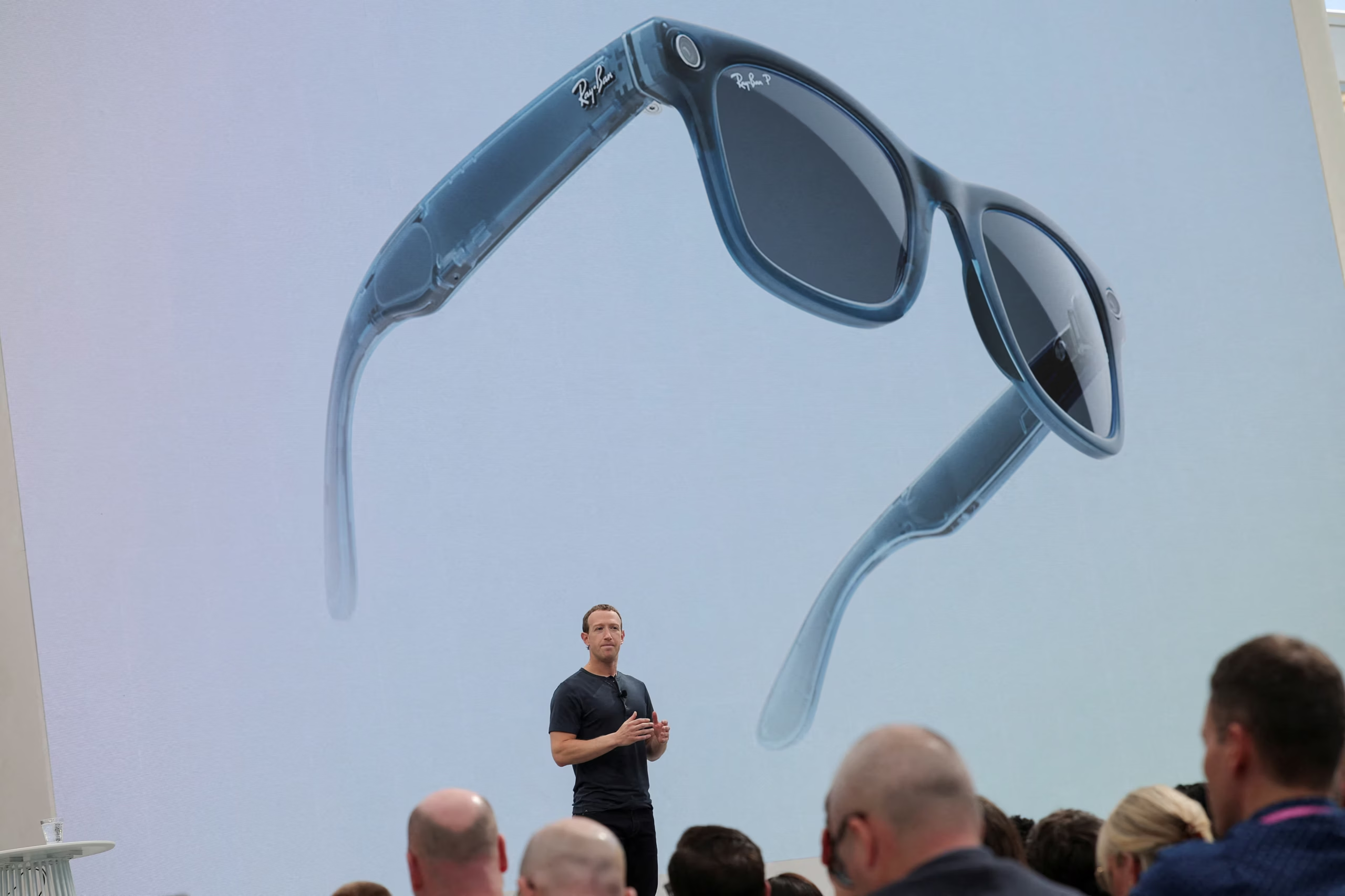
    During the recent Meta Connect event, CEO Mark Zuckerberg unveiled the Meta Ray-Ban Display, their latest innovation in smart glasses technology. This newly introduced product, featuring an integrated display, is not classified as an Augmented Reality (AR) device; however, Meta is fully engaged in the development of AR technology. There is speculation that the company might unveil another unexpected product before launching a comprehensive AR glass.

    The Potential of Smart Glasses

    Mark Gurman, a notable figure in the tech industry, disclosed his impression of the Ray-Ban Display in a recent newsletter. According to Gurman, this is the first instance where he recognized the considerable potential of smart glasses technology. He also revealed that Meta is in the process of designing another pair of smart glasses equipped with dual displays.

    Interestingly, the upcoming model, despite being non-AR, will be launched during the same year as the consumer-oriented Orion AR smart glasses. Although it may seem unusual, the company is presumably aware that the AR smart glasses will carry a hefty price tag. The Ray-Ban Display, retailing at $799, is currently incurring losses for Meta. Despite a decade of financial investment into its XR (Extended Reality) division, Reality Labs, Meta continues to face financial losses in its drive to become a leader in the future of computing technology.

    The Functionality of Ray-Ban Display

    The existing Ray-Ban Display projects a screen to one side of the user’s vision. It is expected that the forthcoming dual-display model will expand upon this feature, potentially projecting two screens on either side and possibly granting the user the ability to operate two or more apps concurrently.

    Even though XR enthusiasts are eagerly awaiting the release of the AR glasses set for 2027, the current Meta Ray-Ban Display serves as an effective tool for practice.

    A Dual Display Smart Glasses in the Pipeline

    In other news, a beautifully illustrated book titled “Iconic Phones: Revolution at Your Fingertips” is set to release this fall. The book promises to offer a unique insight into some of the most distinctive and unforgettable phones from the past two decades. It is expected to be a must-have for tech enthusiasts, chronicling the stories of over 20 fan-favorite phones and their contribution to the technological revolution.

    Questions & Answers

    What is the Meta Ray-Ban Display?
    The Meta Ray-Ban Display is the latest innovation in smart glasses technology from Meta. It features an integrated display.

    What does the future hold for Meta’s smart glasses?
    Meta is reportedly working on another pair of smart glasses that will feature two displays. In addition, the company plans to release the Orion AR smart glasses in 2027.

    What is the “Iconic Phones: Revolution at Your Fingertips” book about?
    “Iconic Phones: Revolution at Your Fingertips” is an illustrated book that details the stories of more than 20 fan-favorite phones from the past two decades, highlighting their impact on the technological revolution.
  • Fresh infusion takes LG Display’s Vietnam investment to $3.25 bln

    Fresh infusion takes LG Display’s Vietnam investment to $3.25 bln

    LG Display will invest an additional $725 million in its manufacturing facility in the northern port city of Hai Phong to take its total investment to $3.25 billion.

    The money will be used to expand the factory starting in March. Manufacturing will begin in May.

    It will create 5,000 new jobs, and contribute around $5 million annually to the government’s coffers.

    LG Display first invested in Hai Phong in April 2016, and currently employs over 13,900 people.

  • LG to supply flexible OLED displays for the iPhone XII in 2020

    LG to supply flexible OLED displays for the iPhone XII in 2020

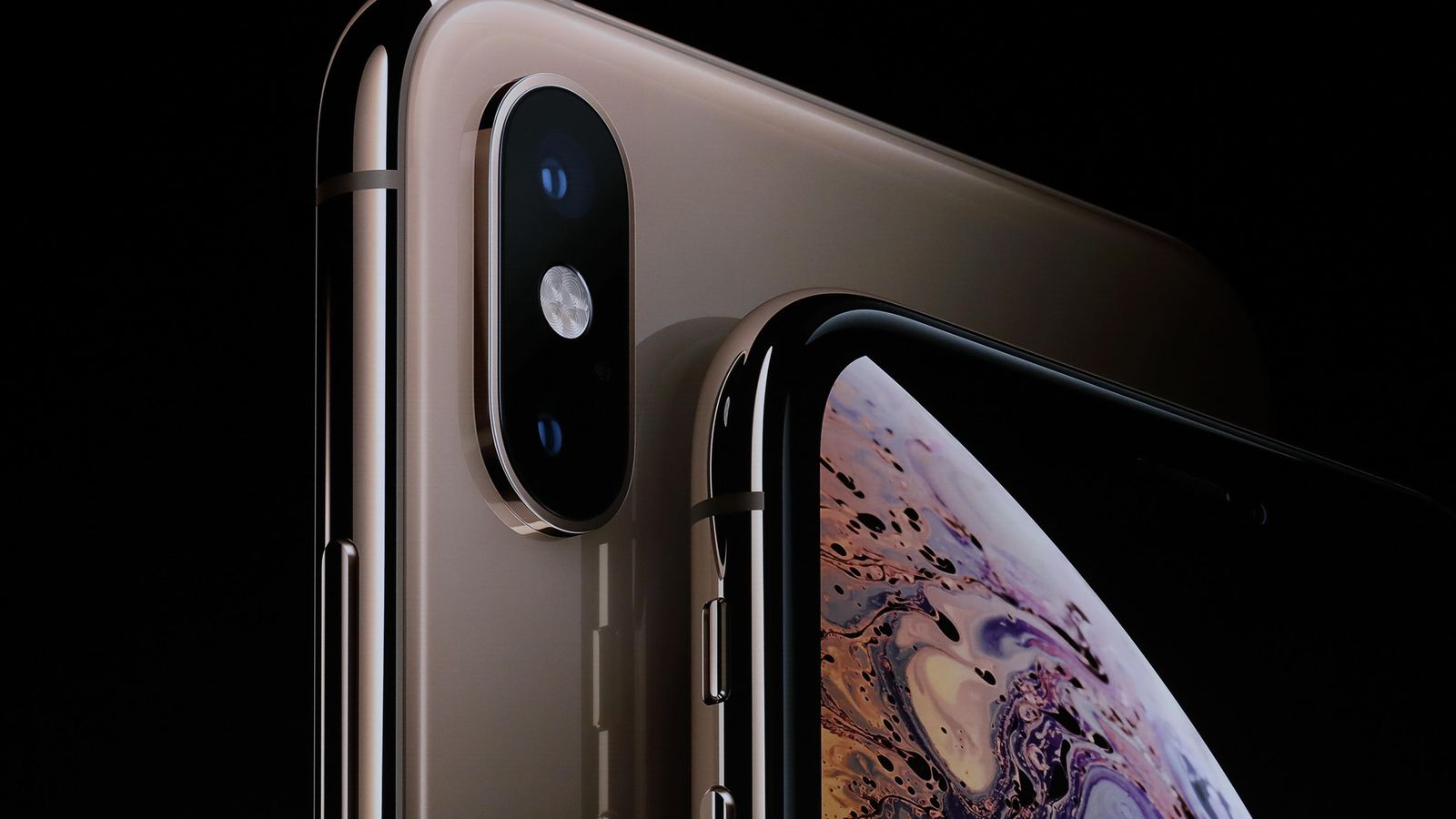
    LG is being fast-tracked to become Apple’s second OLED display supplier for the iPhone XII models in 2020, breaking Samsung’s current monopoly. The E6 line in its Korean factory has reportedly been cleared for operation, and Apple hoped to get whatever quality yield LG can muster.

    Those would increase the average selling price of LG’s displays by 10% which is not an insignificant amount as far as these things go. Unfortunately, the number of OLED panels with the needed quality that LG’s conveyor belts are currently able to churn out is not very large.
    So far, LG panels have been used for repairs of the new iPhones, and with the inauguration of the E6 plant we might see some of the top quality batches make it in the 2019 iPhones. LG apparently won’t be fully ready to supplement Samsung before the 2020 crop, however. According to Jeong Seo-hee, chief financial officer of LG Display:
    In any case, with the help of Apple’s credit lines, LG should quickly be able to ramp up production, as the team from Cupertino is in a desperate need of at least one more OLED screen supplier to avoid the monopolistic prices that Samsung is charging.
    Rumors pegged an iPhone X panel to cost about $100, or about a third of the handset’s bill of materials, and we can only guess how much Samsung charges for the 6.5″ iPhone XS Max display, given that its Apple Repair charge alone comes up to $329.
  • How to get leg up on e-tail with digital POP displays

    How to get leg up on e-tail with digital POP displays

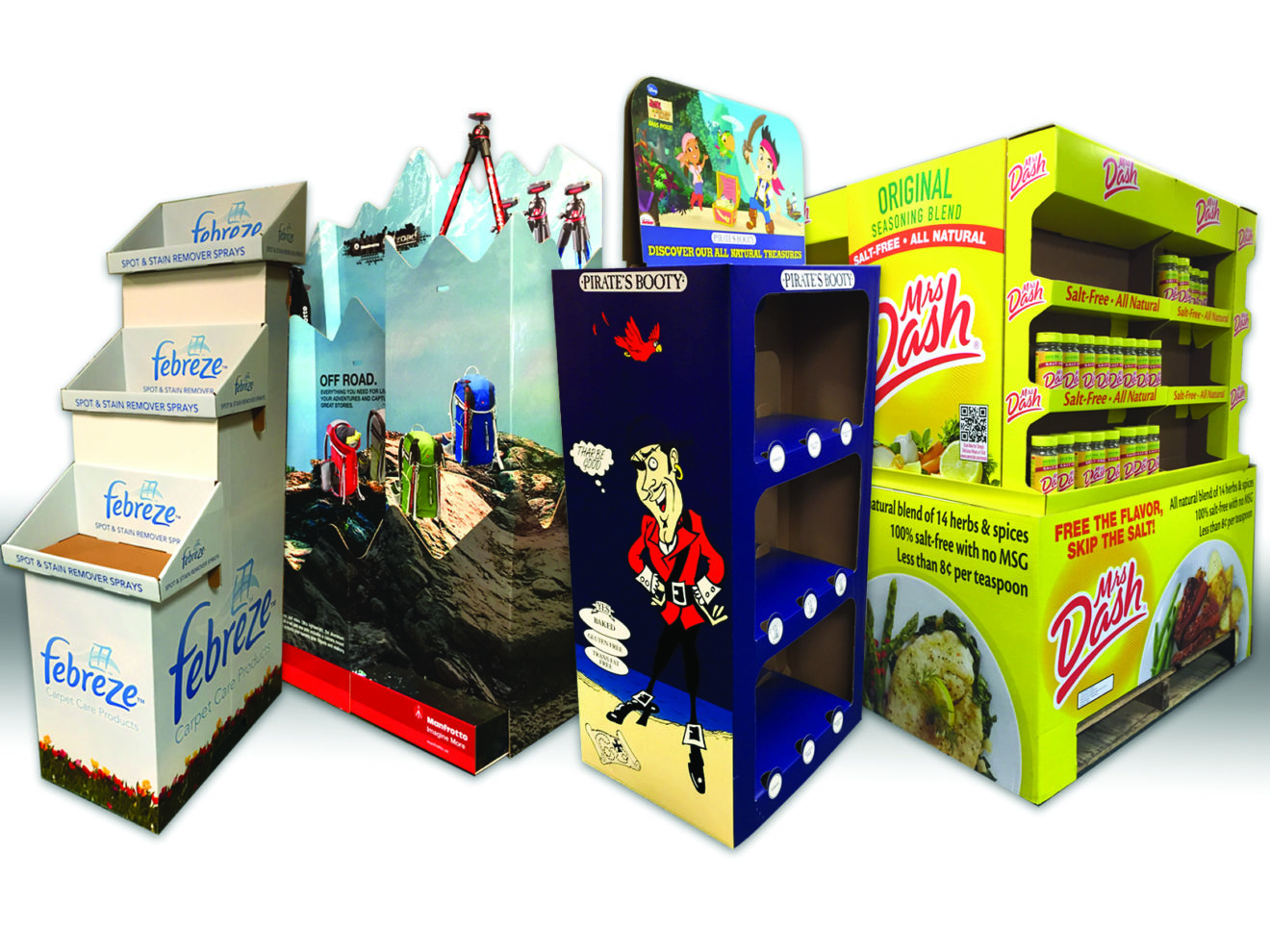
    If there’s anything we’ve learned from the “retail apocalypse,” it’s that consumer shopping habits are changing, and fast. More consumers are making purchases online today than ever before, but surprisingly, several still prefer to shop in-store for a range of goods – mostly because of the immediacy factor, shipping savings and a chance to test drive products before purchase. While no one can predict the future, one thing is certain – to stay afloat, traditional brick-and-mortar stores will need to rethink their approach to the in-store experience. Embracing digital point-of-purchase (POP) displays is one strategy, helping retailers attract and engage customers as well as earn their loyalty.  
    POP signage, both digital and static, has not only been shown to catch the consumer’s eye but also to improve the brand experience and ultimately influence purchasing decisions. In a recent report, 62% of shoppers expressed an increased likelihood to search for a product advertised on a POP display during a future visit, with 43% also noting they’d be more likely to purchase it right away. With technology advancing at breakneck speeds and the cost of screens coming down, the digital POP display in particular is quickly becoming more appealing. Here are 5 ways retailers can improve the in-store customer experience this year using digital POP displays:
    1. Make a lasting impression with moving images
    Capturing the attention of consumers amidst everyday distractions is more difficult than ever, but digital POP displays can help retailers break through the noise with moving imagery. Moving imagery in digital signage has proven to be more than two times as effective at yielding an emotional response than static images and also corresponds to greater recall, which can help boost brand loyalty and ultimately revenue.
    1. Encourage relevant impulse purchases
    Digital POP displays help automate the delivery of “in the moment” ads, promos and other content that can improve the consumer’s day-to-day. For example, a digital promo showcasing “50 percent off all jackets” or a “buy one, get one free” offer for a warm beverage on a cold, rainy day can encourage unplanned purchases based on real-time conditions catered to the shopper. This sort of promo is easy to launch on in-store displays with APIs from digital signage providers having made the integration of real-time data into displays simpler and more efficient.
    1. Get interactive
    Digital POP displays can help you create unique experiences that can’t be found elsewhere, which is important, considering 89% of companies expect to compete on the basis of customer experience.  From a virtual dressing room to on-demand assistance and beyond, touchscreen technology can be used to help stores better engage with customers, so that they leave with a more positive brand association.  
    1. Enhance audience targeting with real-time data
    Today’s digital POP displays easily integrate with measurement tools to provide a clearer overview of audience demographics as well as the types of promotions that might appeal to them. This data can be used to display product information or promos that the customer might find useful. In terms of ROI, measurement technology can also provide insight into how many people on average checked out a particular display as well as the duration of each view. It can also be used to generate reports showing correlations between the number of promo plays and total sales of promoted goods.
    1. Highlight loyalty programs
    Today’s consumer is willing to exchange data for deals, with 77% of consumers reporting that loyalty programs make them more likely to be a repeat customer according to Bond Brand Loyalty’s “The Loyalty Report 2018.”This trend has created a loyalty program fever pitch among retailers. Marketing loyalty and membership programs via in-store digital POP displays can help draw attention to related promotions, and also trigger the delivery of relevant creative to individual consumers whenever they scan their card or enter their phone number in-store.
    For retailers investigating digital POP displays as a way to improve their in-store experience and their customer interactions, there are a host of screens and software available that make it easy to deploy and automate the population of content across displays. But, don’t treat this as a technology-only project. Focusing on the shopper experience that you want to deliver or enhance should also be a priority. It’s important to budget for a content strategy and ongoing content production tailored to the context of these screens versus repurposing TV or web content.
    In today’s shifting market, it’s never been more crucial for retailers to put themselves in the shoes of the modern consumer and think outside the box; digital POP displays offer a smart and flexible way to ensure your brand isn’t left in the dust.
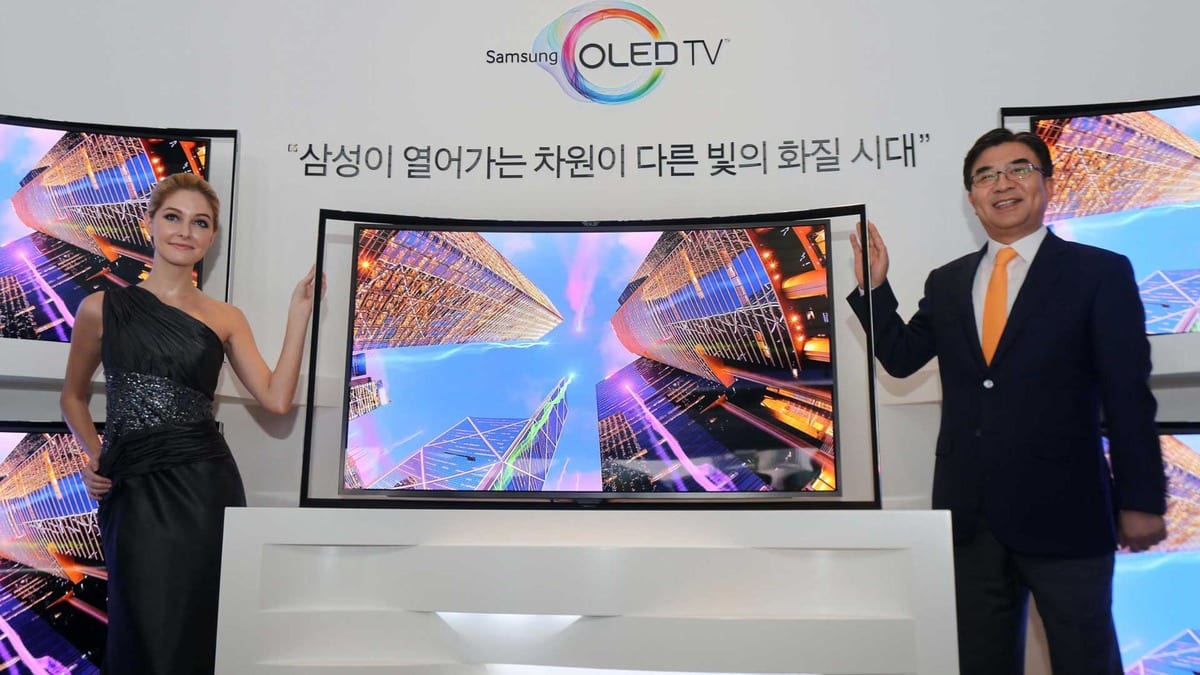
  • Samsung introduces OLED personalised retail displays

    Samsung introduces OLED personalised retail displays