Tag: Dispute

  • A2 Milk Settles Shareholder Dispute for $62M, Affirms No Impact on FY26 Earnings

    A2 Milk Settles Shareholder Dispute for $62M, Affirms No Impact on FY26 Earnings

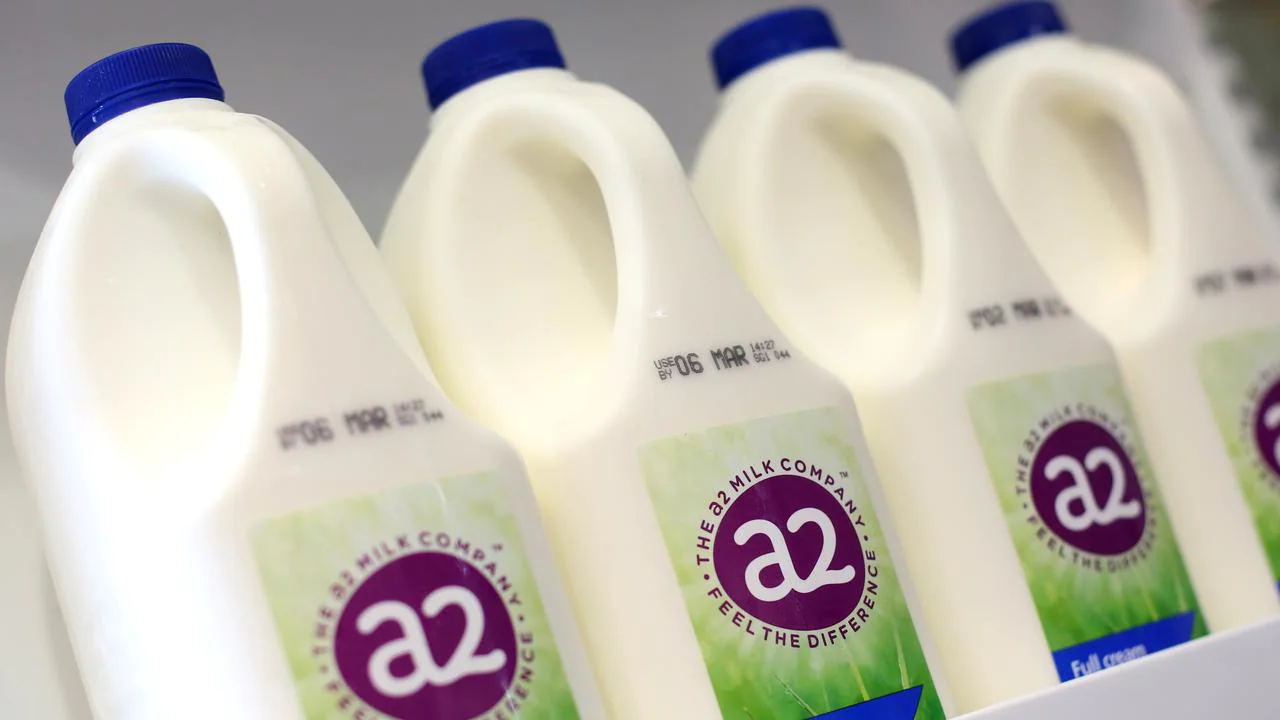
    The A2 Milk Company has come to a preliminary agreement to conclude the prolonged shareholder class actions regarding its purportedly deceptive financial predictions.

    Settlement Details

    The globally traded dairy firm announced that the settlement amount is $62 million, encompassing interest and costs. This total amount will be covered by the available insurance proceeds and it will not affect the company’s fiscal 2026 earnings. In reaching this settlement, the company underlined that it does not acknowledge any wrongdoing. The resolution will undergo finalization and execution of a settlement deed, followed by the approval of the Supreme Court of Victoria.

    Class Action Proceedings

    Two separate class action proceedings were initiated against A2 Milk in October and November of 2021. These actions were brought forward on behalf of shareholders who held an interest in fully paid ordinary shares from August 19, 2020, to May 9, 2021. These actions pertained to the company’s disclosures and guidance for fiscal year 2021.

    In 2022, these separate class actions were merged into a single action.

    Allegations

    The claimants alleged that A2 Milk made misleading representations and failed to comply with its ongoing disclosure responsibilities as a public company, contravening Australian and New Zealand regulations.

    The preliminary agreement was hailed as a significant step in the proceedings. If approved, over 70% of the settlement sum will be distributed among group members. It was noted that the settlement represents a fair resolution and mitigates the delay and uncertainty of a protracted court trial.

    Questions & Answers

    What is the settlement amount that the A2 Milk Company has agreed to?
    The A2 Milk Company has agreed to a settlement amount of $62 million, which includes interest and costs.

    Who initiated the class action proceedings against the A2 Milk Company?
    The class action proceedings were initiated on behalf of shareholders who held an interest in fully paid ordinary shares of the company from August 19, 2020, to May 9, 2021.

    What were the allegations against the A2 Milk Company?
    The company was alleged to have made misleading representations and failed to comply with its ongoing disclosure obligations as a public company, in violation of Australian and New Zealand laws.
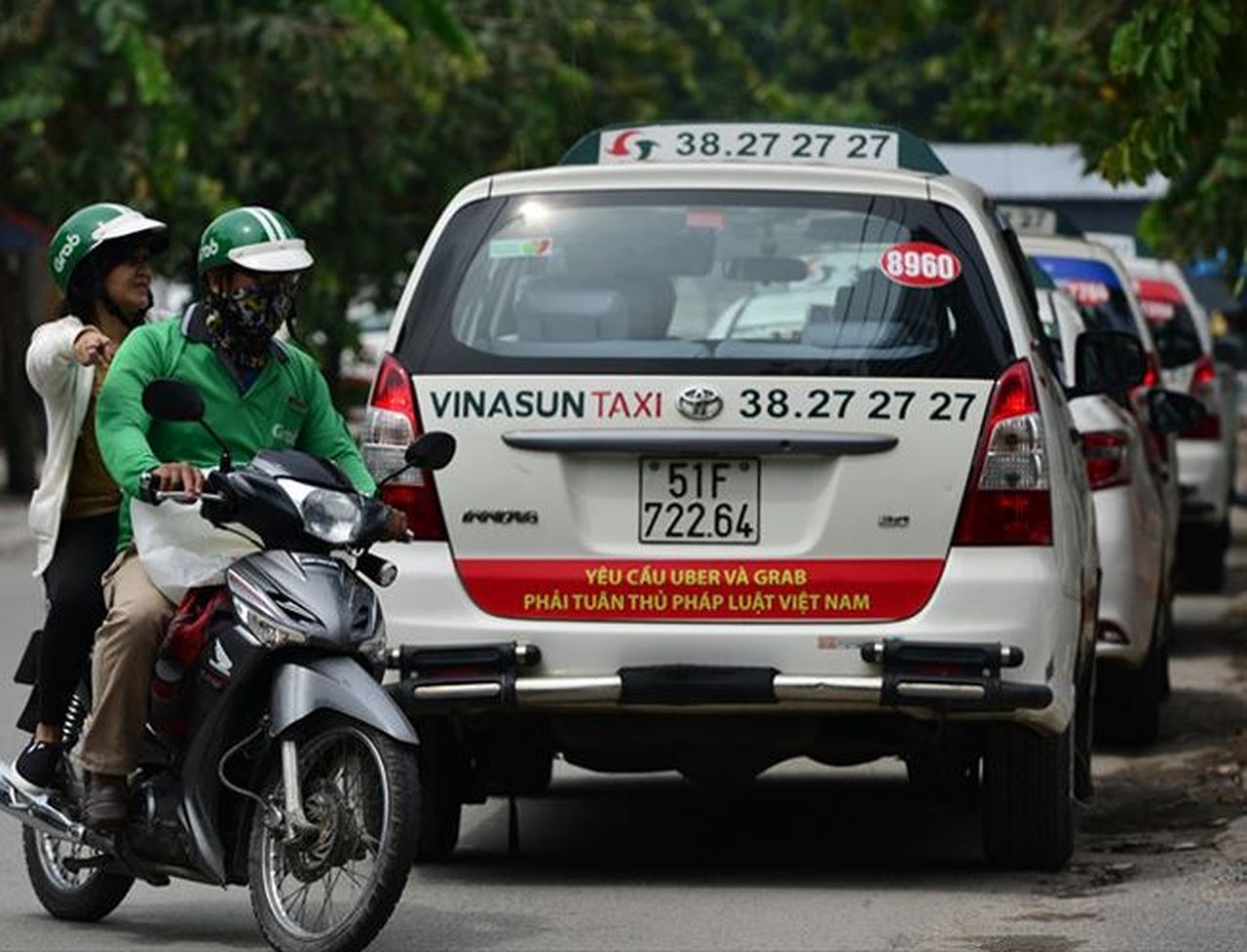

  • Grab, Vinasun to negotiate $1.8 million compensation dispute

    Grab, Vinasun to negotiate $1.8 million compensation dispute

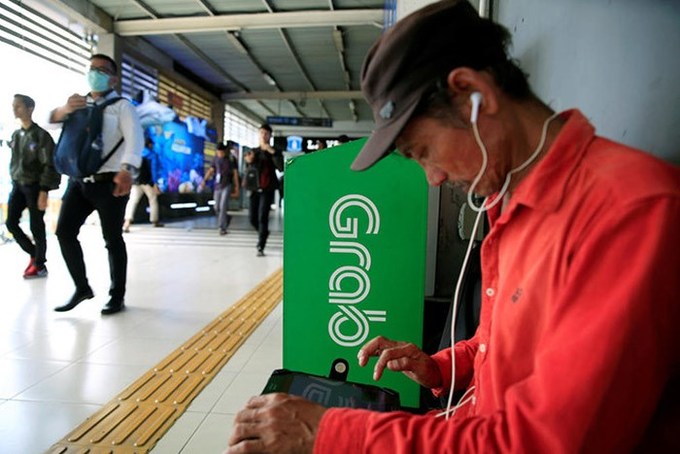
    Top taxi firm Vinasun and ride hailing firm Grab have told the court that they’ll negotiate a compensation dispute. The People’s Court of Ho Chi Minh City on Friday approved the litigants’ wish to ‘sit together,’ and temporarily suspended the trial. The suspension of trial is for no longer than a month, and the reopening date will be announced later, the court said.

    “The lawsuit has dragged on for over a year, but the claimant was not able to prove the damage, as well as the causal relationship with Grab’s influence. The defendant is also very worn out wasting time defending a wrong it did not commit,” said Luu Tien Dung, Grab’s lawyer.

    “This is one of the reasons why both sides have decided to negotiate,” he added.

    Vinasun filed the suit against Grab in June last year, accusing the Malaysia-based firm of abusing the Ministry of Transport’s pilot scheme and committing violations.

    It said Grab’s illegal activities were responsible for nearly VND42 billion (nearly $1.8 million) of the VND76 billion ($3.25 million) in losses that it suffered in 2016 and the first half of 2017.

    The trial began last February, but was adjourned a month later to allow for more evidence to be gathered. Grab protested the valuation of Vinasun’s losses.

    Last October, prosecutors asked the court to accept Vinasun’s petition for compensation of nearly VND42 billion (nearly $1.8 million) in one payment, dismissing Grab’s claim that it was a tech firm and not a taxi company.

    Grab responded by sending a letter to Prime Minister Nguyen Xuan Phuc, saying that identifying Grab as a taxi firm would be “a step backwards from Industry 4.0.”

    Under the latest draft of a decree prepared by the Transport Ministry, transport firms offering services with under 9-seater cars should be registered as taxi firms before they can apply ride-hailing technologies.

    This means that Grab and other ride-hailing firms would have to register their services again as taxi businesses and comply with corresponding legal responsibilities regarding their operating licenses, drivers’ profiles and tax duties.

  • Malaysia’s Anti-Corruption Agency Launches Investigation into Land Dispute Over 1,000 Felled Durian Trees

    Malaysia’s Anti-Corruption Agency Launches Investigation into Land Dispute Over 1,000 Felled Durian Trees

    The Malaysian Anti-Corruption Commission (MACC) is intensifying its investigation into a significant land dispute in Pahang’s Raub district, aiming to collect vital documents and witness accounts. The agency confirmed last Friday that several individuals involved in the cultivation of the disputed lands have already been identified.

    Government’s Bold Move Against Illegal Farms

    The clash over land rights erupted on April 8, when government authorities took decisive action by cutting down approximately 200 durian trees, claiming they were planted on illegally occupied land. This action was part of “Op Sekat 3.0,” a state-led initiative that ran from April 8 to May 3, targeting unauthorized durian farms. Following this operation, more than 1,000 trees—many of them the highly prized Musang King variety—met the same fate, sparking a wave of controversy, as reported by local media.

    The timing of the MACC’s press release couldn’t have been more poignant. It followed a visit by the Sultan of Pahang, Al-Sultan Abdullah Ri’ayatuddin Al-Mustafa Billah Shah, to one of the former illegal orchards last Thursday, a moment captured in a Facebook video. During this visit, the Sultan met with officials from the Raub Land and District Office to discuss the chronic issue of land encroachment. His reaction to discovering that a staggering 10,521 hectares—about the size of 14,700 football fields—had been unlawfully occupied was one of sheer astonishment, according to national news agency Bernama.

    Farmers Fight Back Amid Growing Discontent

    The government’s actions have ignited protests from farmers, who expressed their dissent by blocking access routes and displaying banners lamenting the loss of their established crops, as reported by Free Malaysia Today. The Save Musang King Alliance, which advocates for the farmers, has pointed to a court ruling from May that allegedly prohibited the government from destroying these farms. In a tit-for-tat, authorities have maintained that no court order was breached and confirmed their legal right to clear the land.

    Interestingly, this crackdown has found support among local NGOs and residents who argue that the issue of illegal land use has persisted for far too long and necessitates immediate attention. Tengku Zulpuri, a former Raub member of parliament, noted that the existence of these illegal farms has been an “open secret” for over three decades, adding a layer of intrigue to the ongoing situation.

    Tan Sri Azam Baki, the chief commissioner of MACC, shared that the ongoing investigation is delving deep, not only into governance issues but also into how these land-clearing activities occurred without proper oversight from relevant authorities. Last month, the agency compiled a list of individuals linked to the Pahang land dispute, including several former officials. “Given that the case dates back around ten years or more, some of the officials involved have since retired,” Azam added, hinting at the complexity of accountability in this long-standing issue.

    As the saga unfolds, it leaves us pondering just how deep the roots of corruption may run in this verdant landscape.

    Questions & Answers

    What sparked the land dispute in Pahang’s Raub district?
    The dispute began on April 8, when the government cut down around 200 durian trees believed to be planted on illegally occupied land, as part of a state-led operation targeting unauthorized farms.

    How have farmers reacted to the government’s actions?
    Farmers have reacted strongly, protesting by blocking access routes and voicing their grievances about the destruction of their crops. Their representation, the Save Musang King Alliance, argues that a court ruling prohibited such demolitions.

    What is MACC looking into during the investigation?
    The MACC is investigating governance issues related to the land dispute and examining how land-clearing activities could proceed without proper intervention from the relevant authorities.

  • Vietnam prosecutors support Grab appeal against Vinasun

    Vietnam prosecutors support Grab appeal against Vinasun

    Prosecutors in Ho Chi Minh City have appealed a verdict ordering Grab to pay compensation to domestic taxi firm Vinasun. They want the appeal court to quash the order requiring the Singapore ride-hailing firm to pay VND4.8 billion ($206,000) in compensation for alleged losses and reject all of Vinasun’s demands. Grab violated a pilot transport ministry scheme and government decree for ride-hailing services, according to the verdict.

    But the prosecutors argue this is groundless since Grab is a passenger transport firm licensed by competent authorities under the pilot scheme and its activities did not violate the law.

    They also dismiss the contention that Grab had caused Vinasun losses of nearly VND42 billion ($1.81 million) as one-sided with no practical or legal basis since it was based solely on an assessment by the court-appointed Cuu Long Inspection Company.

    “In reality, Vinasun’s decline in revenue involves many factors such as the corporate governance capability and the government’s policies and laws.”

    “Therefore, Vinasun’s demand for compensation from Grab is completely groundless.”

    They say Grab’s business activities are legal and Vinasun’s decline in revenues and profits have been partially due to consumers switching to Grab as they found the ride-hailing firm’s services to be superior to those provided by Vinasun and other traditional taxi firms.

    “Grab did not violate the law, there is no causal link between Grab’s allegedly illegal activities and Vinasun’s losses, Grab is not at fault.”

    Vinasun filed the suit against Grab at the HCMC People’s Court in June 2017, accusing it of abusing the Ministry of Transport’s pilot scheme and committing violations.

    The trial began last February, but was adjourned several times before the court last December accepted parts of Vinasun’s demands and ordered Grab to pay the compensation. Grab has appealed.

  • GM Korea’s union has plan to get workers paid

    GM Korea’s union has plan to get workers paid

    GM Korea’s union is planning to request further government support for employees who took unpaid leave after the shutdown of the Gunsan manufacturing plant last year. The decision, outlined in a follow-up document detailing a GM Korea union meeting held on Jan. 22, could go back on the original arrangement with the company to share the cost burden of supporting employees who went on unpaid leave.

    Since GM Korea’s Gunsan plant closed last year, the government provided support for six months, until November, to hundreds of workers who took unpaid leave. The company and its union decided to each cover half of the support payments, or 1.125 million won ($1,000) for every worker, for 24 months after the end of the government support. According to the document, the union will work towards gaining further government support by recategorizing unpaid-leave workers as paid-leave workers.

    According to the Ministry of Employment and Labor, companies can apply for government support for workers on paid leave to partially cover their payment. If the company pays 70 percent of the pay for employees on paid leave, the government can provide around two-thirds the amount for up to 180 accounting days.

    The document said the change would require agreement from the company and approval from the Labor Ministry. GM Korea said it has paid what it owes to workers on unpaid leave. It declined to comment on the union’s plans. Korea Development Bank completed last month injection of $750 million into the struggling company.

  • Vietnamese taxi firm to get support in lawsuit against Grab

    Vietnamese taxi firm to get support in lawsuit against Grab

    Prosecutors have argued in a trial in HCMC that Grab must pay Vinasun compensation for losses it caused through “unhealthy competition.” At a hearing Tuesday the city People’s Procuracy rejected ride-hailing firm Grab’s argument that the court had no jurisdiction over the case, saying it does since it is a commercial dispute.

    Prosecutors also asked the judges to deny Grab’s request to summon representatives of Vietnam’s Ministry of Transport, other companies participating in the ministry’s pilot scheme for ride-hailing services and the company responsible for estimating Vinasun’s losses.

    As for Grab’s claim it is a tech firm and not a taxi company, they said since the firm directly assigns drivers, sets fares, sets regulations for drivers, and offers promotions, there is enough reason to dismiss this too.

    “Vinasun’s demand for compensation for reduced profits is well founded since Grab was dishonest in its business declaration and ran promotions in contravention of regulations, causing over 70 percent of Vinasun’s customers to switch to Grab due to lower fares.”

    Vinasun’s after-tax profit was nearly VND320 billion ($13.7 million) in 2015 and VND295 billion ($12.63 million) in 2016, but dropped to VND53 billion ($2.27 million) in the first half of 2017, by which time over 8,000 drivers had quit and hundreds of cars had stopped running due to a lack of drivers.

    Prosecutors asked the court to accept Vinasun’s petition for compensation of VND42 billion (nearly $1.8 million) in one payment.

    Grab continued to insist the case did not come under the court’s jurisdiction and that it is a tech firm.

    Dismissing the claim it had caused losses to Vinasun, Grab cited market research purporting Vinasun has been losing customers due to other reasons such as driver’s attitude, long waiting time and declining car quality.

    Vinasun filed the suit against Grab at the HCMC People’s Court in June last year accusing the Malaysia-based firm of abusing the Ministry of Transport’s pilot scheme and committing violations.

    Claiming Grab’s illegal activities had caused damages to it, Vinasun claimed to have suffered losses of nearly VND76 billion ($3.25 million) in 2016 and the first half of 2017, of which nearly VND42 billion (nearly $1.8 million) was caused by Grab.

    The trial began last February, but was first adjourned a month later due to the need for more evidence and again last month when Grab protested against the evaluation of Vinasun’s losses and refused to attend.

    The court is scheduled to hand down its verdict next Monday.

  • Furniture giant IKEA loses its trademark dispute in SC in Indonesia

    Furniture giant IKEA loses its trademark dispute in SC in Indonesia

    There is Samsung of South Korea, Sony of Japan, BMW of Germany and IKEA of Indonesia. Wait! IKEA of Indonesia? Yes, at least in Indonesia, if not worldwide.

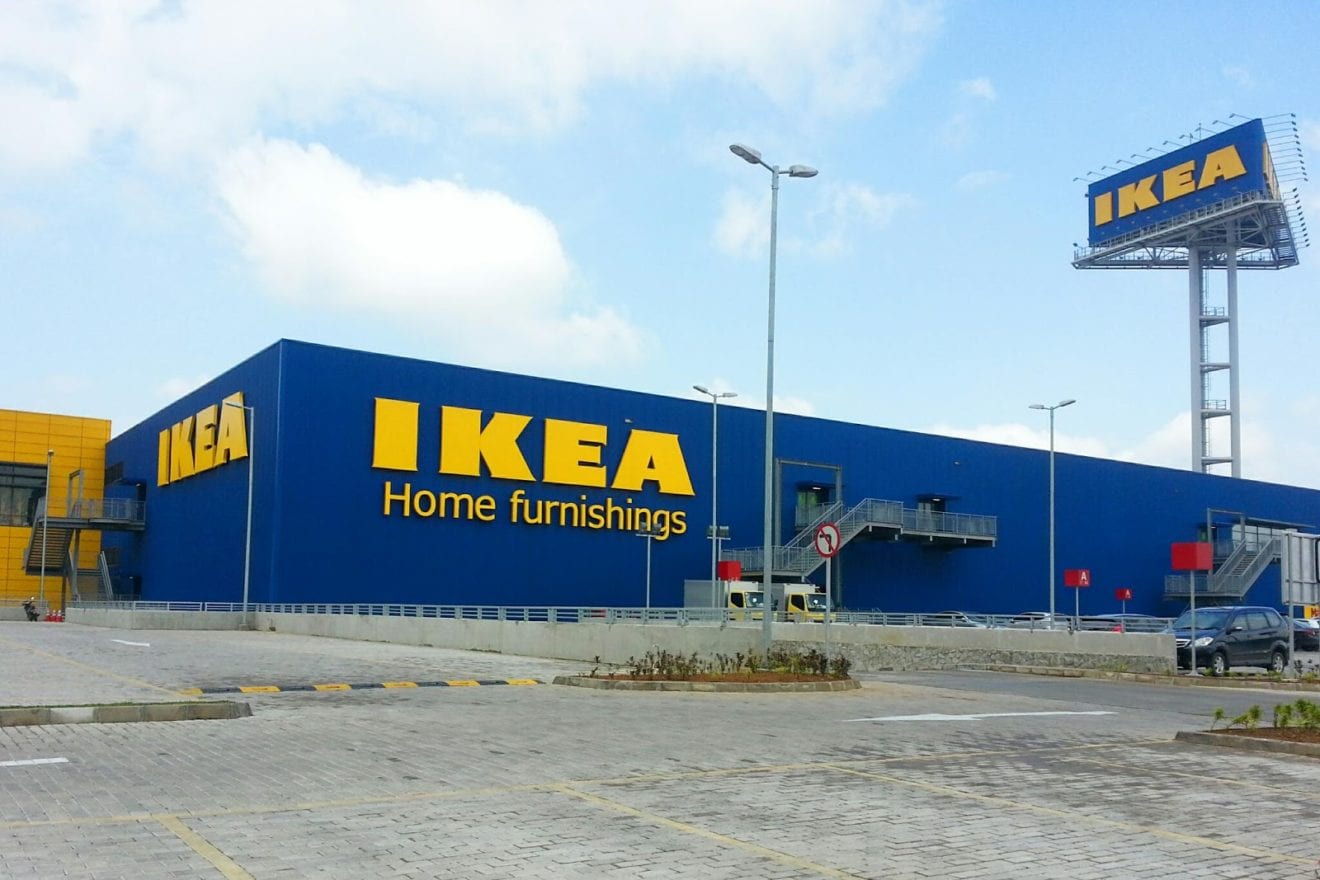
    Furniture giant IKEA, founded in Sweden in 1943, has lost a trademark dispute in Indonesia after the country’s highest court agreed the name was owned by a local company.

    Indonesian furniture company PT Ratania Khatulistiwa registered its IKEA trademark in December 2013. It’s an acronym of Intan Khatulistiwa Esa Abadi.

    The Supreme Court’s ruling was made in May last year but only surfaced publicly this week with its publication online by the court on Thursday.

    It said IKEA had not actively used its trademark in three consecutive years for commercial purposes and it could be deleted under Indonesia’s trademark law.