Tag: distribution

  • DHL eCommerce unveils new distribution center in Japan

    DHL eCommerce unveils new distribution center in Japan

    DHL eCommerce, a division of Deutsche Post DHL Group, unveiled its plans to establish an outbound cross-border eCommerce distribution center in Narita, Japan by April 2017.

    The distribution center will be co-located with the Japan Global Distribution Center, created by one of DHL’s divisions. The cross-border shipping product DHL Parcel International Direct will provide affordable deliveries from Japan to the United States and the United Kingdom, guaranteeing transit times of four to six business days, DHL eCommerce said. DHL GlobalMail Packet Plus, another cross-border shipping product, will provide the best rates for Japan-Europe deliveries, offering transit times of five to 10 business days and a high degree of visibility into the status of shipments.

    The expansion plans in Japan are part of DHL eCommerce’s larger strategy in the Asia Pacific. The company recently unveiled its 70 million euro (U.S. $74.3 million) investment in India to boost the capabilities of the air hubs in Delhi and Mumbai to enhance B2C e-commerce delivery in India.

    In June 2016, DHL eCommerce announced its plans to grow its overall footprint in China by 50 percent. In January 2016, the company launched domestic delivery operations in Thailand and announced plans to double its fleet and number of depots by 2017.

  • Toll, Specialty Fashion build retail distribution centre

    Toll, Specialty Fashion build retail distribution centre

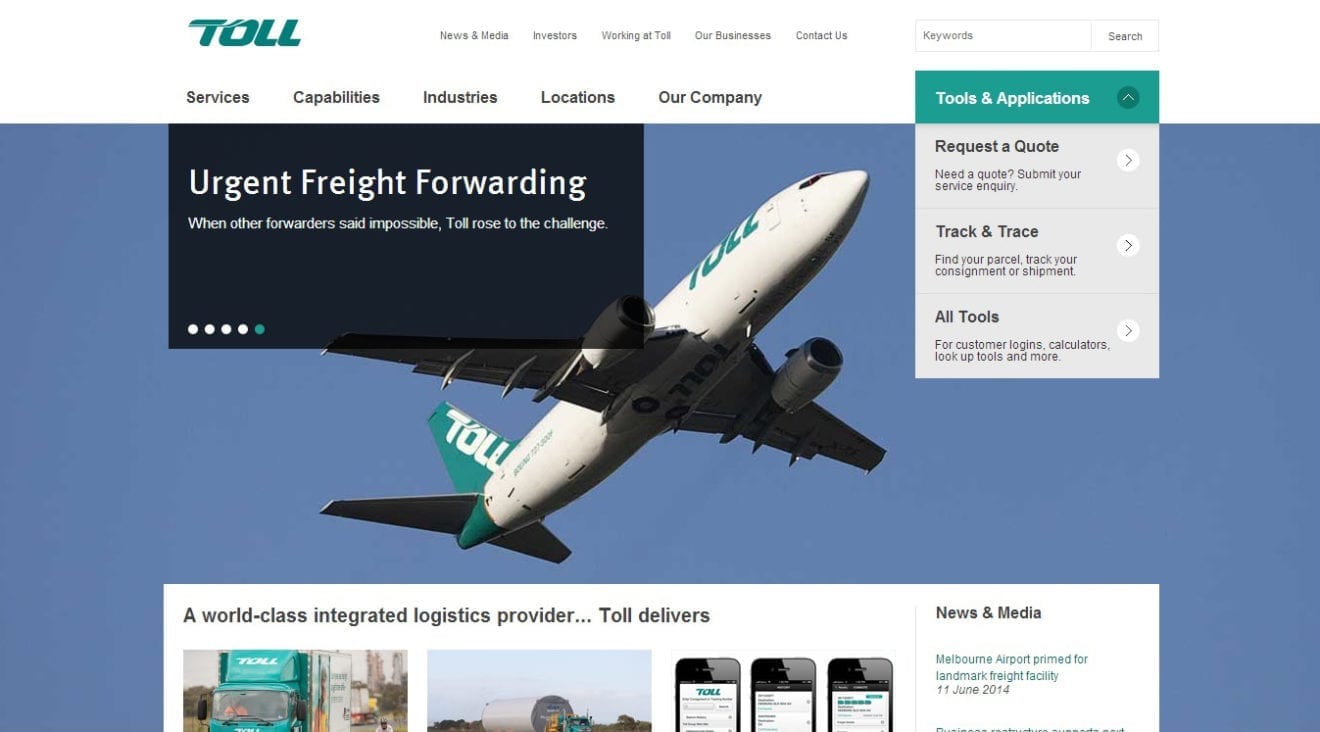
    Toll Group has unveiled its plans to build a state-of-the-art retail distribution centre in collaboration with apparel retailer, Specialty Fashion Group.  The 32,000 square metre distribution centre will be built by Logos Group Australia at the Prestons Logistics Estate, Sydney.

    Fitted with advanced automation technologies to enable fast and efficient distribution to customers, the facility will be one of the first in Australia specifically designed to cater for the growing retail eCommerce market.

    Toll has worked closely with Specialty Fashion Group to design a distribution centre that will meet the demands of the retailer’s recent growth, and support its continual focus on improving omni-channel delivery including online and ‘click and collect’ ordering.

    The Prestons facility will enable Specialty Fashion Group to get products to stores and customers faster than ever before.

    In a ground breaking ceremony at the site, Toll’s Managing Director, Brian Kruger, and Specialty Fashion Group CEO, Gary Perlstein, turned soil to mark the start of construction.

    Brian Kruger said “We are excited to announce our plans for this innovative distribution centre – an Australian first in automation for eCommerce processing and distribution.

    “Our aim at Toll is to connect people and products, and we look forward to working with Specialty Fashion Group to enable a fast, efficient and cost effective supply chain for its customers.”

    Gary Perlstein said “Currently, Specialty Fashion Group sells a garment a second in Australia. We have worked with Toll to create a supply chain solution that enables our omni-channel strategy across all brands for a streamlined and memorable customer experience.”

    Toll has designed the facility to include several leading automation technologies including a multi-shuttle tote storage system, goods-to-person pick stations, automated and ergonomic eCommerce processing stations, automatic carton optimisation machines and a tier one warehouse management system.

    These technologies will enable the site to manage high volumes efficiently and quickly, despatching products for faster delivery and reducing overall costs per unit.

    The facility will employ around 120 warehouse operators and is expected to despatch more than 90 million units annually. Construction is expected to be completed in October 2017.

  • Allianz secures distribution rights with Malaysia’s Maybank

    Allianz secures distribution rights with Malaysia’s Maybank

    Allianz is hoping the agreement will give access to Maybank’s 4 million customers in Asia. The insurer said it has jointly developed three life insurance products with Maybank which includes a unit-linked life insurance product compliant with Islamic Shariah law, a single-premium investment product and a life policy which combine protect with investment. “This partnership demonstrates Allianz’s continued focus on growing in the Asia region, of which Indonesia is a key priority.

    We’re excited to bring our multi -channel approach, innovative products and digital expertise to serve the protection needs all Maybank customers,” said Allianz’s regional chief executive for Asia Pacific, George Sartorel, in a statement on Tuesday. Under the collaboration, a team of more than 150 insurance advisers will sell the products to Maybank clients via their retail branches. Joachim Wessling, chief exectuive of Allianz Life Indonesia said: “This cooperation between two outstanding companies combines our strengths in providing world-class services and solutions, to deliver insurance protection tailored to our customers’ needs. We look forward to working closely with Maybank to secure a safer future for our customers in Indonesia.”

    Last week, it emerged that Allianz and France’s Axa are locked in a bidding war to acquire the 15-year distribution rights to sell insurance products through Standard Chartered’s channels in Asia. Meanwhile, Hanwha Life, South Korea’s second largest life insurer, is set to pump KRW150bn (£102m, €121m, $134m) into its Indonesian arm in a bid to expand its foothold in the country’s booming insurance sector.

  • Microsoft Lumia 950 and 950 XL makes its way to Philippines

    Microsoft Lumia 950 and 950 XL makes its way to Philippines

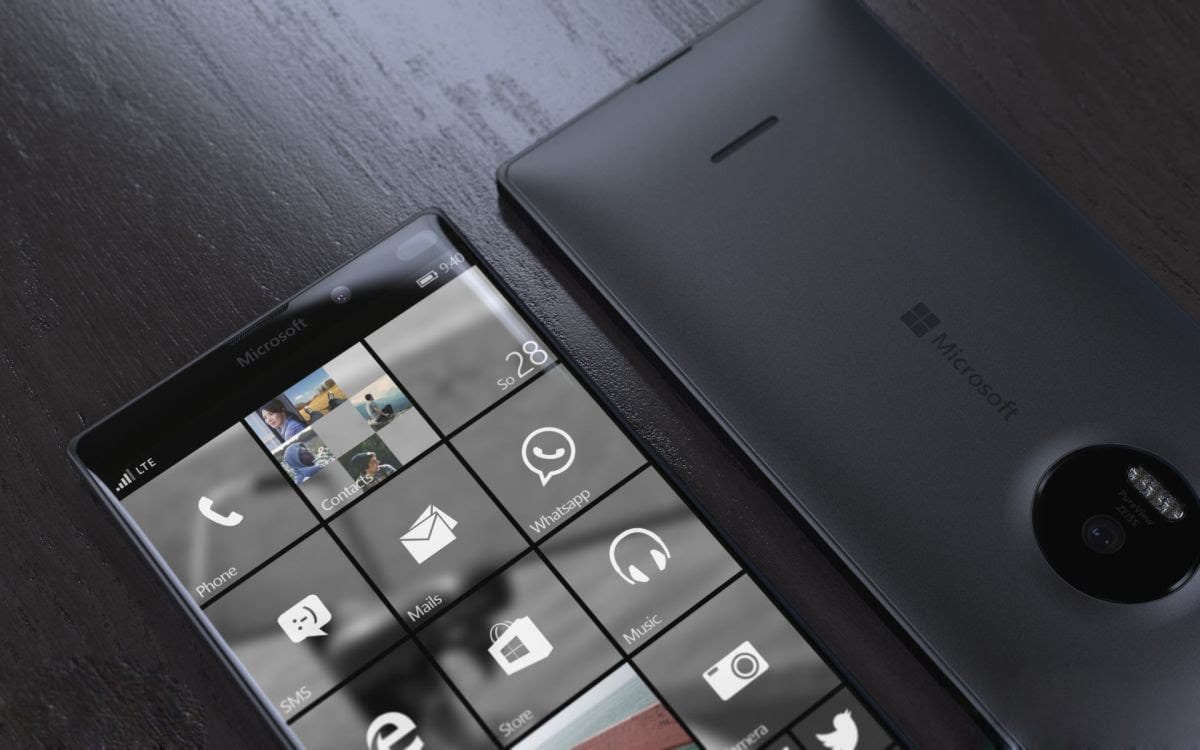
    After India, the next market to get Microsoft’s latest offerings, the Lumia 950 and the Lumia 950 XL, is the Philippines. Both handsets are set to hit retail in the region starting December 14th (via Windows Central). The Lumia 950 carries a ₱28,990 (about $615 US) price tag, while it’s bigger sibling costs slightly higher, that is, ₱32,990 ($699). The Display Dock is available as well, but it’s not bundled with the device. Customers interested in the Display Dock can pay ₱3,390 ($72).

    The Lumia 950 comes with a 5.2-inch QHD display with the processing handled by the Snapdragon 808 processor and a 3000 mAh battery. On the other hand, the bigger Lumia 950 XL features a 5.7-inch QHD display with Snapdragon 810 under the hood and a massive 3,340 mAh battery.

    Both devices feature 3GB of RAM, 32GB of internal storage, a microSD card slot for expansion, a 20MP camera for photos and videos, a 5MP front-facing camera and ships with Windows 10 Mobile as its operating system.

    If you’re confused, check out our first impressions with the Lumia 950 and  the Lumia 950 XL to help you make up your mind.

  • Warner Music Singapore to stop distributing CDs

    Warner Music Singapore to stop distributing CDs

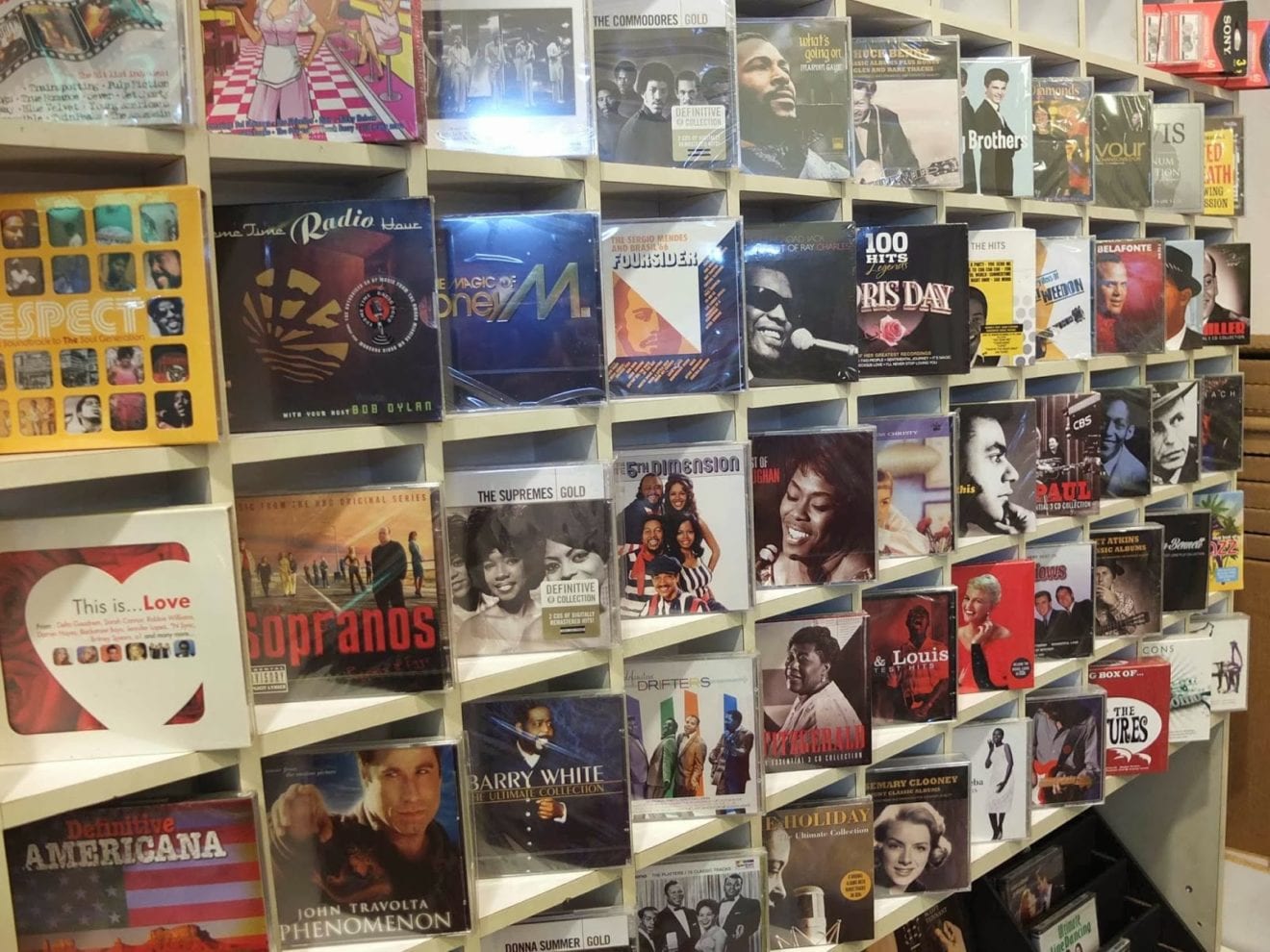
    The Singapore office of Warner Music – one of the major music labels along with Universal Music and Sony Music – is no longer bringing in CDs for sale and distribution here.

    This is what insiders in the local music industry – retailers and other labels – have heard.

    When contacted, Warner declined comment.

    In the last year, it released albums by Stevie Nicks, Ed Sheeran, Jolin Tsai and Singapore’s JJ Lin, according to its website. Other local musicians signed to it include Reuby and hip-hop duo SleeQ.

    While the other labels are still bringing in CDs, Life understands that Sony no longer handles the storage and distribution of these CDs to shops here. It has engaged another company for those functions.

    A veteran in the music industry, who declined to be named, said Warner’s decision was made in July. Retailers have also been informed of the move, and they say it is likely due to falling CD sales worldwide.

    A spokesman for HMV Singapore says it was notified of Warner’s move a couple of weeks ago, and of Sony’s move last year.

    Said the spokesman: “We will need to make slight changes by importing the CDs in the case of Warner.

    “For Sony, we can still get them locally supplied by MM2 (the company engaged by Sony). But some titles may be late, or on a rare occasion, not released.”

    Mr Ho Chan Sian, 60, owner of Memphis Music, a CD shop in Coleman Street, learnt about Warner’s move two weeks ago.

    He says: “It will be more inconvenient for us because we will not be able to draw stocks from Warner like before. We will have to turn to wholesalers to get CDs of artistes under the Warner label.”

    Consumers in the United States, the world’s largest music market, bought 257 million albums last year, a drop of 11 per cent from 2013.

    At Universal, sales of physical CDs in Singapore for the first half of this year have fallen 8 to 9 per cent, compared to the first half of last year.

    Says Ms Kim Lim, the head of marketing and sales for Malaysia and Singapore at Universal Music: “The market has evolved from physical sales towards digital distribution.

    “Digital is more affordable and easier to access. The consumer can also get it more quickly, instead of having to wait for CD stock to be ready in stores.

    “There are also very few stores nowadays as retail store rents are increasing year by year.”

    Says Mr Ngiam Kwang Hwa, 55, managing director of record label and concert organiser Rock Records: “I can totally understand Warner’s position. To bring in a CD, you have to pay for freight, GST, the warehouse to store the CDs, as well as distribution cost. If the sales volume is not high enough, it actually doesn’t make financial sense to do so.”

    Both Universal and Rock still bring in CDs for distribution.

    Ms Lim says: “We still believe some albums – that have nice packaging, exclusive content and limited edition packaging – are collectible items.”

    But Mr Ngiam expresses concern that Warner’s move is the beginning of an unhealthy outlook for the industry.

    He says: “My worry is that another one of the big labels will also stop bringing in CDs. Then the distribution system might change, and we might be forced to react.”

    When contacted, music fans were not surprised by Warner’s move.

    Public servant Tan Wei Ye, 28, has not bought a CD in more than 10 years: “Nowadays, I buy my music mainly from iTunes. I also use Spotify, Soundcloud and Bandcamp, and listen to music on YouTube sometimes.

    “You can just buy the individual songs you want, instead of having to commit to the full 10 or 12 songs on a physical CD. It doesn’t make sense to go to the physical CD shop anymore.”

  • Thai products flood Vietnam market

    Thai products flood Vietnam market

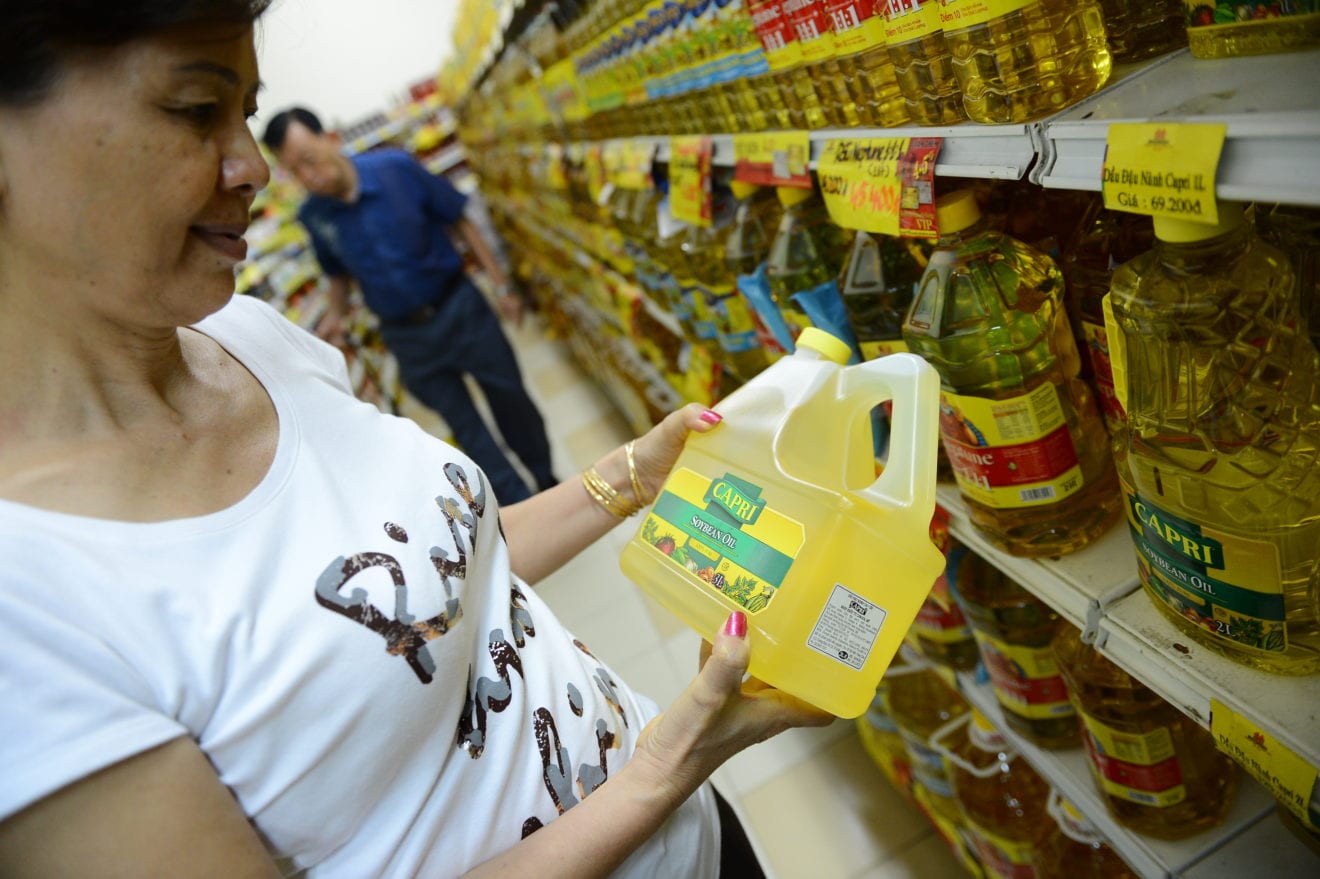
    Thai products can be seen everywhere, gradually replacing cheap Chinese low-quality goods on supermarkets’ shelves and at pavement shops.

    “In the past, Chinese motorbike accessories flooded the domestic market, but 70-80 percent of the products available in the market are from Thailand,” said Hai, a distributor of Michelin tires, a Thai brand well known in Vietnam.

    Thai tycoons in recent years have been flocking to Vietnam, taking over a series of Vietnamese distribution chains. The move were described as a step to clear the way for Thai products to penetrate the home market.

    Thai BJC Group, for example, spent $876 million to take over Metro Cash & Carry Vietnam. Meanwhile, Thai Corporation International, a subsidiary of BJC, bought 51 percent of Phu Thai Group, which ran 42 Family Marts.

    Thai products, however, usually cost more than Chinese and Vietnamese products.

    “Thai goods fit Vietnamese tastes and they are not too expensive,” said Le Thi Thanh Lam, deputy general director of Saigon Food.

    The greatest success of Thai businessmen is that they are very professional in penetrating the Vietnamese market.

    Robert Tran from Robenny, a Canadian consultancy firm, noted that the cementing of firm positions in the market with the retail growth rate of 15 percent and Vietnam’s high population of 90 million can help Thai retail groups increase the number of shops in Vietnam.

    “This allows the companies to have an advantage in negotiating with manufacturers about commissions and prices,” he explained.

    Meanwhile, Pham Ngoc Hung, deputy chair of the HCM City Business Association, noted that Thai businesses followed sound business strategies.

    “The distributors develop their chains in a 5-10-year term plan, and do not do ‘hit-and-run’ business,” he said. “The larger the distribution networks expand, the more easily they can bring Thai products to Vietnam.”

    While Thai businessmen have conducted rapid-fire attacks at the Vietnamese market, domestic businesses remain ‘bewildered’.

    Tran said he was surprised about the way Vietnamese do business.

    “Vietnamese businesses say they can completely satisfy requirements set by foreign partners. However, they cannot show sample products,” he noted.

    “A large business even said it would only make an investment if the partner agreed to sign the contracts first,” he said.


  • Carrefour China sales slip

    Carrefour China sales slip

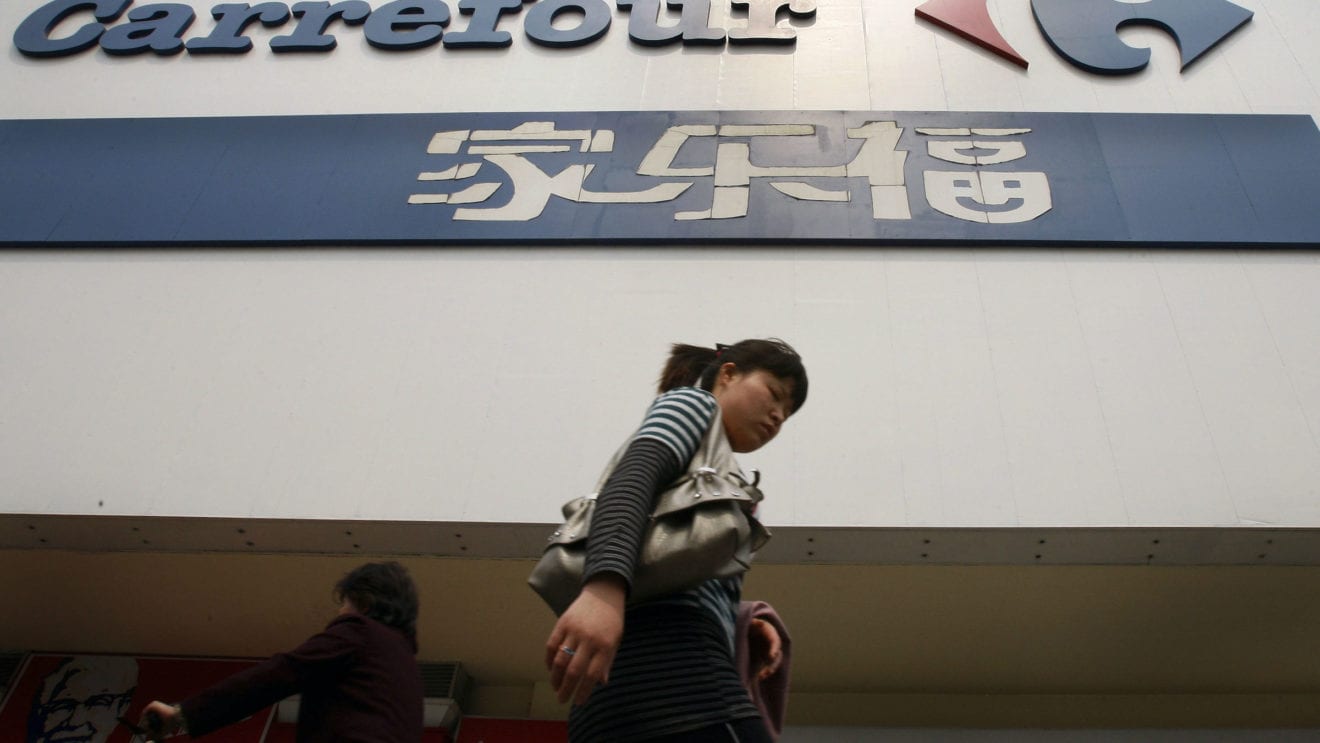
    French-headquartered retailer Carrefour says its Asian sales rose 13 per cent in the second quarter of this year.

    But Carrefour China struggled during the quarter, its sales down 11.4 per cent measured organically and 12.3 per cent on same store sales basis.

    The overall Asia figure benefited from a positive currency effect, with organic sales down 8.6 per cent.

    In Taiwan, sales grew for the second consecutive quarter, both same store and organic sales rose, by 2.1 per cent and 1.4 per cent respectively.

    The company said the China market was affected by slowing consumption nationwide.

    “We are continuing the roll-out of our action plan in the country,” the company said in its sales statement.

    That plan includes enhancing its logistics and distribution centers in Mainland China over the next two years. After opening new centers in Kunshan in June 2014 and Chengdu last April, Carrefour China plans two more in Wuhan, Hubei, and another in Beijing serving the capital and the Tianjin region this year.

    Two more will follow in 2016 serving the northeast and South China regions.

    Carrefour says when complete its six center distribution network will be the best in China’s retail industry, based on scale and speed to market. The centres will use advanced voice-picking technology.

  • Sony Talks Digital Distribution And The Shift Away from Physical Retail

    Sony Talks Digital Distribution And The Shift Away from Physical Retail

    SCE President Andrew House talks digital distribution and the shift away from physical retail occurring this generation.

    At Sony’s Investor Relations Day 2015 presentation, House spoke about the improved network features of the PS4 over the PS3 and believes that it’s one of the drivers for the shift. He also pointed out that having earlier and more accessible access of digital releases are contributing elements now that download versions arrive on the same day with retail copies and can often be pre-loaded.

    House also talked about the impact on profit, noting that regions will be affected differently based on technology and user preference.

    “Anecdotally the new console generation has certainly marked a shift to digital distribution in my opinion. Pre-loading, more competitive pricing and day and date access are the big factors for me, plus the requirement of retail releases to install and often download day one patches negates the speed factor of retail purchases.”

    In recent times, both Sony and Microsoft have embraced flash sales and discounting of online products.