Tag: distributor

  • Xiaomi Vietnam Fined $11,000 For Breach Of Consumer Protection Laws

    Xiaomi Vietnam Fined $11,000 For Breach Of Consumer Protection Laws

    Xiaomi Vietnam, a distributor of consumer electronics under the Chinese brand Xiaomi, has been penalized with a fine of VND290 million (US$11,000) for breaches of consumer protection laws, especially involving the use of personal data for marketing purposes. The company was charged with not granting customers the choice to either consent or decline the use of their personal details for advertising, product promotion, and various commercial activities. This breach was confirmed by the National Competition Commission (NCC) under the Ministry of Industry and Trade.

    Additional Violations

    Furthermore, Xiaomi Vietnam was found guilty of not informing consumers about its use of influencers for product promotion, using their images and endorsements without due notice. The firm was also penalized for incorporating illegal clauses in its general transaction terms.

    The NCC has mandated that the company immediately halt all illegal activities and promptly reassess and enhance their general transaction terms and conditions, consumer data protection policies, and activities related to the provision of information and product promotions through influencers. This is to ensure full compliance with the legal regulations.

    Xiaomi Vietnam, which has been operating since 2019 and is headquartered in Ho Chi Minh City, offers a variety of consumer electronics, such as smartphones, tablets, wearable devices, TVs, robot vacuum cleaners, and smart home devices.

    Questions & Answers

    What was Xiaomi Vietnam fined for?
    Xiaomi Vietnam was fined for breaching consumer protection laws, specifically in relation to the use of personal data for marketing purposes without consumer consent.

    What other violations was Xiaomi Vietnam charged with?
    Further charges against Xiaomi Vietnam included the failure to inform consumers about their use of influencers for product endorsement, and the inclusion of illegal provisions in their general transaction terms.

    What steps has the NCC mandated for Xiaomi Vietnam?
    The NCC has ordered Xiaomi Vietnam to immediately stop all illegal activities and to review and update their transaction terms, consumer data protection policies, and influencer-related promotional activities to adhere to legal regulations.


  • Central Marketing Group Aveda Distribution Rights In Thailand, Enters High-end Haircare Market

    Central Marketing Group Aveda Distribution Rights In Thailand, Enters High-end Haircare Market

    Central Marketing Group (CMG), a division of Central Retail, has recently attained exclusive distribution rights for Aveda in Thailand, marking a significant step into the high-end haircare market.

    A Strategic Move

    This development resonates with the increasing demand for luxury beauty products in the market. CMG anticipates a surge in its beauty sales, projecting a growth rate exceeding 15% by the year’s end.

    Ty Chirathivat, CMG’s president, indicates that the premium beauty sector in Thailand has showcased robust growth, amounting to over THB 23.7 billion ($733.5 million), haircare products alone contribute more than THB 403 million ($12.5 million).

    “This is indicative of a notable shift in consumer behaviour towards a more comprehensive approach to self-care, where beauty and wellness are closely linked,” Chirathivat explains.

    Aveda: A Commitment to Environmental Responsibility

    Chirathivat adds that the inclusion of Aveda, renowned for its plant-based formulas, allows the retailer to cater to the evolving preferences of younger consumers. These consumers increasingly favor brands displaying a strong commitment to environmental responsibility.

    “Integrating Aveda into our product line fortifies CMG’s beauty segment. We aim to broaden both our physical and digital distribution channels, while initiating comprehensive marketing strategies encompassing brand activations and community involvement,” states Chirathivat.

    Aveda, currently a subsidiary of The Estee Lauder Companies, was founded in 1978 by Horst Rechelbacher. His pioneering concept of holistic beauty led to the creation of this brand, which specializes in botanical beauty products. The brand has gained recognition for its use of ethically sourced ingredients and support of sustainable initiatives.

    Launch Across Thailand

    CMG has introduced Aveda in 10 different locations throughout Thailand, which include Central Department Stores and Central Online, along with major shopping centers nationwide. This strategic placement is designed to bring Aveda’s products closer to the customers.

    Questions & Answers

    What does CMG’s acquisition of Aveda’s distribution rights signify?
    The acquisition marks the company’s entry into the premium haircare market, aligning with the increasing demand for luxury beauty products.

    Who is the founder of Aveda?
    Aveda was founded by Horst Rechelbacher in 1978.

    What kind of beauty products does Aveda specialize in?
    Aveda specializes in botanically-based beauty products, with a strong commitment to ethically sourced ingredients and sustainable initiatives.

  • Vietnam’s Pierre Cardin Shoe Distributor Expands by Acquiring Thai Competitor

    Vietnam’s Pierre Cardin Shoe Distributor Expands by Acquiring Thai Competitor

    Emall Vietnam, the distributor for the prestigious Pierre Cardin shoe line, has taken a bold step by acquiring the franchise rights for the brand in Thailand. This strategic move marks a significant milestone in the company’s journey, as it welcomes a Thai operation that boasts 40 successful years and a loyal customer base in the millions under its wing, as confirmed by CEO Pham Minh Thang in a recent interview.

    Operating 100 stores across Vietnam under the Pierre Cardin and Oscar brands, Emall is not just a distributor; it also manufactures shoes, making strides in the competitive footwear industry. For the past seven years, Emall has been exporting its Pierre Cardin shoes to Thailand, asserting that the quality of its products stands tall against those produced in Thailand and China.

    “Thailand is a leading retail market for luxury brands in the region,” Thang emphasized. He further added that establishing a strong presence there opens new avenues for Southeast Asian expansion, particularly in challenging markets like Singapore.

    The acquisition process, which kicked off in March, is projected to double Emall’s revenues from Pierre Cardin footwear. To capitalize on this growth, Emall has plans to unveil additional retail locations in Thailand starting in July, eyeing high-profile shopping hotspots such as Central World and Siam Paragon. Back in Vietnam, the Pierre Cardin shoe range is available in over 50 shopping centers, making it a familiar name among luxury footwear enthusiasts.

    As this acquisition unfolds, many are curious about what lies ahead for retail dynamics in the region. Will Emall’s ambitious plans attract a wave of new luxury consumers? Who knows, perhaps future shoppers in Thailand will find themselves in an exclusive shoe wonderland!

    Questions & Answers

    **What led to Emall Vietnam’s acquisition of the Pierre Cardin franchise in Thailand?**
    The acquisition was driven by a strategic vision to expand Emall’s presence in a leading luxury retail market and significantly boost revenues.

    When does Emall plan to open new retail stores in Thailand?
    Emall intends to open new retail locations starting in July, targeting iconic shopping destinations such as Central World and Siam Paragon.

    How does the quality of Emall’s products compare to those produced in Thailand and China?
    Emall asserts that its Pierre Cardin shoes are comparable in quality to those manufactured in Thailand and China, bolstering its competitive edge in the luxury footwear market.

  • Nissan terminates contract with Vietnamese distributor

    Nissan terminates contract with Vietnamese distributor

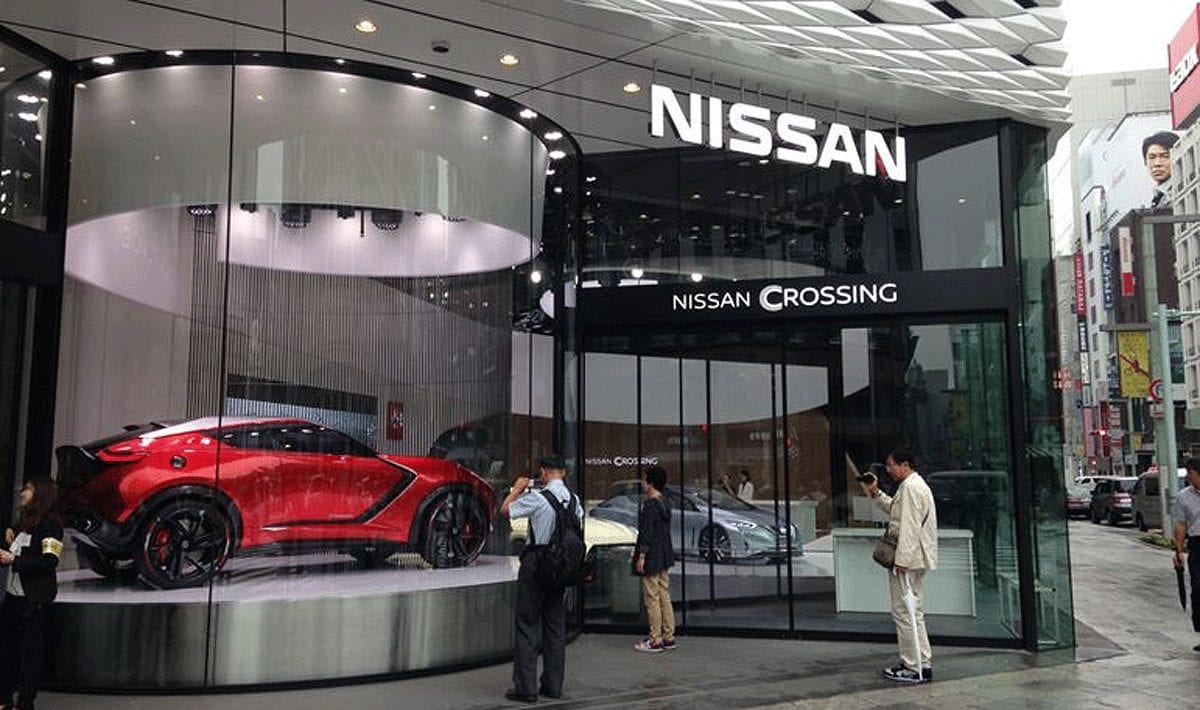
    Japanese carmaker Nissan announced it has ended its tie-up with its distributor in Vietnam, Tan Chong, without disclosing the reason. Malaysian-owned Tan Chong Motor Holdings Bhd, said it would stop importing and distributing Nissan vehicles and parts in Vietnam from September 10 next year.

    Tan Chong said it “remains open to further discussion with Nissan to explore alternative solutions and business opportunities for mutual benefit in Vietnam.”

    Nissan said: “The termination of the joint venture with Tan Chong will not affect the sales of Nissan cars in Vietnam.”

    Its business operations would remain unchanged in the near future, it said. It is set to debut its seven-seat SUV Terra in Vietnam on December 18.

    Tan Chong, a multinational corporation based in Malaysia, is not only the official distributor of Nissan in Malaysia and Vietnam, but also in Laos, Cambodia and Myanmar.

    In Malaysia, it also distributes cars by Opel, Renault and Foton. Its subsidiary, Motor Image, also owns the rights to produce and distribute Subaru vehicles in Southeast Asia, including Vietnam.

  • New Mitsubishi Distributor to Boost Sales Operations in Indonesia

    New Mitsubishi Distributor to Boost Sales Operations in Indonesia

    Mitsubishi Motors Corporation (MMC) and business partners Mitsubishi Corporation (MC), PT Krama Yudha (KY) and Mitsubishi FUSO Truck and Bus Corporation (MFTBC) reached a basic agreement on restructuring MMC-brand vehicle sales operations in Indonesia in order to strengthen their Indonesian operating base.

    Under the basic agreement, the current distributor PT Krama Yudha Tiga Berlian Motors (KTB) will be split into MMC and MFTBC brands and a new distributor dedicated to the MMC brand will be set up. The new distributor will enhance MMC’s passenger car sales organization in Indonesia through promoting areas such as branding, sales personnel training, improving the quality of after-sales services and building up the dealer network. The new company is due to start sales operations in April 2017.

    MMC, in partnership with MC and KY began automobile production and sales in 1970 and since then business has grown focusing mainly on commercial vehicle sales.

    To meet further expected growth in the Indonesian passenger car market, MMC is preparing to commence production in April 2017 in a new factory at Mitsubishi Motors Krama Yudha Indonesia (MMKI). In October 2017, MMC also plans to start production of a new compact MPV segment model for which there is a large demand in Indonesia.

    MMC will work to further expand profits in Indonesia through expanding its model lineup, moving its focus from small commercial vehicles to passenger vehicles, strengthening the sales aspect with the new MMC brand-focused distributor in addition to production through the new factory at MMKI and new product.