Tag: District

  • Eternal’s District Plans Dedicated Venues as Temporary Sites Top $1 Million

    Eternal’s District Plans Dedicated Venues as Temporary Sites Top $1 Million

    Eternal’s District is exploring investments in dedicated live-event venues to curb setup costs and protect its business from artificial intelligence disruption, District Chief Executive Rahul Ganjoo said in October 2026.

    Building temporary concert sites can cost more than $1 million only to be dismantled within hours, prompting the platform to hold discussions with property owners and governments on public-private partnerships.

    “Without dedicated live-event venues, it is difficult to build a sustainable business, because you spend a large amount of money setting up a venue only to take it down within a day,” Ganjoo said.

    The Math Behind Temporary Stages

    Organising large shows across major Indian metros currently relies on building temporary arenas on rented grounds. Crews assemble heavy staging, lighting rigs, safety barriers and power networks, only to dismantle the entire installation once the crowd clears.

    District chief executive Rahul Ganjoo pointed out the operational waste built into that model. “Without dedicated live-event venues, it is difficult to build a sustainable business, because you spend a large amount of money setting up a venue only to take it down within a day,” Ganjoo said.

    Sinking capital into recurring setup work drains gross margins for promoters and platforms. A network of dedicated venues would lower the recurring overhead of individual tours, giving the platform predictable acoustic and crowd infrastructure across tour calendars.

    Defending Ground Against AI Agents

    Online booking platforms face structural pressure from autonomous software agents capable of discovering, comparing and booking entertainment directly across open web protocols. When software handles discovery, platform brand loyalty erodes.

    Physical control of the physical gate flips that equation. Holding long-term master leases or co-ownership agreements over premier performance real estate gives an operator exclusive rights to on-site concessions, priority ticketing access and physical food service tie-ins that software aggregators cannot circumvent.

    The Operator Reality in India

    Live entertainment in India has expanded rapidly across tier-one metros such as Bengaluru, yet performance spaces remain scarce. International and domestic tours regularly compete for municipal stadiums, exhibition halls or vacant open plots that demand extensive civic permits and temporary civil works.

    Shifting from an asset-light digital ticketing intermediary to a venue operator introduces balance-sheet exposure. Long leases demand high sustained occupancy rates throughout the year, forcing District to programme mid-week events, regional festivals and corporate bookings alongside marquee headline acts.

    The Pipeline Ahead

    Eternal expanded District to capture out-of-home spending across dining, ticketing and leisure activities, positioning the platform against regional ticketing incumbents. Securing land parcels and municipal clearances for high-capacity performance zones will require clearance from state urban development authorities across targeted metropolitan hubs.

    District remains locked in partner discussions on the initial venue sites, with structural terms and capital commitments for the first dedicated locations pending formal sign-off.
  • Singapore’s Rubber King Dynasty Sells Prime District Plot for $453M, Paving Way for Residential Development

    Singapore’s Rubber King Dynasty Sells Prime District Plot for $453M, Paving Way for Residential Development

    A piece of land in Singapore, associated with the family of the city’s late “rubber king,” Lee Kong Chian, has been sold for S$578 million (US$453 million). The 18,860-square-meter property, located at 8 Thomson Lane, was sold bearing a 105-year leasehold tenure. Currently, the site is earmarked for hotel use under the Urban Redevelopment Authority’s Master Plan 2025. However, the selling party, Chequers Properties, has allegedly secured preliminary approval to transform the site into a residential development.

    Details of the Purchase

    The buyer of the property is a joint venture spearheaded by Sustained Land, a residential developer based in Singapore and created by magnate Douglas Ong. The venture also includes the construction firm Kay Lim Realty. The plot is situated in Singapore’s prime District 11, in close proximity to the Singapore Polo Club, United Square’s retail outlets, the Novena medical cluster, and various educational institutions such as St Joseph’s Institution International and CHIJ Secondary (Toa Payoh). Additionally, it is near the Toa Payoh MRT station and the future Mount Pleasant MRT station.

    Previously, the site was the location of a historic country bungalow that later evolved into a hotel and resort before becoming the campus of EtonHouse International School, which shut its doors in 2023.

    Late ‘Rubber King’ and his Legacy

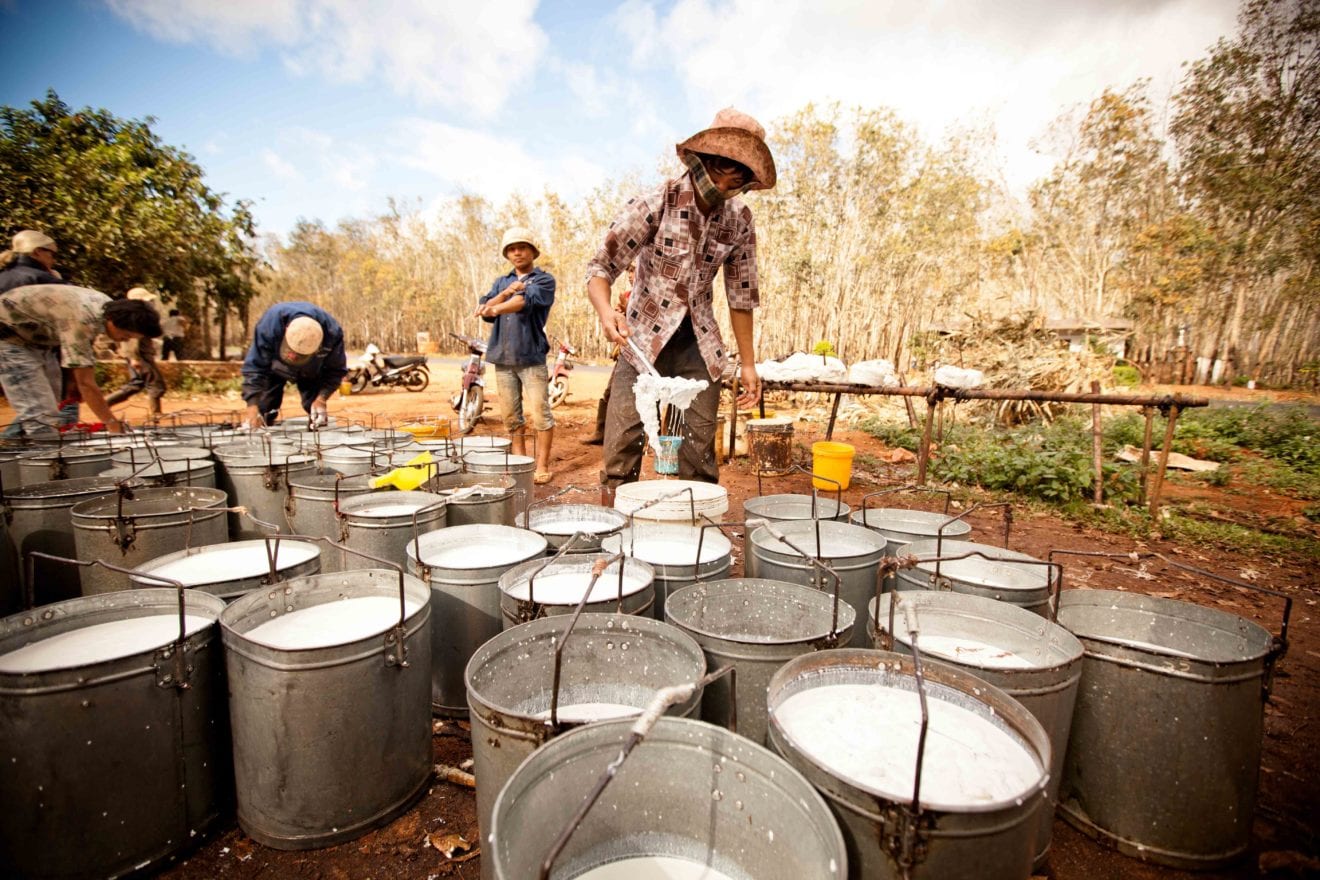
    The late Lee Kong Chian, famously known as the “rubber king,” founded Lee Rubber Company, a small rubber smokehouse that he developed into a multi-million dollar empire. His pursuits later expanded into the banking sector, where he led the merger of three banks, forming OCBC Bank in 1932, which now stands as Southeast Asia’s second-largest bank in terms of assets.

    Earlier this year, one of Lee’s grandsons reportedly purchased a bungalow on Barker Road for S$43.2 million. Another grandson bought two vertically stacked units at the Seven Palms Sentosa Cove condominium, totaling S$23.9 million, not long before that. The Lee family was listed as the 11th richest family in Singapore, with an estimated net worth of US$7.75 billion, by Forbes in September of last year.

    Questions & Answers

    What is the significance of the site sold?
    The site sold by the Lee family, located at 8 Thomson Lane, is of great historical significance as it housed a historic country bungalow that was later transformed into a hotel and resort before becoming an international school campus.

    Who are the buyers of the property?
    The land was purchased by a joint venture led by Singapore-based residential developer Sustained Land, owned by business tycoon Douglas Ong, and also includes construction firm Kay Lim Realty.

    What was Lee Kong Chian known for?
    Lee Kong Chian was known as the “rubber king” for founding the Lee Rubber Company, which turned into a multi-million dollar business. He later expanded his business into the banking sector and led the merger forming OCBC Bank.

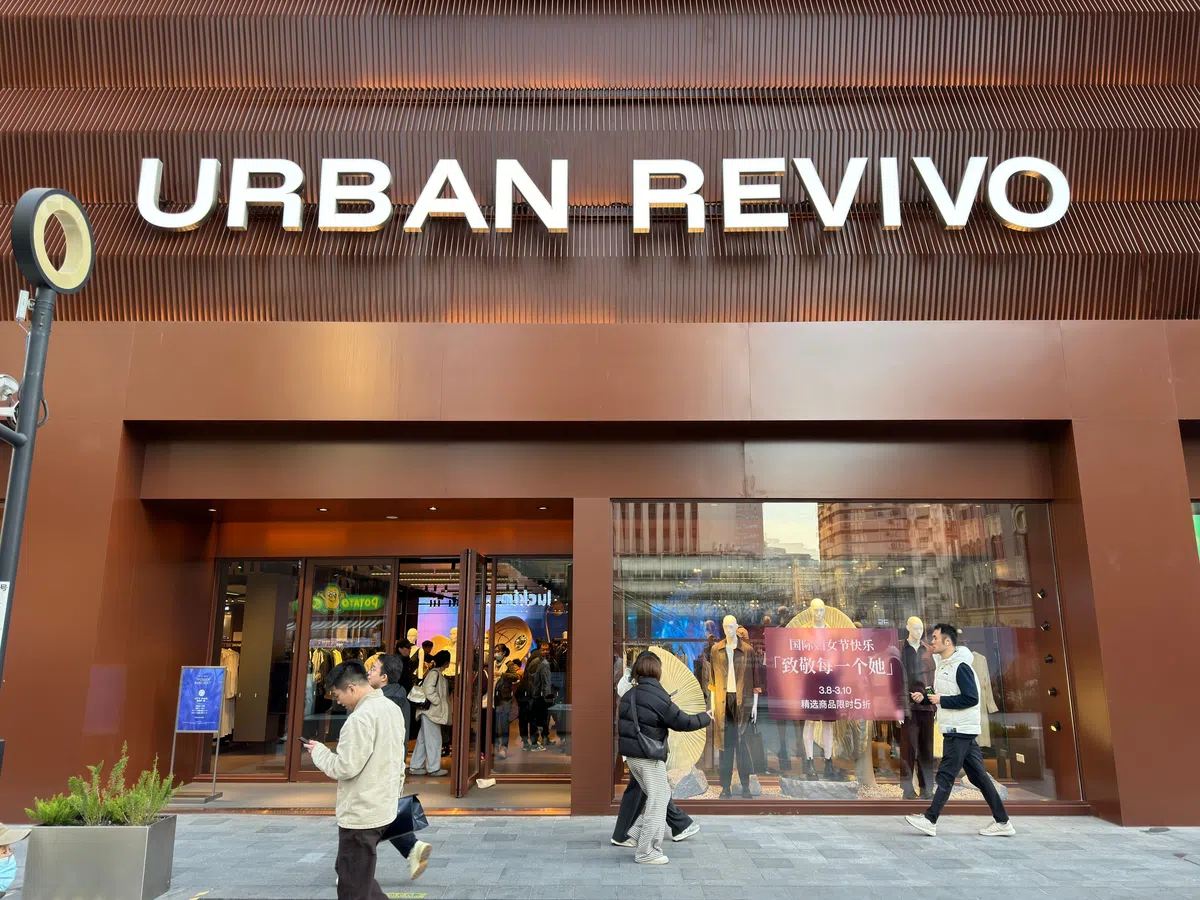
  • Urban Revivo Unveils Cutting-Edge Flagship Store in Beijings Sanlitun District

    Urban Revivo Unveils Cutting-Edge Flagship Store in Beijings Sanlitun District

    Urban Revivo, a well-known fashion retailer, recently established a flagship store in Beijing’s bustling Sanlitun district, thereby offering shoppers another destination for their retail therapy.

    Modern Design with Traditional Inspirations

    The store, designed by MVRDV, a Dutch architectural company, spans an impressive 4120 square meters. Its design intricately incorporates features of traditional Chinese architecture – a nod to the local culture. The façade is inspired by conventional Chinese roofing tiles and showcases suspended aluminum panels in the brand’s distinctive blue. The store’s main entrance and display windows are framed by seven circular openings, reminiscent of traditional moon gates.

    The store’s interior design is a homage to Beijing’s historic hutong neighborhoods. It introduces grey brick finishes and presents a unique layout and material palette on each floor. The flagship store also houses six specially themed ‘Bold Rooms’, devised for product displays, seasonal presentations, and collaborations with other brands.

    Jacob van Rijs, founding partner of MVRDV, said, “The aim of this project was to design a space that resonates with its surroundings while also mirroring the international ambitions of Urban Revivo. As such, we integrated local elements, such as Beijing’s roof tiles, with modern techniques to craft spaces that evolve with the customer’s experience, right from the color-changing façade down to the minutest design detail inside.”

    Urban Revivo’s Global Presence

    Established in 2006, Urban Revivo has successfully expanded its presence to over 380 stores worldwide. The Chinese fashion retailer made its foray into the Hong Kong market in the previous year with an 813 square-meter flagship store at the Harbour City shopping center.

    Questions & Answers

    What is unique about Urban Revivo’s new flagship store in Beijing?
    The store’s design incorporates elements of traditional Chinese architecture and is inspired by Beijing’s historic hutong neighborhoods.

    Who designed Urban Revivo’s new flagship store?
    The Dutch architectural firm MVRDV designed Urban Revivo’s new store in Beijing.

    When did Urban Revivo expand into the Hong Kong market?
    Urban Revivo ventured into the Hong Kong market last year with a flagship store at the Harbour City shopping center.

  • Adidas Unveils Experiential Lifestyle Hub in Bangkoks Songwat District: A Fusion of Fashion, Street Culture & Community

    Adidas Unveils Experiential Lifestyle Hub in Bangkoks Songwat District: A Fusion of Fashion, Street Culture & Community

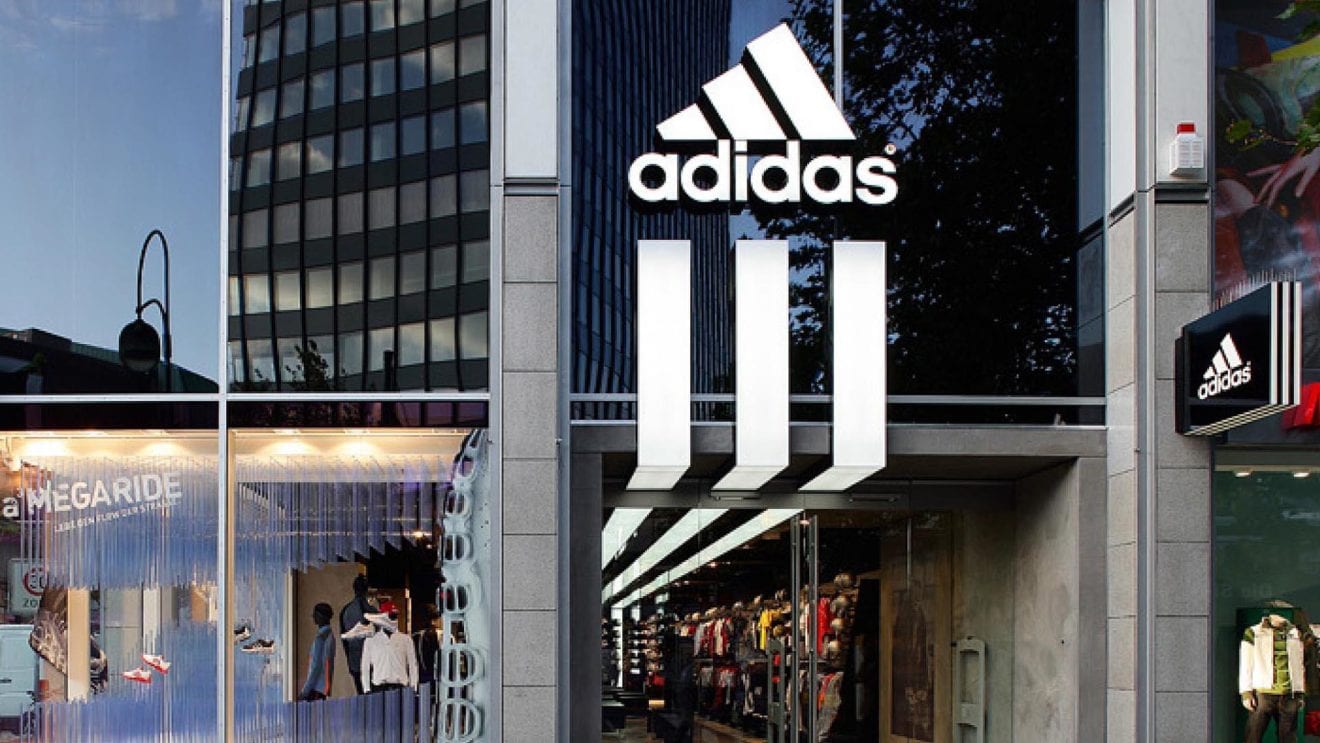
    Adidas has recently inaugurated a flagship store in the Songwat district of Bangkok, further broadening its experiential retail strategy. This engaging destination seamlessly meshes fashion, street culture, and community involvement.

    A Blend of Retail, Customization, and Community Space

    The two-level establishment unifies retail, food, drink, product customization, and cultural offerings all under one roof. A carefully chosen collection of Adidas Originals merchandise is featured on the ground floor. Meanwhile, the upper level is graced by the specialty coffee brand, % Arabica, which aims to promote longer visits and social engagement.

    The store is further embellished with a Maker Lab for product personalization, a photobooth, and an exclusive Graphic Tee Collection. This collection is the result of a collaboration with local artists and can only be found at this particular Songwat store. It takes inspiration from the district’s rich heritage and presents it through a modern perspective.

    According to Adidas, the design and layout of the store are in line with their Originals’ strategy of transforming brick-and-mortar retail into creative hubs. These spaces not only accommodate commerce but also foster creativity, culture, and a sense of community.

    This opening comes on the heels of the introduction of Adidas’ flagship store at Jewel Changi Airport in Singapore last year. That location also featured experiential zones that drew inspiration from the local culture and storytelling.

    Questions & Answers

    What does the new Adidas store in Bangkok offer?
    The new Adidas store in Bangkok’s Songwat district offers a blend of retail, food and beverage, product customization, and cultural experiences. It also features an exclusive Graphic Tee Collection created in collaboration with local artists.

    What is the strategy behind the design and layout of the Adidas store?
    The design and layout of the store reflect Adidas Originals’ strategy of transforming physical retail into destinations that foster creativity, culture, and community, in addition to commerce.

    What is unique about the Graphic Tee Collection at the new Adidas store?
    The Graphic Tee Collection, which is exclusively available at the Songwat location, is a collaborative work with local artists. It draws inspiration from the neighborhood’s heritage and presents it through a contemporary lens.

  • Uniqlo Unveils Mega-Store in Seoul: New Shopping Landmark in Koreas Myeongdong District

    Uniqlo Unveils Mega-Store in Seoul: New Shopping Landmark in Koreas Myeongdong District

    Uniqlo, a leading Japanese clothing retailer, has recently launched its most expansive store yet in South Korea. The new flagship location, situated in the Myeongdong shopping district in Seoul, marks the brand’s renewed commitment to experiential retail and targeting growth driven by tourism in the country.

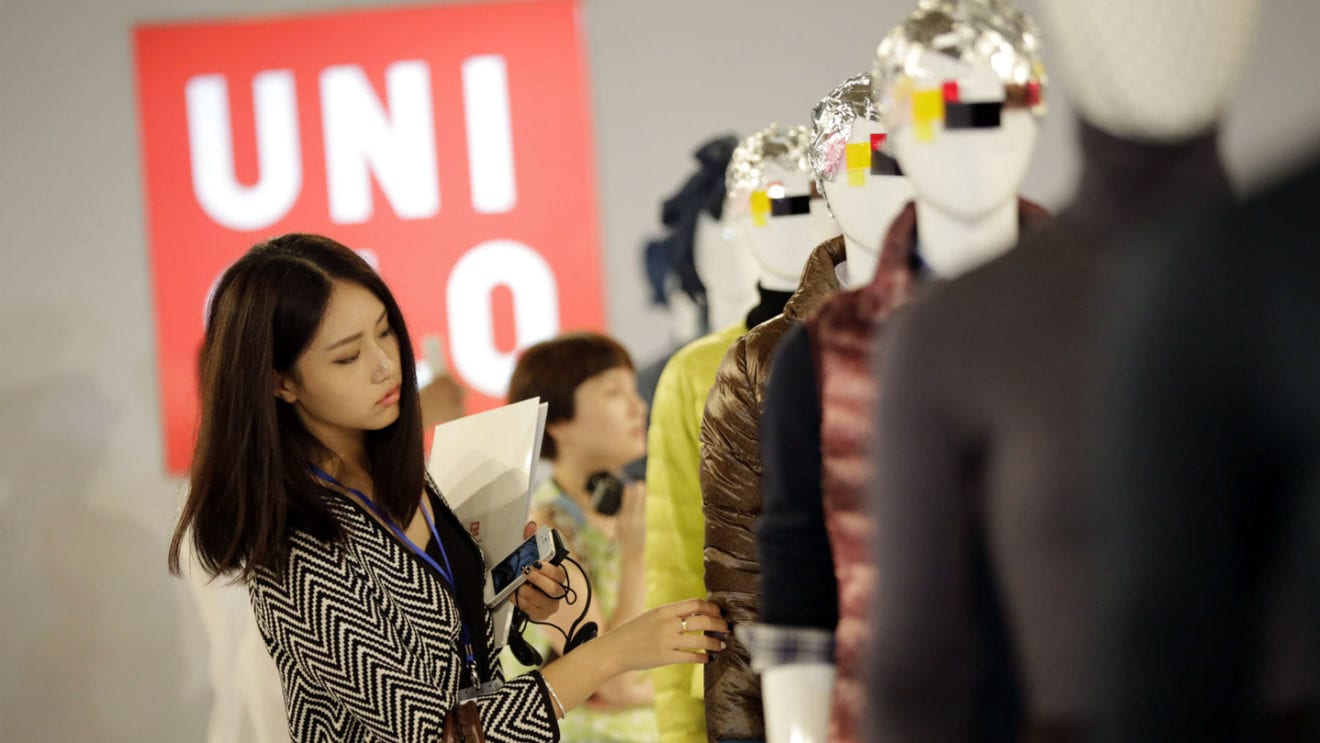
    The Uniqlo Myeongdong store, comprised of three floors, covers an approximate area of 3200 square meters. The expansive space offers shoppers an exhaustive selection of the brand’s LifeWear products, including womenswear, menswear, childrenswear, and babywear.

    Personalised Shopping Experience

    The flagship store also includes distinctive UT and UTme! sections, where customers have the opportunity to design custom T-shirts and tote bags. These designs are exclusively inspired by the Myeongdong district, allowing customers to carry a piece of the area with them.

    Popular among both locals and tourists, Myeongdong is a prime shopping destination. The reopening of Uniqlo in this district comes approximately five years after the brand shuttered its previous flagship store due to the Covid-19 pandemic.

    Takao Kuwahara, co-CEO of FRL Korea, expressed that the new flagship store was envisioned as more than just a shopping destination. “Our goal is for this store to become an iconic landmark in Myeongdong. While it will cater to Korean customers, we also envision welcoming numerous international visitors,” said Kuwahara.

    Experiential Elements and Community Engagement

    The store goes beyond retail, integrating several experiential features to enhance customer engagement and strengthen community relations. The third floor is home to a ‘ReUniqlo Studio’ where customers can mend, alter, and personalize garments, extending their lifespan as part of the company’s sustainability efforts.

    Another highlight of the flagship store is a series of exhibitions showcasing Myeongdong’s rich history and culture. This initiative reflects Uniqlo’s intentions to foster a deeper connection with the local community and pay tribute to the district’s heritage.

    Earlier this year, Uniqlo’s parent company raised its full-year forecast. The anticipation of a new record year comes on the back of robust international growth and an unexpected surge in quarterly profit.

    Questions & Answers

    What does the new Uniqlo store offer to customers?
    The new Uniqlo flagship store in Myeongdong offers a comprehensive range of the brand’s LifeWear products, a personalized shopping experience through UT and UTme! zones, and a repair and customization studio called ‘ReUniqlo Studio’.

    How does the Uniqlo store aim to engage with the local community?
    Uniqlo aims to foster community ties through several experiential features, including a ‘ReUniqlo Studio’ for garment repair and customization and exhibitions that highlight Myeongdong’s history and culture.

    What are the expectations for Uniqlo’s growth?
    Following a stronger-than-expected boost in quarterly profit, the parent company of Uniqlo raised its full-year forecast, indicating the anticipation of another record year driven by strong international growth.

  • Driving into the Future: Singapore’s Punggol District to Host Country’s First Residential Autonomous Shuttle Service

    Driving into the Future: Singapore’s Punggol District to Host Country’s First Residential Autonomous Shuttle Service

    WeRide and Grab have recently been given the go-ahead by Singapore’s Land Transport Authority to initiate their full-scale Ai.R fleet testing in Punggol. This move is significant as Punggol will be the nation’s first residential area to potentially provide an autonomous shuttle service.

    Launch of First Autonomous Shuttle Service

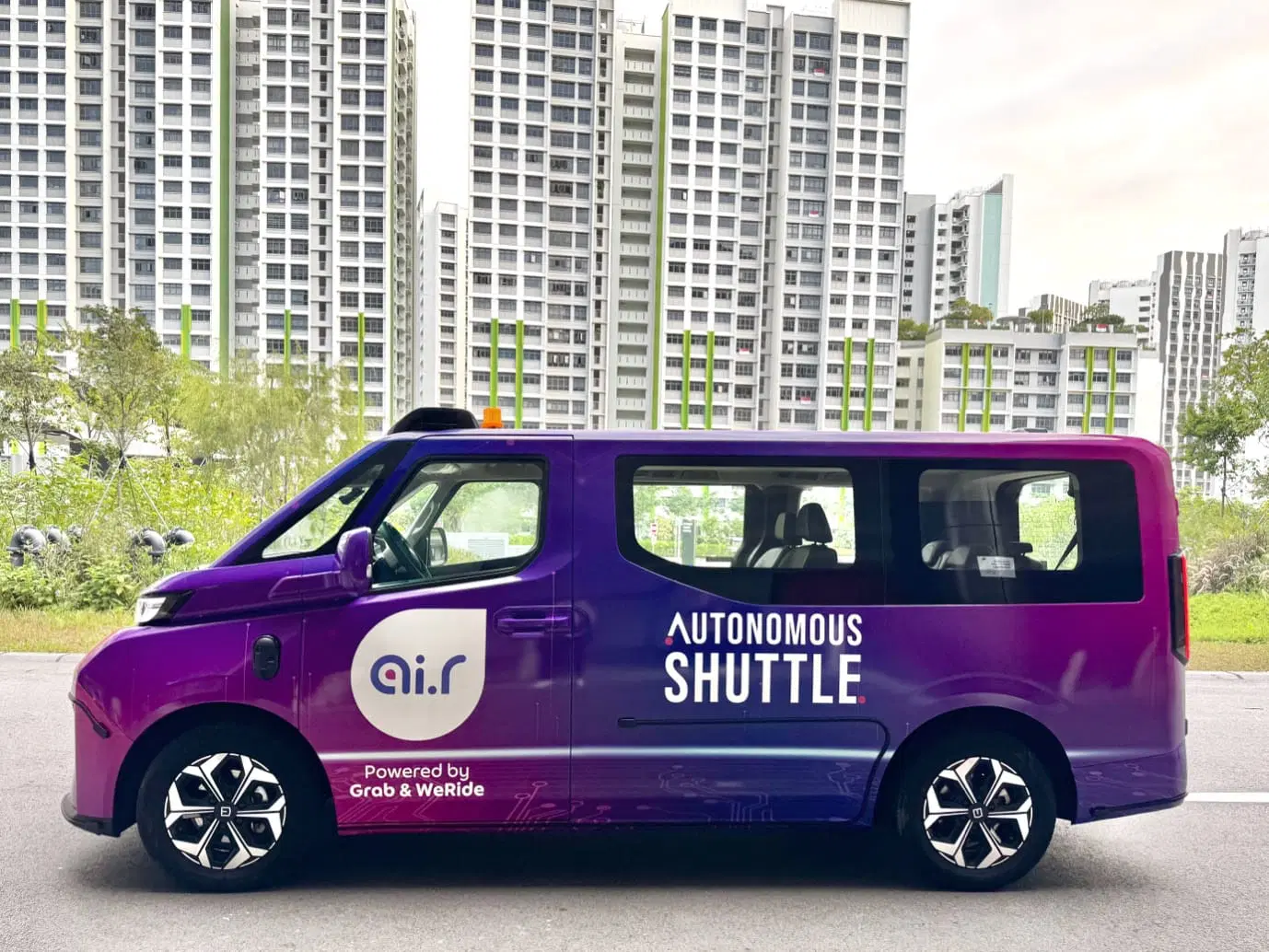
    The Ai.R, short for Autonomously Intelligent Ride, is an autonomous public ride service jointly operated by Grab and WeRide. The fleet comprises 11 vehicles, with ten being WeRide GXRs featuring five passenger seats each, and one Robobus with eight seats. The goal of this initiative is to transform Punggol into the first Singaporean neighbourhood to offer a dedicated autonomous shuttle service, with public operations anticipated to commence in early 2026.

    Improved Connectivity for Residents of Punggol

    The autonomous shuttles intend to connect residential areas to key facilities that include the Punggol Coast MRT station, the bus interchange at Punggol Coast Mall, retail establishments, and healthcare facilities. Safety Operators will be present on board throughout the testing phase and the preliminary public rides roll-out to supervise operations in real-time and ensure safety.

    Gearing Up for Reliability and Safety

    Each test run of the autonomous vehicles will generate real-world data that can help train and localize the vehicles’ AI driving models better. The AVs will analyze road infrastructure, traffic situations, and behavioural patterns of pedestrians and road users. They are also being equipped to handle Singapore’s well-known unpredictable weather conditions to ensure consistent and reliable performance.

    Navigating Complex Urban Environments

    To be fully operationally prepared, the Ai.R fleet is being trained across various real-world situations. This includes precision driving for smooth acceleration, deceleration, and obstacle avoidance; navigation of narrow residential roads, tight car park turns, and complex intersections; and facilitating seamless pick-ups and drop-offs. Equipped with LiDAR and camera sensors, the vehicles can identify hazards in all weather conditions, enabling adaptive responses to dynamic urban environments.

    Developing the Autonomous Transport Workforce

    Talent development is a crucial aspect of this programme. GrabAcademy and WeRide are working in collaboration to train over ten experienced Grab driver-partners as Ai.R Safety Operators. Post completion of classroom instruction and closed-circuit training, the initial group has moved on to on-road sessions.

    A Step towards Singapore’s Smart-Mobility Future

    The expansion of Ai.R testing underlines Singapore’s wider ambitions to integrate autonomous technologies into its public transport system. For WeRide and Grab, the initiative represents a significant advancement in commercializing autonomous mobility in a densely populated urban environment. This could potentially serve as a model for implementations across Southeast Asia. If successful, Punggol could soon be a shining example of how AV-enabled transit can improve connectivity, resilience, and urban liveability.

    Questions & Answers

    What is the Ai.R service?
    Ai.R, short for Autonomously Intelligent Ride, is an autonomous public ride service that is jointly operated by Grab and WeRide.

    What is the purpose of the Ai.R fleet testing in Punggol?
    The testing serves to transform Punggol into Singapore’s first neighbourhood to offer a dedicated autonomous shuttle service, with operations expected to start in early 2026.

    What is the significance of this initiative for Singapore?
    This initiative aligns with Singapore’s broader ambition to incorporate autonomous technologies into its public transport ecosystem, and also marks a significant advancement in commercializing autonomous mobility in a densely populated urban setting.