Tag: DKNY

  • DKNY Debuts First Chinese Flagship Store, Boosting Fashion Footprint in Shanghai

    DKNY Debuts First Chinese Flagship Store, Boosting Fashion Footprint in Shanghai

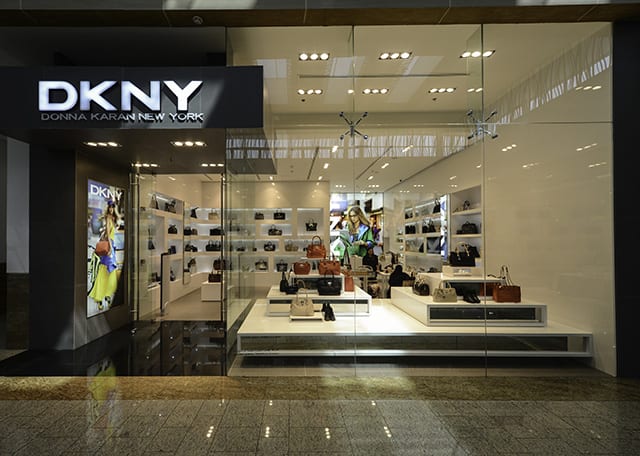
    DKNY, the renowned fashion label, has marked its first significant stride in China, with the inauguration of its flagship store. The store is situated along Huaihai Middle Road, thus fortifying the brand’s foothold in the country.

    The expansive store, spread across 245 square meters, finds its place on the ground floor of Lady Huaihai. Here, DKNY’s presence amplifies the area’s retail diversity that already includes eminent brands like Gentle Monster and Songmont.

    The shop’s unique design mirrors New York City’s dynamic spirit and attitude. It boasts polished aluminium finishes, intricate wood detailing, and upholstery inspired by the city’s iconic yellow cabs.

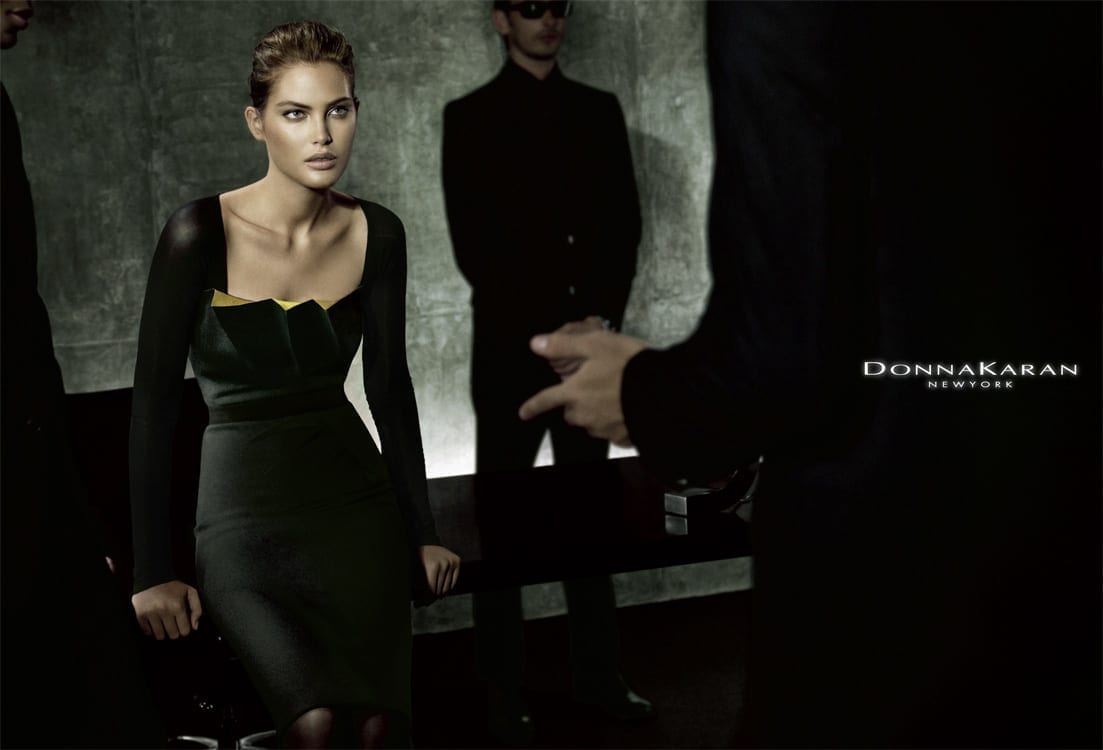
    The DKNY store is a one-stop-shop for fashion enthusiasts as it offers the brand’s latest ready-to-wear collections, footwear, handbags, and accessories. The retail space also highlights images from DKNY’s Spring 2026 campaign featuring popular model Hailey Bieber.

    Jeff Goldfarb, the executive vice president of G-III Apparel Group, DKNY’s parent company, shared his enthusiasm about the store’s location. Goldfarb believes Shanghai, one of the world’s most influential fashion markets, is the perfect place for DKNY’s next expansion in China.

    He also expressed his anticipation for DKNY’s future growth in China. He emphasized the brand’s effort to create a deeper connection with the Chinese consumers through elevated retail experiences and collections that evoke the energy of urban life.

    DKNY made its initial foray into the Chinese market through the online platform Tmall in 2017.

    Questions & Answers

    What is the significance of DKNY’s new store in China?
    The new flagship store marks DKNY’s first major step in expanding its physical presence in China.

    What distinguishes the store’s design?
    The store’s design reflects the energy and attitude of New York City, featuring polished aluminium finishes, wood detailing, and yellow cab-inspired upholstery.

    When did DKNY first enter the Chinese market?
    DKNY first entered the Chinese market in 2017 through the online marketplace Tmall.
  • Esprit appointed new chief product and brand officer

    Esprit appointed new chief product and brand officer

    Struggling fashion retailer Esprit has tapped a former Burberry and Tommy Hilfiger executive to become its chief product and brand officer. Mia Ouakim will take up the new role – a crucial post in the brand’s turnaround plan – in February, reporting to the group CEO.  She will be responsible for managing the product creation and design of all product divisions, as well as the consistent execution of the brand strategy across all product divisions and consumer touch points, according to Esprit in a stock exchange filing.

    Ouakim’s experience spans corporate strategy, product design, merchandising, planning and development, brand and communication, and distribution gained from luxury and premium fashion brands. Her most recent role was senior VP of Tommy Hilfiger menswear and tailored, overseeing the brand’s menswear division globally. Prior to that, she served as VP at Tommy Jeans, formerly known as Hilfiger Denim (Women & Men) between 2014 and

    2017 where she had full business responsibility of the denim division globally.

    Before joining Tommy Hilfiger, Ouakim held various roles with Burberry, working in product, merchandising and design roles for childrenswear between 2006 and 2014. Before that, she was with Children Worldwide Fashion in the UK, responsible for brand, communication and public relations of various luxury and premium brands, including Burberry, Timberland, Kenzo, Nike, Elle and DKNY childrenswear.

  • Donna Karan parent boosts sales by 21.6 per cent

    Donna Karan parent boosts sales by 21.6 per cent

    Donna Karan parent G-III Apparel Group has reported a 21.6 per cent increase in quarterly sales to US$538 million.

    Of that, about $45 million of sales were of the DKNY and Donna Karan brands, acquired last year from LVMH. Its other licensed labels include Calvin Klein, Tommy Hilfiger, Ivanka Trump and Karl Lagerfeld Paris.

    However the ongoing costs of bedding down its Donna Karan acquisition contributed to a quarterly loss of $8.6 million, substantially higher than the $1.3 million loss in the same quarter last year.

    Morris Goldfarb, G-III’s chairman and CEO, said, the company has created a “powerful” brand portfolio through acquisition and partnerships.

    “This great portfolio is enabling us to perform well despite significant headwinds in the marketplace. We are fortunate to have developed a diverse business, anchored by Calvin Klein and supported by other brands including Tommy Hilfiger and Karl Lagerfeld Paris. And now, Donna Karan and DKNY, both global power brands, will help us capture additional opportunities. We are positioned to provide exciting new assortments to a range of retailers and to demonstrate leadership in our industry at a critical time. We expect to generate growth in sales and achieve higher levels of profitability as we move forward.”

    Goldfarb said G-III planned to rationalise its own store network, improve merchandising and reduce expenses to return to profitability.

    “We believe we can mitigate the pressure on our retail results while reaping the benefits of an exciting new phase of wholesale growth as we look forward to a successful second half of the year.

    We anticipate achieving our operational and financial objectives and fulfilling our ongoing mission to offer brand and product solutions to an industry affected by disruption and change.”

  • G-III Apparel taking DKNY, Donna Karan to China

    G-III Apparel taking DKNY, Donna Karan to China

    American apparel brands DKNY and Donna Karan are about to invade Greater China via a JV between New York’s G-III Apparel Group and investment fund Amlon Capital.

    As well as the mainland, the venture is targeting Hong Kong, Macau and Taiwan, with January 1 as lift-off date.

    G-III owns 49 per cent and Amlon the balance of the JV, which will have $25 million in funding. It is being chaired by Tommy Hilfiger chairman Fred Gehring with Steve Shen from Nanjing Datex fashion as CEO.

    G-III chairman/CEO Morris Goldfarb says the collaboration offers a “major strategic opportunity”.

    G-III makes and distributes apparel and accessories under licensed, owned and private-label brands. Its owned brands include DKNY, Donna Karan, Jessica Howard and Vilebrequin. It has fashion licences for such brands as Calvin Klein, Dockers, Guess, Ivanka Trump, Karl Lagerfeld, Kenneth Cole, Levi’s, Tommy Hilfiger and Vince Camuto.

    Amlon was set up last year by Gehring together with partners and private equity firm Apax Partners. The private investment vehicle already has stakes in Denham Jeans, Karl Lagerfeld and childrenswear brand Vingino.

  • Future of DKNY India in doubt

    Future of DKNY India in doubt

    DKNY India may quit the market after failing to generate sustainable profits.

    While mall executives and DKNY store managers have confirmed the exit, India franchisee DLF Brands has denied the US fashion brand is completely leaving the country, says the Economic Times.

    DLF Brands head Timmy Sarna says the company has closed “a few” stores but will continue to run four outlets, all in DLF-owned malls in the National Capital Region.

    He says two loss-making stores have been closed, one in Kolkata and the other in Mumbai.
    However, Fashion Network says sources have told it that the DKNY outlet in DLF’s Mall of India in Noida is closing.

    It quotes another source as saying the outlet in DLF Place Mall in Saket is closing next month.

  • Hyundai buying SK Networks’ fashion sector

    Hyundai buying SK Networks’ fashion sector

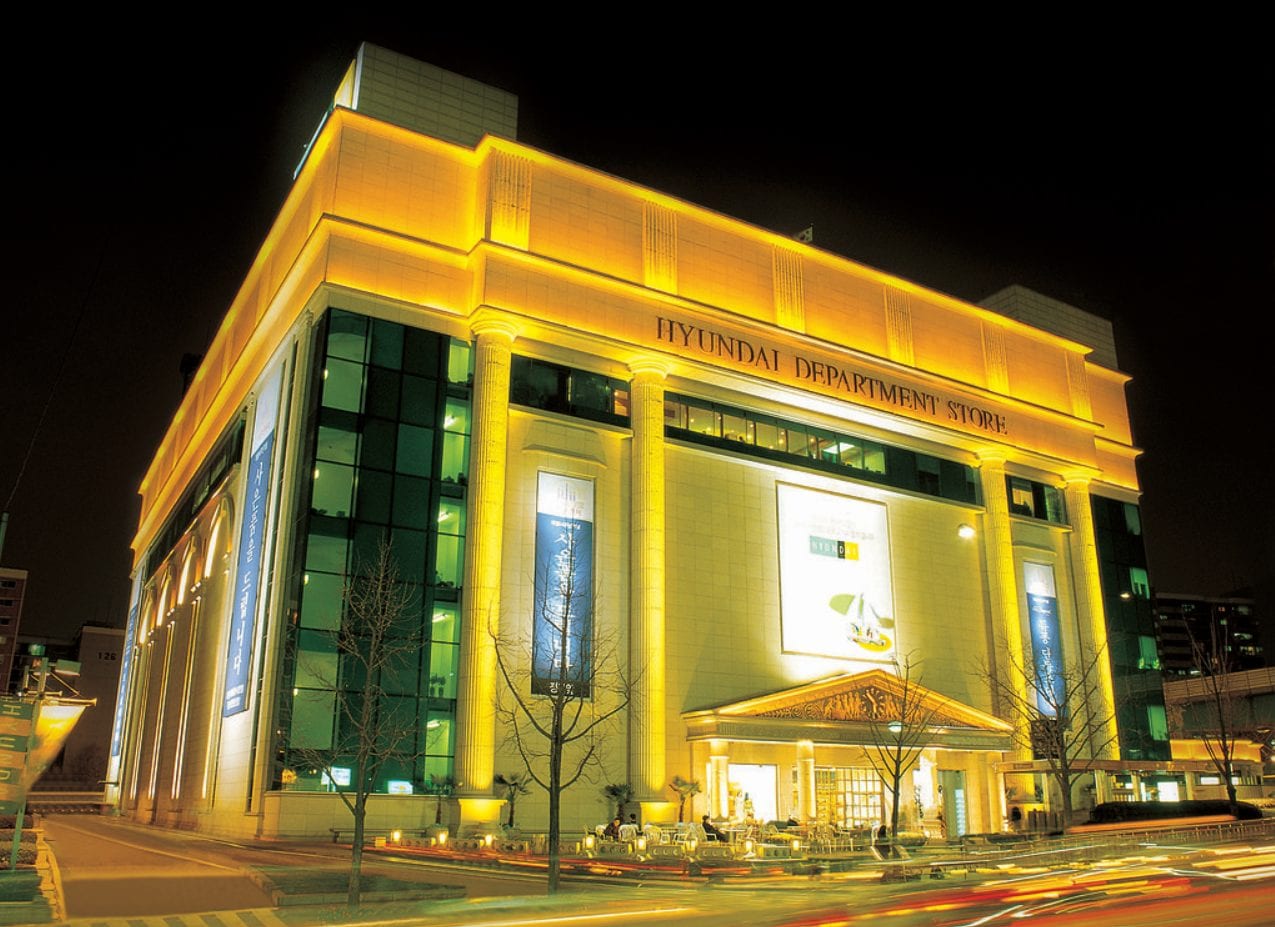
    South Korea’s Hyundai Department Store is buying trading company SK Networks’ fashion business for KRW326.1 billion (US$284 million).

    When the purchase is complete, probably by February, SK Networks (SKN) will no longer have interests in the fashion industry.

    The two companies have signed a deal to merge SKN’s 12 fashion brands into Hyundai’s Handsome fashion unit, which has annual sales of KRW750 billion. With SKN’s KRW600 billion added in, the merged group becomes the fourth-largest fashion company in South Korea behind E-Land, Samsung C&T and LF.

    Hyundai says it will retain SKN’s 400 designers, merchandisers, marketers and production staff, guaranteeing their jobs for five years.

    Analysts say the two businesses are a good fit and are unlikely to cannibalise each other’s trade as Handsome is known largely for its local womenswear brands while SKN is a major importer of global labels such as American Eagle, Club Monaco, DKNY and Tommy Hilfiger.

    Its house brands  include Obzee, O’2nd and Rouge & Lounge.

  • DLF Brands quits luxury sector

    DLF Brands quits luxury sector

    India’s DLF Brands, which runs high-street fashion brands mall Emporio in Delhi, is quitting the luxury business.

    It has just shut down two of the seven stores of US fashion brand DKNY after parting ways earlier with such brands such as Giorgio Armani, Mango, Salvatore Ferragamo and Sephora.

    “We don’t have any plans to open more DKNY stores,” says DLG Brands MD Timmy Sarna. “And we don’t want to be in the high-fashion business. It’s difficult to scale up that business because there aren’t too many locations in the country where you can sell luxury.”

    Instead, DLF Brands, the retail arm of real-estate company DLF, wants to focus on mass brands. “We have profitable businesses in Kiko, Mothercare and Sunglass Hut,” says Sarna.

    DLF Brands has bought the franchise rights of UK-based Mothercare for 15 years, and plans to launch smaller stores, even in community-based markets, selling value-added products.

    “From 109 stores at present, we want to increase the number to 300. A major part of production is happening here now, so prices will eventually come down,” Sarna says. “Apart from this, our other brands such as Sunglass Hut, Claire’s and make-up brand Kiko are doing extremely well and are profitable.”

    DLF Brands started its exit from the luxury market in 2012, quitting its joint ventures with Ferragamo and Giorgio Armani. In 2014, it shut down stores of Italian menswear brand Boggi Milano, then last year parted with LVMH’s make-up and skincare brand Sephora, which was taken over by Arvind Lifestyle Brands.

    “You can either be in the fashion business or in the mass-brand business. You cannot have your finger in too many pies,” says Sarna.

  • Paris label BA&SH eyes Asia expansion

    Paris label BA&SH eyes Asia expansion

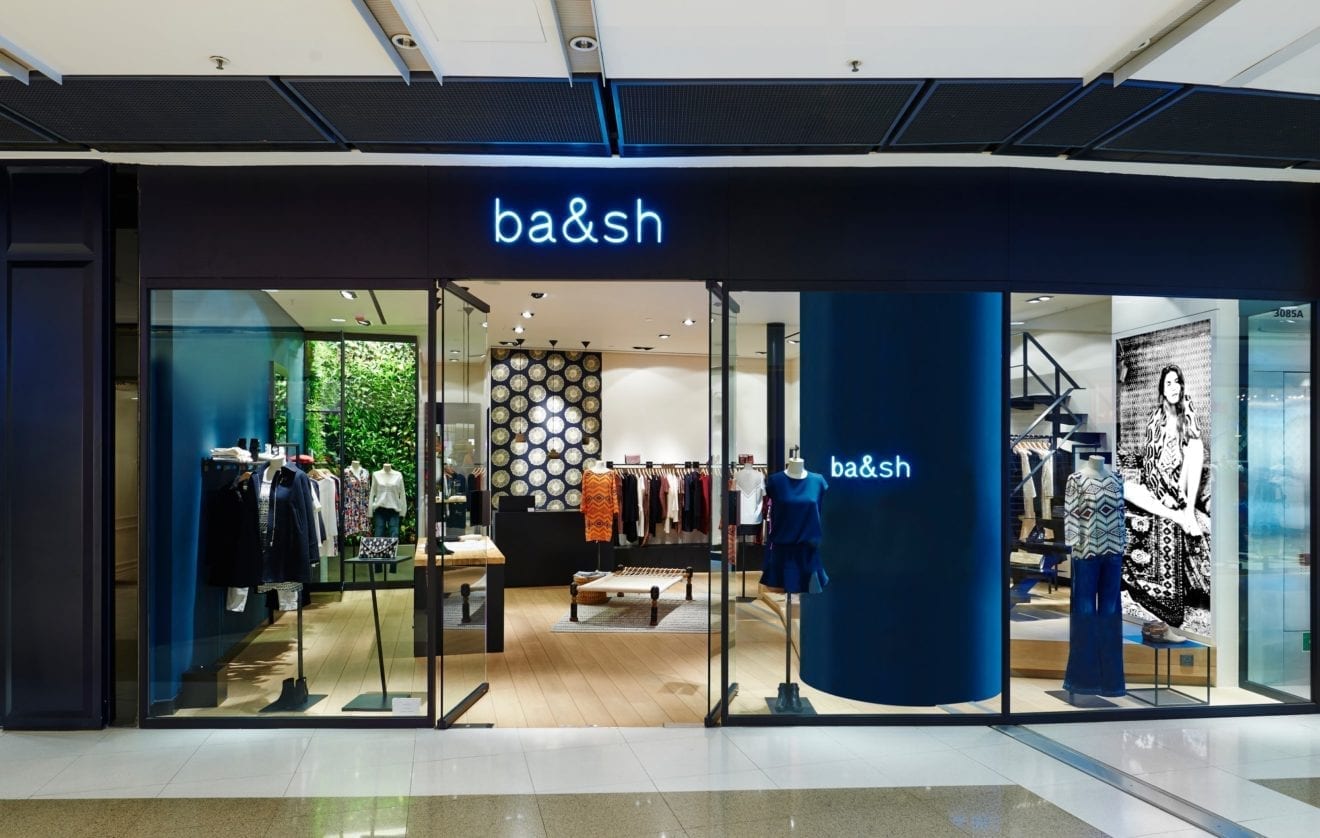
    Parisian fashion house BA&SH has partnered with Hong Kong retail and brand management company ImagineX Group to strengthen its presence in Asia.

    BA&SH has hopes of accelerating its expansion in Hong Kong, Macau, Singapore, Taiwan and China. The label opened its first Asian store at Hong Kong’s IFC Mall in September 2014 and with ImagineX now plans 30 more openings in the region, including a second Hong Kong outlet early next year.

    “Hong Kong customers have taken to our style and our collections,” say designers Barbara Boccara and Sharon Krief. “We are very happy to share our vision of fashion and femininity.”

    Associate general directors Dan Arrouas and Pierre-Arnaud Grenade say the new partnership marks an important and supplementary stage in the company’s development strategy following its establishment in the Middle East and the US.

    They say the ImagineX Group’s expertise in fashion retail and marketing will help BA&SH expand rapidly and contribute to its globalisation.

    ImagineX Group president Alice Wong says the label’s Parisian flair, combined with its unique positioning and price point, make it appealing to Asian customers.

    Childhood friends, Boccara and Krief established BA&SH in 2003 to offer contemporary fashion in the affordable luxury sector. With 91 stores last year, the brand aims to reach 130 stores this year.

    Founded in 1992, ImagineX Group introduced luxury brands such as Cartier, Gucci, Prada and Salvatore Ferragamo to China more than 20 years ago. It represents more than 18 international brands including DKNY, Marc Jacobs and Paul Smith. The portfolio also includes such lifestyle and beauty brands as Apivita, Aveda and Natura Bisse.