Tag: dog

  • US-based Rover Group Acquires Mad Paws For $62m, Excludes Associated Brands

    US-based Rover Group Acquires Mad Paws For $62m, Excludes Associated Brands

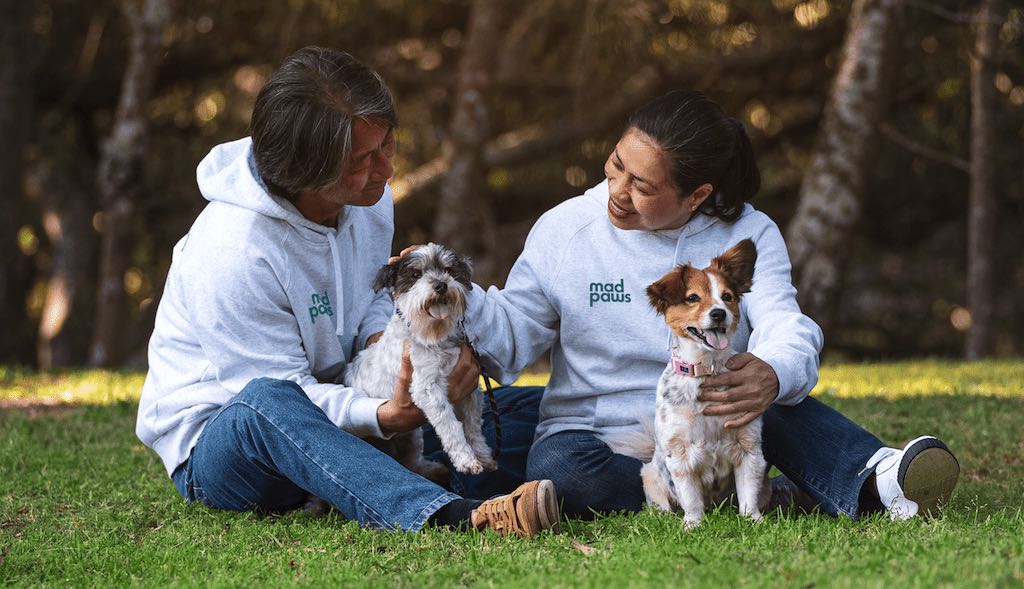
    Mad Paws, a pet services provider, has agreed to a takeover by US-based Rover Group in a deal valued at around $62 million. The planned acquisition will see Rover obtain complete ownership of Mad Paws through a scheme of arrangement, with each Mad Paws shareholder receiving $0.14 per share in cash. This offer reflects an 87% premium on the closing price of Mad Paws shares as of Monday. The deal puts the transaction equity value at $62 million.

    Deal Specifics

    Rover Group’s interest lies solely in the online marketplace business of Mad Paws, and does not include its associated brands, namely the online pet pharmacy Pet Chemist, pet treat enterprise Waggly, and e-commerce brand Sash. Consequently, Mad Paws has agreed to sell its Pet Chemist division to VetPartners Australia for approximately $13 million and terminate the operations of Sash and Waggly. Upon finalization of the Pet Chemist sale, Howard Humphreys will step down from his role as an executive director of Mad Paws.

    Looking Ahead

    The CEO, executive director, and co-founder of Mad Paws Group, Justus Hammer, expressed his enthusiasm for the impending partnership with Rover. He stated that the company takes pride in the community of pet enthusiasts it has built over the last decade, and looks forward to leveraging Rover’s expertise to continue advancing towards their shared objective.

    Mad Paws, which was established in 2014, operates a pet care marketplace that enables users to find and offer pet sitting, hosting, walking, training, and grooming services. Even after the acquisition, the company plans to continue to function independently, retaining its own brand identity and Sydney-based operations under Hammer’s leadership.

    The completion of the deal is subject to various customary conditions, including approval from shareholders, the court, and the Foreign Investment Review Board (FIRB).

    Rover, founded in 2011 and stationed in Seattle, runs an online marketplace for pet care, with a presence in 16 countries across North America and Europe.

    Questions & Answers

    What is the valuation of the Mad Paws acquisition by Rover Group?
    The deal is valued at approximately $62 million.

    What happens to Mad Paws’ associated brands after the acquisition?
    Mad Paws’ Pet Chemist division will be sold to VetPartners Australia and the operations of Sash and Waggly will be terminated.

    What is the future of Mad Paws following the acquisition?
    Post-acquisition, Mad Paws plans to continue operating independently, maintaining its brand identity and base in Sydney under the leadership of Justus Hammer.

  • Mad Paws to buy dog-treats subscription business Waggly Club

    Mad Paws to buy dog-treats subscription business Waggly Club

    Pet sitting and dog walking service Mad Paws is set to acquire dog-treats subscription retailer Waggly Club.

    Under the agreement, Mad Paws will buy 100 percent of the shares in Gasset Group, which owns Waggly Club, for $2 million in cash payable on completion and $1 million in Mad Paws fully paid ordinary shares. The acquisition is expected to be completed today.

    “We are always interested in strategic acquisitions that accelerate our growth and which fit into the Mad Paws strategy,” said Justus Hammer, CEO of Mad Paws. “The Waggly group perfectly complements Mad Paws not just from a product and strategy perspective but we share the same passion for helping pets to live their lives to the fullest.”

    Founded by Kate Herbert in 2016, Waggly Club provides monthly subscription boxes of Australian-made healthy dog treats and toys. Waggly Club revenue has surged from $800,000 to $1.5 million from FY 2020 to FY 2021.

    “As we look to our next horizon, my aim is to scale Waggly and reach more and more dogs and their fur parents each month,” said Kate Herbert, CEO and founder of Waggly Club.

    “Our products are complementary not only to the Mad Paws Dinner Bowl and Insurance offerings but also for distribution and promotion via the Mad Paws marketplace network.”

  • Korean startup translates dog barks using AI

    Korean startup translates dog barks using AI

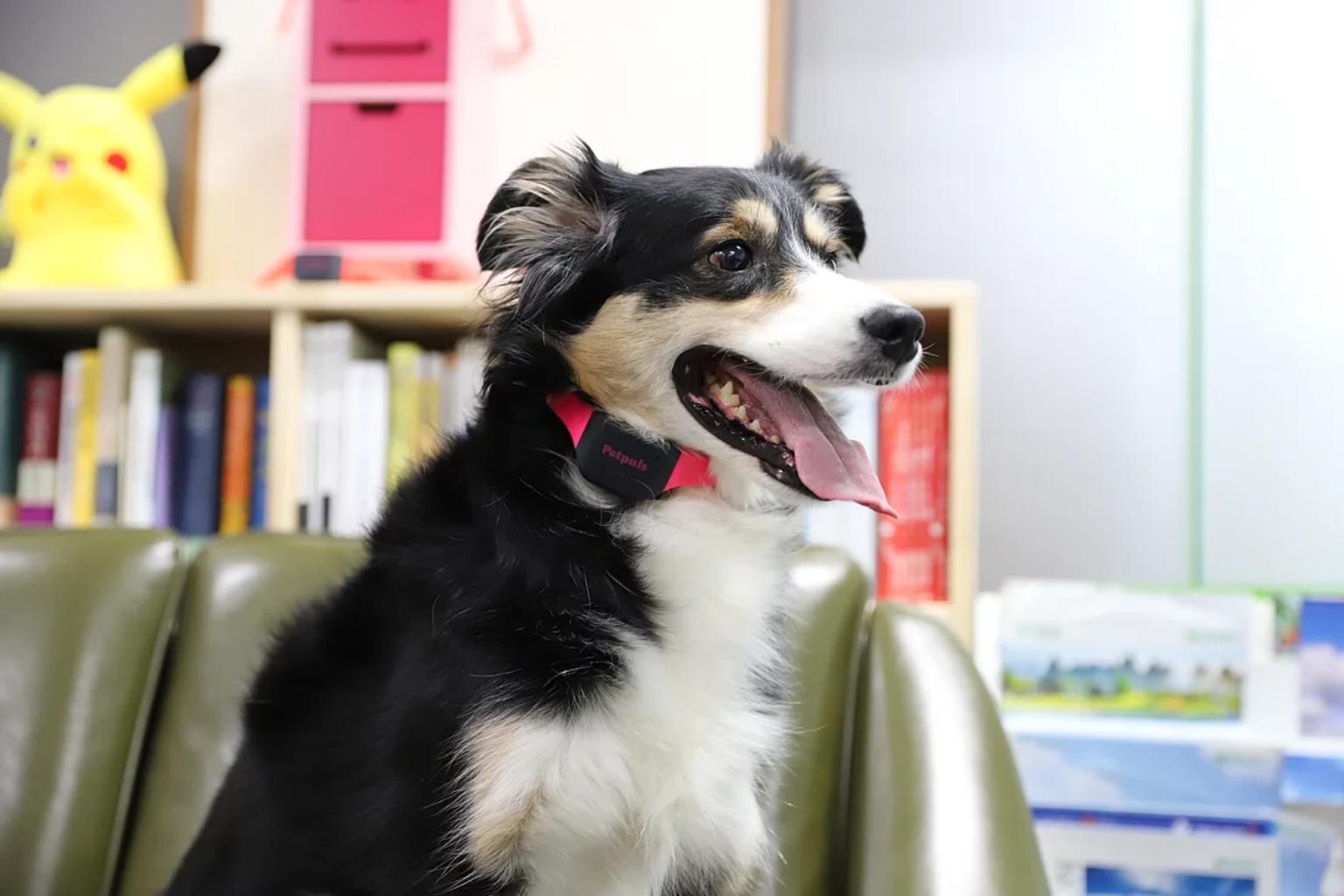
    A South Korean startup has developed an AI-powered dog collar that can detect five emotions in canines by monitoring their barks using voice recognition technology.

    The Petpuls collar can tell pet owners through a smartphone application if their dogs are happy, relaxed, anxious, angry or sad. It also tracks dogs’ physical activity and rest.

    “This device gives a dog a voice so that humans can understand,” Andrew Gil, director of global marketing at Petpuls Lab said.

    The company began gathering different types of barks to analyse dogs’ emotions in 2017. Three years later, they developed a proprietary algorithm based on a database of more than 10,000 samples from 50 breeds of dogs.

    “I thought she was just happy when she played and felt sad and anxious when I wasn’t home…actually she felt angry when she lost a game she played with me, like how humans feel,” said Moon Sae-mi, who has a six-year-old Border Collie.

    The collar has a 90 percent average accuracy rate of emotional recognition, according to Seoul National University, which tested the device the company says is the first of its kind to be powered by AI voice recognition technology.

    Petpuls Lab started marketing the collar online in October last year at $99.

    The global pet care market was worth $138 billion in 2020, up 34 percent, Euromonitor data showed, as more people spent time at home with their pets or adopted pets during the COVID-19 pandemic. The global dog population also grew 18% the same year to 489 million.

    “More people began to adopt dogs, but unfortunately some of them abandoned their dogs due to miscommunication,” Gil said. “Petpuls can have an important role in the pandemic…it helps owners understand how dogs feel and increase their bonding.”

  • Hyundai Brazil’s New Employee Of The Year Is A Dog That’s Winning Hearts All Over The Internet

    Hyundai Brazil’s New Employee Of The Year Is A Dog That’s Winning Hearts All Over The Internet

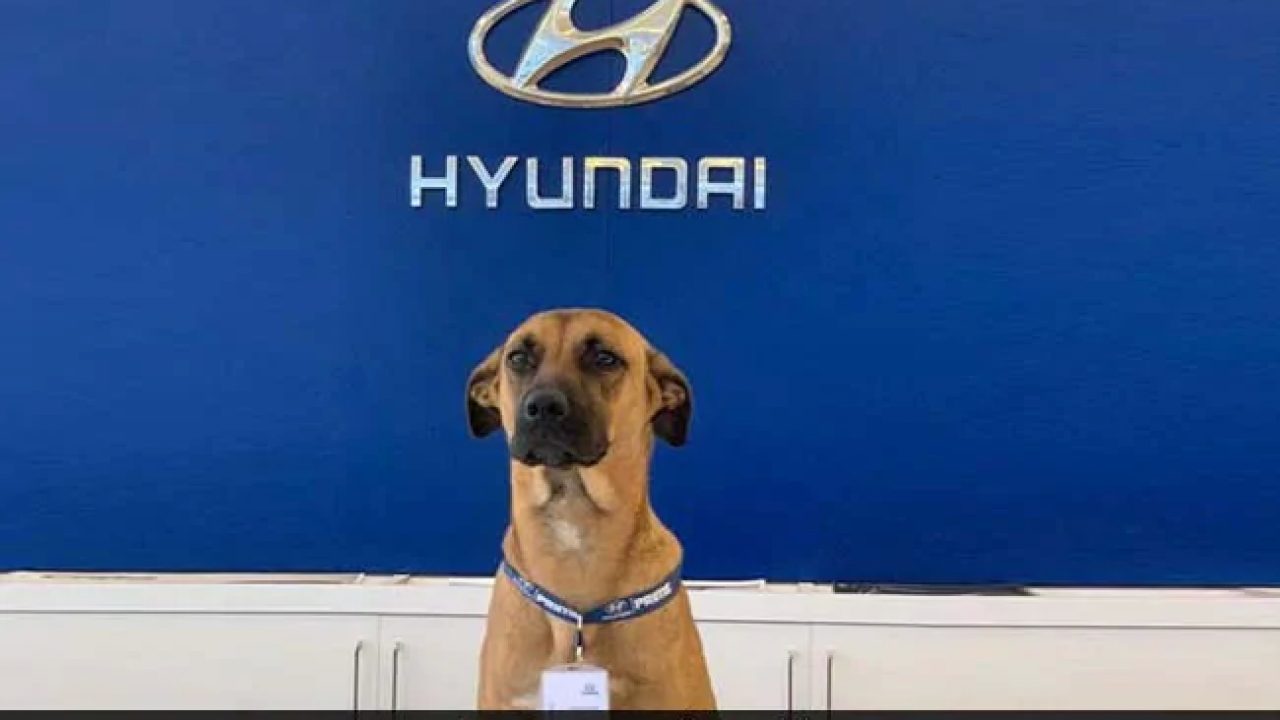
    Hyundai’s new ‘four-legged’ Tucson might be one of the most adorable things you would have seen on the internet at a time when we are mostly getting to read all kinds of negative news. Just imagine walking into a car showroom and being welcomed by a dog! It’s nothing less than a treat for animal lovers. In fact, the dog we are talking about is Hyundai’s employee of the year and works at a Hyundai Showroom in Brazil. Tucson Prime was a street dog that a Hyundai showroom in ES, Brazil adopted and its story is indeed heart-warming.

    Tucson was often found hanging around a Hyundai car showroom in Brazil. No marks for guessing! He soon befriended almost everyone at the showroom and their bond grew so strong that he was soon adopted by the showroom and was made an honorable employee who has his own ID card as well. Just like any other dog, Tucson used to guard the Hyundai showroom and now has been promoted to a salesman by the company. Hyundai took to Instagram to introduce its new employee and said, “The new member is about a year old, was welcomed by the Hyundai family and has already won over co-workers and customers.”

    Hyundai Prime has his own Instagram handle as well with over 28,000 followers already and counting. According to a news report published by World of Buzz, Tuscan Prime was adopted on May 21, this year by Hyundai Serra, ES, Brazil outlet.

  • Link’s Stanley Plaza launches seaside speed-dating for dogs

    Link’s Stanley Plaza launches seaside speed-dating for dogs

    Link’s Stanley Plaza is presenting Hong Kong’s first seaside speed-dating event for dogs. Now in its eighth year, the Paws by the Sea 2019 event will involve a series of events held at the plaza on the weekends from March 23 to 31, including the doggie speed-dating activity. Dog owners and their dogs are invited to attend together to find their true love, and loving dogs-in-waiting will have the chance to be adopted into a new family.

    The events constitute part of Link’s Stanley Plaza’s commitment to providing innovative services for customers and their pets as Hong Kong’s first pet-friendly shopping mall.

    Stanley Plaza and the Society for Abandoned Animals will hold a “Walk the Dog Experiential Tour” for people who are considering adopting a dog to assess their chemistry with the dogs being considered for adoption. On March 31, Link will also host the “Doggie Wedding Gown Exhibition and Design Competition”, in which dog owners can design a unique wedding dress for their doggies and dress up them as a model in the catwalk show. At the same time, there is a dog wedding exhibition which collects various dog marriage information for each dog owner.

    Stanley Plaza will also challenge the Guinness world record for the “Longest Line of Glass Bottles” again on March 24, where dog owners will write love letters to their dogs and decorate their own “love bottle” to add to the line. After the event, owners may take their bespoke bottle home as souvenir.

    Several large-scale dog photo spots, exciting activities and workshops are also being arranged concurrently, including a photography tour, a “Love the Dogs Educational Workshop”, a “Pet Doctor Workshop Doggie” and “Love Is in The Air Carnival Exhibition”.

  • Starfield Korea opens dog lounges for shoppers

    Starfield Korea opens dog lounges for shoppers

    Starfield, a shopping and theme park franchise operated by South Korean retail giant Shinsegae Group, has opened the country’s first ‘dog lounges’ for customers and their pets. The dog lounges offer specially designed sofas for pets as well as their owners, restrooms for pets, and dog hooks where customers can temporarily leave their pets when they have to go to the restroom themselves.

    The lounge also provides separate resting areas for customers and pets divided by a glass wall. Resting areas for pets have house-shaped sofas, authentic grass floors and restrooms.

    “Starfield was South Korea’s first shopping mall chain to allow pets, but we were always aware of the lack of convenience facilities for customers and pets,” said Choi Jae-kyun, operations manager at Shinsegae Property.

    “Now, we can proudly present ourselves as a pet-friendly shopping mall that both customers and pets can enjoy.”

  • Asia Pacific Pet Food Market is Expected to Grow Massively

    Asia Pacific Pet Food Market is Expected to Grow Massively

    Pet food is animal or plant material that is used for consumption by pets. These products are sold through a variety of distribution channels. However, these products are primarily made available in supermarkets and pet stores. The global pet food market offers specific food, which can be categorized as dog food, bird food, fish food, and cat food among others. A major proportion of the meat that is made available as pet food is not of human grade. These materials are generally byproducts of the human food processing industry.

    Increasing purchasing power, rapid urbanization, and changing lifestyle are some major factors fueling the demand for pet food in the Asia Pacific region. Apart from this, increasing preference of the population for a nuclear family has also fueled the adoption of pets in Asia Pacific. Moreover, rising awareness about pet health has further augmented the demand. Due to both these factors, the demand for nutritious pet food as compared to ordinary pet food has increased considerably in the last few years. In addition, a number of regulatory issues, rising cases of pet allergies in humans, and growing obesity among pets are some of the major factors boosting the demand for pet food in Asia Pacific.

    Dog Food Segment Remains Dominant

    The Asia Pacific pet food market in terms of pet type is segmented into dog food, cat food, and others. The others segment includes bird food and fish food. The dog food segment holds the most prominent chunk of the market share and is expected to swell to 61.1% by 2020. The dog food segment was nearing a valuation of US$6.0 bn by the end of 2015.

    Currently, there are several kinds of dog feed available in the market, which include dry, wet or canned, nutritious, and treats. Increasing awareness about pet health is one of the major factors fueling the demand for dog food in the Asia Pacific. Moreover, changing lifestyle and rapid urbanization is also expected to boost the demand during the forecast period. Additionally, the percentage of dogs as pets has increased considerably in the region in recent past. In India, the dog population had increased to about 58.1% by 2013 and similar trend has been observed in markets of Australia, China, and South Korea.

    India Emerging as Most Lucrative Market

    Japan is one the major markets for pet food in Asia Pacific, and is expected remain the dominant market during the forecast period, reaching a market share of 36.5% by the end of 2020. This dominance in demand from Japan is attributed to apartment-culture, which is the most common type of domicile in Japan. Because of this, Japanese consumers tend to prefer smaller pets. Australia is second most prominent market for pet food in Asia Pacific, which is due to considerable increase in pet ownership in the country in recent years. A large number of households are switching to pets for security and recreational purposes. However, the demand for pet food is also expected to increase at a fastest rate in the countries of India and China.

    The pet food market in Asia Pacific is dominated by a few major brands that operate globally, such as Mars Inc., Nestle S.A., Colgate-Palmolive Co., Procter & Gamble Co., Del Monte Foods Co., Agrolimen S.A., and Unicharm Corporation. However, stiff country-wide competition is prevalent from smaller players. For example, Purina Friskies in Japan, Whiskas in Australia, Pedigree in India, and Royal Canin in South Korea.

  • Big points for AirAsia’s animal shelter

    Big points for AirAsia’s animal shelter

    One  of the joys of coming home after a long day of work is to greet, and be greeted by, your pets. Seeing them jump in excitement, or brushing up against your legs, or demanding your attention is surely a mood booster that melts away the worst part of the day.

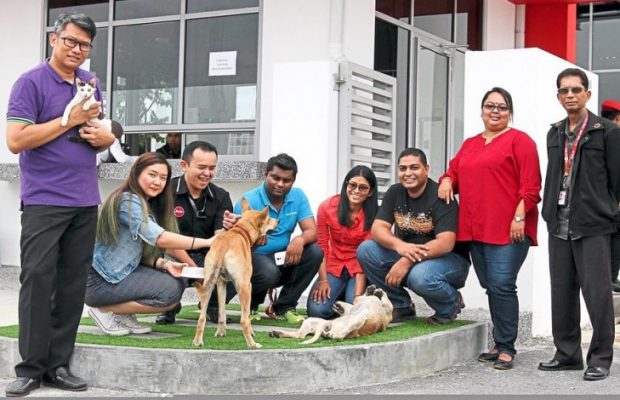
    For AirAsia staff, however, this joy and happiness awaits even before they get to their work stations. Waiting for them at RedQ, AirAsia’s headquarters in Sepang, Kuala Lumpur, are the four dogs they recently adopted and now consider as part of their work family.

    In fact, these dogs have occupied the area next to KLIA2 longer than most of the workers there. Every morning, with tails wagging, the dogs run up excitedly to the familiar faces, especially the ones they have formed a close bond with, and of course, those who come bearing doggie treats.

    “We found the dogs, when they were still puppies, at the construction site of RedQ. Even then, some of our staff members fed them and played with them. They let the dogs roam the area, and ensured that they didn’t harm themselves, or posed a threat to others. When we moved to RedQ last year, the dogs were still here, and there was talk of sending them to shelters,” says AirAsia People Department executive Ahmad Faizul Ahmad Rusli during an interview at RedQ.

    Airasia

    A group of animal-loving colleagues then decided to approach their boss, AirAsia group chief executive officer Tan Sri Tony Fernandes, with a plan that benefits the dogs and them.

    “They asked if they can keep the dogs, and I immediately said yes. The dogs literally grew up in RedQ. We should not just keep them, but build a proper home for them,” says Fernandes in a text message.

    Quickly, a taskforce dedicated for the caring of the animals was formed and interested staff members were encouraged to join. Around 10 people – the number increases by the day, by the way – pledged to care for the dogs. As a joke, they say that any work relating to the dogs starts only at 6.01pm, after working hours, so that it doesn’t interfere with their day-to-day operations.

    The first thing they did as a committee was to get licenses for the dogs from their local municipal council but found out that they weren’t issued to dogs staying in a company building. Faizul nevertheless says that they would apply again and find a way to get proper licenses for the dogs as they do not want them to be forcefully taken away.

    “We then came up with a blueprint for the dog shelter and found contractors to do the job. A corner of RedQ’s parking lot was then decided as the best and turned into a shelter that could fit the four dogs.

    “Besides that, we had to come up with a working plan that includes the cost of keeping the dogs. This should cover their food, medication, and other miscellaneous expenses,” explains AirAsia Government Relations head Vijaya Priya Ananthan.

    Airasia

    AirAsia DogQ’s committee members Kumaravel Subramaniam and Melissa Fok take turns to feed and walk the dogs.

    Once again, Fernandes proved his generosity when he offered to personally cover the expenses for the construction of the shelter – which he dubbed the DogQ – as well as pledged monetary support for the cause. Although they prefer not to disclose the exact amount that was given by Fernandes, they share that it costs approximately RM3,000 yearly to care for each dog.

    “We took them to the vet to have them spayed and get the necessary immunisation,” shares Faizul. Members of the DogQ committee also actively do their part by taking turns to purchase food and treats, and keep the dogs engaged with fun activities.

    “We feed and play with them, and the dogs follow some of us for after-work hiking sessions. Most of the time, they follow the security guards on their rounds. They really have formed a bond with them,” says Priya.

    Faizul adds: “We do have staff members who are afraid of dogs or who cannot interact with dogs, but they are not complaining. That’s because the dogs do not threaten them in any way, and everyone is just happy to go about their ways like they normally do.”

    Ahmad Faizul Ahmad Rusli (left) and Vijaya Priya Ananthan say that the DogQ project has brought together AirAsia staff members from different departments.

    Ahmad Faizul Ahmad Rusli (left) and Vijaya Priya Ananthan say that the DogQ project has brought together AirAsia staff members from different departments.

    The dogs have yet to be named, as the committee has decided to run a contest and let the big bosses pick the winning names.

    “The poor dogs are quite confused as each one of us has a nickname for them. But they still come to us when we call them,” says Faizul, with laugh.

    The dogs are undergoing obedience training and therefore can respond to simple commands. “We’re not training them to become commando dogs. We just want them to listen to us when we call them or tell them not to go somewhere,” adds Priya.

    Security is of utmost importance to the DogQ committee as they do not want the dogs to interfere with KLIA2’s operations nearby. The dogs are not allowed to roam beyond certain areas, and the ever-present security personnel keep an eye on the dogs to ensure that they do not wander into restricted sections.

    “They cannot enter the airport and the office building. Other than that, the dogs are free to go wherever they want. Their shelter will only be used when they are sick, or when they need to be isolated – like when we have big events with guests,” she further explains.

    Faizul would also like to avoid the misconception that the public can come and drop their unwanted animals at the shelter.

    The AirAsia DogQ committee members take it upon themselves to care for the four abandoned dogs that grew up within AirAsias headquarters compound in Sepang, KL.

    The AirAsia DogQ committee members take it upon themselves to care for the four abandoned dogs that grew up within AirAsias headquarters compound in Sepang, KL.

    “We are keeping just the four dogs. They are our dogs. We don’t plan to turn DogQ into a shelter – at least not yet – because firstly, we don’t have the expertise. But, under special circumstances, we would care for any animal that finds its way here and we will try to find a new home for them. We also have two cats that we’re taking care of right now, and we are trying to find people who would take them in,” says Faizul.

    AirAsia staff members are used to undertaking big and tough projects, but Faizul and Priya say that the DogQ is one that has united them all – bringing together people from different departments who otherwise wouldn’t have a reason to work together.

    “I always say that AirAsia is less of a company and more of a family. We are a company that looks after everyone – our guests, our staff and our partners. Now, we have four new ‘staff members’ to look after,” says Fernandes.