Tag: dominance

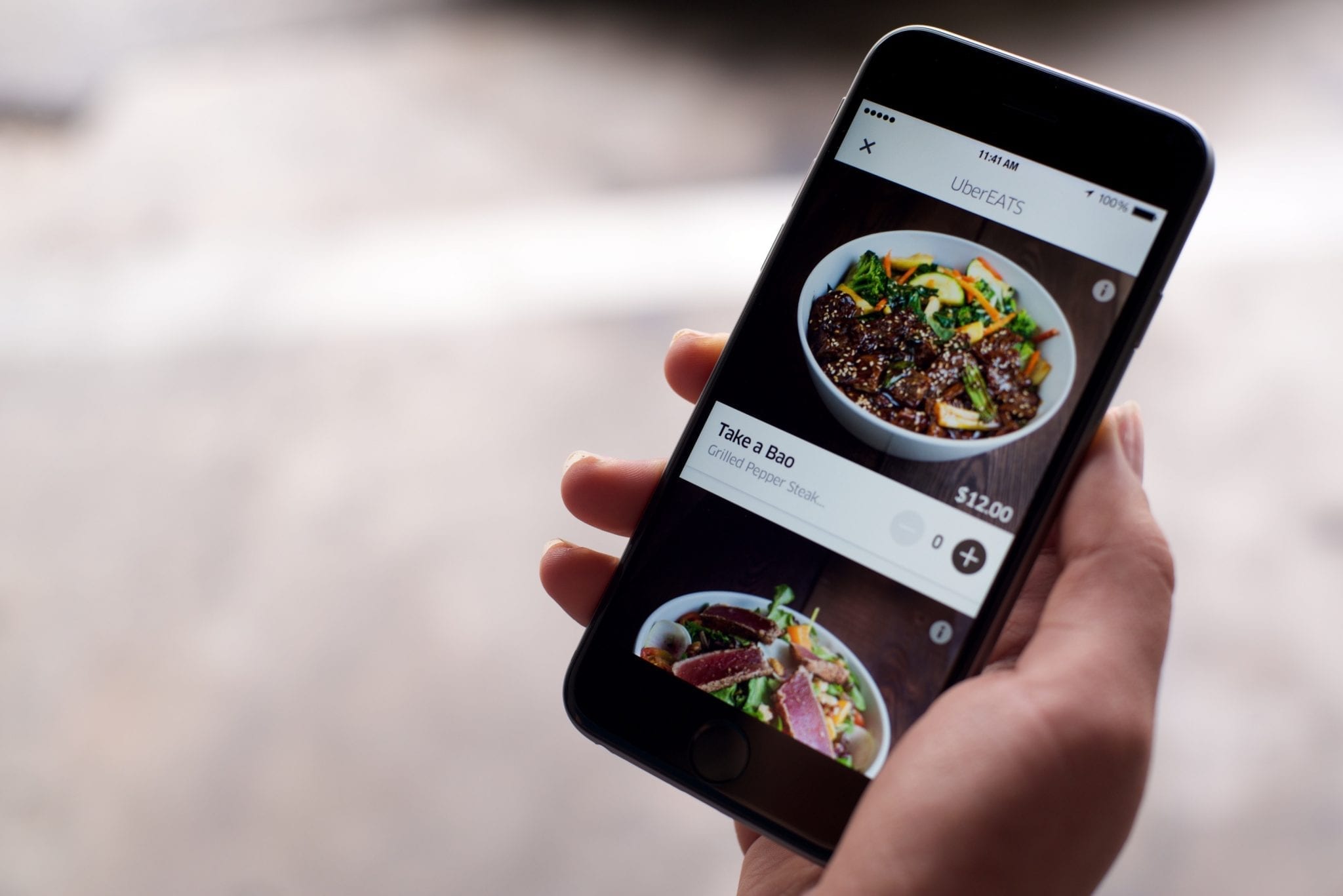
  • Uber’s $14.8 Billion Acquisition of Delivery Hero Bolsters Global Food Delivery Dominance

    Uber’s $14.8 Billion Acquisition of Delivery Hero Bolsters Global Food Delivery Dominance

    Uber, one of the leading global mobility and food delivery platforms, has confirmed its decision to acquire another significant player in the industry, Delivery Hero. The agreement, which values Delivery Hero at approximately €13.0 billion (US$14.8 billion), follows earlier disclosures by the latter about being in advanced talks with Uber amidst market rumors of a potential takeover.

    Uber’s proposal outlines a voluntary public takeover offer, which will see it pay Delivery Hero shareholders €41.50 per share in cash. This move will significantly broaden Uber’s global delivery operations through the integration of Delivery Hero’s portfolio of brands. These include Foodpanda, Glovo, Talabat, HungerStation, and PedidosYa. Consequently, the amalgamated businesses will operate in 99 markets, offering services in ride-hailing, food delivery, and quick commerce.

    Future Plans and Investments

    Niklas Östberg, the co-founder and CEO of Delivery Hero, has expressed his confidence in the acquisition. He asserts that the deal, along with Uber’s planned investment in Germany, highlights the appeal of the European tech ecosystem. Furthermore, he expresses the company’s intent to continue contributing to its growth.

    To ensure regulatory approval for the acquisition, Delivery Hero will divest its operations in 14 markets where it overlaps with Uber. The divestment will be done to investment firm SSW Partners before the transaction is finalised.

    Uber, for its part, has pledged to uphold Delivery Hero’s Berlin headquarters and its staff until at least the end of 2029. In addition, the company has promised to invest €2 billion in Germany by 2031.

    The transaction is anticipated to be concluded in the second half of 2027, subject to shareholder acceptance and regulatory approvals.

    Questions & Answers

    What is the value of the proposed acquisition of Delivery Hero by Uber?

    The deal values Delivery Hero at approximately €13.0 billion (US$14.8 billion).

    How will the acquisition expand Uber’s business?

    The acquisition will allow Uber to integrate Delivery Hero’s portfolio of brands, including Foodpanda, Glovo, Talabat, HungerStation, and PedidosYa. This will significantly expand Uber’s operations across 99 global markets.

    What commitments has Uber made towards Delivery Hero’s existing operations and workforce?

    Uber has committed to maintaining Delivery Hero’s Berlin headquarters and workforce until at least the end of 2029. It also plans to invest €2 billion in Germany by 2031.
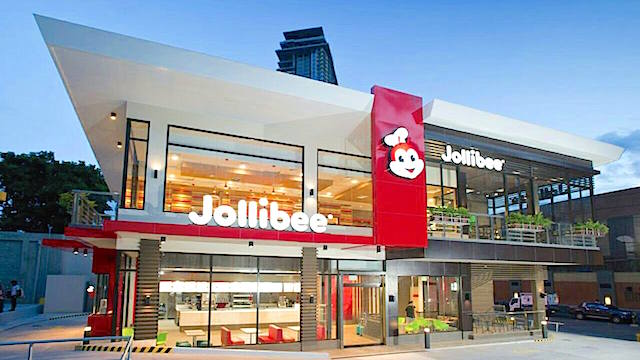

  • Jollibees Aggressive Franchise Expansion in Vietnam Bolsters Quick-Service Restaurant Market Dominance

    Jollibees Aggressive Franchise Expansion in Vietnam Bolsters Quick-Service Restaurant Market Dominance

    Jollibee, a leading Philippine fast-food company, is stepping up its franchising efforts in Vietnam, aiming to expand its presence in one of Southeast Asia’s most fiercely contested quick-service restaurant (QSR) markets. The move follows the brand’s prestigious recognition as Vietnam’s foremost QSR brand by Euromonitor International.

    Franchising Expansion Strategy

    Jollibee launched its franchising model in Vietnam in 2015, effectively inviting capable local investors to manage Jollibee-branded outlets under a standardized operating system. Initial expansion was carried out cautiously as the brand worked to establish scale and maintain operational control. However, the company has now shifted gears to a more assertive growth phase, primarily targeting quicker network expansion.

    Franchising not only facilitates the company’s accelerated growth but also generates more employment opportunities, fortifies the domestic supply chain, and aids in the advancement of Vietnam’s food and beverage service industry, according to a representative from the company.

    This renewed drive towards franchising is spurred by Jollibee’s recent accolade as Vietnam’s top QSR brand in terms of turnover, as awarded by Euromonitor International.

    Growing Footprints Across Vietnam

    Since the establishment of its first store in Ho Chi Minh City in 2005, Jollibee Vietnam has grown to encompass more than 250 locations dispersed across over 50 provinces and cities. The company’s expansion has been fueled by a diverse strategy that includes outlets in shopping malls, street-front locations, and delivery-centric stores.

    Ernesto Tanmantiong, Global President and CEO of Jollibee Group, attributed the brand’s success to its understanding of local consumers and its adherence to fundamental business practices. He asserted that the company’s progress underscores the potency of merging a popular brand with a profound local understanding and consistent execution. It further strengthens their belief that sustainable growth in international markets stems from remaining relevant to consumers while establishing solid operational foundations.

    Questions & Answers

    When did Jollibee first introduce franchising in Vietnam?
    Jollibee introduced franchising in Vietnam in 2015.

    What factors have supported Jollibee’s expansion in Vietnam?
    Jollibee’s expansion has been supported by a multi-format strategy that includes outlets in shopping malls, street-front locations, and delivery-centric stores.

    What is the significance of franchising for Jollibee’s growth?
    Franchising not only facilitates Jollibee’s accelerated growth but also generates more employment opportunities, fortifies the domestic supply chain, and aids in the advancement of Vietnam’s food and beverage service industry.

  • DBS Broadens China Market Dominance: Secures Principal Bond Underwriting License

    DBS, a Singaporean financial institution, is expanding its operations in mainland China by acquiring a bond underwriting license. With this license, the bank’s China division is now permitted to function as a principal underwriter for non-financial corporate bonds in the mainland’s interbank bond market. This authorization has been granted by China’s National Association of Financial Market Institutional Investors (NAFMII). Consequently, DBS can now manage all onshore corporate bond deals, which involves coordinating syndicates.

    The Role of DBS in China’s Bond Market

    DBS is a substantial foreign participant in the issuance of panda bonds. These are yuan-denominated bonds that are sold onshore by issuers who are not Chinese. As of the close of the previous year, DBS held a 38 percent market share in panda bonds.

    In 2025, the issuance of panda bonds in China’s interbank market amounted to 173.3 billion yuan, or $25.1 billion. This represents a compound annual growth rate of 26 percent over the past five years, a clear sign of the bond market’s rapid expansion.

    Questions & Answers

    What is the recent development for DBS in mainland China?
    DBS’ China unit has received a principal underwriting license for non-financial corporate bonds in mainland China’s interbank bond market from the National Association of Financial Market Institutional Investors (NAFMII).

    What does this license allow DBS to do?
    This license allows DBS to handle all onshore corporate bond deals, including the coordination of syndicates.

    What is DBS’ current standing in the issuance of panda bonds?
    DBS is a significant foreign participant in the issuance of panda bonds with a market share of 38 percent as of the end of last year.

  • Malaysia’s Strategic Moves to Regain Palm Oil Dominance in China Amid Market Challenges

    Malaysia’s Strategic Moves to Regain Palm Oil Dominance in China Amid Market Challenges

    Malaysia is taking proactive measures to reclaim its portion of China’s palm oil market, following a precipitous drop of almost 39% in export volumes year-on-year in the first ten months of 2025.

    Factors Influencing the Decline

    According to Malaysia’s Plantation and Commodities Minister, Datuk Seri Johari Abdul Ghani, this dramatic decrease can be attributed in part to logistics issues and a surge in palm oil prices. The latter has overtaken the costs of soybean oil, making soybean oil more attractive to Chinese buyers.

    Chinese Market Significance

    China holds a pivotal role as a strategic market for Malaysia, having consistently been one of the leading destinations for Malaysian palm oil exports for over a decade. Ghani remarked that the steep decrease points to deeper problems, extending beyond simply competitiveness and logistics. The issues also involve pricing dynamics and market positioning.

    Transparent Export Policies

    Ghani underscored that Malaysia remains committed to maintaining clear and predictable export policies. This approach is designed to ensure that the nation’s activities do not interfere with the interests of its key trading partners.

    Promoting Continuous Dialogue

    In addition, Malaysia is open to ongoing discussions to better synchronize expectations regarding pricing trends, market developments, and long-term supply planning, the minister added.

    Questions & Answers

    What has caused the drop in Malaysia’s palm oil exports to China?
    The drop in exports has primarily been attributed to two factors: challenges in logistics and a rise in palm oil prices, which have made soybean oil a more attractive choice for Chinese buyers.

    Why is the Chinese market significant to Malaysia?
    China is a key and strategic market for Malaysia, consistently standing as one of the top destinations for Malaysian palm oil exports for over a decade.

    How does Malaysia plan to address the current challenges and regain its market share?
    Malaysia intends to maintain transparent and predictable export policies and is open to continuous dialogue on pricing trends, market developments, and long-term supply planning to better align expectations.

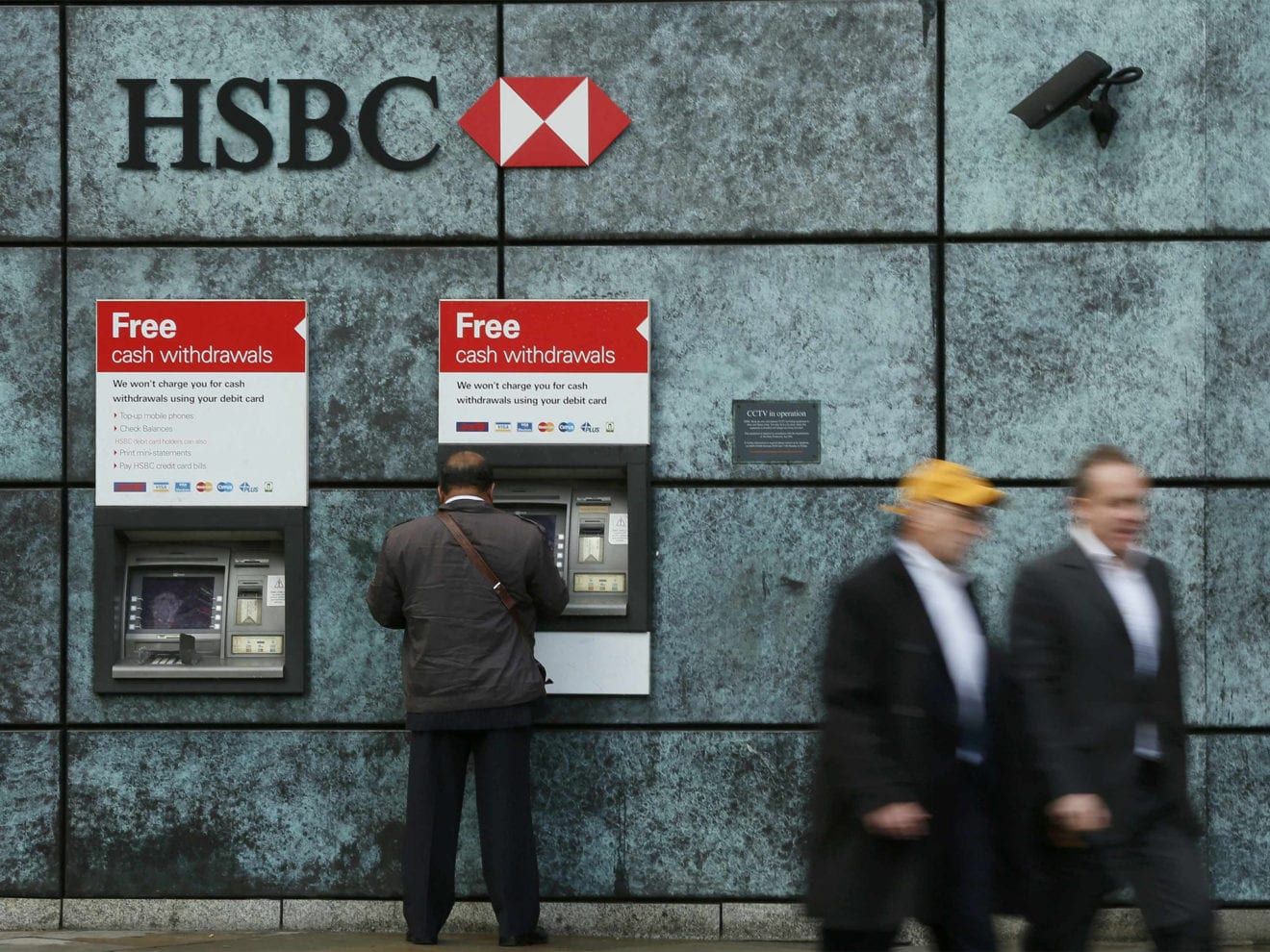
  • HSBC Fuels Singapore’s Startup Boom: A Billion-Dollar Bet on Global Innovation Dominance

    HSBC Fuels Singapore’s Startup Boom: A Billion-Dollar Bet on Global Innovation Dominance

    As Singapore further cements its position as a worldwide hub for innovation, HSBC is strategically situating itself at the forefront of this transformation.

    HSBC’s group chief executive, Georges Elhedery, has recently expressed that innovation, technology, and artificial intelligence will drive economic growth. He emphasized that banks must adopt a proactive approach in providing financial support to start-ups and scaling companies.

    This standpoint coincides with the rising global recognition of Singapore’s start-up ecosystem and the rapid international expansion of venture-backed firms.

    The Crucial Role of Banks in Innovation

    Elhedery regards start-ups as the pivotal driving force for future GDP growth. He points out that while advanced technology only accounts for four percent of the US GDP, it contributes to an impressive ninety-two percent of the country’s GDP expansion.

    He stresses the importance for financial institutions to back these high-growth firms, despite the heightened credit risks. Elhedery firmly believes that leveraging and applying the bank’s expertise in this ecosystem is of utmost importance.

    Singapore’s Strategic Importance to HSBC’s Global Ambitions

    HSBC considers Singapore as a significant player in its Asia-Pacific aspirations. The bank is developing group-level competencies from Singapore, introducing services such as blockchain-based tokenised deposits that offer 24/7 real-time settlements.

    “Singapore plays an essential role in HSBC’s international strategy,” states Elhedery. He underscores the bank’s ambition to emerge as the leading global institution in corporate banking, institutional banking, wealth management, and innovation banking.

    HSBC’s Response to Start-ups’ Global Expansion

    As an increasing number of Singaporean start-ups scale globally, HSBC observes a surge in demand for financing through its international network. The bank’s newly established innovation banking division in Singapore aims to bridge a long-standing market gap by offering sector expertise, specialised products, and customised financing solutions to venture-backed firms.

    HSBC has committed US$1.5 billion in funding to high-growth firms in Singapore. The bank’s lending decisions are steered by its close interactions with founders and their investors.

    Targeting Founders’ Wealth

    Apart from corporate banking, HSBC is also focusing on the wealth of founders. Nearly two-thirds of its worldwide private banking clients in Singapore are entrepreneurs. The bank provides guidance on pre-exit planning, IPO preparation, succession strategies, and curated networking through initiatives like the Innovation Exchange.

    A global HSBC report in 2025 identified Singapore as the most appealing hub for entrepreneurial wealth worldwide. Fifteen percent of entrepreneurs plan to relocate their assets to Singapore, with 12% considering moving their residence.

    Positioning for Sustainable Growth

    For HSBC, innovation banking presents both a commercial prospect and a long-term strategic move. As Singapore strengthens its stature as a global innovation hub, the bank aims to be the go-to partner for high-growth companies, their investors, and founders.

    Elhedery clearly articulates this goal, “Our involvement in the innovation ecosystem is crucial for nurturing the businesses of the future.”

    Questions & Answers

    What is the role of banks in financing start-ups and scaling companies?
    Banks, according to HSBC Group CEO Georges Elhedery, must actively finance start-ups and growing companies, despite the elevated credit risk.

    How does HSBC view Singapore’s role in scaling its global operations?
    HSBC sees Singapore as a significant player in its Asia-Pacific aspirations, developing group-level competencies and introducing services from the city-state.

    What is HSBC’s approach towards the wealth of founders?
    HSBC is focusing on the wealth of founders by offering advice on pre-exit planning, IPO preparation, succession strategies, and curated networking through initiatives like the Innovation Exchange.

  • South Korea set to ban Google, Apple in-app payment dominance

    South Korea set to ban Google, Apple in-app payment dominance

    South Korea is likely to bar Google and Apple from requiring software developers to use their payment systems, effectively stopping them from charging commissions on in-app purchases, the first such curbs on the tech companies by a major economy.

    An amendment of the Telecommunications Business Act, dubbed the “Anti-Google law,” that takes aim at app store operators with dominant market positions, is being considered by lawmakers in South Korea, who have pushed the issue of the commission structure since mid-2020.

    In a statement, Apple said the bill “will put users who purchase digital goods from other sources at risk of fraud, undermine their privacy protections, make it difficult to manage their purchases.”

    The iPhone maker said it believes “user trust in App Store purchases will decrease as a result of this proposal — leading to fewer opportunities for the over 482,000 registered developers in Korea who have earned more than KRW8.55 trillion to date with Apple.”

    Adam Hodge, the spokesman for the U.S. Trade Representative’s office, said U.S. officials were still considering how to balance the views of the U.S. tech companies with the Biden administration’s push to increase competition in the industry.

    “We are engaging a range of stakeholders to gather facts as legislation is considered in Korea, recognizing the need to distinguish between discrimination against American companies and promoting competition,” Hodge said.

    Both Apple and Google have faced global criticism because they require software developers using their app stores to use proprietary in-app payment systems that charge commissions of up to 30% on in-app purchases.

    “For gaming apps, Google has been forcing app developers to use its own payment system … and it wants to expand its policy to other apps like music or webtoon,” said Kwon Se-hwa, a general manager at the Korea Internet Corporations Association, a nonprofit group representing Korean IT firms.

    “If the new bill becomes the law, developers will have options to use other independent payment systems,” Kwon said.

    Naomi Wilson, vice president of policy for Asia at the Information Technology Industry Council, a trade group that includes Apple and Google, said the legislation would violate South Korea’s multilateral and bilateral trade commitments.

    “If enacted, the bill would present challenges both for app developers and app stores seeking to do business in the Korean market,” she said, urging Korean legislators to re-examine the obligations for app markets and ensure they do not disproportionately affect U.S. companies.

    The European Union last year proposed the Digital Markets Act, taking aim at app store commissions. The rules are designed to affect large companies, but some European lawmakers are in favor of tightening them to specifically target American technology giants.

    Earlier this month in the United States, a bipartisan trio of senators introduced a bill that would rein in app stores of companies that they said exert too much market control, including Apple and Google.

    In South Korea, the home market of Android phone maker Samsung Electronics, Google Play Store earned revenue of nearly 6 trillion won ($5.15 billion) in 2019, according to a government report published last year.

    Earlier this year, Google said it would lower the service fee it charges developers on its app store from 30% to 15% on the first $1 million they earn in revenue in a year. Apple has made similar moves.

    For Apple too, commissions from in-app purchases are a key part of its $53.8 billion services business and are a major expense for some app developers.

    In May, an antitrust lawsuit filed by the maker of the popular game Fortnite against Apple revealed that the game maker paid $100 million in commissions to Apple over two years.

  • Honor Starts Looking for Market Dominance

    Honor Starts Looking for Market Dominance

    Huawei’s CEO has revealed details of how the telecommunications giant will foster its spin-off Honor brand in Asia.

    The strategy includes store rollouts, an increasing focus on online sales and revised price positioning differentiating the two brands.

    Richard Yu, CEO of Huawei Consumer BG, posted details on his Sina Weibo account, predicting Huawei will become the world’s largest smartphone maker this year through its two-brand strategy. Honor on its own is tipped to become China’s second largest-selling smartphone brand and fourth in the world.

    “The company will support Honor in the development of cutting-edge products and continue its investments in technology innovation, channel distribution and retail strategies while maintaining a firm dual-brand strategy between Honor and Huawei,” said Yu.

    Both brands will maintain “a forward-thinking mindset and help create an intelligent, fully-connected world”.

    While IDC figures show global shipments of smartphones fell by 3.1 per cent in the first three quarters of last year, Honor’s volumes soared 27.1 per cent.

    Last year, Huawei’s consumer business grew by 48.4 per cent, outperforming the company’s carrier-network business and becoming the company’s largest revenue earner.

    George Zhao, Honor’s president, told the recent Mobile World Congress that Honor is “on the brink of yet another breakthrough and there is no slowing down for us”.

    “As the going gets tough, the tough get going. We’ll treat each day as an opportunity to deliver greater value to our fans. For Honor, the best is yet to come,” he said.