Retail News CRM

Tag: DoorDash

  • DoorDash Bids Farewell to Singapore and Japan Markets: A Strategic Re-focus on Sustainable Growth

    DoorDash Bids Farewell to Singapore and Japan Markets: A Strategic Re-focus on Sustainable Growth

    DoorDash, the leading food delivery platform, has announced the discontinuation of its operations in Singapore and Japan to concentrate on markets with higher priorities.

    Singapore Shutdown

    In Singapore, DoorDash will be closing down its Deliveroo service on March 4, thus drawing a curtain over its 11-year long tenure in the city-state. The firm has indicated that services will remain operational until the shutdown, advising customers to exhaust any residual credits and gift cards before the cessation of operations.

    Exiting Other Markets

    In a related development, the company has also confirmed the planned closure of Deliveroo and Wolt services in Qatar, Uzbekistan, and Japan. This decision was reached following an extensive evaluation of market conditions spanning several months. According to DoorDash, the exit strategy is hinged on factors specific to each of these countries and is aligned with the company’s strategic thrust to focus on markets that offer the greatest potential for sustainable growth and long-term dominance.

    Despite describing the decision as a challenging one, the firm has committed to closely collaborating with relevant local stakeholders to effect a seamless transition in the immediate future.

    DoorDash’s Contributions and Gratitude

    Miki Kuusi, the Head of DoorDash International, CEO of Deliveroo and co-founder of Wolt, expressed gratitude to all who have been a part of their journey. He remarked, “Over the last 11 years, we have been proud to shape food delivery in Singapore, granting consumers access to an extensive range of restaurant and grocery partners. To all our employees, customers, partners, and riders who have accompanied and supported us on this journey – thank you.”

    It’s worth noting that in the previous year, Deliveroo also withdrew from the Hong Kong market on April 7, after operating there for nine years. This followed an agreement to sell some of its assets to Foodpanda.

    Questions & Answers

    Why is DoorDash discontinuing its operations in Singapore and Japan?
    DoorDash is discontinuing operations in Singapore and Japan to focus on markets with higher priorities.

    What will happen to the remaining credits and gift cards of customers in Singapore?
    Customers are advised to exhaust any remaining credits and gift cards before DoorDash ceases operation on March 4.

    Can we expect further market exits from DoorDash?
    While not explicitly stated, the company’s strategic focus on markets where it sees a clear path to sustainable scale and long-term leadership might lead to further market exits.
  • DoorDash Expands Aldi Partnership: Liquor Delivery to NSW and Victoria, Special Buys Nationwide!

    DoorDash Expands Aldi Partnership: Liquor Delivery to NSW and Victoria, Special Buys Nationwide!

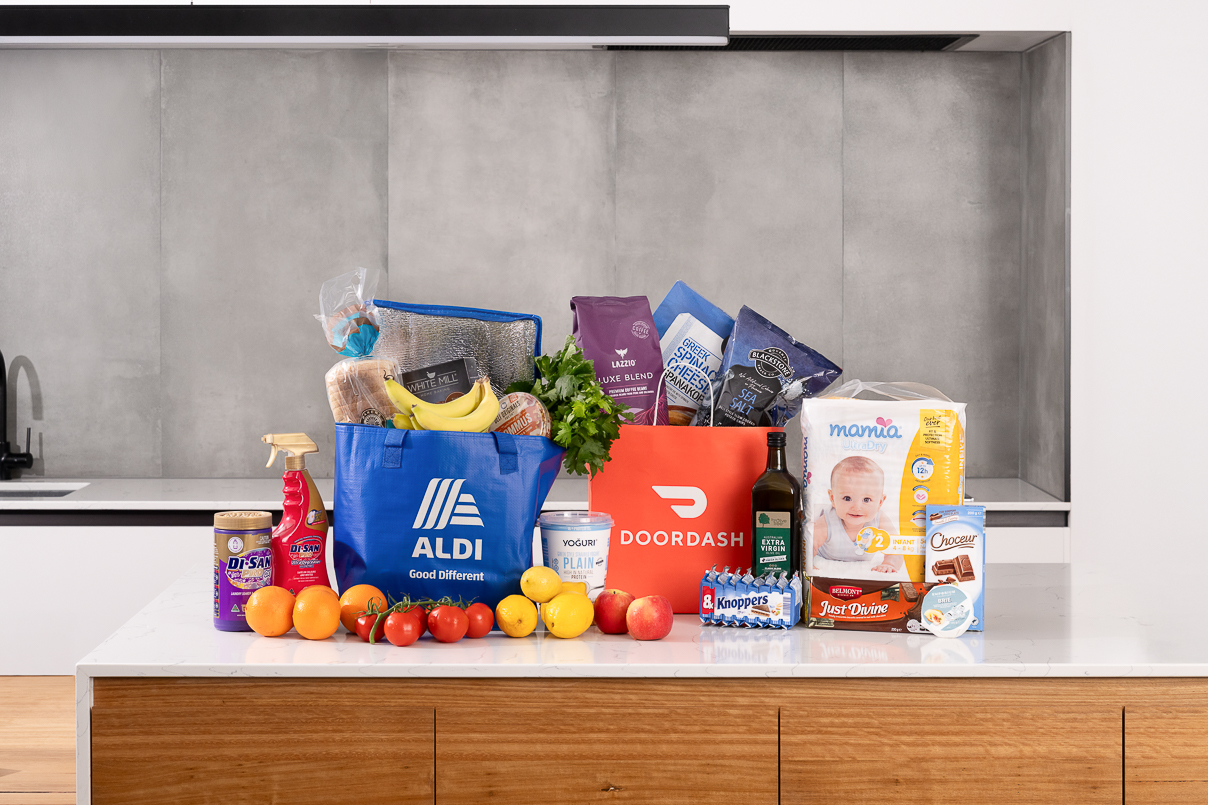
    Starting January 21, Aldi customers in New South Wales and Victoria will have the option to purchase the retailer’s exclusive range of alcoholic beverages via DoorDash. This new service is a part of the ongoing partnership between Aldi and DoorDash, which was established a year ago.

    Expanding Delivery Options

    In addition to alcoholic beverages, Aldi’s popular Special Buys will also be available for nationwide delivery from most store locations through DoorDash. This move is in line with the company’s efforts to make more of its products conveniently accessible to customers.

    Simon Padovani-Ginies, Group Director at Aldi Australia, has emphasized the company’s commitment to making as much of Aldi’s offerings as possible available for delivery. The inclusion of their exclusive liquor range for shoppers in New South Wales and Victoria, as well as the nationwide availability of Special Buys, means that more customers will be able to access Aldi’s high-quality, low-cost products from the convenience of their homes.

    Improving Customer Experience

    This move is not just about expanding product availability – it’s also about elevating the customer experience. With the current pandemic, online shopping has become the norm and businesses that offer home delivery services are increasing in popularity. By offering delivery of their exclusive liquor products and Special Buys, Aldi is catering to the evolving needs of its customers, making shopping more convenient and stress-free.

    Questions & Answers

    When will Aldi customers in New South Wales and Victoria be able to purchase liquor products via DoorDash?
    Starting January 21, Aldi will offer delivery of its exclusive liquor products to customers in New South Wales and Victoria through the DoorDash service.

    What other products will Aldi make available for delivery via DoorDash?
    In addition to its exclusive range of alcoholic beverages, Aldi will also make its popular Special Buys available for nationwide delivery from most store locations.

    What is the aim of this new service?
    The new service aims to make shopping more convenient for Aldi customers. It is also a part of the company’s efforts to cater to the evolving needs of consumers in the current pandemic climate, where online shopping and home delivery services have become increasingly relevant and popular.

  • Delivery Showdown: Woolworths Teams Up with DoorDash as Coles Partners with Uber Eats in Australian Market

    Delivery Showdown: Woolworths Teams Up with DoorDash as Coles Partners with Uber Eats in Australian Market

    In the world of grocery delivery services, competition is heating up as two major players, DoorDash and Uber Eats, expand their alliances with top Australian supermarkets. Woolworths, the country’s largest supermarket, has recently joined DoorDash’s delivery platform. This news was quickly followed by the announcement that Uber Eats has expanded its service with Coles and secured an exclusivity agreement.

    The Shift Towards Third-Party Delivery Services

    These developments come in the wake of the dissolution of Menulog, a food delivery brand that ended all its operations in Australia on November 26 after two decades of service. Despite this, Woolworths persists in providing deliveries via its own label, Milkrun, which currently serves over 500 suburbs in Australia’s largest cities, utilizing the brand’s Metro stores.

    Simon Rossi, DoorDash’s VP of Apac, happily welcomed Woolworths to the platform. He expressed that Woolworths’ impending arrival on their platform signifies their commitment to enhancing customer choice, convenience, and value.

    Expansion of Uber Eats and Coles Partnership

    Coles, previously partnered with DoorDash, announced its plans to enhance its product range on Uber Eats by 50%, offering up to 17,000 products. The companies revealed their intention to enter an exclusive partnership by December 26.

    Lucas Groeneveld, Uber Eats’ regional GM of retail across Apac, noted that for many Australians, having their Coles shopping delivered through the Uber Eats app has become an integral part of their daily lives.

    DoorDash Completes Australian Market Penetration

    For DoorDash, Woolworths represents the last of Australia’s top four brands to join its service. Coles, Aldi, and IGA are all current partners, though Coles plans to leave the service on December 26. In the meantime, Woolworths continues to deliver with Uber Eats.

    Amitabh Mall, Woolworths group MD, spoke on the importance of providing customers with fast, flexible options for their grocery needs. He affirmed that the partnership with DoorDash will enable them to leverage their extensive store network to reach more customers on platforms they use every day.

    Jonathan Torr, Coles’ executive GM of e-commerce, lauded the move as “another way of helping our customers get what they need, wherever they need it”.

    Questions & Answers

    Q: What is the significance of Woolworths joining DoorDash?
    A: Woolworths is Australia’s largest supermarket, and its addition to DoorDash’s platform signifies the company’s commitment to expanding customer choice, convenience, and value.

    Q: What changes are taking place in Coles’ partnership with Uber Eats?
    A: Coles is expanding its product range on Uber Eats by 50%, offering up to 17,000 products. The companies also plan to enter an exclusive partnership by December 26.

    Q: How is Woolworths responding to consumer demand for flexible grocery options?
    A: Woolworths continues to invest in a variety of on-demand options, including its own label, Milkrun, and partnerships with third-party delivery services like Uber Eats and DoorDash.

  • Aldi Australia Embraces Digital Era: Launches First Grocery Delivery Trial With Doordash

    Aldi Australia Embraces Digital Era: Launches First Grocery Delivery Trial With Doordash

    Aldi Australia Goes Digital

    Aldi’s low-cost, no-frills approach has distinguished it in Australia’s hyper-competitive supermarket industry. However, the German supermarket chain is transitioning into a new era that emphasizes comfort, while preserving its fundamental principles.

    In a surprising move, Aldi Australia is trialling its first grocery delivery service, collaborating with DoorDash to provide on-demand shopping to customers in Canberra.

    The pilot program began on July 8, allowing ACT residents to use the DoorDash app or website to order a selection of over 1800 Aldi products. These range from fresh produce and meats to home necessities, all of which can be delivered directly to customers’ homes.

    This trial denotes a notable strategic evolution for Aldi, a company that has traditionally maintained a distance from digital channels. It also brings up an intriguing query: how can a brand like Aldi, renowned for its simplicity, adapt to a world where an omnichannel approach is mandatory?

    Aldi Australia’s Chief Commercial Officer, Jordan Lack, stated that Aldi’s mission since entering the Australian market has been to offer high-quality groceries at the lowest possible prices for Australian households, and this aim remains steadfast. He expressed his excitement for Canberra customers to shop with Aldi from the comfort of their homes, bringing their “Good Different” shopping experience to a wider audience with the click of an app.

    Cost-effective Convenience

    Aldi’s approach to this trial is calculated. Instead of investing in expensive logistics infrastructure or in-house e-commerce capabilities, the retailer has transferred the complexity to DoorDash. DoorDash’s delivery contractors, known as Dashers, will select, package, and deliver orders from local stores. This model enables Aldi to maintain operational effectiveness and cost control.

    This third-party approach is capital-light and allows for rapid expansion of the trial if it proves successful, without the strain of warehousing or internal fulfilment logistics.

    Anticipating Market Shifts

    Teresa Sperti, founder and director of digital consultancy Arktic Fox, believes Aldi’s move into e-commerce mirrors wider changes in how Australians shop for groceries and their expectations from retailers.

    On the other hand, Aldi’s decision to partner with DoorDash holds on to its famously lean cost base. However, it also comes with both strengths and strategic limitations.

    Aldi’s model may not build the same customer loyalty as major supermarkets that use proprietary data to personalize experiences, and help understand preferences to drive repeat sales. In Aldi’s case, DoorDash owns the shopping basket and the customer relationship, not Aldi.

    There are also potential challenges around pricing transparency. Aldi will need to navigate this carefully as historically, grocery and supermarkets offering different pricing in-store vs online, have eroded customer trust.

    Strategic Moves in Digital Transition

    Unlike its competitors, Coles and Woolworths, Aldi’s digital transition has been slower but seemingly intentional. Aldi’s every digital step, from checkout upgrades to delivery trials, has been meticulously planned and operationally efficient.

    Aldi has also been trialing self-checkout kiosks in 10 stores across New South Wales since 2021, indicating another strategic move for a retailer known for thin profit margins and high staff productivity.

    Last-mile delivery may attract new customer segments such as busy professionals, young families, and urban residents who appreciate Aldi’s low prices but lack the time to shop in person. By partnering with DoorDash, Aldi can offer convenience without the financial burden of infrastructure.

    This trial will not only examine operational feasibility but also gauge customer appetite. It remains to be seen if Aldi can replicate its in-store experience online or maintain its low prices while sharing the margin with DoorDash.

    Questions & Answers

    What is Aldi’s strategic shift in Australia?
    Aldi has begun a trial of home grocery delivery in Canberra, a notable shift from its traditional approach of keeping digital channels at arm’s length.

    How does Aldi’s partnership with DoorDash work?
    DoorDash’s delivery contractors, known as Dashers, will select, pack, and deliver orders from local Aldi stores to customers’ homes. This third-party approach enables Aldi to maintain operational efficiency and cost control.

    What challenges might Aldi face with its move into e-commerce?
    Aldi’s business model may not build the same level of customer loyalty as other supermarkets that use proprietary data to personalize experiences. Additionally, there may be challenges around pricing transparency, an important cornerstone of Aldi’s brand.

  • Costco and DoorDash to deliver groceries to the doors of Aucklanders

    Costco and DoorDash to deliver groceries to the doors of Aucklanders

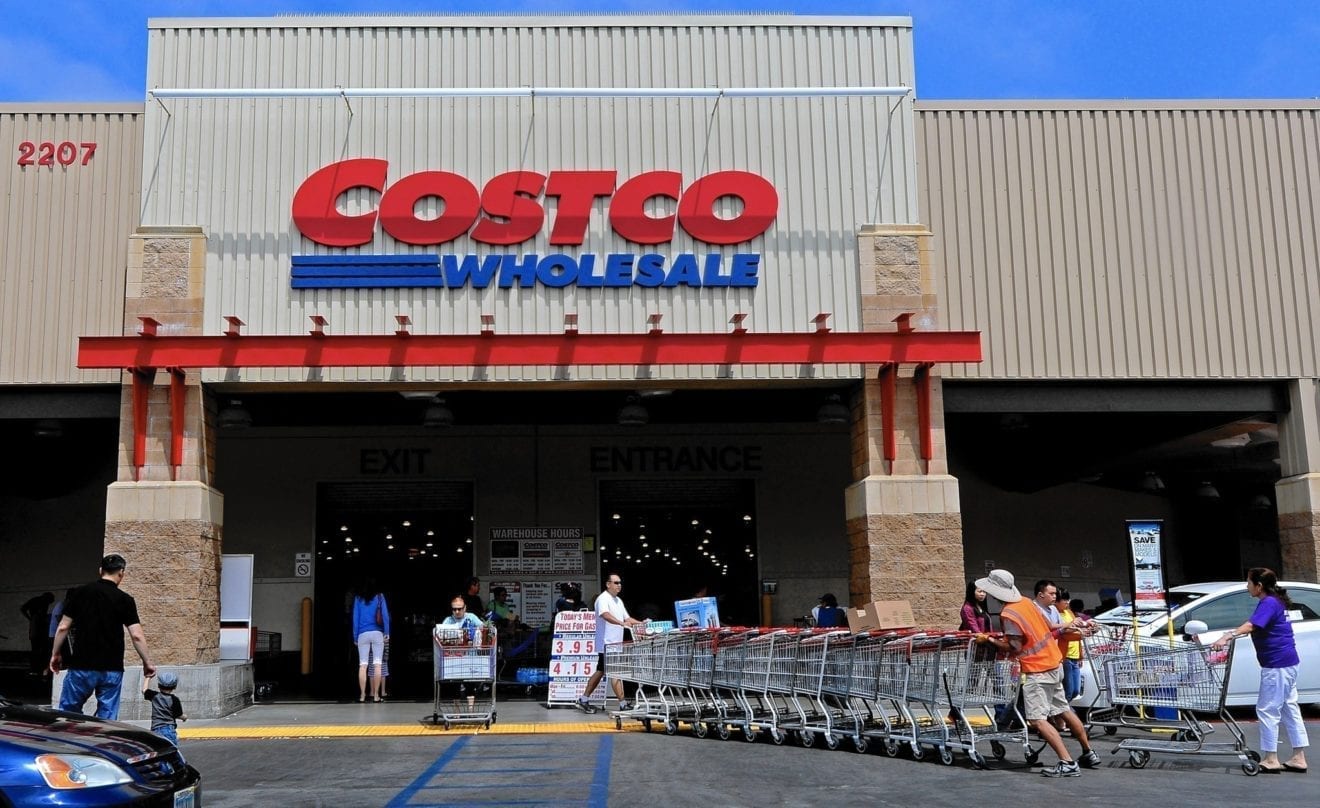
    Costco has teamed up with DoorDash to deliver its range of groceries and household essentials to homes in Auckland at bulk-saving rates.

    The partnership will enable Costco members and non-members to get everything from toilet paper to fresh fruits and vegetables or premium poultry and meat delivered to their homes.

    “We’re always looking for ways to make everyday shopping easier, and our partnership with Costco means Aucklanders can now get incredible value and quality delivered straight to their doorstep,” said DoorDash New Zealand GM Bradley Thomas.

    To launch the new partnership, New Zealand customers will receive NZ$20 off their first Costco order when they spend $150 or more.

  • DoorDash bets big on liquor deliveries

    DoorDash bets big on liquor deliveries

    DoorDash will offer beer, wine, and spirits through the DoorDash Marketplace in 20 U.S. states and Washington, D.C., as well as Canada and Australia, the company announced on Monday. Customers will be able to order alcohol offerings from grocery stores, restaurants and other local merchants through a new “Alcohol” tab in the DoorDash app.

    Alcohol delivery exploded during the pandemic as COVID-19 restrictions shifted happy hour from bars and restaurants to people’s homes. Lawmakers in many states temporarily relaxed regulations to make alcohol available for home delivery and pickup. E-commerce made up just 1% of U.S. alcohol sales by retailers in 2019 by volume but is expected to grow to 7% by 2024, according the Wine & Spirits Wholesalers of America, an industry trade group.

    The boom has created an opportunity for delivery giants like DoorDash and Uber Eats to capitalize on the higher-margin category. It’s also a boom for restaurants as adding alcohol could increase average order values by as much as 30%, according to DoorDash Chief Operating Officer Christopher Payne. “It’s a win-win for everyone. Customers have a wider selection, restaurants can achieve greater sales and Dashers can earn more,” he said.

    The San Francisco-based company commanded 57% of the food-delivery market as of August and has seen sustained growth across segments even as indoor dining has resumed. The dedicated alcohol operation, which counts more than 10,000 retailers, will also benefit from DoubleDash, a feature that lets customers shop from multiple stores and bundle them into a single order. DoorDash’s move heats up the competition with Uber, which purchased on-demand alcohol delivery app Drizly for $1.1 billion in February.

    Because regulations around alcohol delivery differ city-to-city, the new offering will be available only in select markets. DoorDash has ramped up its lobbying efforts alongside the restaurant industry and have seen “great traction” as legislators have been keen to help businesses that were battered when the pandemic shuttered eateries, Payne said.

    DoorDash will employ ID verification prior to checkout and by couriers before delivery to ensure customers are 21 years old or older, the company said in a statement.

    The company has been delivering alcohol from restaurants and through its Drive service, which handles orders from a merchant’s website rather than through the regular DoorDash Marketplace app.

  • SoftBank-backed DoorDash enters Japan

    SoftBank-backed DoorDash enters Japan

    U.S. food delivery firm DoorDash, which is backed by SoftBank Group, announced the launch of services in Japan on Wednesday, joining an increasingly crowded market that has grown during the COVID-19 pandemic.

    Services will be initially limited to the city of Sendai in Miyagi prefecture, the money-losing delivery firm told reporters, in a step that follows its expansion to Canada and Australia.

    “Our strategy has always been to empower local economies, especially in the suburban markets that are historically underserved, yet the appetite for connectivity between merchants and customers is high,” Chief Executive Tony Xu said in a statement.

    SoftBank already backs some of the largest delivery services in Japan, such as Uber Eats from Uber Technologies and Demae-can.

    Last month, DoorDash raised its forecast for annual gross order value, as stimulus checks helped keep food delivery demand resilient in the first quarter, even as vaccinations and an easing of curbs encouraged dining out again.

    DoorDash, which has also branched out into delivery from grocery and convenience stores last year, reported a nearly three-fold jump in quarterly revenue to $1.08 billion.

    The company has seen a surge in order volumes during the pandemic as consumers hesitant to step out order essential items by telephone.

  • US food delivery service DoorDash expands to Sydney

    US food delivery service DoorDash expands to Sydney

    Two months after entering the local market with food delivery services in Melbourne, DoorDash has expanded to Sydney and now covers more than 40 percent of the Australian population it says.

    Launched in the US in 2013, the platform is the market leader in America with 35 percent market share. But it has a long way to go to catch up with the major players in Australia – UberEats, Deliveroo and Menulog – which have had a significant head start in the much smaller market.

    DoorDash says it has partnered with more than 2000 local restaurants, including major QSR chains, such as Carl’s Jr, Nandos, Subway, Grill’d, Crust and Oporto, which is giving away 10,000 free burgers to customers in Sydney to mark the launch on Tuesday. It also offers in-store pick-up for hundreds of restaurants.

    DoorDash aims to grow its presence in Australia by targeting customers in the suburbs, not just city centers.

    “The unique challenge we’ve sought to solve is not only offered great selection and service in urban environments but suburban ones as well,” Thomas Stephens, DoorDash’s general manager in Australia said.

    “It’s an incredible opportunity, as it’s where the vast majority of Australian’s live, and one we’re excited to connect.”

    But the platform also has faced criticism for what some call an aggressive expansion strategy. DoorDash had signed up restaurants to the platform without their permission.

    The platform allows customers to order from restaurants that haven’t signed up to DoorDash, with restaurants often finding out an order has been placed only when a delivery rider shows up to collect it.

    Stephens said the platform is acting as a “courier service” in these instances, and said restaurants can request to be removed from the platform.

    But this doesn’t match up with the “restaurant-led approach” that supposedly differentiates DoorDash from its competitors.

    “We’re differentiated from our peer group because of our restaurant-led approach, meaning we offer the most comprehensive suite of services to help bring restaurants online and drive incremental in-store sales,” Stephens said.

    Deloitte estimates online food delivery in Australia will reach $1.3 billion this year. According to Stephens, less than 10 percent of food sales outside of pizza are delivered currently.