Tag: double-digit

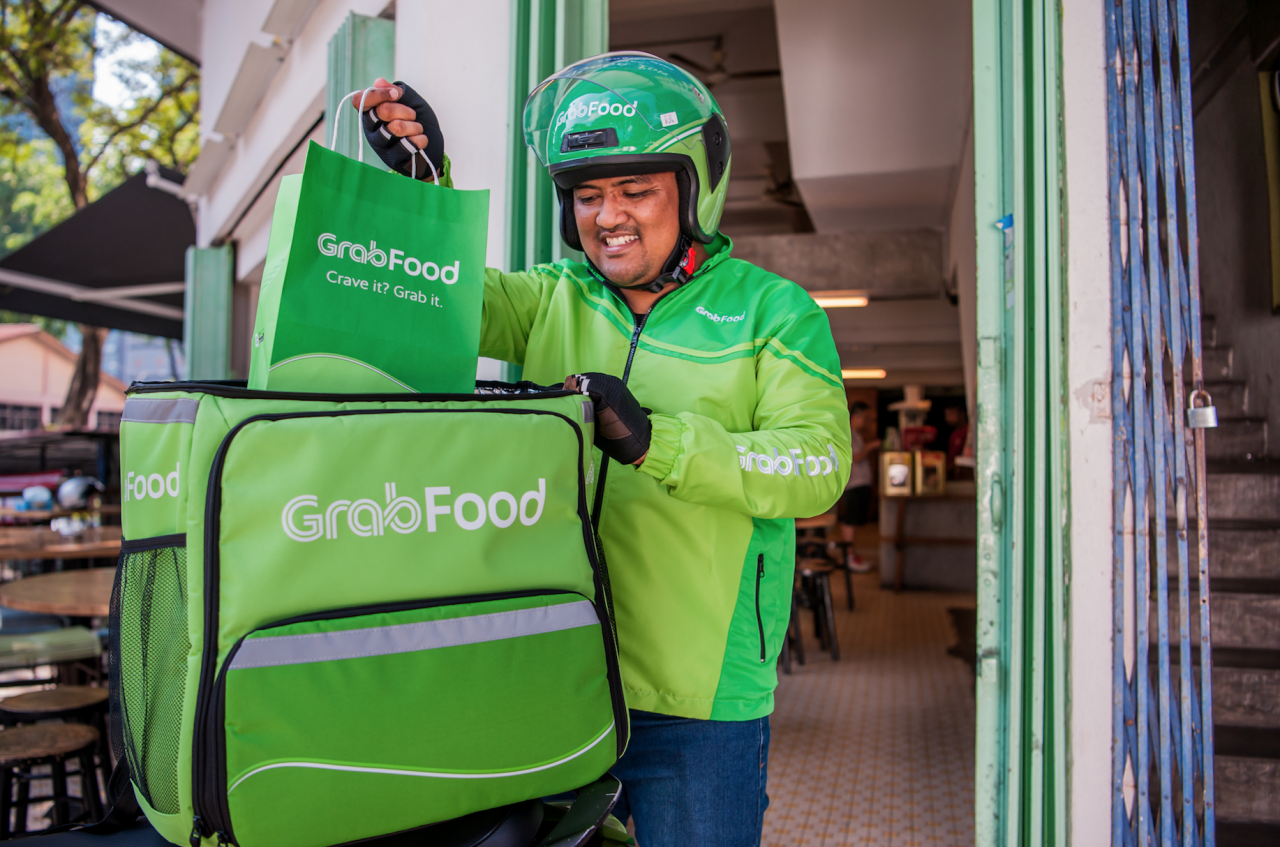
  • Grab Defies Fuel Crisis with Double-Digit Growth: Record Earnings and Soaring Demand in Q1

    Grab Defies Fuel Crisis with Double-Digit Growth: Record Earnings and Soaring Demand in Q1

    Singapore-based Grab Holdings kicked off the new financial year on a high note, reporting double-digit growth in its first-quarter revenue and earnings, reflecting the company’s robust resilience in the face of market fluctuations.

    Impressive First-Quarter Results

    Grab’s revenue for the first quarter, ending March 31, climbed by 24%, amounting to US$955 million. This represents a 19% increase when considered on a constant currency basis.

    The gross value of the company’s on-demand merchandise, a key indicator of transactions from Grab’s mobility and delivery branches, also witnessed a significant jump. It surged by 24% according to reported figures and 21% on a constant currency basis.

    The firm recorded a striking 46% increase in its Adjusted EBITDA, reaching a record-setting figure of $154 million. Profits also displayed an upward trend, going from $10 million in the previous year to $120 million.

    Grab’s Group CEO and Co-founder, Anthony Tan, attributed these strong outcomes to the resilience of the company’s platform, particularly in the face of Southeast Asia’s unpredictable macroeconomic climate, which is currently grappling with a fuel crisis.

    Supporting Driver-Partners Amid Rising Fuel Prices

    Grab acknowledged an increase in its on-demand incentives during the quarter. This move was taken to bolster the earnings of driver-partners as fuel costs across the region spiral upwards. It also aimed to cater to the increased demand during the festive season.

    Segment-Wise Performance

    Looking at the performance of different sectors, the delivery revenue witnessed a 23% surge, totaling $510 million. The mobility revenue increased by 19%, amounting to $337 million. The financial services sector also saw a boost in revenue, with a 43% rise that led to $107 million.

    Outlook for the Full Year

    For the upcoming year, Grab maintains its revenue forecast, predicting a figure between $4.04 billion and $4.10 billion, indicating a 20-22% rise. The Adjusted EBITDA is also expected to grow by 40-44%.

    As the company moves forward, it reaffirms its commitment to ensuring durable, profitable growth while standing in solidarity with its communities. According to Tan, the company plans to leverage AI to deliver hyper-personalized experiences for users while creating more sustainable earning opportunities for ecosystem partners.

    Expansion Beyond Southeast Asia

    Earlier this year, Grab made its debut outside Southeast Asia by acquiring Delivery Hero’s Foodpanda business in Taiwan for $600 million.

    Questions & Answers

    What was Grab’s first-quarter revenue?
    Grab’s revenue for the first quarter was US$955 million, representing a 24% increase.

    What steps has Grab taken to support its driver-partners amid the fuel crisis?
    Grab has increased its on-demand incentives to bolster the earnings of driver-partners affected by rising fuel costs.

    What are Grab’s revenue predictions for the upcoming year?
    Grab estimates its revenue to be between $4.04 billion and $4.10 billion, indicating a 20-22% rise.

  • Vietnam’s Retail Boom: Tourism Wave Drives Double-Digit Sales Growth

    Vietnam’s Retail Boom: Tourism Wave Drives Double-Digit Sales Growth

    Vietnam’s retail sector experienced significant growth in the first quarter, with sales figures revealing a year-on-year increase of 10.9%. This rise is largely attributed to increased consumer spending over the holiday period, in addition to a significant upsurge in international tourism numbers. These figures were provided by the National Statistics Office of Vietnam.

    During the quarter, total retail sales of consumer goods and services reached an impressive US$72.2 billion, marking a 7% increase. The product categories contributing to this growth include apparel, food, and household goods.

    As well as retail, the country’s accommodation and food services sectors also saw an increase in revenue, generating $8.9 billion – a 13.3% increase.

    To further boost the country’s finances, tourism revenue also showed signs of growth, increasing to $870 million. This growth can be largely attributed to an increase in visitors during the Lunar New Year period.

    According to the National Statistics Office, the retail sector remains the largest contributor to Vietnam’s revenue. Accounting for a significant 76.3% of turnover, the retail sector generated $55.1 billion.

    Questions & Answers

    What was the increase in Vietnam’s retail sales figures in the first quarter?
    Vietnam’s retail sales experienced a year-on-year increase of 10.9% in the first quarter.

    Which sectors contributed to this growth?
    The growth in retail sales can be attributed to increased consumer spending in the apparel, food, and household goods sectors, as well as a surge in international tourism.

    What percentage of Vietnam’s revenue is contributed by the retail sector?
    The retail sector accounts for a significant 76.3% of Vietnam’s revenue.

  • Luk Fook Holdings Posts Double-digit Growth In Q2, Eyes Expansion In Mainland China

    Luk Fook Holdings Posts Double-digit Growth In Q2, Eyes Expansion In Mainland China

    In the second quarter ending September 30, Luk Fook Holdings, a prominent jewelry group, has revealed impressive double-digit growth in several critical indicators.

    Retail Sales Value on the Rise

    The group recorded an 18% year-on-year increase in Retail Sales Value (RSV) during the quarter. RSV, which encompasses self-operated shops, licensed outlets, and e-commerce ventures, saw a significant upturn.

    Retail revenue, made up of earnings from self-operated stores and e-commerce businesses, escalated by 15%. Concurrently, the group also experienced a 10% rise in same-store sales. The management attributed this robust growth, which surpassed the first quarter’s figures, partly to the low base during the same period the previous year.

    Regional Sales Growth

    In the Hong Kong, Macau, and overseas markets, the group noted a 13% increase in both RSV and retail revenues. Same-store sales grew by 13% in Hong Kong, 15% in Macau, and 13% in overseas markets.

    In Mainland China, the RSV surged by 20%, and retailing revenues swelled by 23%. The increment in same-store sales at company-operated locations was a modest 3%, while licensed shops saw a leap of 27%. Licensed stores constitute approximately 93% of the group’s total shop count in Mainland China.

    Performance by Category

    RSV’s growth varied across different categories. The value rose by 78% for gold and platinum products, increased by 16% for fixed-price gold items, and crept up by 3% for diamonds.

    As of September 30, the group had 3113 shops worldwide. There was a net reduction of 49 shops in the second quarter.

    Future Prospects

    The group maintains a cautiously optimistic outlook on its medium- and long-term business opportunities in Mainland China and plans to continue expanding in the market when the timing is right.

    Despite the ongoing US tariff policies affecting the global economy and the escalating China-US tensions, the Mainland government has implemented a “dual circulation” strategic layout to stimulate domestic demand, as observed by the retailer.

    Questions & Answers

    What was the percentage increase in Luk Fook Holdings’ Retail Sales Value (RSV) in Q2?
    It saw an 18% year-on-year increase in RSV during Q2.

    What contributed to the robust growth Luk Fook Holdings experienced in Q2?
    The growth can be attributed to the low base during the same period the previous year and the increase in both RSV and retail revenues in several markets.

    What is Luk Fook Holdings’ future plan for expansion in Mainland China?
    The group plans to continue expanding in the Mainland China market when the timing is appropriate, with a cautiously optimistic outlook on its medium- and long-term business opportunities.

  • Luxury Giant Lanvin Group Experiences 22% Revenue Drop Amid Global Luxury Demand Downturn

    Luxury Giant Lanvin Group Experiences 22% Revenue Drop Amid Global Luxury Demand Downturn

    Lanvin Group, which houses well-known luxury brands such as Lanvin, Wolford, Sergio Rossi, St John, and Caruso, recorded a decrease in revenue during the first half of the year. The group reported US$155.6 million in revenue, marking a 22% drop in comparison to the previous year. The drop was largely attributed to a global decrease in luxury demand.

    Impact on Sales

    The group’s sales were negatively influenced by a decline in wholesale performance in both EMEA (Europe, the Middle East, and Africa) and Greater China. Market pressures also contributed to the decline. Nevertheless, Lanvin Group expressed optimism, noting the positive impact of disciplined cost management and efficiency measures.

    The group achieved a gross profit of $84.2 million, with a profit margin of 54%. This was supported by efficient inventory management during a period of creative transition. Zhen Huang, chairman of Lanvin Group, stated that the group remained disciplined in cost management and strategic streamlining, despite a challenging luxury market in the first half of the year.

    Individual Brand Performance

    Among the brands under the Lanvin Group, Lanvin experienced the most significant decline, with revenue dropping by 42%. This was primarily due to a lack of enthusiasm from wholesale partners in EMEA. Still, the brand reported resilience in the region’s retail sector and noted progress in the Asia-Pacific region. Lanvin also reported a strong rebound in North American e-commerce, thanks to a new marketplace model.

    Wolford revenue declined by 23%, but wholesale sales rose by 14%. Lower production utilization and inventory clearance impacted the gross margin, but cost-saving measures helped cut general and administrative expenses by 18%.

    Sergio Rossi saw a 25% decrease in sales, with direct-to-consumer revenue and wholesale declining by 21% and 33% respectively. The gross margin narrowed by nine percentage points, but an improved second quarter saw retail sales increase by 17% and e-commerce sales increase by 10% compared to the previous quarter.

    St John maintained steady revenue, with a 4% growth in North America and an 11% increase in wholesale. The brand also managed to maintain a 69% gross margin and an 11% contribution margin.

    Caruso experienced an 11% decline in revenue, primarily due to a temporary slowdown in its Maisons business.

    Strategic Measures for Improvement

    Andy Lew, the executive president of the group, indicated that going forward, they plan to refine their retail footprint, strengthen wholesale partnerships, and invest in new creative leadership to drive growth in the second half of the year.

    Furthermore, the group intends to maintain operational discipline while focusing on future growth. By incorporating fresh creative direction across all their brands, supported by targeted marketing and refined channel strategies, they aim to build brand momentum and increase consumer engagement.

    Questions & Answers

    What was the total revenue reported by Lanvin Group in the first half of the year?
    The group reported a revenue of US$155.6 million.

    Which brand under the Lanvin Group experienced the most significant revenue decline?
    Lanvin brand experienced the sharpest revenue decline at 42%.

    What are some of the strategic measures the group plans to implement in the second half of the year?
    The group plans to refine its retail footprint, strengthen wholesale partnerships, and invest in new creative leadership. In addition, the group aims to maintain operational discipline, introduce fresh creative direction across their brands, and enhance marketing and channel strategies.

  • Lanvin Group Reports 22% Revenue Decline Amid Global Luxury Market Softening

    Lanvin Group Reports 22% Revenue Decline Amid Global Luxury Market Softening

    The luxury fashion conglomerate, Lanvin Group, which houses brands such as Lanvin, Wolford, Sergio Rossi, St John, and Caruso, has reported a decline in first-half revenue to US$155.6 million. This figure represents a 22% decrease compared to the same period last year due to the softening global luxury demand.

    Market Pressures and Cost Management

    The group cited several factors that contributed to the decrease in sales, one of which was weaker wholesale in the EMEA region and Greater China. However, disciplined cost management and efficiency measures have begun to show positive impacts. Despite these challenges, the group’s gross profit stood at $84.2 million, maintaining a margin of 54%, aided by precise inventory management during a challenging period of creative transition.

    Zhen Huang, the chairman of Lanvin Group, stated, “Despite facing a challenging luxury market in the first half, we remained disciplined in cost management and strategic streamlining. With new creative leadership and ongoing investment in product innovation, we are well-positioned to capture opportunities as the market environment improves.”

    Individual Brand Performance

    Lanvin saw the most significant drop in the group, with its revenue down by 42%, as wholesale partners in EMEA were more restrained. The brand noted some resilience in the retail sector in the same region and that its North American e-commerce platform showed strong recovery under a new marketplace model.

    Wolford’s revenue declined by 23%, although its wholesale sales rose by 14%. The brand’s gross margin was affected by lower production utilization and inventory clearance, but the company managed to cut general and administrative expenses by 18% under cost-saving measures.

    Sergio Rossi’s sales fell by 25%, with direct-to-consumer revenue down by 21% and wholesale sliding by 33%. It managed, however, to show some progress in Q2, with retail sales up by 17% and e-commerce climbing 10% from the previous quarter.

    St John maintained a stable performance, with revenues remaining broadly flat. The brand sustained a 69% gross margin and an 11% contribution margin.

    Caruso saw an 11% decline in its revenue, primarily due to a temporary slowdown in its Maisons business.

    Adjusted EBITDA for the period was a negative $60.8 million, reflecting the lower revenue. This figure was less favorable than the negative $49.1 million reported for the previous year.

    Future Plans

    Andy Lew, the group’s executive president, stated that the group plans to refine its retail footprint in the future, strengthen wholesale partnerships, and invest in new creative leadership to drive momentum in the second half of the year. “Our focus in the first half was on operational discipline and laying the foundation for future growth. We expect to build brand momentum and increase consumer engagement in the second half with fresh creative direction across our houses, supported by targeted marketing and refined channel strategies.”

    Questions & Answers

    What factors contributed to Lanvin Group’s decline in revenue?
    Answer: The decline in revenue was primarily due to weaker wholesale in the EMEA region and Greater China, along with general market pressures.

    Which brand in the Lanvin Group saw the most significant drop in revenue?
    Answer: Lanvin reported the most significant drop in revenue, with a decrease of 42%.

    What are Lanvin Group’s plans for the future?
    Answer: The group plans to refine its retail footprint, strengthen wholesale partnerships, and invest in new creative leadership to drive momentum in the second half of the year.

  • Kering Reports 16% Revenue Drop Amid Gucci’s Struggling Sales In First Half Of 2021

    Kering Reports 16% Revenue Drop Amid Gucci’s Struggling Sales In First Half Of 2021

    Kering, the renowned French luxury merchandise corporation, has disclosed a significant sales drop for the initial half of the year. The company’s performance continues to be impacted negatively owing to a consistent decline in sales from Gucci.

    Semi-Annual Performance Analysis

    During the six months ending on 30th June, the conglomerate experienced a 16% fall in revenue, descending to EUR 7.6 billion (equivalent to US$ 8.7 billion). This figure incorporates a 14% decrease in the first quarter and an 18% fall in the second.

    The primary contributor to this downward trend is Gucci, with a substantial 26% reduction in sales. Other luxury houses also saw drops in their performance, including Yves Saint Laurent with an 11% decrease, and other associated houses posting a 15% decline.

    However, it was not all gloomy for Kering. Bottega Veneta reported a 1% increase in sales, while the Kering Eyewear and Corporate segment, inclusive of Kering Beaute, witnessed a growth of 2%.

    Geographical Sales Trends

    Despite the overall downturn, Kering reported a minor upward trend in sales for Asia-Pacific and North America during the second quarter. In contrast, Western Europe and Japan saw an acceleration in their sales decline, largely attributed to a significant drop in tourism.

    Chairman and CEO Francois-Henri Pinault, while acknowledging the challenging market conditions, emphasized the company’s commitment to streamlining distribution and controlling costs. He pointed out the decisive steps taken to fortify the company’s financial structure.

    Financial Indicators

    In terms of net income attributed to the company, the figures stood at EUR 474 million, a significant decrease from the EUR 878 million reported in the same period the previous year.

    Despite the lower than expected numbers, Pinault expressed optimism for the company’s future. He believes that the strategic efforts undertaken by the company over the past two years have laid a robust foundation for the next phase of Kering’s growth and development.

    Questions & Answers

    What was Kering’s reported revenue for the first half of the year?
    Kering reported a revenue of EUR 7.6 billion (US$ 8.7 billion) for the first half of the year, representing a 16% decrease compared to the corresponding period last year.

    Which brands under Kering experienced a decline in sales?
    Gucci was the primary underperformer with a sales drop of 26%. Yves Saint Laurent and other associated brands also experienced declines in sales, with decreases of 11% and 15% respectively.

    What were the key contributing factors to the sales decline?
    The sales decline was primarily attributed to reduced tourism, impacting sales in Western Europe and Japan. Additionally, specific brands like Gucci significantly underperformed.

  • Shopee parent Sea delivers double-digit growth in sales, profit

    Shopee parent Sea delivers double-digit growth in sales, profit

    Sea Limited, the parent company of Shopee, has announced a notable increase in its revenues and profits during the first quarter of the year, indicating a robust start to the financial year.

    Impressive Revenue and Profit Growth

    The company’s revenue for the quarter ending on March 31st skyrocketed by 29.6% to $4.8 billion. Concurrently, gross profits experienced a 43.9% boost, reaching $2.2 billion. This represents a significant turnaround for the company, which reported a net income of $410.8 million as opposed to a loss of $23 million during the same period last year.

    Record Performance by Shopee

    Shopee, Sea’s e-commerce subsidiary, recorded record numbers for both Gross Merchandise Value (GMV) and total volume of orders, which climbed by 21.5% and 20.5% respectively. The subsidiary’s revenue saw a 28.7% increase, amounting to $3.1 billion. This growth was driven by a 39.2% rise in core marketplace revenue and a 4% increase in revenue from value-added services.

    Strong Growth Across All Segments

    Sea also reported robust growth in its digital financial services (Monee) and digital entertainment (Garena) segments. Forrest Li, Chairman and CEO of Sea, expressed satisfaction with the company’s first-quarter performance. “We have delivered another great quarter of strong growth with improving profitability across all three businesses,” Li said. He added: “Our strong start to the year gives us more confidence of achieving our full-year guidance.”

    Questions & Answers

    What was Sea’s revenue for the first quarter?
    Sea reported a revenue of $4.8 billion for the first quarter, marking a 29.6% increase from the same period last year.

    How did Shopee, Sea’s e-commerce subsidiary, perform in the first quarter?
    Shopee registered record figures for both Gross Merchandise Value and total order volume, which rose by 21.5% and 20.5% respectively. The subsidiary’s revenue increased by 28.7%, reaching $3.1 billion.

    Did Sea’s other business segments also perform well?
    Yes, Sea reported strong growth in its digital financial services (Monee) and digital entertainment (Garena) segments in the first quarter.