Tag: downsizing

  • Macy’s looks to downsize with 68 store closures

    Macy’s looks to downsize with 68 store closures

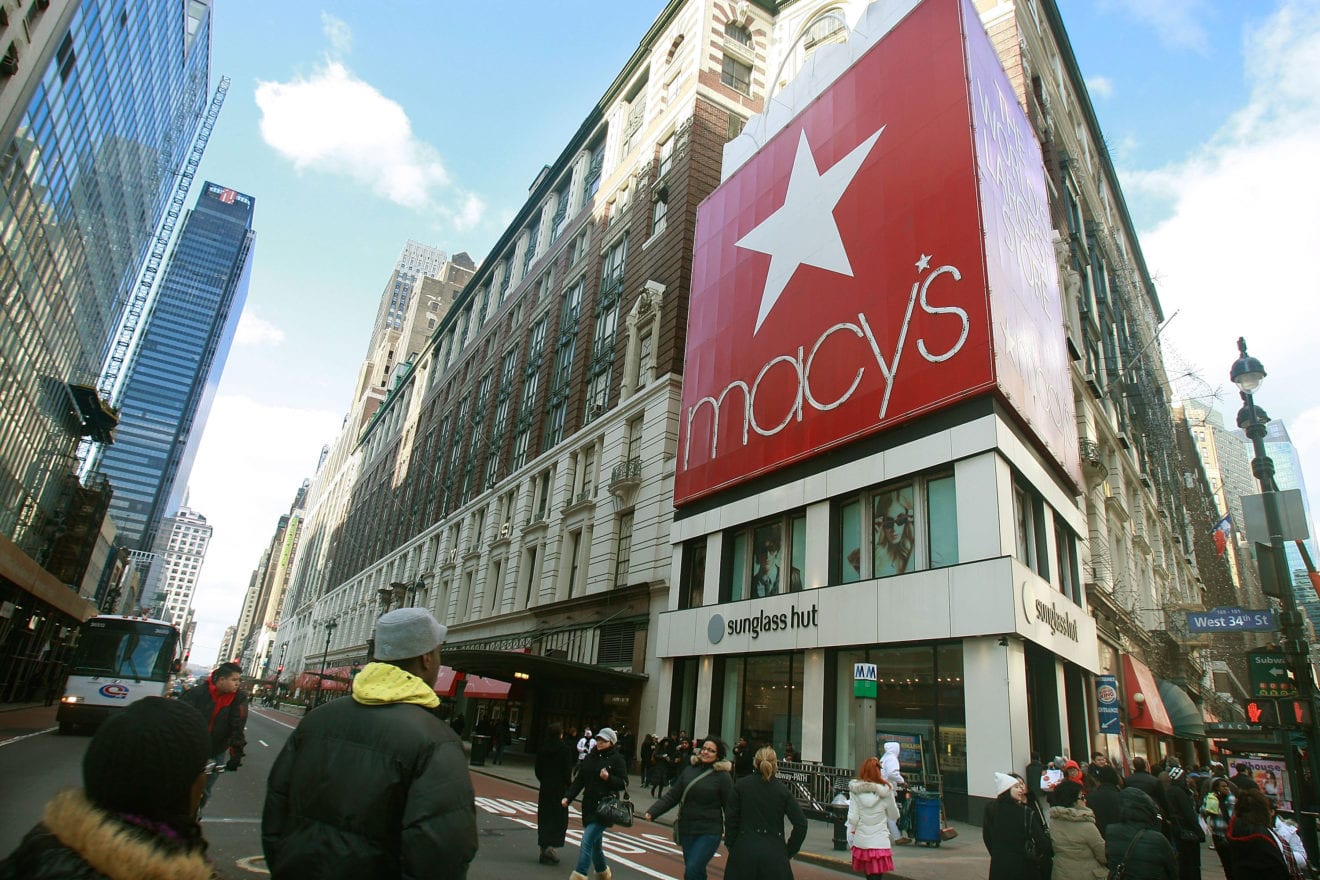
    American retail giant Macy’s Inc. has announced the closure of 68 stores as part of a plan to streamline its store portfolio and increase cost efficiency.

    The measures, which have already seen three stores close and will see a further 63 closed by early spring in the US, will save the struggling retailer approximately $550 million in 2017. $250 million of those savings will be reinvested back into the company’s digital presence, store-related growth and other related ventures.

    “Over the past year, we have been focused and disciplined about making strategic decisions to position us to gain market share and return to growth over time,” said Terry J. Lundgren, Macy’s chairman and CEO.

    “We continue to experience declining traffic in our stores where the majority of our business is still transacted,” he continued. “Our omnichannel strategies continue to evolve based on the changes in our customers’ shopping behaviours, including a focus on buying online, pickup in store and mobile-enabled shopping.”

    The company has also announced a raft of organisational changes, designed to drive greater productivity, including the elimination of management layers, reducing non-payroll costs and changes to field infrastructure. The company estimates that the initiatives will result in a staff reduction of approximately 6,200.

    Retail analyst and CEO of Conlumino Neil Saunders said the jury is still out on whether Macy’s can reinvent itself, but that the store closures are a necessary evil on the path to getting the company back on track.

    “There is an argument to be made that Macy’s has, for too long, neglected its store base and has failed to develop a compelling proposition to pull in shoppers in the digital era. However, what is done is done and the company is right to take action to put it on a firmer financial and commercial footing,” he said.

    “In our view, it is vital that the consequent reduction in costs and the proceeds from property disposals resulting from this action are used to bolster the remaining bits of the business. It would be folly to simply use the gains to fund day-to-day operations or to return to shareholders.”
  • LeEco Cuts 60 Jobs In Hong Kong

    LeEco Cuts 60 Jobs In Hong Kong

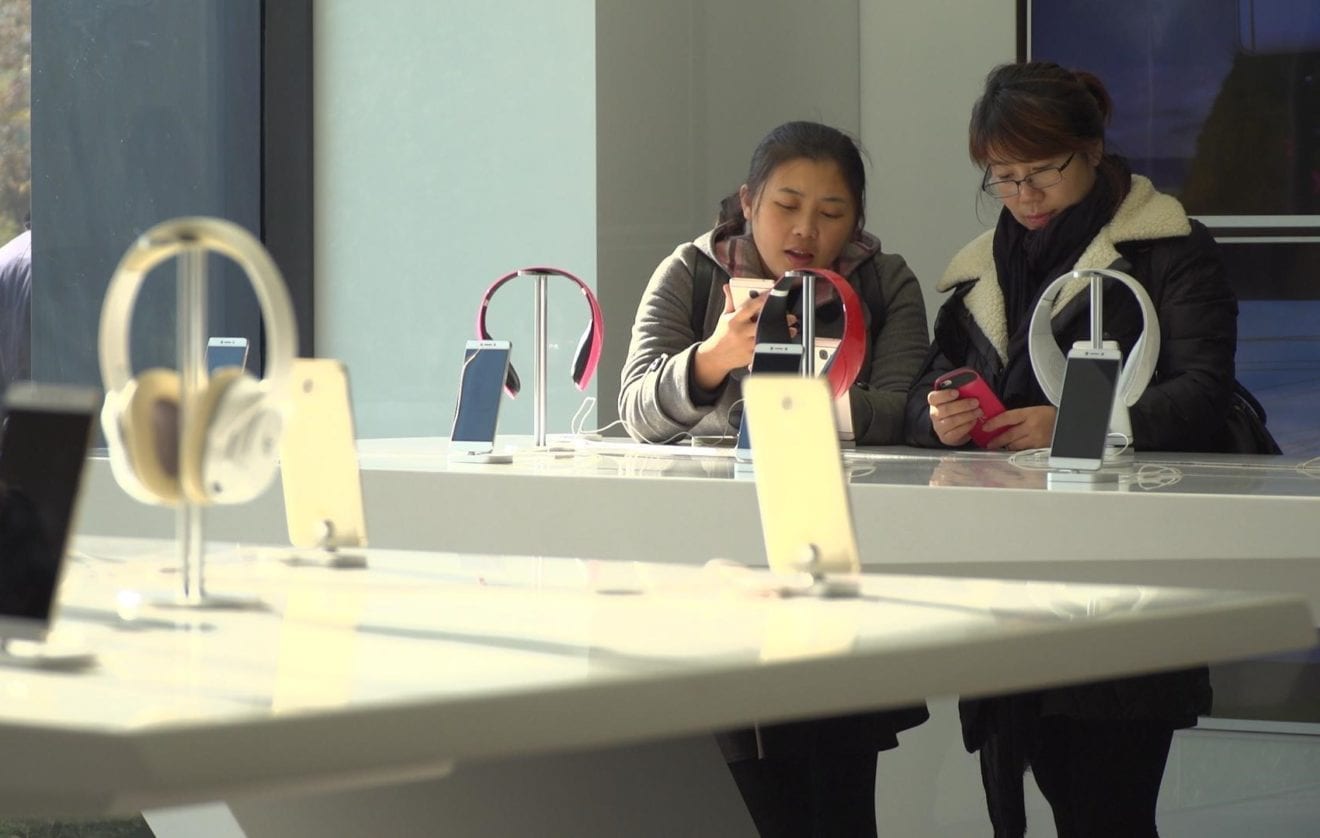
     LeEco may be one of the best-known Chinese smartphone vendors globally after Lenovo, Huawei and Xiaomi, but the company has been in severe financial stress in recent times. The Beijing-based firm recently ventured out of China to establish a global footprint, and towards that end, have entered quite a few new markets over the past couple of years, including India and the U.S.

    However, even as LeEco was marching ahead with its global ambitions, its holding company, Leishi Internet Information and Technology Corp, was struggling financially, with its shares recently halted from trading at the Shenzhen Stock exchange. LeEco itself has been facing a severe cash crunch, with the company’s CEO, Mr. Jia Yueting, even admitting that the expansion efforts “have gone too far”.

    With its finances starting to become a major issue, LeEco was recently rumored to have laid off 1,400 of its employees globally, with the bulk of the job cuts coming in India. While about 200 people at LeEco’s sports video-streaming subsidiary, LeSports, lost their jobs in China as part of an organizational restructuring, almost a thousand LeEco employees were reported to have been laid off in India, mostly in the company’s sales and retail divisions. Reports out of Hong Kong now suggests that the company is also laying off as many as 60 of its employees in its Hong Kong office, although, its existing businesses and membership services will all reportedly continue to function as usual.

    Even in the midst of all this doom and gloom, though, there is a glimmer of hope for LeEco if a recent interview by a senior company executive is anything to go by. According to the president of LeEco’s smart TV business, Mr. Liang Jun, the company has received a fresh round of funding from strategic investors, although, he’s refused to give out any specifics about the reported investments until now. Meanwhile, even though the company’s finances are in a mess right now, reports indicate that at least three LeEco devices with model numbers LE X920, LE X850 and LE X622 are all set to be launched in the coming months. Right now, there’s no timeframe for the launch, but it should happen sooner rather than later if everything goes well from here for the struggling company.

  • Downsizing and decluttering will ‘remake retail’

    Downsizing and decluttering will ‘remake retail’

    There’s a new consumer mantra: “when in doubt, toss it out”.

    With pressure on housing internationally, shoppers are buying fewer higher-quality items to save space – and that’s is expected to have long-term ramifications for retailers, says a new report.

    Decluttering: Anatomy of a Consumer Trend and How Retailers Can Win, from international think tank Fung Global Retail & Technology says while for some people downsizing and organising belongings is a matter of choice, for others the process is a necessity as rising housing prices force people to live in smaller homes, says the report.

    Others are focussing on sustainability and the ethical standards of manufacturers, writes Fung Global Retail & Technology MD Deborah Weinswig. Retailers, especially those in fast fashion that have relied on consumers buying a larger number of lower-priced items, will have to adapt to changing consumer needs and values.

    “Consumers’ future priorities will be ethics, a concept of ‘disownership’ and sustainability,” Weinswig writes. “Retailers … should align their product and service offerings more closely within the values of their target customers.”

    While the idea of having with fewer possessions has been around for centuries, the term “declutter” was born in the 1970s and the concept has continued to gain popularity, she writes. Decluttering resonates particularly strongly with urban dwellers, who struggle to fit belongings into small apartments.

    Now millennials, the largest generation in history, are more consciously frugal in terms of living arrangements, product consumption and travel expenses. The growth of the “sharing economy” has also resulted in the popularity of platforms such as eBay, Etsy and Craigslist, further eroding the purchase of new products.

    Long-term results

    Weinswig believes this will have long-term results for more traditional retailers and brands, especially in clothing. Fast fashion had helped apparel consumption skyrocket over previous decades. The average woman owned 120 items of clothing last year, up from 36 items in 1930, according to Cladwell, a company that helps users create their own capsule wardrobe. However, this trend may be reversing. A growing focus on ethical consumption has created consumer concern about hiring practices – sometimes involving children – in fast-fashion manufacturing.

    Some retailers are responding to the evolving preferences of shoppers. Patagonia’s Common Threads initiative provides a framework for responsible consumption based on five precepts: reduce, repair, reuse, recycle and reimagine. Japanese retailer Muji offers waste-reducing packaging, minimalist housewares and eco-friendly products.

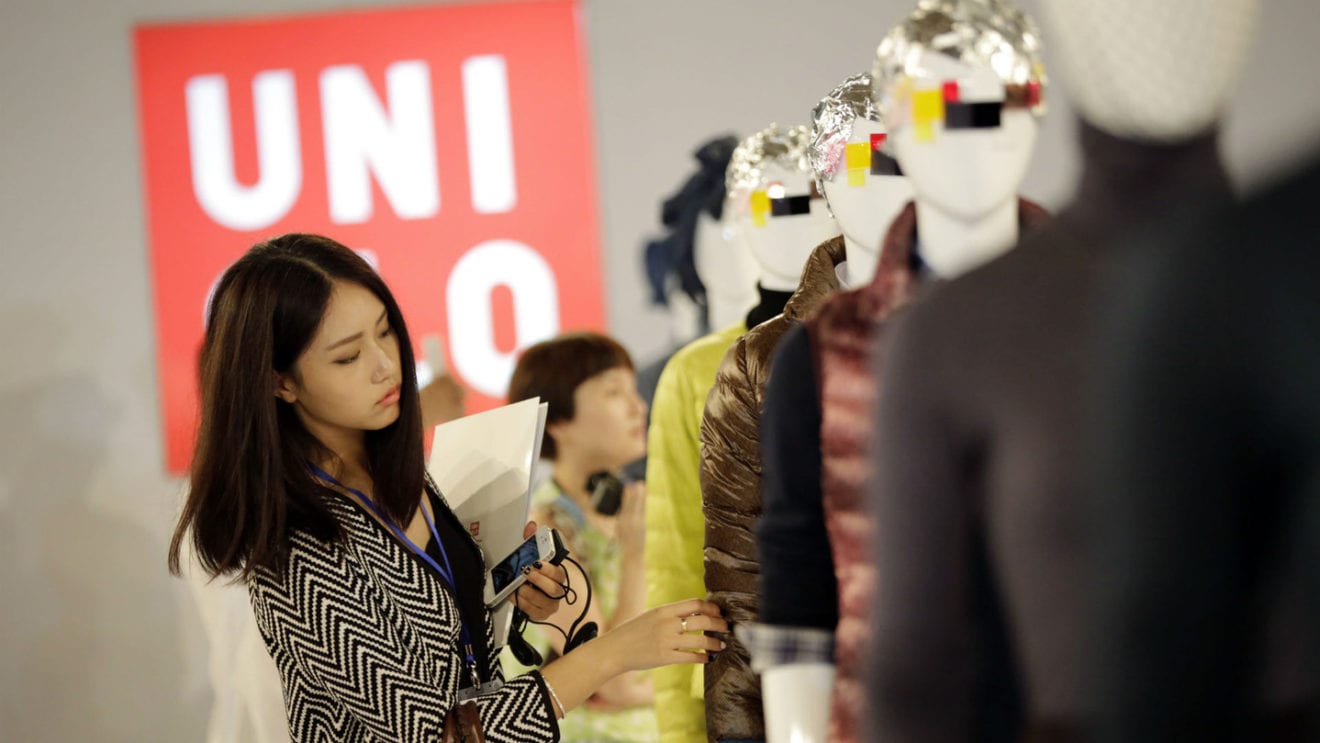
    Other brands espousing minimalism include Scandinavia’s Bang & Olufsen and Cos, Calvin Klein in the US, and Japan’s Uniqlo.

    “Decluttering is a long-term trend that is here to stay,” Weinswig writes. “Retailers can capitalise on this opportunity by responding to the evolving preferences of their customers, and seeking ways to influence consumer behaviour.”

    Based in New York, Fung Global Retail & Technology has a research team across New York, London and Hong Kong that follows retail and tech trends. Weinswig is a former Wall Street and retail tech analyst and startup adviser.