Tag: dr. dre

  • Apple can make you forget about the new AirPods with new Beats headphones

    Apple can make you forget about the new AirPods with new Beats headphones

    Apple isn’t known for its costly acquisitions, generally focusing on buying small companies that can add valuable resources to new areas of development for the Cupertino-based tech giant without entailing a great risk from a return on investment standpoint. But the iPhone and iPad makers actually splashed the cash on Beats Electronics back in 2014, acquiring Dr. Dre’s buzzworthy audio device outfit in exchange for a whopping $3 billion.

    While we will obviously never know exactly how much Apple has gained or lost as a result of this extravagant purchase in its immediate aftermath, the future of the Beats brand appeared to hang in the balance as there were no new products released under the once fruitful label for the entirety of last year. But fret not, Dre fans, as a redesigned Powerbeats version is expected out pretty soon.

    AirPods rival or something for a different target audience?

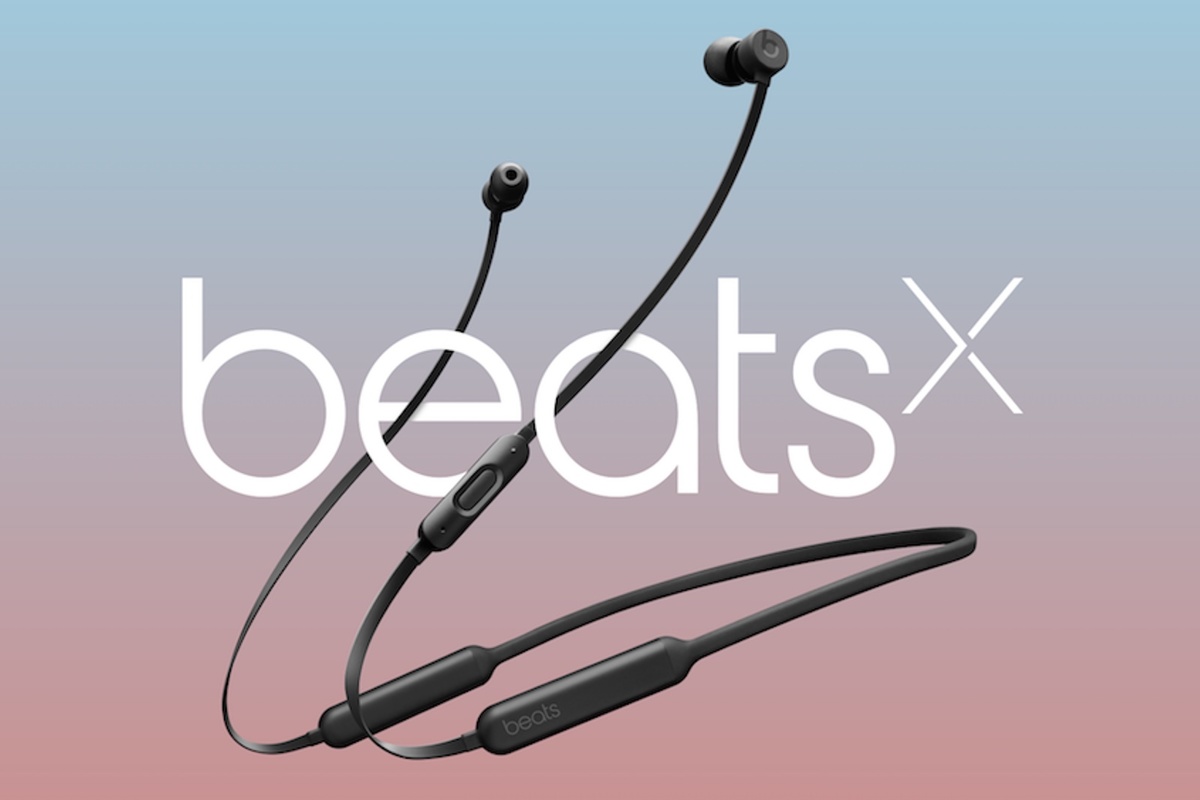
    There are plenty of popular Beats-branded wireless headphones already on the market, ranging from the $120 BeatsX all the way up to the $350 Beats Studio3, but one thing that’s missing is a “true wireless” option. The reason for that is simple, as Apple probably didn’t want anything to steal attention away or reduce the appeal of its first-generation AirPods.
    With a second edition now out and about, and many signs the AirPods are a runaway success, the company might finally feel confident enough to expand its already vast lineup of audio products. Enter a sequel for the $200 Beats Powerbeats3 that’s expected to cut the cord altogether and make it even harder for the likes of Google and Samsung to compete on the Apple-dominated “hearables” scene.
    Instead of thinking about the Powerbeats4 (name obviously unconfirmed) as better or worse than the 2019 AirPods generation, you should just regard them as different products. Rumor has it the new, completely wire-free Beats Powerbeats could “borrow” the H1 chip of the freshly upgraded AirPods, as well as the hands-free “Hey Siri” capabilities. But water resistance, better bass, and a more ergonomic design focused on keeping these things snug in your ears at all times, might be added to the mix.
    That… arguably makes the impending Beats product sound superior to the 2019 AirPods, although we clearly don’t have the full story yet. There’s no mention of wireless charging support, while battery life is presumed but not guaranteed to be better. Perhaps most importantly, we have no idea how the reimagined Powerbeats will actually look. We know the cable keeping the Powerbeats3 together will disappear, but absolutely nothing else, which suggests this sequel might be more about functionality and outdoor endurance than fashion.

    It’s all about the money

    We’re sorry to break it to you, but Beats headphones are not generally what we’d call affordable. The sporty Powerbeats3 are (typically) pricier than the stylish Apple-branded AirPods, although unlike those market-leading bad boys, these slightly less successful wireless audio accessories routinely go on sale at massive discounts. At the time of this writing, for instance, they’re just $99.99 at Best Buy after a 50 percent markdown that’s actually become a common occurrence in recent months.
    That probably signals a follow-up effort is indeed right around the corner, but it also suggests it won’t be a very good idea to purchase said sequel straight off the bat. That being said, whether or not the Powerbeats4 will be better than the AirPods 2, a starting price of more than $200 is likely to put off a large number of potentially early adopters. The question is can Apple deliver all the aforementioned upgrades over the Beats Powerbeats3 and refrain from adding a premium of, say, 50 bucks? We’ll apparently see about that in just a few weeks or so.
  • Apples focuses on high-end audio market

    Apples focuses on high-end audio market

    Apple is returning to its roots when it comes to music products and is starting to embrace the world of audiophiles who are prepared to pay more for premium, higher-quality speakers and music devices.

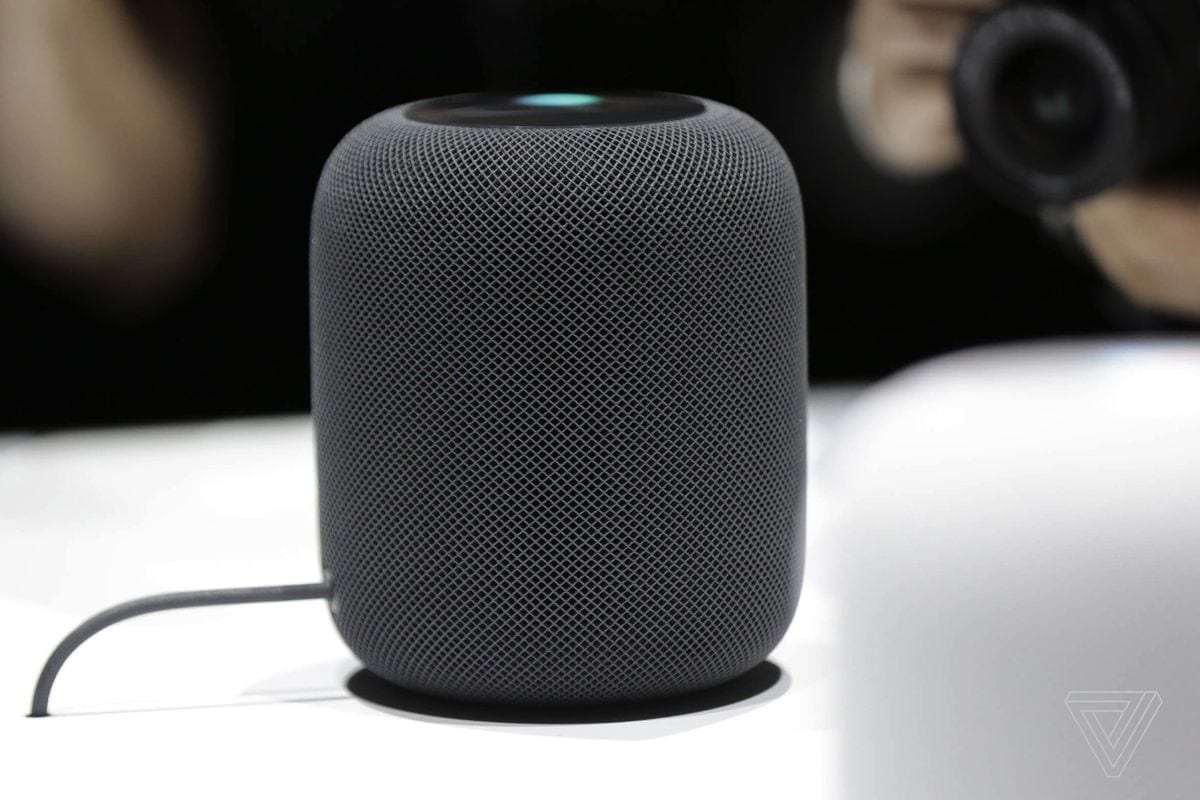
    Take the release of the HomePod in February. Apple‘s new home speaker is designed to compete with Amazon’s Echo devices. A key part of Apple’s marketing for the device focuses on the audio quality.

    “HomePod is a powerful speaker that sounds amazing and adapts to wherever it’s playing,” Apple says on its website. “It is the ultimate music authority, bringing together Apple Music and Siri to learn your taste in music.”

    Apple already has its own line of headphones, and even has an entire separate brand for them: Beats. Apple bought Beats for $3 billion (£2.1 billion) in 2014, and got its hands on the company’s trendy headphones business, its fledgling music streaming service, and Beats founders Jimmy Iovine and Dr. Dre.

    But the Beats brand never felt like a natural fit for Apple. The company built up its profile by making sure that celebrities and sports stars wore its distinctive, colourful headphones. Apple, however, prefers to be far more low-key in its endorsements and design choices. Design chief Jony Ive favours white, minimalist products, for example.

    Apple now seems to be planning to start again on headphones and is reportedly working on something that seems much more Apple-y.

    High-end audio products are nothing new for Apple. In fact, it brings the company back to the release of the iPod.

    The iPod Classic was practically tailor-made for audiophiles with its 80GB or 160GB hard drive and support for lossless music. Wired said that it was “the natural choice for people who are serious enough about audio quality to include their listening equipment in their signature files.”

    But over the years Apple has moved away from catering to audiophiles. It’s a small market, after all, and Apple does not want to risk releasing niche products. So newer iPhones made it incredibly difficult to play lossless music, and Apple eventually discontinued the iPod Classic. “Farewell Apple iPod classic, We Audiophiles Will Miss You,” PC Magazine wrote.

    There have been glimmers of hope for audiophile Apple watchers over the years, though.

    Ive likes to play loud music in the Apple design studio. Maybe that was a sign that an Apple stereo system was on the way. Apple founder Steve Jobs had been working on a new, lossless music format with musician Neil Young. Maybe Apple was about to get back into lossless audio in a big way (it wasn’t). U2 singer Bono said that he was working on a top secret music format with Apple. Perhaps that was the high-resolution audio fans had been waiting for.

    The audiophiles revolted. “How do you justify an iDevice to an audiophile?” read one forum post. “With the lackluster audio properties inside the devices and the inability to make adjustments to the sound it is a hard sell to someone who cares about audio, for a company that claims to love music.”

    Another forum post had the title “Apple Music… Seriously?” Audiophiles bemoaned the lack of proper lossless audio support. Sure, some people made the point that Apple’s music format is basically identical to standard lossless formats. But audiophiles never saw Apple as a serious player in that space.

    Now, that all seems to be changing. The HomePod received positive reviews from Reddit’s audiophile community. Apple vice president of worldwide marketing Phil Schiller even tweeted a link to a post from the subreddit reviewing the speaker.

    The release of a line of premium Apple headphones would do even more to establish Apple’s audiophile credentials. Until recently, the closest thing you would find to an audiophile product in an Apple Store was a speaker made by a third-party company such as Devialet. But that is likely to change as Apple develops its own line of speakers and headphones.