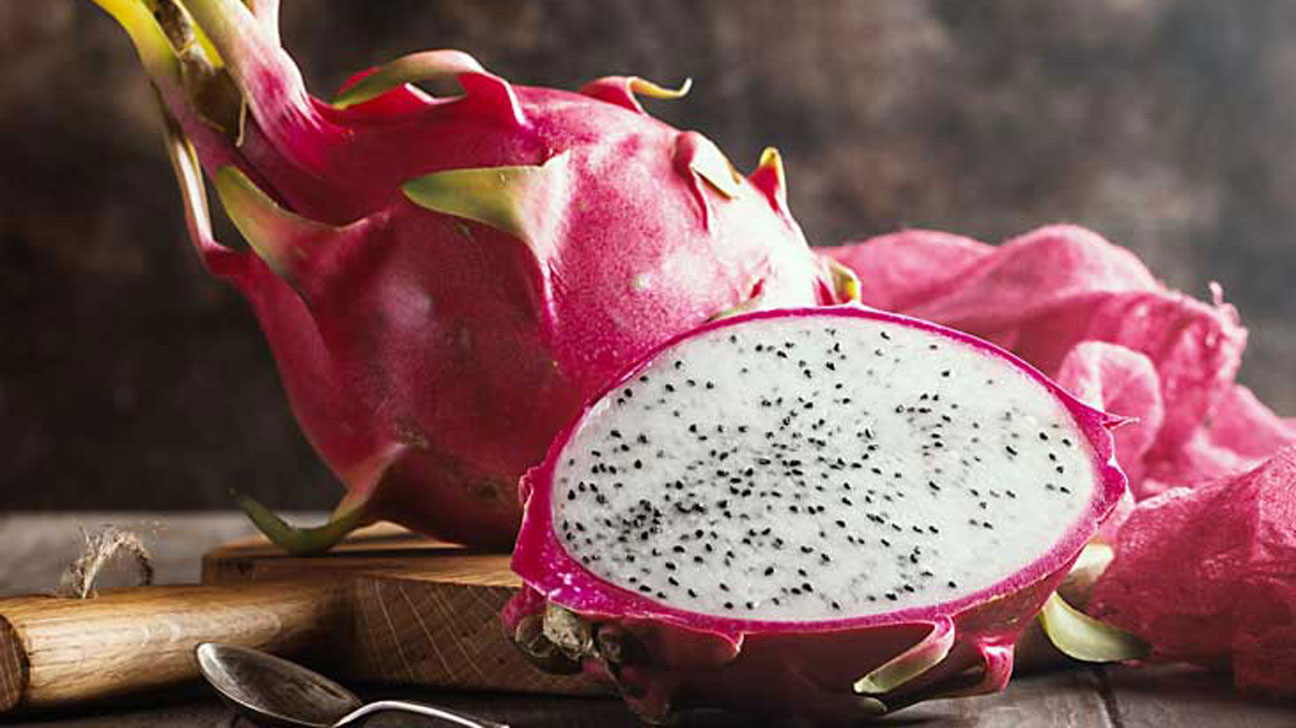
Tag: Dragon

  • Dragon Fruit Dilemma: Surplus Supply and Falling Demand Trigger Price Crash in Vietnam

    Dragon Fruit Dilemma: Surplus Supply and Falling Demand Trigger Price Crash in Vietnam

    Dragon fruit farmers in central and southern Vietnam are faced with declining prices due to an oversupply and reduced demand for their produce. Farmers are being forced to sell their crops at prices far below their cost of production, resulting in significant losses.

    Plummeting Dragon Fruit Prices

    In the Central Highlands’ Lam Dong Province, a farmer named Luong finds her offer of VND3,000–8,000 per kilogram for her harvested dragon fruits met with little interest from traders. “I need to sell at VND10,000 or more to be profitable,” Luong said, noting that prices have plummeted by 50–70% since the start of the year.

    Meanwhile, in the southern province of Dong Thap, farmer Hanh is struggling to cover costs as she sells her dragon fruits between VND8,000–12,000 per kilogram. This is insufficient considering the 25-40% rise in fertilizer and pesticide expenses this year. Hanh states that prices must remain above VND13,000–15,000 per kilogram for her to breakeven. “If prices remain lower than this range, we might have to reduce our cultivation area for the next harvest,” she warns.

    The Causes of the Price Crash

    Dinh Van Hien, a dragon fruit trader, attributes the price plummet to the sharp increase in supply, as it is currently the peak harvest season in most growing areas. This, coupled with the harvest of other fruits such as durian, mangosteen, lychee, and plum, has led to a decrease in demand for dragon fruit.

    Huynh Canh, chairperson of the Binh Thuan Dragon Fruit Association, agrees that the drastic drop in dragon fruit prices is primarily due to oversupply. Additionally, he states that China’s imports have sharply decreased after the country expanded its dragon fruit cultivation area in recent years. Furthermore, with the dragon fruit season in China running from May to November, there is heightened competition with Vietnam’s produce.

    There are also challenges with Vietnam’s exports to the European Union due to tightened rules, including an inspection frequency of 30% at the border. According to Canh, only the highest quality fruits meeting the import standards of the receiving countries will command high prices.

    Currently, Vietnam has around 55,000-60,000 hectares dedicated to dragon fruit cultivation, primarily in the central and southern regions, with an annual output of approximately 1.4 million tonnes.

    Questions & Answers

    What is the main cause of the drop in dragon fruit prices in Vietnam?
    The primary cause of the price drop is an oversupply of dragon fruits due to the peak harvest season and a decrease in demand.

    How has the increase of cultivation in other countries affected Vietnam’s dragon fruit market?
    Increased cultivation in other countries, particularly China, has led to a decrease in imports of Vietnam’s dragon fruits, contributing to the oversupply and drop in prices.

    What challenges is Vietnam facing with its fruit exports to the European Union?
    Vietnam is facing challenges with its fruit exports due to tightened regulations, including a higher frequency of inspections at the border. Only the highest quality fruits that meet the import standards of the receiving countries can secure high prices.


  • Vietnam’s Dragon Fruit Exports Soar: Thailand and Middle East Demand Spikes in 2026

    Vietnam’s Dragon Fruit Exports Soar: Thailand and Middle East Demand Spikes in 2026

    The initial two months of 2026 witnessed a 14% annual increase in Vietnam’s dragon fruit exports, amounting to US$108.5 million. This surge was primarily driven by a significant hike in deliveries to Thailand and the Middle East.

    Vietnam’s Dragon Fruit Export Market

    Cargo to Thailand experienced an over 2.7-fold increase, amounting to $9.2 million, while shipments to the United Arab Emirates grew by 57% to reach a value of $3.3 million.

    China, however, retained its position as the largest buyer, accounting for $66.5 million of all exports, marking a 5% increase in comparison to previous years. On the other hand, demand from the U.S. saw a considerable decrease, falling by 39% to a value of $4 million.

    These figures from the initial two months of the year could indicate a resurgence of shipments, pointing towards a potential recovery following a period of sustained decline.

    Historical Trends in Dragon Fruit Exports

    Between 2014 and 2018, the annual worth of dragon fruit exports consistently exceeded $1 billion. However, shifts in consumption patterns and increased competition led to a steady decline in the succeeding years.

    The total worth of exports in the first 11 months of the previous year stood at $485.2 million, corresponding to the lowest recorded value since 2014.

    Production and Supply Factors

    Dragon fruit in Vietnam is predominantly harvested between May and September, although some off-season cultivation occurs in January and February. However, supply has been falling in recent years as farmers have transitioned towards more profitable crops.

    Adverse weather conditions have also negatively impacted yield. Widespread flooding towards the end of last year resulted in fungal diseases in plants, significantly affecting dragon fruit production, particularly in Binh Thuan Province, a key cultivation region.

    As a consequence of dwindling supply, farm-gate prices have seen a rise. During the first two months of this year, white-fleshed dragon fruit was sold for VND10,000-15,000 (US$0.38-0.57) per kilogram, and the red-fleshed variety was priced at VND15,000-25,000.

    Questions & Answers

    What led to the surge in Vietnam’s dragon fruit exports in early 2026?
    A significant hike in deliveries to Thailand and the Middle East primarily drove the increase in exports.

    Which is the largest market for Vietnam’s dragon fruit exports?
    China is the largest market, accounting for $66.5 million of all exports.

    What are the factors impacting the supply of dragon fruit in Vietnam?
    A shift by farmers towards more profitable crops and adverse weather conditions causing fungal diseases in plants have led to a decline in dragon fruit supply.

  • Vietnamese Dragon Fruit Exports Hit 11-Year Low Amidst Rising Global Competition

    Vietnamese Dragon Fruit Exports Hit 11-Year Low Amidst Rising Global Competition

    Dragon fruit exports from Vietnam, which historically garnered more than $1 billion annually, have plummeted to their lowest levels in over a decade. The first eleven months of last year saw exports decrease by 0.8% to $485.2 million, a low not seen since 2014, according to the Vietnam Customs.

    Dwindling Dragon Fruit Exports

    Annual exports between 2014 and 2018 regularly exceeded $1 billion, peaking at $1.3 billion in 2018. However, shifts in international competition and consumption markets led to a stagnation and eventual decline in dragon fruit exports.

    China remains the primary recipient of Vietnamese dragon fruit, with more than $301.7 million worth of exports recorded in the first 11 months, a figure that represents around 62% of total exports. Nevertheless, a decrease of 4.5% year on year revealed a slowing demand as China’s domestic supply becomes increasingly abundant.

    The Rise of New Markets

    While the key market dwindles, several new markets are demonstrating growth. Exports to India neared $41.8 million, marking a 6.4% increase, and exports to Thailand rocketed by 71.1% year on year. Despite this growth, the scale of these emerging markets is not yet sufficient to balance the decline in the main market.

    Exporters attribute the fall in exports to rapidly increasing global supply and intensifying competition. China has dramatically expanded its dragon fruit cultivation area, with an output of around 1.6 million tonnes annually, hundreds of thousands of tonnes more than Vietnam. This expansion has substantially reduced China’s import demand.

    Global Competition

    India is also emerging as a dragon fruit producer, with an estimated 3,000–4,000 hectares dedicated to its cultivation, according to the Indian Council of Agricultural Research and industry reports. While India’s current output is a modest 12,000 tonnes annually, it displays a clear upward trend.

    Mexico has successfully entered the dragon fruit market, directly contesting Vietnam’s dominance in the U.S. and Canadian markets. During the early 2010s, Vietnamese dragon fruit was smoothly exported to the U.S. However, Mexico’s geographic proximity to the North American market and expanded production from 2019 have significantly impacted Vietnam’s export of white-fleshed dragon fruit to these regions.

    Industry representatives predict that dragon fruit output and export revenues are unlikely to rebound quickly, especially if China and India continue to expand production. Dang Phuc Nguyen, secretary-general of the Vietnam Fruit and Vegetable Association, highlighted the need for farmers and businesses to reevaluate markets and competitive advantages. He recommended improvements in product quality and presentation and adjustments in cultivation timing to boost off-season production.

    Questions & Answers

    Why have dragon fruit exports from Vietnam decreased?
    Exports have fallen due to shifts in international competition and consumption markets, along with an increase in global supply, particularly from China and India.

    Which countries are emerging as new markets for Vietnamese dragon fruit?
    India and Thailand have demonstrated significant growth as new markets for Vietnamese dragon fruit.

    What strategies are being suggested to improve the dragon fruit sector in Vietnam?
    Industry experts advocate for improvements in product quality and presentation, reevaluating markets and competitive advantages, and adjusting cultivation timing to augment off-season production.

  • Chinese growers put Vietnamese durian, dragon fruit in risky oversupply

    Chinese growers put Vietnamese durian, dragon fruit in risky oversupply

    Vietnamese dragon fruit is at risk of oversupply, while durian prices will likely plummet as China, the local fruits’ largest importer, continues growing an increasing amount of the two trees.

    Late last month, China announced its dragon fruit output reached 1.6 million tons a year, 200,000 tons higher than Vietnam’s output.

    According to Chinese customs’ statistics, Chinese demand for dragon fruit is two million tons a year.

    Regarding durian, China imported over 800,000 tons of fruit worth some US$4 billion last year.

    But the giant economy it is likely to import less this year because after years of failed experiments, the country’s farmers are finally growing the fruit successfully in China’s southern regions, according to experts.

    The Chinese Academy of Tropical Agricultural Sciences in Hainan Province reported that China’s southern provinces are growing over 2,000 hectares of durian, amounting to 45,000-75,000 tons of the fruit expected to be sold in 2024.

    Durian cultivation will also be expanded to the North, according to the academy.

    About 90% of Vietnam’s major agricultural products are exported to China.

    So the northern neighbor’s plan to ensure its own local supply of agricultural products puts key Vietnamese farm items exported to the Chinese market at risk of oversupply.

    According to statistics from the General Department of Vietnam Customs, 90% of Vietnamese dragon fruit is exported to China.

    Tran Ngoc Hiep, director of Hoang Hau Dragon Fruit Company in Binh Thuan Province said that Vietnam’s dragon fruit exports to China in the first months of this year have are already slowing under the weight of increasing supply to the north.

    In previous years, China imported more than 300 containers of Vietnamese dragon fruit every day through Vietnam’s northern border gates, Hiep said.

    But he added that the figure is now already less than 100 containers.

    Currently, Vietnamese dragon fruit prices remain high because local farmers can grow off-season fruit.

    But when Chinese dragon fruit in season, from March to September, Vietnamese dragon fruit will face the risk of oversupply and dropping prices.

    Ngo Tuong Vy, vice director of Chanh Thu Export and Import Fruit Company in Ben Tre Province, said if the quality of Vietnamese fruits could improve, they will retain the Chinese market to Chinese rivals.

    Vietnamese durian must also compete with Thai and Malaysian fruit in the Chinese market.

    Phan Thi Tra My, president of the Provisional Vietnamese Business Association in China, said Chinese demand for durian is still high, but if Vietnamese exporters continuing paying more attention to quantity than quality, they will soon find it hard to compete with Thai, Malaysian and Chinese durian.

    Vietnam currently has 246 durian growing regions that export China totaling 12,000 hectares. And 97 Vietnamese durian packing establishments are certified for official export to China.

    According to the Department of Crop Production at the Ministry of Agriculture and Rural Development, by the end of last year, Vietnam’s total durian-growing area had reached 110,000 hectares, some 35,000 hectares higher than the initial plan.

    In the first two months of this year, ass durian prices surged dramatically, many farmers in the Mekong Delta and the Central Highlands region replaced their coffee, pepper, and rice fields with durian trees.

    The department warned that the uncontrolled increase in durian acreage would lead to oversupply.

    To overcome the challenges, Dang Phuc Nguyen, general secretary of the Vietnam Fruit and Vegetable Association, asked the State to help with better planning of growing areas. He also asked the State for help in building a brand for Vietnamese durian.

    According to Nguyen, farmers should strengthen their off-season fruit production because Thailand and China cannot.

    In China, prolonged cold winters make it difficult for durian trees to bear fruit.

    “The Chinese acreage of banana, mango and dragon fruit is increasing sharply, but China still has to import large quantities of fruits when they are not in season,” he said.

    Fruit farms and traders should also further tap the domestic market, he added.

    Vietnam’s total fruit and vegetable exports in the first two months of this year increased by 17.8% year-on-year to $592 million.

    China accounted for 57.5% of all Vietnamese fruit exports, according to the Ministry of Agriculture and Rural Development’s department of agricultural products processing and market development.

  • Dragon fruit sold for $1 per 6 kilograms as China remains inaccessible to exporters

    Dragon fruit sold for $1 per 6 kilograms as China remains inaccessible to exporters

    Watermelon, dragon fruit, and other agricultural produce are being sold for VND 3,000-8000 ($0.13-0.35) per kilogram in HCMC and Hanoi since the China export situation remains grim. In HCMC’s Districts 12, Binh Thanh, Go Vap, and others, vendors can be seen on sidewalks selling large piles of fruits at extremely low prices.

    “This type of watermelon was typically sold at VND25,000 ($1.09) per kilogram in recent years, but this year we are selling it at half price because farmers cannot export it,” Cuong, a vendor in Tan Binh District, said.

    Cuong and his wife buy the fruit from farmers in Long An Province at VND8,000 and sell them at VND12,000.

    A vendor in Go Vap District, Hoang, said he was selling at almost no profit because of the high transportation costs.

    The container pileup at the Chinese border has persisted for three months now, forcing drivers to return to cities and sell them at half or a third of the export price.

    In the northern province of Lang Son, which has some key border gates, 1,378 trucks were stuck as of Monday, with more than three-fourths of them carrying fruits, according to the customs agency.

    Local customs officers said the number of trucks turning around has increased in the last few days and could continue to rise.

    They typically go to Hanoi and try to sell them there.

    Thanh, a vendor in Long Bien District, said he recently sold 200 cases of banana at “super low” prices, and would sell jackfruit and watermelon in the coming days.

    “Export prices of fruit have been dropping in the last three months, and so we sell them at low profits mostly to support the drivers and export companies”.

    The fruits are also sold online at around VND5,000 per kilogram of watermelon, VND6,000 per kilogram of banana and VND4,000 per kilogram of dragon fruit.

    Some exporters are considering abandoning China altogether and focusing on other markets.

    “After this batch, we will stop buying from farmers for a while to find new markets. Exports will continue to be difficult if China keeps its Covid-19 regulations tight for the rest of the year,” the head of a banana export company, who asked not be named, said.

    China is one of the biggest importers of Vietnamese fruits. Exports of agriculture, forestry and fishery to this country in the first two months surged 20.9 percent year-on-year to $8 billion, according to the Ministry of Agriculture and Rural Development.

  • SK Telecom streams AR dragon in Korean stadium

    SK Telecom streams AR dragon in Korean stadium

    SK Telecom has announced it has used augmented reality to simulate a fire-breathing dragon at a sports stadium as part of its ongoing development of new 5G-powered services.

    Using augmented reality technology, the large fire-breathing wyvern was streamed flying around the SK Happy Dream Park during the opening day of the Korea Baseball Organization.

    The dragon was streamed both to the LED baseball scoreboard installed at the stadium and via sports broadcasting channels for fans watching the game on TV and smartphones.

    To achieve large scale augmented reality streaming, SK Telecom used its self-developed augmented and virtual reality technologies including the eSpace and T real Platform solutions.

    The demonstration arose from SK Telecom’s focus on the development of 5G-based services to support its commercial network, which launched in December last year. Augmented and virtual reality are a key area of focus for the company.

  • Boycott China? Dragon now angel for Indian startups

    Boycott China? Dragon now angel for Indian startups

    ‘Boycott China’ messages may have become routine on WhatsApp in India. But in the startup world, India and China are drawing closer.

    Chinese firms and funds have become big investors in Indian startups , and they are becoming particularly useful now as US funds slow down. Beijing Miteno Communication Technology, a Chinese tech conglomerate, made this year’s biggest acquisition in the technology startup space — the $900 million buyout of Media.net, a subsidiary of Mumbai-based Directi, founded by brothers Bhavin and Divyank Turakhia.

    Ecommerce giant Alibaba has made large investments in Paytm and Snapdeal. Didi Chuxing, the equivalent of Uber in China, has invested in Ola. Internet giant Tencent recently led a $175 million funding in messaging app Hike; prior to that, it led a $90 million round in healthcare solutions firm Practo and, through its joint venture with South Africa’s Naspers, invested in online travel firm Ibibo Group.

    “There are demographic similarities and both countries are seeing consumer growth for digital firms. Also, Chinese players have experience in market creation and running successful digital companies, so they can play a bigger role than being just financial investors,” says Ashish Kashyap, founder of Ibibo, which last month merged with rival MakeMyTrip. Alibaba, for instance, is seen to be actively helping Paytm in various aspects.

    Bhavin Turakhia says the Chinese understand the Indian market better than US companies do as the Indian market is on the same evolution path as that of China, but about 5 to 10 years behind.

    Chinese companies and funds have become big investors in Indian startups . Cheetah Mobile, which owns products like Clean Master, invested in fitness app GOQii late last year.

    Ctrip, one of China’s largest online travel companies, invested $180 million in MakeMyTrip in January. China-based investment firm Hillhouse Capital has invested in CarDekho. Smartphone maker Xiaomi led a $25-million funding round in content provider Hungama Digital Media Entertainment in April.

    Web services company Baidu has said it is scouting for investment opportunities in Indian startups.

    Even other Asian companies are nowhere close to investing as much as the Chinese in Indian startups. Japan’s SoftBank and Singapore’s Temasek are among the few non-Chinese ones that have made investments. Taiwan’s Foxconn has also made several investments, like in Qikpod, Hike and Snapdeal, but some see Foxconn as practically a Chinese company, given that much of its operations is in China.

    What’s pushing the Chinese tech companies to make large investments are two things: one, many of them are making big profits in their home market, thanks partly to the restrictions on foreign competition; and two, the Chinese economy is slowing down.

    So they want to use their surpluses to expand into what is potentially the world’s third largest digital market.

    “There are only two big growing markets where they can invest: India and the United States. Silicon Valley does not respect Chinese capital. So the Indian tech sector becomes attractive to them,” says Mohan Kumar, executive director at Norwest Ventures, a US-based venture fund that has operations in India. Kumar also notes that Chinese investors often value Indian startups at three to five times more than what other seasoned investors do. “So entrepreneurs naturally prefer them,” he says.

    Higher valuations mean the Chinese investors take lower stakes for the same amount of investment, and founders can hope for an even higher valuation in their next round of fund raising.

    Language and politics are a challenge. May be for that reason, the Chinese are for now preferring partnerships and not outright buys. Even investment firms are building partnerships. Chinese VC fund Incapital has tied up with Indian fund IvyCap Ventures to enable its partner investors to have a closer look at potential investment opportunities in Indian startups.

    China is showing interest in traditional industries too. In July, Chinese pharma company Shanghai Fosun Pharmaceutical Co acquired Indian injectables manufacturer Gland Pharma for $1.27 billion, and in August, Chinese conglomerate Jiangsu Longzhe Technology and Trade Development Co acquired Diamond Power Infrastructure, Vadodara-based manufacturer of cables, conductors, transformers and other power sector equipment, for $125 million. But digital technology looks to be where the biggest action is.

  • Celebrate Chinese New Year at the EM District with a giant flying dragon

    Celebrate Chinese New Year at the EM District with a giant flying dragon

    Ever wondered what would happen if you combined Chinese New Year with Game of Thrones? The EM Disctrict did, and the result is the world’s first 40 meter long flying dragon hovering over EmQuartier. Come gasp at its 10 meter tall head. Go gape at its humongous mirrored body.

    The majestic dragon, along with a Thai Hanuman monkey god, comes to life in performances of light, color, music and sound every day at 7pm and 8pm from Friday February 5, 2016 to Monday February 8, 2016.

    Legend has it that whoever lays eyes on the dragon will have good luck. (Good luck, more money, more shopping.) And good luck will come in handy indeed with all the giveaways going on.

    img_2207

    Spend 2,000 THB at participating stores, or 1,000 THB at the Dining Hall, and you could win 1 kilogram of gold. There are 9 kilograms to be won worth a total of 1.2 million THB. And with a Platinum M Card and True You membership you have an even bigger chance of winning.

    Be one of the first 1,000 people to spend 1,000 THB at restaurants at Emporium and EmQuartier and you’ll receive a special Fortune Cookie and a chance to win even more cash and vouchers.

    Plus, each day, the first 30 people will be eligible for a special fortune telling session with the famous Ajarn Han and Ajarn Panupong.

    As part of the celebration, the ground floor of EmQuartier has been turned into a chic and bustling Chinese Outdoor Market. Here you’ll find delicious Chinese food and snacks and all the CNY merch you could ask for. Stock up on special dishes and Chinese goodies. And with the cold weather we’ve been having it will feel even more like an open-air market in Hong Kong of Shanghai.

    Be sure to take a lucky selfie and EmQuartier’s lucky waterfall while you’re there. Ok it’s just a normal waterfall but it’s a great selfie spot anyway.

    img_2302

    Feeling lucky yet? Head on over to experience the Chinese Chronicle 2016 at EmQuartier and Emporium during the entire month of February. Don’t miss the Flying Dragon performances though. The show starts at 7pm and 8pm and will only go until Monday February 8, 2016.

    For more information check out The Em Disctrict’s Facebook page.