Tag: driver

  • Grab and GoTo Yield to Pressure: Slash Driver Commissions in Indonesia

    Grab and GoTo Yield to Pressure: Slash Driver Commissions in Indonesia

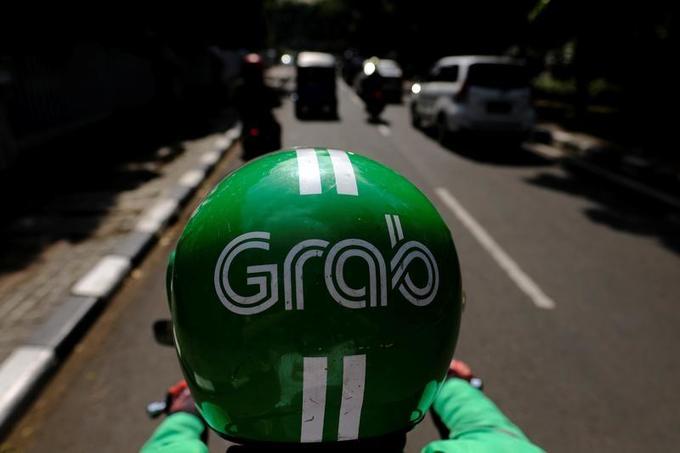
    Indonesia’s GoTo, a ride-hailing and food delivery company, alongside Singapore-based Grab, announced they will reduce the per-trip commissions for their two-wheeled driver partners in Indonesia. Beginning July 1, the commission rate will be slashed from 20% to 8%.

    Implementation of Reduced Commissions

    Indonesia’s President, Prabowo Subianto, first brought up the idea of an 8% cap on commissions in his speech on May 1. However, he did not provide details regarding when this initiative would be implemented.

    GoTo’s VP Director, Catherine Hindra Sutjahyo, expressed the company’s support for the initiative at a press conference. “We support the efforts to continue increasing the prosperity of the drivers,” she stated.

    Neneng Goenadi, Grab Indonesia’s CEO, echoed Sutjahyo’s sentiments. Both leaders confirmed that their respective companies will start applying the new 8% commission rate from July 1.

    Impact on Ride-Hailing Platforms

    This development was first reported in January, with concerns raised about its potential effect on the profitability of ride-hailing platforms, particularly in Southeast Asia, which serves as their largest market.

    Cucun Ahmad Syamsurijal, the Deputy Parliament Speaker, lauded the reduced commissions as a testament to President Prabowo’s administration’s commitment to supporting all ride-hailing drivers in the country.

    Questions & Answers

    **What is the new commission rate for two-wheeled drivers for GoTo and Grab in Indonesia?**
    The new commission rate is 8%, reduced from the previous rate of 20%.

    **When will the new commission rate take effect?**
    The new commission rate will be implemented starting July 1.

    **What potential impact could this reduction have on ride-hailing platforms?**
    The reduction could potentially affect the profitability of ride-hailing platforms, particularly in Southeast Asia, their largest market.

  • Tesla Leads In Driver-Assisted Technology Crashes

    Tesla Leads In Driver-Assisted Technology Crashes

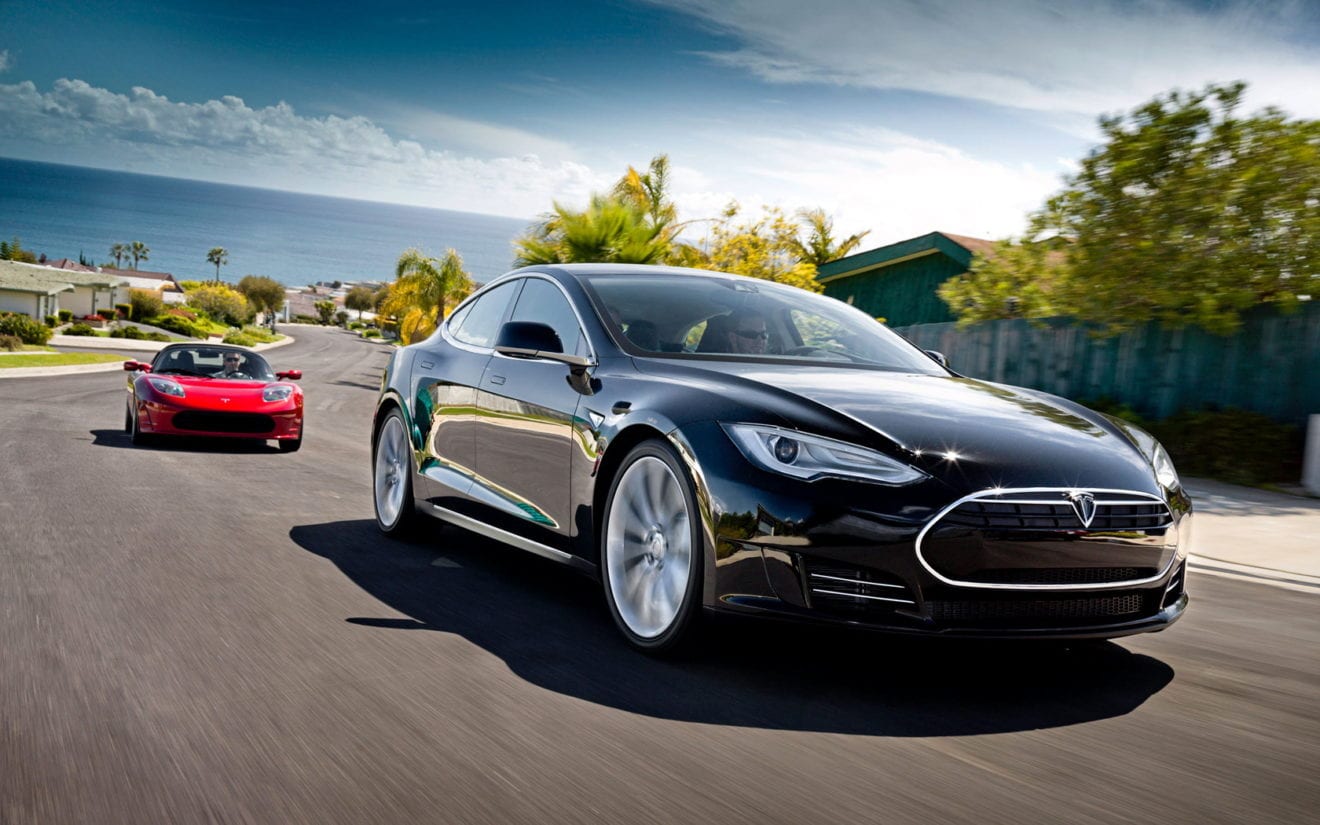
    Tesla Inc reported 273 vehicle crashes since July involving advanced driving assistance systems, more than any other automaker, according to data U.S. auto safety regulators released on Wednesday.

    Automakers and tech companies reported more than 500 crashes since June 2021, when the National Highway Traffic Safety Administration (NHTSA) issued an order requiring the information. Two U.S. Senators called for a deeper probe of the “out-of-control industry,” and a U.S. safety board said the data was not standardized so it was hard to evaluate performance of each carmaker’s system.

    Car companies are rushing to add driver assistance systems, saying these improve safety by handling some maneuvers. U.S. regulators are trying to understand the practical effect of the changes. But automakers collect and report data in different ways, making it difficult to evaluate systems performance.

    Democratic Senators Ed Markey and Richard Blumenthal told NHTSA in a letter that “publicizing the data alone is not enough. We urge NHTSA to … shed needed light on this out-of-control industry and impose guardrails to prevent more deadly crashes.”

    The current report contains “a ‘fruit bowl’ of data with a lot of caveats, making it difficult” to understand, National Transportation Safety Board (NTSB) Chair Jennifer Homendy said in a statement. “Tesla collects a huge amount of high-quality data, which may mean they’re overrepresented in NHTSA’s release.”

    Tesla’s advanced driver assistant software dubbed “Full Self Driving” has also created confusion about vehicle capabilities.

    The senators raised alarm about the high number of Tesla crashes. “We worry that some drivers today are using the technology as a convenience feature and are placing themselves and other road users in danger,” Markey and Blumenthal wrote.

    NHTSA ordered companies to quickly report all crashes involving advanced driver assistance systems (ADAS) and vehicles equipped with automated driving systems being tested on public roads.

    Of the 392 such crashes reported by a dozen automakers since July, six deaths were reported and five serious injuries. Honda Motor identified 90 crashes.

    Companies also reported 130 crashes involving prototype automated driving systems, while 108 involved no injuries and one was a serious injury crash.

    NHTSA said Alphabet Inc’s self-driving car unit Waymo reported 62 crashes involving automated driving systems, while General Motors’ Cruise had 23.

    Waymo said its crashes were not high severity and one-third were in manual mode. Airbags deployed in only two crashes.

    Cruise said it “has logged millions of miles in one of the most complex urban driving environments because saving lives is our chief aim.”

    The NTSB reiterated a five-year-old recommendation that NHTSA require automakers to provide standardized crash and usage data. It made the recommendation after the a 2016 crash killed a Tesla driver using the company’s Autopilot system, which the company website says “enables your car to steer, accelerate and brake automatically within its lane” but still requires the driver’s attention.

    NHTSA said the first batch of data has already been used to trigger investigations and recalls and helped inform existing defect probes.

    The data “will help our investigators quickly identify potential defect trends,” NHTSA Administrator Steven Cliff said, cautioning the raw number of incidents reported per manufacturer “is by itself inadequate to draw conclusions.”

    The agency emphasized crashes are tracked by individual automakers in different ways and discouraged comparisons in part because there are no comprehensive metrics on how widely each system is used.

    Tesla did not respond to requests for comment.

    Honda told Reuters it had found no defects in the systems and its crash reports were based on unverified customer statements “to comply with NHTSA’s 24-hour reporting deadline.”

    No other automaker reported more than 10 ADAS crashes during the period.

    Despite the limitations, NHTSA said the data was essential to quickly spot potential defects or safety trends. Incidents that occur when an advanced system was engaged within 30 seconds of a crash must be reported within 24 hours to NHTSA.

    The agency plans to release new data monthly.

    NHTSA has been scrutinizing Autopilot and said last week it was upgrading its probe into 830,000 Tesla vehicles with the system, a required step before it could seek a recall. The regulator had opened a preliminary evaluation to assess the performance of Autopilot after about a dozen crashes in which Tesla vehicles struck stopped emergency vehicles.

    Separately, NHTSA has opened 35 special crash investigations involving Tesla vehicles in which ADAS was suspected of being used. A total of 14 crash deaths have been reported in those Tesla investigations, including a May California crash that killed three people.
  • Tesla Launches Subscription Service For Advanced Driver Assistance Software

    Tesla Launches Subscription Service For Advanced Driver Assistance Software

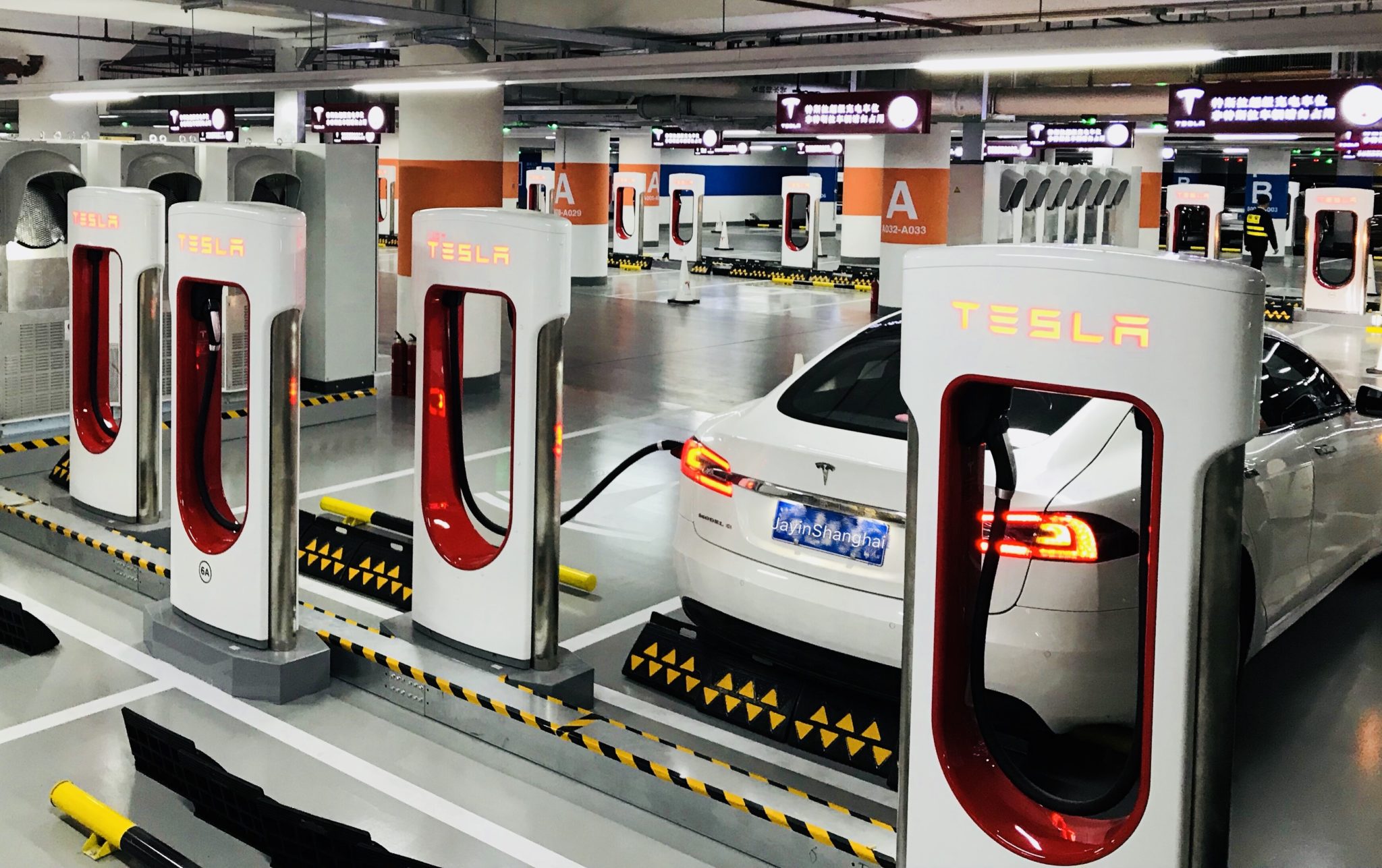
    Tesla Inc said on Saturday it has introduced an option for some customers to subscribe to its advanced driver assistance software, dubbed “Full Self-Driving capability”, for $199 per month, instead of paying $10,000 upfront. Tesla has previously said its subscription service would generate recurring revenue and expand the customer base for pricy features including lane changing on highways and parking assistance.

    But the U.S. electric carmaker reiterated on Saturday that the current features “do not make the vehicle autonomous,” adding they “require a fully attentive driver, who has their hands on the wheel.””FSD capability subscriptions are currently available to eligible vehicles in the United States. Check your Tesla app for updates on availability in other regions,” Tesla said on its website.

    Tesla’s CFO Zachary Kirkhorn said in April that its planned subscription service would generate recurring revenue for the company, although “there could be a period of time in which cash reduces in the near term.”

    “If … you look at the number of customers who did not purchase FSD upfront or on a lease and maybe want to experiment with FSD, this is a great option for them,” he said during an earnings call in April.

    Tesla said the subscription service is available in vehicles equipped with Full Self-Driving computer 3.0 or above. It told customers that upgrading to the new hardware will cost $1,500.

    Tesla Chief Executive Elon Musk forecast in 2019 that robotaxis with no human drivers would be available in some U.S. markets in 2020. In March, Tesla told a California regulator that it may not achieve full self-driving technology by the end of this year.

    Tesla has been testing its new semi-autonomous driving software for city streets and last week released “FSD Beta v9” to a limited number of customers.

  • Volkswagen T-Roc Cabriolet Revealed

    Volkswagen T-Roc Cabriolet Revealed

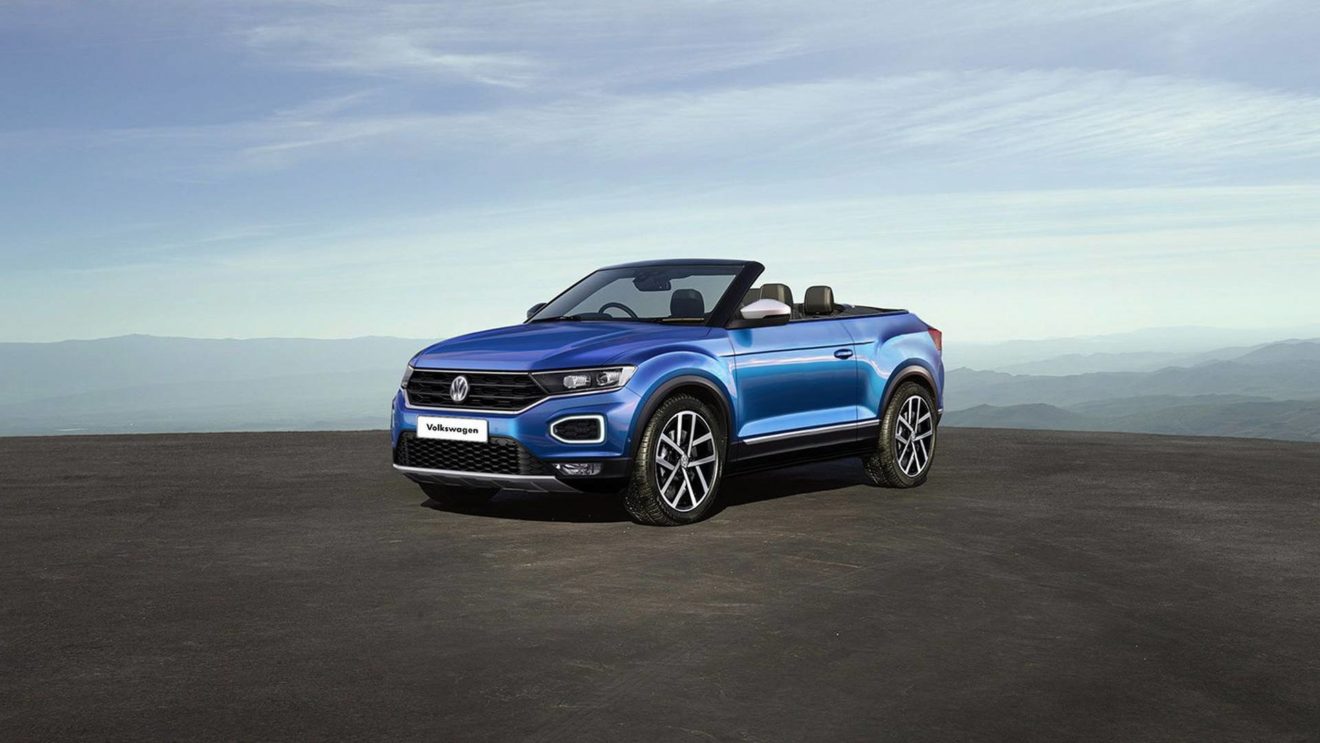
    Volkswagen is all set to bring in the first crossover convertible in the compact SUV class and it’s the T-Roc that’s going to get this treatment. The T-Roc cabriolet will add to the diversity of the booming SUV segment across the world and of course breathe in some fresh air in that segment. The T-Roc is a popular car and ever since its launch globally, Volkswagen has sold 3.60 lakh units of the car. The Cabriolet is based on the T-Roc Crossover and gets a high-quality soft top which opens in nine seconds, even when driving at speeds of up to 30 kmph. What’s more, the crossover utility vehicle boasts all of the familiar strengths of Volkswagen SUVs: elevated seating along with numerous customization options. The crossover convertible will be showcased at the 2019 Frankfurt Motor Show and will launch subsequently in global markets.

    The T-Roc Cabriolet stands out with its distinctive body style. The strikingly wide front end, prominent lines and tight proportions bring out the SUV looks. The team under Head of Design Klaus Bischoff gave the crossover Cabriolet a powerful yet refreshing appearance. “The T-Roc Cabriolet carries the freedom of design into the driving experience itself. We have redefined the CUV as an emotive lifestyle product that combines power and style in a unique way”, says Bischoff.

    Positioned within the segment under the Tiguan, the T-Roc and the T-Roc Cabriolet both share its design basis: the modular transverse matrix (MQB). The T-Roc Cabriolet is 4,268 mm long, with a wheelbase of 2,630 mm. The vehicle is 1,811 mm wide (without exterior mirrors) and 1,522 mm high. The driver and front passenger are seated at a comfortable 599 mm over the tarmac.

    Inside, the two-door model, the drivers, and passengers can expect a high degree of flexibility and generous open spaces. The same goes for the 284-liter luggage compartment, which is something to be proud of in the compact crossover segment. The versatility of this vehicle concept is also underscored by an optional towing bracket. The soft top itself consists of the linkage, the headliner, an all-over cushioned mat and the outer cover. A total of four cross braces and the front cross strut (the first large cross-member behind the windscreen frame) are mounted between the longitudinal frame of the soft top linkage. The soft top is attached to the cross struts by bolted-on fabric holding rails. This ensures that the soft top does not inflate, even when driving at high speeds. Not only does this have a positive impact on the aerodynamics, but also on the noise levels in the vehicle interior. The interior is quiet thanks to both the sophisticated design of the soft top, as well as to the specially developed window and door seals.

    Passengers in the T-Roc Cabriolet are well-protected thanks to the roll-over protection, which is located behind the rear seats and is extendable and reversible. The system used in the T-Roc springs upwards in the area of the rear headrests within fractions of a second, in response to exceeding a defined lateral acceleration or vehicle tilt.

    The T-Roc Cabriolet gets an option of the next-generation Infotainment system (MIB3), thanks to which it is permanently online – enabling it to offer completely new services and functions. The new system has an online connectivity unit, including an integrated eSIM. This means the Cabriolet can, if desired, be permanently online as soon as the driver has registered it in the Volkswagen system. Information is displayed on the Infotainment system screen, which measures up to 8 inches. When this is used in combination with the optionally available Active Info Display, with its 11.7-inch screen, a completely digital cockpit landscape can be created – what we call the Digital Cockpit. There is also the option to round off the functional equipment with a 12-channel sound system from US-based manufacturer BeatsAudio, with a system output of 400 watts, enhancing the driving experience when the soft top is open.

    Customers can choose between two efficient turbocharged petrol engines with 113 bhp and 147 bhp. The manual six-speed gearbox comes as standard with the 1-liter 3 cylinder unit while the more powerful 1.5-liter gets a 7-speed dual-clutch transmission. The open-top T-Roc is produced at Volkswagen’s Osnabruck location, a plant with a long history of making convertibles. Indeed, the convertible variants of the Beetle and the Golf were also built here.

  • Uber, Indian Oil To Offer Fuel Discounts To Drivers

    Uber, Indian Oil To Offer Fuel Discounts To Drivers

    Ride-hailing giant Uber on Thursday announced it is partnering with state-run Indian Oil Corp Ltd (IOCL) to offer discounts to drivers on petrol, diesel and CNG at IOCL petrol pumps across India. Over 12,000 Uber driver partners have already registered for this programme.

    “This partnership is targeted at easing the cost of fuel and giving back to driver partners who use the Uber App to earn a livelihood,” Prabhjeet Singh, Head of Cities, Uber India and South Asia, said in a statement.

    Uber launched its services in India in 2013 with its UberBLACK service and launched its premium UberX service in 2014. Uber currently operates in 31 cities in the country and aims to take its services to other, wider parts of the country.

  • Singtel signs cross-promotion deal with GOJEK

    Singtel signs cross-promotion deal with GOJEK

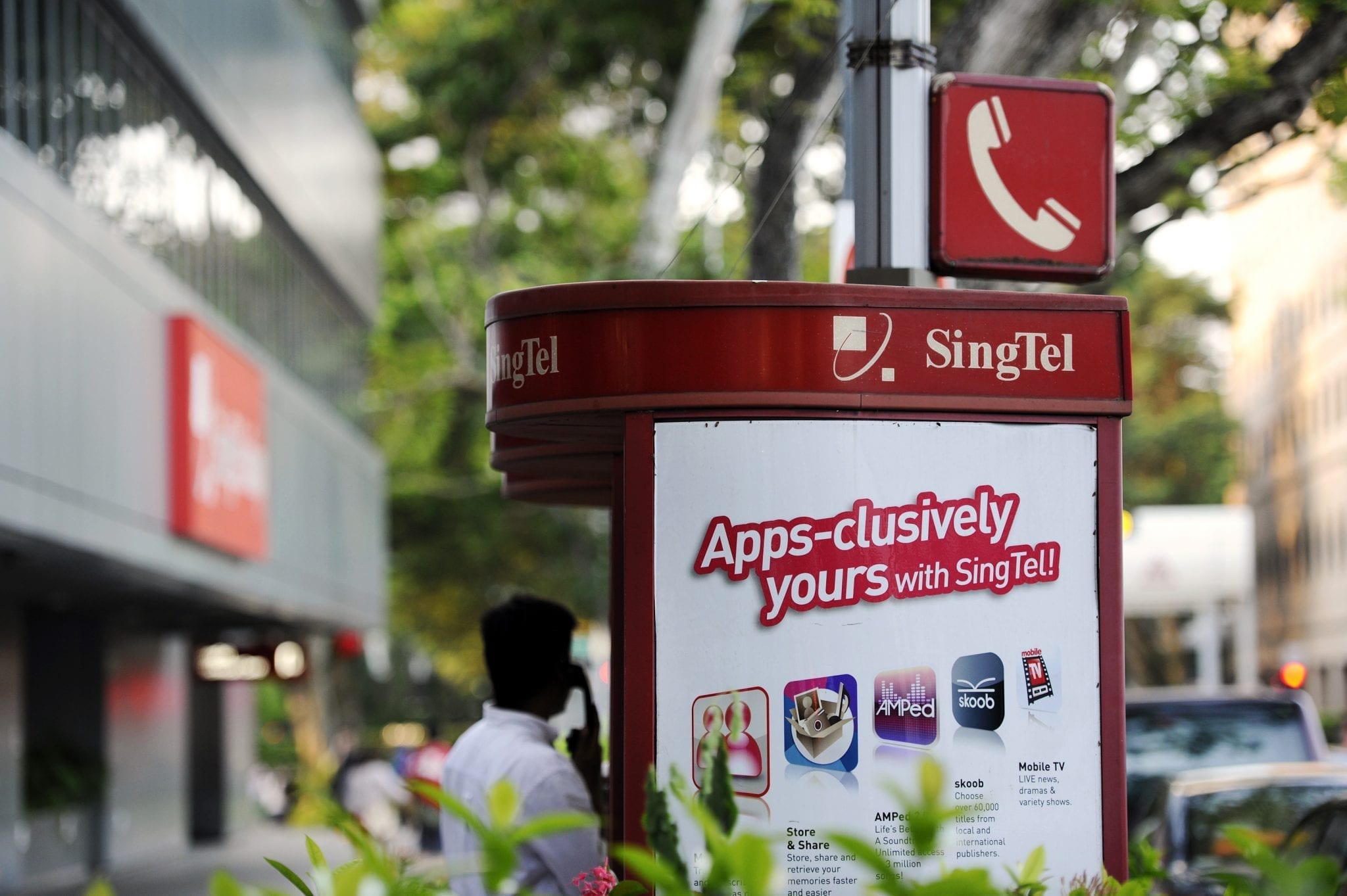
    Singtel has inked a new partnership with ride hailing company GOJEK aimed at cross-marketing their offerings and providing perks to users and drivers.

    Under the agreement, Singtel will offer GOJEK drivers who subscribe to its Combo mobile plans data-free usage while using GOJEK, as well as a 20% discount on their subscription costs and a complementary caller ID service.

    Meanwhile new and existing customers of Singtel’s digital focused GOMO plan will receive ride hailing credits worth S$5 ($3.67), and all Singtel customers will be offered other ride hailing perks.

    “With this partnership with GOJEK, we are taking our business and customer relationships to the next level, beyond just providing traditional carriage and connectivity,” Singtel CEO consumer Singapore Yuen Kuan Moon said.

    “While our customers have come to expect reliable and comprehensive mobile coverage from us, they are always looking for more value and this we can extend in the form of perks and privileges that come from mutually-beneficial partnerships.”

  • Indonesia’s first F1 driver is a good-looker who lives in Singapore

    Indonesia’s first F1 driver is a good-looker who lives in Singapore

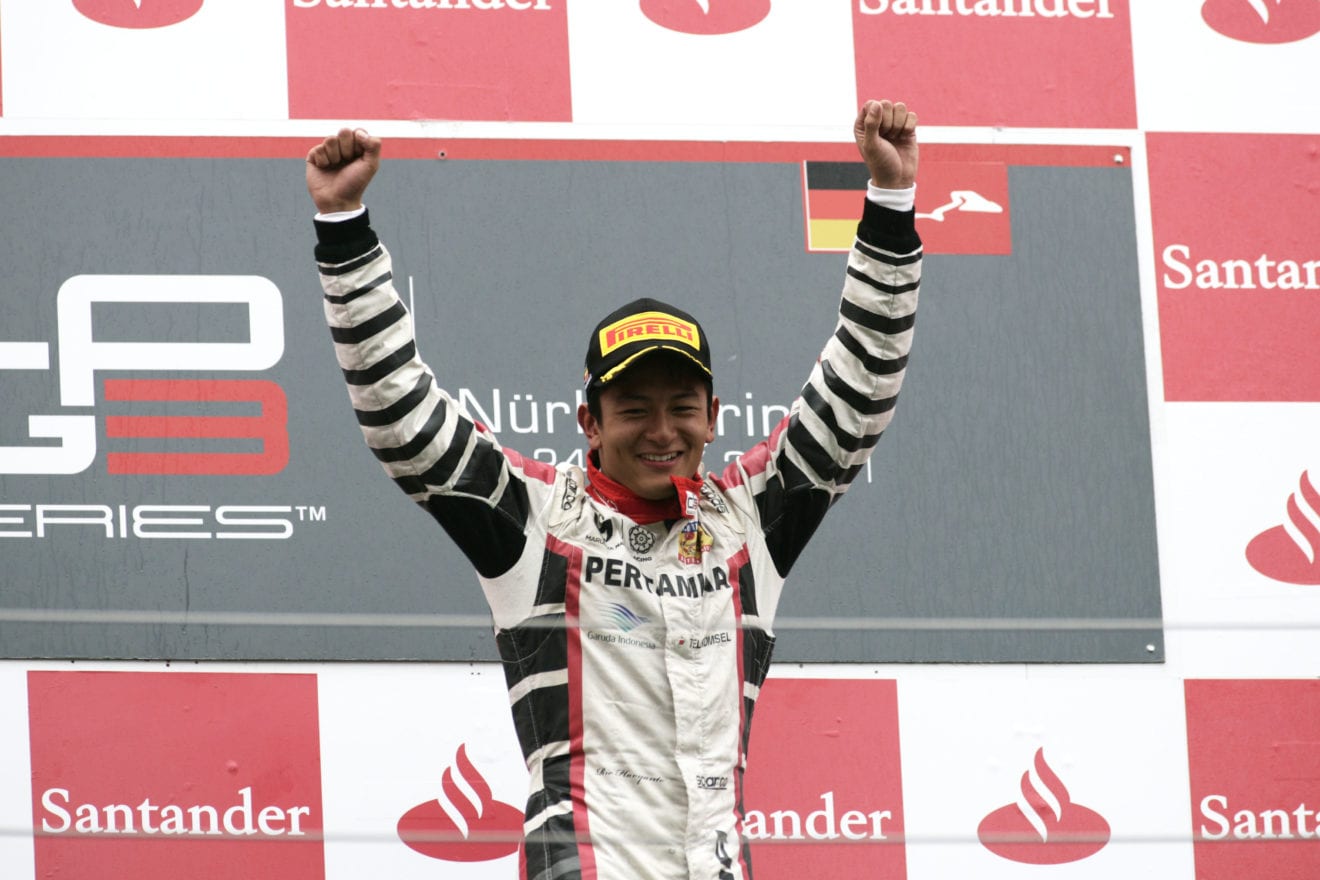
    When Indonesia’s first Formula One driver Rio Haryanto makes his debut with the Manor Racing team at the new season on March 20, he is likely to set the hearts of female fans a flutter.

    The only Asian to be on the starting grid boasts not only a chiselled jaw and dashing good looks, but also a hot bod to match.

    Rio, 23, will be the third Southeast Asian driver, after a long absence, to compete in Formula One since the championship started in 1950, reported The Jakarta Post. The other two were Malaysian Alex Yoong (2001 and 2002) and Thailand’s Prince Birabongse Bhanudej in the 1950s.

    So all eyes will be on Rio, who reportedly lives in Singapore, when he competes against the likes of champion drivers Lewis Hamilton and Sebastian Vettel in the 21-race series, starting in Melbourne in two weeks’ time.

    Born in Solo, Indonesia, he is a business management graduate, having studied here at private school FTMSGlobal Academy.

    Sponsored by Indonesia’s state energy company Pertamina, the rookie driver has managed to capture a huge following in Indonesia, all eager to see their new sports icon flying their national flag high.

    “I hope by working hard, I will not only represent Indonesia in F1 but achieve [something],” he said in a press conference in February.

    When he is not competing, Rio spends four hours a day to build up his stamina by swimming, jogging, or working out in gym, according to his website.

    He likes high-protein food, and even cooks his favourite fish – salmon – often.

    Apart from his love of racing, Rio hopes to be involved in his family business – his father runs a company that produces Kiky brand writing books.

    He also likes to do his bit for the community. Whenever he returns to his hometown, he would visit an orphanage and share his adventures with the kids, like a big brother hoping to inspire and motivate his younger siblings, according to his website.

    Career jump

    Rio clinched a place in the Manor team after its owner Stephen Fitzpatrick was impressed by his performance.

    He had said in a press statement: “He is tenacious on and off the track and made a big impression on last year’s GP2 battle.”

    On Rio’s big fan base in Indonesia, Fitzpatrick said they would be a booster for his team and for F1.

    “They are keen to see [Rio] on the grid and we’re confident that we’ll see him enjoying some exciting battles in the year ahead.”

    Rio’s racing experience began when he was only six, taking part in the national and international Gokart arena. He joined Formula Asia 2.0 racing competition at 15 and emerged the winner among Asian drivers.

    In the following year he came in first again at Formula BMW Pacific 2009 racing competition.

    At 17, he was qualified to get Formula 1 super licence from Virgin F1 race in a test in Abu Dhabi in 2010. Since then, he had been racing in the GP2 Series with EQ8 Caterham Racing Team.