Tag: drops

  • Gold Demand Drops in Vietnam Alone Amid Southeast Asias Rising Market Trend

    Gold Demand Drops in Vietnam Alone Amid Southeast Asias Rising Market Trend

    In the most recent quarter, Vietnam became the only Southeast Asian country to experience a decrease in the demand for gold bars and coins. This drop in interest from consumers is largely attributed to the steep decline in gold prices.

    In the second quarter, the demand for investment gold in Vietnam fell by 31% year-on-year to 6.5 tonnes, according to the World Gold Council. This placed Vietnam third in Southeast Asian sales, following Indonesia, which sold 14.5 tonnes, and Thailand, which sold 10.9 tonnes.

    Factors Influencing the Decline

    According to a recent report by the World Gold Council, several factors contributed to the weakened demand in Vietnam. Lower local prices dampened consumer sentiment, while import quotas distorted market conditions. This made the local price premium high, discouraging potential buyers.

    As of now, Vietnam’s gold bar price has fallen by 7.7% since the beginning of the year, marking a 26% decrease from its peak at the end of January.

    In the first half of the year, Vietnam’s total sales of gold bars and coins amounted to 15.6 tonnes. This figure is considerably lower than that of Indonesia, which sold 38.1 tonnes, and Thailand, which sold 20.9 tonnes.

    Regional Comparison

    In tandem with the decline in gold bar and coin demand, Vietnam also reported the region’s most significant year-on-year decrease in jewelry demand, which fell by 28% to 1.8 tonnes.

    Meanwhile, other countries in the region experienced growth in their gold markets. Indonesia emerged as one of the fastest-growing gold markets globally in the second quarter, with its demand surging by 40% year-on-year.

    Thailand also had a strong second quarter, marking its best since 2019, as the drop in local gold prices stimulated bargain hunting.

    Overall, Southeast Asia – comprising Indonesia, Malaysia, Singapore, Thailand, and Vietnam – saw an increase in gold bar and coin sales in the second quarter, reaching 36.7 tonnes, a 7.6% increase from the previous year. This contrasts with the global demand for bars and coins in the second quarter, which fell by 3% to 307.1 tonnes.

    Questions & Answers

    Why is there a declining gold bar and coin demand in Vietnam?
    The declining demand is largely due to the falling gold prices, which have dampened consumer sentiment. Additionally, import quotas have distorted market conditions, leading to discouragingly high local price premiums.

    How does Vietnam’s gold market compare to other Southeast Asian countries?
    Vietnam ranks third in gold bar and coin sales in Southeast Asia, following Indonesia and Thailand. However, unlike these countries, Vietnam has experienced a decrease in demand for gold bars and coins as well as jewelry.

    What trends are emerging in Southeast Asia’s gold market?
    The region saw an overall increase in gold bar and coin sales in the second quarter, with Indonesia emerging as one of the fastest-growing markets. Conversely, Vietnam experienced a decline in demand across all categories.

  • Amazon India Drops Referral Fees to Accelerate Seller Growth Amidst Fierce E-commerce Competition

    Amazon India Drops Referral Fees to Accelerate Seller Growth Amidst Fierce E-commerce Competition

    Amazon has announced that it will abolish the referral fee for sellers in India on items priced under 1000 rupees (approximately US$10.98). This decision aims to encourage more retailers to use their platform and gain a stronger hold on India’s competitive e-commerce market.

    Expanding ‘Zero-Referral Fee’ Policy

    Amazon’s initiative builds upon its ‘zero-referral fee’ policy, introduced last year, which encompassed about 12 million items priced below 300 rupees. This program played a significant role in a 50% increase in new sellers joining Amazon’s Indian platform. The referral fee is a commission that sellers pay Amazon for each item sold.

    Starting March 16, this new policy now covers more than 125 million items. In addition to scrapping the referral fee, Amazon has decided to reduce some shipping costs.

    Targeting Small Businesses and Entrepreneurs

    “This step is intended to make selling on Amazon more profitable and simpler, particularly for small businesses and entrepreneurs in tier-2 and tier-3 cities,” said Amit Nanda, Director of Selling Partner Services for Amazon India.

    India is a vital market for Amazon, given the rapid growth of the internet user base in the world’s second-most populous country, driving e-commerce growth.

    However, Amazon is up against stiff competition from Walmart-backed Flipkart and Reliance Industries’ retail arm, owned by billionaire Mukesh Ambani. Quick-commerce entities such as Eternal’s Blinkit and Swiggy’s Instamart are also making significant inroads into market share.

    In December, Amazon announced plans to invest over $35 billion in India by 2030. While this investment will help expand its AI infrastructure, the focus will primarily be on growing retail logistics and stimulating small-business growth.

    Questions & Answers

    What is Amazon’s new initiative regarding referral fees in India?

    Amazon has decided to eliminate the referral fee for products under 1000 rupees, aiming to attract more retailers to their platform.

    How will this affect small businesses and entrepreneurs in India?

    By removing the referral fee and reducing some shipping costs, Amazon is making selling on its platform more lucrative and easier, particularly for small businesses and entrepreneurs in smaller cities in India.

    What are Amazon’s future investment plans for India?

    Amazon plans to invest over $35 billion in India by 2030, with a focus on expanding its AI infrastructure, enhancing retail logistics, and promoting small-business growth.

  • Singapore Clinches Second Place as World’s Richest Nation in 2025, Drops in Work-Life Balance Rankings

    Singapore Clinches Second Place as World’s Richest Nation in 2025, Drops in Work-Life Balance Rankings

    In 2025, Singapore achieved the status of the second-wealthiest nation globally according to per capita gross domestic product (GDP), with a figure standing at US$90,700. This impressive economic performance placed the Asian island state just behind Switzerland, the front-runner with a GDP per capita of $100,000. The third position was held by Norway, with a per capita GDP of $86,800.

    Work Hours Influence Wealth Rankings

    However, the economic landscape changed significantly when factoring in working hours. By considering the average hours worked, Norway ascended to the top of the national wealth rankings. Singapore fell to the eighth place behind countries like Qatar, Denmark, and the Netherlands.

    According to data released by Singapore’s Ministry of Manpower, the average employee in the city-state worked 43.3 hours per week in 2024. This figure starkly contrasts with the average workweek in Norway, where employees logged an average of 33.2 hours per week in the same year, as per statistics from the International Labour Organisation.

    Singapore’s Position in Global Work-Life Balance

    Further highlighting the impact of work hours on quality of life, Singapore was ranked 25th out of 60 nations in a 2025 Global Life-Work Balance Index. Singapore’s score in this index was 57.85 out of a total 100 points. Despite the middling position, it’s worth noting that Singapore was the highest-scoring Asian nation in terms of balancing work and personal life.

    The Index was topped by New Zealand, Ireland, and Belgium, with respective scores of 86.87, 81.17, and 75.91. These figures reiterated the importance of a healthy balance between work and personal life in assessing a nation’s overall prosperity and well-being.

    Questions & Answers

    What was Singapore’s ranking in terms of GDP per capita in 2025?
    Singapore was ranked as the second-richest country in the world in 2025 based on GDP per capita.

    How did the ranking change when work hours were taken into account?
    When average work hours were factored in, Singapore dropped to the eighth place in the global wealth ranking.

    Where did Singapore stand in the 2025 Global Life-Work Balance Index?
    In the 2025 Global Life-Work Balance Index, Singapore secured the 25th place out of 60 countries, making it the highest-ranked Asian country in terms of work-life balance.

  • Vietnam Slashes Gasoline Prices In Response To Global Oil Market Fluctuations

    Vietnam Slashes Gasoline Prices In Response To Global Oil Market Fluctuations

    In response to the global dip in oil prices, Vietnam has reported a decrease in its gasoline prices this past Thursday. This price decrease is largely due to a decrease in demand.

    Price Reductions

    The widely-used fuel, RON95, saw a reduction by 0.90%, bringing the price down to VND19,720 (US$0.75) per liter. Simultaneously, the price of the Biofuel E5 RON92 also experienced a decrease, falling by 0.88% to VND19,050.

    Global Oil Market Factors

    Numerous factors over the past week have impacted the global oil market. Among these factors was an announcement by OPEC+ of a lower-than-projected increase in oil production for the month of November. Further, a weakened global oil demand and persistent attacks on Russia’s energy facilities by Ukraine also played a significant role in shaping the market.

    As a result of these influences, the price of RON95 on the global market decreased by 1.1% to $78.2 per barrel, while diesel prices decreased by 3.5% to $83.4 per barrel.

    Questions & Answers

    What caused the decrease in Vietnam’s gasoline prices?
    There was a decrease in global oil demand, which precipitated a dip in Vietnam’s gasoline prices.

    How much did the price of RON95 and Biofuel E5 RON92 decrease in Vietnam?
    RON95 saw a decrease of 0.90% to VND19,720 per liter, while Biofuel E5 RON92 decreased by 0.88% to VND19,050.

    What were the primary factors affecting the global oil market?
    The global oil market was primarily influenced by a lower-than-expected increase in oil production for November announced by OPEC+ and weaker global oil demand. Ongoing attacks on Russia’s energy facilities by Ukraine also significantly impacted the market.

  • Cafe Amazon Accelerates Global Expansion, Sidesteps Vietnamese Market Amid Investor Exit

    Cafe Amazon Accelerates Global Expansion, Sidesteps Vietnamese Market Amid Investor Exit

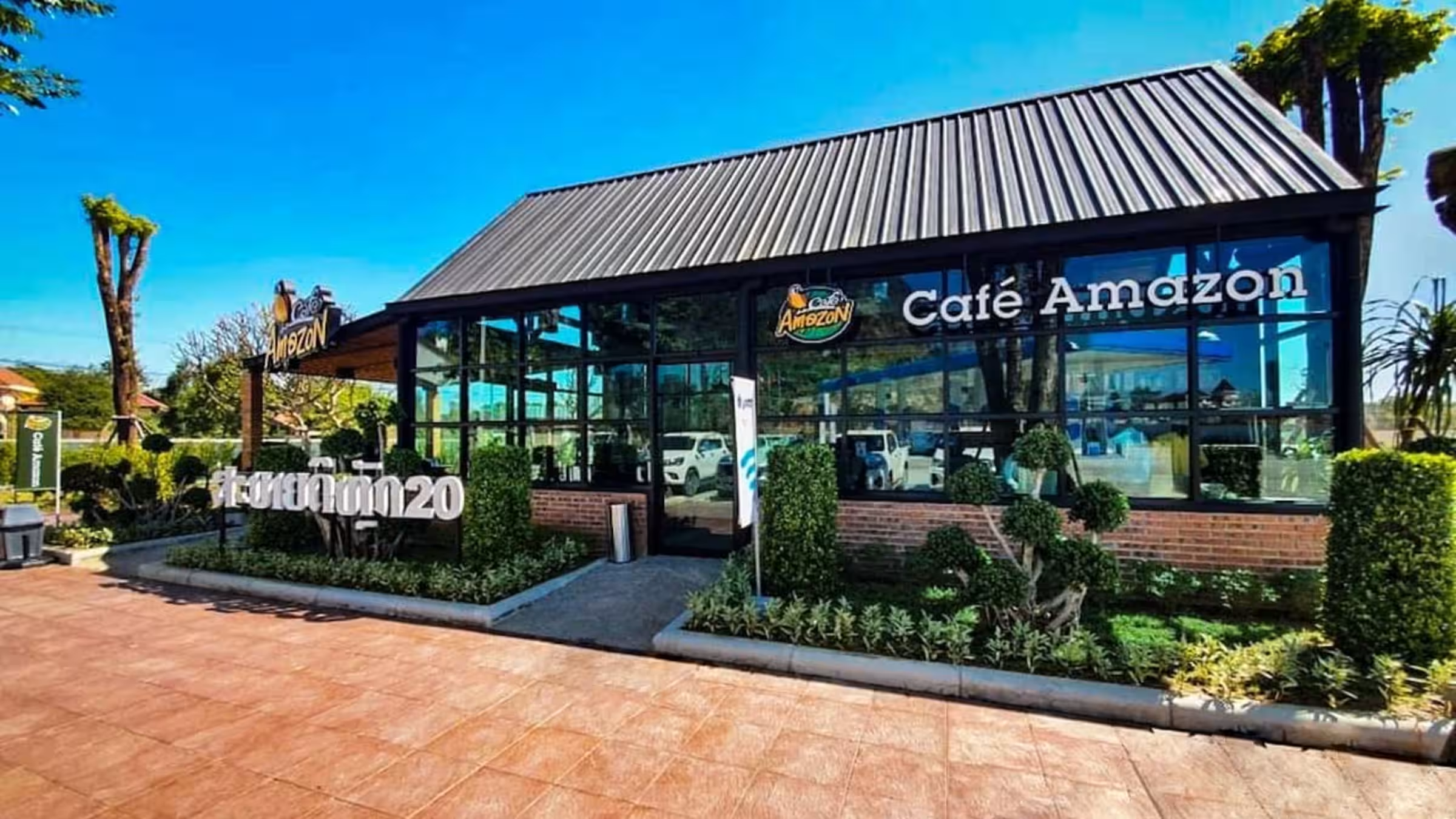
    Cafe Amazon, a coffee chain operated by PTT Oil and Retail Business (OR), is accelerating its global expansion plans. Notably absent from its target locations, however, is Vietnam. This strategic decision follows the withdrawal of a Thai investor from Cafe Amazon’s joint venture in the Southeast Asian country.

    Global Expansion Focus

    As Cafe Amazon navigates its global growth strategy, it is centering its attention on several key markets. These include Laos, the Philippines, Japan, Oman, and Bahrain. The company is implementing a franchise model in these regions with a keen focus on ensuring consistent brand standards. This encompasses all aspects from design to quality and service.

    Growth Trajectory

    Cafe Amazon has seen rapid growth over the past ten years, expanding to over 5000 outlets worldwide. This impressive global presence has positioned the company as one of Asia’s largest coffee chains. Notably, in the second quarter of the fiscal year 2025, Cafe Amazon reported sales of over 107 million cups of coffee. This represents a nearly 5 per cent increase from the same time the previous year.

    Vietnamese Market Shift

    The exit of a key investor marks a significant change in Cafe Amazon’s approach to the Vietnamese market. In recent years, this market has seen increasing competition from both local and international coffee chains. While the specifics of the company’s restructuring have not been disclosed, Cafe Amazon has indicated that it intends to focus on markets with a higher potential for growth.

    Questions & Answers

    Why is Cafe Amazon not focusing on expansion in Vietnam?
    The company has decided to shift its focus following the exit of a Thai investor from its joint venture in Vietnam.

    Which markets is Cafe Amazon focusing on for its expansion?
    Cafe Amazon is turning its attention to Laos, the Philippines, Japan, Oman, and Bahrain for its global expansion.

    How is Cafe Amazon performing globally?
    Cafe Amazon has over 5,000 outlets worldwide, making it one of Asia’s largest coffee chains. In the second quarter of the fiscal year 2025, the company sold over 107 million cups of coffee, indicating a nearly 5 per cent increase from the previous year.

  • Demand Dips: Tyrrells Crisps Vanish From Major Australian Supermarkets

    Demand Dips: Tyrrells Crisps Vanish From Major Australian Supermarkets

    Tyrrells, a British potato crisp brand, has seen a significant downsizing in its distribution in Australia. The brand, previously available in most major supermarkets in the country, has been delisted from leading chains such as Coles, Woolworths, and IGA. Its distribution has been reduced to select independent retailers across the nation.

    Major Supermarkets Stop Stocking Tyrrells

    Coles has affirmed that it has ceased stocking Tyrrells’ products. Concurrently, Woolworths has labelled the brand’s range as “out of stock” on its online store. This swift and unanticipated disappearance of Tyrrells’ products from the shelves of these supermarkets has caused a stir among consumers. Numerous long-term customers have expressed their disappointment through various social media platforms. One social media user bemoaned the absence of any warning or clearance sales, lamenting that they had not been given an opportunity to stock up on the snacks.

    Insufficient Demand Leads to Delisting

    Snackbrands Australia, the local manager of Tyrrells, attributes the decision to delist the brand to insufficient demand. A company spokesperson emphasised the need to balance both the desires of the consumers and the requirements of their retail partners when making challenging decisions such as these.

    Tyrrells’ Availability and History

    Despite this setback, Tyrrells’ products will remain available in certain Harris Farm Markets stores. For updates on availability, customers are advised to get in touch with the consumer care team of Snackbrands.

    Tyrrells, originally founded in the United Kingdom, ventured into the Australian and Asia-Pacific markets in 2016. This expansion included the establishment of manufacturing operations in Victoria, through an investment in Yarra Valley Snack Foods. Despite the recent shrinkage in its Australian distribution, Tyrrells’ products continue to be widely sold in Southeast Asia.

    Questions & Answers

    Why has Tyrrells been delisted from major supermarkets in Australia?
    Insufficient demand for Tyrrells’ products led to the decision to delist the brand from major supermarkets.

    Where can consumers in Australia still find Tyrrells products?
    Tyrrells’ products are still available in select Harris Farm Markets stores and certain independent retailers.

    When did Tyrrells first expand into the Australian market?
    Tyrrells first expanded into the Australian market in 2016.

  • India’s parliament addresses call drop controversy

    India’s parliament addresses call drop controversy

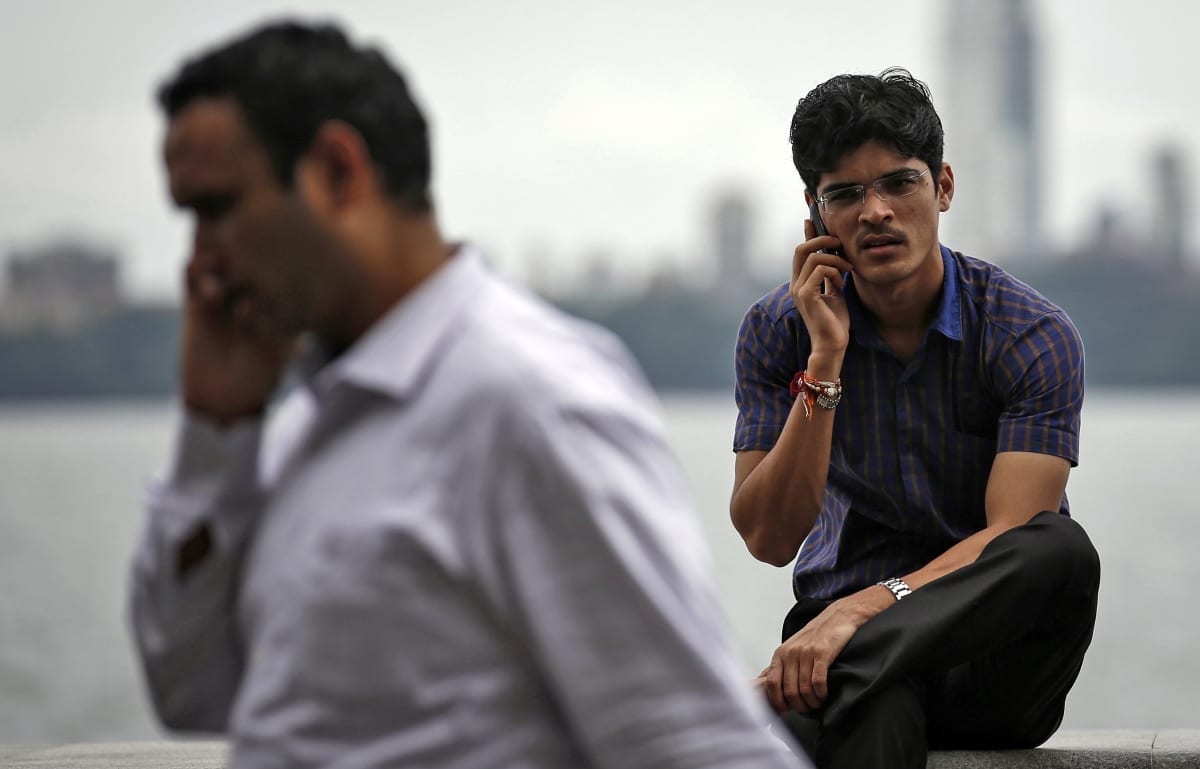
    An Indian parliamentary panel has taken up the issue of call drops on new mobile operator Reliance Jio Infocomm’s network.

    The panel met with GSM industry body COAI – representing the market’s incumbent operators – and Reliance Jio to discuss the reasons for the high number of call failures.

    Reliance Jio has been engaged in a bitter dispute with operators over the issue of frequent call drops. Earlier this month, Jio said around 50% to 60% of calls from Jio users to the three largest mobile network operators Airtel, Vodafone and Idea Cellular were failing or dropping.

    While this has recently contracted to around 25%, this still represents a substantial number of call drops and call failures..

    Reliance Jio has accused the operators of not making enough points of interconnection available to meet the demand for its pan-India mobile services. But incumbents have blamed the company’s strategy of offering free calls, which has led to a surge in network traffic.