Retail News CRM

Tag: drug

  • Weightwatchers Teams Up With Amazon Pharmacy: A Strategic Move For Medication Delivery Boosting Shares By 9%

    Weightwatchers Teams Up With Amazon Pharmacy: A Strategic Move For Medication Delivery Boosting Shares By 9%

    WeightWatchers announced on Monday its collaboration with Amazon to distribute medications such as injectable GLP-1 obesity treatments to its members. This partnership led to a 9% increase in the telehealth provider’s shares, as investors anticipated financial gains from facilitating prescription fulfillment.

    New Partnership to Boost Medication Delivery

    WeightWatchers clients can now confirm medication availability and arrange more efficient delivery of refrigerated drugs using the Amazon Pharmacy feature on the WeightWatchers website, said COO Jon Volkmann. The company, alternatively known as WW International, emerged from bankruptcy in July with a plan to vie for online weight-loss clients, sans debt. The announcement of the collaboration led to a surge of over 9% in the company shares, reaching $29.39 by the afternoon.

    Focus on Branded Drugs

    While competitors concentrated on compounded replicas of Wegovy from Novo Nordisk and Zepbound from Eli Lilly, WeightWatchers chose to align with branded drugs. They announced a collaboration with Novo to supply Wegovy to cash-paying clients through NovoCare and its partner, CenterWell Pharmacy. The company assured that it would still allow clients to fill prescriptions through other pharmacies.

    Demand for GLP-1 obesity treatments skyrocketed following clinical trials that demonstrated their effectiveness, helping individuals lose around 15% of their body weight by inducing a feeling of fullness. In 2022, the US Food and Drug Administration reported a shortage of these drugs, creating difficulties for rural WeightWatchers customers to access them through physical pharmacies.

    Improving Access in Rural Areas

    Despite an abundance of both drugs, Amazon stated that access remains a challenge in rural regions. “With GLP-1s specifically, there’s been an issue with people hopping from one pharmacy to another, searching for these drugs,” said Tanvi Patel, a VP at Amazon Pharmacy.

    Amazon recently launched kiosks at some of its One Medical clinics, allowing patients to pick up common prescriptions. Although Amazon delivers GLP-1s by mail, drugs requiring cold storage will not be available in the kiosks.

    The e-commerce giant’s commitment to quick delivery, particularly for perishable items, has enabled Amazon to maintain appropriate temperatures for GLP-1 shipments nationwide, Patel added. Amazon has been delivering GLP-1s to patients since 2020. Amazon Prime subscribers can expect to receive their medications within one to two days, while non-Prime members may anticipate an average four-day delivery time, though actual delivery often occurs more quickly.

    In June, Amazon announced plans to extend same-day and next-day delivery to 4000 additional locations by year-end, focusing on small towns and rural areas. The company also intends to invest over US$4 billion to triple its delivery operations by 2026.

    Questions & Answers

    What is the partnership between WeightWatchers and Amazon?
    WeightWatchers has partnered with Amazon to facilitate the delivery of medications, including injectable GLP-1 obesity treatments, to its members via Amazon Pharmacy.

    What impact has the partnership had on WeightWatchers’ shares?
    Following the announcement of the partnership, WeightWatchers saw a 9% increase in its shares, suggesting investor optimism about the financial benefits of the collaboration.

    What measures is Amazon taking to improve medication access in rural areas?
    Amazon has plans to expand same-day and next-day delivery, especially focusing on rural areas. The company has also begun setting up kiosks at some of its One Medical clinics for patients to collect common prescriptions.
  • Toyota Group Unit Targets Africa’s Gen Z with Innovative Drugstore Partnership

    Toyota Group Unit Targets Africa’s Gen Z with Innovative Drugstore Partnership

    In a bold step toward enhancing its footprint in the African retail landscape, Toyota Tsusho, the trading arm of the Japanese automotive giant, announced its acquisition of Goodlife Pharmacy, East Africa’s largest drugstore chain.

    The move presents Toyota Tsusho with a strategic opportunity to tap directly into the growing middle-class market in Kenya. Operating 150 stores across the country, Goodlife Pharmacy is more than just a retail chain; it is an essential part of daily life for many Kenyans and a gateway for Toyota Tsusho to diversify its portfolio beyond automotive offerings.

    With the demand for pharmaceuticals and health products on the rise, especially among younger, health-conscious consumers, this acquisition could not have come at a better time. As families increasingly seek convenient access to health essentials, Goodlife Pharmacy stands poised to serve this evolving marketplace with its well-established brand.

    In a region where the middle class is rapidly expanding, Toyota Tsusho sees a treasure trove of possibilities. “This investment is about connecting with communities and providing essential products. We believe in the potential of Africa’s consumer market,” a spokesperson for Toyota Tsusho remarked, hinting that, though the company is best known for its automotive business, it has its eyes set on a much broader goal. And who knew that a trading firm would become a pharmacy aficionado?

    The acquisition underscores a broader trend where companies are diversifying their investments to stay relevant in an increasingly competitive global market. As international players scout for opportunities in Africa, Toyota Tsusho’s strategic alignment with Goodlife Pharmacy may serve as a blueprint for future expansions into diverse retail sectors across the continent.

    Questions & Answers

    What prompted Toyota Tsusho to acquire Goodlife Pharmacy?
    Toyota Tsusho is looking to deepen its connection with Africa’s growing middle class, and the acquisition of Goodlife Pharmacy allows it to tap directly into the expanding demand for health products and pharmaceuticals.

    How many stores does Goodlife Pharmacy operate in Kenya?
    Goodlife Pharmacy operates 150 stores across Kenya, making it a significant player in the country’s retail landscape.

    What is the strategic significance of this acquisition for Toyota Tsusho?
    This acquisition not only broadens Toyota Tsusho’s portfolio beyond automotive products but also positions the company to connect with essential consumer needs in a rapidly changing market, highlighting emerging trends toward health and wellness.

  • British Airways attendant caught dancing naked mid-flight after suspected drug meltdown

    British Airways attendant caught dancing naked mid-flight after suspected drug meltdown

    On a recent British Airways flight from San Francisco to London, an unusual incident occurred high above the clouds. A male flight attendant was discovered in the throes of an unorthodox dance, completely unclothed, inside a business class restroom. Allegedly, he was under the influence of drugs during the scene.

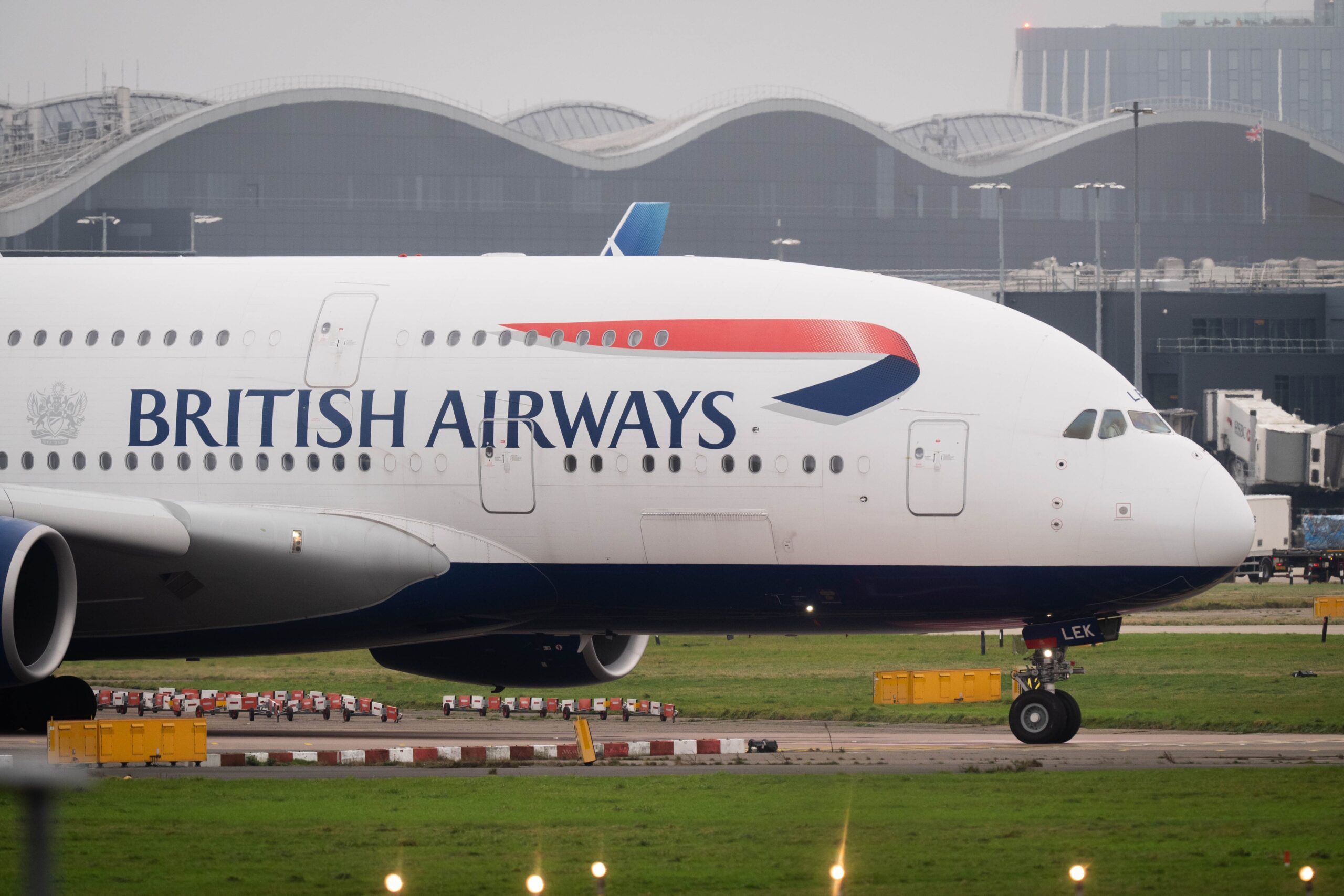
    This unexpected episode unfolded mid-flight on the long, 10.5-hour journey aboard an Airbus A380-800. The airline crew member, whose duty it was to serve meals during the flight, vanished shortly after takeoff. This sudden disappearance sparked worry among his fellow crew members.

    The subsequent search of the sprawling double-decker aircraft reached a startling conclusion when the missing attendant was discovered in a state of undress. He was not merely naked, but also engaged in erratic dance movements in the confines of a Club World restroom.

    Upon the discovery, fellow crew members acted promptly to defuse the situation. The man was escorted out of the restroom and placed securely in a premium seat for the rest of the flight. There, he was restrained and kept under constant supervision, while the remaining crew members scrambled to take on the task of caring for the flight’s 470 passengers. Impressively, they reportedly managed this without taking any breaks.

    The flight touched down at Heathrow Airport around 11 a.m. on May 25, where authorities and medical personnel were waiting. The crew member was removed from the aircraft in a wheelchair. In the aftermath of the incident, he has since been suspended from his duties.

    Questions & Answers

    What was the flight route?
    The flight was from San Francisco to London.

    What actions were taken by the crew upon discovering the incident?
    The crew moved the man from the lavatory and secured him in a premium seat for the rest of the flight. They also supervised him while taking over his duties and serving the passengers.

    What actions were taken against the crew member involved in the incident?
    He was removed from the aircraft upon landing and has since been suspended from his duties.

  • India seeks to pour $500-mln into Vietnam pharmaceutical hub

    India seeks to pour $500-mln into Vietnam pharmaceutical hub

    Large pharmaceutical enterprises in India have expressed their hope to establish a pharmaceutical industrial park in Vietnam, with an initial investment of about $500 million.

    The idea of setting up the pharmaceutical industrial park was launched during recent trade and investment promotion sessions for the pharmaceutical industry organized by the Vietnamese Embassy in India, according to the local Vietnam Trade Office.

    Vietnamese Ambassador to India Pham Sanh Chau said construction of the pharmaceutical industrial park would open an opportunity to welcome large pharmaceutical giants for long-term investment, helping Vietnam reduce dependence on traditional pharmaceutical supplies and diversify production chains.

    It is estimated the industrial park would create jobs for 50,000 direct and 200,000 indirect workers, earning export revenue of about $5 billion per year.

    Leaders of localities in Da Nang and Thua Thien-Hue in central Vietnam, Long An in southern Vietnam, and Hai Duong, Bac Ninh, and Thai Nguyen in the north have discussed land rent, geographical location, transport infrastructure and investment incentive mechanisms with Indian investors.

    Ramesh Babu, chairman of India-based pharmaceutical manufacturing company SMS Pharmaceutical Group, which plans to invest in the pharmaceutical industrial park in Vietnam, said if successful, it would turn the country into a leading pharmaceutical research, development and production base in Southeast Asia and the world.

    Analysts at SSI Securities estimated Vietnam’s pharmaceutical industry to grow by 15 percent in 2021 mainly due to a rapidly aging population and rising incomes.

  • Vingroup sets up drug company

    Vingroup sets up drug company

    Vietnam’s largest private company, Vingroup, has established pharmaceutical company Vinbiocare with a charter capital of VND200 billion ($8.6 million).

    Its focus will be on medicine, vaccines.

    Vingroup owns 69 percent of Vinbiocare Biotechnology JSC, its formal name, which is headquartered in Hanoi, while Phan Quoc Viet, CEO of tech firm Viet A Technology Corporation, owns 30 percent. The remaining 1 percent is held by an individual investor, Phan Thu Huong.

    Mai Phuong Noi, deputy CEO of Vingroup, is its chairwoman.

    Vingroup entered the pharmaceutical industry in 2018 by establishing Vinfa JSC and setting up a plant in Gia Binh District in the northern Bac Ninh Province.

  • Online concierge pharmacy platform POC raises $4.5 mln to improve services in Vietnam

    Online concierge pharmacy platform POC raises $4.5 mln to improve services in Vietnam

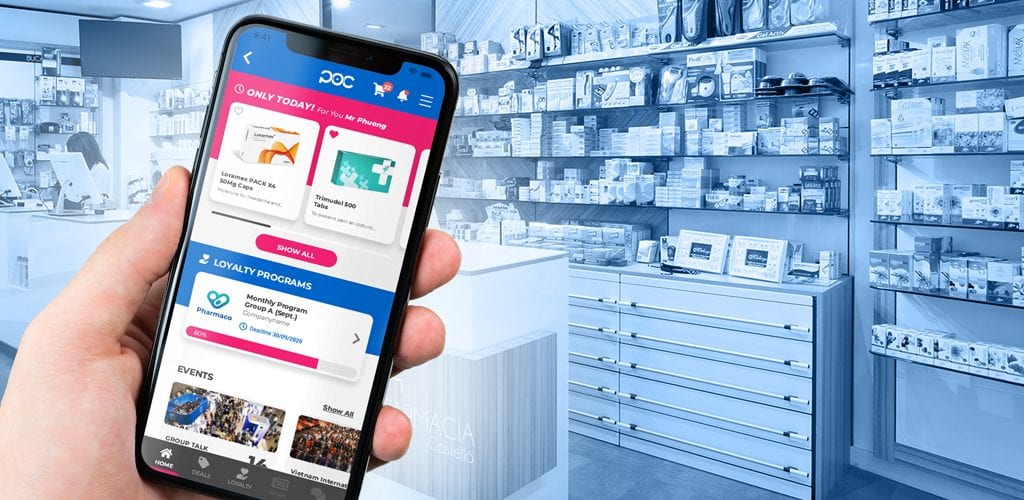
    Pharmacy Online Concierge Pharma has secured $4.5 million in an equity financing round to digitize pharmacies in Vietnam.

    Based in Vietnam and Hong Kong, the platform helps stakeholders such as pharmacies, drug manufacturers, distributors, wholesalers, and consumers to digitally manage their interactions.

    It raised the money from Picus Capital of Germany, Goat Capital and FJ Labs that of the U.S., Febe Ventures 500 Startups Vietnam of Singapore, and several unnamed angel investors. It is one of the biggest rounds at this stage in Vietnam.

    POC Pharma said it would use the money to improve its services in Vietnam, focusing on selling pharmaceutical products online first and then aiming to launch in more countries.

    Its services include trade programs and trade offers management, content and information sharing, data integration and visualization, customized customer engagement, multichannel commercialization, and order management. Established in 2020 by Thomas Miklavec and Charles Defrance, POC helps pharmacists manage all their processes, increasing revenues and profits while improving their quality of service.

    The startup said it has five global pharmaceutical company customers, including Bayer and Pfizer, and more than 20,000 pharmacies in 22 different markets use its platform.

  • Pharma industry growth slows down

    Pharma industry growth slows down

    The pharmaceutical industry’s revenues rose by just 3 percent in 2020, down from an average of 11.8 percent in the previous five years.

    But it was a notable year for mergers and acquisitions. According to analysts at SSI Securities, the total value of M&A was VND1.68 trillion ($73 million) last year and involved a number of foreign investors.

    In May, South Korean conglomerate SK Group, which makes anti-cancer and cardiovascular drugs and mental health medications, paid VND920 billion to acquire a 25 percent stake in Imexpharm Pharmaceutical Joint Stock Company.

    In August, Japan’s Aska Pharmaceutical acquired a 24.9 percent stake in Ha Tay Pharmaceutical Joint Stock Company (Hataphar).

    In December, German generic drugmaker Stada paid VND400 billion to increase its stake in Pymepharco by 6 percent to nearly 76 percent.

    SSI analysts estimated the pharmaceutical industry to grow by 15 percent in 2021 mainly due to a rapidly aging population and rising incomes.

  • Amazon looking at $100 million investment in India’s Apollo Pharmacy

    Amazon looking at $100 million investment in India’s Apollo Pharmacy

    Amazon.com Inc is considering a nearly $100 million investment in India’s pharmacy chain Apollo Pharmacy, facing up to Reliance Industries Ltd and Tata Group in the country’s fast-growing drug market, the Economic Times reported on Wednesday, citing two people aware of the plans.

    Amazon already delivers medicines in India and the potential investment would come amid rising competition from Mukesh Ambani’s Reliance, which bought a majority stake in online pharmacy Netmeds.

    Tata Group here, meanwhile, was reportedly in talks to pick up a majority stake in e-pharmacy firm 1mg.

    Both Amazon and Apollo Hospitals, which owns Apollo Pharmacy, declined to comment.

    The growth of e-pharmacies, however, has left many Indian trader groups feeling threatened, who say online drugstores can contribute to medicine sales without proper verification and the entry of large players can cause unemployment in the sector.

    Amazon’s plan to further expand in India also comes close on the heels of its launch of an online pharmacy to deliver prescription drugs in the United States, increasing competition with drug retailers such as Walgreens, CVS Health and Walmart.

  • Amazon US launches online pharmacy in new contest with drug retail

    Amazon US launches online pharmacy in new contest with drug retail

    Amazon.com Inc on Tuesday launched an online pharmacy for delivering prescription medications in the United States, increasing competition with drug retailers such as Walgreens, CVS and Walmart.

    Called Amazon Pharmacy, the new store lets customers price-compare as they buy drugs on the company’s website or app. Shoppers can toggle at checkout between their co-pay and a non-insurance option, heavily discounted for members of its loyalty club Prime.

    The move builds on the web retailer’s 2018 acquisition of PillPack, which Amazon said will remain separate for customers needing pre-sorted doses of multiple drugs.

    Over the past two years, Amazon has worked to secure more state licenses for shipping prescriptions across the country, which had been an obstacle to its expansion into the drug supply chain, according to analyst notes from Jefferies Equity Research.

    The company founded as an online bookseller has disrupted industries including retail, computing and now potentially pharmaceuticals, drawing criticism of its size and power from labor groups and lawmakers along the way.

    TJ Parker, PillPack’s CEO and vice president of Amazon Pharmacy, said in a statement the retailer aimed to bring “customer obsession to an industry that can be inconvenient and confusing.”

    Amazon faces entrenched competition from Walgreens Boots Alliance Inc, CVS Health Corp, Walmart Inc, Rite Aid Corp , Kroger Co and others. Take-up of online ordering of drugs has been low, according to market research from J.D. Power.

    Should Prime members prefer buying in person, Amazon said its discounts on non-insurance purchases apply at more than 50,000 brick-and-mortar pharmacies – including those run by rivals. Inside Rx, a subsidiary of Cigna Corp’s Evernorth, administers that benefit, Amazon said.

    Still, the pandemic may help bring drug orders online. E-commerce has surged this year as governments told people to stay home to stave off infections of COVID-19, and Prime members – more than 150 million globally – may be receptive to buying medication online now that it’s from Amazon.

    The company said Prime subscribers get up to 80% off generic and up to 40% off brand drugs when they pay without insurance, as well as two-day delivery.

    Amazon’s online pharmacy is not yet available in Illinois, Minnesota, Louisiana, Kentucky, and Hawaii, a spokeswoman said.

  • Malaysia’s first pharmacy for pets opens – Vet Pharmacy

    Malaysia’s first pharmacy for pets opens – Vet Pharmacy

    Malaysian pet food and supplies retailer Pet Lovers Centre (PLC) has opened its first pharmacy for pets called Vet Pharmacy.

    Vet Pharmacy is also Malaysia’s first veterinary-exclusive pharmacy where owners can find pet supplements, shampoos, and seek basic medical guidance for their pets. The pharmacy features different brands of medications – which they dub “petceuticals” for preventing ticks and fleas, heartworm, and intestinal worms.

    “With the opening of Malaysia’s first vet pharmacy exclusively for pets, PLC hopes to step up the level of pet care offered by the pet industry in Malaysia,” the company said in a statement.

    Vet Pharmacy said it will add flavorings into compounded medicines, made on-site, to make them more palatable to pets with picky appetites.

  • Mannings opens pharmacies for public hospital medication collection

    Mannings opens pharmacies for public hospital medication collection

    Health-and-beauty retailer Mannings has partnered with seven Hong Kong public hospitals to allow local residents to collect their prescribed medicines at its in-store pharmacies in a significant pivot from their usual role.

    The company says the move is part of its broader Covid-19 initiative to provide peace of mind for its consumers by helping reduce the risk of infection from hospital visits.

    Once patients have their application and prescription confirmed at a specialist out-patient clinic, the consumer can visit a registered pharmacist at a designated Mannings store to request collection.

    Mannings will charge HK$50 for medication collection and provide a consultation to review the patient’s medication history before assigning appointed personnel to collect the medicine from the public hospital to deliver back to the store.

    The seven hospitals are Pamela Youde Nethersole Eastern Hospital, Queen Mary Hospital, United Christian Hospital, Princess Margaret Hospital, Queen Elizabeth Hospital, Prince of Wales Hospital and Tuen Mun Hospital.

    The Mannings service is available only to patients at Specialist Out-Patient Clinics and for their regular medicine only. Refrigerated drugs or other medicines that require special handling are excluded.

  • Vietnam’s Pharmacity eyes 1000 stores by end of 2021

    Vietnam’s Pharmacity eyes 1000 stores by end of 2021

    Vietnam’s largest pharmacy retailer Pharmacity has raised VND730 billion (US$31.8 million) in a fresh funding round as it ramps up its expansion plans.

    According to a statement, the new funding will be used for further store network expansion. However, the identity of the investors was not revealed.

    Pharmacity, which previously has received backing from Mekong Capital, aims to open 350 new stores this year and reach 1000 stores by the end of next year.

    The company is targeting more than VND3 trillion (US$130 million) in revenue.

    Last year, Pharmacity achieved revenue growth of 129 percent year on year, it said in a statement.

    Prior to the latest funding round, Pharmacity had successfully raised VND150 billion (US$6.44 million).

  • Japanese drug stores Matsumotokiyoshi and Cocokara Fine joined forces

    Japanese drug stores Matsumotokiyoshi and Cocokara Fine joined forces

    Japanese pharmacy chains Matsumotokiyoshi and Cocokara Fine are entering into a merger.

    Under the terms of the new agreement – if approved by the boards of both sides – shares in the two firms will be transferred to a new business entity, with the transaction expected to be completed by October next year

    The company that emerges from the new deal will lead the health and beauty market, with 3000 outlets trading at around ¥1 trillion (US$9.2 billion).

    Cocokara was previously courted for a merger by Sugi Holdings, although the firm ultimately decided to partner with Matsumotokiyoshi.

  • Ebos confident about future growth

    Ebos confident about future growth

    Christchurch-based pharmacy and animal healthcare firm said it is confident it will see a significant increase in earnings in FY20 after reporting a less than stellar result for the year ending June.

    Company chief executive John Cullity said 2019 was a year of high activity and strategically important for the group, as it set the foundation for the next wave of growth.

    “The group continues to operate in highly competitive markets and this year was no exception,” Cullity said. “We have withstood the changing market dynamics and competitive pressures and delivered both solid underlying earnings growth and another strong cash result.”

    Ebos has posted an increase in annual net profit to $137.7 million from the $137.3 million on the previous year while sales fell 0.8 per cent to $6.93 billion, reflecting lower hepatitis C medicine sales in Australia and the impact of reform of Australia’s pharmaceutical benefits scheme. The two combined have caused reduced revenue by $425 million.

    The company posted a 5.2 per cent increase in its underlying profit.

    A loss on the sale of surplus property, transition costs for new major warehouses and transaction costs all had a $6.7 million one-off impact on the bottom line.

    Ebos spent $93.6 million on acquisitions and raised $175 million in fresh capital during the year.

    “We commenced operations in two brand new facilities in Brisbane and Sydney providing further warehouse capacity,” Cullity said.

    “We also moved to 100 per cent ownership of TerryWhite Chemmart, signed the Chemist Warehouse Group pharmaceutical contract and retained Blooms The Chemist, one of our largest independent pharmacy group customers. These were all great outcomes for our Community Pharmacy division.”

    The group’s healthcare segment generated a 4.6 per cent increase in underlying EBITDA for the year, underpinned by solid growth from their Australian business unit. In Australia, healthcare revenue declined by 3.5 per cent to $183 million, however excluding the impact of the reduction in hepatitis C sales and the impact of PBS price reforms, revenue growth increased 5.2 per cent.

    The company said the New Zealand healthcare segment delivered earnings in line with last year, with revenue growth of 8.7 per cent largely offset by higher labour and freight costs in our wholesale businesses.

    Revenue growth in community pharmacy, excluding the impact of lower Hepatitis C sales and PBS reforms, rose 3.0 per cent.

    Ebos has also announced Mark Waller will retire as director and company chair at the end of the annual meeting scheduled for October 15.

    Waller, who joined Ebos in March 1984 as chief financial officer before assuming the position of executive officer in 1987, led the group on an ambitious yet disciplined growth strategy, overseeing many successful mergers and acquisitions, including the purchase of Symbion in 2013 for $1.1 billion.

    According to the company, under Waller’s leadership, Ebos grew to become the largest trans-Tasman healthcare and animal care company with revenues in excess of $6 billion.

    After handing over the reins as CEO in 2014, Waller remained on the board before assuming the position of chairman in 2015.

  • Merger may create giant Japanese drugstore chain

    Merger may create giant Japanese drugstore chain

    Retailer Cocokara Fine may be acquired by its larger rival Matsumotokiyoshi Holdings to create the largest Japanese drugstore chain.

    Should it proceed, the merger would create a discount-pharmacy chain taking an annual ¥1 trillion (US$9.4 billion) in revenues, significantly higher than current market leader Welcia Holdings.

    Matsumotokiyoshi’s heavily discounted snacks, soft drinks and liquor have made it a tough competitor against other conventional retailers in the segment.

    Cocokara has reportedly discontinued merger talks with another rival – Sugi Holdings, which owns the Sugi Pharmacy chain – in favour of achieving a deal with Matsumotokiyoshi.