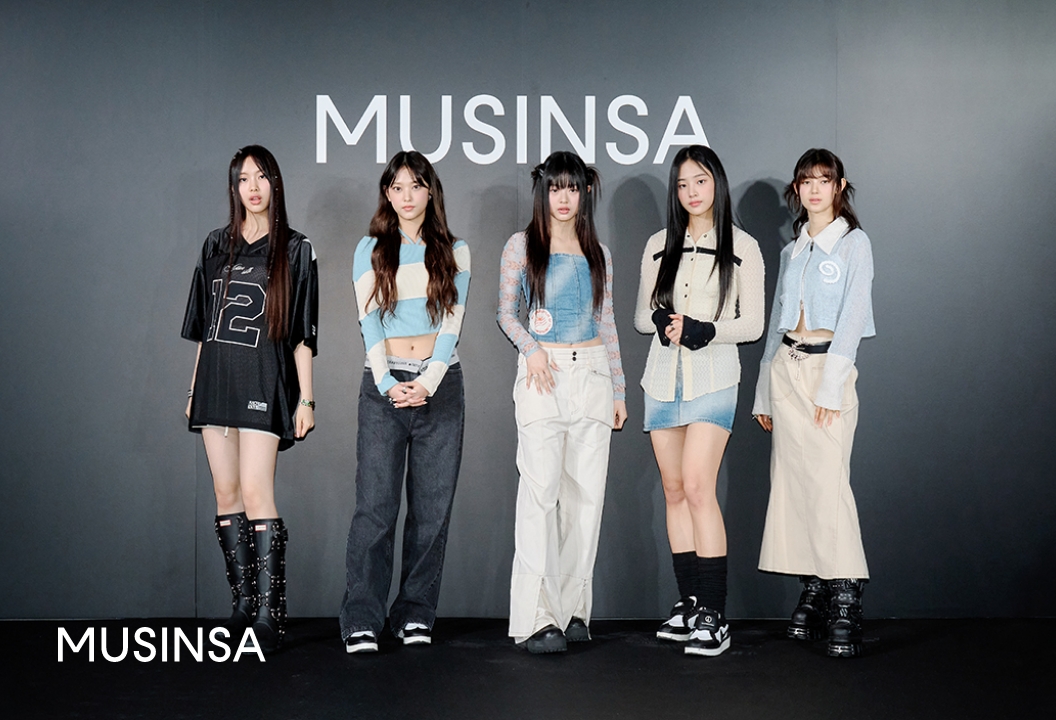
South Korean fashion marketplace, Musinsa, is advancing its business strategy in China by launching on Tmall Global, the cross-border e-commerce platform owned by Alibaba Group. This step builds upon Musinsa’s initial foray into the Chinese market last year through the domestic Tmall marketplace. This dual-platform presence gives Musinsa the advantage of permeating both the local Chinese e-commerce ecosystem and the cross-border shopping channel.
Musinsa’s aim is to assist small and mid-sized Korean fashion brands who have traditionally encountered high barriers to China’s market entry, such as regulatory complexity, logistical hurdles, and the high costs associated with establishing local operations. By leveraging the platform model, these brands can sell their products directly to Chinese consumers without the need to establish a local entity. Musinsa is also in a position to extend comprehensive services to participating brands. These services include platform integration, logistics coordination, marketing, and customer service.
Content-Led Curation Strategy and Promotional Initiatives
Musinsa is adopting a content-led curation strategy to introduce Korean fashion trends to Chinese consumers. Alongside this, the company is outlining various marketing initiatives. These include co-branded campaigns with Tmall Global, promotional events, and livestream shopping activations.
Musinsa had already made headway into the Chinese market through a joint venture with Anta Sports, establishing Musinsa China to expand through both online and offline channels. The company launched its flagship store on Tmall last year, introducing its modern basic casual wear brand, Musinsa Standard, as well as Musinsa Store.
A representative from Musinsa China stated that the opening of the online flagship store was the first step towards introducing competitive emerging Korean brands to China’s younger generation. The representative also indicated that Musinsa would utilize its vast experience in the fashion industry and localization strategies to quicken the global expansion of K-fashion.
Questions & Answers
What is Musinsa’s plan for the Chinese market?
Musinsa plans to aid small and medium-sized Korean fashion brands in accessing the Chinese market by providing a platform for them to sell directly to Chinese customers.
What services is Musinsa offering to participating brands?
Musinsa is providing comprehensive services including platform integration, logistics coordination, marketing, and customer service.
What is Musinsa’s strategy to promote Korean fashion trends in China?
Musinsa is adopting a content-led curation strategy to introduce Korean fashion trends to Chinese consumers and is planning various marketing initiatives such as co-branded campaigns with Tmall Global, promotional events, and livestream shopping activations.