Tag: Durians

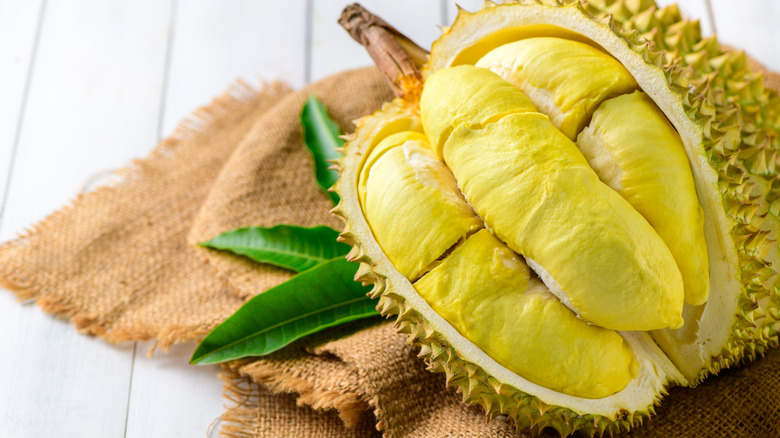
  • Penang Takes Bold Stand Against Counterfeit Balik Pulau Durians to Safeguard Authenticity

    Penang Takes Bold Stand Against Counterfeit Balik Pulau Durians to Safeguard Authenticity

    Fahmi Zainol, chairman of Penang’s Agrotechnology, Food Security, and Cooperative Development Committee, announced on Tuesday that a collaborative operation is underway, involving the police, the Agriculture Department, and the Federal Agricultural Marketing Authority, as reported by the national news agency Bernama.

    Cracking Down on Durian Deceit

    “We’ve pinpointed two or three hotspots where trucks are bringing in durians from Thailand but selling them off as local produce,” Fahmi said, emphasizing that authorities are now gearing up for the perfect moment to initiate raids. This crackdown is a direct response to public complaints and ongoing inspections. As part of their enforcement measures, agencies have ramped up efforts by setting up roadblocks aimed at intercepting non-compliant agricultural products—especially durians.

    Fahmi made it clear that while durians from other regions aren’t outright banned, they mustn’t be misrepresented as Balik Pulau’s prized variety. To protect the unique identity of its durians, Penang launched the “Track and Trace” system at the beginning of June. This innovative program labels each durian with a QR code that links it back to its farm of origin, according to Bloomberg.

    “This way, consumers can trace every durian from farm to table,” Fahmi explained, with a hint of pride in his voice. So far, 60 farmers have joined the system, while 20 larger producers have already signed up, as reported earlier this month by The Star.

    Balik Pulau, well-known for its mouthwatering durians, is also a favored tourist destination in Penang, a major hub for durian production. The Balik Pulau variety ranks among the most sought-after in Malaysia, alongside other local favorites like Musang King, Red Prawn, and Black Thorn.

    With the recent onset of durian season coinciding with Malaysia’s school holidays, local media reported a surge in tourist arrivals in Penang. Hotels are nearly at full capacity, and busy traffic is evident, especially around popular durian-selling spots.

    Beyond domestic consumption, Malaysia is making its mark in international markets by exporting durians to places like China, boasting projections that outbound shipments could reach 1.8 billion ringgit (US$425 million) by 2030. Last year alone, Penang exported an impressive 67,203 kilograms of durians, which is enough to make any durian lover’s head spin.

    Questions & Answers

    What steps is Penang taking to ensure durian authenticity?
    Penang has implemented a “Track and Trace” system tagged with QR codes that allows consumers to trace each durian back to its farm, thereby safeguarding authenticity.

    Why is there a crackdown on durian sales?
    Authorities aim to crack down on fraudulent sales where Thai durians are misrepresented as local Balik Pulau varieties, responding to public complaints and ongoing inspections.

    How do durians contribute to Penang’s tourism?
    With the durian season aligning with school holidays, tourist arrivals have surged, leading to nearly full hotels and bustling traffic around durian hotspots, solidifying the fruit’s role in the local economy.
  • Disappointment Strikes as $1-per-Kilogram ‘Mini’ Durians Fail to Impress Shoppers

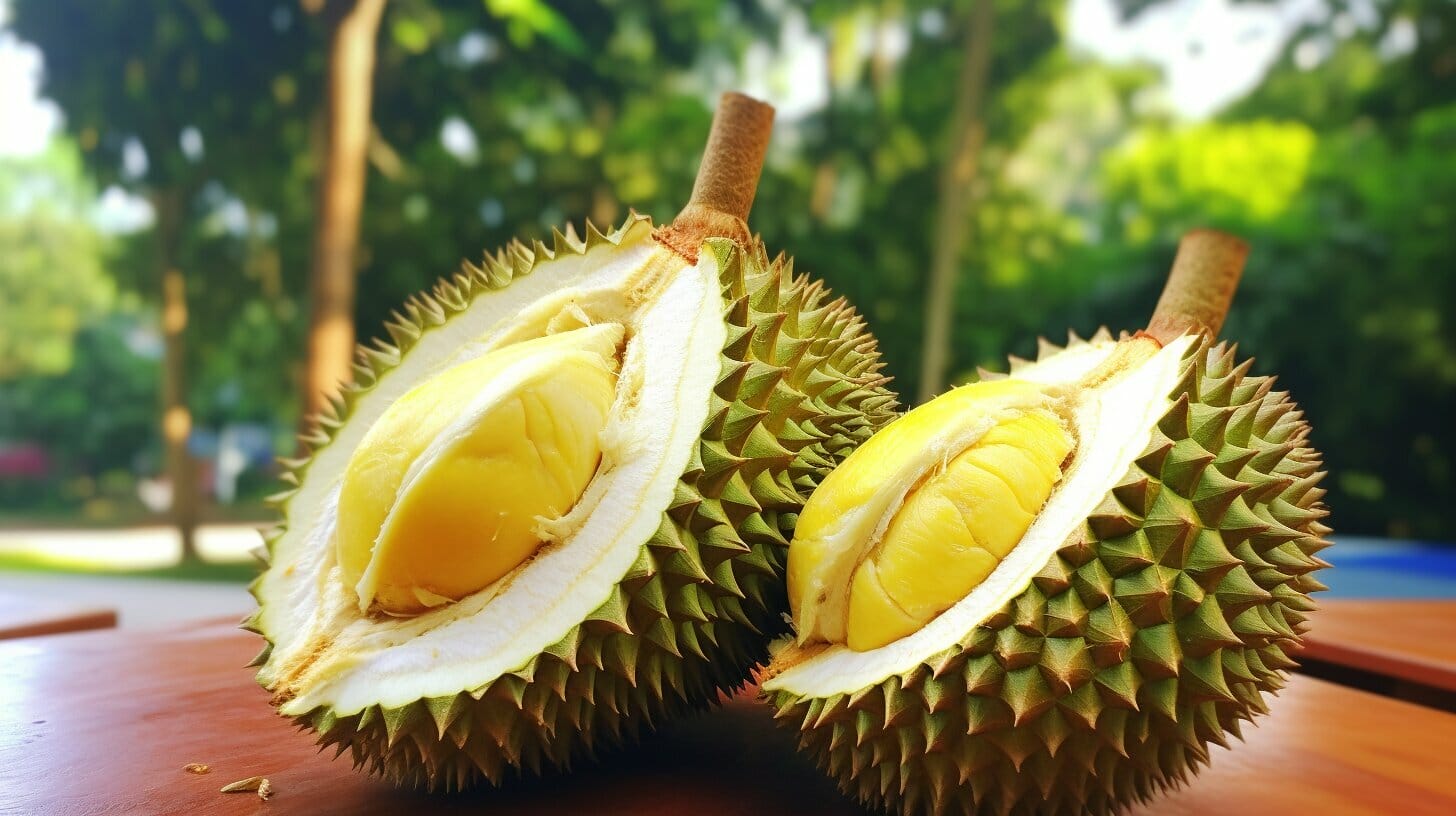
    Disappointment Strikes as $1-per-Kilogram ‘Mini’ Durians Fail to Impress Shoppers

    I found myself wandering through a lively market recently, and a curious scene caught my eye: multiple vendors were peddling durians along the bustling roadside. While one stall proudly displayed a sign touting VND70,000 per kilogram, it stood desolate. In stark contrast, another vendor’s tempting offer of “durian with small seeds for VND30,000” drew a throng of eager customers.

    Intrigued, I approached the bustling stall, wondering if I had stumbled upon the famed Thai mini durian. Just then, a group of tourists hopped off their bus, lured by the alluring prices, and I couldn’t resist eavesdropping.

    “What’s the price per kilo for the durian?” one tourist inquired, eyes wide with excitement.

    “VND70,000 per kilo,” replied the vendor. However, when a tourist pointed to the prominent VND30,000 sign, the seller dismissively gestured towards two diminutive, unripe fruits that were hardly appetizing.

    A nearby woman let out a sharp laugh, commenting, “Buy those, and you might find yourself chewing on air!”

    As more curious customers questioned the pricing, the vendor’s patience ebbed. “It’s not like I don’t have durians for 30,000!” he snapped defensively. His nonchalant attitude, as he waved away the customers’ disbelief, made me wonder if he believed such misleading practices were the norm. Sadly, it seems they are.

    I’ve noticed a trend where some vendors display large price tags, then obscure crucial details in minuscule print, like “per half kilo,” while others quote prices by the 100 grams but ultimately charge by the kilo for items like meat or seafood.

    These deceptive tactics aren’t new, but their prevalence is concerning. Do sellers really assume that customers will remain passive once they’ve stopped to inquire? While they may offload some fruit, wary consumers will not forget being misled. Such manipulative sales strategies might yield short-term gains, but they risk eroding trust and damaging their reputation in the long run.

    High prices aren’t inherently bad, but transparency is key. When customers feel deceived, they don’t just walk away; they share their experiences with others, tarnishing the vendor’s business prospects.

    Questions & Answers

    Questions & Answers

    **What prompted the author’s market visit?**
    The author was exploring the market and observed various vendors selling durians, leading to an exploration of pricing practices.

    How did tourists react to the pricing?
    They were initially interested, but when confronted with the misleading pricing, they expressed confusion and skepticism about the vendor’s honesty.

    What message is conveyed about business practices?
    The article highlights the importance of transparency in pricing, warning that deceptive practices can damage trust and hurt a vendor’s long-term business success.