
Tag: e-commerce logistics

  • Aptar Beauty Adds All-Plastic Pump to Personal Care Packaging Line

    Aptar Beauty Adds All-Plastic Pump to Personal Care Packaging Line

    Aptar Beauty launched the Novus Advance all-plastic pump on October 5, widening its polyolefin dispensing line into high-volume hair and body care formats. The unit dispenses fixed doses of 350 and 500 microlitres without metal springs or mixed-material components that disrupt commercial recycling sorting lines.

    The launch extends the Advance platform the supplier introduced in 2025, which began with the GSA Advance lotion pump and PZ Advance fine mist spray. By eliminating polyoxymethylene and internal metal springs, the company targets brands facing stricter extended producer responsibility rules across international export markets.

    All-Polyolefin Engineering and Formulation Fit

    Novus Advance runs on a full-polyolefin cartridge combining polypropylene and polyethylene. When paired with high-density polyethylene, polypropylene or PET containers, the entire bottle and closure assembly passes through standard recycling streams without requiring disassembly by consumers or sorting facilities.

    Internal mechanics rely on an exterior bellows system positioned outside the dosage chamber. Keeping the mechanical spring mechanism separated from the liquid path broadens formula compatibility, allowing personal care brands to run viscous creams, oils, hair serums and short-chain alkane formulations without chemical degradation or clogging.

    The component also integrates post-consumer recycled resin options. A twist-to-lock head eliminates the need for an overcap, reducing total plastic weight per stock-keeping unit.

    Meeting E-Commerce Transit Requirements

    Online retail compliance has become a baseline requirement for mass beauty brands selling across digital marketplaces in Asia. Aptar verified the closure under ISTA-6 protocol testing to prevent leaking during air freight, parcel sorting and direct-to-consumer delivery.

    Packaging suppliers are racing to re-engineer closures that withstand pressure drops and rough handling in parcel networks without adding secondary tape, shrink wrap or outer bags. Passing ISTA-6 standards allows personal care groups to bypass secondary outer boxing, reducing packaging costs in cross-border fulfillment.

    “Novus Advance is another step in our continued focus on ensuring our products continue to support circular economy efforts. We plan to expand this innovative full-polyolefin collection to other dosages and applications to facilitate this sustainable transition for brands,” says Luigi Garofalo, Global Category Director Personal Care & Home Care, Aptar Beauty.

    Shifting Dynamics in Personal Care Packaging

    Rival packaging suppliers are pursuing similar mono-material and refill designs as fast-moving consumer goods giants cut non-recyclable components from core lineups. Silgan Dispensing rolled out its Melodie Pirouette SNI 13 pump in late September 2026, pairing a screw-neck closure with moulded glass bottles for portable refill formats in partnership with Groupe Pochet.

    For consumer goods operators across Asia-Pacific, packaging shifts carry operational trade-offs on manufacturing lines. Transitioning from conventional metal-spring dispensers to polyolefin bellows often requires retooling capping machinery and verifying seal integrity across varying liquid viscosities and factory temperatures.

    Brands face commercial risks if all-plastic pumps fail to match the tactile feel or priming speed of traditional metal springs. Contract packagers and private-label manufacturers must balance higher initial tooling costs against long-term savings on plastic packaging taxes in major consumer territories.

    Building Out the Mono-Material Portfolio

    Aptar Beauty developed the Advance line over several product cycles, shifting flagship dispensing designs to mono-material resin architectures. The rollout follows earlier iterations in fragrance and facial skincare, where the group adapted its best-selling fine mist and lotion formats to meet European and North American circular packaging mandates.

    Brand owners are accelerating procurement reviews as regional packaging regulations penalise mixed plastics. The company will expand the polyolefin cartridge platform into additional dosage volumes and closure diameters in 2027.

  • SingPost Trials Digital Stamps from 62 Cents for Domestic Mail

    SingPost Trials Digital Stamps from 62 Cents for Domestic Mail

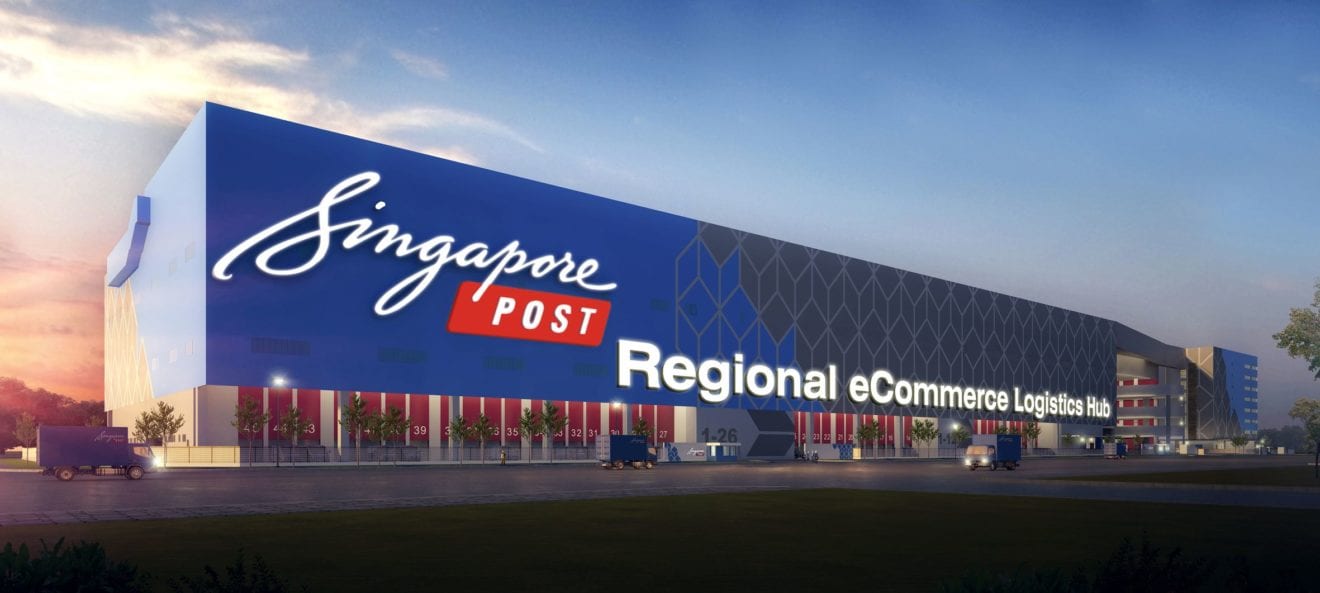
    Singapore Post launched a public trial for digital stamps on Oct 8, allowing consumers across Singapore to send domestic mail using unique codes purchased through its mobile app.

    Postage costs 62 cents for standard regular mail and 90 cents for standard large envelopes, sold in minimum purchases of five stamps valid for 24 months. Users no longer need physical stamps or labels.

    How the digital code system works

    Buyers purchase stamps in the app and write the generated alphanumeric code on the top-right corner of standard envelopes or postcards. They can drop the mail into any street posting box, post office counter, or residential letterbox return slot.

    For the trial running until April 6, 2027, SingPost is discounting five-stamp regular sets to $1 from $3.10. Five-stamp sets for large mail cost $1.50 during the promotional window. Accounts are limited to one discounted purchase each.

    Sorting automation and optical recognition

    Handling handwritten codes shifts operational pressure onto sorting centers. The trial tests optical character recognition scanners on live mail volumes. SingPost will calibrate sorting accuracy across different handwriting styles.

    Gan Heng, head of customer experience at SingPost, said:

    “Digital stamps remove that barrier entirely.”

    Digital postage applies strictly to domestic basic mail, including letters, postcards, and printed paper items. Alongside the scanning trial, SingPost added collectible digital graphics to the app. Users unlock commemorative designs, such as a 61st National Day theme and a Fullerton Building graphic, every 15 purchases.

    Network adjustments across residential hubs

    This trial links with the operator’s residential collection rollout completed in September. Dubbed SingPost@MyBlock, that project converted letterbox return slots across more than 20,000 residential buildings into collection points for outbound letters and small parcels.

    Postal operators across the Asia-Pacific region face declining letter volumes as corporate billing and consumer correspondence move online. SingPost cuts the overhead of running stamp vending machines and retail counter queues by digitising postage, while keeping its collection network active.

    Next steps in the rollout

    Neighborhood infrastructure expanded after first-quarter operating profit rose 55.2 per cent to $4.1 million on cost cuts in core delivery units. Connecting app payments to automated sorting machinery forms the next stage of the overhaul.

    A four-day public show at SingPost Centre in Paya Lebar runs through Oct 11 to demonstrate the scanning workflows. The trial will gather consumer feedback through the mobile application until the test period closes on April 6, 2027.

  • Indian Quick Commerce Expands to 477 Cities as Dark Store Networks Multiply

    Indian Quick Commerce Expands to 477 Cities as Dark Store Networks Multiply

    India’s quick commerce platforms now operate dark stores across 477 cities, pushing 10-minute grocery and essentials delivery well past the country’s primary metropolitan hubs.

    A study by brokerage CLSA shows 3,536 dark stores active across India’s top 10 cities alone, excluding operations run by Amazon and JioMart. Blinkit holds the largest footprint with 969 locations, followed by Zepto with 828, Flipkart Minutes with 627, Swiggy Instamart with 615 and BigBasket with 497.

    Blinkit Extends National Lead

    Blinkit accounts for 30 per cent of all dark stores across the top 10 metropolitan markets and more than 34 per cent nationwide. The platform maintains the top store count in six of those 10 urban centres, while operating without direct rival competition in more than 180 smaller cities.

    Newer entrants are setting up smaller dark store footprints in secondary markets to evaluate unit economics and local basket sizes before committing capital. Established operators plan to enter those same territories later, capitalising on initial consumer habits built by early movers without absorbing early customer acquisition costs.

    Rivalry Shifts in Tier-1 Metros

    Competition among the largest platforms is recalibrating inside major cities. Flipkart Minutes has overtaken Swiggy Instamart in dark store numbers and postal code coverage across the top 10 urban markets.

    Swiggy countered by opening the highest number of dark stores among the top three operators over the past month to increase neighborhood density. Denser hubs reduce delivery times, widen product assortment and improve courier route efficiency.

    The race among Indian delivery platforms mirrors previous logistics turf wars in Southeast Asia and mainland China, where early land grabs in top-tier cities eventually gave way to a contest over suburban route efficiency and average order values. While platforms in China folded rapid delivery into broad e-commerce ecosystems, Indian operators are building standalone micro-warehouses to defend grocery margins.

    Network additions by the top three operators have trailed overall sector expansions in new pincodes, leaving smaller regional platforms to test untapped territories before the next wave of consolidation begins.