Tag: e-waste

  • Retailers join StarHub in e-waste recycling initiative to improve the current situation

    Retailers join StarHub in e-waste recycling initiative to improve the current situation

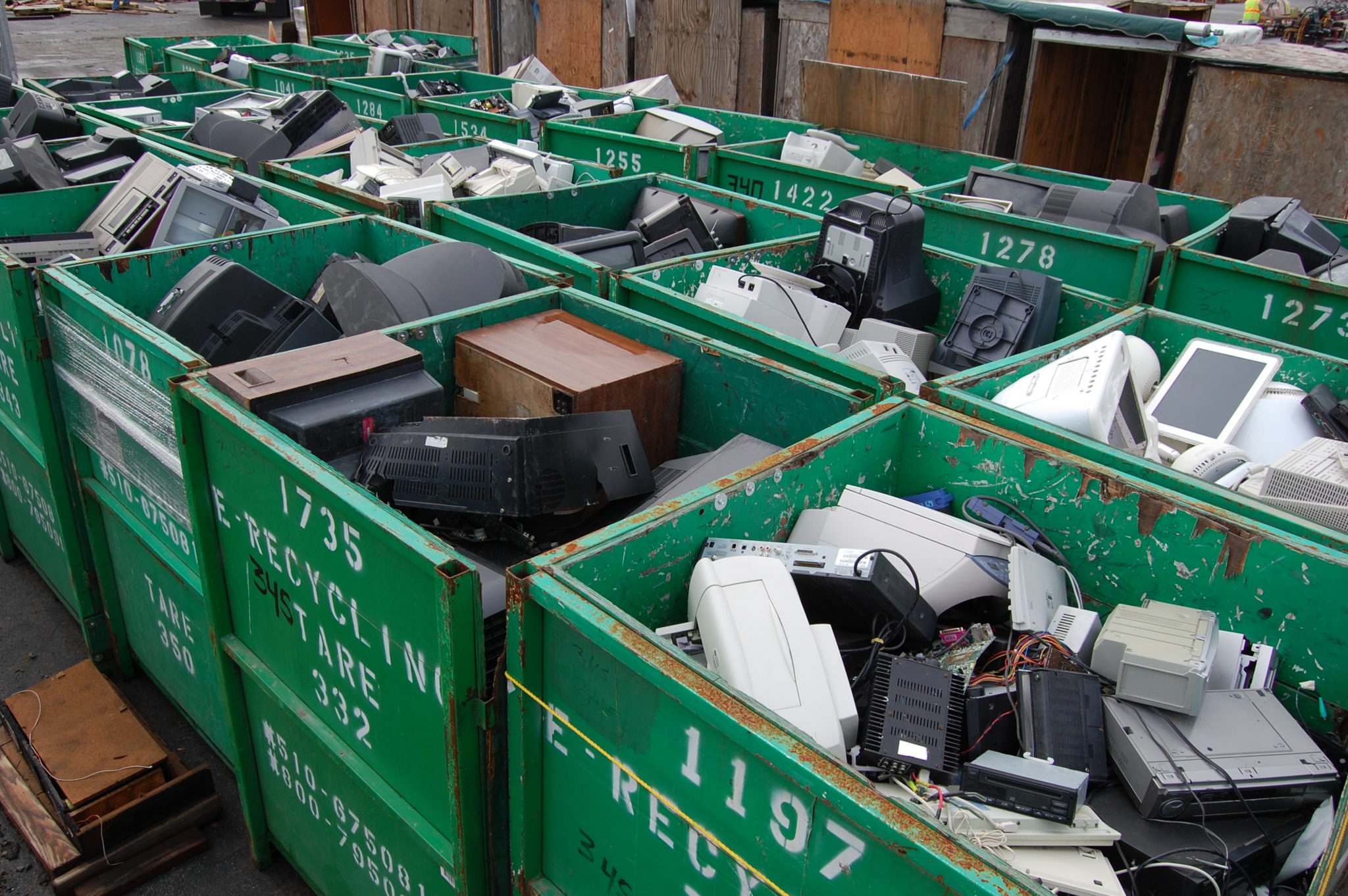
    Four electronics retailers, Best Denki, Courts, Gain City and Harvey Norman have joined DHL, StarHub and Tes’ Renew program to further encourage electrical and electronic waste (e-waste) recycling in Singapore.

    Under the collaboration agreement, the four retailers will place the Renew bins in 20 of their retail stores. These include seven Courts stores, five Best Denki and Gain City stores each and three Harvey Norman stores.

    The signing of the e-waste recycling agreement was watched by Minister for the Environment and Water Resources Masagos Zulkifli, and Senior Minister of State, Dr Amy Khor, at StarHub Green. The aim of expanding the Renew program to include the four major electronics retailers is to provide consumers with greater recycling convenience and encourage them to responsibly dispose of their unwanted electronic devices as well as information and communications technology (ICT) equipment.

    The network of 468 Renew bins can be found across 422 locations island-wide, including educational institutions, malls, government offices, office buildings and community clubs. Since the launch of the StarHub Renew program in 2012, the amount of e-waste collected has increased exponentially. The program has cumulatively collected more than 249 tonnes of e-waste since 2012, with more than 92 tonnes collected last year.

    “The rate at which e-waste is generated has gathered pace as Singapore progresses toward its Smart Nation vision,” says StarHub chief strategic partnership office Jeannie Ong.

    “As DHL works toward its 2050 zero emission goal, we want to encourage more of our partners, customers and employees to join us on this journey. E-waste growth will only continue to accelerate with the pace of digital transformation, says DHL Express Singapore head of commercial Julian Neo.

    Non-bulky e-waste items such as mobile phones, cables, modems, laptops, remote controls, keyboards, mice, DVD players, MP3 players and lithium-ion batteries can be deposited into the Renew bins.
  • How does electronic waste get recycled?

    How does electronic waste get recycled?

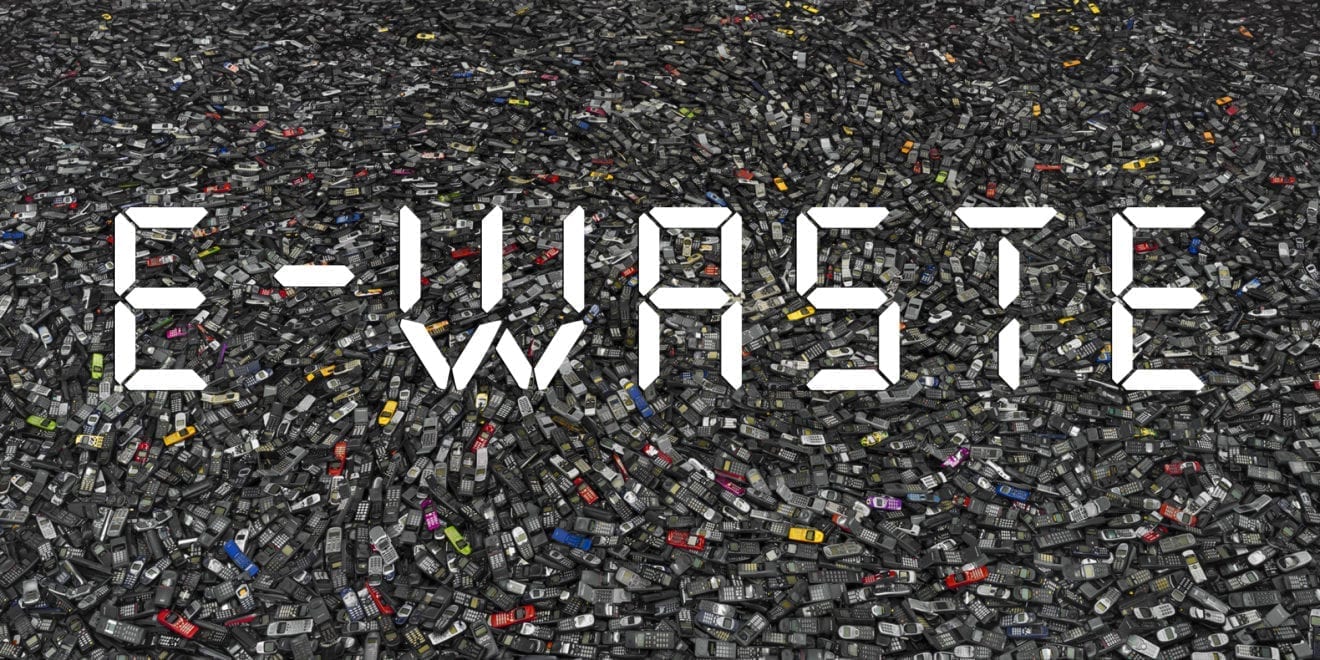
    The life cycle of electronics and electrical equipment (EEE) does not end when they stop working.If recycled properly, the precious metals found in electronic waste can go towards new EEE products.Discarded consumer electronics such as mobile phones, for instance, contain small amounts of precious and rare earth metals such as gold and silver.Scrapped cars and home appliances such as fridges and air conditioners also contain these rare metals, along with base metals of iron and zinc.In Singapore, there are several e-waste recycling initiatives for consumers.

    StarHub, for instance, partners recycling company Tes-Amm and logistics company DHL Delivery to place 328 specialised recycling bins in 277 locations under its Renew programme.Singtel has recycling bins placed at three of its shops for consumers to discard their used gadgets.Under the Project Homecoming initiative led by Canon and Epson, those with ink and toner cartridges can also drop them off at selected National Library Board locations.SORTED

    Once collected, the e-waste is sorted, labelled and dismantled according to their types – wires, LCD screens, hard disks and more.Measures, such as demagnetising hard disks, are taken to ensure data security.The e-waste is then exported to countries equipped to separate the metals through chemical processes.Once extracted, the metals are used in the manufacture of new products.

    Why recycle e-waste?

    When electronic waste is not disposed of properly, both the environment and public health suffer.This is because e-waste is very heterogeneous, National University of Singapore’s Associate Professor Tong Yen Wah explained.Apart from being made up of many types of components and materials, discarded electronics are also assembled in many ways, from simple devices like batteries to complex ones like smartphones.
    “All of these make e-waste very difficult to handle and recycle, and if their disposal is not done properly, these materials can get out and be circulated in the environment,” said the co-director of NUS’ Energy and Environmental Sustainability Solutions for Megacities programme.For instance, toxins from e-waste in landfills can seep into the groundwater that flows into rivers, causing water pollution.