Tag: earning

  • Five things to watch for as AirAsia reveals earnings

    Five things to watch for as AirAsia reveals earnings

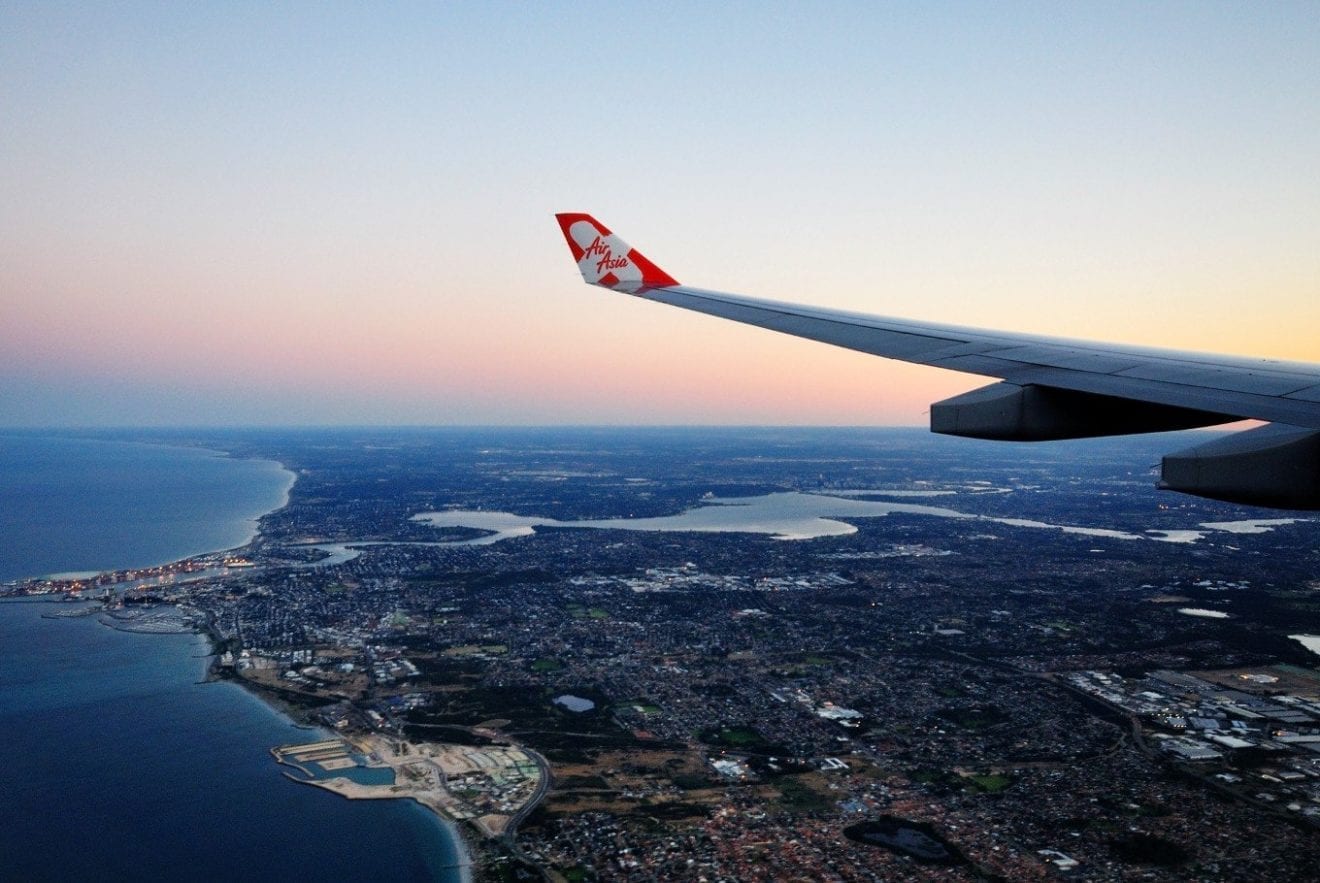
    Budget airline pioneer Tony Fernandes has built AirAsia Group into a benchmark for aviation in Southeast Asia in the 17 years since he founded the company.

    No longer satisfied with just flying passengers from A to B, Fernandes wants to use the data collected from the 100 million passengers he transports each year to transform the group into the “Amazon of travel.”

    Buffeted in recent months by the global trade war, high fuel costs, increased competition and other hurdles such as a failure to crack the lucrative Vietnamese market, the company’s shares are down nearly two-thirds from the all-time high of 4.6 ringgit ($0.53) in February last year.

    As AirAsia Group reveals its financial results for the second quarter on Wednesday in Kuala Lumpur, here are five things investors will be watching.

    One of the aviation industry’s most important metrics that measures the average fare per passenger per kilometre, Maybank Investment Bank’s Mohshin Aziz, is expecting lower yields to dampen profits.

    Mohshin is forecasting a second-quarter net profit of 111 million ringgit ($13 million), that’s 65% lower than for the same period last year, but up 9% on the first quarter.

    “Load factor declined by 0.4 percentage points year-on-year to 85.1% in second-quarter 2019 on the back of 16.8% year-on-year capacity growth,” Mohshin said. ” This is a very respectable load but it likely came at the expense of lower yields, in our view.”

    Mohshin said in terms of yields, AirAsia’s published fares look relatively weak in the second quarter of 2019 when compared to the same period last year.

    In the first quarter of 2019, yield declined by 4.1% year-on-year. “We expect more of this in the reported second quarter of 2019.”

    Fuel Prices

    Rising fuel prices have hit other regional carriers such as Virgin Australia hard, with the airline reporting a loss of AU$315.4 ($212.5 million) on Wednesday for the 12 months to June 30.

    But MIDF Amanah Investment Bank’s Adam Mohamed Rahim believes AirAsia’s prudent hedging policy could help the bottom line this quarter.

    “Our positive outlook on the group stays intact on its more prudent hedging policy, stable operations with added capacity and continuous improvement to derive higher values per kilometre flown,” said Adam.

    Adam will also be watching out for any estimate from AirAsia on whether a new departure tax to levied from September 1 of 8 Ringgit per passenger for destinations within the Association of Southeast Asian Nations, and 20 Ringgit for non-ASEAN destinations will cause a dip will impact on passenger growth.

    Geographic Segment

    AirAsia carried 42.2 million passengers in Malaysia last year, making it one of the group’s most profitable markets, but operations in Indonesia, Thailand and elsewhere have struggled, with net income slipping 92% in the three months to the end of March from the same period a year ago.

    Second quarter earnings could tell a different story though, said Ahmad Maghfur Usman of Nomura Securities, who believes AirAsia’s short-haul operations, especially to Indonesia and Japan, will show significant improvement.

    Ahmad added that improving supply and demand dynamics were in the carrier’s favor, with lower fuel costs going forward also expected to help boost profitability.

    ‘Amazon of Travel’

    After announcing a leadership reshuffle earlier this month, Fernandes’ ambitious plans to morph AirAsia into something other than a budget carrier is starting to take shape.

    “We are now the 13th largest airline flying about 100 million passengers annually and collecting piles of data in the process,” Fernandes said in June. “It is not a huge leap to say we are becoming a digital power.”

    Any further light that Wednesday’s results can shed on exactly how Fernandes plans to expand online, and fend off established rivals such as Expedia and Booking.com, will also be keenly anticipated.

    Philippines AirAsia

    When Philippine business mogul Michael Romero revealed in June that he had upped his stake in Philippines AirAsia to 45%, as well as announcing a $350 million capital infusion, it seemed like the long-awaited initial public offering of the AirAsia Group affiliate would finally get off the ground.

    That was until last weekend when Fernandes told reporters in Bangkok that he was still in wait-and-see mode regarding the Philippine unit’s bid to go public.

    “It’s there, but with no particular rush to be honest,” Fernandes said. “We want to maximise the valuation, so you know after a very tough start our earnings are very strong, the fuel price is going down, tourism is going up.”
  • Deliveroo Riders Can Now Get Same-day Access to Earnings

    Deliveroo Riders Can Now Get Same-day Access to Earnings

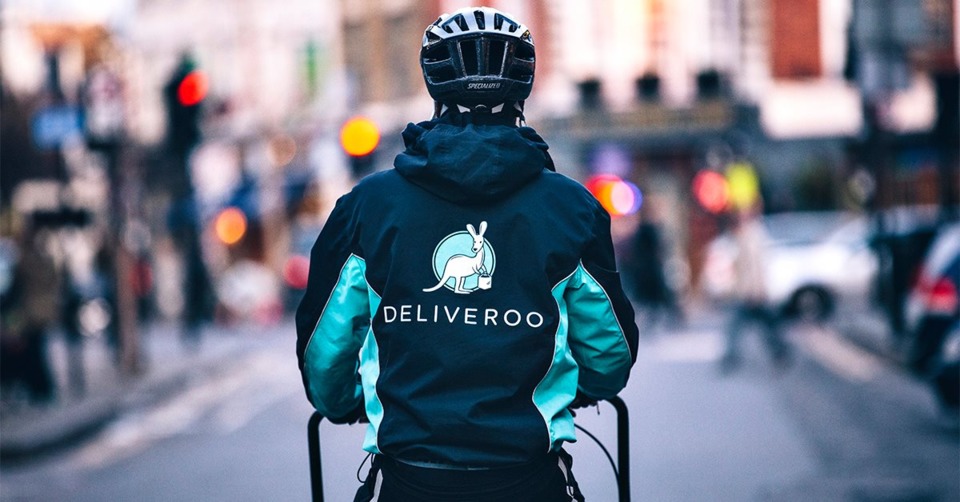
    Deliveroo riders in Hong Kong can now get paid quicker as part of a new initiative being introduced by the company. The leading food delivery service has launched ‘Get Paid’, which allows riders to opt to receive their fees as early as the same day at the tap of a button, should they wish to.

    This new feature will help riders manage their finances, to access money in an emergency or simply if they need instant money. Whether it’s a student needing extra cash before their loan arrives, someone with a part-time job needing money to tie them over until their payslip arrives, or a parent needing funds to pay for an unexpected household bill, Get Paid will help ensure riders’ fees have access to their earnings when they need it most.

    Riders in Hong Kong currently receive their earnings on a bi-weekly basis, however they can now also choose to get these earnings more quickly. If they want, riders can get their earnings on the same day if requested by midday, or on the following day if requested after midday; rather than waiting. It is completely riders’ free choice whether they want to make use of this new service.

    This new feature reflects the changing world of work, with more and more people choosing flexible, on-demand ways of working to fit their lifestyle. Just as riders’ work is on-demand, many now also want to be able to access their earnings on-demand.

    This new option for riders cements Deliveroo’s commitment to offering flexible work and attractive earnings. Riders can not only login and logout where and when they want, they can now get paid when they want.

    Brian Lo, General Manager of Deliveroo Hong Kong, said, “Workforce today want flexible work that puts them in control of their hours and earnings, and Deliveroo is proud to continually innovate our offerings to deliver on these demands. ‘Get Paid’ empowers our outstanding fleet of riders, so they can enjoy more control over when and how they get paid. This is great news for riders and it’s an exciting step forward for Deliveroo in our ongoing push to offer the flexible, well-paid work riders want.”

    Since its global launch in March, 70% of Deliveroo’s riders have used Get Paid, and up to 25% of active riders on a given day are using it to access their pay. Deliveroo is also seeing riders Get Paid more than once a week, at an average of every four to five days, with Sundays being the biggest day.

    Mr. Leung, a 28 year-old Deliveroo rider in Hong Kong who is a part time rider and a full time car maintenance technician has tried the Get Paid feature, said, “Get Paid is a great option in case I need to access my pay earlier than expected. I appreciate that being a rider with Deliveroo means I get more choice and flexibility, which is essential for my busy lifestyle. I can decide when I want to work and access well-paid work on demand, and now thanks to Get Paid I can also access my earnings when I need them.”

    Get Paid emerges on the heels of other recent Deliveroo initiatives to support the needs of riders in Hong Kong and help them enjoy well-paid, secure, flexible work from Deliveroo which can be combined with other responsibilities such as studying. In 2018 Deliveroo launched a completely free, first-of-its-kind insurance package for all on-demand self-employed Deliveroo riders in Hong Kong and worldwide. This year, Deliveroo is providing over 150 riders in Hong Kong with access to 13 first aid training courses administered by the Hong Kong Red Cross, to equip them with life-saving skills which can benefit the riders and the Hong Kong community where they live and work.

  • Vietnamese banks report solid profits, employees hopeful of high bonuses

    Vietnamese banks report solid profits, employees hopeful of high bonuses

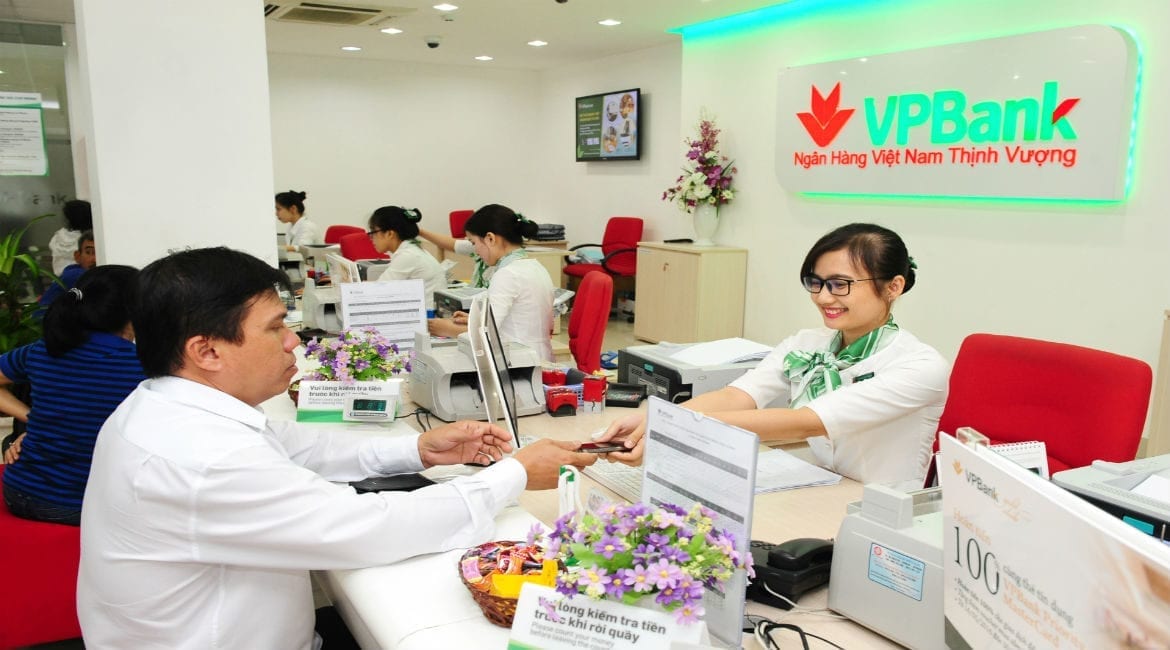
    With Vietnamese banks reporting substantial profits last year many of their employees are expecting higher Lunar New Year bonuses. The banking sector’s overall profit before tax increased by 40 percent year-on-year, according to the National Financial Supervisory Commission. Vietcombank, the largest bank by market capitalization, said in a recent report that its consolidated pre-tax profit was up 62 percent to VND18.3 trillion ($789.55 million).

    TPBank said pre-tax profit doubled to VND2.26 trillion ($97.5 million), exceeding its target of VND2.2 trillion ($94.93 million). The lender’s profit has almost quadrupled against 2015.

    Sacombank’s profit before tax of VND2.2 trillion ($94.93 million) was 20 percent higher than its target.

    Bank employees are thrilled by the performance ahead of Tet, Vietnam’s Lunar New Year, which falls on February 5 this year.

    Mai, a Sacombank worker who asked to be identified only by her given name, said: “Our bank’s profit is a few times that of 2017, so we hope to have a higher bonus.”

    Minh Nhat of Orient Commercial Bank, said his bank determines Tet bonuses based on the performance of each branch and individual. Last year his most productive colleagues had received a five-month bonus, while everyone got at least a month’s salary as bonus. He hopes this year it would be even higher.

    Le Minh Tan, director of the Ho Chi Minh City Department of Labor, Invalids and Social Affairs, told VnExpress that the highest Tet bonus this year is by a HCMC-based bank — VND1.17 billion ($50,493) for an employee.

    Companies plan to pay VND3.4 million ($147) on average, 30 percent higher than last year, he added.

    Three bank leaders said they are still calculating the rewards.

    “We calculate rewards using personal KPI (key performance indicator) and branch productivity, so the bonus will vary between individuals,” one CEO said, adding that some employees would receive a three- or four-month bonus or even higher, while some would get nothing.

  • Nokia beats estimates with Q4 earnings

    Nokia beats estimates with Q4 earnings

    Nokia has reported a narrower-than-expected 64.6% year-on-year decline in fourth quarter net profit to $682 million, as the company’s efforts to expand its portfolio to compensate for a shrinking mobile equipment market bore fruit.

    The company’s ebitda declined 27% over the same period to $1.01 billion, but analysts had been projecting a decline to $850 billion.

    Net sales fell 14% year-on-year to €6.7 billion ($7.21 billion), in a result Nokia said reflects challenging market conditions during the quarter.

    But Nokia CEO Rajeev Suri said the company’s diversification strategy helped compensate for these conditions somewhat.

    “At the start of the year, Nokia was focused primarily on mobile networks,” he said.

    “We ended the year as a company with a complete portfolio spanning mobile, fixed, routing, optical, stand-alone software and more; with solid opportunities to drive higher returns through expansion into new customer segments; with emerging businesses in digital health and digital media; and with greatly expanded patent and brand licensing activities.”

    For the full year, net sales fell 10% to $23.94 billion, while operating profit fell 25% to  $2.17 billion.

    “Our ongoing intense focus on execution, cost management and pricing discipline was critical to offset the impact of challenging market conditions over the course of the year,” Suri said.

    “While I remain disappointed with our topline development in 2016, we continue to expect our performance to improve in 2017 and see the potential for margin expansion in 2017 and beyond, as market conditions improve and our sales transformation programs gain further traction.”