Tag: earnings

  • Dingdong Lifts Second Quarter Profit to $40 Million Ahead of Meituan Deal

    Dingdong Lifts Second Quarter Profit to $40 Million Ahead of Meituan Deal

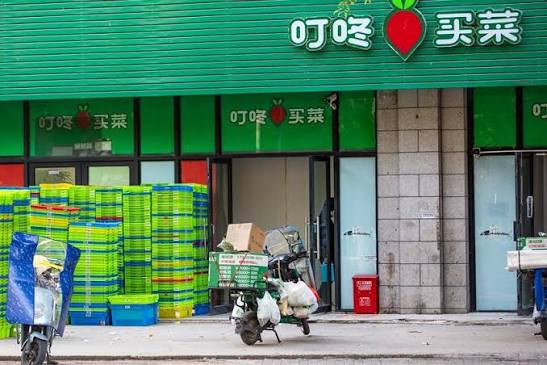
    Dingdong boosted second-quarter net income by 153 per cent to $40 million, lifted by higher domestic order frequency and an accounting adjustment on assets designated for sale.

    Revenue rose 8.6 per cent to $956.1 million for the three-month period, while gross merchandise value increased 11.8 per cent to $1.07 billion.

    Accounting Shift Drives China Earnings

    Net profit from operations in China surged 155 per cent. That increase stemmed primarily from the cessation of depreciation and amortisation charges on long-lived assets classified as held for sale under US GAAP rules. Overseas operations moved in the opposite direction, with net losses widening 166 per cent despite a 36.2 per cent rise in international revenue.

    The divergent performance comes as Dingdong prepares to hand over its domestic operations. In February, the grocer agreed to divest its China business to on-demand delivery giant Meituan. That transaction remains pending regulatory and closing conditions.

    Summer Peak Drives Daily Volumes

    Chief executive Song Wang credited higher order frequency among loyal members for driving the gains. Dingdong has now recorded non-GAAP profit across 15 consecutive quarters, alongside 10 straight quarters of year-over-year revenue expansion and positive GAAP net income.

    Trading accelerated further as the platform entered its summer peak in July. Monthly gross merchandise value hit a record high, with single-day sales exceeding RMB 100 million multiple times during the month.

    China’s instant-grocery sector has shifted decisively toward consolidation after years of heavy cash burn, forcing independent warehouse networks to integrate into larger delivery ecosystems or redirect resources abroad. Dingdong’s run of GAAP profitability shows the frontline warehouse model can deliver positive margins once promotional subsidies recede.

    Market attention now centers on the completion date for the Meituan transaction, which will determine how quickly Dingdong pivots its core focus toward international expansion.

  • Kogan Group Gross Sales Pass $1 Billion as Core E-Commerce Offsets Mighty Ape Loss

    Kogan Group Gross Sales Pass $1 Billion as Core E-Commerce Offsets Mighty Ape Loss

    Kogan Group lifted annual gross sales past $1 billion in the year ended June 30, driven by double-digit expansion across its core Australian e-commerce platform.

    Group revenue rose 5 per cent to $510 million, while statutory net profit after tax reached $11.2 million. The result masked a sharp divergence between the company’s flagship Australian portal and its struggling New Zealand subsidiary.

    The main Kogan.com business expanded gross sales and revenue by 16 per cent during the period, delivering $16.3 million in net profit. Management credited internal automation and AI-driven processes with lowering operational expenses, freeing cash to reinvest in customer marketing while defending profit margins.

    Restructuring the New Zealand Arm

    Mighty Ape remained a drag on bottom-line earnings, posting a $5.1 million net loss. Gross sales at the Auckland-headquartered online retailer fell 14 per cent, while annual revenue dropped 30 per cent as the group dismantled unprofitable operations.

    To stem the losses, management halved inventory from $21 million to $10 million and shuttered its Christchurch fulfillment center. Those reductions lowered quarterly fixed operating costs from $4.9 million to $3.4 million, pushing Mighty Ape into positive adjusted EBITDA in the fourth quarter.

    Higher-margin digital services cushioned the hardware contraction. Paid subscriptions via Primate, marketplace commissions, and the Mighty Mobile telecommunications service all expanded their share of the subsidiary’s total top line.

    Marketplace Shift Across Australasia

    The split performance mirrors a broader transformation across Australasian e-commerce, where pure-play retailers have moved away from holding heavy direct inventory to rely on third-party marketplace commissions and automated logistics. RetailNews Asia has tracked similar inventory purges at competing digital platforms seeking to protect gross margins against stubborn freight and handling costs.

    Group management confirmed it will maintain strict capital discipline across both divisions entering fiscal 2027, with full-year performance hinging on whether Mighty Ape can convert its fourth-quarter operating stability into sustained annual profit.

  • Noumi Revenue Climbs 8.8 Percent to $648.4 Million on Dairy Demand

    Noumi Revenue Climbs 8.8 Percent to $648.4 Million on Dairy Demand

    Noumi grew full-year revenue 8.8 per cent to $648.4 million for the twelve months ended June 30, led by gains in its dairy and nutritionals division.

    Adjusted operating earnings before interest, tax, depreciation and amortisation rose 7.6 per cent to $61.8 million, up from the prior corresponding period.

    Earnings improve despite shipping drag

    The Sydney-listed maker of MilkLab absorbed an estimated $2 million hit to second-half operating EBITDA caused by trade disruptions linked to conflict in the Middle East. Statutory net loss after tax narrowed 55.2 per cent to $67.2 million as legacy liabilities and exceptional costs receded.

    Operational gains came largely from higher processing volumes across dairy and plant-based beverage lines. Factory throughput remained steady across packaging facilities, offsetting higher ingredient costs with targeted wholesale price adjustments in key commercial accounts.

    Regional cafe demand supports volume

    Plant-based beverage suppliers across Asia-Pacific have faced stiff competition from local co-packers and expanding oat milk capacity. Noumi has leaned on barista-grade distribution across Southeast Asian coffee chains to protect margins that grocery private-label contracts often erode.

    Investors are tracking Noumi’s upcoming annual general meeting for detailed export segment breakdowns and full-year capital expenditure plans.

  • Alibaba Net Profit Plunges 75 per Cent on Heavy AI Infrastructure Spending

    Alibaba Net Profit Plunges 75 per Cent on Heavy AI Infrastructure Spending

    Alibaba Group reported a 75 per cent plunge in quarterly net profit to June as capital expenditure on artificial intelligence surged. Group revenue rose 9 per cent to 268.95 billion yuan, matching market forecasts while cloud computing gains offset slowing domestic commerce.

    Capital spending climbed 75 per cent year on year to 67.68 billion yuan in the three months to June 30. The Hangzhou-based group has already deployed half of its 380 billion yuan AI investment budget scheduled through 2029, buying server processors and expanding data centres to handle surging enterprise demand.

    Surging Compute Costs and In-House Silicon

    Chief executive Eddie Wu said the company expects to break even on its AI-related capital expenditure within three years at current gross margins. Revenue from AI cloud and compute services jumped 45 per cent to 48.44 billion yuan during the quarter, with annual recurring revenue from AI model-as-a-service exceeding 16 billion yuan.

    To rein in hardware expenses, Alibaba is replacing commercially procured processors with silicon built by its in-house chip division, T-head. The proprietary semiconductors are now running across clustered server racks for both model training and inference workloads, which management expects will widen operating margins as deployment expands.

    The margin squeeze mirrors the heavy infrastructure spending across Asia’s technology sector, where hyperscalers and platform operators are absorbing massive upfront costs before enterprise software monetization matures. Alibaba is defending its cloud dominance against domestic rivals Tencent and Baidu, while simultaneously backing frontier model developers such as Moonshot to anchor future compute traffic to its ecosystem.

    Reorganisation and Core Retail Headwinds

    Adjusted earnings per American Depositary Share fell to 8.52 yuan, trailing the 10.53 yuan consensus tracked by LSEG. Softer consumer demand in mainland China continues to weigh on the core marketplace division, prompting chief financial officer Toby Xu to highlight macroeconomic friction across domestic online shopping.

    Wu now leads the dedicated Alibaba Token Hub following an internal restructuring that split operations into four divisions: e-commerce, AI cloud and compute, model applications, and other businesses. Affiliate Ant Group recorded a 1 per cent rise in quarterly profit as it tests AI shopping assistants and digital health tools.

    Management is targeting overall profitability for the group’s quick-commerce unit by fiscal 2029, while tracking a three-year payback window on its current infrastructure outlays.

  • HSBC Surpasses Earnings Predictions, Upping Cost-Savings and Resuming $1B Share Buyback Program

    HSBC Surpasses Earnings Predictions, Upping Cost-Savings and Resuming $1B Share Buyback Program

    HSBC has reported a robust 23 percent hike in its first-half profit, surpassing market predictions. The banking major has also upgraded its cost-saving goal and announced the launch of a new share buyback programme worth 1 billion dollars.

    The bank’s pre-tax profit for the first half of the year stands at 19.5 billion dollars, a significant leap from 15.8 billion dollars during the same time frame last year. This outcome surpassed the market consensus prediction of 18.9 billion dollars. The elevating growth in earnings stems from higher net interest income from the bank’s operations, an uptick in fee and other income – particularly from its Wealth and Wholesale Transaction Banking businesses – and a positive net influence from notable items. Revenue also witnessed a year-on-year growth of 16 percent, backed by a 1.3 billion dollar gain from notable items, inclusive of 200 million dollars in restructuring charges.

    Revival of Share Buyback Programme

    HSBC has declared the resumption of its share buyback programme, introducing a fresh tranche of up to 1 billion dollars. This is the bank’s first buyback initiative following the privatization of its Hang Seng Bank subsidiary listed in Hong Kong.

    Earlier in the year, HSBC confirmed the 14 billion dollar purchase of the remaining shares in Hang Seng Bank that were not yet in the bank’s possession. Consequently, the bank had put share buybacks on hold in recent months. However, the bank now deems its capital standing robust enough to recommence the repurchase of its own shares.

    Speeding Up of Restructuring

    HSBC CEO Georges Elhedery now anticipates the group’s annual cost savings to reach 2 billion dollars, marking an increase from the prior goal of 1.5 billion dollars.

    Elhedery initiated a comprehensive restructuring programme after stepping into the CEO role in 2024. The bank has consequently phased out several thousand jobs and has closed or pulled out of several business areas. This includes the sale of its insurance unit in Singapore, the termination of its retail banking operations in Egypt, and the sale of its Australian mortgage portfolio.

    The bank has also elevated its guidance for net interest income, now projecting to generate more than 46 billion dollars, as compared to its earlier forecast of hitting 46 billion dollars.

    Questions & Answers

    What was the first-half pre-tax profit reported by HSBC?
    HSBC reported a pre-tax profit of 19.5 billion dollars for the first half of the year.

    What significant change has been introduced in HSBC’s share buyback programme?
    HSBC has resumed its share buyback programme with a new tranche of up to 1 billion dollars, marking the first buyback since the privatization of its Hang Seng Bank subsidiary.

    What alterations has HSBC’s CEO Georges Elhedery made since his appointment in 2024?
    Since his appointment, Elhedery has initiated a comprehensive restructuring programme, resulting in significant job cuts and the termination or exit from several business lines, including the bank’s insurance unit in Singapore, retail banking operations in Egypt, and Australian mortgage portfolio.

  • Me Today Skincare Brand Boosts Earnings Outlook Amid Global Expansion Opportunities

    Me Today Skincare Brand Boosts Earnings Outlook Amid Global Expansion Opportunities

    New Zealand’s publicly traded skincare company, Me Today, is adjusting its earnings forecast upwards, spurred by promising growth and robust global prospects.

    Boosting Revenue and Slowing EBITDA Decline

    In advance of the company’s forthcoming disclosure of its annual financial results, Me Today has announced that it anticipates a significant increase in gross revenue. Furthermore, the EBITDA decline is projected to be less severe than previously estimated.

    The company’s accomplished performance in its home territory, New Zealand, has paved the way for possible international growth. The co-founders of Me Today have recently come back from trips to Southeast Asia and China, where they participated in events aimed at promoting their brand.

    Expansion into Asia and New Product Rollouts

    During a visit to Malaysia, Me Today was launched at the second anniversary celebration of its distributor. Michael Kerr and Stephen Sinclair, co-founders of the brand, shared the brand’s origin story and introduced the initial product range to an audience of over 600 influencers and reseller partners.

    Ahead of its official launch in Southeast Asia, the company has shipped its products to the region, with nine products now up for sale in that market. Additionally, Me Today had the opportunity to exhibit its brand to an estimated 100,000 purchasers at the Children, Baby, and Maternity Expo in Shanghai.

    Back home in New Zealand, Me Today is preparing to further expand its product portfolio. The company has plans to launch an additional 20 products before the year’s end.

    Questions & Answers

    What are Me Today’s plans for international expansion?
    According to the brand’s co-founders, Me Today is focusing on Southeast Asia and China for its international expansion. The company has already begun promoting its brand in these regions and has introduced its product range to hundreds of potential partners and influencers.

    How many products does Me Today plan to introduce by the end of the year?
    Me Today aims to introduce 20 new products in its home market, New Zealand, by the end of the year.

    What is the company’s revised earnings guidance?
    While the exact figures are yet to be released, Me Today anticipates a rise in gross revenue and a slower decline in EBITDA than previously predicted.

  • UBS Sets Sights on Expansion Following Successful Credit Suisse Integration, Q2 Earnings Surpass Expectations

    UBS Sets Sights on Expansion Following Successful Credit Suisse Integration, Q2 Earnings Surpass Expectations

    UBS has outperformed second-quarter earnings predictions as it approaches the final stages of integrating Credit Suisse. As the bulk of the merger process concludes, the global leader in wealth management is progressively refocusing on expansion.

    In the second quarter, UBS posted a pre-tax profit of $3.6 billion, marking a 64% surge compared to the same period last year. The net profit reached $2.8 billion, surpassing analysts’ predictions. In the first half of 2026, UBS, the Swiss banking powerhouse, made a pre-tax profit of $7.4 billion and a net profit of $5.8 billion.

    These figures bolster the management’s belief that their acquisition of Credit Suisse, a deal completed over three years ago, is starting to yield the predicted financial benefits.

    Integration: A Hard-Won Trophy

    Sergio Ermotti, Group Chief Executive, depicted the integration as a seminal accomplishment in the bank’s recent history. He stated that acquiring Credit Suisse was not a gift, but a trophy that UBS had to earn. Ermotti acknowledged that the journey has not been smooth, but the amalgamated bank is beginning to enjoy the fruits of its extensive restructuring initiative. UBS reassured that it remains on course to surpass its 2026 profitability goals on an exit-rate basis while attaining its cost-efficiency targets.

    The initial steps of the final phase of the Credit Suisse integration were marked by the completion of large-scale client data migration in Switzerland earlier this year. UBS has now achieved $12.6 billion in gross cost savings, amounting to around 90% of its $13.5 billion target set for the end of this year. In the second quarter alone, the bank generated another $1.1 billion in gross savings.

    The technology integration is also nearing its conclusion with over 90% of legacy applications no longer being used and approximately 70% fully decommissioned, significantly reducing operational complexity across the group.

    With most integration milestones achieved, UBS is projected to devote more management attention and capital to organic growth across its global wealth management franchise.

    Wealth Management Continues to Power Growth

    The group’s principal wealth management business maintained its sturdy growth trajectory.

    Global Wealth Management drew in $36 billion in net new assets during the second quarter and $73 billion in the first half of the year. Simultaneously, Asset Management generated an additional $20 billion in net inflows.

    Invested assets hit a new high of $7.3 trillion at the end of June. UBS noticed particularly strong client inflows from Switzerland, EMEA, and Asia-Pacific, emphasizing the strategic significance of these regions to the bank’s future growth aims.

    Capital returns are also set to increase as UBS advances with integration. After concluding its previous share repurchase program in July, the bank announced a new share buyback program of up to $3 billion, set to run until the end of the second quarter in 2027. UBS intends to repurchase at least $1 billion of shares in the next three months.

    With stronger earnings, record client assets, and the near completion of integration, UBS is likely entering a new phase post-Credit Suisse—one that’s increasingly focused on growing its global wealth management franchise rather than integrating the one it acquired.

    Questions & Answers

    What were the second-quarter earnings of UBS?
    UBS reported a pre-tax profit of $3.6 billion in the second quarter, a 64% increase from the previous year. The net profit was $2.8 billion.

    What are the future plans for UBS post-Credit Suisse integration?
    UBS plans to focus more on expanding its global wealth management franchise rather than integrating the one it acquired from Credit Suisse.

    What is UBS’s new share buyback program?
    UBS announced a new share buyback program of up to $3 billion that is scheduled to run until the end of the second quarter of 2027, planning to repurchase at least $1 billion of shares over the next three months.

  • Vontobel Skyrockets to Record-Breaking Profits with an 87% Earnings Leap in H1 2026

    Vontobel Skyrockets to Record-Breaking Profits with an 87% Earnings Leap in H1 2026

    Vontobel, a Zurich-based investment manager, has reported a record profit of CHF 216 million for the first six months of 2026. This is an impressive 87 percent increase compared to the same period the previous year.

    Vontobel’s Financial Performance

    The company’s operating income jumped by 24 percent, reaching CHF 852 million. Meanwhile, operating expenses amounted to CHF 579 million. This combination resulted in a significant improvement in efficiency, indicated by the drop in Vontobel’s cost-income ratio from 77.9 percent to 67.9 percent. This is lower than the company’s ongoing target of 72 percent. Additionally, the return on equity increased to 16.9 percent, a notable rise compared to 10.2 percent in the first half of 2025.

    Company co-CEOs, Christel Rendu de Lint and Georg Schubiger, acknowledged the excellent results. They attributed the significant profit increase to higher revenues driven by robust client activity, coupled with a reduction in costs.

    Assets under management grew by 5 percent, totaling CHF 252.2 billion at the end of June. Net new money rose to CHF 2.5 billion, an improvement from the CHF 2 billion reported during the year-earlier period. Vontobel also mentioned two key factors affecting these inflows: CHF 1.3 billion in outflows linked to the return of Raiffeisen’s Futura fund management mandate, and CHF 2.5 billion in outflows from Vontobel’s Quality Growth strategies. However, excluding these factors, net new money would have amounted to CHF 6.3 billion.

    Expansion and Corporate Developments

    Vontobel’s private clients business expanded across all regions, generating CHF 2.5 billion in net new money. This corresponds to an annualized growth rate of 4.1 percent. With regards to institutional clients, assets under management increased to CHF 112.5 billion. If adjusted for outflows related to Raiffeisen and Quality Growth, net new money would have reached CHF 3.8 billion. This is equivalent to an annualized growth rate of 7.4 percent.

    Vontobel’s CHF 100 million efficiency program significantly contributed to the company’s improved profitability. The program is progressing faster than initially planned and is expected to be completed by the end of 2026. Also, Vontobel has continued to invest in growth initiatives, technology, and client-facing capabilities, integrating Quantitative Investments into its broader investment organization.

    Changes to the senior management team were also announced. Antoine Boublil will join the Executive Committee of Vontobel Holding as the Chief Financial Officer in August 2026. Meanwhile, others joining the Executive Committee, pending regulatory approval, include Gianpiero Galasso, Andrew Jackson, and Christoph von Reiche.

    Vontobel enters the second half of the year with a stronger operating performance and an improved capital base, with its CET1 ratio rising to 23.2 percent, comfortably surpassing regulatory requirements and the firm’s own continuing targets.

    Questions & Answers

    What was Vontobel’s reported profit for the first half of 2026?
    Vontobel reported a record profit of CHF 216 million for the first half of 2026.

    How much was Vontobel’s net new money for the same period?
    Vontobel’s net new money for the first half of 2026 amounted to CHF 2.5 billion.

    What changes were made to Vontobel’s senior management team?
    Antoine Boublil was appointed as Chief Financial Officer and is set to join the Executive Committee of Vontobel Holding in August 2026. Gianpiero Galasso, Andrew Jackson, and Christoph von Reiche will also join the Executive Committee, subject to regulatory approval.

  • Citibank Korea Records Significant Q1 Growth: Noninterest Revenue Fuels Highest Earnings in Six Years

    Citibank Korea Records Significant Q1 Growth: Noninterest Revenue Fuels Highest Earnings in Six Years

    Citibank Korea has reported their most impressive quarterly earnings in over half a decade. The first-quarter net income witnessed a significant leap of 61% from the previous year, primarily due to a substantial rise in noninterest income.

    Citibank Korea announced a net income of 132.8 billion won (equivalent to $88 million) on a revenue of 330.5 billion won. This represents an increase of 23 percent from the previous year. The surge was primarily driven by a 77 percent escalation in noninterest revenue derived from the bank’s principal businesses, which include fixed-income trading, according to an official statement from the bank.

    In the first quarter, expenses saw a modest increase of 1 percent year-on-year, amounting to 156.4 billion won. On the other hand, the cost of credit recorded a net decrease of 600 million won, a drop of 111 percent from the previous year, owing largely to reduced credit costs in the corporate banking sector.

    Impressive Growth Amidst Challenges

    The quarter’s return on equity rose by 3.81 percentage points to reach 9.73 percent. Despite challenges such as geopolitical conflicts and increased volatility in interest and foreign exchange rates, Citibank Korea delivered its best quarterly performance since 2018, according to the bank’s CEO, Yoo Myung-soon.

    Myung-soon highlighted that this impressive performance was the result of a significant expansion in non-interest revenue across their core businesses in Banking, Markets, and Services. He emphasized the bank’s strategic focus and use of Citi’s global network, which aligns with the global progress of Citi, which posted its best results in a decade in this year’s first quarter.

    Questions & Answers

    What led to the significant increase in Citibank Korea’s first-quarter net income?
    The bank’s first-quarter net income saw a significant increase of 61%, primarily due to a substantial rise in noninterest income.

    What contributed to the decrease in the cost of credit for Citibank Korea?
    The cost of credit recorded a net decrease due to reduced credit costs in the corporate banking sector.

    What were the main challenges faced by Citibank Korea in the first quarter?
    Some of the challenges faced by the bank included geopolitical conflicts and increased volatility in interest and foreign exchange rates.

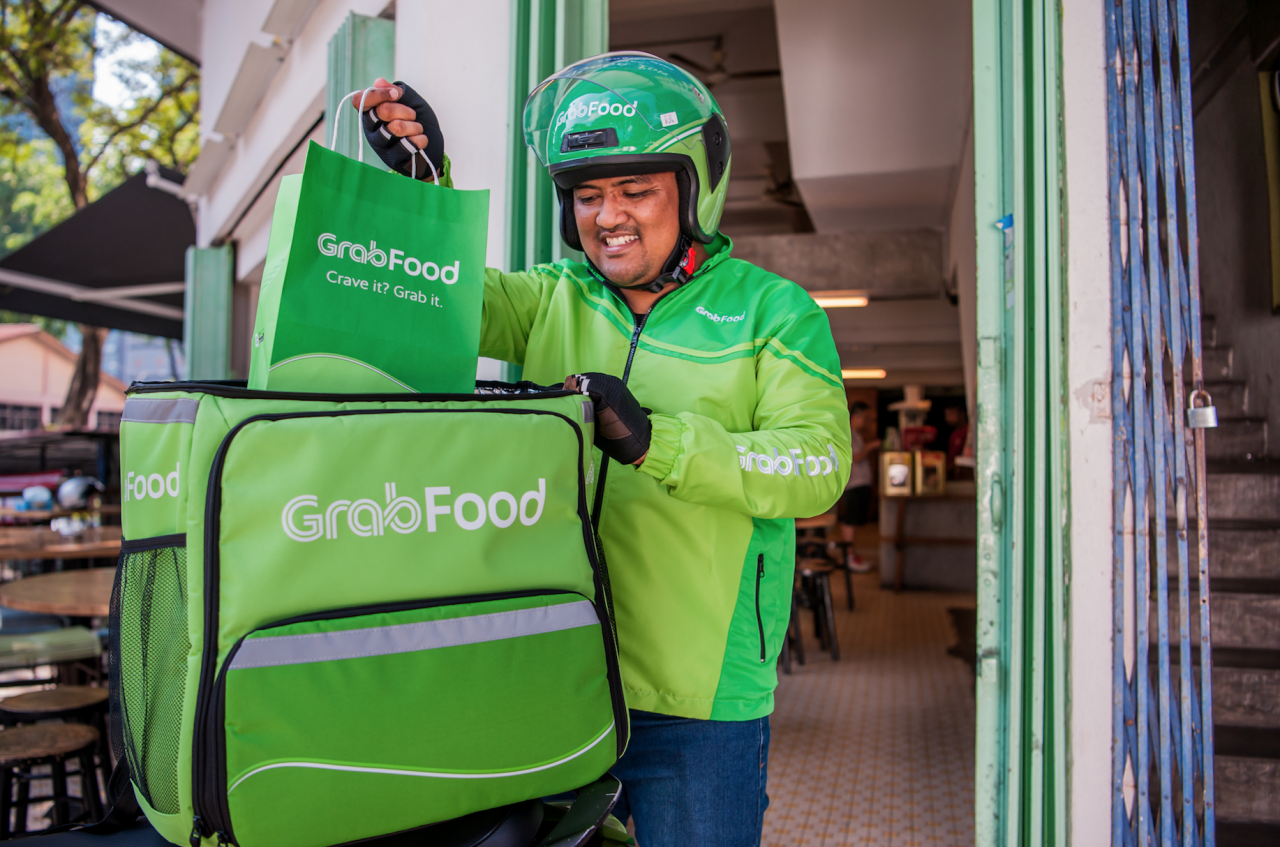
  • Grab Defies Fuel Crisis with Double-Digit Growth: Record Earnings and Soaring Demand in Q1

    Grab Defies Fuel Crisis with Double-Digit Growth: Record Earnings and Soaring Demand in Q1

    Singapore-based Grab Holdings kicked off the new financial year on a high note, reporting double-digit growth in its first-quarter revenue and earnings, reflecting the company’s robust resilience in the face of market fluctuations.

    Impressive First-Quarter Results

    Grab’s revenue for the first quarter, ending March 31, climbed by 24%, amounting to US$955 million. This represents a 19% increase when considered on a constant currency basis.

    The gross value of the company’s on-demand merchandise, a key indicator of transactions from Grab’s mobility and delivery branches, also witnessed a significant jump. It surged by 24% according to reported figures and 21% on a constant currency basis.

    The firm recorded a striking 46% increase in its Adjusted EBITDA, reaching a record-setting figure of $154 million. Profits also displayed an upward trend, going from $10 million in the previous year to $120 million.

    Grab’s Group CEO and Co-founder, Anthony Tan, attributed these strong outcomes to the resilience of the company’s platform, particularly in the face of Southeast Asia’s unpredictable macroeconomic climate, which is currently grappling with a fuel crisis.

    Supporting Driver-Partners Amid Rising Fuel Prices

    Grab acknowledged an increase in its on-demand incentives during the quarter. This move was taken to bolster the earnings of driver-partners as fuel costs across the region spiral upwards. It also aimed to cater to the increased demand during the festive season.

    Segment-Wise Performance

    Looking at the performance of different sectors, the delivery revenue witnessed a 23% surge, totaling $510 million. The mobility revenue increased by 19%, amounting to $337 million. The financial services sector also saw a boost in revenue, with a 43% rise that led to $107 million.

    Outlook for the Full Year

    For the upcoming year, Grab maintains its revenue forecast, predicting a figure between $4.04 billion and $4.10 billion, indicating a 20-22% rise. The Adjusted EBITDA is also expected to grow by 40-44%.

    As the company moves forward, it reaffirms its commitment to ensuring durable, profitable growth while standing in solidarity with its communities. According to Tan, the company plans to leverage AI to deliver hyper-personalized experiences for users while creating more sustainable earning opportunities for ecosystem partners.

    Expansion Beyond Southeast Asia

    Earlier this year, Grab made its debut outside Southeast Asia by acquiring Delivery Hero’s Foodpanda business in Taiwan for $600 million.

    Questions & Answers

    What was Grab’s first-quarter revenue?
    Grab’s revenue for the first quarter was US$955 million, representing a 24% increase.

    What steps has Grab taken to support its driver-partners amid the fuel crisis?
    Grab has increased its on-demand incentives to bolster the earnings of driver-partners affected by rising fuel costs.

    What are Grab’s revenue predictions for the upcoming year?
    Grab estimates its revenue to be between $4.04 billion and $4.10 billion, indicating a 20-22% rise.

  • HSBC Vietnam Employee Earnings Soar to $35,100, Despite Declining Bank Profits

    HSBC Vietnam Employee Earnings Soar to $35,100, Despite Declining Bank Profits

    Despite a decline in profits, the average earnings of employees at HSBC Vietnam increased by 6.6% to VND925 million (US $35,100) in the previous year. This expenditure on salaries and bonuses for its 1400-strong workforce amounted to around VND1.3 trillion, as revealed in the company’s most recent financial report.

    Comparative Income Analysis

    The increase in HSBC Vietnam’s average salaries brought the monthly income per employee to VND77 million, which is one of the highest in Vietnam. In contrast, the average monthly income at MB bank was VND49 million, Techcombank was VND48 million, and Vietinbank was VND45 million.

    Financial Performance

    However, despite the increased pay, HSBC Vietnam didn’t fare as well financially. The pre-tax profit for the British banking giant’s Vietnamese branch dropped by 7% to VND4.14 trillion, while the operating income remained constant at VND8.74 trillion.

    HSBC in Vietnam

    HSBC, one of the world’s leading financial institutions, established its legal presence in Vietnam in 2009, a full 14 years after it opened its first branch in the country.

    Foreign banks operating in Vietnam, like HSBC, often enjoy capital benefits due to support from their parent companies and primarily cater to corporate foreign clients or concentrate on retail banking.

    Questions & Answers

    What was the average income of employees at HSBC Vietnam last year?
    The average income of employees at HSBC Vietnam increased by 6.6% to VND925 million (US$35,100) last year.

    What is the average monthly income of HSBC Vietnam employees compared to other banks?
    The monthly income per employee at HSBC Vietnam is VND77 million, which is higher compared to MB bank at VND49 million, Techcombank at VND48 million, and Vietinbank at VND45 million.

    How did the pre-tax profit of HSBC Vietnam change last year?
    The pre-tax profit for HSBC Vietnam’s branch dropped by 7% to VND4.14 trillion.

  • Uniqlo Parent Company, Fast Retailing, Predicts Record Earnings Amid Global Expansion and Strong Quarter

    Uniqlo Parent Company, Fast Retailing, Predicts Record Earnings Amid Global Expansion and Strong Quarter

    Fast Retailing, the Japanese company that owns global clothing brand Uniqlo, has revised its full-year forecast, indicating yet another year of record growth. This comes on the back of a stronger-than-expected surge in quarterly earnings, attributed to international expansion.

    Surpassing Expectations

    Fast Retailing reported a 29.4 per cent increase in its operating profit for the quarter ending February, reaching 189.8 billion yen (US$1.19 billion). This impressive figure outperformed the average estimate of 161.6 billion yen. As a result, the company has revised its full-year operating profit forecast upwards to 700 billion yen. This puts the retailer in line for a fifth consecutive year of record earnings.

    Anticipated Impact of Middle East Crisis

    Fast Retailing stated that it does not anticipate any significant repercussions from the Middle East crisis on its production and logistics for its fiscal 2026 year. The company’s second quarter had ended just before the commencement of US-Israeli airstrikes on Iran. This conflict has been instrumental in causing a rise in oil prices and disrupting supply chains. Investment and trading circles are currently on high alert due to uncertainties regarding a potential permanent peace agreement.

    How Uniqlo Could be Affected

    Investors will be closely monitoring how the Iran crisis may influence the expense for Uniqlo, a brand renowned for its affordable clothing basics, including many items made with polyester. Fast Retailing’s shares in Tokyo closed down by 0.5 per cent before these results, but have escalated by more than 18 per cent in 2026.

    Teijin Frontier, a supplier to the company based in Japan, announced recently that it will increase its polyester fiber prices by 20 per cent due to rising oil costs. This echoes warnings from European retailers that a drawn-out Middle East conflict could inflate prices and impact consumer demand.

    Global Expansion and Performance

    Fast Retailing, with its nearly 900 stores in Japan and mainland China, serves as a benchmark for consumer expenditure in these areas. From its origin as a single store in Japan’s Hiroshima city in 1984, Uniqlo now has a presence in over 2500 global locations. The brand has been aggressively expanding in Europe and North America, aiming to diversify its reach beyond China, its largest overseas market.

    Corporate Outlook

    The company’s North American and European operations have seen an annual sales growth of 30-50 per cent since fiscal 2022. Anticipated annual revenue from these regions is projected to reach 3 trillion yen each over the medium term. Meanwhile, a tourism surge driven by a weak yen has bolstered the company’s domestic sales in Japan. However, growth in China has decelerated due to weak consumer sentiment, leading to store closures and restructuring.

    On China, Fast Retailing’s CFO Takeshi Okazaki commented: “We’re pushing forward with structural reforms … I think it’s fair to interpret that the results are now beginning to show in our performance.”

    Questions & Answers

    What is Fast Retailing’s revised full-year operating profit forecast?
    Fast Retailing has increased its full-year operating profit forecast to 700 billion yen.

    How might the Middle East crisis influence costs for Uniqlo?
    If the Middle East crisis leads to sustained high oil prices, the cost of polyester and air freight could increase, potentially impacting Uniqlo’s production costs.

    What are Fast Retailing’s plans for structural reforms in China?
    CFO Takeshi Okazaki did not detail specific reforms but expressed optimism about the positive impact of ongoing changes on the company’s performance.

  • PDD Holdings Outpaces Forecasts with 14% Earnings Surge Amid E-Commerce Boom in China

    PDD Holdings Outpaces Forecasts with 14% Earnings Surge Amid E-Commerce Boom in China

    China-based e-commerce giant PDD Holdings exceeded expectations on Tuesday, reporting a 14% increase in third-quarter adjusted earnings. This indicates that the company’s aggressive marketing strategies and considerable discounts have successfully fueled demand within its domestic market.

    Surpassing Predictions

    PDD reported an adjusted earnings per share of 21.08 yuan (US$2.97), surpassing the average analyst forecast of 16.84 yuan. Despite these encouraging results, PDD’s US-listed shares, which operate the Pinduoduo platform in China and Temu internationally, experienced a 5% drop in early trading.

    Prominent Chinese retailers like PDD, Alibaba, and JD have been enticing local consumers with significant price reductions and billions of dollars’ worth of subsidized promotions. This strategy is in response to a lengthened period of diminished consumer confidence, caused by employment concerns and a weak property market. While these tactics have resulted in elevated sales, they are not reaching PDD’s usual high double-digit growth rates of past years.

    Moderating Revenue Growth

    PDD stated that its revenue increased by 9% in the quarter, while JD reported consistent sales growth in the previous week, demonstrating a robust demand for general merchandise and staples.

    PDD’s Co-CEO, Zhao Jiazhen, highlighted the competitive nature of the industry, noting, “We have witnessed many industry peers investing considerable capital into developing new business models, leading to increasingly fierce competition.” He further emphasized the company’s intention to continue investing in merchant support programs and platform upgrades, leading to expected financial fluctuations in future quarters.

    International Challenges

    Globally, cross-border platforms like Temu and Shein, known for selling inexpensive goods from China to the rest of the world, are facing increasing pressure. This comes after the US abolished duty-free exemptions on parcels worth less than US$800, and the EU announced plans to impose duties on low-cost packages beginning next year. Furthermore, Temu was recently flagged by a French consumer watchdog for selling illegal products.

    Co-CEO Chen Lei voiced concerns over the evolving trade barriers, stating, “We are witnessing a significant shift in the regulatory environment for the global business. We will inevitably face greater challenges and uncertainties.”

    For the quarter ending September 30, PDD reported revenue of 108.28 billion yuan, slightly lower than the 108.41 billion yuan average of 15 analyst estimates compiled by LSEG. Adjusted net income attributable to PDD’s shareholders was 31.38 billion yuan, an increase from 27.46 billion yuan a year earlier.

    Subdued Singles’ Day Sales

    China’s biggest shopping event, the Singles’ Day sales festival, concluded on a quiet note this year. Many retailers started offering discounts in the first half of October, which made it the longest festival to date. Pinduoduo saw an 11.7% sales growth in this period, while JD and Alibaba reported increases of 8.3% and 9.3% respectively.

    Questions & Answers

    What has led to PDD’s increased earnings in the third quarter?
    The rise in PDD’s earnings can be attributed to heavy marketing spending and steep discounts which bolstered demand in its home market.

    What challenges are PDD and other cross-border platforms facing?
    These platforms are facing regulatory pressure, with the US scrapping duty-free exemptions on low-value parcels and the EU planning to introduce duties on low-cost packages starting next year. There are also concerns over the sale of illicit products.

    How did the major Chinese retailers perform during the Singles’ Day sales festival?
    Despite being the longest festival to date, the event ended on a subdued note. Pinduoduo, JD, and Alibaba saw sales growth of 11.7%, 8.3%, and 9.3% respectively.

  • Highlands Coffee Brews Up Success with Record 17% Earnings Jump in Q3

    Highlands Coffee Brews Up Success with Record 17% Earnings Jump in Q3

    Highlands Coffee, the biggest coffeehouse chain in Vietnam, noted an earnings before interest, taxes, depreciation and amortization (EBITDA) of 666 million Philippine pesos, equivalent to US$11.3 million, for the third quarter. This demonstrates a 17.1% growth compared to the same period last year and is the highest quarterly EBITDA since Q3 2023 when Jollibee Foods Corporation, its parent company, started releasing its financial data separately.

    Contribution to Parent Company’s Earnings

    The Vietnamese coffee brand contributed about 6.1% to the total EBITDA of Jollibee Foods Corporation, which is based in the Philippines. Moreover, it made up 29% of the corporation’s coffee and tea sector. Sales at locations that have been in operation for a minimum of 15 months saw a 17.2% increase.

    The EBITDA of Highlands Coffee for the first three quarters of 2025 experienced a 9.5% rise, amounting to 1.9 billion Philippine pesos.

    Chain Expansion

    The coffee chain operates 928 branches both domestically and internationally, 109 of which were inaugurated within the first nine months of the year. Originally established in 1999 as a packaged coffee vendor in Hanoi, the business transitioned into the coffeehouse industry in 2002 with its pioneer branch in Ho Chi Minh City. The chain was later acquired by Jollibee Foods Corporation in 2012.

    Business Strategy

    David Thai, the founder and CEO, acknowledged earlier this year that the coffee chain has witnessed positive outcomes due to its business model, customer-centric approach, and well-defined positioning in terms of products, pricing, and taste. The company streamlined its operations and expanded methodically. Moreover, the firm primarily focuses on enhancing its flavor profiles before investing in marketing efforts.

    Highlands Coffee is planning to go public in Vietnam, Thai confirmed, although a specific timeline was not provided. Industry analysts and securities agencies forecast that it will likely be listed in 2026-2027, coinciding with an anticipated wave of initial public offerings.

    Vietnamese F&B Market

    In the first half of the current year, the food and beverage sector in Vietnam generated VND406.1 trillion, equivalent to US$15.4 billion in revenues, a slight increase from the VND403.9 trillion recorded a year earlier, as stated by digital management solution provider iPOS.

    Despite major holidays such as the Lunar New Year in February and the Reunification Day at the end of April not boosting sales as expected, Vietnamese consumers seem to be maintaining their F&B expenditures. However, the report also indicated that the number of F&B locations is dwindling and the market is heading towards intense competition.

    Questions & Answers

    What is the current contribution of Highlands Coffee to Jollibee Foods Corporation’s total EBITDA?
    Highlands Coffee contributes approximately 6.1% to Jollibee Foods Corporation’s total EBITDA.

    What is the business strategy of Highlands Coffee according to its CEO, David Thai?
    The business strategy of Highlands Coffee is based on its unique business model, customer-centric approach, and distinctive positioning in terms of products, pricing, and taste. The company prioritizes developing its flavor profiles before allocating resources to marketing.

    What is the projected timeline for Highlands Coffee to go public in Vietnam?
    Securities firms and analysts predict that Highlands Coffee will go public in Vietnam between 2026 and 2027.

  • WK Kellogg reports sharp drop in Q2 earnings amid Ferrero takeover

    WK Kellogg reports sharp drop in Q2 earnings amid Ferrero takeover

    The major breakfast cereal and snack producer, WK Kellogg, has revealed a significant drop in its net income for the second quarter as it readies itself for an upcoming acquisition by Ferrero Group.

    Drop in Earnings

    The company’s net income for the quarter was a mere $8 million, a significant decrease from the $37 million earned in the same period last year. This represents a year-over-year decrease of 78.4%.

    The company’s net sales for the second quarter also dipped by 8.8%, coming in at $613 million. This slump reflects the weakening consumer demand across all of WK Kellogg’s markets.

    Pending Acquisition by Ferrero Group

    WK Kellogg had previously announced a definitive agreement to be purchased by Italy-based Ferrero Group in an all-cash deal worth $3.1 billion. The deal is anticipated to close in the latter half of the present year, provided it receives the required approval from regulators and shareholders.

    Gary Pilnick, chairman and CEO of WK Kellogg, stated, “Despite the challenging operating environment, we experienced in the second quarter, we are making tangible progress against our long-term strategic priorities, including our supply chain modernization initiative.” He continued, “Our team remains committed to executing our plans for the remainder of the year and preparing for the future as we look forward to merging with Ferrero and commencing this exciting new chapter for WK.”

    The acquisition is viewed as a crucial move to expedite WK Kellogg’s transformation under Ferrero’s stewardship, capitalizing on complementary product portfolios and global outreach.

    Questions & Answers

    Why did WK Kellogg’s net income decrease in this quarter?
    The decline in net income is attributed to weaker consumer demand across all of WK Kellogg’s markets.

    What is the value of Ferrero Group’s acquisition deal with WK Kellogg?
    Ferrero Group has agreed to acquire WK Kellogg in an all-cash deal worth $3.1 billion.

    What does WK Kellogg anticipate from the prospective merger with Ferrero Group?
    The merger with Ferrero Group is expected to fast-track WK Kellogg’s transformation, leveraging the combined strength of their product portfolios and global reach.