Retail News CRM

Tag: eating

  • FamilyMart Malaysia to open 300 halal-certified stores

    FamilyMart Malaysia to open 300 halal-certified stores

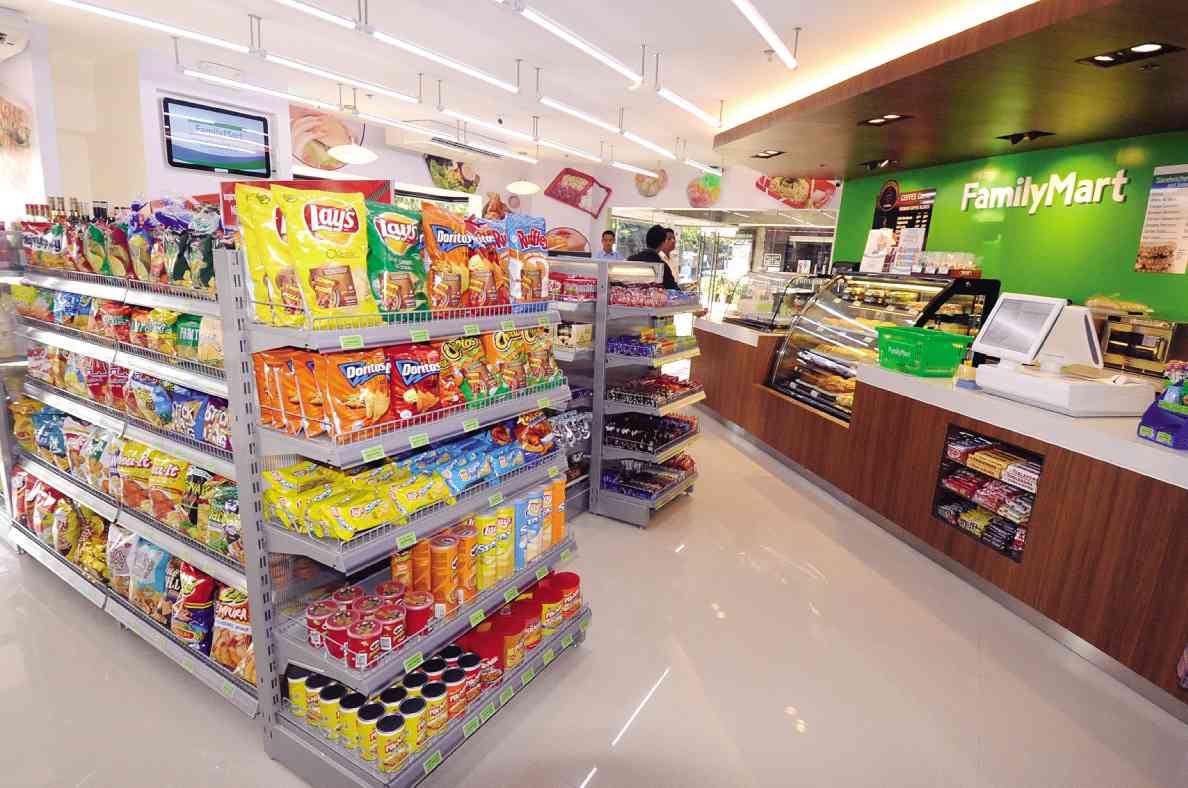
    In a statement shared today (May 10) by FamilyMart Malaysia, the convenience store chain announced that its FamiCafé in Menara U, Shah Alam, has obtained halal certification from Jabatan Kemajuan Islam Malaysia (JAKIM).

    This makes it the first convenience store café in Malaysia to receive this certification. Based on a check on the Halal Malaysia Official Portal, other convenience store cafés such as 7 Café and emart24, are not halal-certified by JAKIM.

    According to the statement, the halal certification aligns with FamilyMart Malaysia’s ongoing effort to ensure that its customers have total peace of mind while shopping and dining at its premises.

    It also added that other FamilyMart Malaysia stores will undergo halal audits in stages as guided by JAKIM, and that the process has already begun at two other stores.

    Subsequently, as a result of the certification, it stated that all new FamiCafés will automatically adopt the layout guided by JAKIM while existing ones will be converted to incorporate the changes required.

    The company aims to have the FamiCafés in 300 stores halal-certified by 2025 with the halal-certified concept serving café beverages and ready-to-eat food prepared in-store.

    There are currently 16 FamiCafés in Malaysia, with an overall target of 50 planned by the end of 2023.

    “We are very excited to be the first convenience store café in Malaysia to be halal-certified as part of our continuous improvement to enhance customer experience and provide value to them.”

    “Our journey to obtain halal certification in our stores is the next step in providing greater assurance and confidence for customers to shop and dine with us,” it shared.

    FamilyMart Malaysia’s central kitchen, operated by QL Kitchen, has been certified halal by JAKIM since 2019. As of April 30, 2023, 172 FamilyMart branded food products have been registered halal on JAKIM’s official halal portal.

    Meanwhile, in alignment with the announcement, FamilyMart Malaysia has also shared that it has stopped the sale of alcohol from all stores to provide an added assurance for all Muslim customers.

    In addition to the halal certification, FamilyMart stated that the team is expanding to the east coast of Peninsular Malaysia and that the company is currently securing identified locations to meet the demands of its fans in the region.

    It plans to open 20 stores by the end of 2023 and expansion is already underway in various parts of Kuantan, Pahang.

  • Eating at home will be ‘the new reality’ for Asian consumers after Covid-19

    Eating at home will be ‘the new reality’ for Asian consumers after Covid-19

    Covid-19 has changed Asian customers’ habits, especially in Hong Kong, as more of them decide to eat at home.

    And according to a study conducted by Nielsen, the trend will continue once the pandemic passes, potentially reshaping the foodservice and grocery industries.

    Nielsen found that 86 percent of mainland Chinese customers prefer to eat at home more often now than before the Covid-19 outbreak. In Hong Kong, 77 percent of consumers surveyed said they want to cook at home more often.

    “As Hong Kong consumers adjust to the ‘new normal’, people are spending more time at home to prepare meals for their families,” said Andrea Borelli, MD at Nielsen Hong Kong and Macau. “With the redefined ‘stay-at-home economy’, it has helped to reinvigorate packaged-food sales as this provides the opportunity for FMCG players in these categories to engage with their consumers more closely.”

    This trend also became popular in other Asian countries including South Korea, Malaysia, and Vietnam (all approximately 62 percent).

    “The shifts away from out-of-home dining to at-home food delivery, takeaways and cooking during the Covid-19 period are locally nuanced by traditional consumption habits but also by the different quarantine and shutdown measures by market,” Borelli added.

    He said Covid-19 has reoriented consumer thinking and actions, which will have long-term consequences. Consumers will not only re-evaluate places for eating out but also be far more cognizant of what they’re eating.

    The trend is also evident in countries outside of Asia. According to GlobalData, both the UK and France are witnessing slow demand for takeaway meals.

    “In response, players such as Deliveroo and UberEats are looking to reduce risk exposure by forging partnerships with food retailers, working with major players such as Co-op and M&S in the UK and Carrefour in France,” said Thomas Brereton, retail analyst at GlobalData.

    “In that sense, the virus is accelerating the existing shift towards online food shopping; however, all parties must be aware of the expected duration of such alliances, with more thorough reviews – particularly on the dynamics of joint responsibility for ESG, brand image, etc – needed as the outbreak progresses.”

  • McDonald’s logo temporary changed to promote social distancing

    McDonald’s logo temporary changed to promote social distancing

    International fast-food chain McDonald’s logo has been altered in some global markets to emphasize the importance of social distancing during the coronavirus crisis.

    The popular restaurant chain is largely closed for dine-in business in certain hard-hit areas globally but remains open for delivery or takeout. Venues have been closed completely in the UK and Ireland, while only 5 percent of outlets in the US are now closing dining spaces.

    The new McDonald’s logo campaign was unveiled in Brazil, with the golden arches represented in the brand logo separated to remind patrons of the need to keep a distance from each other during the course of the pandemic. The campaign was soon taken up in India.

    “Our customers, employees and communities are counting on us now more than ever to provide them the meaningful support, delicious food and good-paying jobs,” said McDonald’s US president Joe Erlinger.

    A statement from the firm read: “Guidelines have been shared with franchisees and restaurant general managers to support crew in adhering to social distancing best practices while on the job. This includes, among other items, updating configuration of crew on shift and following contactless operations procedures, etc”.

    https://youtu.be/BFgW4S6zOQU

  • Crystal Jade restaurants opening in the Philippines

    Crystal Jade restaurants opening in the Philippines

    Philippines specialty store retailer SSI Group will play host to Chinese restaurant chain Crystal Jade in the territory.

    The firm has contracted with Crystal Jade Management to own and operate the brand in the Philippines as part of its expanding F&B portfolio.

    “The strategic partnership with SSI group is yet another proud moment for Crystal Jade,” said Crystal Jade Culinary Concepts Holdings CEO Douglas DeBoer. “We are excited to join in partnership with such a renowned specialty retailer which has successfully brought so many iconic international brands to the Philippines. Crystal Jade is dedicated to bringing authentic, quality Chinese cuisine to contemporary audiences around the world, and we look forward to delighting consumers across the Philippines very soon.”

    SSI president Anthony Huang said the opening of Crystal Jade in the Philippines is aligned with his company’s desire to provide consumers with complete lifestyle offerings through global partnerships “that cater to the eclectic and sophisticated taste of the Filipino consumer”.

    SSI will initially open a Crystal Jade Hong Kong Kitchen outlet early next year at Central Square in Bonifacio Global City, before rolling out Crystal Jade’s other three international dining concepts – which include Crystal Jade Golden Palace, Crystal Jade La Mian Xiao Long Bao and Crystal Jade Go.

  • Singapore Airlines To Trial Business Class Dine On Demand

    Singapore Airlines To Trial Business Class Dine On Demand

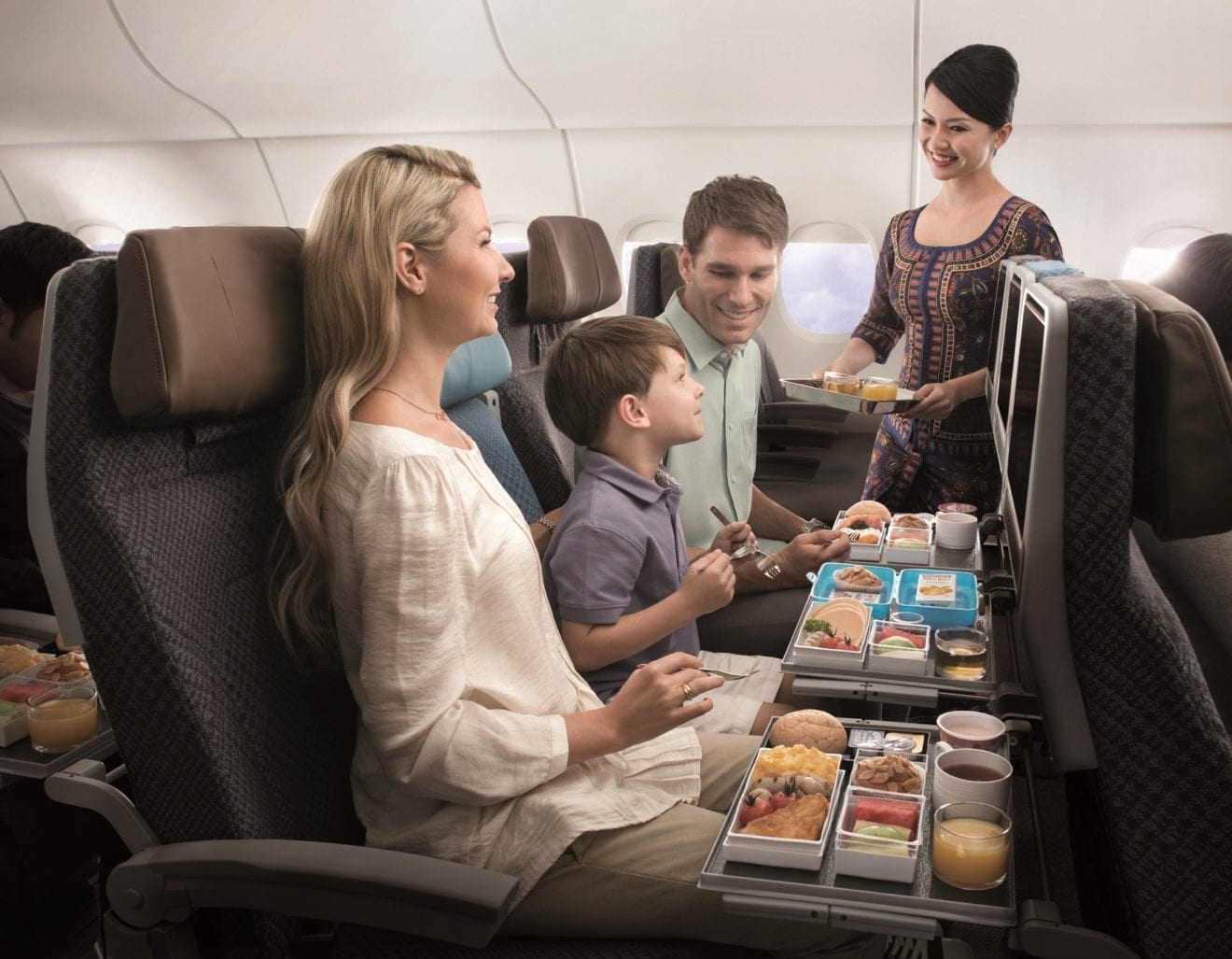
    For decades Singapore Airlines has been known for being one of the best airlines in the world, though I can’t help but feel like they’ve somewhat been resting on their laurels. I feel like the airline used to be super innovative, but is less innovative nowadays:

    • For the most part, I don’t find Singapore Airlines’ new cabins to be that cutting edge, and their business class seat hasn’t evolved that much in the past decade
    • Their meal services in business class are good, though nothing special
    • I will say that their cabin crew are consistently exceptional, and they’re one of the best parts of flying with the airline

    This is due to customer feedback, though Singapore Airlines is careful to note that they want to make sure they develop a system that works before fully implementing this.

    Part of that will be ensuring that flight attendants can deal with the increased work required from dine on demand while maintaining high levels of customized service.

    Is Business Class Dine On Demand A Good Thing?

    On the surface, the addition of dining on demand sounds like a good thing. Especially for an airline like Singapore Airlines, where I sometimes can’t figure out the flow of their meal service.

    But I’ve also sometimes in the past noticed that I don’t always think a dine on-demand system is best. Sure, in an ideal world dine on demand is great, but there are some downsides:

    • It significantly increases the workload for the crew, and will make them more stressed, and perhaps not provide the same level of service
    • If you’re like me and are a sensitive sleeper, I find that the sounds, lights, and smells, from people dining throughout the flight, can make it much harder to sleep

    So while I’m generally in favor of dine on demand, there are also some downsides that are at least worth acknowledging.

    I’d note that quite a few airlines have done dine on-demand trials in business class, but ended up deciding against it. Take Emirates, for example — they trialed it for a while, but then decided not to implement it on a widespread basis (meanwhile both Etihad and Qatar offer dine on demand).

    Bye Bye Lobster Thermidor?

    Singapore Airlines offers a “Book The Cook” menu, where you can order from a much larger menu before your flight. One of the most popular options is their lobster thermidor dish.

    It looks like that may not be on the menu forever in its current form:

    “Like everything, the Book The Cook programme evolves. The lobster thermidor is a perennial favourite but we’re looking at opportunities to modernise that, whether it be a lobster thermidor-type of dish or something similar and lobster- themed which is a little bit more modern, a little bit more healthy perhaps.

    People like lobster, but we’re moving to an environment where people are becoming more health-conscious so maybe the creamy lobster dish is not the right one… maybe a beautiful grilled lobster with fresh asparagus or veggies might be another alternative, as long as we maintain the integrity of the dish.”

    Bottom Line

    I’ll be curious to see what kind of a dine on-demand trial Singapore Airlines runs, and how successful it is. Generally, I’d say dine on demand would be a positive development, though assuming it allows the crew to maintain their high service standards.

    As someone who struggles to sleep without perfect conditions, I’m also generally somewhat apprehensive about dine on demand, though I realize that’s mostly just my problem.

  • Increasing pork prices in China a magnet for Vietnamese traders

    Increasing pork prices in China a magnet for Vietnamese traders

    Vietnamese traders are exporting pork to China despite forecasts of declining domestic supply due to outbreaks of the African swine fever.

    Tam, who buys pork in the south, said his exports to China have increased in the last two months, and fetch a margin of VND500,000-1 million ($22-43) per pig. “Prices are high in China because it stopped buying from the U.S.”

    Nguyen Kim Doan, deputy chairman of the Dong Nai Breeding Association, said traders are selling Vietnamese pork to China because of the large gaps in prices in the two countries.

    Pork costs CNY26.67 ($3.7) in China and just VND50,000 ($2.2) in Vietnam, a 43 percent difference.

    China, the world’s top pork consuming nation, earlier this month canceled orders to buy 14,700 tonnes of U.S. pork as the trade war between the two largest economies continued. Industry insiders have forecast prices in China to increase by 70 percent from last year in the coming months.

    In Vietnam, they have risen by up to 28 percent to VND50,000 ($2.2) in the north and VND40,000 ($1.7) in the south since supply has been falling after African swine fever swept the country.

    Some 4.7 million pigs have been culled since the disease was first detected in February this year.

    Producers are reluctant to return to the business after having to cull infected animals, the Department of Processing and Market Development of Agriculture Products said.

    It estimated prices to rise further, especially during Lunar New Year Festival (Tet) next January.

    Vietnam could face a shortage of 500,000 tons in the second half of this year, or 20 percent of demand, according to market research firm Ipsos Business Consulting.

    In January-August the country exported $449 million worth of meat, up 3.6 percent year-on-year from 2018, mostly because of the rise in pork exports to China.

    All provinces and cities have reported the disease, which does not pose a risk to humans but is fatal to pigs.

    Pork accounts for three-quarters of meat consumption in Vietnam, a country of 95 million.

    African swine fever was first detected in Asia last year in China, the world’s largest pork producer. Half of its breeding pigs have died or been slaughtered because of the disease, twice as many as officially reported.

  • Hattendo bakery to franchise stores in Hong Kong

    Hattendo bakery to franchise stores in Hong Kong

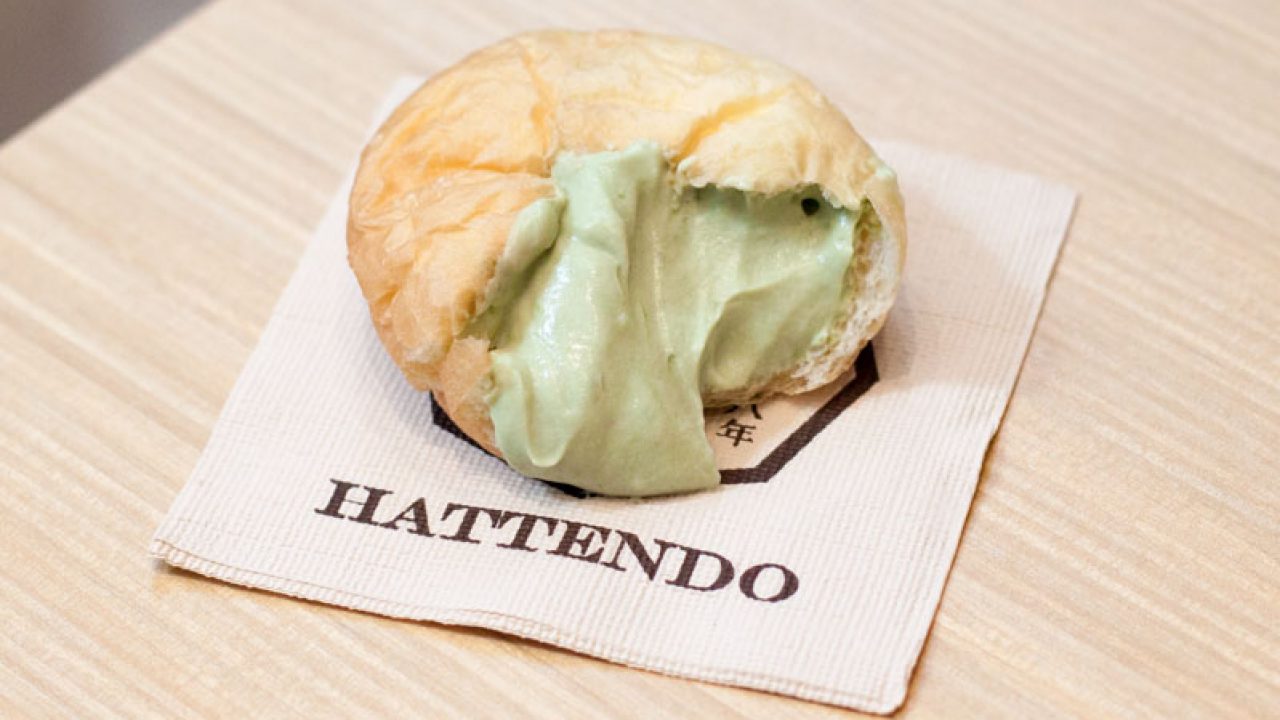
    Japanese baker Hattendo is planning to ramp up its store rollout in Asia, with particular focus on Greater China and Southeast Asia.

    The company – known for its cream-filled buns – already has stores in Hong Kong, Singapore, and Australia. Its next stop is Malaysia where it will launch next month after finding a local partner to produce its buns, selling through convenience stores.

    Hattendo is currently finalizing a joint venture with a Thai company to manufacture its products to supply stores locally. The plan there is to supply supermarkets and a network of its own-branded kiosk stores in shopping malls and other locations.

    In Hong Kong and Mainland China, Hattendo will expand its network by appointing franchisees, part of a plan to boost its network six-fold to 30 by the end of 2021.

    “In China’s Shenzhen and Hong Kong, there is strong interest from potential franchisees and we receive a lot of inquiries,” Daisuke Ishioka, the company’s representative director, told Nikkei.

    Last year, Hattendo’s group sales reached US$19.6 million. The company is planning to issue new shares by the end of this year to raise about $900,000 to fund the expansion.

    The company – known for its cream-filled buns – already has stores in Hong Kong, Singapore, and Australia. Its next stop is Malaysia where it will launch next month after finding a local partner to produce its buns, selling through convenience stores.

    Hattendo is currently finalizing a joint venture with a Thai company to manufacture its products to supply stores locally. The plan there is to supply supermarkets and a network of its own-branded kiosk stores in shopping malls and other locations.

    In Hong Kong and Mainland China, Hattendo will expand its network by appointing franchisees, part of a plan to boost its network six-fold to 30 by the end of 2021.

    “In China’s Shenzhen and Hong Kong, there is strong interest from potential franchisees and we receive a lot of inquiries,” Daisuke Ishioka, the company’s representative director, told Nikkei.

    Last year, Hattendo’s group sales reached US$19.6 million. The company is planning to issue new shares by the end of this year to raise about $900,000 to fund the expansion.

  • Michelin Guide Singapore 2019 to be Released in September

    Michelin Guide Singapore 2019 to be Released in September

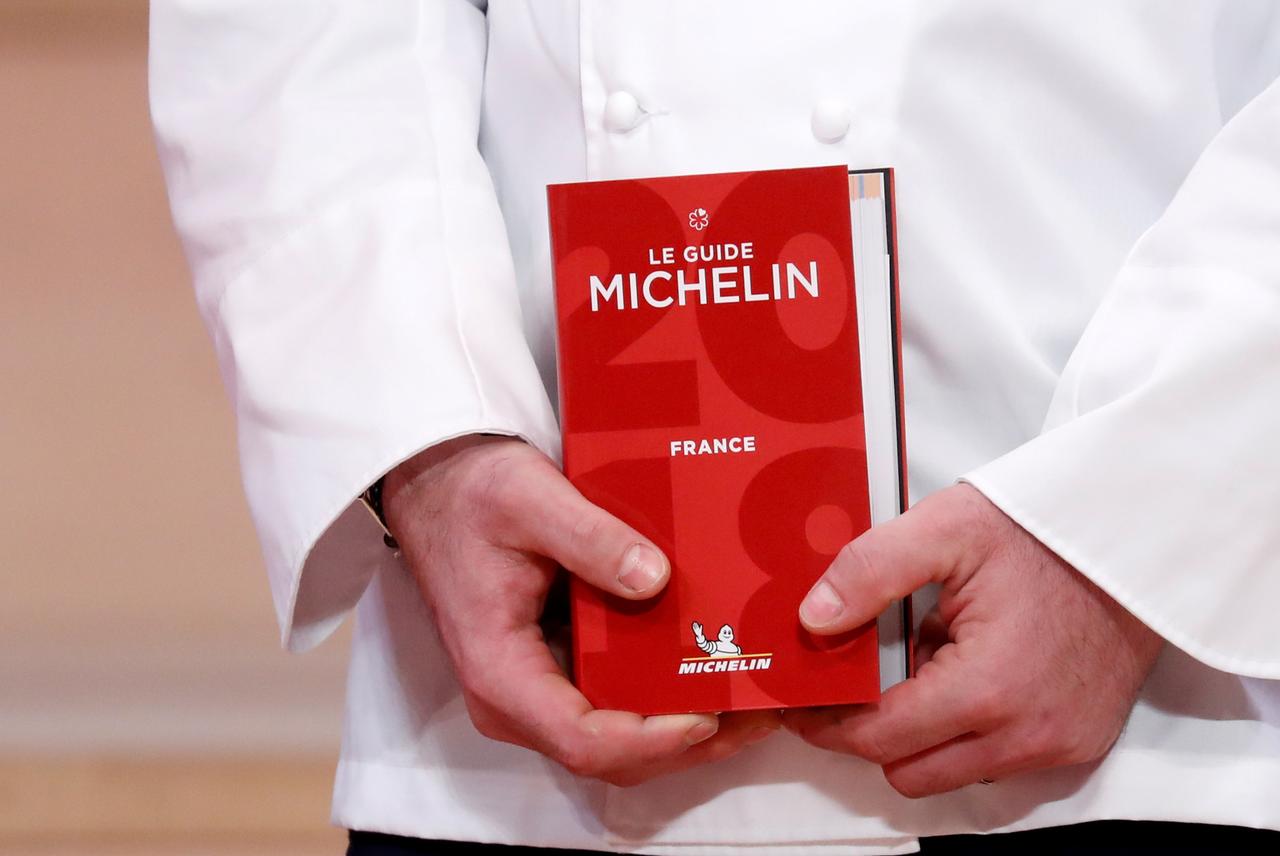
    Michelin is proud to announce that the star selection of the Michelin Guide Singapore 2019 will be officially revealed on 17 September 2019 at the historically rich Capella Singapore.

    The selected establishments will be recognized at the star-studded Michelin Guide Singapore 2019 Star Revelation and Gala Dinner. The evening’s exquisite six-course dinner will be created by internationally renowned chefs from Michelin-starred establishments around the world.

    The roster of chefs this year includes names that gastronomes will be familiar with, including:

    • Guillaume Galliot (Caprice, 3 Michelin stars, Michelin Guide Hong Kong Macau 2019)
    • Kelvin Au Yeung (Jade Dragon, 3 Michelin stars, Michelin Guide Hong Kong Macau 2019)
    • Sebastien Lepinoy (Les Amis, 2 Michelin stars, Michelin Guide Singapore 2018)
    • Joshua Brown and Greg Bess (CUT by Wolfgang Puck at Marina Bay Sands, 1 Michelin star, Michelin Guide Singapore 2018)
    • Beppe de Vito (Braci, 1 Michelin star, Michelin Guide Singapore 2018)
    • Arisara ‘Paper’ Chongphanitkul (Saawaan, 1 Michelin star, Michelin Guide Bangkok, Phuket Phang-Nga 2019)

    Bringing together their expertise gained in the varied culinary regions of Europe and Asia, the chefs will be presenting a six-course dinner, with each chef showcasing the cuisine that they specialize in. Including French, Italian and Cantonese cuisine, the dishes will be served with an impeccable selection of wines.

    This year’s gala will reflect a trend seen across the world, sustainability, which is also in alignment with one of the Michelin Group’s key commitments: Sustainable Mobility. The company envisions a circular economy to preserve the planet’s resources by reducing, reusing, renewing and recycling the materials needed to produce the Company’s products and services, to avoid leaving a lasting environmental impact.

    To make this possible, one of its visions for the next 30 years is for its tires to incorporate up to 80 percent sustainable materials and for 100 percent of end-of-life tires to be recycled or reused as fuel.

    Fittingly, this year’s gala dinner is themed «Kitchens of Progression», signifying a shift towards sustainable dining and culinary practices. Chefs involved in the preparation are implored to procure ingredients from trusted suppliers and organizations that practice ethical and sustainable farming and be mindful about reducing food wastage – Michelin aims to make this a move in the culinary world, in line with another aspect of its business.

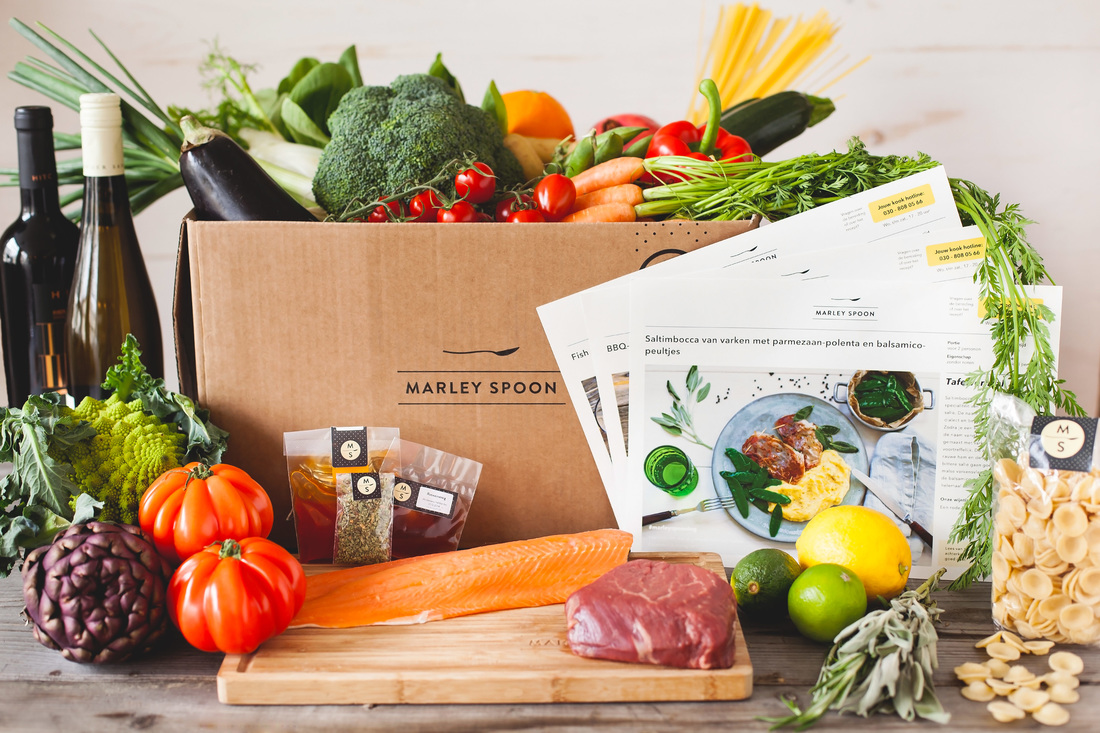
  • Marley Spoon brings first meal kit service to Tasmania

    Marley Spoon brings first meal kit service to Tasmania

    Marley Spoon launched its meal kit service in Tasmania on Wednesday, making it the first service of its kind available on the Australian island state.

    The delivery service will initially cover the greater Hobart and Launceston areas, but Marley Spoon said it will expand to more locations throughout the state in the near future.

    “Tasmania is known as one of Australia’s premier food destinations, but now locals can benefit from having some of the best products delivered straight to their doors,” Marley Spoon Australia managing director and co-founder Rolf Weber said on Wednesday.

    “We’re excited to bring stress-free, delicious and sustainable cooking to even more Aussie households.”

    Woolworths announced a strategic partnership with the meal kit company last month, along with a $30.05 million investment.

    The meal kit service launched in Australia in 2015 and is available nationally. Customers in Tasmania can pre-order their boxes from today, with the first deliveries to take place on August 5.

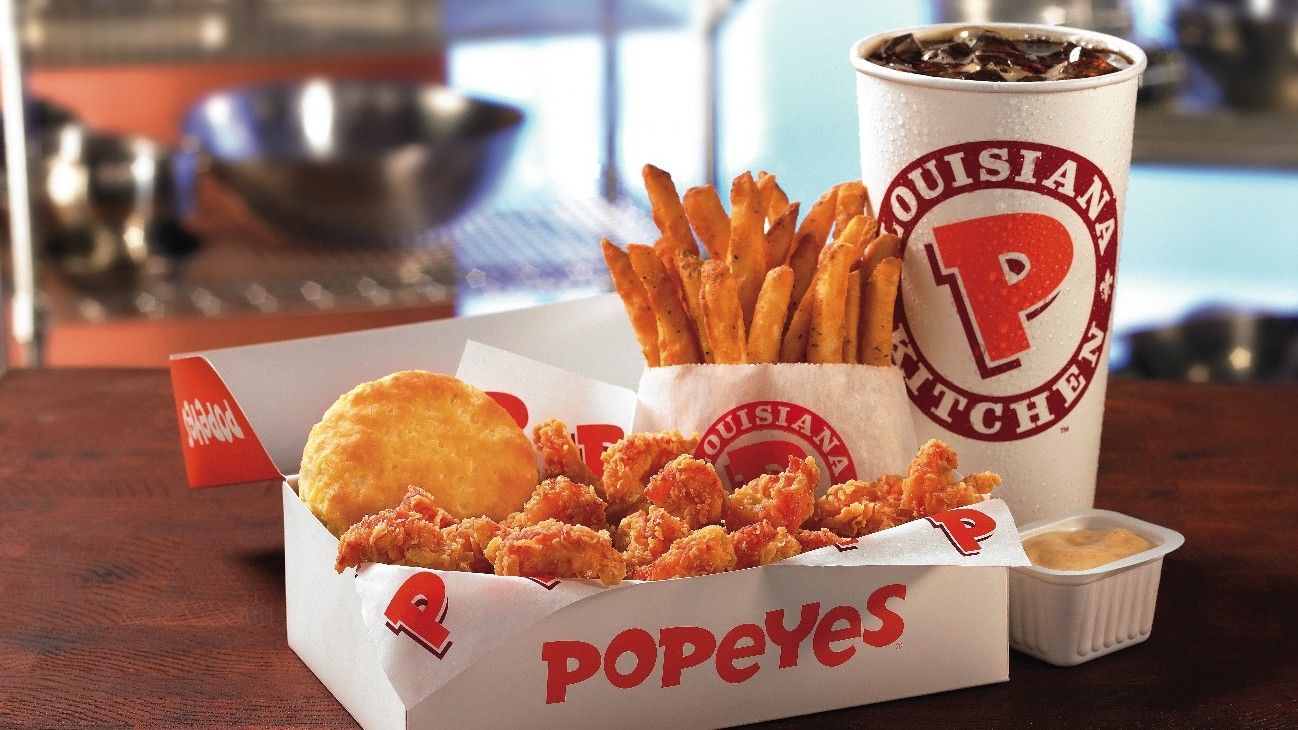
  • Popeyes China planning over 1500 restaurants openings

    Popeyes China planning over 1500 restaurants openings

    Popeyes Louisiana Kitchen is set to develop and open more than 1500 Popeyes restaurants in Mainland China over the next 10 years.

    Popeyes China will be the last of Restaurant Brands International’s three major brands to enter the Chinese market. Burger King has operated in the territory since 2005, and it now has more than 1000 locations in China.

    “We’re very excited to grow the Popeyes brand in the Chinese market,” said Restaurant Brands International COO Josh Kobza. “We look forward to bringing our great tasting chicken, biscuits, sides and beautiful new restaurants to our guests in China with our partner, TFI TAB Food Investments.”

    Popeyes operates more than 3100 locations in more than 25 countries worldwide, including the United States and Canada. The commencement of Popeyes China operations is subject to regulatory clearances.

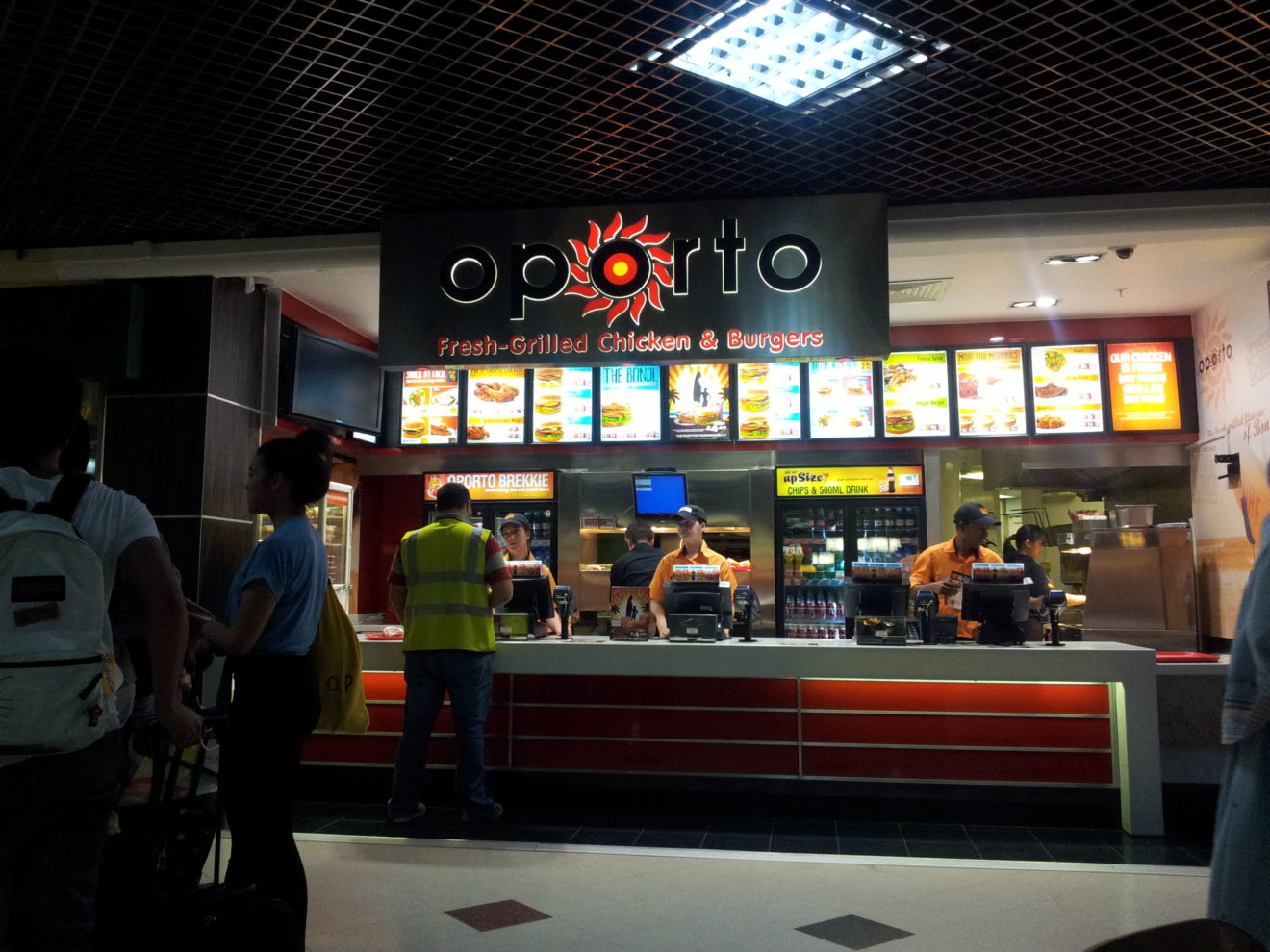
  • Australia’s Oporto to open 24 stores in Vietnam

    Australia’s Oporto to open 24 stores in Vietnam

    Restaurant chain Oporto has launched in Vietnam under local franchisee Ben Thanh Group, with plans to open 24 restaurants across the territory in the next 10 years.

    The brand’s CEO Craig Tozer indicated the Vietnamese expansion provides a further gateway to a new market of potential consumers.

    “Vietnam is an ideal market for Oporto with nearly 100 million people and more than 60 per cent in our core demographic of under 35,” said Tozer. “Vietnam is experiencing double-digit growth in the retail and consumer sector and GDP has steadily grown at over 6 per cent. Consumers are urbanising and have an appreciation of quality food.”

    The announcement solidifies Oporto’s international growth strategy and follows a string of global signings. Three international master agreements have been secured in the last 14 months, with Oporto Vietnam following Singapore and Sri Lanka.

    Back home, Oporto is also forecasting an additional 20 plus restaurant openings in Australia for FY20, along with one in Vietnam, a second store in Singapore and further Asian expansion.

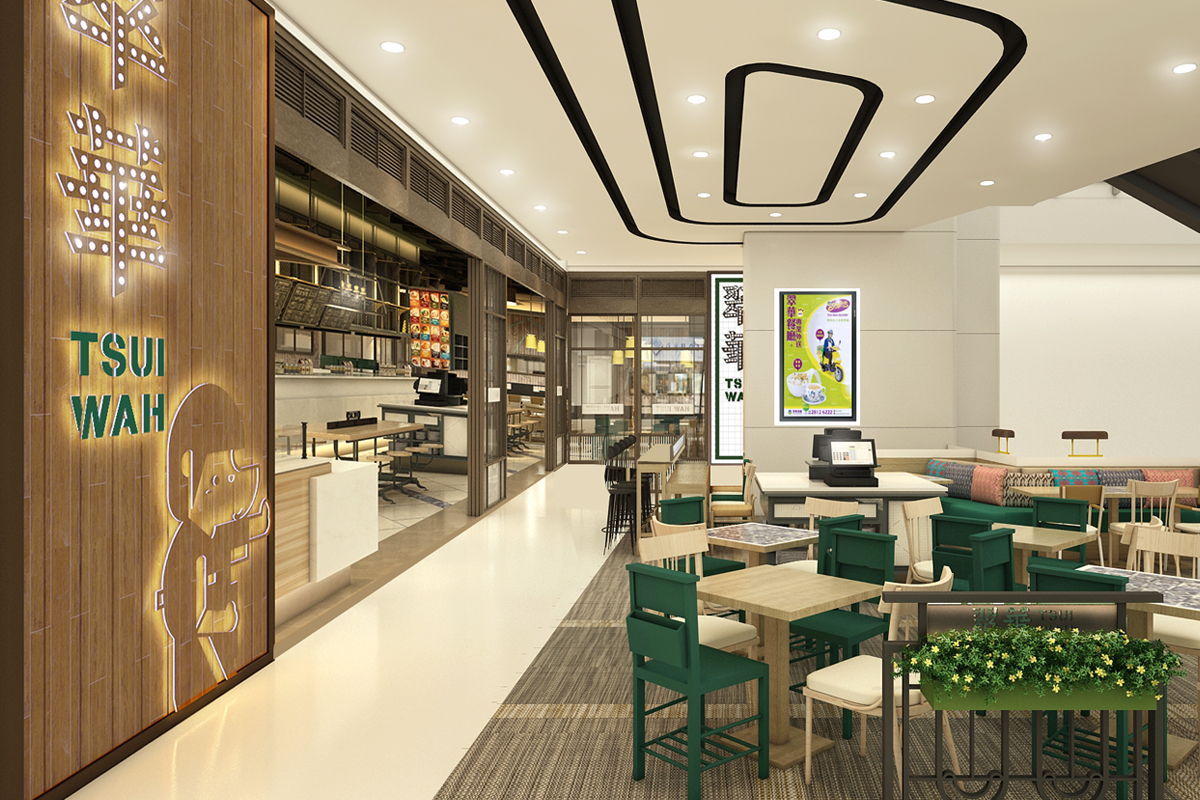
  • Tsui Wah Singapore to open second restaurant

    Tsui Wah Singapore to open second restaurant

    Tsui Wah Singapore will open a second outlet at Robinsons The Heeren, on Orchard Road.

    No official opening date has been set as yet, but the menu is expected to include signature items such as Swiss Sauce Chicken Wings, Crispy Bun with Sweet Condensed Milk, Kagoshima Style Pork Cartilage with Tossed Instant Noodles, and Milk Tea. Western food such as club sandwiches and French toast will also be available.

    The Hong Kong tea chain arrived in Singapore last June with an outlet at Clarke Quay.

    It is known for its mix of Cantonese cuisine and Western cafe-style fare.

  • Ramen chain Afuri Opening in Singapore

    Ramen chain Afuri Opening in Singapore

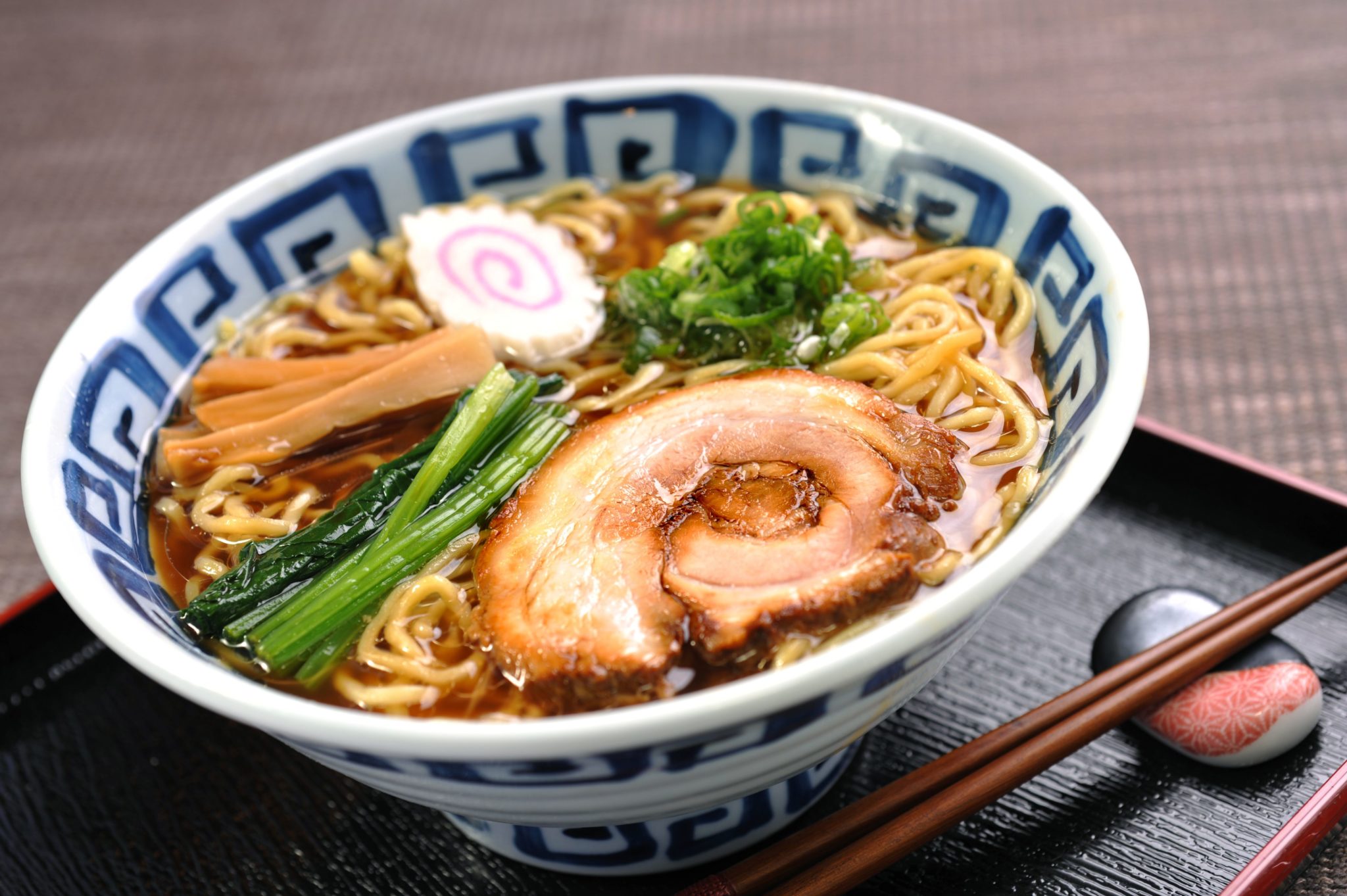
    Japanese ramen chain Afuri is to open its first outlet in Singapore, at Funan mall.

    Brought to Singapore by F&B group Japan Foods Holding, the Funan outlet will be known as Afuri Ramen + Dumpling.

    Besides Afuri’s signature yuzu ramens, the expanded menu will have small plates options as well as gyoza (dumplings).

    Funan mall will open its doors to shoppers on June 28, after a three-year redevelopment.

    Afuri ramen adds to the food options at Funan, including Japanese restaurant Noka, urban farming outfit Edible Garden City, Taiwanese bubble tea brand Milksha, and modern Peranakan restaurant Godmama.

    Named after Mount Afuri in Japan, the chain first started in 2001, known as Zund-Bar, at the foot of Mount Afuri.

    It changed brand to Afuri in 2003, and now has 15 outlets worldwide.

    The latest location was Lisbon, Portugal.

    Afuri ramen instant noodles have been sold in Singapore at selected supermarkets and Japanese speciality food marts.

  • Hong Kong Restaurant Profits Rise

    Hong Kong Restaurant Profits Rise

    Retail sales may be down but Hong Kong restaurant sales rose by 3 percent in the first quarter of this year.

    The Census and Statistics Department (C&SD) provisionally estimates the value of restaurants receipts at HK$31.5 billion, while the value of purchases by restaurants increased by 3.1 percent to $10 billion.

    After netting out the effect of price changes over the same period, the provisional estimate of restaurant receipts rose by 0.5 percent compared with a year earlier.

    By comparison, Hong Kong retail sales for the quarter fell by 1.2 percent.

    Analyzed by restaurant type, Chinese restaurant sales decreased by 0.6 percent in value and by 2.7 percent in volume. Total receipts of non-Chinese restaurants increased by 4.8 percent in value and by 2.4 percent in volume. Fast food shop sales rose by 5.8 percent in value and by 2.8 percent in volume.

    Sales in bars rose by 2.6 percent in value and by 0.4 percent in volume, while “miscellaneous eating and drinking places” saw sales rise by 11.2 percent in value and by 7 percent in volume.

    C&SD also released figures for restaurant receipts and purchases for each month during the quarter. Receipts rose by 6.7 percent in January, by 0.8 percent in February and by 1.4 percent in March, compared with the same months last year.

    However, after factoring in inflation, it estimated restaurant sales rose by 3.8 percent in January but decreased by 1.3 percent in February and by 1 percent in March.

  • Dosa Hut opens first Gold Coast Restaurant, Australia

    Dosa Hut opens first Gold Coast Restaurant, Australia

    Indian restaurant chain Dosa Hut has opened its first Gold Coast store at Crestwood Plaza in the central part of the region. The 165sqm store in Molendinar will offer both dine-in and takeaway options.

    The Melbourne-based chain, which already has restaurants across Victoria, New South Wales, and the Australian Capital Territory, said the Gold Coast store is the 20th location for the group.

    Tanaka Jabangwe, Knight Frank associate director of retail leasing, negotiated the five-year lease. He said Dosa Hut had been looking for the right opportunity to open a store in the growing Gold Coast region for some time before leasing the Crestwood Plaza space.

    “Dosa Hut was seeking a central location in a suburban catchment with ease of access to major road networks, and Crestwood Plaza fit the bill in every aspect,” Jabangwe said.

    “The convenience center is situated on Olsen Avenue, which is a very busy thoroughfare with plenty of traffic passing estimated at circa 57,000 cars daily, which offered great exposure for the restaurant.”

    A Dosa Hut spokesperson said the location offered a perceived geographical center to serve both the northern catchment and parts of southern Gold Coast with ease.

    “We are confident in our food and believe the Gold Coast will appreciate the quality, authentic Indian food we have on offer.”

    Crestwood Plaza convenience center fronts the Crestwood Heights residential estate is adjacent to Bunnings Warehouse and opposite Griffith University’s future development land.

    The center features over 190 car parks, a full line Supa IGA as an anchor tenant and 17 other specialty stores.