Tag: ecommer

  • Alibaba and ByteDance Divest from Gaming and Retail to Fuel AI Ambitions

    Alibaba and ByteDance Divest from Gaming and Retail to Fuel AI Ambitions

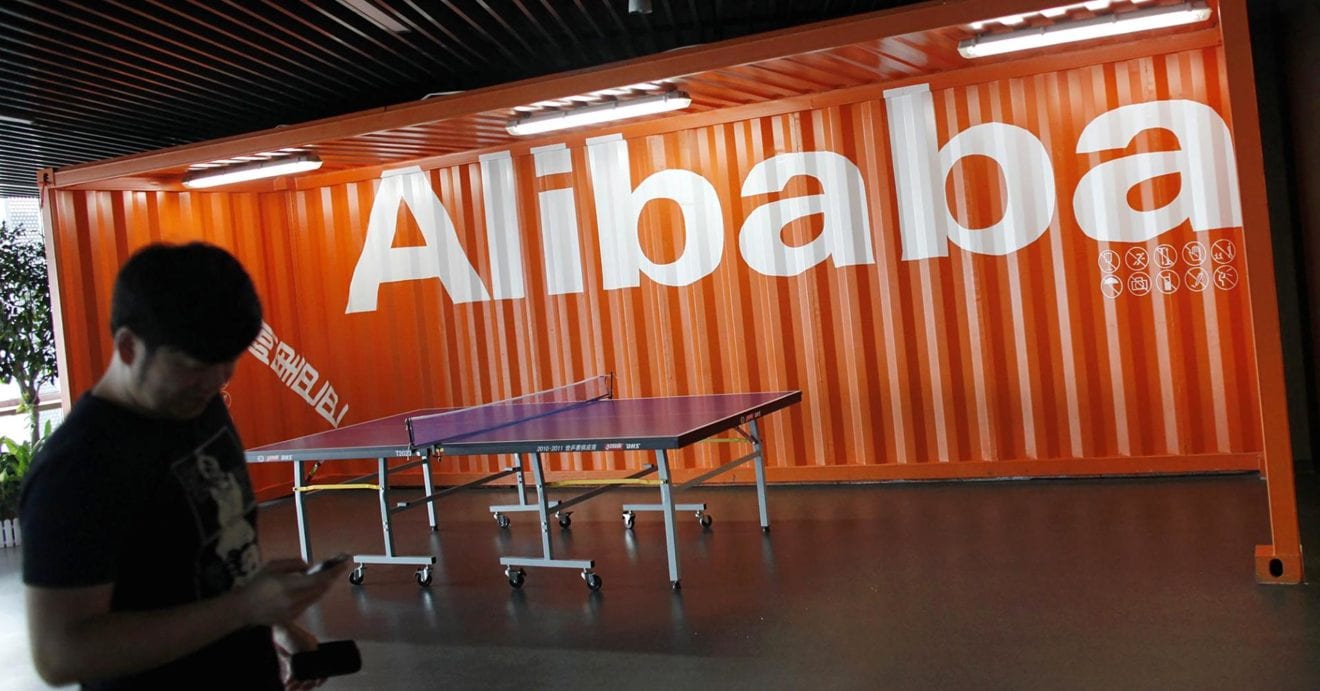
    Alibaba Group Holding and ByteDance are restructuring their business portfolios, selling off non-core assets in gaming and retail to private equity firms. This strategic shift aims to re-focus substantial resources and investment into the burgeoning field of artificial intelligence, as competition in the AI sector intensifies across Asia.

    Strategic Divestment For AI Focus

    The move sees Alibaba Group Holding in the process of selling Lingxi Games, its video game unit, to a private equity fund. This divestment reflects a broader trend among leading Chinese technology firms to streamline operations and concentrate capital on high-growth, strategic areas like AI. The decision comes as these companies face mounting pressure to innovate and secure a leading position in the global AI race.

    For retailers and consumer brands in Asia, this reorientation by tech giants like Alibaba has significant implications. Alibaba’s strong presence in e-commerce means that resources diverted to AI are likely to enhance capabilities in areas such as personalised recommendations, supply chain optimisation, and customer service automation. Similarly, ByteDance’s TikTok, a major platform for consumer engagement, could see advanced AI integration impacting everything from content delivery to advertising effectiveness.

    Implications For Asia’s Retail And Tech Sectors

    The decision by Alibaba and ByteDance signals a clear prioritisation of AI development over other business segments, including those with direct ties to consumer spending like gaming and certain retail operations. While the full scope of ByteDance’s retail divestments is not detailed, Alibaba’s move with Lingxi Games indicates a willingness to shed assets to fund core strategic initiatives. This aligns with broader market trends where technology companies are doubling down on AI infrastructure and research, viewing it as the next frontier for competitive advantage.

    This redirection of investment could lead to more sophisticated AI tools and platforms becoming available for businesses, potentially driving efficiency and innovation within the retail and consumer sectors. RetailNews Asia has observed similar strategic realignments across the region, where companies are either investing heavily in AI or partnering with AI specialists to stay competitive in an increasingly tech-driven market.


  • Amazon CEO says job cuts to exceed 18,000 roles

    Amazon CEO says job cuts to exceed 18,000 roles

    Amazon.com’s layoffs will now stretch to more than 18,000 roles as part of a workforce reduction it previously disclosed, Chief Executive Andy Jassy said in a public staff note on Wednesday.

    The layoff decisions, which Amazon will communicate starting January 18, will largely impact the company’s e-commerce and human-resources organizations, he said.

    The cuts amount to 6 per cent of Amazon’s roughly 300,000-person corporate workforce and represent a swift turn for a retailer that recently doubled its base pay ceiling to compete more aggressively for talent.

    Jassy said in the note that annual planning “has been more difficult given the uncertain economy and that we’ve hired rapidly over the last several years.”

    Amazon has more than 1.5 million workers including warehouse staff, making it America’s second-largest private employer after Walmart it has braced for likely slower growth as soaring inflation encouraged businesses and consumers to cut back spending and its share price has halved in the past year.

    It began letting staff go in November from its devices division, with a source telling Reuters at the time it was targeting 10,000 job cuts.

    In number, its layoffs now surpass the 11,000 job cuts at Facebook-parent Meta Platforms Inc as well as reductions at other tech-industry peers.

  • Vietnam Airlines launches e-commerce platform

    Vietnam Airlines launches e-commerce platform

    Vietnam Airlines has launched a new e-commerce platform VNAMALL, focused on selling imported products from countries to which it operates.

    As many as 300 products are available starting Monday on the platform, mainly pastries, fruit and wine.

    The airline also sells food typically available on its flights.

    It also introduced Vietnam Airlines Gift Card that comes with perks like more check-in baggage and priority check-in.

    VNAMALL is the latest initiative of the loss-making national flag carrier, which has been struggling to overcome Covid-19 impacts.

    The airline, in which the state holds a 86 percent stake, recorded an accumulated loss of VND17.77 trillion ($780.48 million) as of June 30.