
Tag: economic development board

  • Pandora Opens Asia Regional Headquarters in Singapore for 50-Person Team

    Pandora Opens Asia Regional Headquarters in Singapore for 50-Person Team

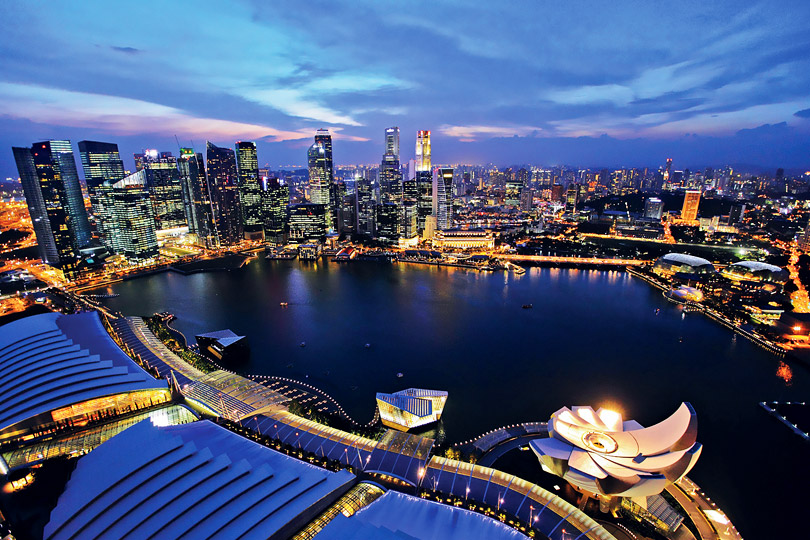
    Pandora opened its new Asia regional headquarters in Singapore today, setting up a 50-person commercial hub in Marina Bay to oversee key retail markets across the region.

    The central office manages the group’s Asia Cluster, covering company-owned retail operations and distributor territories in markets including Japan, South Korea, India, and Indonesia.

    Marina Bay Hub and Regional Hiring

    Supported by the Singapore Economic Development Board, the new office consolidates commercial direction, branding, regional marketing, and supply operations under one roof. Recruitment for the roughly 50 corporate positions begins in the coming months.

    “Asia presents a tremendous opportunity for Pandora,” said Massimo Basei, chief commercial officer at Pandora. “With dynamic markets like India, Japan, Indonesia and South Korea poised for expansion, Singapore’s strategic location and vibrant business environment make it the ideal base for our expansion in the region.”

    Shifting Operational Weight to Regional Hubs

    Establishing direct management in Singapore shifts operational oversight closer to East and South Asian retail corridors. For years, European luxury and accessible jewellery labels managed Asian expansion either through remote European headquarters or fragmented local distributor networks. Centralising retail oversight in Singapore allows Pandora to standardise store design, inventory distribution, and promotional calendars across both wholly owned flagships and partner-run doors.

    Landlords and department store operators across Tokyo, Seoul, and Mumbai gain a single regional counterpart for lease negotiations. The primary operational risk sits in managing vastly different retail dynamics from one desk: South Korea’s digital-first consumer base demands fast local product turnarounds, while India’s fine jewellery sector requires navigating steep import tariffs and entrenched local gold preferences.

    Expansion Trajectory in Asian Jewellery

    The establishment of the Singapore office follows years of retail adjustments across Asia, where the brand has selectively bought back distributor territories and upgraded store footprints in major tier-one shopping malls. Singapore itself has served as a critical testing ground for the label’s retail concepts, backed by long-standing state support from the Economic Development Board to attract European consumer groups.

    Hiring for the Marina Bay office begins over the next quarter, with initial appointments focused on regional marketing heads and supply chain directors across the East Asian and Indian retail networks.
  • Singapore Attracts over 50 Consumer Brand Investments as Regional Hub

    Singapore Attracts over 50 Consumer Brand Investments as Regional Hub

    Singapore secured more than 50 new consumer company investments between 2022 and September 2025, drawing global brands seeking a regional operating base for Asia.

    Danish jeweller Pandora opened its regional headquarters in Singapore in November, adding roughly 50 corporate positions to support 62 stores and 400 retail and office staff across Asian markets.

    Headquarter hubs and flagship rollouts

    Pandora Chief Commercial Officer Massimo Basei said the Singapore hub focuses on market development, digital operations, and marketing across both mature markets like Japan and South Korea and expansion targets including India and Indonesia.

    Swiss sportswear maker On and activewear brand Alo opened flagship locations at Jewel Changi Airport and The Shoppes at Marina Bay Sands in July and August. South Korea’s Lotte Shopping plans to open its international headquarters in Singapore in 2026 to direct its Southeast Asian store network.

    Global consumer groups increasingly treat Singapore as an operational bridge between headquarters in Europe or the United States and fragmented retail markets across Southeast Asia. Establishing central merchandising and supply chain teams in the city reduces the risk of running decentralized Asian market entries.

    American dining brands brave high failure rates

    Food and beverage chains from North America are also expanding their footprint in the city despite intense local competition. Fast food operator Chick-fil-A opens its first Asian outlet in Singapore on 11 December, following Blue Bottle Coffee, which launched its debut local cafe on 3 April.

    Tapestry broadened its luxury label Coach into hospitality with the Coach Cafe in 2023, followed by a Coach Coffee Shop and the woodfire-focused Coach Restaurant. In grocery retail, US potato supplier Lamb Weston rolled out retail frozen fries across FairPrice, FairPrice Xtra, and FairPrice Finest stores in November.

    The expansion runs counter to tough local operating conditions. Over 60 per cent of Singapore food businesses closed within five years between January and October 2025, and 82 per cent operated without a profit, according to parliamentary figures from Deputy Prime Minister Gan Kim Yong.

    US chain Chipotle Mexican Grill opens its first Singapore restaurant in 2026, while Lotte prepares its international headquarters for operation the same year.