Retail News CRM

Tag: Economics

  • Five things to watch for as AirAsia reveals earnings

    Five things to watch for as AirAsia reveals earnings

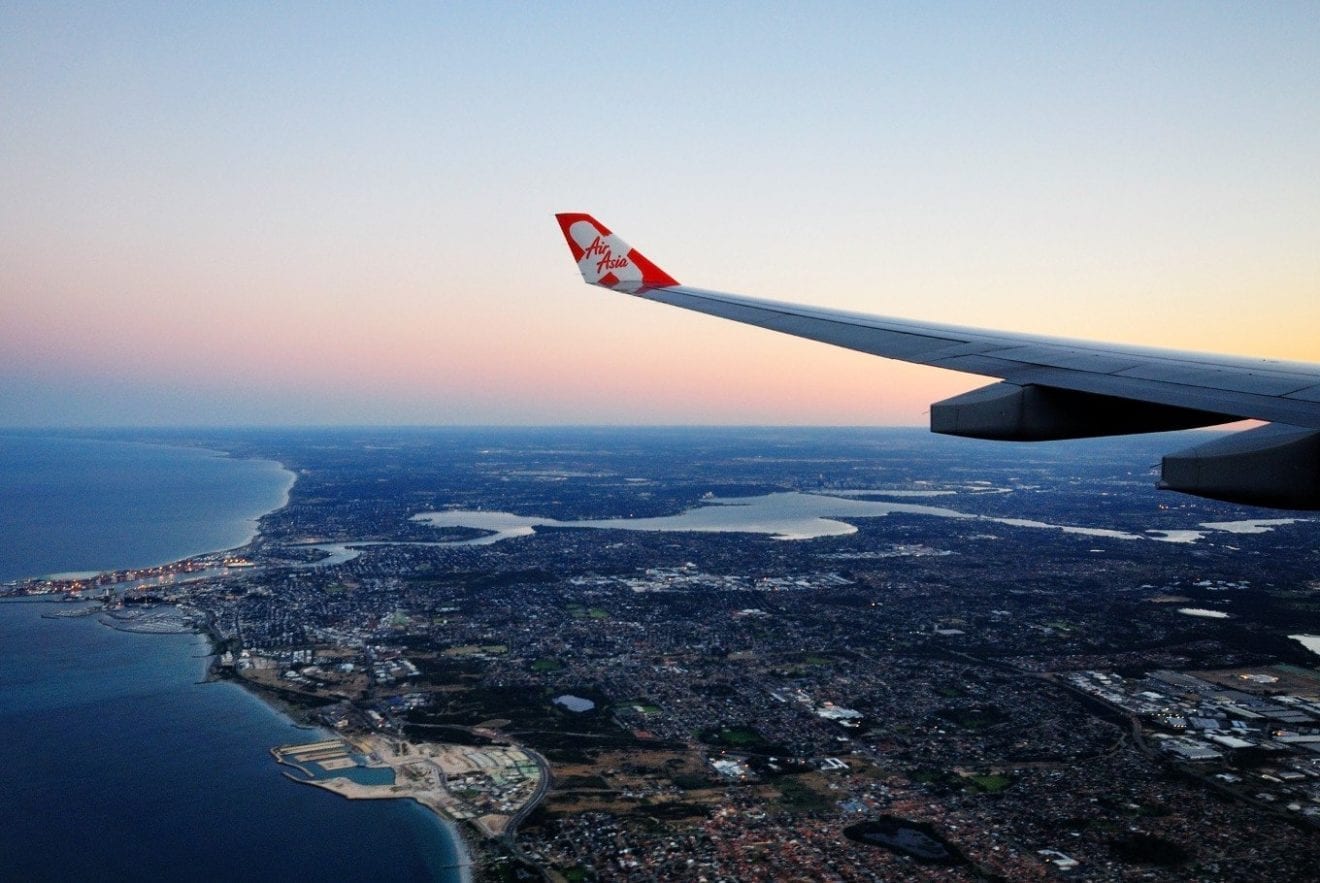
    Budget airline pioneer Tony Fernandes has built AirAsia Group into a benchmark for aviation in Southeast Asia in the 17 years since he founded the company.

    No longer satisfied with just flying passengers from A to B, Fernandes wants to use the data collected from the 100 million passengers he transports each year to transform the group into the “Amazon of travel.”

    Buffeted in recent months by the global trade war, high fuel costs, increased competition and other hurdles such as a failure to crack the lucrative Vietnamese market, the company’s shares are down nearly two-thirds from the all-time high of 4.6 ringgit ($0.53) in February last year.

    As AirAsia Group reveals its financial results for the second quarter on Wednesday in Kuala Lumpur, here are five things investors will be watching.

    One of the aviation industry’s most important metrics that measures the average fare per passenger per kilometre, Maybank Investment Bank’s Mohshin Aziz, is expecting lower yields to dampen profits.

    Mohshin is forecasting a second-quarter net profit of 111 million ringgit ($13 million), that’s 65% lower than for the same period last year, but up 9% on the first quarter.

    “Load factor declined by 0.4 percentage points year-on-year to 85.1% in second-quarter 2019 on the back of 16.8% year-on-year capacity growth,” Mohshin said. ” This is a very respectable load but it likely came at the expense of lower yields, in our view.”

    Mohshin said in terms of yields, AirAsia’s published fares look relatively weak in the second quarter of 2019 when compared to the same period last year.

    In the first quarter of 2019, yield declined by 4.1% year-on-year. “We expect more of this in the reported second quarter of 2019.”

    Fuel Prices

    Rising fuel prices have hit other regional carriers such as Virgin Australia hard, with the airline reporting a loss of AU$315.4 ($212.5 million) on Wednesday for the 12 months to June 30.

    But MIDF Amanah Investment Bank’s Adam Mohamed Rahim believes AirAsia’s prudent hedging policy could help the bottom line this quarter.

    “Our positive outlook on the group stays intact on its more prudent hedging policy, stable operations with added capacity and continuous improvement to derive higher values per kilometre flown,” said Adam.

    Adam will also be watching out for any estimate from AirAsia on whether a new departure tax to levied from September 1 of 8 Ringgit per passenger for destinations within the Association of Southeast Asian Nations, and 20 Ringgit for non-ASEAN destinations will cause a dip will impact on passenger growth.

    Geographic Segment

    AirAsia carried 42.2 million passengers in Malaysia last year, making it one of the group’s most profitable markets, but operations in Indonesia, Thailand and elsewhere have struggled, with net income slipping 92% in the three months to the end of March from the same period a year ago.

    Second quarter earnings could tell a different story though, said Ahmad Maghfur Usman of Nomura Securities, who believes AirAsia’s short-haul operations, especially to Indonesia and Japan, will show significant improvement.

    Ahmad added that improving supply and demand dynamics were in the carrier’s favor, with lower fuel costs going forward also expected to help boost profitability.

    ‘Amazon of Travel’

    After announcing a leadership reshuffle earlier this month, Fernandes’ ambitious plans to morph AirAsia into something other than a budget carrier is starting to take shape.

    “We are now the 13th largest airline flying about 100 million passengers annually and collecting piles of data in the process,” Fernandes said in June. “It is not a huge leap to say we are becoming a digital power.”

    Any further light that Wednesday’s results can shed on exactly how Fernandes plans to expand online, and fend off established rivals such as Expedia and Booking.com, will also be keenly anticipated.

    Philippines AirAsia

    When Philippine business mogul Michael Romero revealed in June that he had upped his stake in Philippines AirAsia to 45%, as well as announcing a $350 million capital infusion, it seemed like the long-awaited initial public offering of the AirAsia Group affiliate would finally get off the ground.

    That was until last weekend when Fernandes told reporters in Bangkok that he was still in wait-and-see mode regarding the Philippine unit’s bid to go public.

    “It’s there, but with no particular rush to be honest,” Fernandes said. “We want to maximise the valuation, so you know after a very tough start our earnings are very strong, the fuel price is going down, tourism is going up.”


  • Billabong kickstarts supply chain transformation

    Billabong kickstarts supply chain transformation

    Global surf brand Billabong and its family of brands is positioning its supply chain to support transformation of its wholesale and retail businesses.

    Billabong said it will connect suppliers and trading partners in a cloud based network using the GT Nexus platform to facilitate and automate processes for supply chain financing, order collaboration, invoice management, in-transit visibility and payment management.

    Billabong International Limited is a global marketer, distributor, wholesaler and retailer of apparel, accessories, eyewear, wetsuits and hardwoods in the boardsports sector under the Billabong, RVCA, Element, Von Zipper, Honolua Surf Company, Kustom, Palmers Surf, Xcel, Sector 9 and Tigerlilly brands.

    Jeff Streader, Chief Operating Officer at Billabong,said making data and capital more accessible to suppliers will remove friction and enable agile delivery of goods. The deployment of GT Nexus is part of a larger global initiative at Billabong to obtain real-time supply chain visibility to drive retail and wholesale business growth.

    “Risk and uncertainty remain prevalent as social, political and economic volatility pose constant threats to supply chains,” said Sean Feeney, CEO of GT Nexus. “The only way to assure undisrupted supply and delivery of goods while preserving margins is end-to-end visibility across all trading partners, brands and business channels. That’s the power of a cloud supply chain operating as a network.”

  • Mobile wallet outshines credit cards in India

    Mobile wallet outshines credit cards in India

    Mobile wallet may be a new concept, but Indians seemed to have adopted the mechanism faster than credit cards. While there are about 10-12 companies operating in the mobile wallet space, Noida-based Paytm has more than 20 million active users. The number is actually higher than the cumulative number of credit cards in India.

    According to the Reserve Bank of India (RBI), the total number of credit cards issued by 55 scheduled commercial banks in India is 19.9 million as of October 2014. HDFC Bank issued the highest number of credit cards – 5.6 million – followed by 3.3 million by ICICI Bank.

    On the other hand, banks have issued as many as 441 million debit cards in India so far.

  • Taiwan consumer price index rose 1.2pc in 2014: government

    Taiwan consumer price index rose 1.2pc in 2014: government

    Taiwan’s consumer price index rose 1.2 percent in 2014, the sixth consecutive year it has risen by less than 2 percent, according to government statistics released Tuesday.

  • HK still world’s most expensive retail market

    HK still world’s most expensive retail market

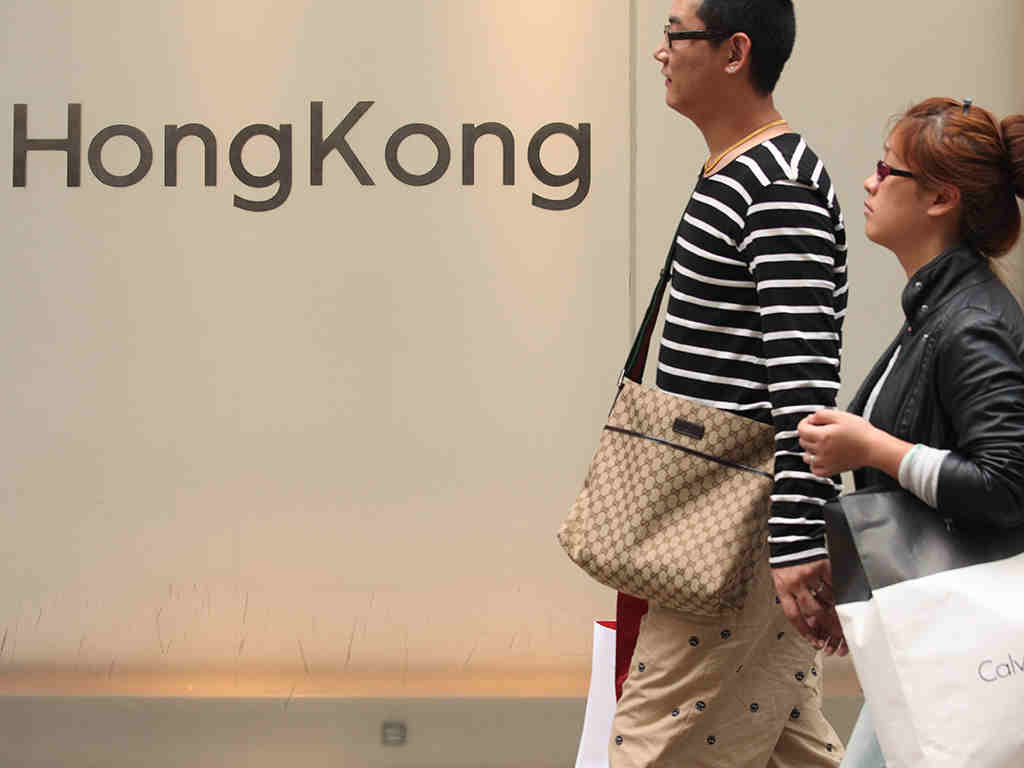
    Hong Kong ranks as the world’s most expensive high-street retail destination, surpassing New York, Paris, London and Tokyo by a substantial margin, according to the latest research from CBRE.

    CBRE’s regular quarterly ranking of the world’s prime global retail markets saw little change in the third quarter of 2014, with global and hot-growth markets continuing to lead the rankings.

    It said this is the third consecutive year that Hong Kong has ranked top of the global list.

    According to CBRE, Hong Kong (USD4,327 per sq. ft. per annum) maintained a wide lead over the number-two market, New York (USD3,570 per sq. ft. per annum) where prime rents along Fifth Avenue are at record levels.

    “The Occupy Central protest, which began late in Q3, has not yet materially impacted retail rents in Hong Kong as most prime retail shops are located beyond protest areas,” said Joe Lin, Executive Director, Retail Services, CBRE Hong Kong.

    While the top four cities continue to hold their leading positions, there was some movement lower in the top ten rankings. Rents rose in Tokyo (USD1,076 per sq. ft. per annum), and fell in Zurich (USD895 per sq. ft. per annum) and Sydney (USD730 per sq. ft. per annum), resulting in the cities changing positions this quarter.

    In Q3 2014, Tokyo continued to lead rental growth in Asia-Pacific, with the continued lack of space in major high-street retail locations pushing up retail rents 7.7 percent quarter-over-quarter.

    Strong rental growth was also recorded in a number of emerging markets in the region, particularly in India and Vietnam, reflecting the recent resumption of structural economic reforms following the general lack of progress over the past few years. Highlights included a strong 5.9% quarter-over-quarter rental growth in Ho Chi Minh City and a 4 percent quarter-over-quarter rental growth in Mumbai.

  • Cheaper fuel encourages Australian shoppers to spend

    Cheaper fuel encourages Australian shoppers to spend

    Motorists in Australia have celebrated cheaper petrol prices by going shopping.

    Pump prices have fallen to the lowest point in four years, giving consumers something to be cheerful about following a run of bad economic news.

    The Australian Retailers Association, which represents small businesses and department store Myer, says this has encouraged people to spend, since suburban stores reopened after the Boxing Day sales.

  • Consumers in Malaysia grappling with rising cost of living, GST

    Consumers in Malaysia grappling with rising cost of living, GST

    While most consumers grappled with the escalating cost of living, the Malaysian government’s subsidy rationalisation programme and the impending introduction of the goods and services tax (GST) also took centre stage.

    The government’s decision to reduce subsidies, effective 3 September 2013, was generally aimed at strengthening the nation’s economic position and ensuring that subsidies reached the target groups.

    In 2014, the government allocated about MYR40.5 billion (USD11.61b) for its various subsidy schemes. Out of that amount, MYR21 billion went towards subsidising RON95 petrol, diesel and cooking gas or liquefied petroleum gas.