Tag: education

  • JB Hi-Fi partners with cyber-security firm to educate Students

    JB Hi-Fi partners with cyber-security firm to educate Students

    Leading electronics retailer JB Hi-Fi has partnered with cyber-security firm Family Zone to offer cyber-safe hardware, solutions, and training to schools across Australia.

    The mission is to give Australian students the opportunity to learn about the dangers of a technologically driven world in a safe, collaborative way.

    “Our Education customers play an important part in the future of Australia, as they shape the youth of today for the responsibilities of tomorrow,” JB Hi-Fi Solutions head of practices Jordan Barry said.

    “Today, more than ever, the rapid adoption of mobile and cloud-based technologies is creating an environment open to a cyber attack.

    “JB Hi-Fi Solutions believe that it is our role to guide our education client to help protect against this threat. Our exciting partnership with Family Zone allows us to rapidly expand our capability and capacity, reaching more education clients than ever before.”

    The partnership allows JB Hi-Fi to offer Family Zone products and services to its Solutions customers, including cyber-safe hardware, monitoring tools for parents, as well as the ability to deliver cybersecurity solutions to schools.

    “Our mission is to allow schools, parents, cyber safety experts and ultimately children to seamlessly collaborate; to set and agree to boundaries, to test them, to learn and prepare for a world of technology,” Family Zone managing director Tim Levy said.

    “Our exciting partnership with JB Hi-Fi progresses us rapidly down this path allowing us to expand our reach and streamline sales, deployment, and management of our solutions.”

    Family Zone also partnered with supermarket Woolworths in late 2018 to sell its cyber-safe and child-friendly mobile phone – a partnership that later expanded to include the ability to sell Family Zone solution services as well.

  • Tutor Time, A Bilingual Path to Local and International Primary Schools

    Tutor Time, A Bilingual Path to Local and International Primary Schools

    “Children are like tiny flowers; they are varied and need care, but each is beautiful alone and glorious when seen in the community of peers”. Froebel (who invented the ‘kindergarten’) possessed an innate love of science, nature and mathematics, believed in hands-on learning and encouraged children to flourish through non-directional play. This allowed them the freedom to explore and appreciate nature, plant, nurture, explore, observe and discover. Many years later, Tutor Time Kindergarten built off of this idea and established a bilingual path to international primary school education for children between three and six years.

    Bilingual Education

    The interactive English and Mandarin bilingual classrooms in Tutor Time International Nursery & Kindergarten encourage children to explore their own unique interests through the LifeSmart programme. LifeSmart™ helps young children develop holistically through exploring their different ‘smarts’. The curriculum prepares children for international primary school and encourages them to develop critical literacy and numeracy skills, among other skills like creativity, science and more. Tutor Time is inspired by Howard Gardner’s Multiple Intelligences theory, based on research about how individuals learn through eight unique intelligences. Every child uses intelligence differently to carry out tasks and solve problems.

    Tutor Time continuously updates the curriculum of its Kindergarten Programme to ensure that they exceed the standard requirements of local and international primary schools. Tutor Time students go on to attend some of the best schools in Hong Kong such as St. Mary’s Canossian School, St. Paul’s Co-Educational College Primary School, Chinese International School, and Hong Kong International School.

    Professionals at Tutor Time foster independence, cooperation and communication skills to help students develop a lifelong love of learning. The teachers afford each child hands-on learning through reading and storytelling using books developed with Learning Time.

    Chief Academic Officer Dr Susan Canizares explains, “Integrating character development in the preschool classroom in ways that are meaningful to children helps them better understand and learn positive values. When we help children grasp the idea of empathy and consider the experiences, feelings and ideas of another person, we help them to be more sensitive to the importance of kindness and generosity”.

    Positive Behaviour Support

    The school provides skills to promote social, emotional, language, and cognitive development to guide children’s behaviour. If a child has challenging behaviours, Tutor Time educators treat these behaviours as positive learning opportunities. The use of the Second Step program guides children in learning key social and emotional skills that impact their approach to life both inside and outside of school.

    Each language teacher at Tutor Time is a native English or Mandarin speaker and holds at least a Bachelor’s Degree and relevant industry certification. They undertake the school’s proprietary training programme to implement Tutor Time’s approach, values, and curriculum during each lesson and ensure your child receives the best educational experience possible.

    Tutor Time has 4 campuses across Hong Kong: North Point (Braemar Hill), Mid-Levels, Yuen Long (YOHO) and Kowloon Tong Dorset that offer world-class facilities and academic support for your child. Schedule a school visit to your interested campus to prepare your child to receive the best education in a beautiful and safe environment.

  • Advancing digital education in Asia Pacific

    Advancing digital education in Asia Pacific

    The current digital transformation has brought about sweeping change that not only affects the political and economic sectors of a country but most importantly, introduced a number of important social changes as well triggered by the growth of knowledge in the information and communications technologies (ICT); namely in the field of education.

    As we have seen, education in the 21st century is incomparable to previous generations and is unlike anything we have seen before. The topic of education has been a nuanced one in Asia Pacific, which is one of the fastest developing regions in the world. Despite their similarities, many countries in the region have vastly different socio-economic and cultural landscapes that contribute significantly to each of its society’s pursuit of knowledge. With 45% of the world’s youth calling Asia Pacific home, it’s a sad reality to know that many young people in the region are struggling to find a balance between what they are being taught in schools and the whirlwind digital ecosystem that they are expected to traverse once they graduate.

    Furthermore, the fact that many young people living in the region’s developing countries have no access to educational resources, let alone the ability to secure employment, has not only widened the disparities between rural and urban areas but also exacerbated underlying issues like socio-economic inequality and social exclusion amongst youth.

    In this situation, various questions arise; will digital education be able to bridge this gap? Would students be able to reconcile their current learning strategies with the ever-evolving, fast-paced digital technologies outside the classroom? What should we do as a society to ensure that no one gets left behind?

    One of the methods proposed by institutional stakeholders would be to take advantage of the rapidly growing and increasingly tech-savvy mobile technology subscriber base in Asia Pacific. With almost half of the population already having access to mobile devices, a number which is expected to rise exponentially by 2020, it is absolutely crucial that higher education institutions and relevant government bodies seize the opportunity to leverage the versatility of mobile technology to boost educational reform and provision in areas where it is most needed. Mobile technology like smartphones, laptops, tablets, and others offer a more customizable and flexible form of learning for students, regardless of their location.

    An analysis of case studies discussed in the book “Mobile Learning in Higher Education in the Asia Pacific Region: Harnessing Trends and Challenging Orthodoxies” highlighted the sustainable utilization of mobile learning strategies within the Asia Pacific region. In Japan for example, a mobile app known as SCROLL aims at linking learning in formal and informal environments to enhance opportunities for students to engage in informal learning. This allowed users to record everyday learning experiences with their smartphones and, if they chose to do so, share these experiences with other learners. The initiative was implemented in various communities and universities across Japan; with new configurations constantly being added to further improve and refine the system.

    In South Korea, a pilot project employing the use of mobile instant messaging (MIM) was conducted to alleviate social and cultural challenges faced by international exchange students when it came to learning the Korean language and conversing with Korean speakers. The interesting aspect of this experience is that users are able to facilitate language contact with each other in other locations around the world and do not necessarily need to be sitting next to each other. This allows international students learning Korean to combine MIM texts and visual tools in order to grasp the language skills in a short amount of time.

    In addition to mobile technology education, another mode of digital learning has also surfaced and gained traction in the region in recent years. Massive open online courses or MOOCs enable greater participation and the ability to address common issues prevalent in education such as inequity and inefficiency. Although MOOCs in the US are spearheading the digital education revolution, the ones in Asia Pacific are not far behind; with homegrown MOOCs thriving in countries like the Philippines, China, Malaysia and India. Many of these initiatives can be seen predominantly in a higher education setting like India’s Delhi University and the University of the Philippines’ Open University’s MODeL, to name a few.

    Considering that MOOCs is a relatively new system, there is still much to be done in terms of research and availability of resources. Due to this, several overriding issues have surfaced such as low completion rates as well as language barriers; as most lessons are conducted in English and inadequate learning support in developing countries. Even with these inevitable teething problems, MOOCs have facilitated greater access to education, but it is only a matter of time that we would be able to see if marginalized groups that deal with the issues mentioned above are also allowed access to this method of learning without being left behind by the strong current of rapid digitization.

    Intelligent tutoring systems (ITS), on the other hand, are computer-based learning environments that employ AI to give students a customized educational experience. This system not only provides students with a personalized mode of study but also uses hints and remediation, cognitive and metacognitive scaffolding, effective support, and alternative teaching approaches as tools to engage with students and fuel motivation. One of the major factors for ITS’ popularity is its ability to be deployed in situations where there is a lack of adequately trained educators. Although some ITS activity has been documented in developing countries in Asia Pacific, with a specific focus on cultural factors, mobile gadgets, and language support, most of the research has been done in developed nations like Singapore, South Korea, Taiwan, Japan and Hong Kong.

    Clearly, there is still a lot to be done in terms of evolving the digital education scene in Asia Pacific to make it accessible and adaptable to all communities across the region. In cases like these, it is important that the governments of these countries work closely with non-governmental organizations and tech support groups to build infrastructure that will allow for the continuous sharing of knowledge on a digital platform that is not only user-friendly but is considerate of cultural boundaries and regional and socio-economic factors.

  • Eslite Bookstore to open outlet in Tokyo

    Eslite Bookstore to open outlet in Tokyo

    Taiwan’s Eslite bookstore chain is set to launch its first outlet in Tokyo this week.

    The store opening marks Eslite Spectrum Corp’s 30th anniversary as well as the first time for the firm to start-up business in a territory where Chinese is not spoken. The 50th Eslite location, it will trade in books and other merchandise sourced from Taiwan and Japan.

    The late Robert C.Y. Wu, who founded the bookstore, is on record as hoping the store would become a “warm venue for people to meet and connect”.

    Eslite has stores in Hong Kong.

  • English learning app co-founded by Vietnamese raises $7 million

    English learning app co-founded by Vietnamese raises $7 million

    ELSA has raised $7 million in a Series-A round from Google’s AI Fund Gradient Ventures and other U.S. investors. The investment round for ELSA, a mobile app that uses artificial intelligence and speech recognition technology to help language learners improve their English pronunciation, was led by Gradient Ventures, Google’s AI-focused venture fund.

    According to tech news provider Engadget, the Google fund will also offer “technical mentorship” to AI startups. ELSA will gain access to Google itself, including prominent figures such as investor and futurist Ray Kurzweil, design mastermind Matias Duarte and X lab leader Astro Teller.

    U.S. fund SOSV and Singaporean Monk’s Hill Ventures, strategic investment funds from the previous investment round, also invested in the app. In three years after its establishment, ELSA has successfully attracted $12 million through funding rounds in Silicon Valley, the U.S. and Asia.

    CEO and co-founder Van Dinh Hong Vu revealed that this round of funding will help the startup continue to recruit computer engineers and computer scientists in AI, and to explore new markets like Japan, Indonesia and India.

    ELSA currently has 4 million users from 101 countries worldwide, making it one of the top 5 AI applications with the most users. In 2018, the application recorded an increase in student enrolment by 350 percent over the previous year.

    Vietnam has been the fastest growing market for ELSA. ELSA grew its business fourfold in Vietnam in 2018 and expects to grow at a faster pace in 2019.

  • Tencent-backed AI startup checks students’ math homework

    Tencent-backed AI startup checks students’ math homework

    In China, there is a big culture of ‘practice makes perfect’. As such, school homework is a battlefield not only for Chinese children, but also for their parents, and teachers, who have the task of reviewing assignments. Technology is increasingly lending a helping hand, though, and now, a Beijing-based online education startup has developed an artificial intelligence-powered math app that can check children’s arithmetic problems through a simple snap of a photo. Based on the image and its internal database, the app automatically checks whether the answers are right or wrong.

    Known as Xiaoyuan Kousuan, the free app launched by the Tencent Holdings-backed online education firm, has gained increasing popularity in China since its launch a year ago. It claims to have checked an average of 70 million arithmetic problems per day, saving users around 40,000 hours of time in total.

    Yuanfudao is also trying to build the country’s biggest education-related database generated from the everyday experiences of real students. Using this, the six-year-old company, which has a long line of big-name investors, including Warburg Pincus, IDG Capital, and Matrix Partners China, aims to reinvent how children are taught in China.

    “By checking nearly 100 million problems every day, we have developed a deep understanding of the kind of mistakes students make when facing certain problems,” said Li Xin, co-founder of Yuanfudao (which means “ape tutor” in Chinese) in a recent interview. “The data gathered through the app can serve as a pillar for us to provide better online education courses.”

    Yuanfudao is China’s second largest online education unicorn by valuation, according to CB Insights. It is behind VipKid, which uses an online platform to connect Chinese students with North America-based teachers to learn English via livestreaming.

    Yuanfudao’s flagship app covers different subjects including math, English, and chemistry. Li said the firm has built a database with student answers to 6 billion questions. He said this know-how has enabled Yuanfudao to better analyze individual students, helping it towards the ultimate goal of providing tailor-made courses and homework.

    Li said the company’s aim is to “dramatically improve education efficiency in China.”

    “Giving different homework to different students even if they study in the same class is even more difficult than providing different news to different readers based on their individual interests and tastes,” said Li. “What we do requires a more accurate profiling of students.”

    Li said that the company’s flagship online tutoring app can produce a basic profile of a student’s strengths and weaknesses based on their answers to three to five questions.

    Founded in 2012, Yuanfudao, which has 200 million users (2 million of whom are paid users) bagged US$300 million in a round of funding in late December, valuing the company at more than US$3 billion. The Chinese online education market is hot, attracting increased interest from technology giants such as Tencent, Baidu, and NetEase in recent years.

    “We don’t really need money, but investors insist […] [on offering more funds]. We still had US$100 million in our bank account before landing this round,” said Li. He said the company was immune to the so-called tech winter, which has seen the venture capital pool almost dry up in China recently.

    Despite a recent slowing of China’s economy, the country’s online education market – covering children from kindergarten age to high school – is set to triple to 150 billion yuan (US$22.33 billion) by 2022, according to data from iResearch, fueled by ambitious “tiger” parents who are prepared to invest heavily in their children’s after-school education.

    Li said it was not his intention to make children work harder.

    “We don’t want children to drown in a sea of homework,” he said. “In the old days, you needed to put in lots of work and practice to stand out. But now technology can make a change.”

    Using AI technologies, the company has already made it possible to recommend different courses to students based on their individual progress on a certain subject. Li said the company can even help to close the educational gap between developed and underdeveloped regions in China through a deep analysis of students’ homework.

    The company has another popular homework assistant app, Xiaoyuan Souti, which uses similar image recognition technology to find answers to student questions across a range of subjects, guiding them through the steps needed to solve particular problems.

    “Through the app, we know exactly what kind of questions teachers in Shanghai assign as homework to students,” Li said. “By collecting the information and studying it, we can enable students in the rest of China to have access to Shanghai’s education resources, in the long run [providing] a fair education environment for all children.”

    “At the end of the day, the only thing that matters in education is one’s curiosity and cognitive ability,” he said.

  • Amazon to train Vietnamese small firms in e-commerce

    Amazon to train Vietnamese small firms in e-commerce

    Amazon will train 100 Vietnamese businesses to develop their business on its platform. According to the Department of Trade Promotion, Amazon Global Selling will identify 100 small and medium-sized enterprises (SMEs) for its “Supporting Vietnamese enterprises to boost exports via Amazon” program. It will train the businesses in promoting exports and build brands through its website.

    According to Amazon Global Selling, the program will support businesses with comprehensive export solutions and logistics infrastructure, its 175 fulfillment centers and presence in 185 countries.

    “In the context of evolving global markets, Vietnam has more than 700,000 businesses, of which 98 percent are SMEs, so in addition to traditional trade promotion methods such as going to international trade fairs, promoting e-commerce is extremely necessary,” Vu Ba Phu, head of the department, said.

    Bernard Tay, director of Amazon Global Selling in Southeast Asia, said his company chose Vietnam to run this program because it sees great potential for development, especially with the entrepreneurial spirit of Vietnamese youth.

    “Vietnamese businesses are well known for their top production capabilities. When combined with our worldwide resources, it will create conditions for them to develop and build brands in the international market.”

    But he said they need to adapt to global product trends, improve their proficiency in foreign languages and brand building expertise to derive the most from the e-commerce platform.

    Vietnam’s e-commerce value climbed to about $4 billion in 2016, becoming one of the fastest-growing markets in the world.

    Revenue from online retail in the country is forecast to hit $10 billion by 2020, accounting for five percent of the country’s retail market.

  • Samsung to invest more in education programs

    Samsung to invest more in education programs

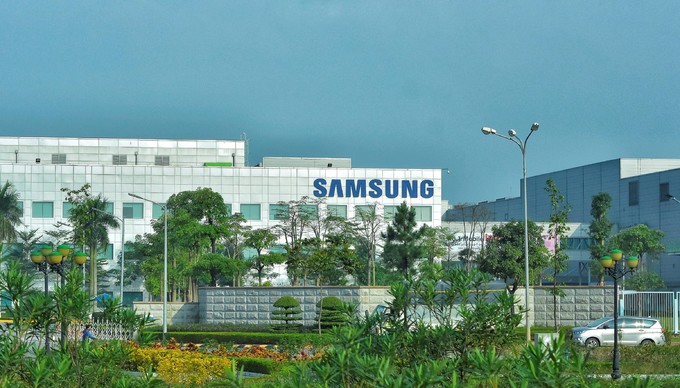
    Samsung Electronics will expand investments to develop youth education programs, it said Monday. The company’s three division heads sent an in-house broadcast to employees that day to share a newly set mission: “Enabling people,” which means to help people discover and develop their innate potential. A particular target will be put on developing programs for teens. The theme that will lay out the direction for this corporate social responsibility campaign is “Education for future generations.”

    Samsung has conducted corporate social responsibility (CSR) activities in the past, but this is the first time the company has publicly announced its mission. It comes a month after Samsung de facto leader and Vice Chairman Lee Jae-yong pledged to fully commit in taking on social responsibility as Korea’s leading conglomerate in a meeting with President Moon Jae-in at the Blue House.

    The No. 1 local company by market cap, Samsung Electronics already has a vast lineup of ongoing CSR programs, including educational ones. The designation and public announcement of the new mission, however, signals that the company will be expanding investment in the sector.

    Although there are no concrete plans at the moment, a spokesman explained there will be an increase in programs for teens. Now that there is a fixed mission, the programs will also be organized in a more “structured” way instead of the company and affiliates independently devising programs on their own.

    “We should realize a new model for future education that is based on our know-how in technology and innovation,” said Samsung President Kim Hyun-suk, who leads the consumer electronics division.

    In Monday’s message, there was a repeated emphasis on Samsung’s increased role in society. President Koh Dong-jin, who heads the mobile device business, for example, stressed that no company can communicate with customers if they do not consider social values.

    The word social responsibility has become increasingly common at Samsung recently, including in statements for the launch of a research center for fine dust and an official apology to former workers in November who got sick working at chip factories. The drive is particularly evident since Vice Chairman Lee returned to the company’s helm after his release from prison last year, which some industry watchers say is a move to improve the conglomerate’s public image.

  • Mastercard Takes HongKong’s Education Sector into New Milestone

    Mastercard Takes HongKong’s Education Sector into New Milestone

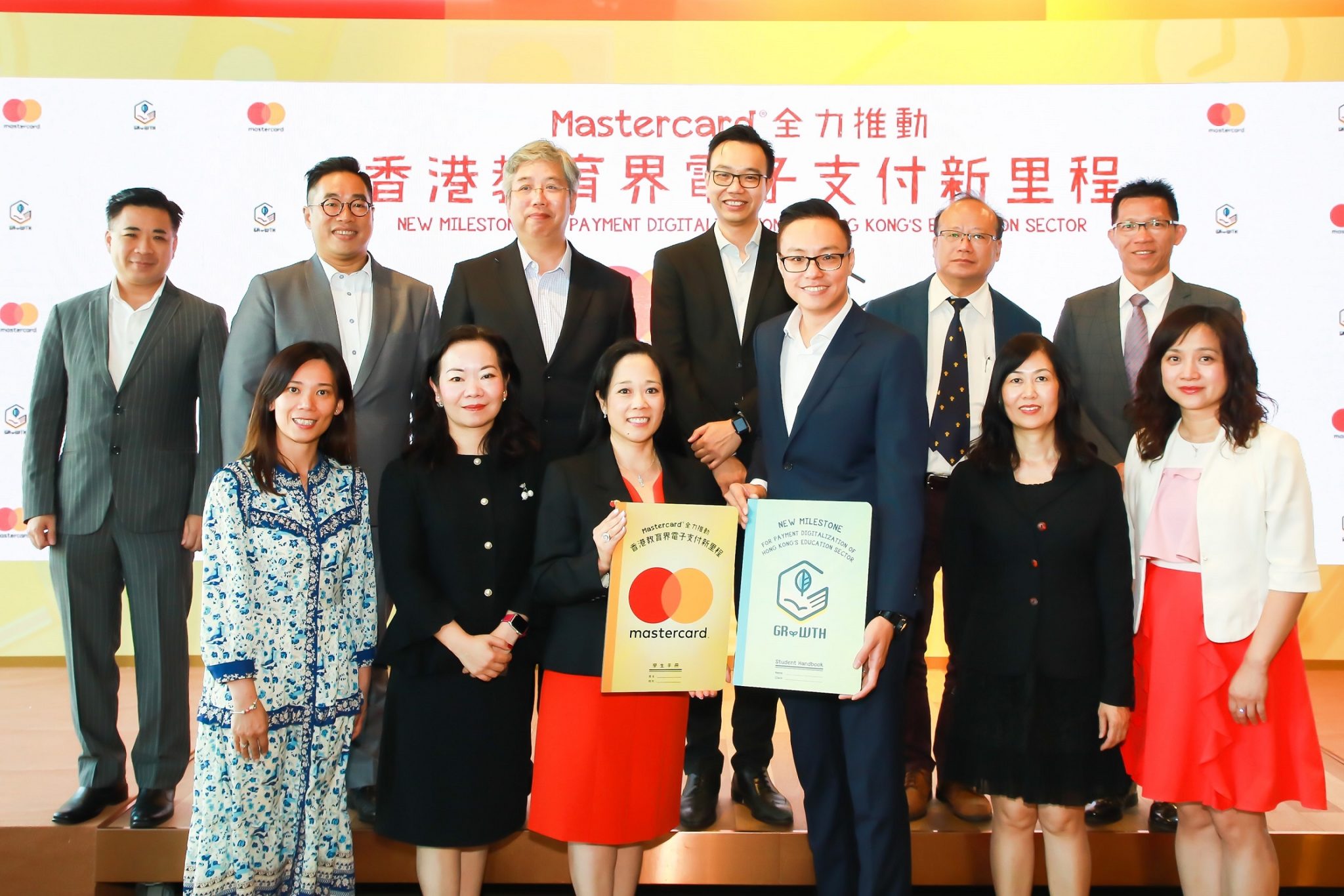
    Mastercard is bringing cashless payments to Hong Kong’s education sector through a seamless FinTech and EduTech platform, which enables the city’s first-ever integrated education app with multiple in-app digital payments.

    Through an exclusive partnership with local education app developer GRWTH, Mastercard will bring hassle-free, fast, safe, and convenient cashless payments experience to schools and parents. The enhanced app integrates digital payments, account reconciliation, student profiles, home-school communication, as well as school administration into one single platform.

    The partnership addresses the pain points faced by parents in daily school payments situations, such as spending a lot of time preparing cash or issuing checks, keeping track of expenses that are often paid in small amounts, and students missing out opportunities to join school activities due to losing cash or checks. All school expenses can be settled via the in-app digital payments function, thereby eliminating the need to deal with cumbersome cash or checks. Parents can also easily track their school payments anytime, anywhere, giving them greater peace of mind.

    Schools also benefit from saving massive administrative time and costs that come with handling the complex payment procedures. Teachers can also save time spent during class manually collecting payments from students. The app offers an exclusive backend reconciliation system, which provides a direct and convenient way to keep track of payments. This includes simplifying reconciliation procedures via transaction categorization and real-time transaction tracking as well as report generation. It relieves the pressure for schools in handling school expenses, allowing more quality teaching time.

    “We are proud to partner with Mastercard to attain our goal of enriching the life of our children through technology. GRWTH links up students, school administrators and parents and provide them with powerful and innovative tools for better home-school communication and organization,” said Adam Chan, co-founder and CEO, GRWTH. “By connecting the education, finance and technology sectors, we aspire to push forward the development of digital payments in Hong Kong.”

    “We are excited to turn a new chapter for the Hong Kong education sector. By bringing together EduTech and FinTech, Mastercard aspires to alleviate the pressure of handling large amounts of cash and checks for schools and parents, not only by providing them with fast, safe and convenient cashless payments experiences but also by helping them devote more time and energy into students’ growth and development,” said Helena Chen, managing director, Hong Kong and Macau, Mastercard. “Through Mastercard’s technology, we can truly lay the foundations for the future of our next generation, and push forward the development of Hong Kong as a smart city.”

    As the exclusive partner, Mastercard provides a one-click, secure digital payments solution. Parents simply need to store their Mastercard card details only once to enjoy the seamless, one-click experience for all future payments. To provide even more convenience, the new in-app payments service is not only available for Mastercard credit and debit cardholders, but also to Mastercard prepaid cardholders. With the world’s fastest and most reliable global payments network, Mastercard cardholders can enjoy the same robust, multi-layered security protections that comes with paying with a Mastercard.

    GRWTH has recently launched the service to 10 schools in Hong Kong as part of a pilot program* and plans to gradually expand the service to all kindergartens, primary and secondary schools in Hong Kong. “Our school aspires to bring changes to the education sector by leveraging technology and innovation. We are excited to be one of the 10 pilot schools to introduce a cashless payments option for parents,” said Chu Tsz Wing, chief principal, St. Hilary’s Primary School & VNSAA ST. HILARY’S SCHOOL.

    Apart from its in-app payment function, the GRWTH app includes tools for home-school communication and school administration, and will soon integrate the ability to pay vendors such as extra-curricular activities and school service providers, allowing parents to make instant and direct payment. The “GRWTH Community” is made up of over 100 NGOs and commercial organizations in Hong Kong. Parents can choose personalized extracurricular activities for their children based on the multi-intelligence analysis function in the app’s talent pool. The GRWTH app is available for free download via Apple App Store and Google Play Store.

    *The 10 pilot schools are:

     Buddhist Lim Kim Tian Memorial Primary School

     Buddhist Wing Yan School

     ELCHK Ma On Shan Lutheran Primary School

     Fung Kai No.1 Primary School

     Gloria Creative Kindergarten and Gloria Creative Kindergarten (Sheung Shui)

     Lok Sin Tong Leung Wong Wai Fong Memorial School

     N.T.W.J.W.A. LTD. Leung Sing Tak Primary School

     St. Edward’s Catholic Primary School

     St. Hilary’s Primary School and VNSAA ST. HILARY’S SCHOOL

     The ELCHK Wo Che Lutheran School

  • Education key to more women in SE Asia workforce

    Education key to more women in SE Asia workforce

    Education is key to growing the participation of Southeast Asian women in the labor force, an Indonesian business leader said Tuesday.

    The Indonesia Business Coalition for Women Empowerment is pushing to extend the stay of girls in school to up to 12 years from 9 years so they won’t get forced into early marriage, said its executive director, Widiastuti.

    “If a family has to decide who to send to school, because they have a certain limited income, in the past especially, they will most likely give the son preferential treatment,” Widiastuti said.

    A lack of education makes women vulnerable to pay inequality, she said.

    In Indonesia, there is a 16-percent wage gap across the board between men and women. The inequality runs as high as 50 percent for low-skill jobs then narrows to 21 percent for those who finished high school and 6.2 percent in the tertiary level.

    “We need to push further not just government but the corporate sector, to open up for women to take up leadership positions to go from entry level, to middle manager level,” Widiastuti said.

  • Apple to hold educative sessions at Apple Stores to increase customer engagement

    Apple to hold educative sessions at Apple Stores to increase customer engagement

    It may just be a marketing gimmick, but Apple’s latest initiative has all the elements to attract the crowd in its stores. The tech giant is planning to mobilize the mass to its stores by arranging educative sessions, dubbed “Today at Apple”, which would be organized by experienced professionals and will impart wisdom on a varied list of topics ranging from literature to coding.

    This initiative is aimed at building a better engagement between Apple enthusiasts and the brand by providing creative outlets and sessions, completely free of cost. The sessions will be held by experienced Creative Pros, who will make use of the varied products that Apple has to offer in order to educate the participants.

    Apple’s Senior Vice President of Retail, Angela Ahrendts said: “Today at Apple’ is one of the ways we’re evolving our experience to better serve local customers and entrepreneurs.”

    “We’re creating a modern-day town square, where everyone is welcome in a space where the best of Apple comes together to connect with one another, discover a new passion, or take their skill to the next level. We think it will be a fun and enlightening experience for everyone who joins,” she added.

    So if you are a photography enthusiast getting ready to sharpen your skills via six “How To” sessions at the nearest Apple store, that would cover shooting, organizing, editing and more or if you think you have elevated from all the basic stuffs, you can participate in the photo walks. If you are a coder, you can learn how to tinker around with Swift Playgrounds, which shares the same ethos that professional developers regularly apply in their day to day coding activities.

  • Sales of Educational Products Popular among Korean Workers

    Sales of Educational Products Popular among Korean Workers

    Korea’s unyielding economic slump and more frequent corporate restructuring are driving employees to quickly prepare for a hazy future. These employees are referred to as saladents – a portmanteau of the words salaryman and student.

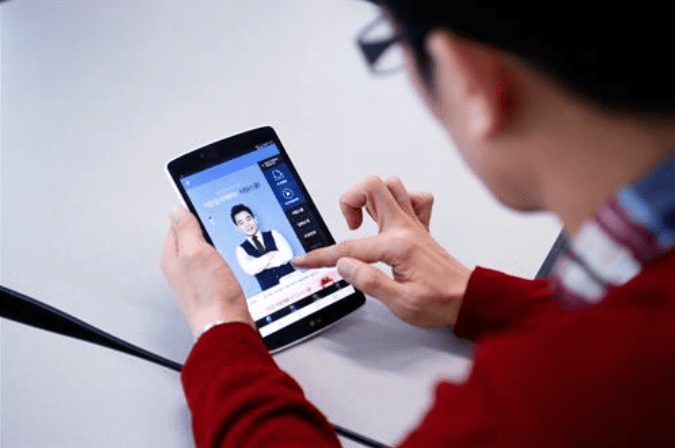
    According to a retail industry watcher, Hyundai Home Shopping generated 30 billion won in revenue from sales of the Siwon-school Tab, an English-learning device. The device was first introduced on its channel in January, and has been aired 31 times in the past five months.

    The device is based on LG’s G-pad 8.0 with an internal SD card, and offers its users a variety of English lectures without having to connect to any networks.

    However, the more intriguing part of its popularity is that 59.8 percent of the purchasers were men. In Korea, there are usually twice as many female home shoppers as male customers, with a male-to-female ratio of 22:78.

    Furthermore, 50 percent of all customers were in their 40s.

    Hyundai Home Shopping explained that there is a greater number of male customers who are studying prior to retirement, or with hopes of getting a promotion. And they tend to prefer such devices that offer more convenient and unrestricted means of study in contrast to visiting private academies before or after work hours.

    “In the past, parents would purchase learning devices for their children,” said Lee Sung-gu, senior merchandiser (MD) for Hyundai Home Shopping. “But more recently, it’s the saladents who want to improve their competitive advantage in society.”

  • 3 things you need to know about Hong Kong’s online shoppers

    3 things you need to know about Hong Kong’s online shoppers

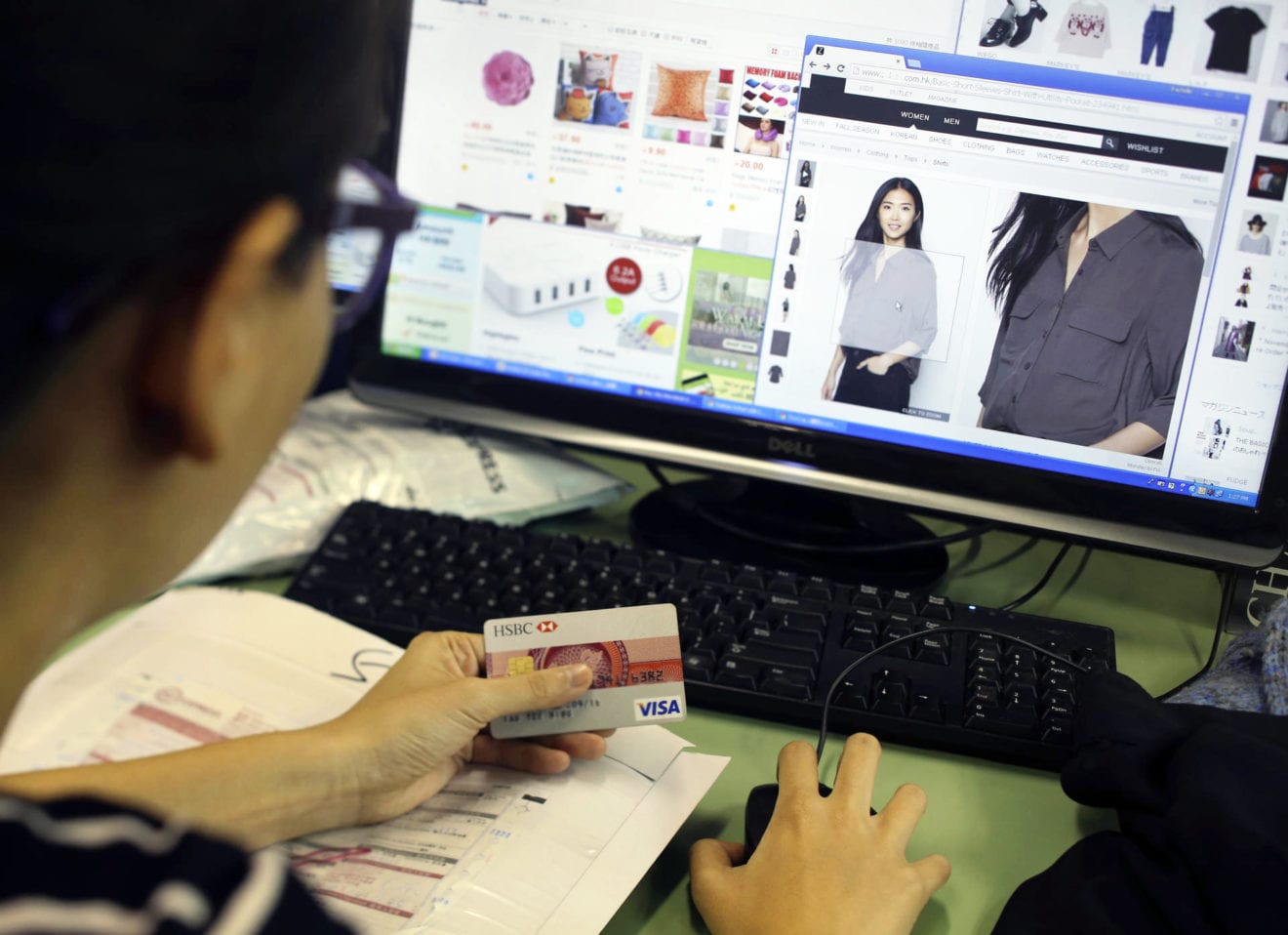
    The line between browsing and buying online and offline in Hong Kong is blurring as technology enables nearly everything to become a digital touch point for consumers. Following the success of e-commerce boom in China, Hong Kong retailers are also keen to leverage the “online shopping fever” these years, and some e-tailers have started organizing similar Online Shopping Festivals in Hong Kong. But the real question is: what are the consumer perceptions toward these shopping events?

    Based on our recent study, here are some highlights you ought to know about Hong Kong e-shoppers:

    LESSON 1: KNOW YOUR CONSUMERS

    Generally speaking, 88% of Hong Kong consumers shopped online in the past 12 months. The young generation (aged below 30) are all active e-shoppers, while one-third of the e-shoppers in Hong Kong purchased online within one week.

    LESSON 2: KNOW YOUR POINT OF SALES

    Over 80% consumer shop online through desktop computers, while two-out-of-five online shoppers choose their smartphone for e-shopping.

    LESSON 3: KNOW YOUR PRODUCT STRATEGIES

    The top three most popular categories for e-shoppers are clothing, travel package/ air tickets/ hotels, and restaurant coupons.

    E-commerce is quickly becoming crucial to growth because creating a relevant, integrated and engaging shopping experience means winning offline as well.