Tag: efficiency

  • H&M Closes Q4 with Soaring Profits Amid Cost Control & Inventory Efficiency, Softening Demand Forecasted

    H&M Closes Q4 with Soaring Profits Amid Cost Control & Inventory Efficiency, Softening Demand Forecasted

    Despite limited sales growth and a reduction in store counts, H&M ended the year with robust profitability and stringent cost control.

    Q4 Performance

    The fourth quarter, concluding on November 30, saw a 2 percent increase in sales. This growth was achieved despite a 4 percent reduction in store operations compared to the same period last year. The retailer’s operating profit escalated 38 percent to US$738.3 million, driving the operating margin up to 10.7 percent from 7.4 percent the previous year. The gross margin also increased to 55.9 percent. H&M attributes this successful quarter to an enhanced product offering and superior inventory productivity, even with selling and administrative expenses on the wane.

    H&M CEO Daniel Erver highlighted a strong customer offering, effective cost control, and improved inventory productivity as the main drivers of this quarter’s performance.

    Annual Results

    Over the year, H&M reported a 2 percent rise in net sales in local currencies. However, reported sales demonstrated a decline, settling at $25.7 billion. Operating profit saw a rise, reaching $2.1 billion and lifting the operating margin to 8.1 percent from the previous year’s 7.4 percent.

    Net profit also saw an increase, reaching $1.3 billion, while cash flow from operating activities grew to $3.5 billion. According to Erver, the company saw an improvement in earnings during the second half of the year, attributing it to a focus on enhancing relevance and speed across the product offering.

    Erver added, “We continue to make significant strides towards all our long-term goals despite challenging environments.”

    Future Projections

    Looking forward, H&M predicts a 2 percent decline in sales in the upcoming months in local currencies. This projection is based on a softened demand following strong Black Friday sales and a negative calendar effect due to the timing of the Chinese New Year.

    H&M also plans to expand its physical and digital presence in growth markets such as Brazil and other parts of Latin America. This expansion strategy will be complemented by an ongoing optimization of the store portfolio and increased use of artificial intelligence.

    Questions & Answers

    What were the key contributors to H&M’s fourth-quarter performance?
    The performance was primarily driven by a stronger customer offering, good cost control, and improved inventory productivity.

    What factors led to the improvement in H&M’s annual earnings?
    H&M’s annual earnings saw an improvement due to a focus on enhancing relevance and speed across the product offering.

    What is H&M’s growth strategy for the near future?
    H&M plans to expand its physical and digital presence in growth markets such as Brazil and other parts of Latin America, alongside ongoing optimization of the store portfolio and increased use of artificial intelligence.

  •  6 Ways Pallet Jacks Help Retailers Increase Their Stocking Efficiency

     6 Ways Pallet Jacks Help Retailers Increase Their Stocking Efficiency

    Retailers today are under more pressure than ever to operate with speed, accuracy, and efficiency, especially when it comes to stocking. With growing customer expectations and the rapid rise of e-commerce, businesses must move goods quickly and keep shelves replenished to remain competitive.

    In Singapore, for instance, the e-commerce and logistics sector made up 44% of occupied warehouse space in 2019—an indication of how significantly demand has increased for faster, more efficient inventory movement and fulfilment.

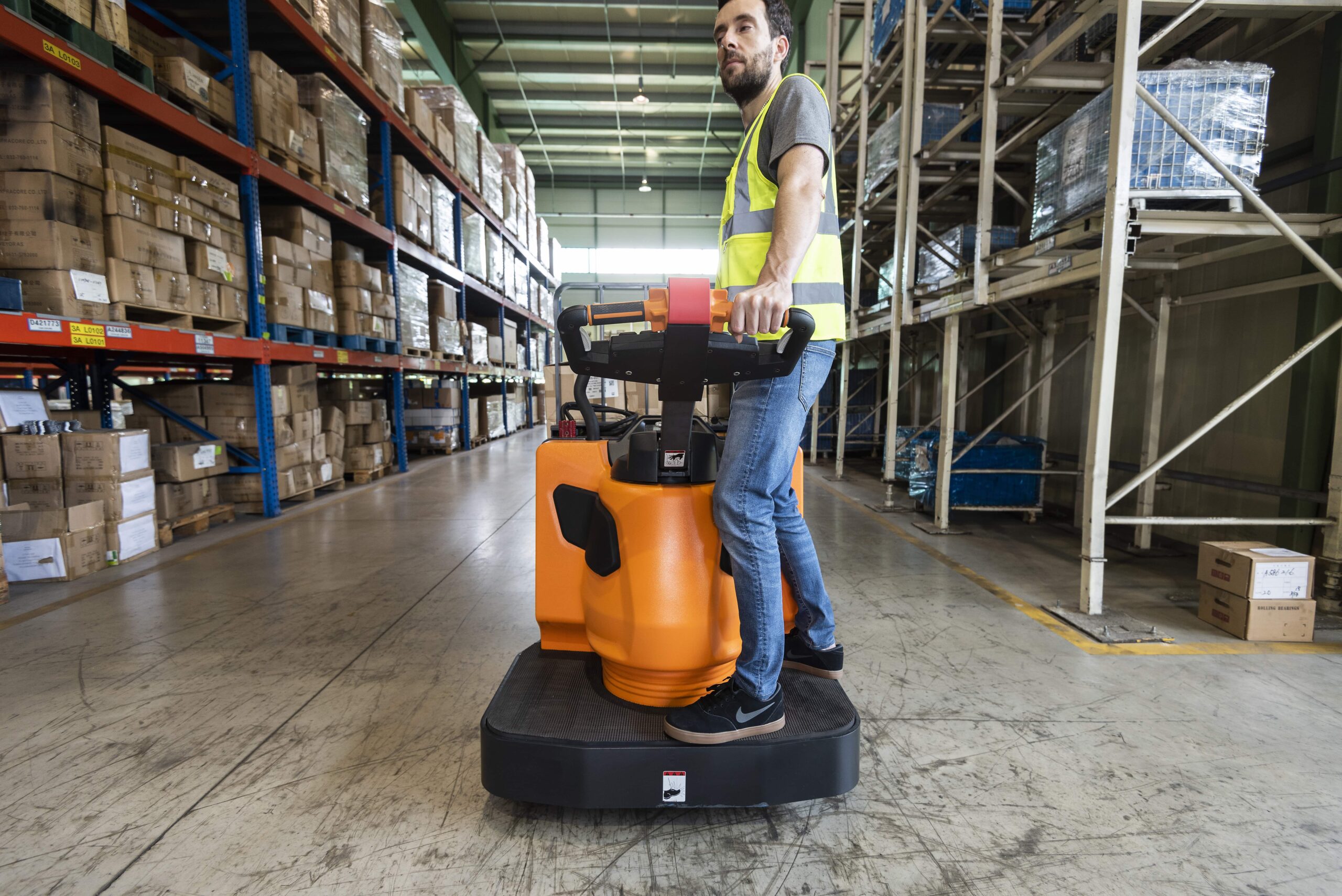
    One simple yet powerful tool that can make a big difference in this area is the pallet jack. This practical piece of equipment helps staff move heavy goods quickly, safely, and with minimal effort. Easy to use and low-maintenance, a pallet jack can greatly improve how stock is handled and organised. Let’s take a closer look at how pallet jacks can boost the stocking efficiency of retailers, helping them keep their restocking efforts efficient and consistent:

    1) Fast Movement of Bulk Items

    Pallet jacks allow staff to move large quantities of stock at once, significantly reducing the time needed to restock shelves or reorganise storage areas. Instead of handling items individually or relying on smaller trolleys, staff can transport entire pallets or heavy containers in a single trip. This is especially useful for fast-moving consumer goods or promotional stock that requires frequent replenishment.

    This added speed directly contributes to stocking efficiency by minimising downtime between deliveries and shelf availability. During peak hours or tight overnight restocking windows, the ability to move products in bulk helps ensure that shelves stay stocked and customer demand is met without delay. It also frees up staff for other operational tasks, boosting overall productivity.

    2) Minimised Physical Strain on Staff

    Heavy lifting and repetitive manual handling can take a toll on retail workers, leading to fatigue, a slower work pace, and even injuries. Pallet jacks help reduce this strain by enabling staff to move heavy loads with minimal physical effort.

    Because the pallet jacks better protect staff from overexertion, retailers are also able to lower the risk of sick days and injury-related downtime. This contributes to a more consistent workforce and ensures that restocking tasks can be carried out smoothly, without unnecessary interruptions. A healthier, more energised team is also better equipped to maintain a steady pace, particularly during demanding overnight shifts or busy sales periods.

    3) Easy Manoeuvrability in Tight Retail Spaces

    Retail environments often feature narrow aisles, crowded stockrooms, and high foot traffic areas, all of which can make moving stock a challenge. Pallet jacks, however, are compact and agile, allowing staff to navigate these tight spaces with ease and minimal disruption. Thanks to the equipment’s precise steering, employees can move goods efficiently, even when working in confined backroom areas.

    This manoeuvrability enables staff to carry out restocking tasks without blocking pathways or needing to shift other items out of the way. With fewer obstacles and smoother movement, team members can maintain a consistent pace throughout their shift.

    4) Efficient Unloading from Delivery Bays

    When new inventory arrives, time is of the essence. It’s a good thing pallet jacks enable staff to quickly unload trucks and move products directly to storage or display areas. This streamlined process helps prevent congestion at receiving bays and minimises delays—especially crucial in high-turnover retail settings where freshness and timing matter.

    Faster unloading also means restocking can begin sooner, ensuring that new products reach the shelves without unnecessary delay. For retailers, this leads to shorter lead times, better stock rotation, and improved customer satisfaction, all contributing to a more responsive and efficient in-store supply chain.

    5) Improved Organisation of Stock Areas

    Well-organised stockrooms are essential for efficient retail operations, and pallet jacks make it easier to arrange goods in ways that allow faster retrieval and more effective use of space. Staff can quickly reposition pallets, rotate stock in line with first in, first out (FIFO) practices, or create clear pathways for easier access without having to manually lift or carry heavy items.

    Improved organisation makes restocking a smoother, more systematic process. Team members can locate items more quickly, reduce unnecessary handling, and maintain better visibility of inventory levels. This not only speeds up restocking but also supports better inventory control and fewer stock discrepancies, which help retailers maintain accuracy and efficiency.

    6) Seamless Integration into Daily Store Routines

    Pallet jacks are simple to operate and don’t take long to learn, which makes them easy to incorporate into everyday retail routines. Both new hires and experienced staff can use them confidently with minimal training, which should help reduce onboarding time while still allowing teams to remain flexible and responsive to changing priorities.

    Thanks to their ease of use, pallet jacks can be quickly deployed whenever restocking is needed. This adaptability helps retailers maintain momentum throughout the day and ensures that shelves remain well-stocked and presentable, even during peak periods and extended hours.

    All in all, pallet jacks provide a straightforward yet highly effective solution for retailers looking to enhance stocking efficiency. They’ll enable faster, safer movement of goods and allow teams to stay productive and responsive to customer demand. As a result, pallet jacks are certainly a smart investment for retailers who want to keep their shelves stocked, support their staff, and oversee seamless daily operations.
  • Krungsri and Schneider Electric Unite to Boost Energy Efficiency for Small and Medium Enterprises

    Krungsri and Schneider Electric Unite to Boost Energy Efficiency for Small and Medium Enterprises

    Driving Sustainable Energy Solutions in Thailand

    In a progressive move to enhance energy efficiency in Thailand, Krungsri (Bank of Ayudhya) has joined forces with Schneider Electric. This partnership aims to empower the nation’s entrepreneurs, particularly small and medium enterprises (SMEs), to embrace cutting-edge energy technologies.

    By blending Schneider Electric’s renowned expertise in energy management and automation with Krungsri’s prowess in sustainable finance, the two organizations are set to tackle pressing energy and environmental challenges facing Thailand. “In our pursuit of becoming The Leading Sustainable and Regional Bank, we are committed to promoting ESG practices among Thai businesses,” stated Pairote Cheunkrut, Krungsri’s Chief Strategy Officer, in a press release.

    Focusing on the unique needs of SMEs, which can face electricity costs ranging from 10% to 30% based on their industry, Krungsri is determined to facilitate their transition to more sustainable operations. “We understand how crucial these shifts are for SMEs struggling with high energy expenses, and our initiative is designed to support them through these evolving energy landscapes,” added Cheunkrut.

    Collaboration will center around two vital areas: decarbonization and ecosystem development, as well as sustainable finance solutions. Notably, Krungsri plans to provide financial assistance that enables SMEs to invest in energy-efficient technologies. As a result, businesses can expect not only a reduction in carbon emissions but also improved long-term sustainability. After all, who wouldn’t want to turn their energy bills into a business opportunity?

    Questions & Answers

    How will Krungsri and Schneider Electric support SMEs in Thailand?
    They will combine their strengths to provide access to advanced energy technologies and financial solutions, helping SMEs transition to energy-efficient operations.

    What is the significance of decarbonization in this partnership?
    Decarbonization is a central focus as it addresses the urgent need to reduce carbon emissions, offering a pathway for businesses to operate more sustainably.

    What are the expected benefits for SMEs adapting to these energy solutions?
    SMEs can expect to reduce their electricity costs significantly, enhance their sustainability, and improve their business resilience through the adoption of energy-efficient technologies.

  • Rakuten Group Unites Five Subsidiaries to Enhance Operational Efficiency

    Rakuten Group Unites Five Subsidiaries to Enhance Operational Efficiency

    In a bold strategic move, Rakuten Group, Inc. has announced plans to consolidate five of its wholly-owned subsidiaries—Rakuten Mart, Inc., Rakuten Ticket, Inc., Rakuten Car Inc., Rakuten STAY, Inc., and Monzen Corporation Japan—into its parent company. This consolidation, set to take effect on 1 January 2026, is designed to streamline operations and enhance efficiency.

    A Streamlined Future

    This absorption-type merger will unfold without the need for approval from the general shareholders’ meetings of the involved subsidiaries, a testament to the company’s commitment to agility. The driving force behind this merger is Rakuten’s determination to enhance operational efficiency and cut administrative expenses within the group. With a network spanning over 70 services—including e-commerce, travel, content, mobile, FinTech, and professional sports—Rakuten is doubling down on its mission to fortify the Rakuten Ecosystem.

    Harnessing AI for Efficiency

    Moreover, Rakuten is ramping up the group-wide implementation of artificial intelligence, further aiming to improve its cost management. Following the merger, Rakuten Group, Inc. will emerge as the sole entity, leading to the dissolution of the five subsidiaries. Given that these are wholly-owned subsidiaries, no new shares will be issued, nor will any payments be made. In a convenient twist, none of the merging subsidiaries have issued share subscription rights or bonds with subscription rights, making the transition smooth.

    Staying the Course

    Rakuten has assured stakeholders that the merger will not affect its corporate name, headquarters, representative structure, core business operations, capital, or fiscal year-end. The company remains poised for further internal mergers in the future, promising to keep everyone in the loop as developments arise. So, what’s next for Rakuten? Only time—and perhaps a dash of AI—will tell.

    Questions & Answers

    **What is the purpose of the merger?**
    The merger aims to boost operational efficiency and cut administrative costs, all while strengthening the Rakuten Ecosystem.

    When will the merger take place?
    The consolidation is set to be effective from 1 January 2026.

    Will there be any changes to Rakuten’s corporate structure after the merger?
    No, there will be no changes to the corporate name, headquarters, or core business operations following the merger.