Tag: eGG

  • Egg producers claim 14 years is not long enough to phase out battery cages

    Egg producers claim 14 years is not long enough to phase out battery cages

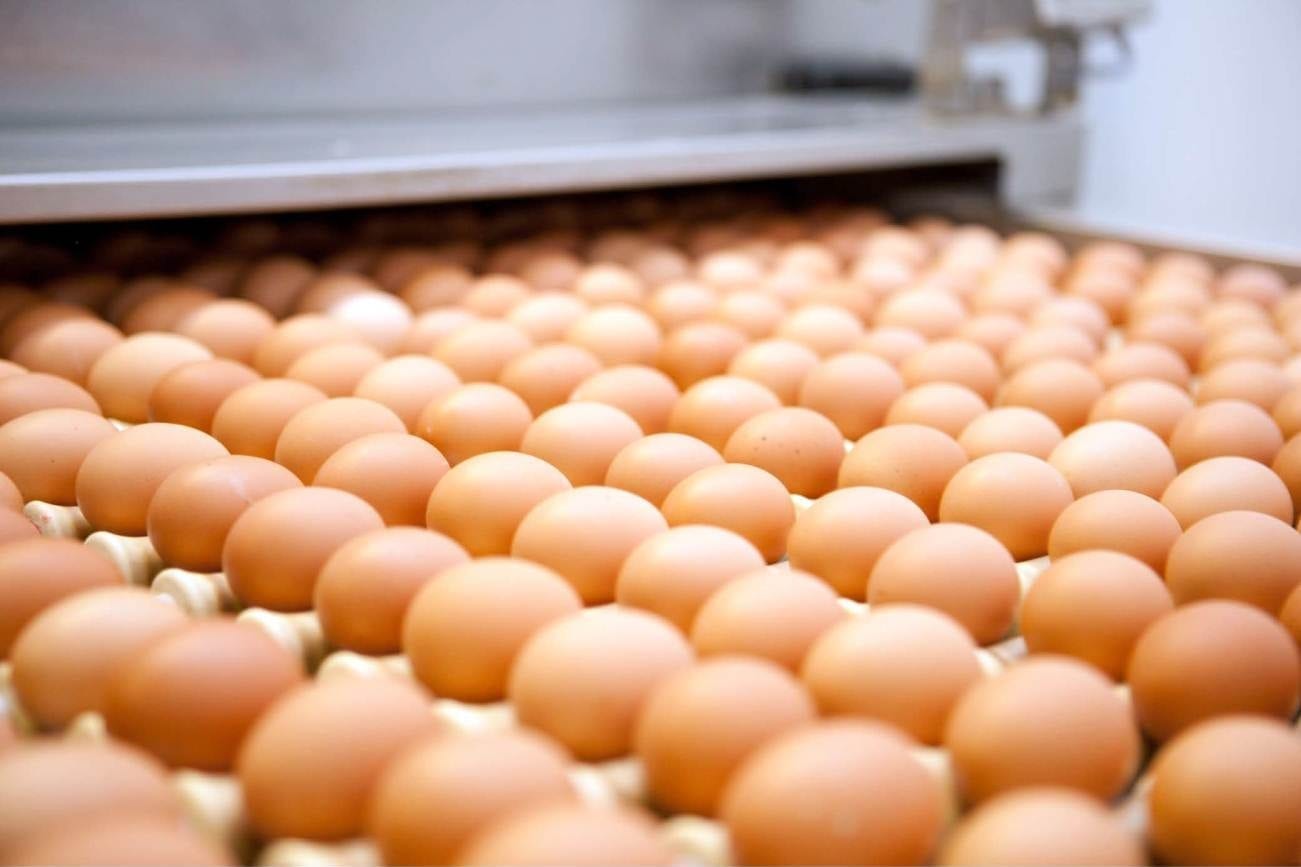
    Australia will phase out battery eggs by 2036, after a lengthy battle between the egg industry and animal welfare groups that the latter says will finally bring the country into line with Europe and New Zealand.

    The reform was quietly announced on Thursday with the publication of the Australian Animal Welfare Standards and Guidelines for Poultry, a framework that has been in negotiations between governments and industry for seven years.

    The new guidelines state that egg producers will phase out the use of conventional layer hen cages over the next 10 to 15 years, and by 2036 at the latest, depending on the age of their current infrastructure.

    From that point, all caged laying hens must have 750cm sq of usable space for each bird, if kept in a cage with two or more others. If the hen is caged alone, the cage must allow for 1m sq of usable space.

    While animal welfare groups say the 14-year timeline is too long, industry group Egg Farmers of Australia released a statement that said it was “dissatisfied” the guidelines “fail to allow the option for conventional cage egg production to continue for a further 24 years”.

    CEO Melinda Hashimoto said the guidelines were a “slap in the face” to egg farmers and “totally ignored evidence on why conventional cage eggs should continue to 2046”. Farmers rely on 30-year loans to pay for cages and other infrastructure, she said, and a 2036 deadline “could derive many family egg farmers to the wall”.

    The new guidelines also require that ducks be provided with access to water to bathe in, and that chickens that are used in the meat industry be provided with “environmental enrichment” such as perches, hay or straw to scratch in, objects to peck and “dust-bathing materials”.

    There is currently no regulatory requirement that ducks be provided with water other than drinking water.

    RSPCA Australia’s chief executive, Richard Mussell, said it was a significant win for animal welfare.

    “But most importantly, it will eventually be a win for the millions of layer hens confined to battery cages,” he said.

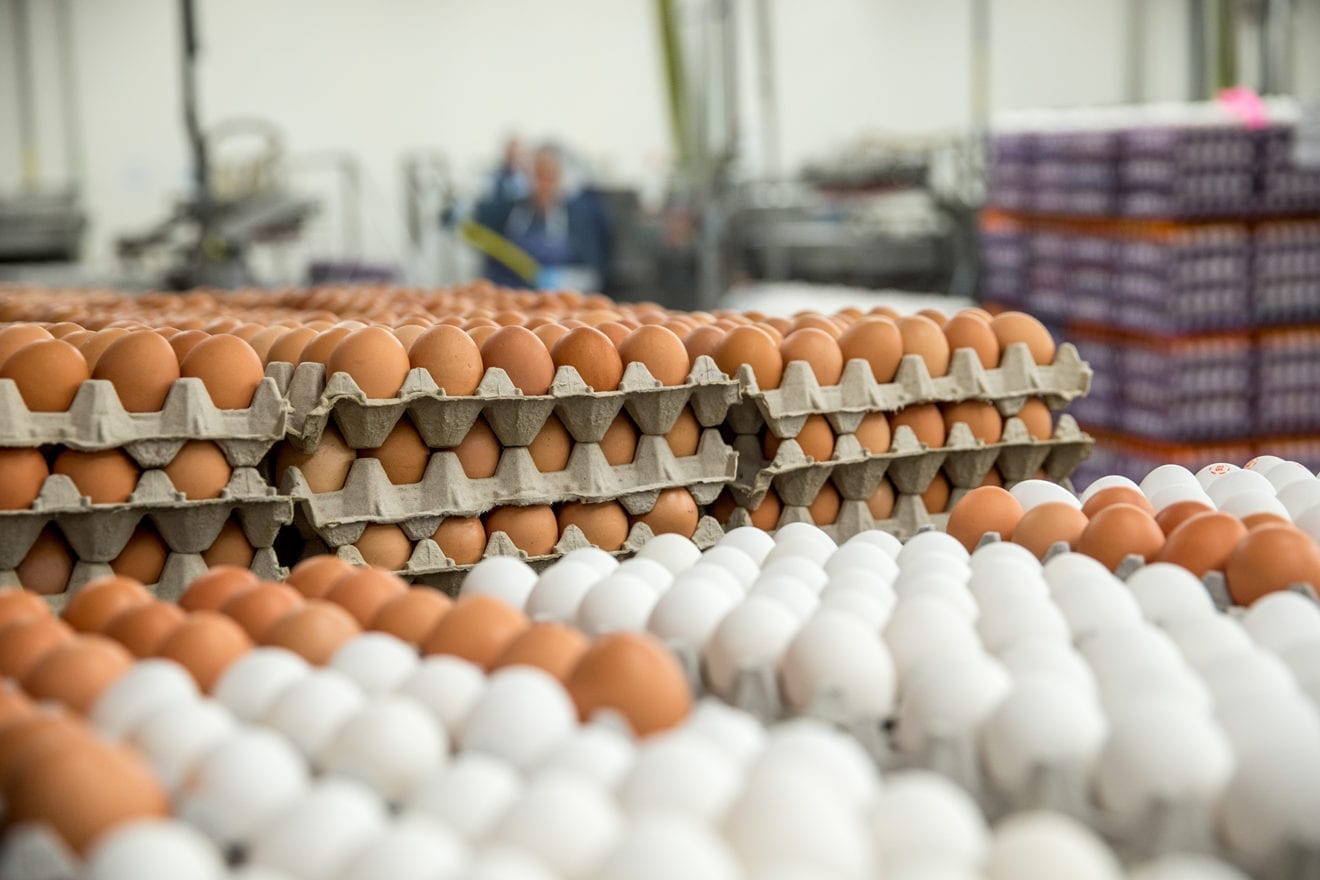
    According to the Australian Bureau of Statistics, 5.36 million layer hens, or 32% of the national flock, was caged in 2020-2021. In egg production alone, 50% of birds are caged.

    Mussell said that he hoped state and territory governments would act to enforce the new guidelines long before 2036. The Australian Capital Territory banned the use of battery hen cages and sow stalls in 2014 but no other Australian jurisdiction has begun the legislative process to ban cage eggs.

    New Zealand ended the use of battery cages this year after announcing a 10-year phase-out process in 2012. Most of Europe, including the UK, banned the use of battery cages in 2012; Mexico, Israel, and Canada have also banned battery cages.

    Mussell said the slow pace of the reform – which included a public consultation process that received more than 160,000 submissions – was frustrating.

    “These poultry standards and guidelines were under review for nearly seven years,” he said. “The phase out is the right result, and it should have been put in place six years ago. Millions more layer hens have had to endure barren battery cages as a result of these delays.”

    The Humane Society of Australia, Animals Australia, and the Australian Alliance for Animals all welcomed the announcements that battery cages would be banned, but criticised the 14-year phase-out period.

  • Siri’s Konami Code Easter Egg has three different responses to tell you

    Siri’s Konami Code Easter Egg has three different responses to tell you

    A new Easter Egg has been discovered for iOS and the iPhone that is based on the Konami Code. The latter is a sequence of controller button presses that was created as a cheat by games developer Kazuhisa Hashimoto, who used to work for Konami. Hashimoto died last year at the age of 79 and one of the games he worked on was Gradius.

    The sequence of the Konami Code, Up Up Down Down Left Right Left Right B A, was used by video game players to power up their characters in Gradius and other games. Now, that sequence is an Easter Egg for iOS users. Simply activate Siri by saying, “Hey, Siri” and read the directions of the cheat to the Virtual Assistant.

    Siri will respond by calling you a “cheater,” or a “nerd. Or Siri might say, “I’m getting dizzy.” The Konami Code also works on other platforms. Try it with Alexa and Amazon’s voice assistant will say, “Super Alexa mode: Activated. Starting reactors: Online. Enabling advanced systems: Online. Raising dongers. Error: Dongers missing. Aborting…”

    Back in 2003, Hashimoto said that he created the code to make it easier for him to play-test the game. Another game called Contra gave 30 extra lives to those who used the Konami Code on their controller when the title screen appeared. Keep in mind that the code also worked with non-NES games. On the PlayStation, the code would be Up, Up, Down, Down, Left, Right, Left, Right, O, X.

  • Irvins Salted Egg expands into the US via DTC route

    Irvins Salted Egg expands into the US via DTC route

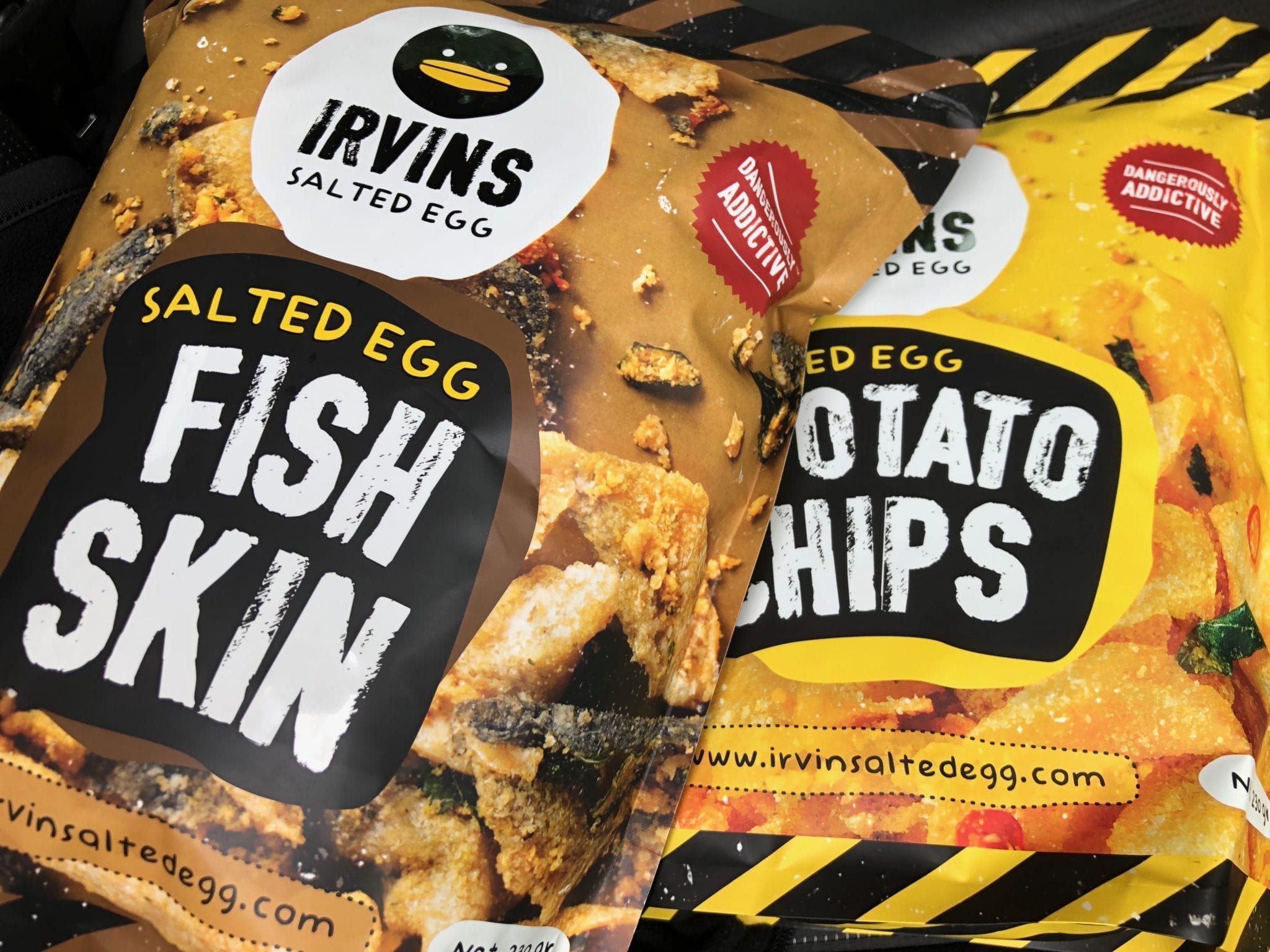
    Singaporean cult snack brand Irvins Salted Egg has expanded online in the US and launching at several Asian specialty stores including 99 Ranch, Seafood City and H Mart.

    The popular brand, which has a cult following in Singapore and Hong Kong, especially, has pop-up style brick-and-mortar stores and sell-through in nine Asian countries. By going online it has taken a direct-to-consumer approach to competing with American snack brands.

    In Australia, it is sold through the e-commerce site Snack Affair.

    “We are ecstatic about our expanded availability in the US. Irvins Salted Egg products bring a distinctive flavor and premium quality to the American snack food market, and we look forward to earning a place in the conversation as more people can try our product,” said Yosuke Yazawa, Irvins chips business development manager of North America.

    Irvins will offer flavors online such as Salted Egg Potato Chips, Spicy Salted Egg Potato Chips, Salted Egg Cassava Chips, Spicy Salted Egg Cassava Chips and Salted Egg Crunchy Roll.

    The salted-egg flavored chips are made in Singapore using Asian flavors such as the salted duck egg yolk, curry leaves, and red chilli pepper without preservatives.

  • Pokemon GO’s most beloved event is back with stunning prizes

    Pokemon GO’s most beloved event is back with stunning prizes

    Niantic, the game studio behind Pokemon GO, has just announced that one of the title’s most popular events will be back for seven days starting next week. The Pokemon GO Eggstravaganza will start on April 16 at 1:00 pm PDT and should end on April 23 at 1:00 pm PDT.

    Pokemon GO veterans will be happy to know that during the event, many rare Pokemon will be available in 2 km Eggs such as Pichu, Smoochum and Magby, while Egg-focused Field Research will be available to complete.

    Obviously, that’s not all, as developers announced that every egg hatched during the event will also include bonus Candy that will help players to boost their newly hatched Pokemon. One other rare Pokemon – Buneary will join the even, and if you’re very lucky, you’ll be able to encounter its Shiny form.

    To sum it up, for exactly a week starting April 16, Pokemon GO players will receive bonuses (2x Hatch Candy, 2x Incubator effectiveness, Lucky Eggs will last twice as long) and a chance to catch rare Pokemon (Pichu, Smoochum, Magby, and Shiny Buneary). Make sure to turn on Adventure Sync to benefit from these prizes throughout the Eggstravaganza event.

  • Era when eggs taking over Instagram

    Era when eggs taking over Instagram

    Eleven days ago, the anonymous Instagram account world_record_egg posted its first image, what appears to be a simple stock photo of a brown egg. “Let’s set a world record together and get the most liked post on Instagram,” the caption read. The photo has now reached that goal, with over 42 million likes as of Tuesday afternoon. It blew past the previous record holder over the weekend, the first photo Kylie Jenner shared of her daughter Stormi, which garnered only around 18.5 million likes after it was posted last year.

    It is easy to root for the Instagram egg and its other nihilistic siblings, like the halved white onion that only wants more Twitter followers than President Donald Trump.

    These accounts are not inherently interesting or important—many of them post barely any content at all—but they are made so because the internet decides they should win the attention lottery. In an era of rampant spam, thirst traps, and stolen memes, the egg became popular by straightforwardly asking for likes and nothing else. It is absurd. It is delightful. It feels righteous, charitable even, to help these accounts amass larger online followings than those of world leaders or members of the Kardashian family.

    Anything can be mapped onto the canvas of a blank brown egg, and so thousands of remixes have predictably been created that riff on the original. Ellen DeGeneres, for her part, put Kylie Jenner’s face on the egg on Monday, in the hopes that by putting them together, she can attract more engagement than the two most popular Instagram posts combined.

    Why did this egg take off where others have failed, that’s not clear. But the creator is clearly familiar with some of the engines of online fame. They tagged a number of people and publications that regularly cover viral memes like LADBible, Mashable, BuzzFeed, the Daily Mail, and YouTube star PewDiePie in the egg photo itself. Once the account took off, they began to sell “official” merchandise, including T-shirts that say “I LIKED THE EGG,” which go for $19.50. A request for comment sent to the email listed on the egg’s Instagram page went unanswered.

    The account behind the egg, which has nearly 6 million followers, is also an incredibly valuable marketing vehicle. Brands could spend thousands of dollars to advertise with it, according to sources in the influencer marketing industry who spoke with Recode. When the egg goes out of style, its creator could also sell the account or pivot to sharing another type of content with the massive audience they’ve already attracted.

    The egg’s creator may instead simply continue to try to profit off the popular meme, as other viral food sensations have before them. In 2014, after Zack Brown went viral for raising more than $55,000 on Kickstarter to make potato salad, he threw a potato-themed party and two years later released a potato salad cookbook. Carter Wilkerson—the teen who became famous in 2017 after Wendy’s promised a year of free chicken nuggets if he achieved 18 million retweets—went on to sell nugget-themed apparel for charity. Max Miller, the guy behind the half onion, also sells merchandise and claims a portion of sales are donated to charity too.

  • Stelux Holdings warns of annual loss

    Stelux Holdings warns of annual loss

    Stelux Holdings International has warned shareholders of an impending loss due to slow sales through its store network and narrower margins.

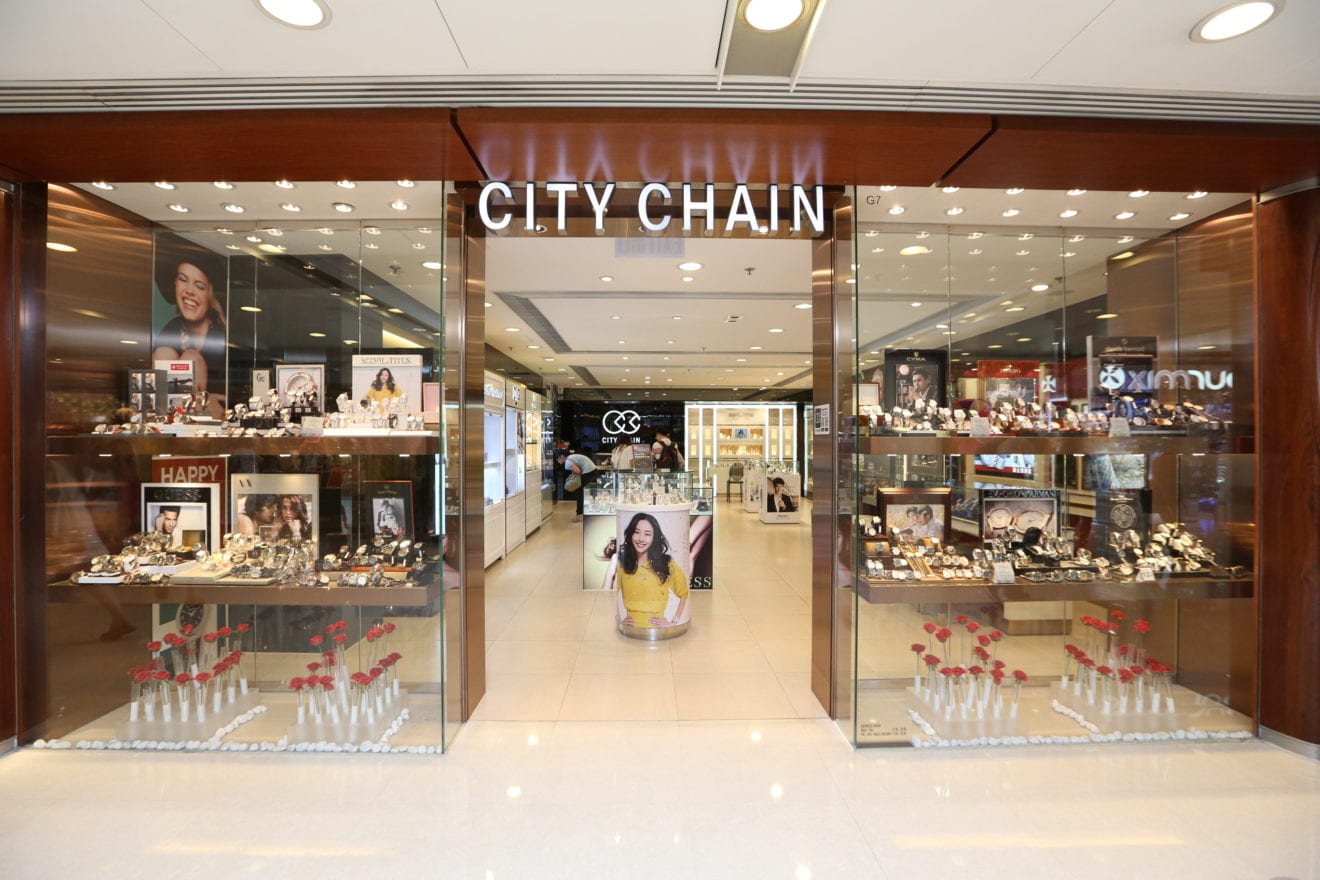
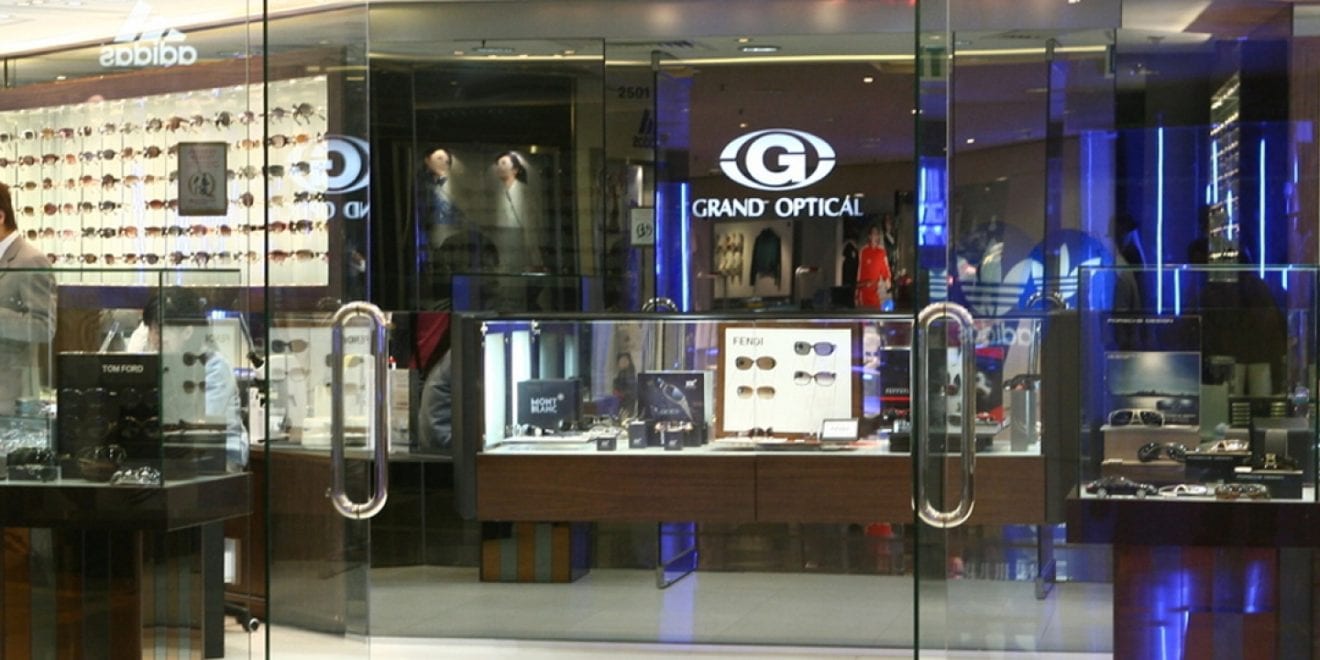
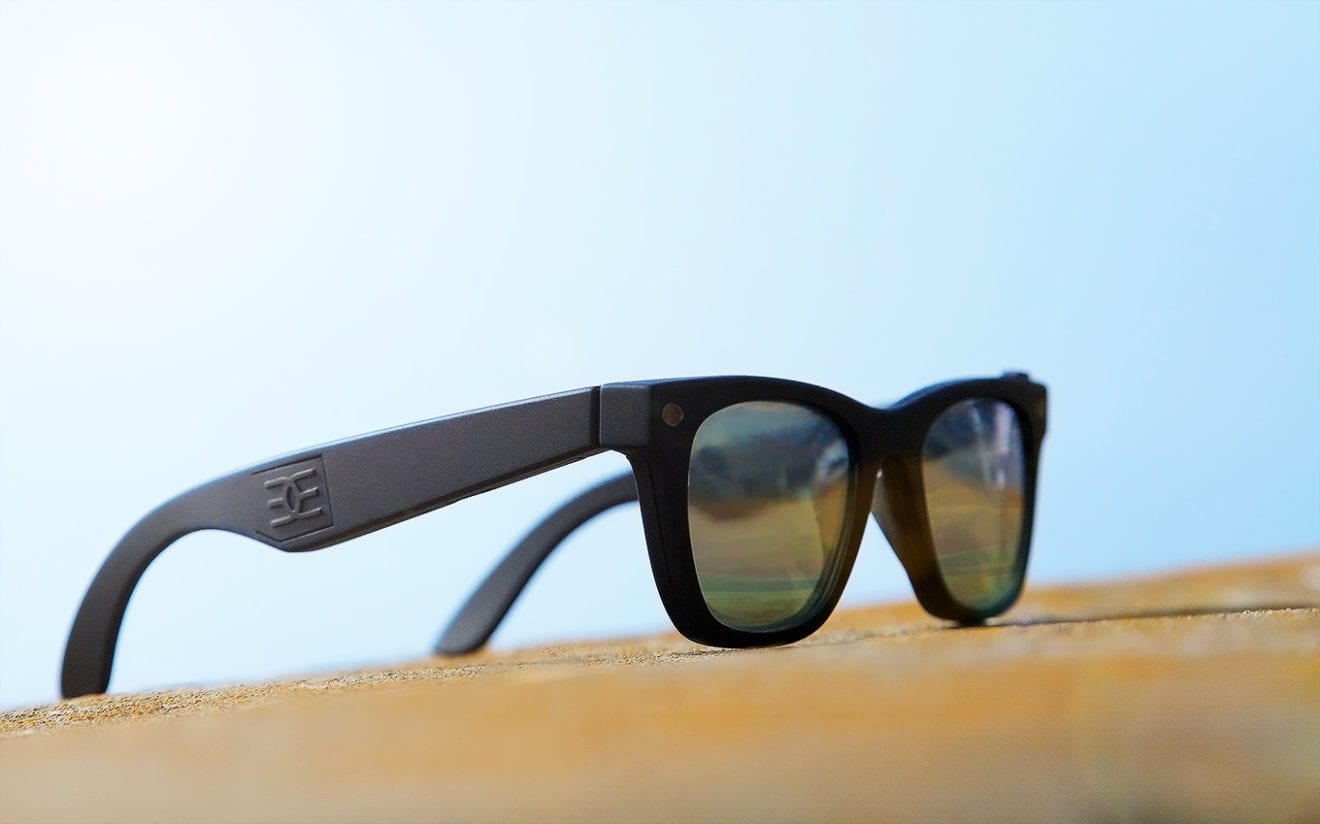
    The Hong Kong-listed retail company, which operates the Optical 88 and Egg eyewear chains and City Chain jewellers, said the closure of underperforming stores and a reduction of overheads has eased the loss, which it expects to be less than that recorded last financial year.

    It did not release an estimate.

    In the company’s half-year results, reported last November, Stelux’s turnover was down by 6.9 per cent to HK$1.3 billion (US$166.4 million) and gross profit margin fell from 59.6 to 58.1 per cent. Its first-half loss was down 15.2 per cent to $62 million.

    Stelux says it will report its full, March-year figures on June 21.

  • Irvins Salted Egg snacks make Manila debut

    Irvins Salted Egg snacks make Manila debut

    Irvins Salted Egg snack store from Singapore has opened its first Philippines outlet, in Metro Manila.

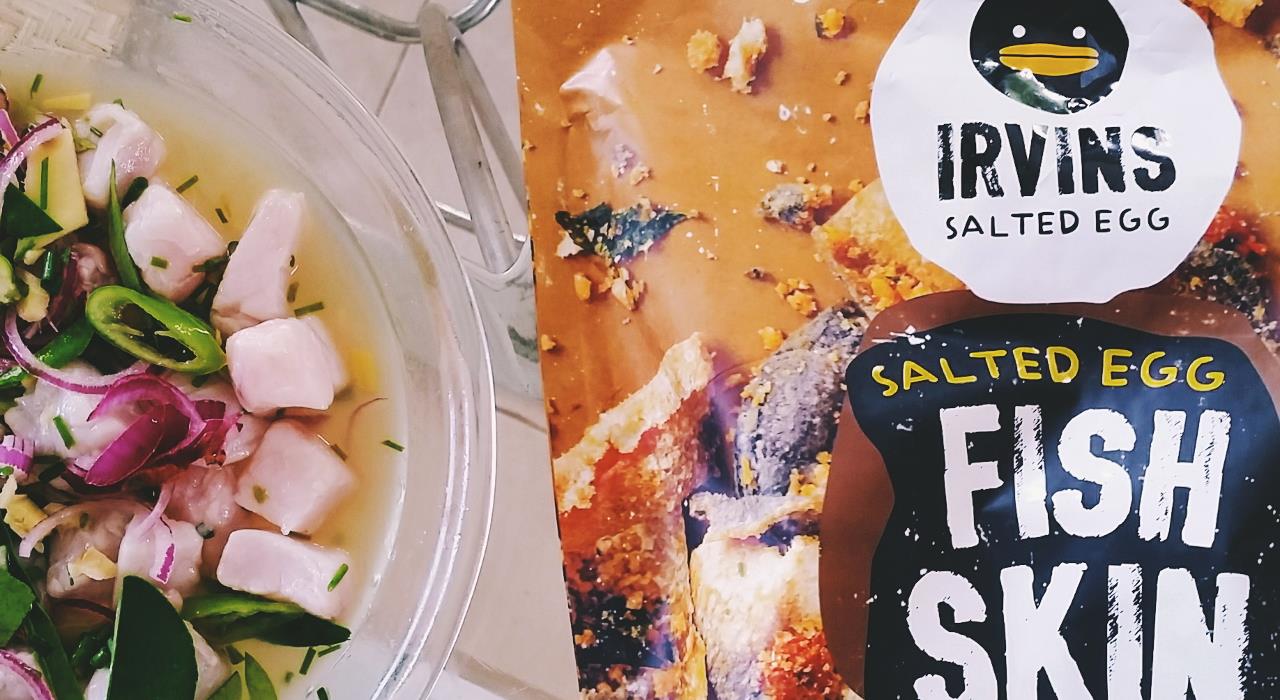
    On the ground floor of SM Mega Fashion Hall, the shop sells the brand’s signature snacks: salted egg fish skins and salted egg potato chips.

    Owner Irvin Gunawan says he decided to open a store in the Philippines after seeing the great response to the snacks from Filipinos in Singapore. His hunch was right, as on its first day the Manila store had a queue throughout the morning.

    Gunawan says other branches will come, the first before year’s end.

  • Australian egg farmers have sent the first shipment of eggs to South Korea

    Australian egg farmers have sent the first shipment of eggs to South Korea

    Australian egg farmers have sent the first shipment of eggs to South Korea, to help ease a major shortage caused by an Avian influenza outbreak.

    Approximately 30 million birds have been culled to stem the spread of the disease, causing a shortfall of around 15 million dozen eggs each week.

    Prices of eggs and other poultry products have soared as a result, with retail egg prices rising by around 21.5 per cent to $2.50 (2,207 KRW) for 10 eggs.

    But at the farm gate, farmers have raised the price of eggs they are selling by 50 per cent to $1.75 (1,551 KRW).

    The outbreak is the first in seven months, caused by a highly contagious new strain, H5N6.

    Huge shipments of white eggs are already arriving from the USA, but Koreans have a preference for brown eggs, and that is where Australian farmers are stepping in.

    It is estimated around $20 million worth of eggs will be sent to South Korea, aided by a recently inked export agreement approved by South Korea, which permits the sale of Australian eggs.

    Industry body, the Australian Egg Corporation Limited managing director Rowan McMonnies said the urgency of the situation had help negotiations between the Australian Department of Agriculture and Water Resources and the South Korean government.

    “South Koreans are some of the biggest egg consumers in the world,” Mr McMonnies said.

    In comparison, Australians east around 227 eggs per person annually, the British consume 182 and South African eat 150 each per year.”

    All tariffs on imported eggs have been suspended until at least 30 June 2017.

    The first shipment of eggs left Australia by air last week, and further shipments will be sent by sea in the coming months.

    Mr McMonnies said the export of eggs to South Korea would not impact domestic supplies.

    “The Australian egg market is very large and Australian egg farmers are always seeking to balance supply and demand.

    “If anything this represents an opportunity for the expansion of the industry.”

  • Stelux sales slide in third quarter

    Stelux sales slide in third quarter

    Stelux Holdings International has reported a 12.7 per cent slide in sales in the three months to December 31.

    A large component of the decline was the exchange rate – on a fiscally neutral basis, sales fell a more modest 8.8 per cent, the company has reported to the Hong Kong stock exchange.

    Turnover totalled HK$850.8 million for the quarter, down from the $974.6 million of the same period last year.

    “Our Mainland Optical 88 operations saw turnover growth of around 8 per cent in local currency terms, and the growth momentum from our eGG business in Greater China was sustained, but other business units within the group generally saw turnover decline,” the company reported.

    The main contributor of the decline would appear to be the City Chain jewellery and watch operation which has been hit by changing tourist spending patterns in Hong Kong and weak consumer sentiment in Malaysia, Singapore and Thailand. Stelux did not release figures for that subsidiary.

    The unaudited consolidated turnover of the Group for the nine months to December 31 was HK$2.637 billion, a decrease of 11.4 per cent, or 8 per cent on a foreign exchange neutral basis.

    “The group maintains stable liquidity with reduction of inventory by around 7 per cent and 15 per cent against that as at the end of September 2015 and March 2015 respectively,” the statement concluded.

  • Stelux warns of looming loss

    Stelux warns of looming loss

    Hong Kong headquartered watch retailer Stelux has warned shareholders it expects to post a loss in the first half year.

    Stelux owns the City Chain network of watch stores along with eyewear brands eGG and Optical 88.

    In the first quarter of this year the company reported a 7.1 per cent decline in sales. But despite a decrease in turnover due to a decline in tourist spending in Hong Kong and Macau, the company achieved an 85.8 per cent increase in sales of its fashion eyewear chain eGG in the China Mainland, a 23.4 per cent increase in City Chain sales there, and a more modest 0.2 per cent gain in its Optical 88 chain.

    Fast forward to last Friday, however, and it warned interest charges, exchange rate losses and weakening Hong Kong and Macau sales will see it record a loss for the full six months.

    It reported “a decrease in turnover and gross profit caused by weak retail sentiment… particularly in Hong Kong, Macau and Southeast Asia (with moderate turnover growth recorded in Mainland China).”

    In the six months to September 30 last year it posted a profit of more than HK$105 million (about US$13.5 million).

    “Despite the anticipated loss, the group is expected to report a positive operating profit, an improved gearing ratio (with a reduction in bank borrowings of approximately HK$130 million) and stable liquidity in the reporting period,” the statement concluded.

  • Stelux China sales soar

    Stelux China sales soar

    Listed Hong Kong eyewear and watch retailer Stelux Holdings has reported a 7.1 per cent decline in sales in the first three months of the 2015 financial year, compared to the same period last year.

    However Stelux China proved a standout in the trading results for the three months to June 30.

    The company says despite a decrease in turnover due to a decline in tourist spending in Hong Kong and Macau, the company achieved an 85.8 per cent increase in sales of its fashion eyewear chain eGG in the China Mainland, a 23.4 per cent increase in City Chain sales there, and a more modest 0.2 per cent gain in its Optical 88 chain.

    The company says its total sales reached HK$860.7 million in the period, compared with $926.4 million in the same quarter of 2014.

    Turnover in Southeast Asia – where it has stores in Singapore, Thailand and Malaysia – decreased by 16.9 per cent.

    “Excluding currency effects, the turnover would have decreased by nine per cent due to weak retail sentiment in Thailand and Malaysia,” the company said in a stock exchange filing on Monday.