Tag: Ele.me

  • Alibaba Revamps Ele.me to Taobao Instant Commerce in Bold Retail Ambition

    Alibaba Revamps Ele.me to Taobao Instant Commerce in Bold Retail Ambition

    Alibaba, a renowned Chinese multinational conglomerate, recently unveiled a new name for its popular food delivery service, previously known as Ele.me. This rebranding, which transforms Ele.me into Taobao Instant Commerce, marks a significant shift in the company’s strategy.

    From Ele.me to Taobao Instant Commerce

    The name Ele.me, which held the status of being China’s top local services brand, will no longer be associated with Alibaba’s food delivery service. Utilizing a home-delivery model, the company was initially bought by Alibaba in 2018 at an astounding price of $9.5 billion.

    As of late, significant financial losses have been recorded by companies in the food delivery sector, including the former Ele.me. These losses arise mainly from the high costs involved in subsidizing discounted products, a common practice by these companies to capture a larger market share.

    The Competitive Landscape

    The business environment is becoming increasingly competitive in China, especially within the instant retail services sector. This increasing competition has led to significant investment from businesses, all vying for dominance in the market.

    Alibaba’s decision to rebrand Ele.me as Taobao Instant Commerce is a strategic move aimed at bolstering its position in the market. This bold step is seen as a direct challenge to the current sector leaders, Meituan.

    The Transition and User Experience

    The digital transformation from Ele.me to Taobao Instant Commerce has already been experienced by some users. It is expected that the rebranding will be fully implemented and universally adopted in the upcoming weeks, marking a new chapter in Alibaba’s journey in the food delivery industry.

    Questions & Answers

    Why did Alibaba decide to rebrand Ele.me?
    Alibaba rebranded Ele.me to Taobao Instant Commerce in a strategic move to improve its market position and take on current industry leaders.

    What was the main reason for the financial losses incurred by Ele.me?
    The main reason for Ele.me’s financial losses was the company’s practice of subsidising discounted products to gain a larger market share.

    When is the full implementation of the rebranding expected?
    The complete transition to Taobao Instant Commerce from Ele.me is expected to occur universally in the coming weeks.

  • McDonald’s China Teams up loyalty program with Ele.me app

    McDonald’s China Teams up loyalty program with Ele.me app

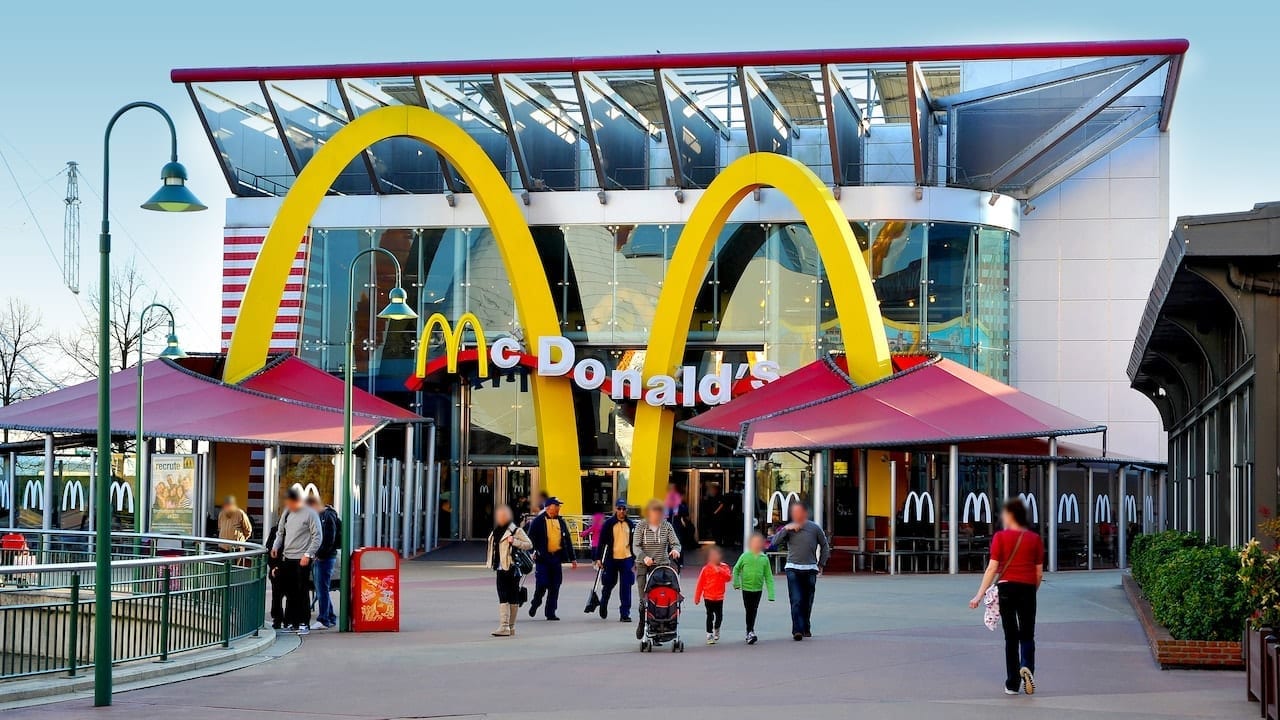
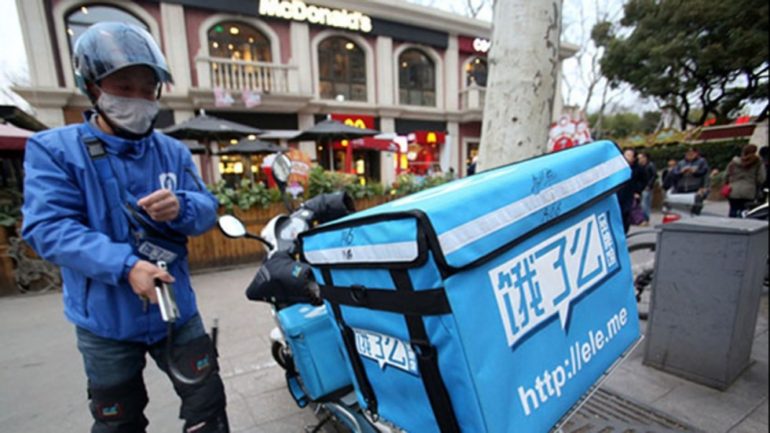
    McDonald’s customers in China can now earn loyalty points when they order a Big Mac or Filet-o-Fish through Ele.me, Alibaba Group’s on-demand delivery platform.

    Ele.me users can activate a McDonald’s membership card with just one click on the app to earn loyalty points for purchases and receive vouchers worth up to RMB 88.5 (US$12.80). The fast-food giant attracted nearly 20,000 new members on its first day of launching the service on May 20, while single-day orders increased about 20 per cent week-on-week, McDonald’s China said.

    McDonald’s China is one of the first restaurant chains to pilot the new Ele.me service, one of the app’s latest tools to help the food-and-beverage sector seamlessly connect their online and offline operations.

    “McDonald’s is an important strategic partner for us, and we are thrilled to fully integrate their loyalty program with our platform. We look forward to continuing to work together to improve the delivery experience for consumers and provide even more services, benefits and perks,” said Hu Xiaoyu, VP of Ele.me.

    There are more than 3100 McDonald’s restaurants in Mainland China, more than 2000 of which also have a virtual presence on Ele.me. McDonald’s China launched its membership program last year, rewarding members for purchases made in-store or via its app and mini-program. It now counts more than 75 million members.

    “Integrating our loyalty program with Ele.me helps us provide more customers with a complete set of membership services and benefits, which ultimately enhances the delivery experience,” said Emily Pang, head of brand extension at McDonald’s China.

    Also among the first batch of global restaurant chains to bring their membership program to Ele.me are Burger King, Dairy Queen and Papa Johns, all of which reported higher sales in the 30 days that followed their launch. Burger King was the first to opt in last November, and has since attracted 2 million new members, with members contributing to nearly 40 percent of its gross merchandise volume on Ele.me.

    Ele.me plans to roll out even more features, such as birthday perks and member-only sales campaigns, to “bring more value to every purchase,” Hu said.

  • Luckin, Starbucks rivalry heats up

    Luckin, Starbucks rivalry heats up

    Luckin vs Starbucks: baristas and technology are engaged in a gigantic battle for Chinese coffee drinkers’ loyalty. Seattle, Washington-based Starbucks Corporation has been the indisputable market leader in the Chinese coffee industry ever since its Beijing World Trade Center branch opened its doors in January 1999. Yet Starbucks’ two decades of coffee dominance in China appears to be reaching its end.

    While “China watchers” and retail industry insiders have been expressing concerns about Starbucks for months, it has taken Wall Street a few months to catch on; just last week, Goldman Sachs downgraded the Starbucks stock from “buy” to “neutral” for the first time in recent memory, specifically citing Starbucks’ bleak business trajectory in China as a major concern.

    Most of this concern is linked to Luckin Coffee 瑞幸咖啡 Ruixing Kafei, the young tech-forward coffee startup that has managed to build more than 2000 outlets throughout 30 mainland cities in just about 14 months of operations, reaching startup “unicorn status” seemingly overnight.

    While China is Starbucks’ largest market after the US, with roughly 3600 stores across 150 cities, it took Starbucks nearly 13 years to achieve Luckin’s current size. Perhaps even more shocking, Luckin is showing absolutely no signs of slowing down any time soon; the Luckin team has publicly announced its goal of reaching 4500 outlets across China by the end of 2019, and as of November, Luckin Coffee’s overall value was estimated to be about US$2 billion, a figure that has almost certainly risen since.

    Luckin is clearly trying to develop a mass-market coffee product that can bring the “coffee shop experience” to the working class at an ultra-competitive price point.

    While its early success may seem unfathomable, it mostly comes down to three distinct points of difference within its business model: the Luckin app, delivery infrastructure, and competitive pricing. For outsiders visiting China or first-time Luckin customers, the most noticeable quirk of Luckin’s business model is that customers are forced to use the Luckin app to purchase a coffee in a Luckin store or have Luckin coffee delivered to their office or home. Luckin does not accept cash payments at all: there are no tills inside Luckin stores. Fortunately, Luckin offers new users a free beverage after their first download, to lessen the pain a little. While this may seem perplexing to many outsiders, this is a feature that distinctly appeals to an increasingly app-focused Chinese consumer base who prefer digital payments to cash.

    Tensions rising

    With tensions rising between China and the US, Luckin has another unique competitive advantage: its status as a truly Chinese coffee brand, owned by Chinese people and tailored specifically to the unique tastes of the Chinese market. If these tensions continue to grow worse, one can expect Luckin to follow the trend of many other Chinese companies by appealing directly to this patriotic sentiment and further distancing itself from the distinctly American image of Starbucks.

    With Luckin’s CEO Jenny Qian Zhiya and most of its senior leadership coming directly from UCAR, a ride-hailing service spun out of rental car giant Car Inc, it should come as no surprise that transportation and delivery are two key focus points of the business. With the exception of a few sit-down locations in hot real estate areas, the vast majority of Luckin Coffee locations do not offer customers a place to sit. While many locations have space for customers to wait in line and pick up drinks, roughly half of Luckin stores are “preparation stores” that focus solely on preparing beverages for the endless queue of Luckin delivery drivers. Thanks to this elaborate and effective delivery system, customers can usually expect to get their coffee quickly; Luckin claims the average delivery time is roughly 18 minutes, (and even during the busy morning hours in my Beijing office park, I never had to wait longer than 30 minutes). With young Chinese city-dwellers becoming more and more reliant on delivery services like Ele.me and Meituan Waimai, Luckin’s impressive delivery capabilities allow the company to remain convenient and attractive. As a side benefit, this store setup also allows Luckin to place most of its shops in cheaper out-of-the-way locations with limited foot traffic, allowing for significant real estate savings.

    Price the differentiator

    Perhaps the most important point of differentiation between Luckin and Starbucks is price.

    While Starbucks generally charges at least 35 RMB (US$5) for most of its coffee drinks, Luckin’s prices generally fall in the 20 to 25 RMB range, with only a 6 RMB surcharge for delivery.

    Luckin also regularly runs promotions that bring the price per cup down to as little as 10 RMB, prices no competitor has been willing to match. While the exact price of a Luckin coffee fluctuates dramatically due to promotions, customers can generally expect to pay 30-40 per cent less than they would pay for a similar drink at Starbucks. Perhaps even more appealing, Luckin’s widely used “refer a friend” system rewards users who convince their friends to download the Luckin app with a free beverage.

    These three aspects of Luckin’s business platform have clearly caught on with young Chinese customers and urban office workers, who are increasingly looking for cheaper and more convenient coffee options. It appears that Starbucks ultimately has little chance of competing with Luckin in this lower end of the market. While Starbucks does have an app developed for the Chinese market, it is not nearly as intuitive or eye-catching as Luckin’s well-developed system. Similarly, after Starbucks failed to catch the wave of China’s food-delivery boom, it may be too late for Starbucks to substantially overhaul its delivery capabilities. Starbucks did not implement its own internal delivery service until August last year, arguably three years too late.

    Until last summer, Chinese customers have been forced to improvise their own “hacked” Starbucks deliveries through the app Ele.me; those wanting Starbucks coffee had to use an unwieldy two-step process using two separate apps to get their drinks delivered.

    While Starbucks could use its resources to develop a more effective app and more efficient delivery system for the Chinese market, it is likely too little, too late; after ignoring these two major trends in Chinese retail over the past few years, Starbucks is already considered an inconvenient option by rushed coffee customers, an image that will prove hard to shake off. And after spending nearly two decades cultivating the company’s image as a high-end aspirational brand for the emerging Chinese middle class, it is unlikely Starbucks can drop its prices enough to compete with Luckin’s promotional pricing.

    Going high

    Ultimately, it seems Starbucks has no choice but to “go high” in this market. While Luckin has already cemented itself as the most popular option among working-class coffee drinkers looking for an everyday beverage option, the startup has yet to grab the attention of the more status-driven higher end of the coffee market. As many industry insiders have pointed out, Luckin’s “take-and-go” model and delivery focus does not offer customers the high-end experience of whiling away an afternoon sitting at a coffee shop. So while Starbucks executives certainly have significant reason to be concerned over their dwindling market share, Starbucks still maintains a solid grasp on the market for customers seeking a true coffee experience, rather than just caffeine boost to get them through the day.

    This split in the market has been happening naturally, and is quite apparent: if you visit a Luckin outlet in any tier-one Chinese city, you will most likely encounter either a delivery man holding several bags to be delivered or a young office worker making the coffee run for his or her office, taking 10 or 20 cups back up to the office. Meanwhile, the most common sight at an urban Starbucks location is a store filled with tables, each crammed with Chinese millennials or parent groups chatting the afternoon away. In a sense, this harkens back to the ethos of the company’s original entry into China in the late 1990’s: Starbucks built its business in China by providing customers with第三空间 di san kong jian, a “third place” between home and work that functioned as a public conference room or a relaxing respite from the busy world outside, an important societal role that was traditionally satisfied by China’s ancient tea house culture. As Gwynn Guilford, reporter for Quartz, puts it: “In China, Starbucks doesn’t sell coffee to make its millions… it rents couches.”

    If the statistics are to be believed, there is certainly space in the market for both companies; Chinese citizens drink just four to six cups of coffee per year on average, compared to 250 among British residents and 360 for Americans. While Starbucks will likely continue to face struggles as the company redefines its hold in the Chinese market, this year we will see how Luckin Coffee’s unique business model fares – will Luckin continue to set record-breaking growth numbers, or will it shatter before showing any profit?

    –Hunter White-
  • Tao Heung sales improved as visitors increases

    Corporate restaurateur Tao Heung is reporting improved sales in both its core Hong Kong market and on the mainland as people dine out more often and the average tab increases.

    Tao Heung operates 60 restaurants under its own brand, two RingerHut eateries focused on non-Chinese cuisine, and 18 Tai Cheong Bakery stores.

    In the half-year to June 30, consumption sentiment improved both in Hong Kong and Mainland China, the company said. Its strategy to strengthen its culinary portfolio to attract a more diversified customer base, and right-size its operations led to a 5.4 per cent increase in year-on-year sales to HK$2.08 billion.

    “The increase was principally driven by same-store sales growth, in turn the result of the rise in per-head spending particularly for seafood and including late night dining – “all you can eat hotpot”,” the company said in its results commentary.

    Profit attributable to shareholders rose to $51.3 million (from $40.8 million in the same period last year) and would have been up by 53.7 per cent to $62.7 million had it not been for a one-off expense relating to the government-enforced closure of the company’s pig farm during the period.

    In Hong Kong, which accounted for 61.7 per cent of the company’s sales, the company says it faced “fierce competition” rebuffed by several seasonal marketing strategies. “All these helped to further drive same-store sales growth as well as increase per-head spending.”

    Eight Hong Kong restaurants were renovated during the six months, including Tao Heung – The Pier Market Store in Mong Kok which opened in June, specialising in seafood. It is targeted towards affluent customers – “a segment that not only appreciates fine Chinese cuisine but also a suitably sophisticated ambience”. Other restaurants were either closed or right-sized, leaving a net reduction of six outlets since the end of last year.

    As the company looks to diversify its restaurant portfolio, several collaborations were realised, with more partnerships in the pipeline. Du Hsiao Yueh, which specialises in Taiwanese cuisine, which opened its first Hong Kong branch in Tsim Sha Tsui in June last year, now has a sister restaurant in Causeway Bay. Another collaboration involves Flamingo Bloom, a modern, chic Chinese tea salon that opened at IFC mall in July.

    “Management trusts that such collaborations will not only broaden the group’s portfolio, but also provide it with greater flexibility in terms of business development,” the company said.

    Tao Heung is also exploring overseas partnership opportunities for its Tai Cheong Bakery, after achieving success in Singapore.

    “Besides consolidating its bakery network, further efforts will be made at increasing distribution channels through collaboration with different brands and supermarkets.”

    Mainland China operations

    On the mainland, the group operates an integrated complex business model, comprising Chinese restaurant, self-owned supermarket, indoor playground, museum, shops and parking facilities covering over 22,000sqm. The company said the three family-oriented complexes it operates continued to deliver stable income during the period, attracting the patronage of middle-to high-income families.

    The company’s packaged food business on the mainland also experienced strong growth. Sales of frozen food increased by 26.3 per cent, largely due to e-commerce partnerships with online platforms such as Tmall.com and JD, which give the group access to customers nationwide. Takeout services like Dianping.com, Meituan and ele.me also boosted sales.

    As at June 30, Tao Heung operated 46 restaurants in Mainland China, along with 26 Bakerz 180 outlets during the period.

  • Mao Shan Café China to open 200 more stores

    Mao Shan Café China to open 200 more stores

    The Mao Shan Cafe, a franchised food retail network with a menu centred on durian – plans to open 200 outlets across Mainland China by 2022.

    Mao Shan Cafes serve durian cakes, savouries, pastries, waffles, durian coffee and ice cream and other unique foods based on Malaysia’s Musang King strain of durians, targeting Chinese nationals who are passionate about the fruit.

    In China, where whole durians are harder to come by, sales of durian-flavoured products have skyrocketed in recent years. Duerian imports have surged from 40 tonnes in 2011 to 368 tonnes in 2016.

    A subsidiary of US private equity business The Funding Partners, Mao Shan Cafe also plans to collaborate with Chinese food delivery giants Meituan and Alibaba-owned Ele.me to further boost sales.

    This year, 10 stores are planned for the Guangdong region and the first 100 in the company’s franchised network are expected to be trading by 2020. Sometime before the 200 threshold is reached, The Funding Partners plans to spin the company off in a Mainland China float.

    The chain’s first flagship store opened last month, in a ceremony attended by celebrities including Hong Kong performing artist, Maria Cordero.

    The Funding Partners has interests in Malaysia’s durian growing and export industry and saw the retail network as a way of expanding exports further to the mainland.

  • Starbucks and Alibaba form New Retail Partnership in China

    Starbucks and Alibaba form New Retail Partnership in China

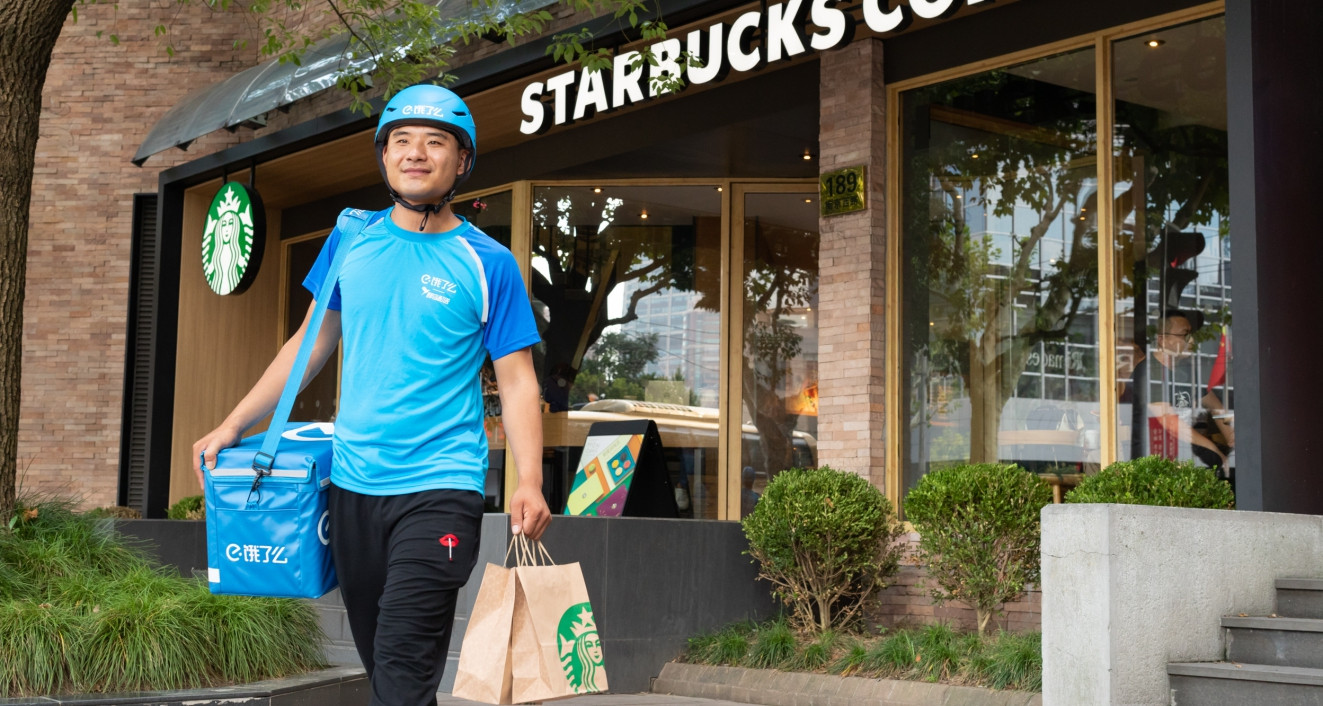
    Starbucks China and Alibaba have announced an alliance that stretches way beyond the latter’s online delivery platform Ele.me.

    The two companies describe their pact as “a deep, strategic New Retail partnership” that will enable a seamless Starbucks experience and transform the coffee industry in China.

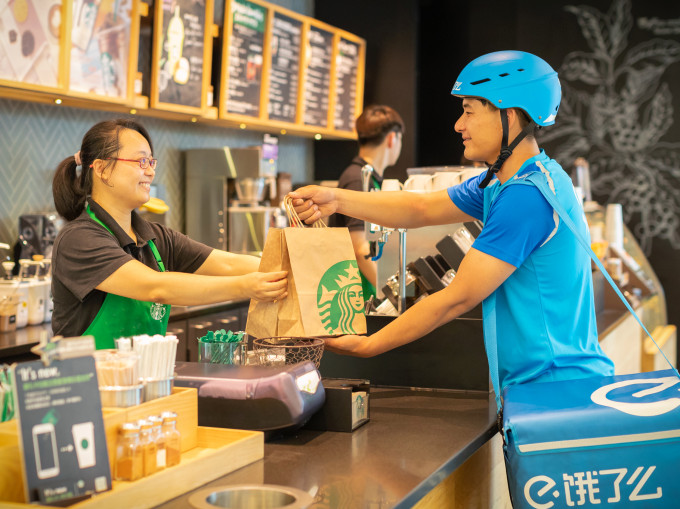
    The partnership spans Ele.me, the food delivery platform acquired by Alibaba last month, Hema supermarkets, Tmall, Alipay and Taobao. Pilot delivery services by Starbucks China will start next month with the coffee company opening delivery kitchens to fulfil orders and “co-create an unprecedented virtual Starbucks store”.

    Starbucks China CEO Belinda Wong says the partnership with Alibaba breaks the physical and virtual barriers between the home, office, in-store and digital space.

    “It will make China the first Starbucks market to deliver a seamless Starbucks experience across all facets of our customers’ lives.”

    Alibaba CEO Daniel Zhang said Starbucks is more than a destination for premium coffee “and we share the same vision to pioneer a new coffee culture and lifestyle through innovation and technology”.

    It starts with Ele.me

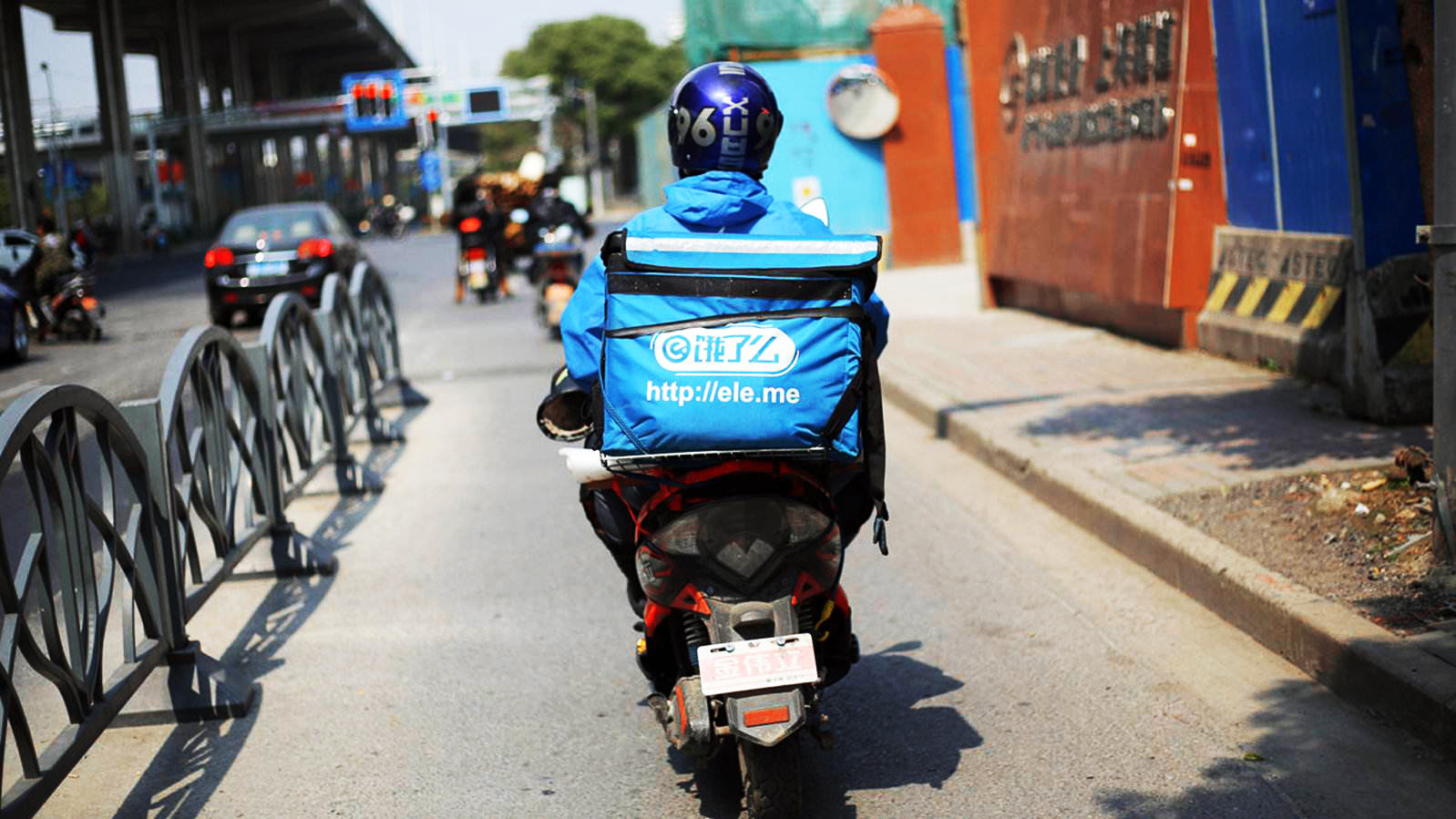
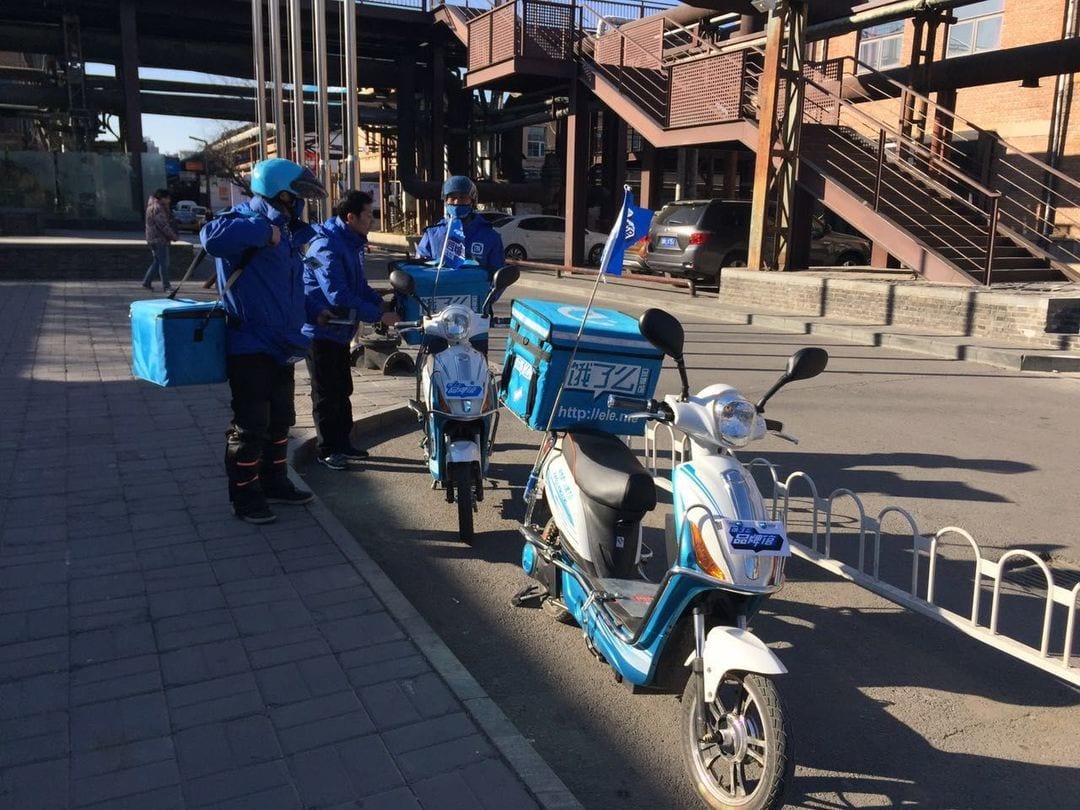
    Ele.me, China’s largest on-demand food delivery platform with 3 million registered delivery riders, will start delivering Starbucks orders from 150 stores in key trading zones in Beijing and Shanghai next month. By the end of the year, that service is expected to expand to more than 2000 Starbucks stores across 30 Chinese cities.

    The two companies have worked together to develop what they describe as “a unique, customised delivery infrastructure” including dedicated delivery riders, precise delivery times, and custom carriers. They believe they will be able to offer “a best-in-class coffee delivery service standard for Chinese customers” which could well be interpreted as a challenge to local startup Luckin Coffee which has grown into a US$1 billion company in less than a year, based on a mixed delivery and in-store model.

    Starbucks will partner with Hema supermarkets to open dedicated “Starbucks Delivery Kitchens” within stores. The kitchens will use Hema’s fulfillment and delivery capabilities to complement the delivery of Starbucks beverages offered through existing Starbucks stores. Starbucks will also use Hema’s consumer insights and fulfillment expertise to reach more communities across China.

    Data from Hema stores will be used to help plan the location of future Starbucks cafes, combined with delivery kitchens. The first delivery kitchens will open in selected Hema supermarkets in Shanghai and Hangzhou next month.

    Digital transformation

    Starbucks China and Alibaba say the creation of a ‘virtual Starbucks store’ in China is a key strategic initiative under the partnership.

    Alibaba will develop a centralised online management hub, with the capability to integrate and deliver a consistent Starbucks experience across multiple digital platforms. “This innovation will transcend the traditional limitations of a single-app visit by providing the consumer an elevated, and even more personalised Starbucks digital experience across the Starbucks app and Alibaba’s customer-facing mobile apps, including Taobao, Alipay, Tmall and Koubei,” the companies said in a statement.

    “This latest innovation will revolutionise the traditional offline-to-online model by effectively extending the reach of the Starbucks experience into the everyday lifestyle ritual of the Chinese consumer, regardless of time or place. Whether it is at home or in the office, within a Starbucks store or online, Starbucks customers will be able to access and enjoy a one-stop Starbucks experience when purchasing merchandise online, buying a Starbucks handcrafted beverage to be delivered to a friend or sending a Starbucks gift of love on the “Say it with Starbucks” social gifting platform.”

    Starbucks will progressively integrate its Starbucks Rewards membership platform onto the centralised system to use its consumer insights to deliver a personalised experience to customers.

    “Starbucks China and Alibaba are trusted business partners who share common values in the spirit of innovation and the unrelenting pursuit of product and service excellence,” the statement said.

    “Thanks to the elevated customer experience delivered by our more than 45,000 partners, Starbucks is growing and innovating faster in China than anywhere else in the world,” said Kevin Johnson, president and CEO at Starbucks Coffee Company. “Our transformational partnership with Alibaba will reshape modern retail, and represents a significant milestone in our efforts to exceed the expectations of Chinese consumers. Starbucks China is one to watch, and I have full confidence in the team that will bring the new innovation behind the Starbucks Experience to life.”

  • War in the food delivery market on its way

    War in the food delivery market on its way

    Chinese e-commerce giant Alibaba is preparing to spend big on the country’s food-delivery market, setting aside hundreds of millions of dollars this summer to regain the lead from Tencent-backed rival Meituan Dianping.

    SEE ALSO : Alibaba Group-owned Ele.me to further expand into the food delivery business

    The Hangzhou-based company will splash a whopping 3 billion yuan ($450 million) in the next three months to help Ele.me, the food-delivery platform it acquired for $9.5 billion in April, capture a greater share of the market from Meituan, Ele.me CEO Wang Lei says in an interview with Forbes. Ele.me, whose name means “Are you hungry?” in Chinese, will hand out more meal subsidies, boost payments to its logistics personnel and expand into more segments like express delivery to become No.1 in China’s 205 billion yuan ($30 billion) online food-delivery market, Wang says.

    “This is a huge market that is only at early stage development,” he says. “We have a really clear strategy, and that is capture a more than 50% market share in the short to medium term.”

    To that end, Wang says Alibaba is launching what he calls a “summer war” on Meituan, which had 46.1% of China’s online food takeout market last year, ahead of Ele.me’s 39.5%, according to consultancy Trustdata. In June, Beijing-based Meituan filed for an initial public offering in Hong Kong, seeking a valuation of $60 billion as part of its plan to raise more capital for further expansion. In an e-mailed statement, a Meituan spokesman said the company “has a track record of competing effectively against its competitors.” The company also said “the competitive landscape of on-demand delivery in China is led by Meituan Dianping, which saw its market share increase from 31.7% in 2015 to 59.1% in the three months ended March 31, 2018.”

    ut analysts say Alibaba’s investment seems likely to be effective—in the near term at least. In this potentially lucrative but hugely competitive market, customer loyalty is hard to come by, with the majority of customers often opting for the platform that offers the cheapest meals. For years, Ele.me and Meituan have doled out discounts to attract users, and the aggressive spending has led to heavy losses on both sides. Now, by offering fresh discounts, Ele.me can win back some short-term market share, says Zhang Yi, head of consultancy iiMedia Research.

    “In China’s food delivery market, as long as you are willing to spend, there will be results,” he says. “Customers will always go to the platform that has the best discounts.”

    Meanwhile, Ele.me is reportedly tapping private investors to raise another $2 billion in its fight against Meituan. Wang won’t comment on the report, but says the company has an open attitude towards outside funding.

    What’s more, to forestall Meituan’s progress, Alibaba also plans to connect users of its shopping sites and entertainment units with Ele.me. That means viewers of its Youku Tudou video platform will be offered Ele.me coupons and Ele.me’s members can access some of Youku’s paid channels for free.

    “Food delivery is a market we must take,” Wang says. “We will keep investing, and there is no limit to our budget.”

    And he considers the rising spending worthwhile. Aside from opportunities in the rapidly expanding food-delivery market, which iiMedia estimates will reach $36 billion by year end, Ele.me can also help to promote Alibaba’s payment services. The delivery platform currently uses Alipay, the e-wallet developed by Alibaba affiliate Ant Financial, as the default payment method. Meituan, by comparison, lists its own e-wallet Meituan Zhifu as the first payment option on its site.

    More importantly, Ele.me will become a cornerstone of Alibaba’s new-retail strategy, Wang says. To find new avenues of growth, the company is seeking to revamp China’s entire retail sector by analyzing customer data more efficiently and integrating online and offline shopping. Founder Jack Ma envisions delivering orders placed in both physical stores and online shops to consumers’ doorsteps within 30 minutes, freeing customers from the need to carry their shopping bags elsewhere. With its three million-strong delivery personnel that are already delivering meal orders within half an hour, Ele.me can support Alibaba’s logistics operation, he says.

    SEE ALSO : Amazon is hungry: food delivery to your door

    “In the future, we will open up Ele.me’s delivery capacity to more merchants on our shopping sites,” Wang says. “When you order something online, it may well be delivered within the same day, or even the same hour.”

  • Ele.me big ambition ready to dominate China’s food-delivery market

    Ele.me big ambition ready to dominate China’s food-delivery market

    Ele.me aims to grab a majority share of China’s food-delivery market in the near future, CEO Wang Lai, (pictured), said this week.

    Moving into Alibaba’s ecosystem has already created new and immediate opportunities for Ele.me and the 3 million-strong delivery force registered through its platform, Wang said. While core food delivery is likely to provide strong growth longer-term, insights offered by various Alibaba apps and platforms, coupled with a growing need for last-mile delivery in Alibaba’s overall New Retail strategy, offer hints of what’s to come.

    Alibaba took control of Ele.me in May. In June, after plugging the delivery company into its ecosystem, Ele.me delivery orders for categories including supermarkets, convenience stores under Alibaba’s Ling Shou Tong program, fresh fruits and flowers climbed 110 per cent from a year earlier. In the future, Wang said there’s the chance for tie-ups with other Alibaba business units and collaboration with nationwide food chains as a delivery partner.

    Ele.me has already begun benefiting from consumer insights derived from Taobao, Tmall, Alipay, Youku and other platforms and apps in the Alibaba ecosystem, which drives traffic to Ele.me and helps it understand the needs of Chinese consumers.

    As for Ele.me’s core food-delivery market, the Alibaba unit recently launched a RMB3 billion summer promotion campaign that’s already starting to show results in several Chinese cities. In Hangzhou, Ele.me added 100,000 customers to its membership program early this month. In Changsha, during just the first two weeks of July, gross transaction volume climbed by almost 15 per cent over the same period in the previous month.

    The summer campaign kicked off with discounts and coupons for late-night snacks delivered during the recently ended FIFA World Cup 2018 tournament. The World Cup deals spurred what Ele.me said was a “rapid rise in food delivery” in early July, with momentum sustained since then.

    But it is the sector’s longer-term prospects that excite Ele.me’s CEO. Chinese customers spent around RMB4 trillion on food in 2017, according to China Cuisine Association data. Less than 10 per cent of that went toward food delivery, which has become one of the fastest-growing and most-competitive areas in China.

    “We view the limited penetration of delivery in the food and beverage sector to-date as a tremendous opportunity for growth,” Wang said.

    Ele.me also complements Koubei, Alibaba’s local services platform. By combining Ele.me’s on-demand delivery service with Koubei’s consumer-acquisition and in-store engagement capability for restaurants and service establishments, Alibaba can offer an integrated online/offline experience to consumers, in line with the group’s overall New Retail strategy.

    “The local-services market is a must-win for Alibaba as part of its New Retail strategy, and we look forward to Alibaba’s continued financial and technological support to win this market,” said Wang. “As the spending power of Chinese shoppers continues to grow, the local-services sector becomes critical for Alibaba to build customer and merchant engagement and fulfill its mission of accelerating the digital transformation of traditional retail.”

  • Alibaba’s Ele.me to further expand into the food delivery business

    Alibaba’s Ele.me to further expand into the food delivery business

    Ele.me’s announcement comes three months after Alibaba acquired full control of the food delivery app, for an undisclosed price, valuing the business at US$9.5 billion.

    “The determination of Alibaba gives Ele.me confidence,” Alibaba vice-president Wang Lei, who is also Ele.me’s CEO, said in the statement. “Ele.me is not only going to win this summer’s battle [in food delivery], it will also take the crown in the local services and new retail sector. We have sufficient capital and traffic,” he added.

    Alibaba is not the only player eyeing the food delivery business. Meituan-Dianping, China’s on-demand service giant that filed for a Hong-Kong IPO two weeks ago, controls 59.1 per cent of the market, according to the China-based market research firm iResearch.

    Didi Chuxing, China’s ride hailing giant, is the latest entrant in the already competitive food delivery business with a stand-alone platform called “Didi Foodie” launched in April. Didi Foodie currently operates in four mainland Chinese cities, including Nanjing, Taizhou and Chengdu, using heavy subsidies to reduce the cost of a customer order of rice to as low as two yuan (US$0.3), including delivery.

    Ele.me’s pledge to invest billions of yuan also demonstrates Alibaba’s ambition to amass more bricks-and-mortar assets and further develop its short-distance logistics system. Fengniao, Ele.me’s logistics system, has established around 3,000 distribution stations across the country. Ele.me’s supply chain will also be connected with Tmall, one of the two Alibaba’s e-commerce sites, according to the company statement.

    The cash injection would provide every delivery employee with a monthly salary increase of about 1,000 yuan (US$149), the company said. The average monthly salary for food delivery workers in China’s first-tier cities was 6,829 yuan in 2016, according to a report by 58.com, a local job listing website.

  • Alibaba to lead $1b round into Chinese food delivery startup

    Alibaba to lead $1b round into Chinese food delivery startup

    Alibaba and its finance affiliate, Ant Financial, are in talks to lead a round of at least US$1 billion into Ele.me, one of China’s leading food delivery startups, according to anonymous sources that spoke to us.

    The fresh boost in capital will value Ele.me at US$5.5 billion to US$6 billion, and will help the startup battle against Meituan-Dianping, a competing service backed by Tencent, citing people familiar with the matter.

    “We do not comment on market speculation,” an Alibaba spokesman told us. Ant Financial declined to comment.

    China’s food delivery industry reached a heyday of activity in 2015, the year that food delivery startup Meituan and daily deals service Dianping merged into one entity. That year, both startups employed cash-burning subsidies to win market share.

    The industry quickly became a proxy war between Alibaba and Tencent, with the former backing Meituan and the latter investing in Dianping. However, after making peace over Meituan-Dianping, the fight has reignited – this time between Ele.me and Meituan-Dianping.

    Both are cornerstones of Tencent and Alibaba’s empires. In particular, the two startups fit into Tencent and Ant Financial’s mobile payment strategy, where online services, peer-to-peer payments, and purchases at brick-and-mortar retailers are conducted through the phone. By investing in Meituan-Dianping and Ele.me, both tech giants can embed their digital wallets inside the food delivery apps – and gather transaction data about customers.

  • Yum China seeking delivery deal

    Yum China seeking delivery deal

    Fast-food giant Yum China Holdings is looking at buying food-delivery services firm Daojia.com.

    Discussions are at an early stage, but a deal could be worth up to US$200 million, as reported.

    Established in 2010, Daojia.com focusses on online food orders and delivery services targeting the middle class urbanites in 10 Chinese cities. With a 3000-strong logistics team, it works with more than 6000 restaurants.

    Food-delivery apps are becoming more popular in China with services being offered by Baidu Inc’s Waimai, Alibaba Group Holding’s Meituan and Tencent Holdings’ Ele.me.

    China’s second-largest eCommerce fim JD.com and Macquarie Capital were investors in a $50 million round of fundraising by Daojia two years ago.

    Yum China was spun off from US-based fast Yum Brands Inc 12 months ago. The company’s brands include KFC and Pizza Hut.

    CEO Micky Pant says that while only 10 per cent of the company’s sales are delivered, deliveries are growing at double digits and will be an important driver of growth.

    Yum China secured a $460 million investment from Primavera Capital and Alibaba affiliate Ant Financial before its spin-off. Yum China already is the biggest user of Ant’s Alipay mobile payments service. The restaurant company is also investing in its mobile ordering system and loyalty programs.

  • Ele.me may go to Alibaba

    Ele.me may go to Alibaba

    As more people start using their smartphones or the internet to order food, China’s eCommerce leaders are in a battle for supremacy.

    Now a food-delivery startup backed by Tencent Holdings, Ele.me, is planning a fast funding round of at least $1.25 billion, in a deal led by competitor Alibaba Group Holding, reports Deal Street Asia. It is aiming to close the round next month.

    If it goes ahead, Alibaba will become Ele.me’s controlling shareholder. It values the service at about $4.5 billion, and the deal could be announced before the Lunar New Year holiday starting on February 8, according to an insider.

    Earlier merger talks between Ele.me and group-buying site Meituan.com fell through, and Caixinpreviously reported that Ele.me was in discussions with Alibaba to raise funds.

    Meanwhile, Tencent and Alibaba are battling with China’s largest search company Baidu for front position as the local-services industry gains traction with more people going online or using mobile technology to order food, schedule beauty treatments or hire domestic helpers. Users of these services are predicted to rise 29 per cent to 400 million by next year, with sales expected to reach 7.28 trillion yuan ($1.1 trillion).

    Chinese internet companies have been the subject of $91.6 billion in acquisitions and investments over the past 12 months, according to Bloomberg data. Meanwhile, Tencent shares have fallen 1.7 per cent in Hong Kong to HK$133.10 ($17.08) – the lowest in almost four months.

    Alibaba and its financial affiliate, Zhejiang Ant Small & Micro Financial Services Group, have formed a joint venture called Koubei, in which each has agreed to invest three billion yuan to help the company expand into neighbourhood services.

    Baidu last year said it would invest $3.2 billion over three years in its own provider of local services,Nuomi.