Tag: electric bike

  • Electric Bike Market Accelerates Growth Amid Rising Gasoline Motorbike Restrictions

    Electric Bike Market Accelerates Growth Amid Rising Gasoline Motorbike Restrictions

    Starting July 1, 2024, Hanoi will usher in a significant shift in urban mobility by banning all gasoline-powered two-wheel vehicles within the confines of Ring Road 1, effectively covering much of the city’s downtown. This move is not a standalone initiative; the ban is set to expand to Ring Road 2 in 2028, targeting fossil fuel-powered personal cars alongside motorcycles. By 2030, the restrictions will reach the outermost Ring Road 3, marking a decisive step towards cleaner urban transport.

    Meanwhile, Ho Chi Minh City (HCMC) is pondering similar measures, contemplating designated zones that favor green vehicles while restricting access to gasoline and diesel motorcycles, particularly in the bustling downtown and environmentally sensitive regions like Can Gio and the Con Dao Special Zone. With the stakes this high, one could speculate that the electric scooter has officially become the new “it” vehicle in Vietnam.

    These impending restrictions promise to reshape the landscape of Vietnam’s motorcycle market. As the country’s largest urban centers, Hanoi and HCMC are at the forefront of motorcycle consumption, standing as hubs of economic activity. Electric bikes made their debut in the early 2000s, catering primarily to students who can ride them without a license, thus developing an early market for electric vehicle (EV) adoption.

    Historically, these e-bikes were largely imports from China, providing an affordable alternative in a competitive market. Until recently, Detech was the lone domestic manufacturer based in Hung Yen. However, after 2010, the industry witnessed a surge of local brands, with Dibao emerging in 2011, Pega in 2012, DK Bike in 2014, and Anbico in 2015. Enter VinFast in 2018, the ambitious brand backed by Vingroup, along with Selex Motors and Dat Bike, which also launched in the following year.

    The Chinese brand Yadea, now the dominant electric two-wheeler manufacturer globally, set up two large factories in Bac Giang in 2019 with plans to produce up to two million vehicles annually. Following suit, Tailg, another Chinese heavyweight, planted roots in Hung Yen in 2024, with a yearly production capacity of 350,000 vehicles. Traditional gasoline motorbike makers see the winds of change, with Yamaha unveiling its first electric motorcycle, the Neo’s, in 2022, while Honda — holding over 80% of the market share — debuted its electric models in 2024, the ICON e: and the premium CUV e:.

    Despite the flurry of activity in the electric segment, Suzuki, SYM, and Piaggio, who remain members of the Vietnam Association of Motorcycle Manufacturers (VAMM), have yet to release fully electric options. VinFast, uniquely positioned as a transparent player, revealed sales of nearly 71,000 units in the last year, representing a modest 3% of the gasoline motorcycle market, which totaled 2.65 million units. However, the lack of official statistics on annual electric motorcycle sales poses a challenge for comprehensive market analysis.

    Policy Shifts and Industry Reactions

    Industry experts believe that Hanoi’s gradual ban on gasoline-powered motorcycles — and HCMC’s possible follow-up — will dramatically transform Vietnam’s motorcycle landscape. The two-wheel vehicle continues to be the primary mode of transport due to its affordability, flexibility, and infrastructure support. According to the International Council on Clean Transportation (ICCT), two-wheelers fulfill 72.6% of transport needs in Hanoi and 82% in HCMC.

    For Honda, which sells nearly 2.15 million units annually, Hanoi represents a critical market, contributing around 8-9% of its total sales. The company’s spokesperson acknowledged the profound implications of these policy changes, emphasizing both logistical and financial challenges in transitioning to eco-friendly vehicles in such dense urban settings. “Replacing a significant number of internal combustion vehicles swiftly could impose substantial pressures,” they noted, highlighting insufficient charging infrastructure and fire safety concerns.

    While Honda advocates for a delay to allow more time for technical standards and infrastructure development, the responses from other manufacturers remain unclear. A spokesperson from Suzuki Vietnam confirmed that VAMM members would convene to devise strategies for a potential transition to green vehicles. Currently, there are no government incentives for purchasing electric motorcycles unlike electric cars, which enjoy waivers on registration fees until February 2027. Hanoi is looking at supporting the replacement of approximately 450,000 gasoline motorcycles, potentially covering most costs for new electric options, alongside the establishment of charging zones for electric and clean-energy vehicles.

    Leading the charge on infrastructure investment, VinFast is paving the way with extensive charging facilities across the country, while most other EV brands predominantly rely on home charging. Exceptionally, Dat Bike has made investments in charging stations, although currently focused in HCMC, further underlining the emerging dynamics of Vietnam’s electric vehicle ecosystem.

    Questions & Answers

    What are the main areas impacted by Hanoi’s electric vehicle ban?
    The ban initially affects areas within Ring Road 1, which encompasses most of downtown Hanoi, with plans to extend to Ring Road 2 in 2028 and to Ring Road 3 by 2030.

    How will traditional motorcycle manufacturers adapt to the upcoming policy changes?
    Manufacturers like Honda and Yamaha are exploring strategies to transition towards electric vehicles, but face challenges related to infrastructure and the rapid pace of required changes.

    What incentives are currently available for purchasing electric motorcycles in Vietnam?
    As of now, there are no government incentives for electric motorcycles, unlike electric cars, which benefit from waived registration fees until February 2027.

  • First electric bike delivery service launched in Vietnam

    First electric bike delivery service launched in Vietnam

    Delivery company Ahamove has partnered with automaker VinFast to launch AhaFast, the first delivery service in Vietnam to use only electric bikes.

    AhaFast began operation Thursday in Da Nang City with 100 electric Feliz S motorbikes provided by VinFast.

    The electric bike service will be expanded to Hanoi, Ho Chi Minh City, Hai Phong and Nha Trang in the future.

    Ahamove plans to put 10,000 electric bikes into operation by 2025, gradually replacing gasoline-powered motorbikes.

    VinFast says its electric bike can run 200 kilometers on a full charge, and has an IP67 waterproof standard that allows it to operate in heavy rain and flooding.

  • Revolt RV 400 Electric Motorcycle Launched

    Revolt RV 400 Electric Motorcycle Launched

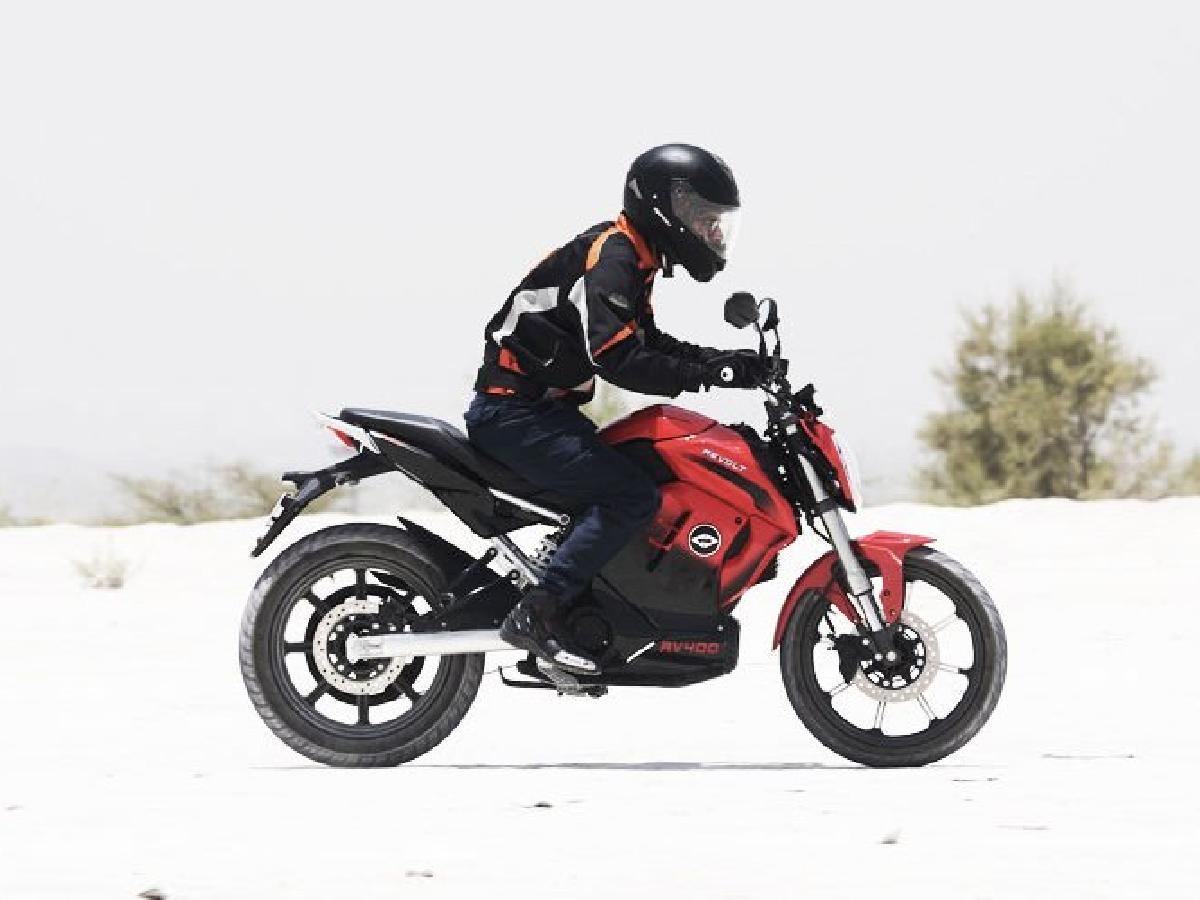
    Revolt Intellicorp has launched the company’s first electric motorcycle, touted as India’s first artificial intelligence-enabled motorcycle, the Revolt RV 400. The Revolt RV 400 e-motorcycle is positioned to compete with conventional 125 cc motorcycles and is the brand’s flagship offering. In addition to the RV 400, the bike maker also introduced the new entry-level RV 300 that remains the most affordable offering from the company. Both bikes are being offered with a payment plan with the RV 300’s prices start at ₹ 2999 per month (for 37 months), while the payment plan for the RV 400 starts at ₹ 3499 for the standard variant, going up to ₹ 3999 (for 37 months) for the premium variant.

    The Revolt RV400 is equipped with an embedded 4G LTE SIM which enables the internet and cloud-connected features of the motorcycle. A dedicated Revolt mobile app offers real-time motorcycle diagnostics, satellite navigation, bike locator, geo-fencing for security, doorstep battery service and access to a battery charging network, called the Battery Switch, as well as online payment gateway.

    The lithium-ion battery of the RV 400 has an ARAI-certified range of 156 km on a single charge, and it will take less than four hours to fully charge the battery. The removable battery can be easily charged either at home or the workplace, with the help of an on-board charger, and re-charged batteries can also be ordered via the app with doorstep delivery options as well. The RV 400 is a quiet, electric motorcycle and the 3kW electric motor offers 175 Nm of instant torque, with a claimed top speed of 85 kmph. The company is also offering an unlimited warranty on the battery of the RV 400.

    The Revolt RV 400 is available for order on Amazon as well as the Revolt Intellicorp official website. The RV 400 also boasts of a choice of synthesized sounds, which can be selected by the rider from the Revolt App. The Revolt RV 400 is now available in Delhi and Pune and soon availability will be extended to other cities, including Bengaluru, Hyderabad, Ahmedabad, and Chennai in the next few months.

    The smaller Revolt RV 300 is powered by a 1.5 kW motor that uses a 2.7 kW battery pack that promises a range of 80-150 km on a single charge. The top speed is rated at 65 kmph. The electric motorcycle will come with an 8 years/75,000 km warranty, with a service interval at every 10,000 km. Revolt is also offering a free tire replacement, one set in three years, but only for the premium variant of the RC400. Bookings for the Revolt RV 300 and RV 400 will open from August 29,2019.

  • Harley-Davidson LiveWire Electric Bike To Be Unveiled This Month In India

    Harley-Davidson LiveWire Electric Bike To Be Unveiled This Month In India

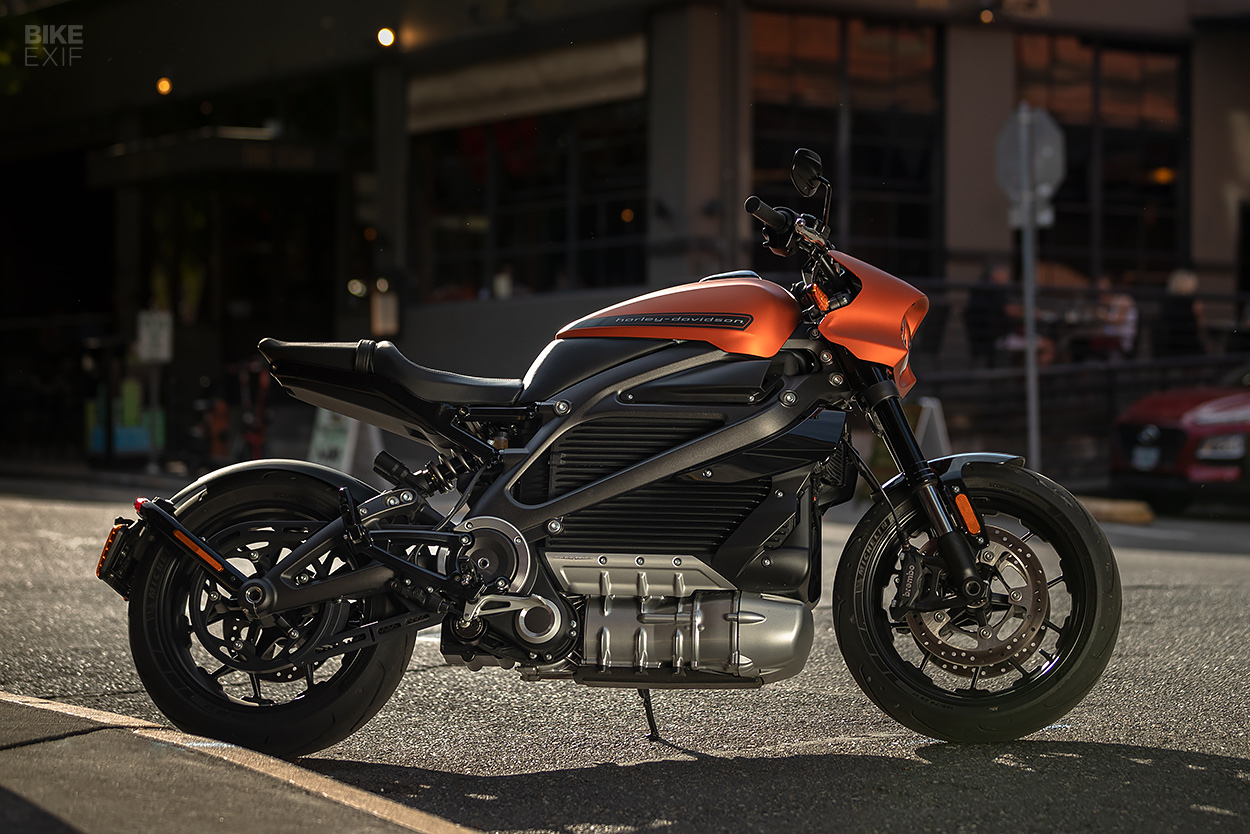
    Harley-Davidson will be unveiling its first-ever electric motorcycle, the Harley-Davidson LiveWire, in India on August 27. In addition to that, Harley-Davidson India will also showcase another all-new motorcycle on the same day. It was in January this year that the American motorcycle manufacturer announced the US pricing for the LiveWire, and now the bike is all set to reach our shores as well. While Harley-Davidson India is likely to reveal the official launch details at the unveiling event, we expect the new electric superbike to go on sale sometime in later 2019 or early 2020. In fact, the upcoming Harley-Davidson LiveWire is already listed on the company India’s website.

    The production version of the Harley-Davidson LiveWire made its debut at the 2018 EICMA Motorcycle Show, and it has been in the making for more than five years now. The new Harley-Davidson LiveWire comes with a new electric powertrain, called the H-D Revelation, featuring a permanent magnet electric motor that is powered by a 15.5 kWh battery. The motor offers a power output of 78 kW or 104.6 bhp, along with a peak torque of 116 Nm, and this being an electric vehicle, all of that torque is available right from the word go.

    Harley’s electric motorcycle is capable of doing a 0-100 kmph sprint is done in 3.5 seconds and more specifically, from 100 kmph to 128 kmph in less than 2 seconds. Thanks to the powerful 15.5 kWh battery, the LiveWire also offers a generous range of up to 235 kilometers, on a single charge. The LiveWire motorcycle is also equipped with a 12-volt lithium-ion accessory battery that provides power for start-up and key fob recognition.

    Visually, the LiveWire does have that muscular stance associated with the brand, thanks to the massive battery pack and electric motor, trying to mimic an exposed engine. Also, the motorcycle is built around a cast aluminum frame which is lightweight and it gets Showa big-piston forks upfront along with a Showa monoshock at the rear, which is fully adjustable. For connectivity and instrumentation, the bike comes with a 4.3-inch TFT touchscreen infotainment display that is tilt-adjustable. The LiveWire has Bluetooth connectivity for use with a smartphone and a wireless headset through the touchscreen. The rider can listen to music, take calls, and hear turn-by-turn navigation instructions provided by the H-D app.

    The bike also comes with a whole bunch of electronics under Harley’s Reflex Defensive Rider System or RDRS, such as ABS, cornering ABS, traction control, cornering traction control; front-wheel lift mitigation and drag-torque slip control system. Apart from the rider assistance systems, the LiveWire also gets 5 riding modes, which are Road, Rain, Range and Sport.