Tag: electric trucks

  • Jindal Stainless Deploys 10 Heavy-Duty Electric Trucks for Finished Goods

    Jindal Stainless Deploys 10 Heavy-Duty Electric Trucks for Finished Goods

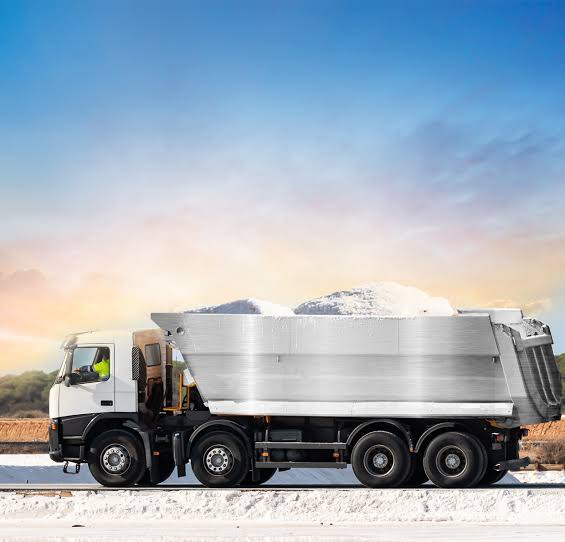
    Jindal Stainless added ten heavy-duty electric trucks to its outbound transport fleet, shifting finished steel onto battery power for the first time.

    The company deployed the 55-tonne vehicles across a corridor of over 350 kilometres linking its manufacturing complex in Jajpur, Odisha, with distribution destinations in Kharagpur and Kolkata in West Bengal.

    Sourced from Blue Energy Motors, all ten units rely on the manufacturer’s 5548e platform. Moving steel from Jajpur to Kharagpur requires roughly 227 kilometres, followed by approximately 131 kilometres to Kolkata.

    Hardware and Corridor Specs

    Blue Energy offers the 5548e line with battery packs ranging from 282 kWh to 423 kWh. The base 282 kWh setup uses a module-to-bracket lithium iron phosphate pack paired with a 480-horsepower permanent magnet synchronous motor and a four-speed automated manual transmission.

    That entry configuration provides up to 200 kilometres of driving range on a single charge and manages road grades of up to 24 per cent. Recharging from 20 to 80 per cent state of charge takes 45 minutes on a direct-current fast charger, while full battery swaps take five minutes at designated stations.

    “The deployment of electric trucks marks an important milestone in our efforts to decarbonise logistics and integrate lower-emission transportation solutions into our operations. Our approach is focused on adopting practical, scalable solutions that reduce our environmental footprint while maintaining operational efficiency.”

    Fleet Mix and Monthly Volume

    The ten battery units form an initial slice of a broader low-carbon fleet operating across Jindal Stainless’s supply network. The wider lineup contains 80 liquefied natural gas trucks, 60 compressed natural gas passenger buses, and a fleet of CNG freight haulers.

    Management calculates the blended gas and electric vehicle fleet will eliminate about 71 tonnes of carbon dioxide each month, a 26 per cent cut across targeted routes. That estimate assumes monthly finished steel dispatches of 8,000 to 9,000 tonnes and roughly 240,000 kilometres of aggregate road travel.

    Heavy Freight Economics

    Industrial supply chains across India face steep operational hurdles when trading diesel for electric powertrains on runs exceeding 200 kilometres. Because the 5548e platform runs out of juice before completing the 350-kilometre transit between Jajpur and Kolkata, Jindal Stainless must establish reliable charging or pack-swapping stops along the route.

    Fleet operators bear the capital exposure when building proprietary charging depots before national highway infrastructure catches up. If turnaround times drag at midway points, turnaround cycles for finished steel deliveries stretch, chewing into the operating cost savings promised by electric traction.

    Building Out the Transition

    The entry into pure battery electric freight follows an earlier rollout of LNG tractors for long-haul routes and CNG vehicles for local transit. By layering heavy electric haulers on top of existing gas assets, the company aims to trim transport emissions without staking its entire outbound distribution on an unproven charging corridor.

    Watch the turnaround times at intermediate recharging points along the Odisha-West Bengal link as monthly tonnage scales toward the 9,000-tonne target.

  • BYD Builds 150,000Th Commercial NEV as Heavy Truck Output Ramps Up

    BYD Builds 150,000Th Commercial NEV as Heavy Truck Output Ramps Up

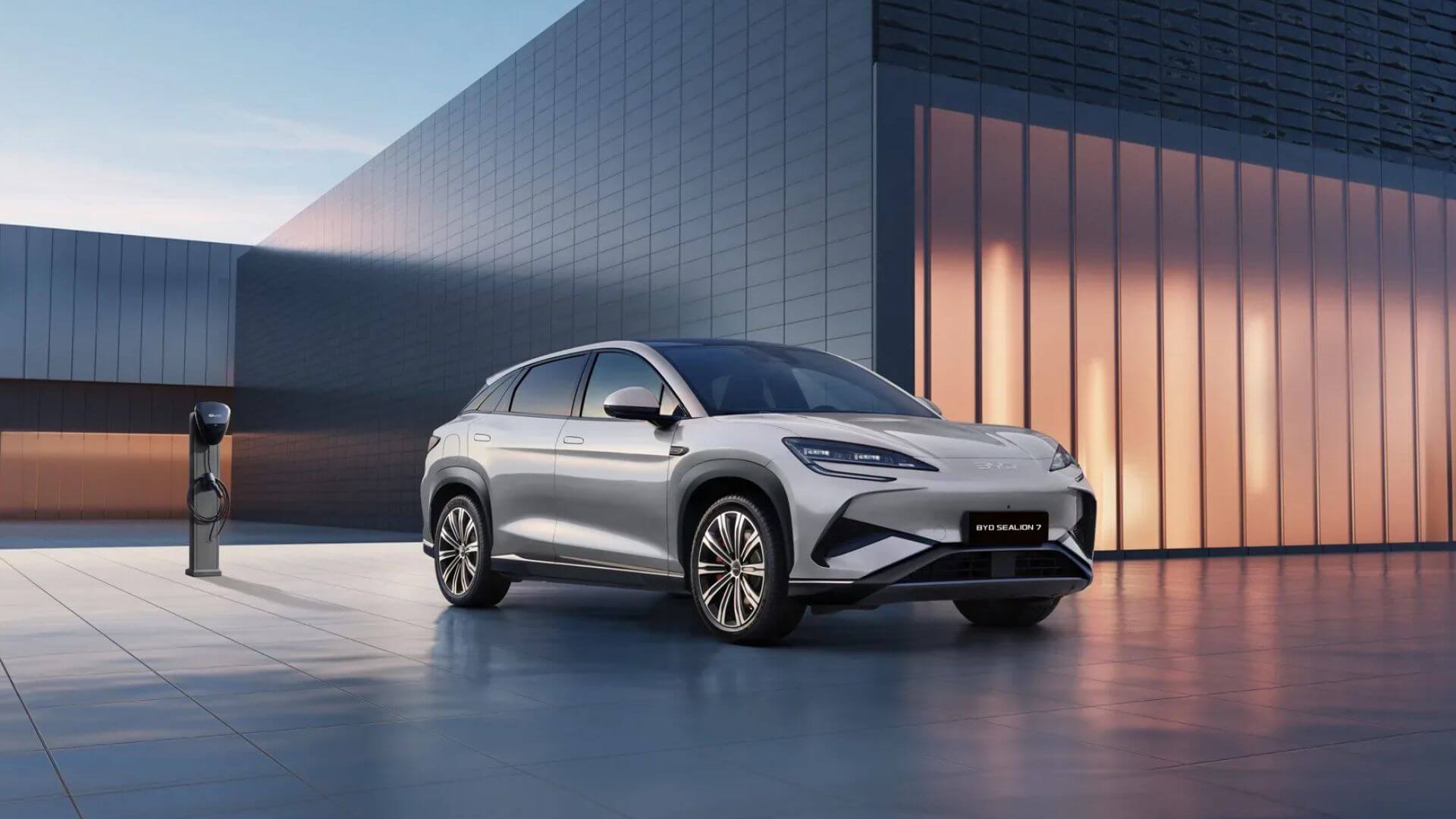
    BYD rolled out its 150,000th commercial new energy vehicle at its Huai’an factory in Jiangsu on October 9. The milestone vehicle was a Q3 electric semi-truck.

    Commercial vehicle sales climbed 28.46 per cent year-on-year to 53,032 units across the first nine months of the year. That growth accelerates an operational pivot toward long-haul freight.

    Power Specs and Heavy Freight Demand

    The Q3 tractor unit uses a Blade Battery setup with peak motor output of 600 kW and dual-gun fast charging. Downtime on intercity logistics routes is critical. Battery replenishment speeds determine whether zero-emission heavy haulage can compete on operating margins with diesel equivalents.

    Long-distance road freight demands sustained power output and dense charging support. These requirements create high technical barriers for battery-electric platforms. The company plans to allocate additional capital expenditure to its long-haul heavy truck lines to expand across primary arterial freight corridors.

    Diverging Growth in Vehicle Lines

    Commercial vehicle volumes are outpacing the rest of the manufacturer’s catalog. Deliveries reached 6,848 commercial units in September alone. That figure rose 113.33 per cent from a year earlier, despite easing 0.88 per cent from August.

    Total group deliveries, including passenger cars, slipped 3.94 per cent to 3,131,576 units through September. Institutional fleet replacement cycles and decarbonisation mandates are cushioning commercial transport. These fleet contracts shield heavy vehicles from retail price wars curbing broader consumer demand.

    Logistics Fleet Shifts Across Asia

    Fleet operators across Asia-Pacific face tightening emissions regulations in urban centres and regional shipping hubs. These rules compel logistics providers to electrify their middle-mile and port-drayage fleets. BYD is positioning its heavy-duty trucks against regional diesel incumbents, shifting electrification from municipal transit to private commercial transport.

    Infrastructure hurdles now outweigh vehicle availability constraints for suppliers and fleet managers. Operators adopting 600 kW dual-gun heavy haulers must secure dedicated grid allocations and depot charging hardware. This requirement concentrates operational risk around depot power supply rather than vehicle range alone.

    Global Expansion Beyond Bus Fleets

    Truck production builds on an eighteen-year commercial vehicle programme that started with municipal electric buses. Dedicated truck research began in 2012. The programme gradually broadened into urban parcel delivery vans, cold-chain trucks and heavy port hauliers with battery-electric and hybrid powertrains.

    Production of the T5 light-duty truck crossed the 10,000-unit threshold in 2025, while the smaller T4 platform debuted in export markets. Commercial operations now span more than 70 countries and territories. These global operations include bundled fleet management software, maintenance contracts and depot charging equipment.

    Factory lines at Huai’an are scaling Q3 output as regional logistics firms begin scheduled fourth-quarter fleet replacements across eastern China.

  • UltraTech Cement to Add 600 Electric Trucks to Indian Logistics Fleet

    UltraTech Cement to Add 600 Electric Trucks to Indian Logistics Fleet

    UltraTech Cement will deploy more than 600 heavy-duty electric trucks across its Indian supply chain by December 2026. The fleet will haul over five million metric tonnes of clinker and raw materials annually across seven states.

    Operations will span industrial corridors in Gujarat, Uttar Pradesh, Madhya Pradesh, Rajasthan, Chhattisgarh, Maharashtra and Odisha. The company calculated that replacing diesel prime movers at this scale cuts net carbon emissions by more than 117,000 tonnes annually, eliminating the consumption of roughly 39 million litres of diesel fuel each year.

    Fleet suppliers and regional deployment

    Procurement contracts have been split among domestic and international commercial vehicle builders. Suppliers include Tata Motors, Ashok Leyland, IPLTech, Sany and Energy In Motion, alongside third-party logistics operators.

    The heavy vehicles will manage mine-to-plant transport as well as inter-plant transfers of clinker. UltraTech currently runs more than 850 alternative-fuel commercial vehicles, a tally that blends compressed natural gas units with battery-electric haulers.

    Scaling heavy-duty electric freight

    Electrifying heavy industrial freight remains rare across Asian emerging markets, where high battery pack costs and limited mega-watt charging infrastructure keep most operators tied to diesel. UltraTech tested the waters in June when it put 45 electric trucks into service on a 250-kilometre clinker route between Rajasthan and Uttar Pradesh with Energy In Motion, bringing its dedicated electric fleet to 89 units at the time. Expanding that base almost sevenfold indicates commercial confidence in operating economics on fixed factory-to-mine loops.

    Delivery schedules for the new vehicle batches begin over the coming quarters, with all 600 prime movers scheduled to enter full revenue service before the end of 2026.