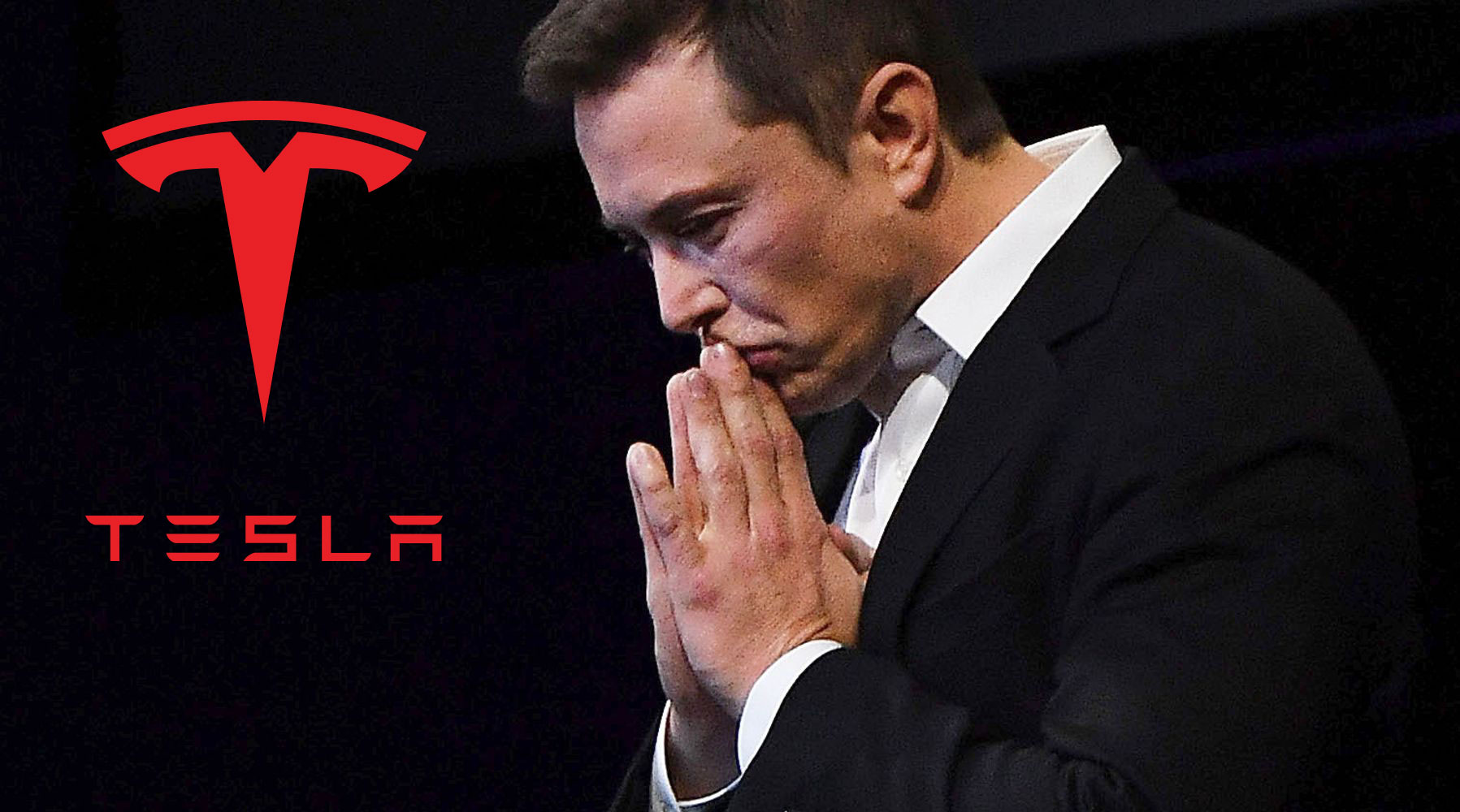
Elon Musk lost $20 billion in personal net worth on Friday after unveiling Tesla’s experimental Roadster sports car, pulling his fortune down to $925 billion.
The 2.11 percent single-day drop tracked a 1.3 percent slide in Tesla shares on Thursday, extending the automaker’s year-to-date market decline to 17 percent.
Engineering Demo Draws Investor Skepticism
Tesla presented the new two-seater Roadster with an autonomous demonstration where the vehicle climbed a steep ramp, hung upside down, flipped in the air, and landed using cold-gas thrusters. Musk said the sports car accelerates from zero to 60 miles per hour in less than one second, using 10 nozzles fed by ultra high-pressure air tanks developed with rocket engineers at SpaceX.
SpaceX shares dropped 2.3 percent following the event, bringing its own year-to-date decline to nearly 8 percent. Commercial mass production for the vehicle is scheduled for 2028, four years behind earlier timelines.
“It was an engineering flex with no commercial value beyond embarrassing traditional car makers,” Gene Munster, managing partner at Tesla investor Deepwater Asset Management, said on social media platform X.
Shifting Priorities from Volume to Halo Tech
For automotive supply chains and retail distribution networks across Asia, the stunt confirms Tesla’s pivot away from entry-level passenger electric vehicles toward speculative halo hardware. Asian rivals such as BYD, Geely, and Hyundai have consolidated volume sales across Southeast Asia by rolling out practical, sub-$25,000 passenger cars. Tesla instead spent engineering capital on an ultra-luxury niche model that offers no commercial volume for suppliers or fleet operators for years.
Institutional investors in Asia-Pacific holding tech-heavy portfolios face increased exposure to execution risk. Tesla continues to redirect capital toward autonomous driving systems, robotics, and aerospace-derived concepts while its core passenger car lineup ages without high-volume replacements. The strategy protects brand prestige at the extreme top end of the market but cedes mass-market share to regional competitors in China, Thailand, and Indonesia.
Regional Groundwork and Historical Parallels
The original Lotus-based Roadster served as Tesla’s market entry point between 2008 and 2012 before the company built its core business on the Model 3, Model Y, Model S, and Model X. In Southeast Asia, Tesla recently registered Tesla Motors Vietnam with a charter capital of VND77.6 billion, or approximately $3 million, establishing an official corporate footprint in the country as it looks to build out service infrastructure.
Tesla faces third-quarter financial results in the coming days, where Wall Street will review vehicle delivery numbers, automotive gross margins, and spending on autonomous software.