Tag: Emissions

  • Besi APac Partners with DHL Express to Slash Greenhouse Emissions through Sustainable Aviation Fuel

    Besi APac Partners with DHL Express to Slash Greenhouse Emissions through Sustainable Aviation Fuel

    Besi APac Sdn. Bhd., the Malaysian unit of top semiconductor assembly equipment manufacturer BE Semiconductor Industries N.V., has entered into a partnership with DHL Express by joining their GoGreen Plus programme. This programme aims to lower the emissions generated from Besi APac’s urgent global deliveries through the utilization of sustainable aviation fuel (SAF). The partnership is projected to result in a reduction of over 400 tonnes in Well-to-Wheel (WTW) CO₂e emissions.

    Reducing Emissions Through Responsible Practices

    Besi APac is dedicated to the energy transition and acknowledges the importance of decreasing operational emissions through responsible business operations. Henk Jan Jonge Poerink, Managing Director of Besi APac and Senior Vice President of Global Operations at Besi N.V., stated that the company’s sustainability strategy extends to its supply chain activities. They are striving to incorporate environmental considerations into their procurement processes. SAF is seen as one of several methods that can assist in reducing aviation-related emissions. The company eagerly anticipates the opportunity to support the expansion of renewable alternatives.

    Introduced in 2023, GoGreen Plus allows its clients to utilise SAF to decrease their indirect Scope 3 emissions, which arise from upstream and downstream transportation and distribution. This service is made possible through numerous SAF contracts that DHL has signed with its partners.

    SAF, which is made from sustainable feedstocks like used cooking oil and other residues, can lower lifecycle greenhouse gas emissions by approximately 80% compared to standard jet fuel. The ‘book & claim’ approach enables DHL to replace fossil fuels with sustainable fuels within its network directly and assign the associated lifecycle emission reductions to clients like Besi APac.

    Besi APac’s Commitment to Sustainability

    Besi APac’s subscription to GoGreen Plus is applicable across its international trade routes, covering major markets in the Asia Pacific, Europe, Americas, and Middle East. The initiative is aligned with the company’s 2025-2029 strategic plan, which includes minimising its environmental impact as a primary goal. Besi APac has significantly reduced its Scope 1 & 2 emission intensity ratio, fuel consumption intensity ratio, and increased electricity usage from renewable sources since 2019.

    Alex Lee, Vice President of Commercial at DHL Express Malaysia, stated that DHL is committed to increasing the availability of emissions-reduced logistics solutions. Partnerships like this one showcase the practical application of this commitment.

    DHL is one of the largest global users of SAF. The company increased the percentage of SAF in its own aircraft fleet to 10 percent in 2025, a significant increase from the 3.5 percent the previous year. DHL currently uses SAF at airports worldwide.

    Questions & Answers

    What is Besi APac’s strategy to reduce emissions in their operations?
    Besi APac is committed to decreasing operational emissions through responsible business practices. This includes integrating environmental considerations into their procurement processes and using SAF to reduce aviation-related emissions.

    How does DHL’s GoGreen Plus programme help to reduce emissions?
    GoGreen Plus allows its customers to utilise SAF to reduce their indirect Scope 3 emissions arising from upstream and downstream transportation and distribution. It replaces fossil fuels with sustainable fuels within its network, attributing the associated emission reductions to its customers.

    What progress has Besi APac made in reducing its environmental impact?
    Besi APac has made significant strides in reducing its environmental impact. The company has greatly reduced its Scope 1 & 2 emission intensity ratio and fuel consumption intensity ratio. Additionally, it has increased its electricity usage from renewable sources to 99 percent since 2019.
  • DHL Express and Malaysia Aviation Group Join Forces for Eco-Friendly Sky: Aiming to Cut Emissions with Sustainable Aviation Fuel

    DHL Express and Malaysia Aviation Group Join Forces for Eco-Friendly Sky: Aiming to Cut Emissions with Sustainable Aviation Fuel

    DHL Express has entered into a contract with Malaysia Aviation Group (MAG), the parent firm of Malaysia Airlines, to employ DHL’s GoGreen Plus service. The arrangement will allow MAG to decrease the greenhouse gas emissions connected to its punctual international shipments by investing in environmentally friendly aviation fuel (SAF) utilized within DHL’s airspace. The partnership is expected to reduce approximately 300 tons of lifecycle carbon dioxide equivalent (CO₂e) emissions by 2026, compared to the previous year.

    Supporting Emissions Reduction

    “SAF is presently one of the most advanced lower-carbon solutions for decreasing lifecycle emissions from long-distance air transport,” observed Julian Neo, Managing Director of DHL Express Malaysia and Brunei. “It is rewarding to see an esteemed national carrier like MAG bolster its stance in the lower-carbon aviation fuel landscape and inspire broader sector adoption. This partnership reaffirms our commitment to assisting the sustainability objectives of businesses through carbon-reduced logistics.”

    The GoGreen Plus service, initiated in 2023, lets customers use SAF to diminish indirect Scope 3 emissions in their value chain resulting from upstream and downstream transportation and distribution. The service is facilitated by multiple SAF agreements DHL has established with various partners.

    SAF, produced from renewable sources like used cooking oil and other residues, can lessen lifecycle greenhouse gas emissions by roughly 80 percent compared to traditional jet fuel. DHL’s GoGreen Plus service operates on a ‘book & claim’ model, allowing DHL to directly substitute fossil fuels with sustainable fuels within the logistic company’s network.

    Strengthening Sustainability

    MAG’s adoption of GoGreen Plus applies to both incoming and outgoing air freight handled by DHL Express throughout the United States, Europe, and Asia Pacific. This supports MAG’s corporate sustainability strategy by addressing the lifecycle emissions related to its international logistics activities and supports its wider push to promote SAF adoption across all passenger and cargo operations.

    As an aviation group managing both airline and air cargo businesses, MAG continues to identify scalable SAF solutions across consumer and commercial sectors, reinforcing its ongoing dedication to lower-carbon air transport solutions.

    Since 2021, MAG has operated flights powered by SAF for both passenger and cargo services, thereby building operational readiness and strengthening infrastructure integration across its network. This foundation is now allowing the Group to increase SAF usage in support of lower-carbon air freight solutions for corporate clients.

    Fostering Regional Growth

    In an effort to foster regional ecosystem development, MAG carried out a two-week SAF uplift on the Kuala Lumpur–London route in 2025 to evaluate Malaysia’s local supply chain preparedness at KLIA. This provided crucial groundwork for future SAF adoption. Simultaneously, the Group continues to collaborate with industry partners and local feedstock suppliers to explore avenues for domestic SAF production, thereby promoting commercially viable SAF solutions for passenger, corporate travel, and cargo operations.

    “SAF remains one of the most important components in aviation’s transition to net-zero by 2050. Scaling SAF requires coordinated action across the entire value chain—from policy to production to infrastructure and demand creation,” expressed Philip See, Group Chief Sustainability Officer of MAG. “Our partnership with DHL Express indicates the growing momentum for market-based solutions such as book-and-claim mechanisms that can quicken SAF uptake beyond regulatory mandates. We are committed to playing our part—not merely through operational adoption across our network, but by fostering ecosystem development in Malaysia and the region to enable progress towards a credible and scalable pathway for a lower-carbon aviation industry.”

    Questions & Answers

    What is the partnership between DHL Express and MAG aiming to achieve?
    This partnership aims to significantly reduce greenhouse gas emissions from international shipments by investing in sustainable aviation fuel (SAF) within DHL’s airspace.

    What is the GoGreen Plus service?
    Launched by DHL Express in 2023, GoGreen Plus is a service that allows customers to use SAF to reduce their indirect Scope 3 emissions, which arise from transportation and distribution activities.

    What actions has MAG taken to support lower-carbon air transport solutions?
    MAG has committed to the use of SAF across its passenger and cargo operations. It has also collaborated with industry partners and local suppliers to explore avenues for domestic SAF production, and invested in assessing and preparing local supply chains.

  • Nestle Exits Dairy Methane Action Alliance, Commences Partnership With World Farmers’ Organisation

    Nestle Exits Dairy Methane Action Alliance, Commences Partnership With World Farmers’ Organisation

    Nestle, a global food conglomerate, has announced its decision to exit the Dairy Methane Action Alliance, an international consortium committed to reducing methane emissions. The consortium, established in December 2023, comprises members like Danone, Kraft Heinz, and Starbucks. These members pledge to openly monitor and report methane emissions derived from their dairy supply chains, as well as design and implement strategies to curb these emissions over time.

    Despite withdrawing from the alliance, Nestle has not provided a specific reason for its decision. Nevertheless, the company has affirmed its dedication to lowering greenhouse gas emissions, including methane, across its supply chains. Nestle reiterated its pledge towards achieving net-zero emissions by 2050.

    New Collaboration

    Following its departure from the Dairy Methane Action Alliance, Nestle announced a partnership with the World Farmers’ Organisation. The alliance aims to enhance the resilience of food systems in the face of climate change.

    Climate Alliances Facing Challenges

    Nestle’s withdrawal represents a setback for corporate alliances aiming to mitigate the effects of global warming. This development coincides with the dismantling of several climate protection initiatives by high-profile figures, such as former US President Donald Trump. Additionally, numerous major banks have left the sector’s main group committed to reducing carbon emissions.

    Nestle emphasized its routine assessment of memberships in external organizations, declaring that it has chosen to terminate its membership in the Dairy Methane Action Alliance following such a review.

    By the end of 2024, Nestle had successfully reduced its methane emissions by nearly 21% compared to 2018 levels, according to the company’s 2024 non-financial statement.

    Methane, which is approximately 30 times more potent than carbon dioxide, is a key target in the fight against global warming. Agriculture accounts for nearly 40% of human-induced methane emissions, with the lion’s share originating from livestock, according to the Environmental Defense Fund (EDF).

    The EDF, the organization which established the methane alliance, stated that Nestle’s logo had been taken off its main page, although the company’s name remains visible on other pages. The EDF offered no reason for Nestle’s withdrawal, but acknowledged and appreciated Nestle’s ongoing commitment to addressing dairy emissions through its Dairy Climate Plan and Net Zero Roadmap.

    Questions & Answers

    Question: Why did Nestle leave the Dairy Methane Action Alliance?
    Answer: Nestle hasn’t provided a specific reason for its decision to withdraw from the Dairy Methane Action Alliance.

    Question: Is Nestle still committed to reducing greenhouse gas emissions?
    Answer: Yes, despite its withdrawal from the Dairy Methane Action Alliance, Nestle has affirmed its commitment to lowering greenhouse gas emissions, including methane. The company has also reiterated its goal of achieving net-zero emissions by 2050.

    Question: Has Nestle formed any new partnerships after leaving the Dairy Methane Action Alliance?
    Answer: Yes, Nestle has announced a partnership with the World Farmers’ Organisation, aiming to enhance the resilience of food systems towards climate change.

  • Unilever Vietnam implements approaches towards net zero future

    Unilever Vietnam implements approaches towards net zero future

    Unilever has started a range of programs and initiatives for a net zero value chain by 2039, contributing to Vietnam government’s net zero carbon emissions vision by 2050.

    In 2021, Unilever published its Climate Transition Action Plan, an ambitious and transparent roadmap to help reduce its operational emissions by 100% by 2030 and reach net zero emissions across its value chain by 2039.

    First, Unilever Vietnam is replacing all fossil fuel use in the factories’ boilers with renewable energy source – biomass recycled from damaged pallets, shredded wood, etc. The company is also committed to using entirely renewable electricity at all factories and offices in Vietnam.

    Secondly, Unilever aims to halve its use of virgin plastic by 2025 to help lower the value chain emissions. Unilever Vietnam has reduced 55% virgin plastic in its packaging production, three years earlier than the global target, through absolute reduction and post-consumer recycled plastic use.

    Thirdly, the company is now replacing fossil fuel-derived chemicals with renewable or recycled carbon. In Home Care, Unilever estimates this will reduce its product’s greenhouse gas emissions by up to 20%.

    In Vietnam, Unilever implemented “Clean Future” campaign for Home Care product line early this year, aiming to develop product formulation with water efficiency and biodegradability, and utilize 100% renewable or circular feedstocks. Currently, a number of products from Omo, Comfort, Sunlight, Cif, Lifebuoy have met the criteria of product formulation driving water efficiency and biodegradability.

    Next, Unilever Vietnam is working with their partners and suppliers in the value chain to cut down the GHG emissions as more than 75% of the carbon footprint in Unilever Vietnam’s supply chain derives from input materials and outsourced activities.

    Until now, the company has eliminated CO2 emissions and carton waste in packaging transportation from Dynaplast; converted to 100% electric forklifts, contributing to a reduction of 1,999 tons of CO2 emissions at all distribution centers by the end of 2021 in comparison with 2020; and implemented the circular economy model in the waste management, turning waste into sources of energy and fertilizers to serve manufacturing activities.

    Unilever globally will be calling on countries to deliver policies that accelerate energy and food system transitions at COP27 on the horizon.

  • Volkswagen Converts Its Aurangabad Facility To Run On 100% Green Energy

    Volkswagen Converts Its Aurangabad Facility To Run On 100% Green Energy

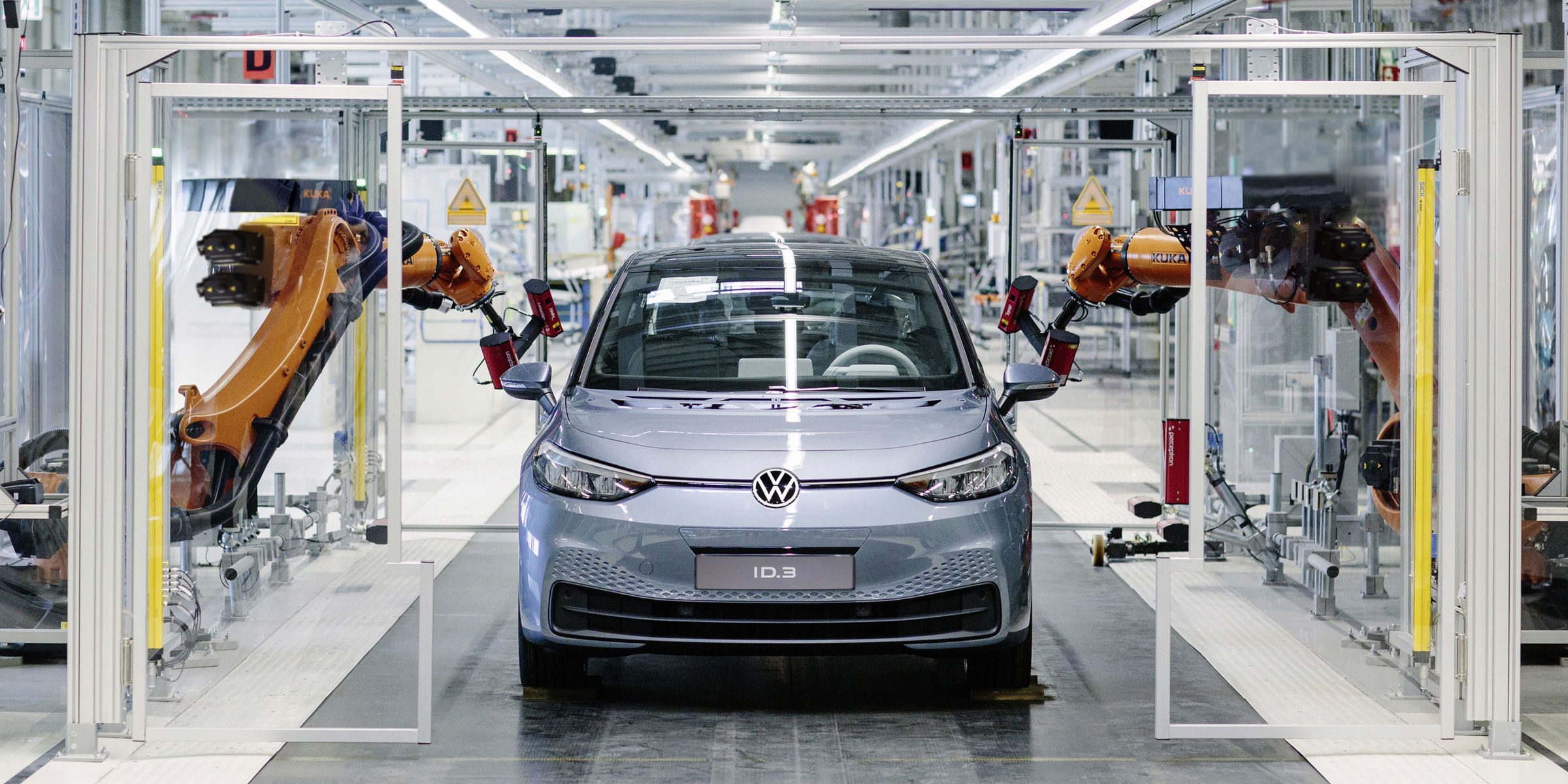
    Volkswagen Group has announced that its Aurangabad facility has transitioned to 100 percent green energy. The group had initially targeted reaching the goal by 2025, but it has done so ahead of its target. The facility received its Green Energy Certificate from Maharashtra State Electricity Distribution Company Limited (MSEDCL).

    Piyush Arora, Managing Director and CEO, Skoda Auto Volkswagen India Private Limited, said, “In the Volkswagen Group, ‘goTOzero’ is not only a roadmap for effective climate protection, it is also an integral strategic initiative towards sustainable mobility. We take a holistic approach to decarbonization – from production through service life to recycling.”

    “By replacing the external energy supply with renewable energy from MSEDCL,  SAVWIPL’s Aurangabad Plant has become the first automotive facility in Aurangabad Plant has become the first automotive facility in Aurangabad to be certified as a Green Energy Plant by MSEDCL,” the company said in a statement.

    With the move to green energy, VW’s Aurangabad plant will now achieve a 48 percent reduction in CO2 emissions per year. The VW group targets to become a carbon-neutral company by 2050.

  • AirAsia adding software to drive down emissions

    AirAsia adding software to drive down emissions

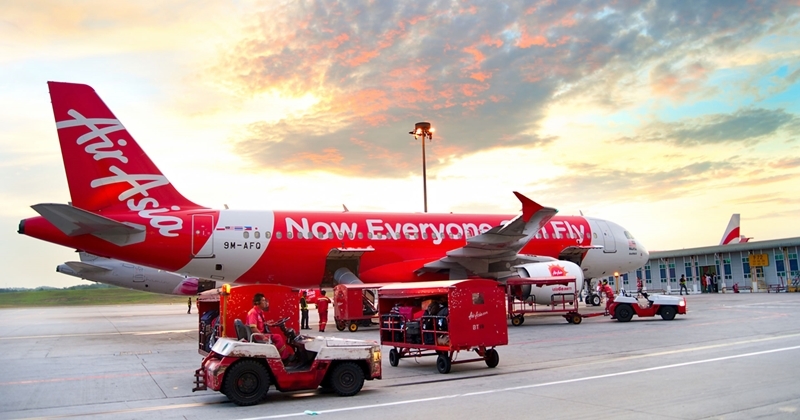
    AirAsia announced it will be installing an innovative aircraft software modification known as Descent Profile Optimiser (DPO) on its A320ceo aircraft commencing from June in conjunction with the World Environment Day. This upgrade will help to generate fuel savings and significantly reduce carbon dioxide (CO₂) emissions. The enhancement to the aircraft’s onboard Flight Management System (FMS) performance database allows the aircraft to optimise the descent phase of the flight which subsequently minimises the amount of time spent at an inefficient level off.

    The new initiative is set to reduce fuel consumption and improve the fuel efficiency by up to 0.75 percent of fuel burn which is equivalent to saving 101 kgs of CO₂ emissions per flight. This could reduce CO₂ emissions by over 221 tonnes per aircraft per year, representing a considerable contribution to more sustainable Flight Operations. Once installed initially on 17 aircraft, it would save 3,764 tonnes of CO₂ per year or the equivalent of 62,700 urban trees planted based on the US EPA’s Greenhouse Gas Equivalencies Calculator.

    Bo Lingam, Group CEO of AirAsia Aviation Group Limited (AAAGL) said: “As the travel industry begins to recover and we expect to get back to pre-pandemic levels by the end of this year, it is important that we review our climate strategy and put in place new mechanisms and processes that will help to minimise the environmental impact of our flight operations. Installing the new flight operations optimisation solution for our current A320ceo aircraft allows us to reduce our carbon footprint for the short and medium-term as we continue to gradually upgrade our fleet to the higher capacity and more fuel-efficient A321neo in the longer term. Given the reality of climate change and the airline industry’s contribution to emissions, reducing our carbon footprint is currently one of our top sustainability priorities and we look forward to further reducing an additional 221 tonnes of CO₂ emissions per aircraft each year with the DPO system we are implementing. We remain committed to ensuring not only that we build a sustainable airline but also align with the aviation industry’s sustainability goal to reach net-zero by 2050.”

    Besides the DPO, AirAsia has implemented several other key efficiency initiatives to reduce fuel consumption and carbon emissions such as One Engine Taxi (procedure to operate one engine during the taxi phase of flight instead of both engines), Idle Reverse Landing (a procedure that uses idle engine thrust upon landing instead of powered thrust to reduce noise and fuel burn) and the Required Navigation Performance-Authorisation Required (RNP-AR) approach (a procedure that uses the aircraft’s advanced navigation capabilities instead of conventional ground-based equipment for the shortest landing approach). In 2021, these measures enabled AirAsia to avoid emitting 11,175 tonnes of carbon dioxide, which is equivalent to planting 186,250 urban trees.

  • Hanoi plans motorbike ban after 2025

    Hanoi plans motorbike ban after 2025

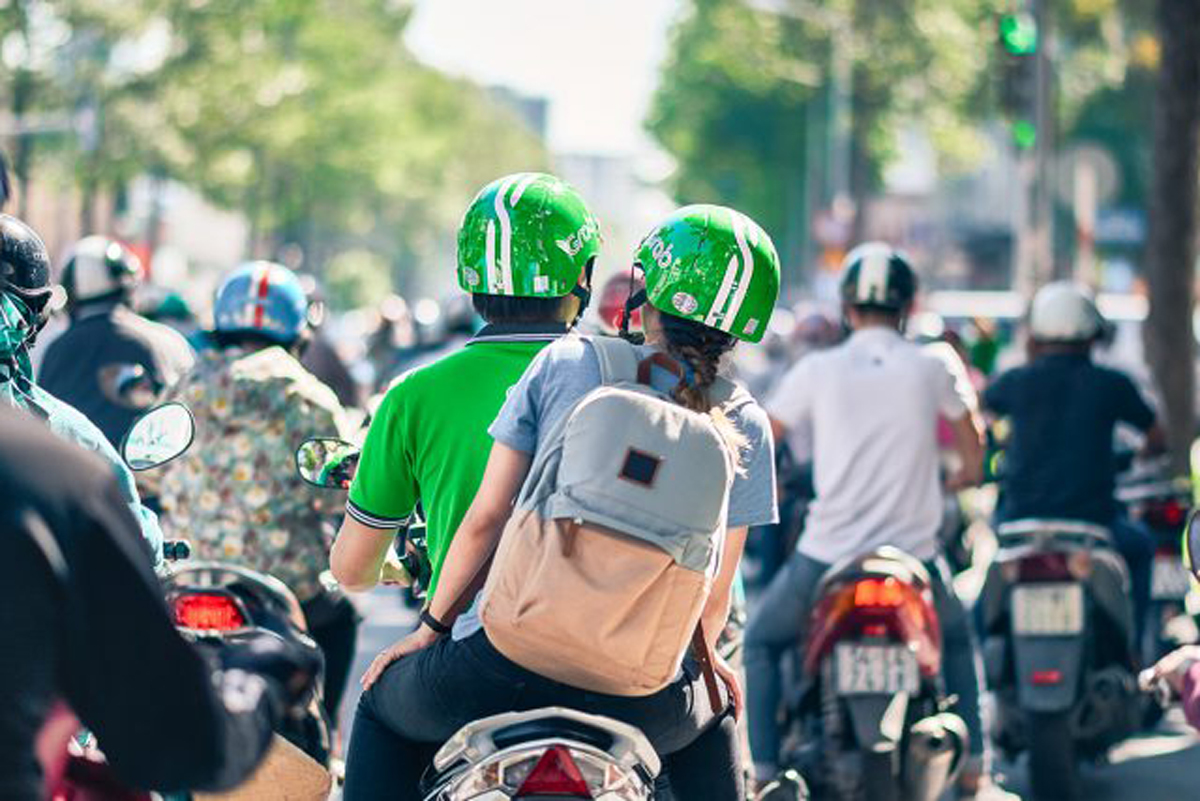
    Hanoi plans to ban motorbikes in core districts after 2025, five years earlier than an earlier plan, in order to reduce traffic congestion and emissions.

    The ban will apply to all districts within the third ring road and on three major roads: Truong Sa, Hoang Sa and National Highway 5, according to a plan being prepared by the city administration.

    After 2030 the ban will expand to all districts within the fourth ring road.

    The plan is set to be voted upon on Tuesday.

    The capital has around 5.6 million motorbikes and 600,000 automobiles.

    Poor public transportation development has driven the use of personal vehicles in Vietnam as a whole and in its major cities, in particular.

    Currently, in Hanoi, the public bus system plies 140 routes, meeting an estimated 31 percent of total demand.

  • Shell’s 2020 Carbon Emissions Fall On The Back Of Fuel Sales Drop

    Shell’s 2020 Carbon Emissions Fall On The Back Of Fuel Sales Drop

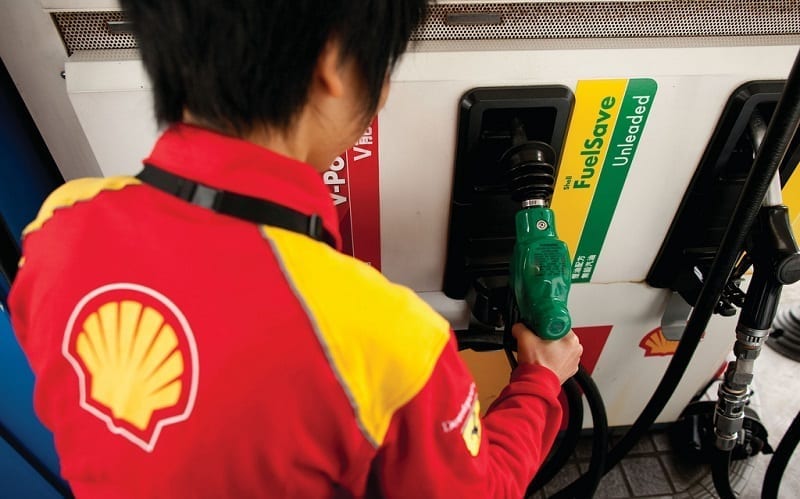
    Royal Dutch Shell, owner of the world’s largest fuel retail network, said on Thursday its total greenhouse gas emissions dropped 16% in 2020 as oil and gas sales fell sharply due to the coronavirus pandemic. Shell said in its annual report that total emissions from its oil wells to forecourt fuel sales fell to 1.38 billion tonnes of carbon dioxide equivalent last year, from 1.65 billion in 2019.

    “One of the major causes of this larger than expected reduction in 2020 was lower demand for energy, especially for oil and gas,” it said.

    Shell said its total greenhouse gas emissions dropped 16% in 2020 as oil and gas sales fell sharply due to the coronavirus pandemic.

    Energy majors’ climate reporting differs in that some emissions data, for example, the data Shell released on Thursday, includes planet-warming gases from the combustion of fuels they produce themselves plus the oil products they sell but are produced by another company. Others, like BP, only cover the former: emissions from the combustion of fuels made from crude oil they produce themselves.

    Net carbon intensity, the main measure the Anglo-Dutch focuses on in its energy transition strategy, dropped last year to 75 grams of CO2 equivalent per megajoules, a 4% reduction from 2019, Shell said. Carbon energy intensity means a company can increase its fossil fuel output while offsetting its carbon emissions or adding renewable energy to its product mix.

    Shell has begun a major overhaul to shift away from oil and gas to low-carbon energy, power trading and retail in order to reduce its greenhouse gas emissions to net-zero by mid-century, including the use of offsets for residual emissions. Shell runs around 46,000 retail fuel stations. Its executives’ pay is linked to its success in reaching its climate targets.

  • Suzuki Motor Will Respond To Dutch Emissions Probe By Mid-February

    Suzuki Motor Will Respond To Dutch Emissions Probe By Mid-February

    Japan’s Suzuki Moto is co-operating with the Dutch authorities over their findings its diesel vehicles had broken the country’s emissions rules, and it is required to respond to the investigation by mid-February, it said on Friday.

    The Dutch road authority ruled on Thursday that Suzuki’s Vitara and Fiat Chrysler’s Jeep Grand Cherokee diesel models broke emissions rules and must be fixed or face a ban on sales across Europe.

    In a statement, Suzuki said diesel versions of its Vitara and S-Cross vehicles used engines and emissions software supplied by Fiat Chrysler.

    The Dutch authorities said the vehicles in question, which are no longer in production, showed emissions levels higher than allowed following a software update in 2017, Suzuki said.

    Earlier this week, the German authorities said they were investigating Mitsubishi Motors Corp for suspected use of illegal, emissions defeat devices installed in its diesel engines.

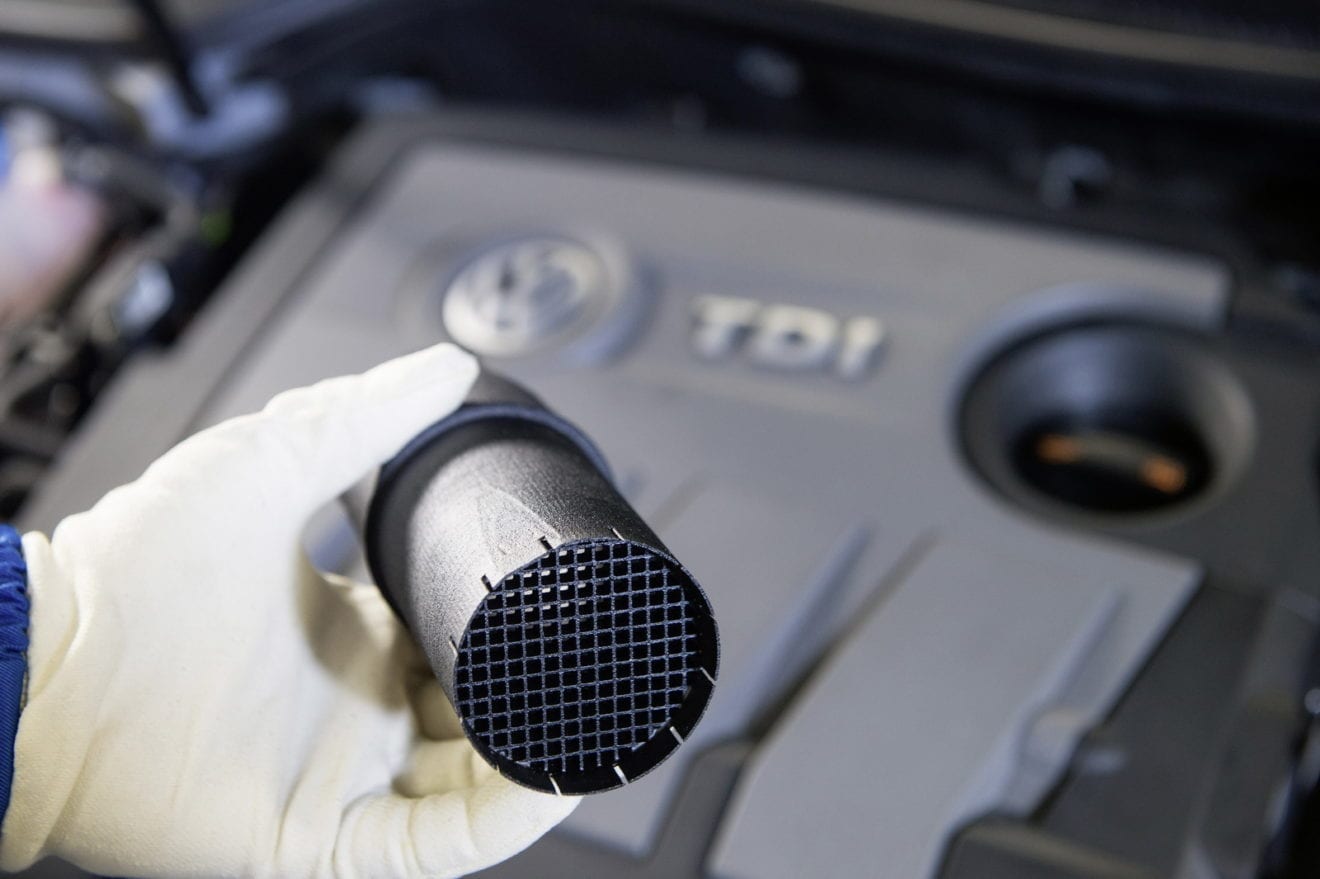
    Regulators across the world have been clamping down on emissions devices used in diesel models since Volkswagen admitted in 2015 that it used illegal software to cheat U.S. emissions tests.

  • German Motor Authority Probes More Mercedes Emissions Software

    German Motor Authority Probes More Mercedes Emissions Software

    Germany’s motor vehicle authority KBA is investigating Daimler on suspicion that 60,000 Mercedes cars were fitted with software aimed at tricking emissions tests, the Bild am Sonntag newspaper reported on Sunday. A spokesman for Daimler, owner of Mercedes-Benz, said the carmaker was reviewing the facts and fully cooperating with the KBA. Bild am Sonntag said the KBA was looking into suspicious software in Mercedes-Benz GLK 220 CDI cars produced between 2012 and 2015, after tests showed they only meet emissions limits when a certain function is activated.

    Since rival Volkswagen admitted in 2015 to cheating U.S. emissions tests, the scandal has spread to other carmakers. Daimler has ordered the recall of 3 million vehicles to fix excess emissions coming from their diesel engines.

    Bild am Sonntag said the KBA found that the function it had discovered had been removed during software updates carried out by Daimler.

    The Daimler spokesman said the company had complied with a process agreed upon with the KBA and German Transport Ministry when updating software for the 3 million recalled vehicles.

    “The allegation that we wanted to hide something with the voluntary service measure is incorrect,” he said.

    This month European Union antitrust regulators charged BMW, Daimler and Volkswagen with colluding to block the rollout of emissions-cleaning technology.

  • BMW Blames Trade Headwinds with Emissions Tests

    BMW Blames Trade Headwinds with Emissions Tests

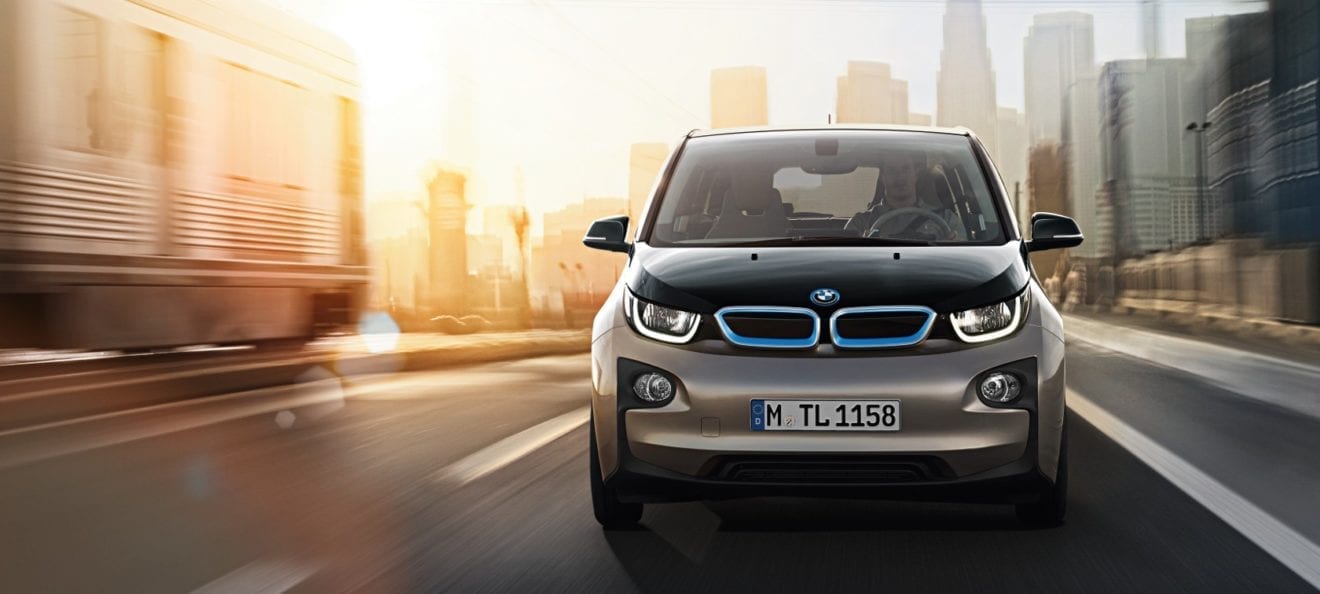
    Profits at German high-end carmaker BMW tumbled in 2018, the firm said Friday, with trade headwinds and tough new EU emissions tests’ drag on performance set to last into this year.

    “Challenges facing the entire sector are unlikely to diminish in the coming months,” chief executive Harald Krueger said in a statement. Net profit at BMW slumped 16.9 percent to 7.2 billion euros ($8.2 billion), the group said.

    The Munich-based firm pointed to “political uncertainty, a cooling global economy… rising production costs to meet regulatory requirements, exchange rate effects and rising raw materials prices” as weights on its earnings.

    Operating, or underlying, profits fell less sharply, shedding 7.9 percent to 9.1 billion euros. Revenues were less strongly affected, falling 0.8 percent to 97.5 billion. Other carmakers’ scramble to sell cars not certified under the so-called WLTP test cycle before its introduction in September led to “unexpectedly intense competition”, BMW said, penalising the group for its decision to adopt the new procedure early.

    Meanwhile the group’s bottom line also suffered as it was ordered to recall over a million diesel cars to replace faulty components. BMW boosted unit sales at its flagship brand slightly, to 2.1 million cars, but deliveries of Minis fell back 2.8 percent, to 361,500. Luxury subsidiary Rolls-Royce lifted shipments 22 percent, to 4,107. Looking to different world regions, sales in Europe were flat while the Americas and Asia recorded slight growth.

    “Volumes grew signficantly” in China as BMW ramped production of X3 SUVs locally, the group said.

    Bosses said they would offer shareholders their second-highest dividend payout ever, at 3.50 euros per share. Looking ahead to 2019, BMW expects a “slight increase” in unit sales, in part thanks to new models. Investors offered a mildly positive reaction to the news, with BMW stock gaining 1.1 percent to trade at 74.59 euros around 11:30 am in Frankfurt (1030 GMT).

  • Nike global warehouses goes carbon neutral

    Nike global warehouses goes carbon neutral

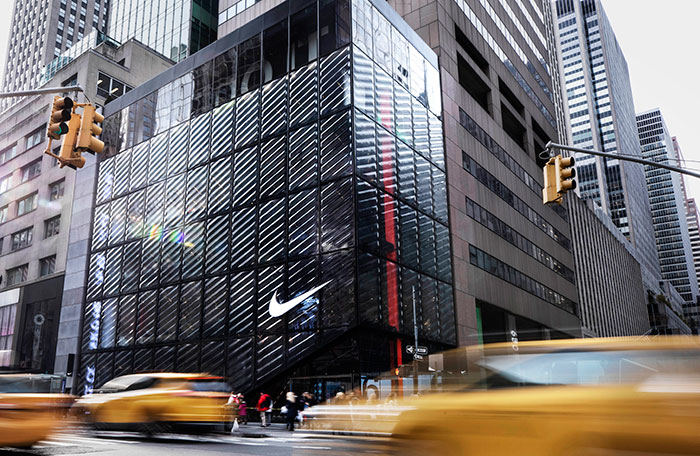
    A Nike warehouse in Melbourne’s Altona North suburb has become the first facility in Australia to receive a ‘whole-of-building’ carbon-neutral certification from the National Carbon Offset Standard.

    The certification is the latest recognition for the site, which has also received a Green Star Performance rating and was named the ‘Best Industrial Project’ at the National Energy Efficiency Awards in 2017.

    The 18,000sqm warehouse, which is owned by the Stockland property group and was custom-built for Nike by Toll, was designed with environmental efficiency in mind.

    Some of the site’s unique features include translucent roof sheeting to maximise daylight so warehouse lighting can be switched off when ambient light is sufficient, roof insulation to assist with temperature control and an optimised conveyor system, which was rewired and reprogrammed to operate in relation to product volumes, eliminating unnecessary movement.

    The retrofitting of 1300 light fixtures with high-efficiency LEDs also helped the site to halve its total electricity consumption, exceeding the greenhouse reductions required by NCOS.

    Toll and Nike offset the remaining greenhouse emissions generated by the building by investing in forest conservation projects in Tasmania as well as in an energy recovery waste water treatment plant in Thailand. These projects protect local biodiversity and native species support jobs in local communities and reduce greenhouse gas emissions, according to a statement from the comp

    Nike’s operations director Marie Varrasso said the success of the facility reflects its commitment to reducing its carbon footprint whilst delivering efficient solutions and savings which can be passed on to its customers directly.

    “Through this collaboration, continuous improvements have been introduced into the supply chain, which ultimately benefits Nike’s footwear, apparel and equipment customers. It’s a unique relationship, with innovation at the heart of everything we do,” she said.

    Stockland’s general manager of logistics and business parks Tony D’Addona said the project has has been a worthwhile education process for the property group’s warehousing and logistics business and helped to improve its management approach to sustainability.

  • BMW denies collusion on diesel emissions

    BMW denies collusion on diesel emissions

    BMW said that none of its models had been ‘manipulated’ or violated industry regulations. German luxury carmaker BMW on Sunday denied any collusion with industry rivals on emissions from its diesel engines, saying none of its models had been “manipulated” or violated industry regulations.

    As revelations about polluting exhaust continue to buffet Germany’s all-important auto sector, the Munich-based giant sought to distance itself from what it called the “scandaliation of diesel motors”.

    “The fact is that automobiles from the BMW group are not manipulated and comply with the relevant legal requirements,” the company said in a statement.

    “This of course also applies to diesel automobiles. This is confirmed by the relevant results from tests by national and international authorities.”

    Der Spiegel magazine had reported Friday that German carmakers Volkswagen, Audi, Porsche, BMW and Daimler had secretly worked together from the 1990s onwards on issues including polluting emissions from diesel vehicles.

    Volkswagen, which is facing tens of billions of dollars in compensation and fines after admitting in 2015 to cheating on diesel emissions, had reported the cartel to German competition authorities in a letter seen by the weekly, as did Mercedes-Benz maker Daimler.

    According to the report, carmakers held “innumerable meetings” from 2006 onwards about diesel exhaust processing systems designed to reduce emissions of harmful nitrogen oxides (NOx).

    Carmakers agreed to install only small tanks of a treatment solution, AdBlue, used to convert the gases into harmless water and nitrogen, as larger tanks would have been more expensive.

    The size of the AdBlue tanks agreed on was too small to clean exhaust gases by the necessary amount — “laying the foundations for the diesel scandal,” Spiegel reported.

    However BMW said it “firmly dismissed the accusation” that its AdBlue tanks were insufficient, meaning that any “recall or retrofitting for the Euro 6 diesel cars is unnecessary”.

    Volkswagen admitted in September 2015 to installing software in 11 million cars worldwide that reduced NOx emissions when it detected that cars were undergoing regulatory tests.

    More recently, authorities’ suspicion fell on Mercedes-Benz and Smart maker Daimler, with investigators raiding sites belonging to the group in late May.

    The firm recalled some three million cars last week for a software update designed to reduce emissions.

    Meanwhile, VW subsidiary Audi on Friday recalled up to 850,000 cars fitted with its diesel engines for a similar software update.

  • Renault denies report of emissions cheating software

    Renault denies report of emissions cheating software

    Renault is denying a report that its vehicles are equipped with software that allowed its vehicles to cheat on emissions testing.

    The statement Wednesday from the French carmaker followed a report in the newspaper Liberation, which claimed to have obtained an investigative document from the Economy Ministry indicating that emissions from two models – the Renault Captur and the Clio IV – spewed emissions more than 300 percent higher than the legal limit in real-life conditions.
    The ministry’s fraud department handed its findings to prosecutors in November.

    French authorities raided Renault premises after Volkswagen was found to have used software to cheat on U.S. diesel emissions tests. Renault recalled 15,000 cars last year over excessive levels of harmful gases, but the company insisted there was no intentional wrongdoing.

  • Australia sues Volkswagen over alleged emissions fraud

    Australia sues Volkswagen over alleged emissions fraud

    The Australian consumer watchdog on Thursday said it had sued the Australian arm of world No. 2 carmaker Volkswagen AG (VOWG_p.DE) for intentionally selling more than 57,000 vehicles with software which lied about levels of toxic emissions.

    “These allegations involve extraordinary conduct of a serious and deliberate nature by a global corporation,” Australian Competition and Consumer Commission Chairman Rod Sims said in a statement.

    The Federal Court action adds to what is already proving to be costly legal fallout for the German company as it faces class action lawsuits in Australia and around the world over emissions fraud, as well as penalties from antitrust authorities.

    Already in Australia, law firm Maurice Blackburn is seeking more than A$100 million ($75 million) from the company, including the full replacement cost of some 90,0000 vehicles, while the auto giant has agreed to pay its 650 U.S. dealers $1.2 billion in compensation.

    In Australia, the ACCC said it wanted the company to make public declarations of misconduct, pay unspecified financial penalties and issue corrective advertising in relation to its actions over five years.

    “Volkswagen engaged in multiple breaches of the Australian consumer law by concealing software in their vehicles to cheat emissions testing and misleading consumers about the vehicles’ compliance,” Sims said.

    “Consumers rightly expect that their vehicle’s emissions would operate as advertised during their day-to-day use and we allege that this was not the case.”

    Volkswagen Group Australia said in a statement that it doubted the ACCC’s action would benefit consumers since it planned to give them software which corrected the emissions data as soon as it was approved by the government – likely by year-end.

    The Volkswagen unit, which is defending the private class action, said it was reviewing the ACCC’s claims.