Retail News CRM

Tag: Emperor

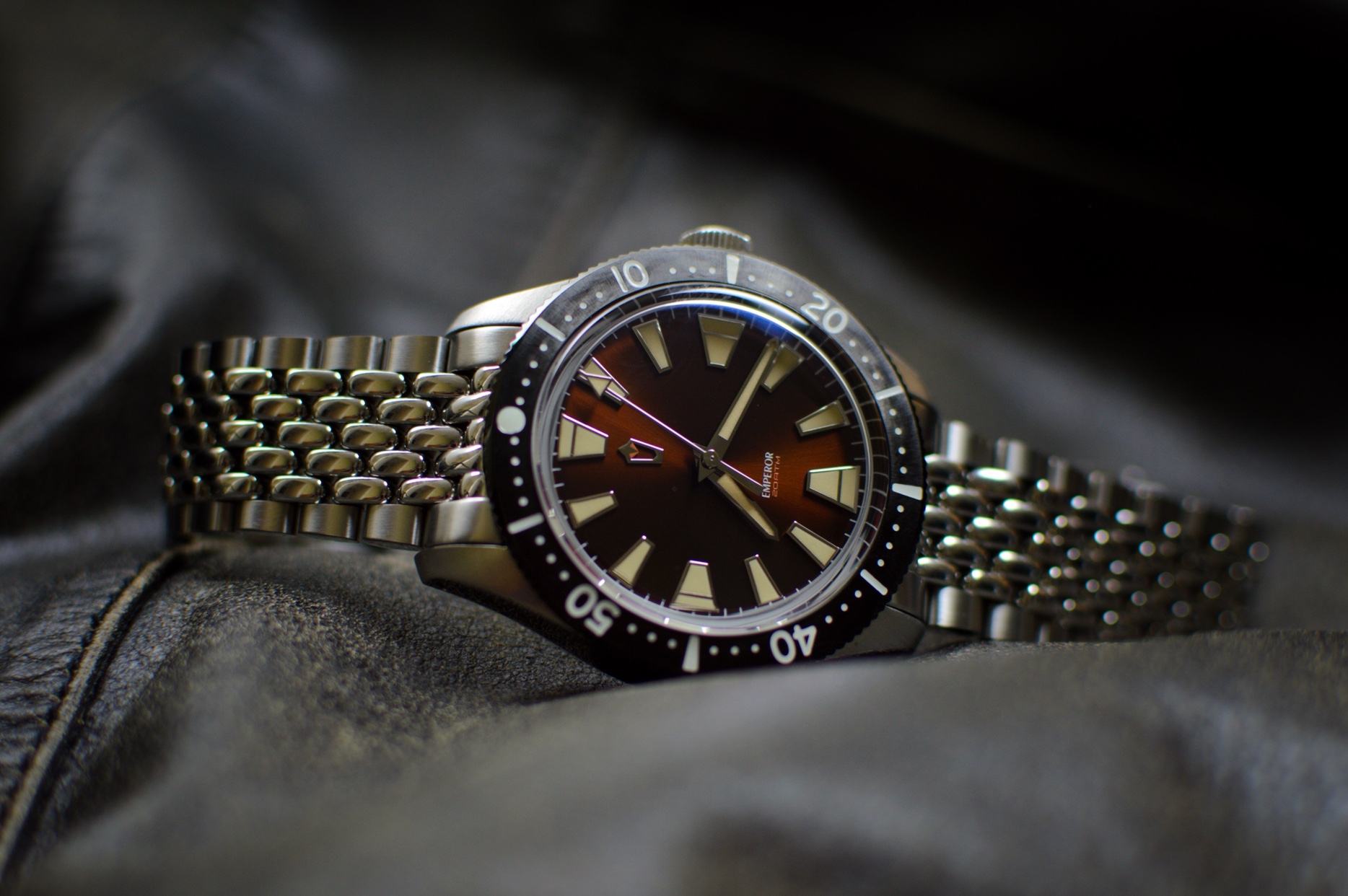
  • Emperor Watch & Jewellery sales slowing down in Hong Kong, Macau

    Emperor Watch & Jewellery sales slowing down in Hong Kong, Macau

    Emperor Watch & Jewellery sales rose strongly in Hong Kong and Macau last year, due to a rebound in tourism in the first half and the opening of new stores.

    Hong Kong remained the group’s core market, with sales there up 19.6 per cent. In Macau, sales rose 224 per cent, according to the company’s latest results.

    Adjusted net profit of $269 million represented a 68.1 per cent improvement over the preceding year.

    Emperor Watch & Jewellery sales in Singapore and Mainland China were broadly stable year on year.

    The company ended the year with 95 stores, a net gain of 15. Six of the new stores were jewellery shops opened in Hong Kong, all in shopping malls with heavy foot traffic, such as Telford Plaza I in Kowloon Bay, APM in Kwun Tong and Mostown in Ma On Shan.

    In Malaysia, the company opened its first store, a 2000sqft site in Pavilion Kuala Lumpur.

    Sales of watches grew 13.1 per cent to HK$3.664 billion, accounting for 77.6 per cent of group sales. Jewellery sales rose by 25.5 per cent to $1.058 billion, thanks to an expanded store network and greater marketing activity.

    In its results, Emperor Watch & Jewellery described last year as one “of contrasts”.

    “The first half of the year was marked by encouraging growth for the luxury consumption market in general. However, this growth was not sustained and the second half was punctuated by a fall-off in market sentiment in the shadow of a prolonged Sino-US trade dispute.”

    It said the macro-economic headwinds such as the trade dispute, a cooling Chinese economy and swings in currencies present “formidable business challenges in the near term”.

    “Over the past decades, the group has witnessed many ups and downs, and has emerged stronger after each cycle. As such, the group will continue to execute responsive and flexible strategies while fine-tuning its priorities to stay competitive. The group will also strive to optimise its cost structures across each level of business and remain vigilant regarding uncertainties on the horizon.”
  • Philippines leader welcomes Japan’s Emperor as ties blossom

    Philippines leader welcomes Japan’s Emperor as ties blossom

    Philippines President Benigno Aquino III gave a red-carpet welcome to Japan’s Emperor Akihito on Wednesday in a sign of blossoming ties between the two nations, both mired in territorial disputes with China, while further moving past painful memories of Japan’s World War II aggression.

    Mr. Aquino and Emperor Akihito held talks at Manila’s Malacanang presidential palace, where Philippines and Japanese flags were displayed side by side and Filipino troops fired cannons in a traditional salute.

    Mr. Aquino is to host a state banquet later for Emperor Akihito, whose visit marks 60 years of diplomatic relations between the two nations.

    Mr. Aquino and Emperor Akihito briefly discussed robust sales of Japanese-made cars that have contributed to Manila’s heavy traffic and the entry of Japanese retail store Uniqlo, presidential spokesman Herminio Coloma Jr. said.

    Emperor Akihito, a revered symbol of Japanese unity who plays no political role in his country, does not plan to discuss contentious security issues such as the territorial disputes or demands for an apology by Filipino women who accuse Japan’s wartime army of forcing them into sexual slavery, according to the Emperor’s press secretary, Hatsuhisa Takashima.

    During the meeting with Mr. Aquino, “there was no mention of the war,” he told reporters.

    But Mr. Takashima said it was well known to Mr. Aquino that the Emperor had earlier expressed his “profound remorse for the loss of lives of many Filipinos” during the war and that “the Japanese people must remember the agony and difficulty suffered, experienced by Filipino people.

    Asked if an apology could put an ending to the issue of wartime sex slaves, Mr. Takashima said it was not the Emperor’s role to address individual subjects related to the war, but that Emperor Akihito “always mentions the necessity of peace and the stability of the international relations as well as [to] never forget the war and never forget the victims of the war.”

    Relations between Japan and the Philippines have improved dramatically in the seven decades since the war, with Japan becoming a major trading partner and aid donor for the Philippines. Emperor Akihito’s visit is seen as a strong sign of a further deepening of ties as the countries, both close American allies, confront China over long-contested maritime territories.

    Japan’s Self-Defence Forces have staged joint search and rescue exercises with the Philippine Navy near the disputed South China Sea and are providing the Philippines with coast guard patrol boats.

    Still, six elderly Filipino women led a protest outside the presidential palace Wednesday asking the Japanese government to formally apologiSe and compensate them and other sex slaves abused by Japanese forces during the war. They carried placards reading, “No to rising Japanese militarism.”

    “Emperor Akihito’s foreign trips conveying a pacifist message are important because they ease concerns over perceptions that Japanese political leaders are trying to flex the country’s military muscles once again,” said Richard Heydarian, a political science professor at Manila’s De La Salle University.

    “We should forgive but we should not forget the past. That will also help Japan,” Mr. Heydarian said.

    Emperor Akihito is to pay his respects at memorials for both Philippine and Japanese war dead during his visit, which ends Saturday.