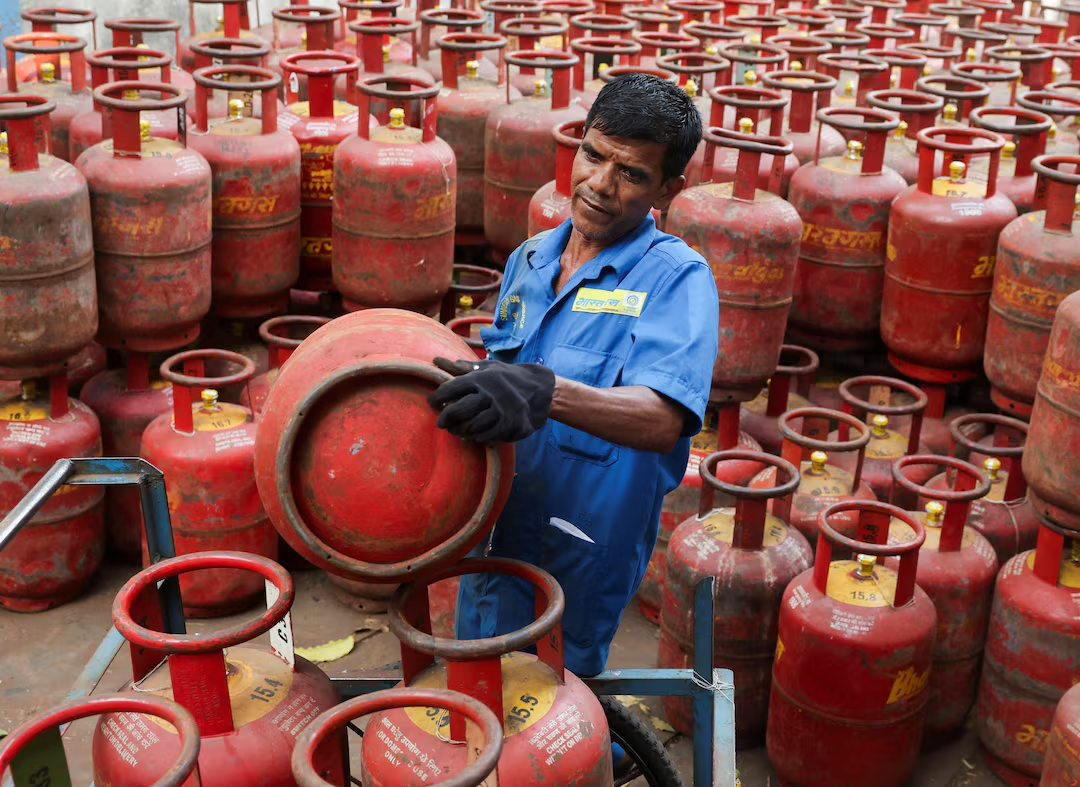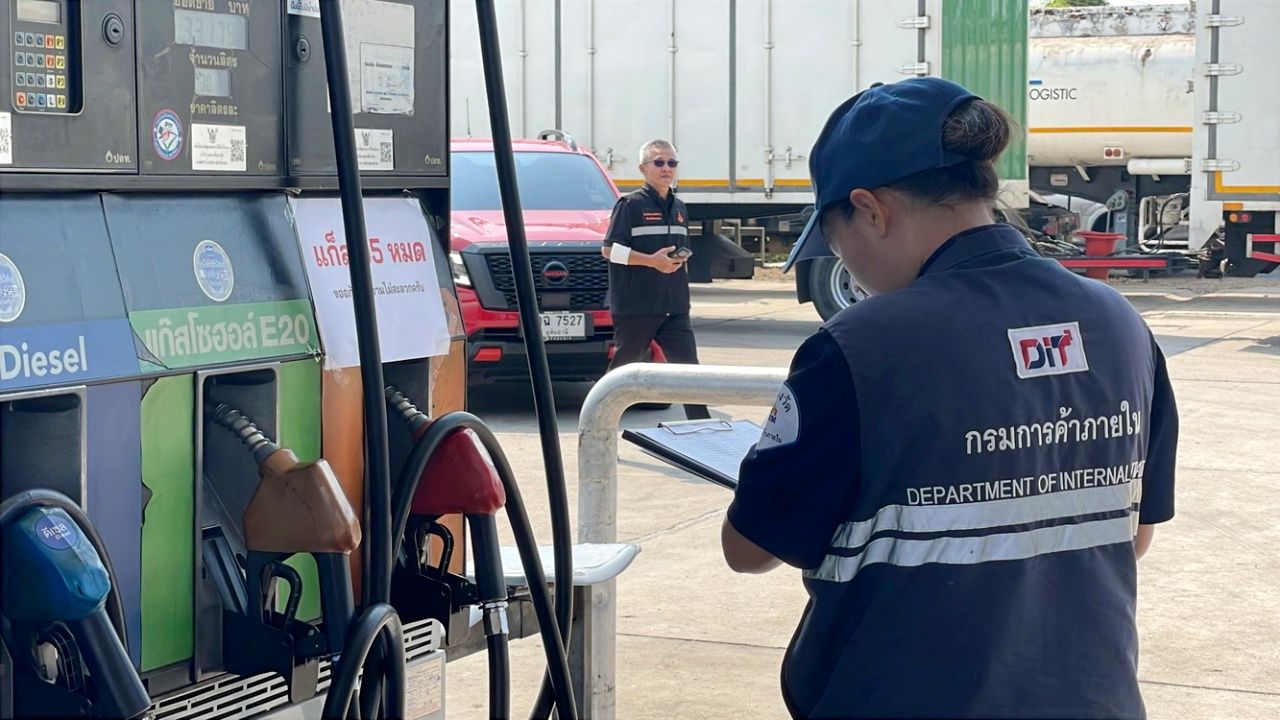
Bangladesh raised domestic fuel prices by up to 17.4 percent on Monday, targeting state energy import losses as crude prices and ocean freight rates climbed.
The price adjustments took effect immediately across petrol pumps nationwide, lifting diesel to 135 taka ($1.11) per litre from 115 taka.
Under the revised schedule, 95-octane gasoline increased to 165 taka per litre from 145 taka, petrol climbed to 160 taka from 140 taka, and kerosene rose to 155 taka from 135 taka. The Energy Ministry said international fuel prices have more than doubled since March 2026, while shipping disruptions linked to Middle East conflict increased landed supply costs.
Cutting State Losses at the Pump
State-owned Bangladesh Petroleum Corporation accumulated losses of 228.76 billion taka ($1.9 billion) between March and August 2026. Ministry officials estimate the revised retail pricing will reduce the agency’s annual deficit by approximately 100 billion taka. The adjustment aims to protect central foreign exchange reserves and discourage cross-border fuel smuggling to neighbouring markets where retail prices trade higher.
Dhaka continues to fund heavy subsidies on imported liquefied natural gas to maintain power generation and industrial gas distribution. Rising procurement costs across both liquid fuels and gas have steadily eroded the state treasury balance over the last two quarters.
Factory Floors Face Margin Compression
For consumer goods manufacturers and the apparel export network, the price increase hits operations already coping with unstable grid power and factory fuel rationing. Garment suppliers rely on diesel generators to prevent assembly line stoppages during power cuts, meaning higher pump prices translate directly into elevated unit production costs.
Mohiuddin Rubel, additional managing director of Denim Expert Ltd, which supplies international fashion retailers including H&M, noted that fast turnaround times and low manufacturing overhead remain critical to retaining brand contracts.
“Staying in business means staying competitive: the buyer who gets a product onto the shelf fastest and cheapest wins, and gas, power, and fuel costs all feed into that equation,” said Mohiuddin Rubel, additional managing director of Denim Expert Ltd.
Transport Rates and Consumer Inflation
Domestic trucking fleets and river transport operators face immediate overhead increases that will push up wholesale and supermarket shelf prices across Dhaka, Chittagong, and secondary cities. Higher logistics expenses reduce operating margins for retail distributors who are unable to pass full cost increments onto price-sensitive shoppers.
Anwar-ul Alam Chowdhury, president of the Bangladesh Chamber of Industries and chairman of apparel exporter Evince Group, warned that elevated operating expenses risk prompting industrial downsizing and job cuts across production clusters.
The Third Adjustment Since April
Monday’s increase represents Dhaka’s third upward fuel revision in five months, following earlier price rises enacted in April 2026 and June 2026. Each successive step attempted to narrow the gap between fixed domestic pump rates and volatile global energy benchmarks without extinguishing factory activity.
The Energy Ministry will review Bangladesh Petroleum Corporation import invoices and domestic refinery runs next quarter to determine whether the 100 billion taka annual loss reduction target holds.