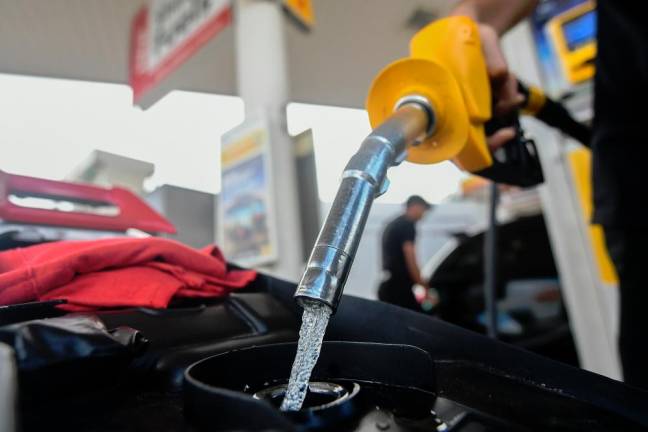
Vietnam raised retail fuel prices on Thursday afternoon, pushing the cost of popular RON95 gasoline up 5.67 per cent to VND27,080 ($1.04) per liter.
The price adjustment by the Ministry of Industry and Trade and the Ministry of Finance also lifted E5 RON92 biofuel by 5.01 per cent to VND26,390 per liter.
Diesel gained 1.84 per cent to settle at VND30,490 per liter, according to the joint ministerial pricing schedule.
Global Market Pressures on Import Costs
State regulators linked the domestic price adjustments to shifting international crude benchmarks and regional refined petroleum costs. Global RON95 gasoline traded up 0.7 per cent to $147.2 per barrel over the pricing window, while diesel refined products dropped 5.1 per cent to $173.3 per barrel.
Geopolitical turbulence in the Middle East drove crude market volatility. Market pricing absorbed Iranian statements outlining conditions for resuming diplomatic talks with the United States, alongside escalating regional friction involving Houthi forces and Saudi Arabia.
Refined fuel imports into Southeast Asian distribution networks reacted immediately to these shifts. Vietnam remains structurally dependent on imported refined fuels and raw petroleum components to cover domestic refinery shortfalls.
Operating Costs for Retailers and Transport Fleets
Higher fuel expenses flow directly into delivery and retail operating margins across Hanoi and Ho Chi Minh City. Last-mile motorcycle couriers, cold-chain trucks, and regional distribution networks face immediate cost increases as transport overhead expands.
Fleet operators typically attempt to pass fuel surcharges along to commercial shippers. In a competitive retail consumer market where household budgets face food and energy inflation, absorbable price headroom remains narrow.
Urban convenience store operators and supermarket chains must balance logistics surcharges against consumer basket sensitivity. Distribution networks that expanded fleet investments earlier in the year face higher baseline operational expenses this quarter.
Supply Pressures and Pricing Cycles
Vietnam regulates domestic pump prices through coordinated weekly reviews to align state-guided ceilings with Singapore market benchmarks. Prior to this adjustment, domestic fuel levels tracked lower than several neighboring Southeast Asian markets despite rising crude import costs.
Global energy disruptions have sustained price pressure across international distribution channels throughout 2026. Domestic supply lines rely on continuous equilibrium between state-regulated retail margins and global cargo procurement pricing to prevent inventory drawdowns at independent filling stations.
Regional power and industrial demand continue to absorb energy supplies across the wider ASEAN corridor, keeping refined fuel crack spreads firm. The next joint pricing determination from the Ministry of Industry and Trade and the Ministry of Finance will benchmark import costs entering October.