Tag: energy supply

  • Semirara Slashes Coal Target to 12 Million Tons as Pit Floods

    Semirara Slashes Coal Target to 12 Million Tons as Pit Floods

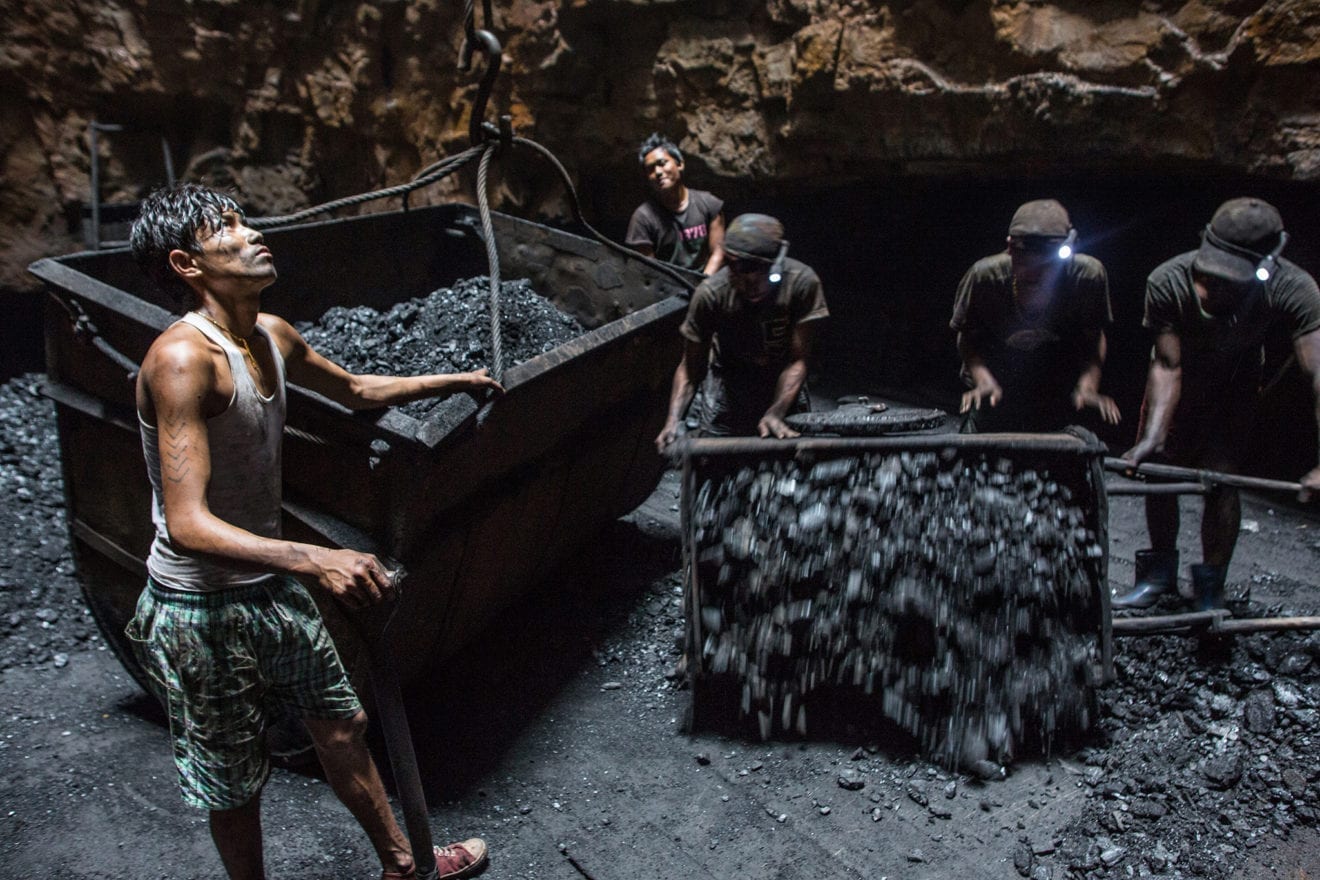
    Semirara Mining and Power Corp. Slashed its 2026 coal output target to 12 million metric tons after uncontrollable seawater flooded its core Acacia pit in the Philippines. Stripping operations are halted indefinitely. The revised target is a drop of nearly 40 percent from the record 19.9 million tons produced in 2025.

    Seawater is surging into the active pit at roughly 30,000 cubic meters an hour. That far exceeds on-site pumping capacity. The structural failure accelerated on September 20 when material from North Block 1 Dam 2 collapsed, sending surface runoff straight into the mining area.

    Crews are attempting to erect another cut-off wall. Meanwhile, the operational breakdown forced SMPC to lay off 1,458 mine-site workers. The company cut an initial tranche of 462 staff before letting go an additional 996 personnel.

    Contract Expiry and Asset Disputes

    Timing could not be worse for the operator or the power grid. Coal Operating Contract No. 5 expires on July 14, 2027. That leaves the Department of Energy scrambling to auction operating rights to the highest financial bidder.

    Energy officials terminated a previous bidding round in September following legal disputes, engineering problems, and operator objections. They now plan to restart the auction between November and December. That gives the winning contractor barely seven months to take over before the current license lapses.

    A legal fight is also playing out in court over more than 55 billion pesos in infrastructure and machinery on Semirara Island. SMPC filed a petition for declaratory relief after the energy department demanded a full inventory of the operator’s property and plant to share with rival bidders.

    State Revenue Versus Engineering Capacity

    Regulators argue that equipment with costs recovered under the operating contract can vest in state hands and pass to the next operator. SMPC counters that cost recovery serves only as reimbursement under Presidential Decree 972. Title and removal rights remain strictly with the company.

    Higher revenue shares and consumer concessions remain the government’s priority, grounded in the state’s ultimate ownership of mineral resources. SMPC notes it contributed 43.4 billion pesos in government share alongside 3.7 billion pesos in taxes between 2021 and the middle of 2026.

    Commercial power users and industrial operators face the threat of electricity cost inflation. Acacia was projected to deliver the bulk of domestic coal supply in 2027. Any prolonged disruption will force power producers to import expensive replacement thermal coal from Indonesia and Australia.

    Spillover to the Local Island Economy

    Fallout has already spread across Semirara Island as payroll cuts hit retail and service trade. Small island businesses report falling daily revenue and customer defaults as families lose their primary income.

    Island social programs face immediate risk as well. SMPC has historically funded about 90 million pesos annually for free tuition at the Divine Word School of Semirara Island. More than 1,500 students depend on that mine-supported schooling.

    The Department of Energy has not issued bid bulletins, prequalification screens, or a model contract clarifying minimum technical requirements for the flooded pit. Restarting the bidding process in late 2026 will test whether the state can secure an operator capable of draining the Acacia pit before the July 2027 handover deadline.
  • Taiwan Weighs $4.4 Billion Stake in Alaska LNG Project

    Taiwan Weighs $4.4 Billion Stake in Alaska LNG Project

    Taiwan is reviewing an investment of up to $4.4 billion in the Alaska LNG project to buy 6 million tonnes of liquefied natural gas annually once production starts.

    The volume accounts for 30 percent of the planned 20 million tonne yearly output from the proposed $54 billion development on the US northern coast.

    State-owned CPC Corp, Taiwan would take an equity stake in the project, which includes a 1,299-kilometer pipeline running from Alaska’s North Slope to an export terminal in the state’s south. Deliveries could reach Taiwanese terminals as early as 2032 if construction proceeds on schedule. The Ministry of Economic Affairs confirmed that negotiations are advancing following a preliminary letter of intent signed in March last year, though neither side has executed a binding sale and purchase agreement.

    Pipeline Structure and Shipping Logistics

    Alaska LNG gives Asian buyers direct access to North American gas without traversing maritime chokepoints. Tankers sailing from southern Alaska cross the open Pacific directly to East Asian ports, avoiding both the Panama Canal bottlenecks and lengthy diversions around the Cape of Good Hope.

    Shorter transit times reduce voyage expenses and insulate energy shipments from canal draught restrictions or geopolitical conflicts in traditional shipping lanes. For Taiwan, which relies on maritime imports for almost all of its natural gas consumption, a direct northern Pacific corridor provides supply stability for power generation and domestic industrial users.

    Commercial Viability and Financing Hurdles

    Securing long-term off-take commitments remains the main hurdle before project sponsors can lock down commercial debt. Alaska LNG has accumulated agreements covering 13 million tonnes per year from Asian utilities and French multinational TotalEnergies.

    Developers must secure commitments for another 3 million tonnes and convert provisional deals into binding contracts to reach financial close. The developers intend to take a final investment decision on the pipeline by late 2026, followed by a decision on the liquefaction and export plant in 2027.

    Engineering complexities in Arctic conditions and total capital costs of $54 billion continue to draw scrutiny from energy analysts. Taiwan’s willingness to commit capital signals how heavily island economies must weigh physical supply redundancy against cost overruns.

    Taiwan Energy Diversification Strategy

    The Alaska negotiations follow CPC’s broader policy shift toward North American suppliers. CPC chairman Fang Jeng-zen outlined plans in February to raise the share of US-sourced LNG to roughly one-third of the company’s total import portfolio.

    Presidential Office Secretary-General Pan Men-an inspected the Alaska facility site last year to assess progress firsthand. Government officials in Taipei have faced rising domestic pressure to ensure reliable base-load fuel as thermal power units replace retired nuclear generators.

    Regional peers are evaluating similar exposure. While US political leaders recently claimed South Korea had committed funds to the Alaska terminal, authorities in Seoul maintained that their participation has not been finalized.

    Contract Milestones Ahead

    Contract terms, equity allocation, and pricing formulas remain subject to ongoing commercial talks between CPC and the US development team. The project requires binding off-take contracts across 16 million tonnes of capacity before project financiers release construction capital, setting the next major benchmark at the pending pipeline investment decision.