Retail News CRM

Tag: engine

  • Ferrari Unveils Unique Sound Strategy For First Electric Vehicle: Authenticity Over Simulation

    Ferrari Unveils Unique Sound Strategy For First Electric Vehicle: Authenticity Over Simulation

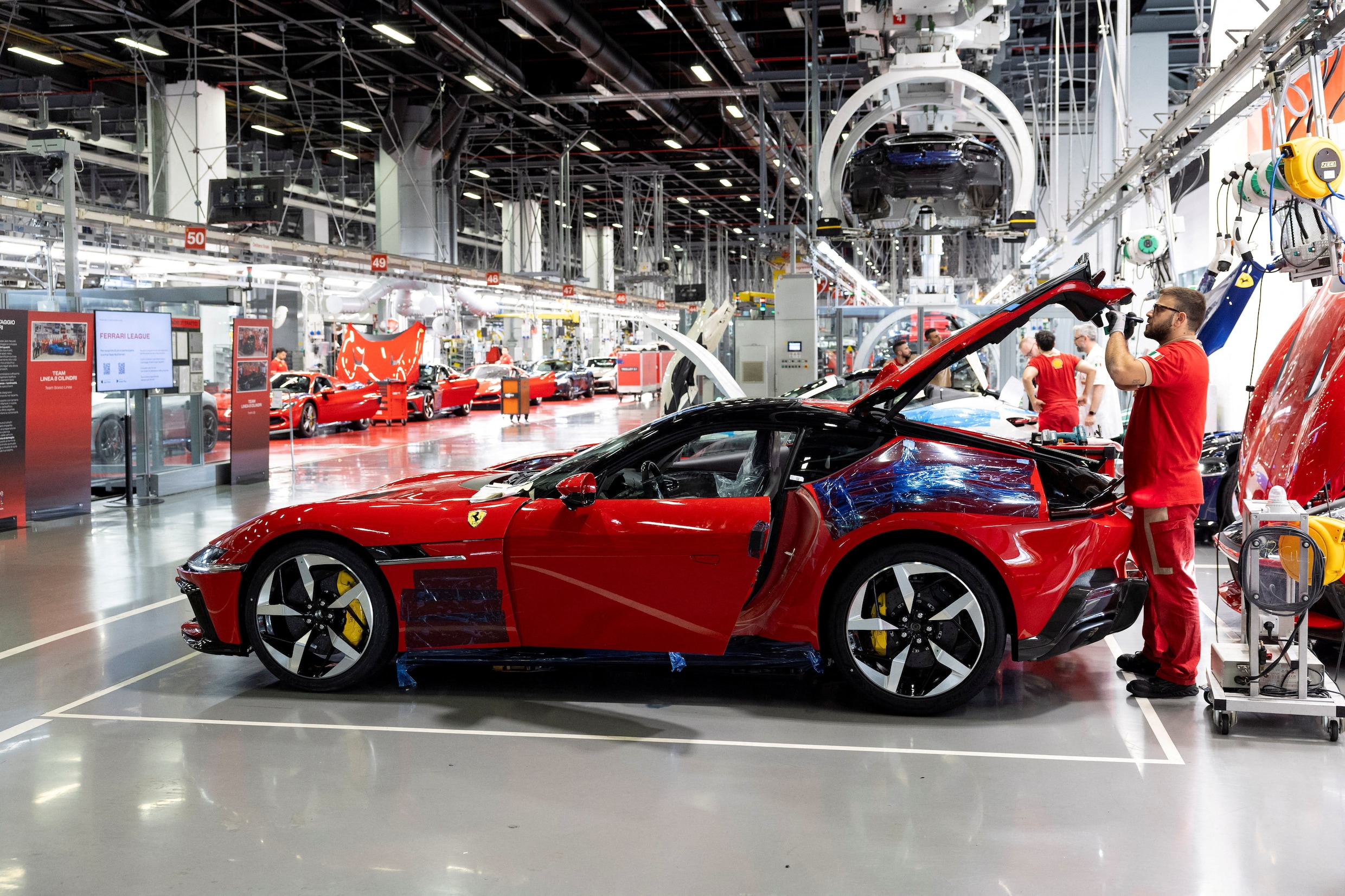
    Ferrari is on the brink of releasing its debut electric vehicle, causing mixed feelings amongst fans of the brand. Despite some concerns surrounding the introduction of an electric offering, the Maranello-based automaker is making concerted efforts to ensure that all aspects of the vehicle are perfected. Among these, significant attention is being given to the vehicle’s sound, which had been rumored to mimic that of a traditional internal combustion engine. Ferrari, however, has been transparent about its approach to the sound of their forthcoming electric model.

    Ferrari’s Authentic Sound Approach

    In a clear stance, Ferrari has dismissed the concept of simulating engine noises for their electric vehicle. Instead, the luxury car maker aims to embrace what it refers to as the ‘authentic’ sound of the motor. The company further expressed its intention to enhance the auditory output of the power units.

    If Ferrari can realize this goal, it could mark a significant moment within the automotive industry. Other traditional car manufacturers have grappled with the challenge of creating a satisfactory sound experience for electric vehicles. This comes in light of the absence of the familiar rumble found in performance vehicles powered by gasoline engines.

    Automakers have made numerous attempts at curating suitable sounds for electric vehicles to date. Notable examples include Dodge’s efforts using what was termed a “Fratzonic Chambered Exhaust”. In contrast, other manufacturers have opted to leave the natural sound of the electric motors untouched. Ferrari, however, is pursuing a unique strategy.

    Finding Inspiration in Unexpected Places

    The solution to Ferrari’s acoustic challenge was found in the unlikely form of an electric guitar. Inspired by the instrument’s engineering, Ferrari plans to capture and then enhance the vibrations generated by the drivetrain components. This optimal balance will be attained through a highly sensitive sensor positioned on the rear axle. This sensor will pick up the frequencies of the powertrain and amplify them, projecting the sound into the vehicle’s environment.

    The design approach specifically employs an accelerometer to capture vibrations from the drive unit, which are subsequently amplified to match the sound of the electric motor. Ferrari asserts that the resulting sound will provide practical utility, offering valuable feedback to the driver.

    Ferrari further clarified that the latency between the vibrations and sound is imperceptible to the human ear. During high-speed driving, the driver will be able to hear the motor accelerate, regenerate, or even disengage. This is due to the front motors of the forthcoming Elettrica model, which are designed with a disconnect feature, enabling the vehicle to switch to rear-wheel drive.

    Questions & Answers

    What approach to sound is Ferrari taking for its electric vehicles?
    Ferrari is aiming to capture and enhance the ‘authentic’ sound of the electric motor, rejecting the idea of simulating traditional engine noises.

    What technology is Ferrari using to capture the sound of its electric vehicles?
    Ferrari is using a high-precision sensor, similar to an accelerometer, positioned on the rear axle to capture the frequencies of the powertrain, which are then amplified and projected into the surroundings.

    What will the sound offer to the driver of the Ferrari electric vehicle?
    Ferrari claims that the resulting sound will be functionally useful, providing real-time feedback to the driver about the speed, regeneration, and engagement status of the motor.


  • DeepSeek removed from South Korea app stores pending privacy review

    DeepSeek removed from South Korea app stores pending privacy review

    Chinese AI app DeepSeek will not be available to download in South Korea pending a review of its handling of user data, Seoul authorities said Monday.

    DeepSeek’s R1 chatbot stunned investors and industry insiders with its ability to match the functions of its Western competitors at a fraction of the cost.

    But a number of countries have questioned DeepSeek’s storage of user data, which the firm says is collected in “secure servers located in the People’s Republic of China”.

    On Monday, Seoul’s Personal Information Protection Commission said DeepSeek would no longer be available for download until a review of its personal data collection practices was carried out.

    The Chinese AI firm has “acknowledged that considerations for domestic privacy laws were somewhat lacking”, the data protection agency said.

    It assessed that bringing the app into line with local privacy laws “would inevitably take a significant amount of time”, the agency added.

    “To prevent further concerns from spreading, the commission recommended that DeepSeek temporarily suspend its service while making the necessary improvements,” it said.

    DeepSeek has “accepted” that proposal.

    The app was removed from local app stores on Saturday at 6:00 p.m. (0900 GMT) and remains unavailable.

    The AI chatbot is still in use for those who have already downloaded the app.

    Seoul’s data protection agency said it “strongly advised” people to “use the service with caution until the final results are announced”.

    That included “refraining from entering personal information into the DeepSeek input field”, it said.

    Analyst Youm Heung-youl told AFP that the firm was yet to lay out a privacy policy “specifically tailored” for users in South Korea.

    “It has on the other hand disclosed a privacy policy for the EU and certain other countries, stating that it complies with the domestic laws of those nations,” Youm, a data security professor at Soonchunhyang University, said.

    “Deepseek needs to establish a privacy policy specific to Korea,” he said.

    This month, a slew of South Korean government ministries and police said they blocked access to DeepSeek on their computers.

    Italy has also launched an investigation into DeepSeek’s R1 model and blocked it from processing Italian users’ data.

    Australia has banned DeepSeek from all government devices on the advice of security agencies.

    U.S. lawmakers have also proposed a bill to ban DeepSeek from being used on government devices over concerns about user data security.

    In response to the bans, the Chinese government has said it opposes the “politicisation of economic, trade and technological issues”.

    It also insists it “has never and will never require enterprises or individuals to illegally collect or store data”.

  • Google is making a noticeable change to Search on the desktop and on mobile devices

    Google is making a noticeable change to Search on the desktop and on mobile devices

    According to Search Engine Land Google is about to do one of the most Googley things possible to the continuous scrolling feature found on Google Search results both on the desktop and mobile devices. Starting today, Google has removed users’ ability to continuously scroll through desktop Search results. Later this month, it will do the same thing and end infinite scrolling on mobile Search results.

    Instead of continuous scrolling for Search results on the desktop, users will press a button that says “Next” at the bottom of the page to see more results. On mobile, the infinite scrolling will be replaced by a “More results” button. Google actually has a reason for making this change instead of dropping a feature for no reason at all, something that the company has often been accused of doing.

    Google claims that by making this change, it will be able to deliver more search results faster instead of automatically loading search results that users haven’t requested and have no interest in seeing. Google also discovered that allowing infinite scrolling of search results didn’t result in higher satisfaction scores for Google Search. Continuous scrolling debuted on the desktop in December 2022 after starting on mobile search in October 2021.

    Suppose you own a website and your site doesn’t appear on the first page of a search result. In that case, you now might see fewer visitors from Google Search since a user would have to make the decision to press the “Next” button on the desktop or the “More results” button on a phone to continue to see additional results beyond the first page. Or, desktop users can jump to a specific page using Google’s iconic pagination controls which allows a user to jump to pages one through 10 by tapping on the page number desired.

    I have yet to notice any change to the desktop version of Google Search which continues to scroll continuously. As we said, the mobile version of Search is supposed to be updated before June comes to an end.

  • ExxonMobil Launches Mobil Super TM SUV Pro Synthetic Engine Oil

    ExxonMobil Launches Mobil Super TM SUV Pro Synthetic Engine Oil

    ExxonMobil Lubricant has launched Mobil SuperTM SUV Pro synthetic engine oil for SUVs in India. Basically, the company is trying to tap into the growing demand for SUVs with the branding. The engine oil is based on ASTM D6891 (Seq. IVA) test results versus API SN engine test requirements. The company claims that it offers 79 percent better engine wear protection as well, especially in stop-and-go traffic conditions, and helps to improve fuel-economy.

    Deepankar Banerjee, Chief Executive Officer (CEO), ExxonMobil Lubricants Pvt Ltd. Said, “People are turning to SUVs to more easily maneuver through dense traffic, handle bad weather conditions, and drive over rugged terrain. To meet the needs of SUV owners, we are introducing Mobil Super SUV Pro which is specially formulated with active ingredients for SUV engines. Whether you use your SUV for daily commute or weekend drives, our new Mobil Super SUV Pro is packed with features to deliver All-in-One Protection for every terrain, making it easier for all SUV owners to care for their cars.”

    The engine oil has been developed to provide superior low-speed pre-ignition protection to prevent internal engine damage along with all-weather protection for longer engine life. It also provides heat-activated anti-wear protection. The Mobil Super SUV Pro is suitable for both diesel and petrol engines and meets American Petroleum Institute (API) SN Plus and European Automobile Manufacturers’ Association (ACEA) A3/B4 Standards. Mobil Super SUV Pro is available in 1, 3.5, and 5-litre pack sizes at Mobil Authorized Retail stores, Mobil Car Care stores and Amazon.

  • Volkswagen Polo GTI Facelift Unveiled

    Volkswagen Polo GTI Facelift Unveiled

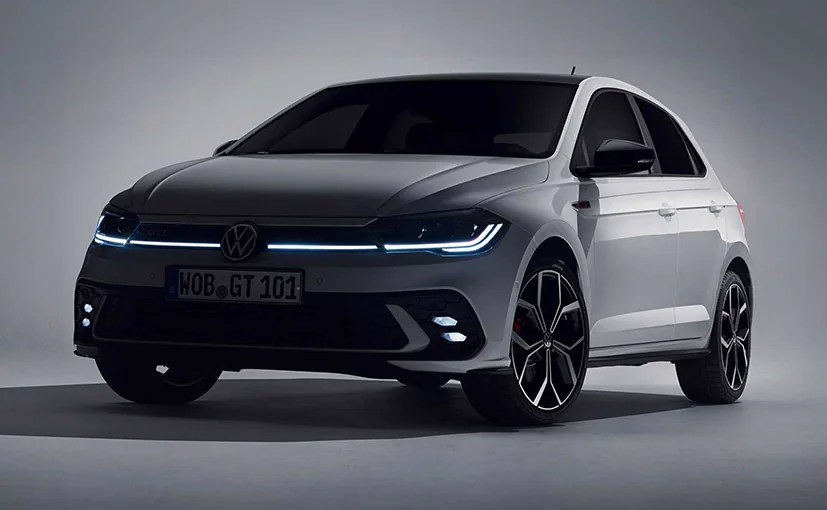
    Now before getting into the details of the new Volkswagen GTI facelift, let us tell you how these official pictures of the 2021 model year surfaced online. So we actually don’t know whether it is one of Volkswagen’s marketing strategies, or Ralf Brandstatter – CEO, Volkswagen Passenger Cars got so excited by looking at these official pictures of this new hot hatch, that he couldn’t help sharing them on his linked in profile. Yes! This is how the range-topping 2021 Volkswagen Polo GTI was unveiled, almost two years after the global debut of the line-up.

    In terms of design, the new GTI gives you exactly what you expect of a facelift as the changes remain subtle and it’s a predictable evolution if you will. It gets fully redesigned headlights along with the slim DRLs extending to the new grille, just like the Golf GTI. Then, there are wider taillights and the overall design has been spruced up with the usual red accents, dual exhaust tips, and a honeycomb grille. It also sports chunkier two-tone alloy wheels with upgraded brakes featuring red calipers and other sporty elements include contrasting black mirrors and roof.

    On the inside, it gets VW’s Discover Pro and Discover Media systems as optional, and the car also receives Volkswagen’s new ‘digital cockpit’ dashboard setup, as used by the Golf and ID 3. Other elements include a 9.0-inch touchscreen unit, panoramic sunroof, voice control, wireless charging, Beats sound system, and 18-inch alloy wheels. In the safety department, the new Polo gets Volkswagen’s Travel Assist system for the first time, which includes adaptive cruise control, lane assist, side assist and rear traffic alert. Autonomous emergency braking is also standard, as is a driver alert system and automatic post-collision braking.

    The new Polo GTI also comes with three driving modes – Eco, Normal and Sport with the last one tuned for enhanced exhaust note. The Polo GTI also gets a bespoke, performance-oriented chassis tune, lowering the body by 15 mm compared with the standard Polo and adding a large stabilizer on the car’s front axle, rigid coupling rods at the front and stiffer axle-locating mounts at the rear. Now Brandstatter is promising a powerful TSI engine under its hood, but mechanical details are not confirmed yet. We expect it to feature the same 2.0-litre, four-cylinder Turbo TSI motor tuned for optimum performance and it should come with the options of both six-speed manual and DSG transmission. Talking about the India context, the new Volkswagen Polo GTI is based on the sixth-generation Polo and both models are not likely to join VW India’s line-up anytime soon.

  • Hyundai To Slash Combustion Engine Line-Up, Invest In EVs

    Hyundai To Slash Combustion Engine Line-Up, Invest In EVs

    Hyundai Motor Group will slash the number of combustion engine models in its line-up to free up resources to invest in electric vehicles (EVs), two people close to the South Korean automaker told Reuters. The move will result in a 50% reduction in models powered by fossil fuels, one of the people said, adding the strategy was approved by top management in March. “It is an important business move, which first and foremost allows the release of R&D resources to focus on the rest: electric motors, batteries, fuel cells,” the person said, without giving a timeframe for the plan.

    While Hyundai did not specifically address a Reuters query on its plans for combustion engine models, it said in an email on Thursday that it was accelerating the adoption of eco-friendly vehicles such as hydrogen fuel cell vehicles and battery EVs. The automaker added that it aims to gradually expand battery EV offerings in key markets such as the United States, Europe, and China with a goal for full electrification by 2040.

    Hyundai Motor Group, which houses Hyundai Motor Co and Kia Corp and Genesis, aims to sell about one million EVs per year by 2025 to achieve a 10% share of the global EV market. Facing tightening CO2 emission targets in Europe and China, all major automakers are accelerating their shift to EVs. The huge cost of developing electric motors and increasing the driving range of car batteries has already led some to say their days of investing in conventional engines are over. “Hyundai has stopped developing new powertrains for internal combustion engine cars,” one of the people said.

    PSA Group said in November, shortly before merging with Fiat Chrysler to form Stellantis, that it was no longer investing in combustion engines. Daimler has recently revamped its combustion engines and executives say the new generation will see it through the electrification process. Some carmakers have already announced plans to go fully electric, with Sweden’s Volvo, which is owned by China’s Geely, saying it would do that by 2030. Ford Motor Co says its line-up in Europe will be fully electric by the same date.

    For Hyundai, which together with Kia is one of the world’s top ten auto groups, the move is particularly important because it has one of the broadest ranges of engine and transmission technologies in the industry. The group will finalize its strategy to switch to all-electric models within the next six months, one source said. In April, Hyundai said it would cut the number of its gasoline models in China to 14 from 21 by 2025, while launching new electric models every year starting in 2022. In February, the group said it was no longer in talks with Apple to develop an autonomous vehicle. Sources familiar with the matter said the idea of the group becoming a contract manufacturer for Apple encountered strong internal opposition.

  • Ford recalls nearly 2,500 vehicles to update engine software

    Ford recalls nearly 2,500 vehicles to update engine software

    Ford Vietnam has issued a recall order of 2,470 Ranger and Everest vehicles to update the software in the transmission control module (TCM) and powertrain control module (PCM).

    The recall program will begin on March 16 this year and last until March 15, 2023.

    The affected vehicles were produced between September 2019 to February 2020 in Thailand and imported by Ford Vietnam for distribution in the local market.

    According to the company, the issues could cause problems for transmission oil pumps, which can lead to torsional vibrations while the engine accelerates and decelerates and lead to transmission malfunction, increasing the risk of collision.

    Authorized dealerships will provide free inspection and repair and the whole process will take about two hours to complete.

    Ford Vietnam said it will still carry out the replacement for drivers of Ford Ranger and Ranger Raptor models imported to the country by the Ford Motor Company.

    Ford sold 24,663 vehicles last year, accounting for 8.7 percent of total car sales, according to the Vietnam Automobile Manufacturers Association.

  • Hyundai To Pay $ 54 Million Penalty In US For Defective Engines

    Hyundai To Pay $ 54 Million Penalty In US For Defective Engines

    The Hyundai Group had issued one of its biggest recalls three years back in the United States, Canada and South Korea. The recall included 1.19 million cars in the US and over 1.14 lakh units in Canada. The vehicles were recalled because of machining errors during vehicle manufacturing that could have led to “premature bearing wear within the engine,” as pointed out by the National Highway Safety Traffic Administration.

    The Hyundai Sonata and Santa Fe models which were manufactured between 2011 and 2014 were impacted and in a service campaign, engines of these units had to be replaced, free of charge. But the matter hasn’t ended here. The Korean carmaker is now paying a penalty and will have to overhaul its manufacturing plants.

    The company has said that it will be paying a cash penalty of $54 million and will be making a further investment of $40 million to improve the safety standards in its operations. The investment will be used to develop a safety field test and inspection laboratory in the US along with setting up the new IT system for batter safety data procurement and analysis and potential safety issue identification.

    Brian Latouf, chief safety officer, Hyundai Motor North America said, “Customer safety is our highest priority and we are taking immediate action to enhance our response to potential safety concerns. We value a collaborative and cooperative relationship with the U.S. Department of Transportation and NHTSA, and will continue to work closely with the agency to proactively identify and address potential safety issues.” Along with Hyundai, some models of Kia Motors were impacted as well and both carmakers agreed to pay a civil penalty of $ 210 million.

  • Harley-Davidson Working On New Pushrod Engine

    Harley-Davidson Working On New Pushrod Engine

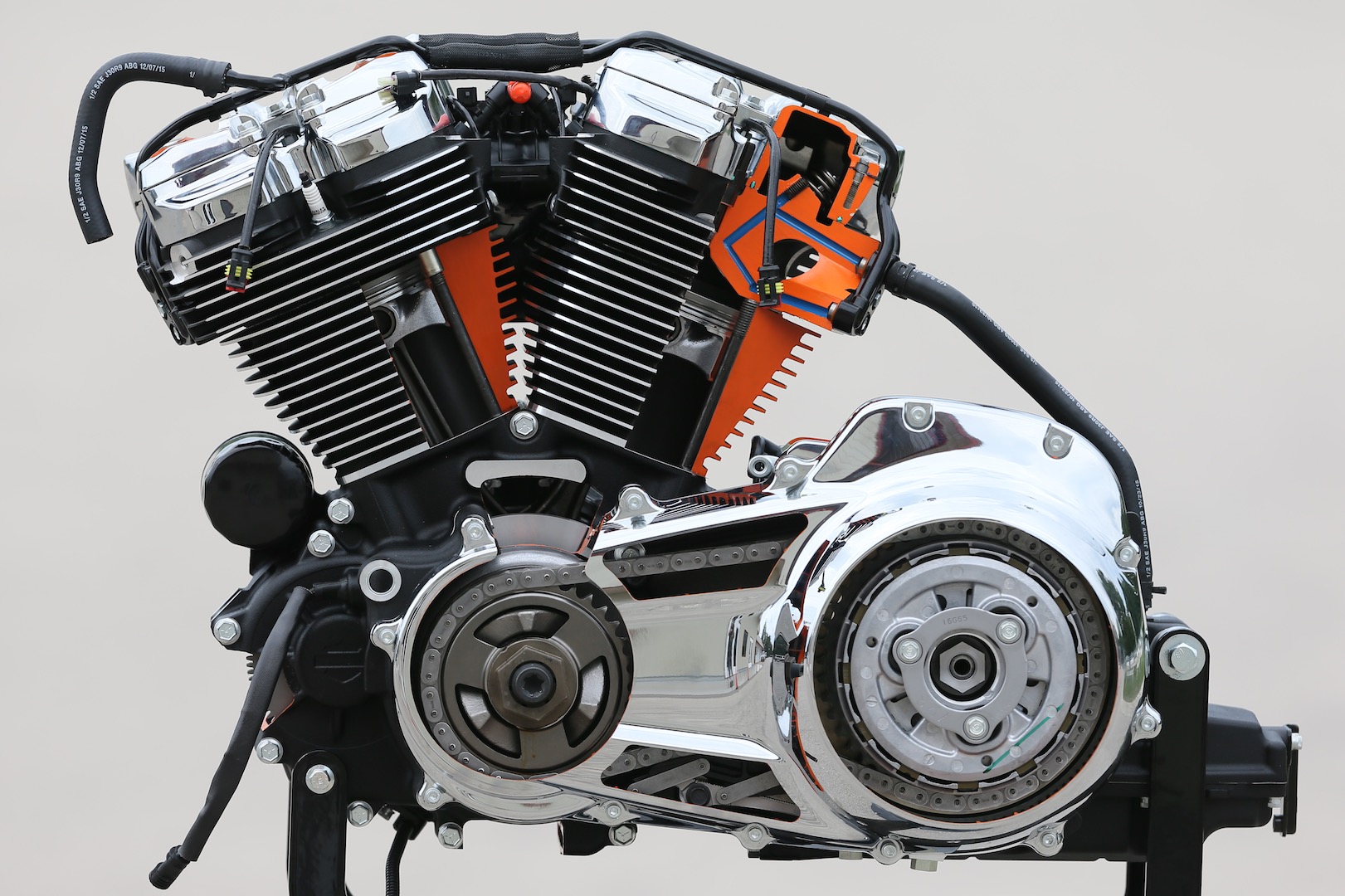
    Harley-Davidson’s latest powertrain, after the eight-valve Milwaukee-Eight engine, will be yet another pushrod engine. The American motorcycle brand’s future line-up of motorcycles, including the Harley-Davidson Pan America, and new Streetfighter, may be powered by double-overhead-cam (DOHC), liquid-cooled engines, but Harley-Davidson may not have decided to do away with pushrod technology, at least for now. A new patent reveals Harley-Davidson’s plans for a new v-twin engine with an overhead valve system that claims higher engine speeds than the current Milwaukee-Eight.

    The primary difference is that the pushrods have been positioned on either side of the cylinders instead of together on one side on Harley’s existing engines. Current Harley engines use the pushrods to move a pair of rocket arm shafts, one to open the two intake valves and the other opening the two exhaust valves. The engine in the patent images also has four valves per cylinder, but instead of rocker arm shafts, the pushrods each open a single rocker arm. The single rocker arms will press down on a valve bridge when actuated by the pushrod. For the valve bridges to operate properly, they must remain in alignment. To keep the valve bridges from rotating out of line, Harley plans to stabilize the mechanism with a fastener, allowing the valves to move in unison at higher engine speeds.

    According to the patent, bridge-type valve trains allow engine speeds of maximum 4,000 rpm, but Harley-Davidson claims the new design allows for a maximum engine speed of between 6,800 to 7,000 rpm. Harley-Davidson’s Milwaukee-Eight engine redlines at around 5,500 rpm. While the American brand is getting ready to introduce the liquid-cooled DOHC platform, some future models will possibly have the high-revving pushrod engine, and will likely appease a lot of Harley-Davidson purists, offering better performance, but yet sticking to signature pushrod architecture.

  • BMW Motorrad Files Patent For Electric Front Wheel Drive

    BMW Motorrad Files Patent For Electric Front Wheel Drive

    BMW Motorrad has filed patents for an electrically-driven front wheel that is likely to be featured in future generation adventure bikes. The patent drawings are ostensibly of an electric front wheel drive system, which will be able to supply drive force in combination with the conventional rear-wheel drive on motorcycles. The drawings show what is an all-in-one unit mounted around a front wheel hub, which will offer drive to the front wheel when needed in particularly steep inclines or slippery surfaces. The system isn’t a full-time two-wheel drive, but can be engaged only when the rider wishes to use it.

    The accompanying patent description does not say much about how it works, or what goes behind the front wheel drive concept, but BMW Motorrad states that it can be applied to motorcycles, as well as other vehicles, including three-wheelers and four-wheel vehicles. A patent application doesn’t always mean that such technologies will be introduced, or neither are these a sure-shot guarantee that BMW Motorrad will in fact introduce an electric two-wheel drive system.

    In fact, more than two years ago, there were reports of BMW Motorrad’s all-wheel drive system as well, on what was to be the world’s first series-production all-wheel drive travel enduro motorcycle with hybrid drive. Called the xDrive Hybrid, that system is similar to the one filed in the new patent application, but two years hence, it is yet to see something of a production form.

    If BMW Motorrad is indeed working on such an all-wheel drive system for motorcycles, with an electric front-wheel drive system, two years is a long time to be working on it, and about time we saw something, at least in concept form. Our guess is, something may be shown at the EICMA show in Milan, in November this year. But then again, who knows? Either ways, it will be interesting to see what the next generation motorcycle technology will be showcased at the world’s most popular motorcycle show in November 2019.

  • Aston Martin Shows Off DBS Superleggera Volante

    Aston Martin Shows Off DBS Superleggera Volante

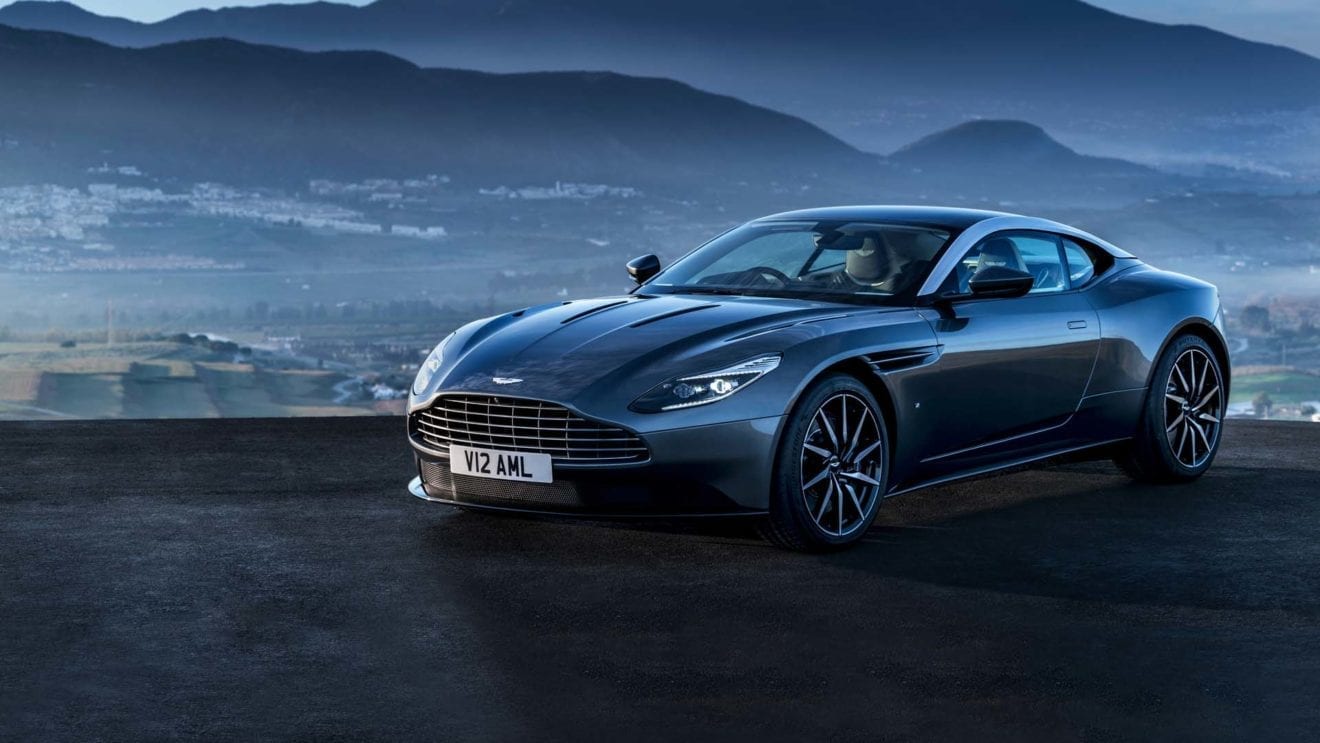
    Aston Martin has opened the roof on the new DBS Superleggera Volante. This is the second Aston Martin to carry the Volante name following the introduction of the company’s Second Century Plan. The DBS Superleggera Volante has been designed in-house under the guidance of Executive Vice President & Chief Creative Officer Marek Reichman. Aston Martin’s primary mission has also been to retain the coupe’s powerful dynamics, aggressive poise and astonishing performance.

    Powered by Aston Martin’s own 5.2-litre twin-turbo V12, producing 715 bhp and 900 Nm of torque, the top speed of the DBS Superleggera Volante stands at 340 kmph. 0-100 kmph is done in just 3.6 seconds and it’s not just the power and torque that makes the difference but also the car’s aerodynamic credentials which help in commanding and exploiting the surface airflow to maximum effect. Up front, the car’s splitter and airdam work in unison, accelerating airflow underneath the front of the car to deliver true downforce and assist cooling by feeding air to the front brakes. The new deeper side strake draws more air from the front wheel arch to reduce lift and aid high-speed stability.

    Executive Vice President & Chief Creative Officer Marek Reichman said: “DBS Superleggera produces a spectacular and relentless level of performance and so for the Volante, we focussed on bringing that extra level of sensory overload that only an open-top Super GT can deliver inside the cabin. With the unique dynamics, beautiful yet brutish design and the unmistakable harmonics of Aston Martin’s 5.2-litre V12 engine, we believe we have delivered a unique and unforgettable driving experience that is synonymous with the traditions of the Volante name.”

    Behind the front wheels, the ‘curlicue’ allows air to escape and flow smoothly along the car’s flanks, while the double diffuser at the rear allows air to exit cleanly and neutralise lift as efficiently as possible. A revised iteration – to accommodate the Volante’s clothed roofline – of the revolutionary Aeroblade ll system continues to deliver additional downforce at the car’s rear. At VMAX, the DBS Superleggera Volante produces 177kg of downforce, just 3kg less than the coupe, an impressive feat when considering the car’s fundamental aerodynamic changes.

    The 900Nm of torque is fed via a carbon-fibre prop shaft to a new ZF 8-speed automatic transmission mounted at the back of the car. Specially developed adaptive software gauges the conditions the car is operating in, along with the driver’s demands, to ensure the car is in exactly the right gear at the right time.

    Aston Martin’s engineers have worked hard to ensure the best possible roof and rear package is achieved, while still delivering conflicting targets of styling and durability. The roof operation takes 14 seconds to open and 16 seconds to close and can be operated from inside or, for added convenience, from the remote key within a two-metre radius of the car.

  • Harley-Davidson’s New Engine Revealed

    Harley-Davidson’s New Engine Revealed

    Harley-Davidson is working on a new liquid-cooled engine that is expected to power a range of new middleweight models including the production versions of the Harley-Davidson Pan America adventure tourer, Harley-Davidson Custom 1250 and the Harley-Davidson Streetfighter. The engine designs filed with the European Union Intellectual Property Office reveals quite a few details about the new engine, which is expected to be used in several new models to be launched between 2020 and 2022. The new engine will be a 60-degree v-twin which will be fully liquid-cooled, with a compact crankcase and transmission.

    The design images of the new engine shows mounting points behind the transmission and on either side of the cylinder heads, and the concept designs of the upcoming models also suggested that the engine will act as a stressed member of the chassis. The latest design images don’t indicate any engine displacement, but Harley-Davidson has already announced that engine sizes will vary from 500 cc to 1250 cc. But these lack the traditional pushrods and will have double overhead cams.

    The original concept images of the upcoming Harley-Davidson models reveal that the engines on each model are slightly different. The Custom 1250 had different coloured covers for the heads for a two-toned effect. The Streetfighter 975 also had a two-toned engine but with a difference in colours. The latest design filings are a mix of the engine types seen on the concept images. The head covers and cylinder covers are all separate pieces on the engine design images. At least three new models, showcased as concept images, will be launched in the next few years. First up, will be the Harley-Davidson Pan America adventure tourer, which will likely be launched in 2020, as a 2021 model. Next up will be the Streetfighter, which is expected sometime later, followed by the Custom 1250.

  • 2019 Ford Figo Facelift Launch Date Revealed

    2019 Ford Figo Facelift Launch Date Revealed

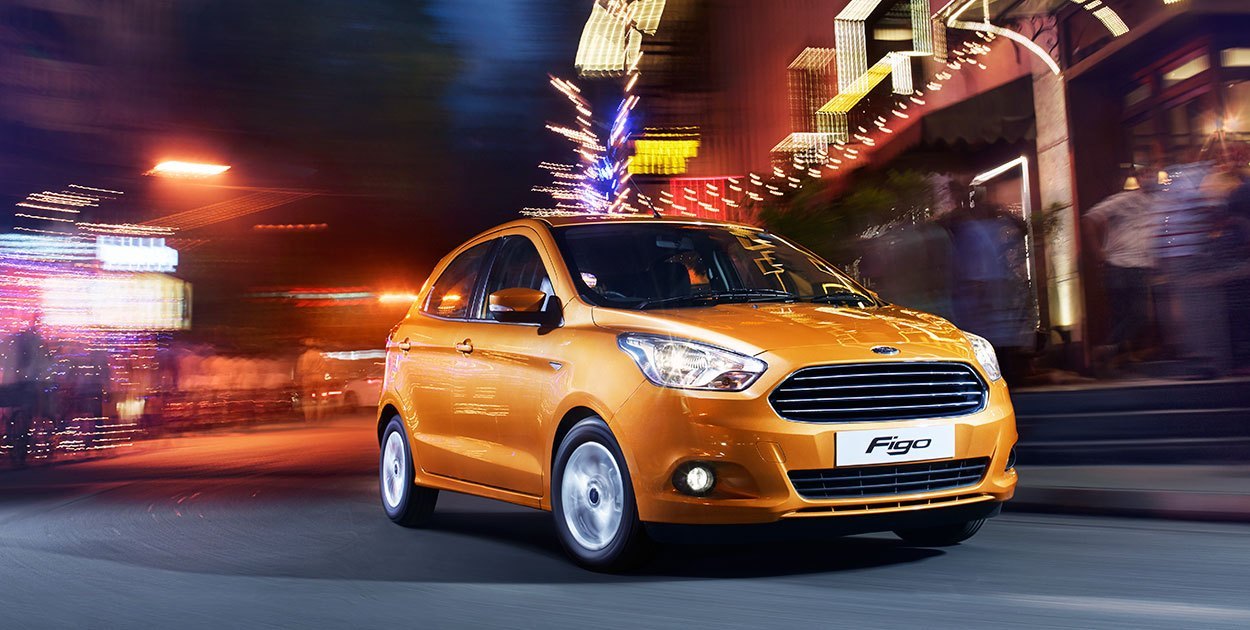
    The 2019 Ford Figo facelift is all set to go on sale in India on March 15, 2019. The car is set to receive an update over three years later and the facelifted Figo will come with a bunch of cosmetic changes, sharing most of its cues with the Aspire facelift, along with some new and updated features. In fact, a production-spec unit of the 2019 Ford Figo facelift has already been spotted testing in India. Furthermore, the updated Figo is also likely to come with powertrain options, which will also come from the updated Ford Aspire subcompact sedan.

    The revised engine options are likely to include the new 1.2-litre, three-cylinder petrol engine from the Dragon family that was first introduced with the Ford Freestyle. The motor is capable of producing 95 bhp and develops 120 Nm of peak torque while mated to a 5-speed manual gearbox. The 2019 Figo is also expected to get the bigger 1.5-litre three-cylinder unit that was introduced with the EcoSport facelift, which makes 123 bhp and 150 Nm of torque, with the new 6-speed torque converter.

    Of course, Ford will continue to offer the tried and tested 1.5-litre four-cylinder diesel engine, which continues to be the most popular choice among these models. The motor is tuned to churn out a maximum output of 99 bhp and 215 Nm of peak torque, and it comes paired with the same 5-speed manual gearbox as standard.

    Visually, the Figo facelift comes with a new honeycomb-pattern grille with chrome surrounds, the tweaked headlamps, with halogen units, and a new front bumper with the large end-to-end horns-like black element, with round foglamps and a wide airdam. The spy images also revealed that the car will come with new, sporty black alloy wheels, revised taillamps and similar black element as on the tailgate.

    The cabin design, on the other hand, is also likely to be identical to the new Aspire, but we do expect to see an all-black theme instead of the beige interior on the latter. Also, the car is likely to feature a new infotainment system, a floating unit that will support Ford’s in-car connectivity system SYNC3 in addition to Apple CarPlay and Android Auto. The car also comes with new air con vents along with illuminated USB sockets, auto climate control and a start-stop button.

  • Honeywell Launches Slimmest Scan Engine and Ultra Compact Decoding Board

    Honeywell Launches Slimmest Scan Engine and Ultra Compact Decoding Board

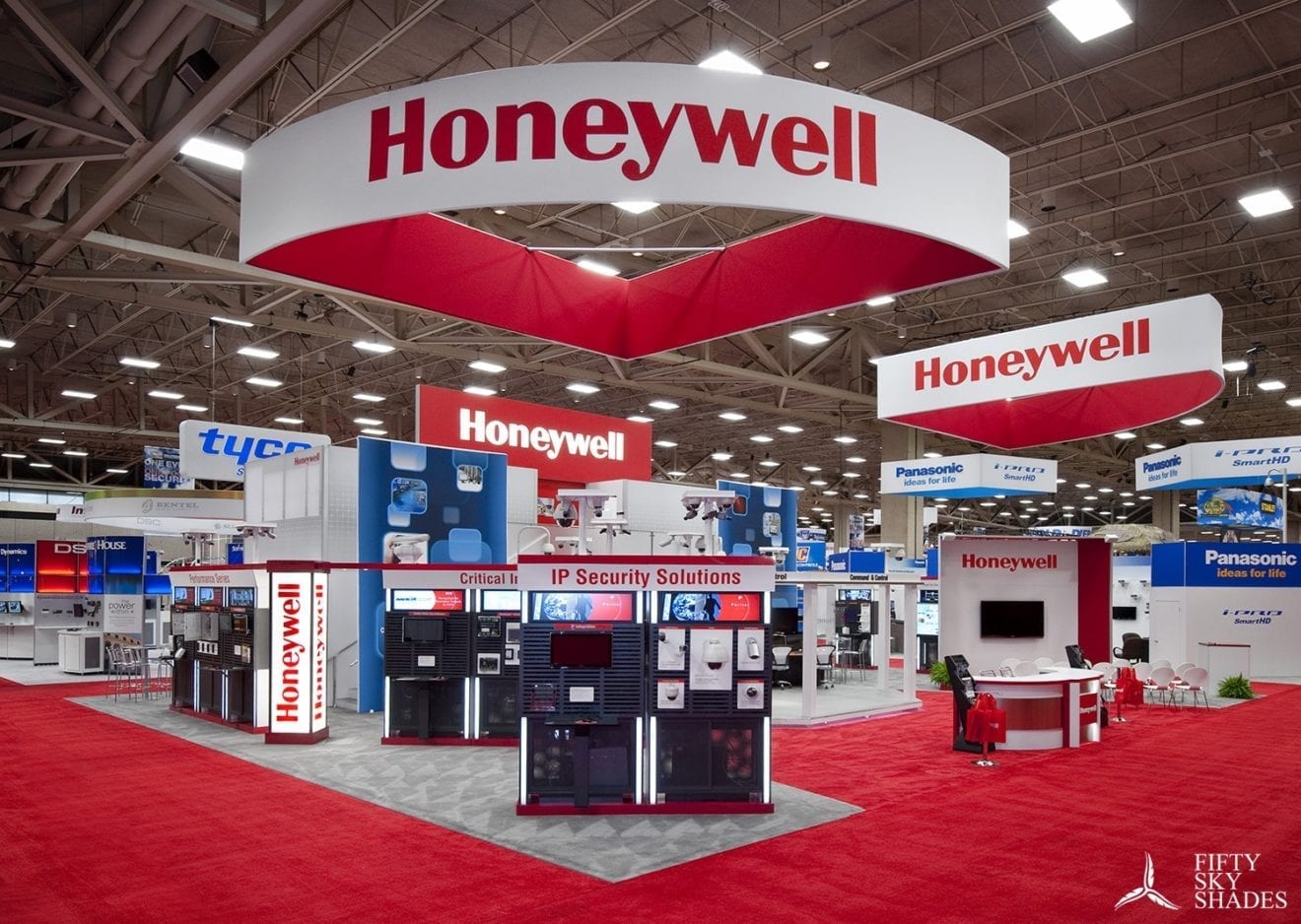
    Honeywell has released the N6600 Series Ultra-Slim Area-Imaging Engine and its miniature decoding board Mini DB, which together enable small mobile devices to quickly and accurately capture data from barcodes using small mobile devices.

    Measuring just 6.8 millimeters in height, the N6600 series is one of the slimmest and most compact engines of its kind currently on the market. It can be embedded in mobile devices, such as smartphones, tablet sleds or wearable scanning solutions used in retail, distribution center, logistics and parcel delivery environments.

  • Garuda signs 1 billion pound deal with Roll Roys

    Garuda signs 1 billion pound deal with Roll Roys

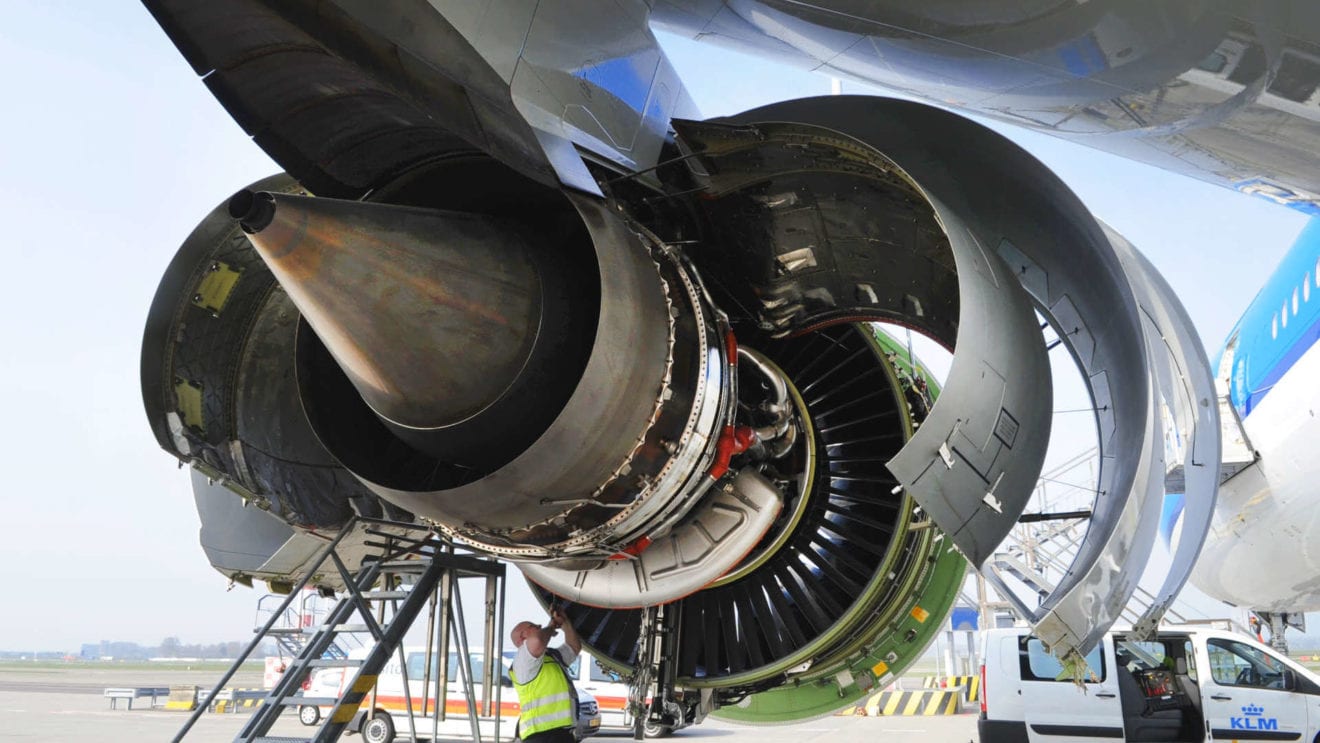
    The nations flag carrier PT Garuda Indonesia and British aircraft engine maker Roll Roys signed a 1 billion pound cooperation agreement here on Tuesday.

    “The results of the meeting between President Jokowi (Joko Widodo) and Prime Minister David Cameron included the agreement between Garuda and Roll Roys worth 1 billion poundsterling,” British Ambassador to Indonesia Moazzam Malik said here on Tuesday.

    Garuda would buy 14 units of aircraft produced in Britain and other European countries, Moazzam said after the meeting between Jokowi and Cameron.

    The units to be produced in Britain will use Roll Roys engines, he said.

    Under the agreement, Garuda would send mechanics and technicians for training in Roll Roys.

    The ambassador said that Jokowi and Cameron also discussed issue of extremism, adding that Cameron asked Indonesia to play a greater international role in controlling radicalism.