Retail News CRM

Tag: Engineering

  • Google Boosts Global AI Innovation with New Major Hardware Engineering Center in Taiwan

    Google Boosts Global AI Innovation with New Major Hardware Engineering Center in Taiwan

    Google has inaugurated a new engineering center in Taiwan dedicated to artificial intelligence (AI) infrastructure hardware, marking its largest establishment of this kind outside the United States. This move underscores Taiwan’s pivotal role in the global technology landscape.

    Taiwan’s President, Lai Ching-te, lauded the launch event in Taipei, noting that Google’s investment underscores the company’s faith in Taiwan’s tech prowess. According to President Lai, Taiwan is not just a fundamental component of the global technology supply chain, but also a crucial hub for designing secure and trustworthy AI.

    Taiwan continues to be a critical player in advancing global AI owing to its solid semiconductor ecosystem, spearheaded by Taiwan Semiconductor Manufacturing Co. (TSMC). The high-tech chips developed by TSMC power systems from firms such as NVIDIA, which are at the forefront of global AI innovation.

    Raymond Greene, the acting U.S. Ambassador in Taipei, emphasized the importance of this expansion. He noted that this innovative foundation sets the stage for a promising new era, dubbing it a new golden age in the economic relationship between the U.S. and Taiwan.

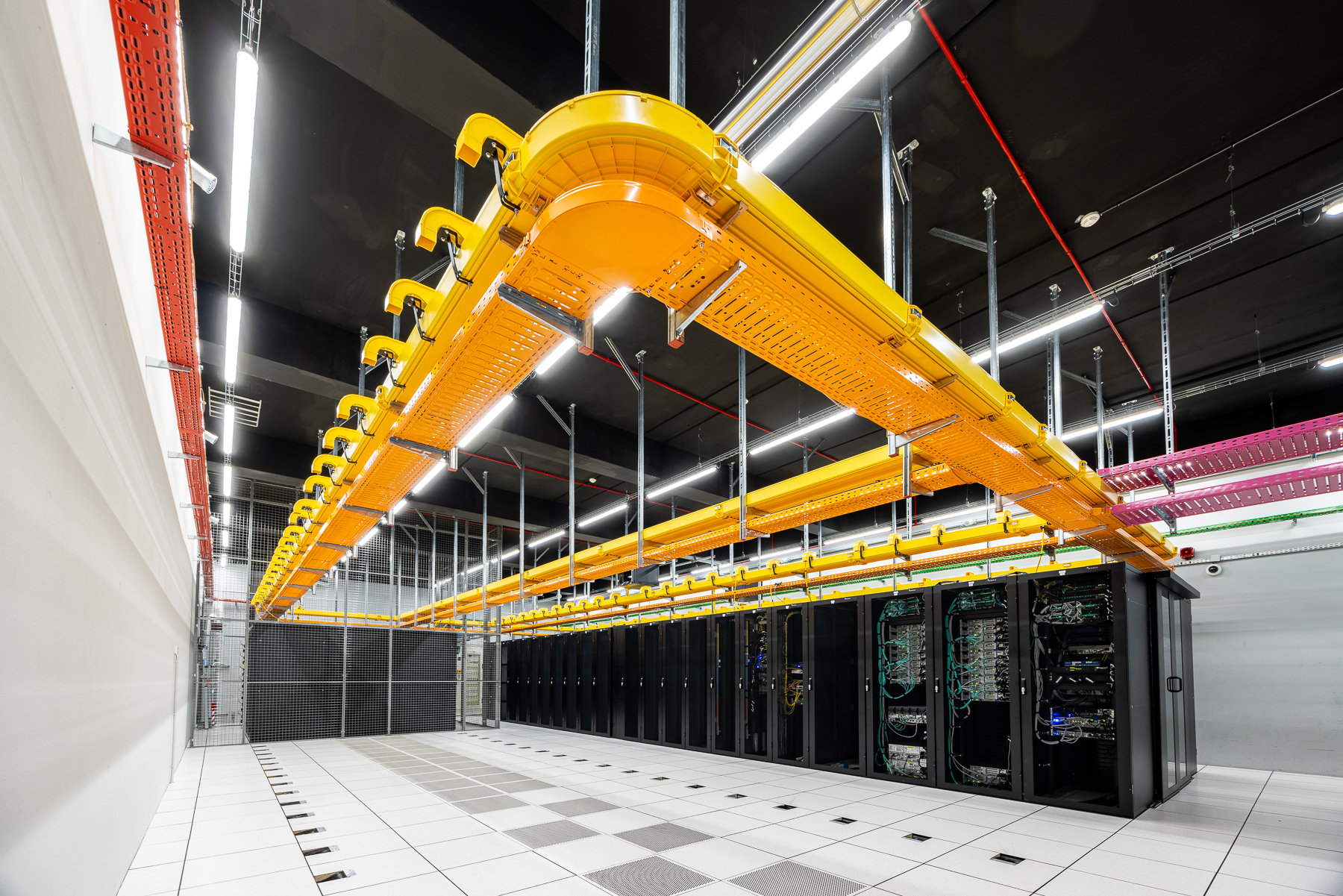
    Google revealed that the new facility will concentrate on sophisticated AI hardware engineering. This will include the integration of AI chips such as Google’s Tensor Processing Units (TPUs) into motherboards and their attachment to servers.

    Additionally, Google confirmed that its Taiwan infrastructure engineering team, established in 2020, has tripled in size, and that the new center will be staffed by hundreds of employees who will support Google’s global data center operations.

    Google’s presence in Taiwan is not new. The company already runs multiple hardware development sites on the island and has been operating a data center in Changhua County since 2013. Google has also invested in several subsea cable projects connecting Taiwan to global networks.

    Aamer Mahmood, Google’s Vice President of Engineering, stated that the technology developed and tested in Taipei is deployed in Google data centers worldwide, which powers Google devices relied upon by billions globally. He added that this is more than an office investment; it signifies an investment in an ecosystem, further solidifying Taiwan’s position as an essential center for global AI innovation.

    Questions & Answers

    What is the focus of Google’s new engineering center in Taiwan?
    The new engineering center will concentrate on advanced AI hardware engineering, including the integration of AI chips into motherboards and servers.

    How does Taiwan contribute to global AI progress?
    Taiwan has a robust semiconductor ecosystem led by Taiwan Semiconductor Manufacturing Co. (TSMC), making it a critical player in advancing global AI. The chips developed by TSMC power systems for AI innovation worldwide.

    What does the new facility mean for Google’s presence in Taiwan?
    The new facility marks an expansion of Google’s presence in Taiwan. In addition to the new center, Google already operates multiple hardware development sites and a data center in Taiwan, and has invested in numerous subsea cable projects.
  • Bentley’s New Engineering Test Centre In Crewe Begins Operations

    Bentley’s New Engineering Test Centre In Crewe Begins Operations

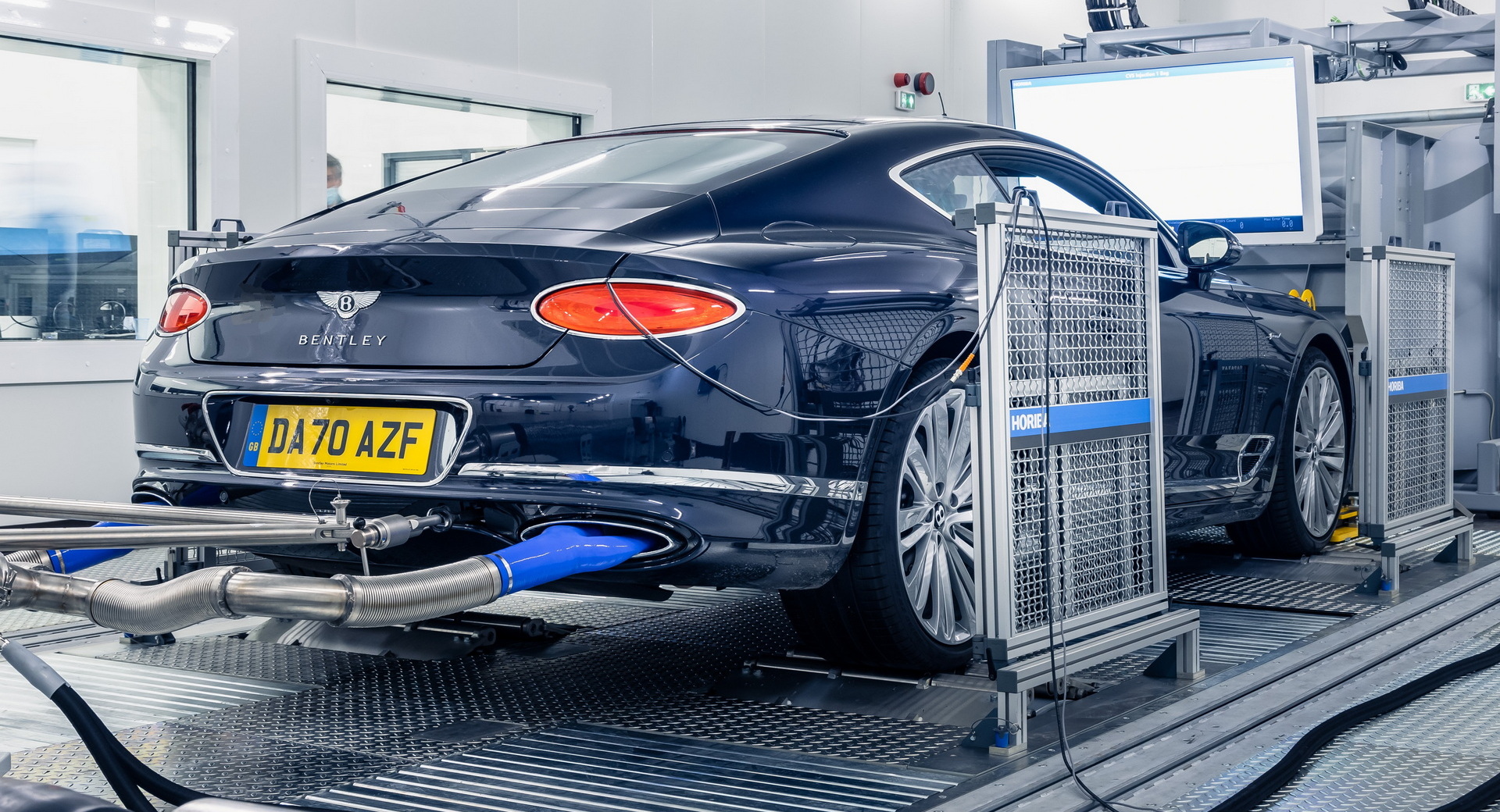
    Bentley Motors announced that its new, state-of-the-art Engineering Test Centre has commenced operations after receiving official approval from Britain’s Vehicle Certification Agency. Based at Bentley’s headquarters in Crewe, England, this latest investment follows the recent recertification by the Carbon Trust marking three years as a carbon-neutral site.

    The independent authority certification represents another major step forward in the company’s drive towards electrification, a key pillar in Bentley’s Beyond100 strategy to become the world’s most sustainable, luxury automotive manufacturer. Crucially, the 12.5 million pounds center will allow Bentley to carry out the latest WLTP fuel consumption and efficiency test procedures more swiftly in-house.

    The two-story, 4,600 square meters facility was completed on schedule and will begin testing immediately, building up operations to meet all global emission standards by the middle of 2022. The new structure includes 773 square meters of office space, as well as 1,550 square meters created for the installation of a climate-controlled chassis dynamometer.

    This highly-advanced rolling road allows engineers to simulate different gradients of hill, measuring exhaust emissions from combustion engine cars, or electrical energy consumption from hybrid and future electric models. The ‘real world’ simulations can also be completed across a range of temperatures, from -20 degrees Celsius to +50 degrees Celsius

    Bentley’s Technical Conformity department, responsible for the compliance of all Bentley products, will be based at the new center. There will also be a dedicated laboratory to run Real Driving Emissions (RDE) using the latest, state-of-the-art portable emissions measurement systems. In total, the new facility will house 100 Bentley colleagues.

    Dr. Matthias Rabe, Member of the Board for Engineering, said, “The center will also allow Bentley to meet increased demand from customers for our luxury, hand-built vehicles, including the performance-orientated Flying Spur, the Continental GT, and new Bentayga.”

  • UBS to Double Software Engineering Speed

    UBS to Double Software Engineering Speed

    Slowly but surely isn’t good enough principle for the development of software in times of rapid technological progress. UBS, therefore, found a partner that will help it double the speed of development by using a dedicated cloud solution.

    Switzerland’s No. 1 bank has signed an agreement with Gitlab, an open-source platform, to help it achieve a faster pace in innovations. The deal with the San Francisco-based company spans several years, according to a statement released on Thursday.

    UBS will receive access to the so-called DevOps software. At UBS, Agile and DevOps are crucial for constantly developing, testing, and deploying digital solutions, with speed and while they are running, the bank said.

    The collaboration with GitLab is at the heart of DevCloud, which enhances UBS’s ability to cover the entire development process with just one DevOps platform and will advance UBS on its journey to a modernized cloud-based and service-oriented software development lifecycle.

    The goal of the collaboration with GitLab is to enable UBS’s engineers to develop in the cloud and to fully realize the benefits of DevOps and an agile software development approach. This is expected to increase quality and decrease time-to-market significantly: UBS expects to more than double the speed of software engineering by the end of 2021.

  • Hanon Systems Expands Engineering Capability in China

    Hanon Systems Expands Engineering Capability in China

    Hanon Systems, a leading global provider of automotive thermal solutions, is enhancing its ability to serve vehicle manufacturers in China by opening a new engineering center in Shanghai.

    Located in Shanghai’s Songjiang district, the new 3,612 square meter multi-story facility will serve as the engineering epicenter of technical collaboration for application engineering and system evaluation supporting Chinese automakers and global vehicle manufacturers operating in China.

    “Supporting customers is a top priority and China is an important market to Hanon Systems,” said In-Young Lee, president and chief executive officer of Hanon Systems. “We are pleased to open this new engineering center in Shanghai to provide automakers with local technical expertise and testing capability to better support the growing China market.”

    The engineering center also is equipped with state-of-the-art test equipment to provide in-house design verification, product validation and in-process testing. Specific test capability includes noise, vibration and harshness (NVH) evaluation; air handling performance and durability of heating, ventilation and air conditioning modules; and thermal system component testing for electric vehicles.

    “Hanon Systems is well-positioned to support the demand for new energy vehicles (NEV) in China with a suite of products that are proven with global vehicle manufacturers and designed specifically for NEV architectures,” said Dr. Kwangtaek Hong, chief technology officer of Hanon Systems. “This new engineering center is a testament to our commitment to support the China market and the NEV trend.”

    Hanon Systems is relocating its Shanghai technical staff from an existing site approximately 25 kilometers in distance to the new facility in the Songjiang district, which has the capacity to accommodate additional resources to support growth based on business and customer needs.

    The Shanghai center is one of 14 engineering locations supported by four global technical centers that are responsible for developing advanced technologies, core product development and global standardization of new technologies. Hanon Systems’ global technical centers are located Daejeon, Korea; Kerpen, Germany; Nový Jičín, Czech Republic; and Van Buren Township, Mich.

  • Tesla buys Grohmann Engineering to help ramp up electric car production

    Tesla buys Grohmann Engineering to help ramp up electric car production

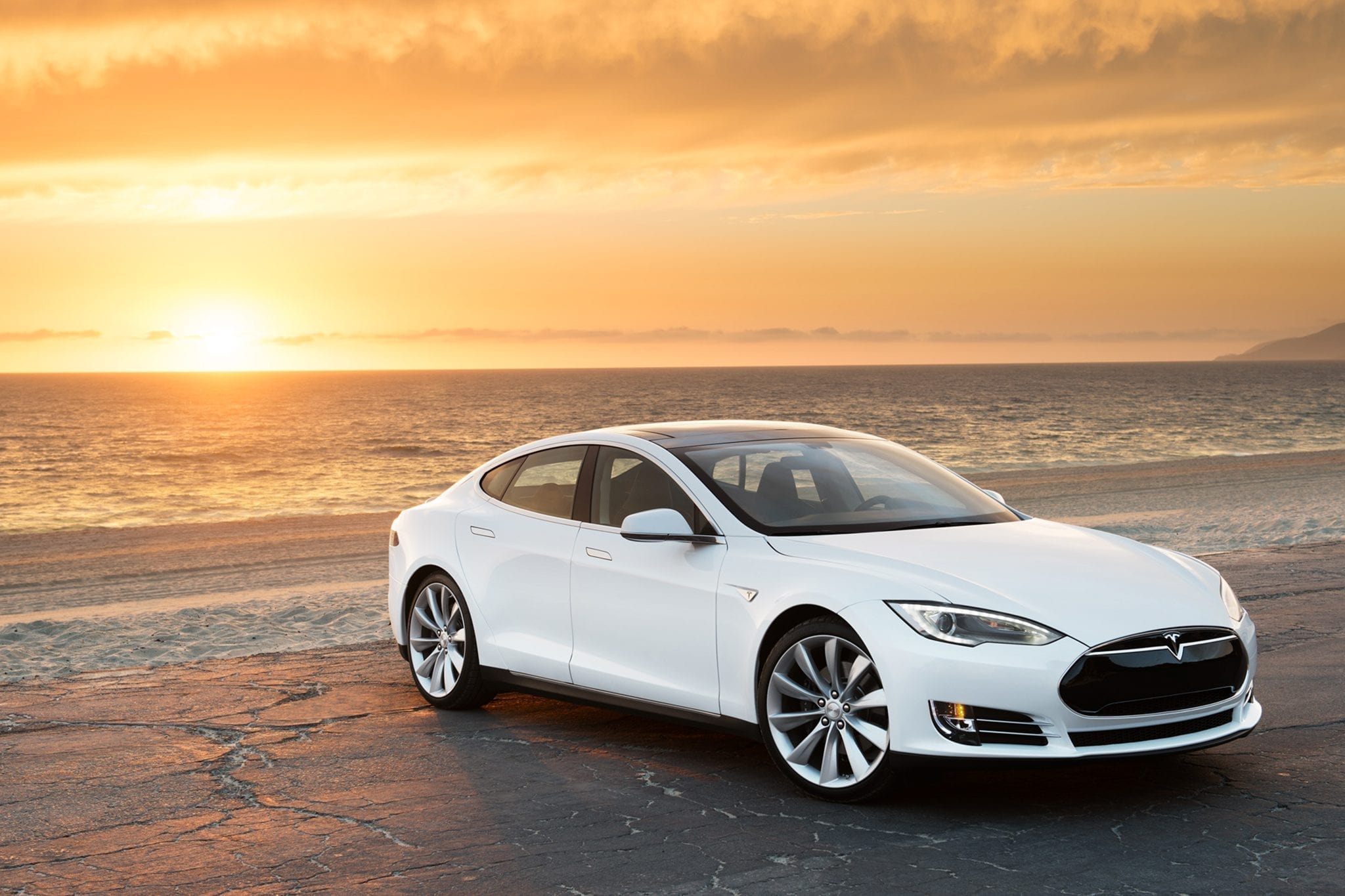
    Electric carmaker Tesla Motors Inc has agreed to buy Germany’s Grohmann Engineering GmbH, which develops automated manufacturing systems for batteries and fuel cells, as the California-based company seeks to expand its production more than sixfold by 2018.

    Unlisted Grohmann Engineering, based in Pruem, Germany, helped Tesla rivals Daimler and BMW build production facilities for electric car batteries.

    Tesla is seeking to raise its global manufacturing capacity to 500,000 vehicles in 2018 from an expected production rate of about 80,000 this year. Its main production facility is in Fremont, California.

    “To date, we have increased the production rate at our Fremont Factory by 400 percent in four years, and we expect this acquisition to accelerate that growth rate,” Tesla said in a blogpost.

    Following the acquisition, which still needs to be approved by the cartel authorities in Germany, several elements of Tesla’s automated manufacturing systems will be designed and produced in Pruem, close to Germany’s border with the Netherlands and Luxembourg.

    The deal, whose financial terms were not disclosed, is expected to add over 1,000 engineering and skilled technician jobs in Germany over the next two years Tesla said in its blog. Grohmann currently has around 700 employees.

    Tesla agreed on Sunday to buy a 74.9 percent stake from company founder and majority owner Klaus Grohmann, and a further 25.1 percent stake belonging to private equity firm Deutsche Beteiligungs AG (DBAG), DBAG said in a statement on Tuesday.

    DBAG said it expected to earn in the mid single-digit million euro range by selling its stake in Grohmann and that Grohmann had revenues of 123 million euros ($136 million) in 2015.

    DBAG said Grohmann had developed production lines for battery cells and batteries for “numerous” German and international automobile manufacturers. Grohmann was also specialized in the industrial production of fuel cells, DBAG said, and was active in the electronic and semiconductor industries as well as the biotechnology and medical technology sectors.

    Grohmann Engineering will be renamed Tesla Grohmann Automation after the deal and will serve as the initial base for Tesla Advanced Automation Germany with other locations to follow, Tesla said.

    The deal is expected to close next year.