Retail News CRM

Tag: Environment

  • “McDonald’s Records Sweeping Sales Surge Globally Amidst Challenging Environment”

    “McDonald’s Records Sweeping Sales Surge Globally Amidst Challenging Environment”

    McDonald’s has recorded another quarter of increasing sales, largely credited to the firm’s emphasis on providing value. This success has been observed across all markets.

    Global and Domestic Sales Growth

    Global sales, comparable to the previous year, rose by 3.6% for the third quarter, which concluded on September 30. This growth succeeds a 2nd quarter increase of 3.8%.

    In the United States, sales showed continued positive progress, with a boost of 2.4%, mainly driven by check growth. International markets also performed well, resulting in a 4.3% improvement. Germany and Australia were notably strong performers in this segment.

    Performance of Licensed Markets and Overall Sales

    Sales in international developmental licensed markets demonstrated robust growth, with a rise of 4.7%. This trend was evident across all geographical regions, with Japan leading the pack.

    For the quarter, global system-wide sales exceeded $36 billion, showing an 8% increase on a reported basis and a 6% rise in constant currency.

    Management Commentary

    McDonald’s Chairman and CEO, Chris Kempczinski, commented that the company managed to yield “sustainable growth” even amidst challenging circumstances. He acknowledged that their focus on delivering everyday value and affordability, menu innovation, and effective marketing strategies continues to draw customers.

    Net Income

    In terms of net income, the fast-food giant saw an increase of 1% to $2.27 billion.

    Questions & Answers

    What was the increase in McDonald’s global comparable sales for the third quarter?
    The increase was 3.6% year-on-year.

    Which markets showed notable improvement in the international operated segment?
    Germany and Australia showed significant improvement in this segment.

    What was McDonald’s net income for the reported quarter?
    The company’s net income for the quarter was $2.27 billion, a 1% increase.

  • Vietnam operating costs among Asia’s lowest

    Vietnam operating costs among Asia’s lowest

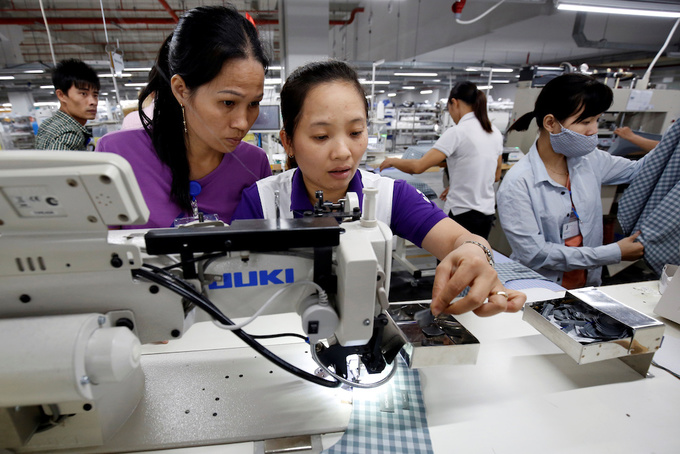
    Vietnam has the second-lowest operating costs among nine countries in Asia and is assessed to have high logistics development potential, a report says.

    The monthly minimum operating cost for a manufacturing company in Vietnam is $79,280, compared to leader Singapore at $366,561 and second-placed Thailand at $142,344, according to a report by Singapore-based business transformation consultancy TMX.

    The report says the minimum operating cost in Vietnam is only higher than Cambodia’s at $65,313. The report calculated the average costs of doing business in nine popular potential manufacturing locations in Asia: Cambodia, India, Indonesia, Malaysia, Myanmar, the Philippines, Singapore, Thailand, and Vietnam.

    Vietnam, along with several other countries like Thailand and the Philippines, offers a sizable and relatively affordable pool of labor.

    While Vietnam offers abundant employment opportunities, it has fewer highly skilled talent in many sectors with talent competitiveness of around 35 points, compared to the 40 points for the Philippines and Thailand.

    Warehouse rentals in Vietnam is the same as others at eight other countries, the report said.

    The report also said that Vietnam was the only country in the “high potential” group in terms of logistics costs.

    In the overall country competitiveness scorecard, it ranks fifth behind Singapore, Malaysia, India, and Thailand.

    “Vietnam has a better score in a business environment. However, with a lower talent score, it indicates challenges for companies looking to find ready talent. Such businesses may consider investing in training and development,” the report said.

  • Single-Use Plastic Ban, Food Waste and Local Produce Top Priorities in Centara’s 2019 Sustainability Plan

    Single-Use Plastic Ban, Food Waste and Local Produce Top Priorities in Centara’s 2019 Sustainability Plan

    Centara Hotels & Resorts, Thailand’s leading hotel operator, is focusing on three key sustainability initiatives as part of the company’s recently announced 2019 Sustainability Plan: eliminating single-use plastic products; reducing its food waste footprint; and expanding its support of local farming and produce-growing communities.

    1. No Single-Use Plastic Products by end-2019

    The elimination of single-use plastic items is part of the “Centara Earth Care” programme aimed at encouraging hotel guests and tourists to be proactive about energy saving, waste reduction and sustainable environmental tourism. The sustainability plan covers five types of single-use plastic items, including drinking straws, laundry bags, take-away food containers, fitness centre and poolside plastic bottles, and plastic guest room amenities. They are being replaced with items made from materials designed to minimise environmental impact.

    “Centara strives to operate ethically and sustainably in a balanced manner across the entire portfolio whilst providing an exceptional level of Thai hospitality,” said Thirayuth Chirathivat, Chief Executive Officer. “We are committed to selecting environmentally friendly produce which, in turn, enables us to further incorporate sustainable strategies and development into our products and services, creating shared value at an environmental, social and economic level wherever we operate. We are also committed to ensuring a respectful, safe and healthy environment to the larger society and our future generations.”

    Centara began phasing in its elimination of single-use plastic products in 2018 across all 39 of its operating properties. Under the plan, alternative products which are reusable and made from environmentally friendlier materials, including plant-based, compostable and bio-degradable plastics, will be fully phased in by year-end.

    • Phase I, targeting the elimination of plastic straws, began in August 2018. The single-use plastic straws being eliminated take up to 200 years to decompose; the new bio-straws replacing them decompose within six months. Once the change is fully enacted throughout all Centara properties, the reduction in plastic straw consumption will total nearly 2.2 million straws per year.
    • Phase II, eliminating the use of plastic laundry bags, began in December 2018.  Moving forward, these practices will also become Centara’s standards for all existing and new properties.
    1. Food Waste Reduction

    Centara’s new and continuing food-related sustainability initiatives include:

    • further reducing food waste and minimising each property’s carbon footprint with expanded purchasing of fresh local foods from herb, fruit and vegetable growers
    • making same-day donations of surplus food to charities located near each property
    • providing local farms with pre-separated organic waste for composting
    • transforming waste at select properties into biogas fuel, a blend of mostly methane and carbon dioxide gases which can be used in place of fossil fuels.

    In 2018, Centara supported the Bangkok-based foundation Scholars of Sustenance (SOS Thailand) by making same-day donations of more than 28,000 kilogrammes (kg) of quality surplus food. The donations provided over 86,000 servings to those in need, while the reduction in Centara’s food waste saved over 54,000 kg of GHG equivalent emissions.

    Both Centra by Centara Maris Resort Jomtien and Centara Grand Beach Resort Phuket have biogas machines on-site capable of converting 30-100 kg of organic waste each day into an equivalent number of litres of organic compost and biogas comparable to nearly five kg/day of LPG fuel. Since July 2018, the Cowtec Composting & Biogas Production Machine installed at Centra by Centara Maris Resort Jomtien has been processing organic waste from the property’s kitchens, staff canteens and landscaping works. By the end of 2018, the machine had composted more than 5,700 kg of organic waste and produced 262 kg of biogas equivalent LPG.

    1. Strengthen Local Communities

    Centara’s 2019 Sustainability Plan further expands the company’s support for local communities’ small farms and producers who grow food for Centara hotels and resorts in their area.

    The company attributes much of its carbon footprint reduction to making approximately 70% of total produce purchases from local sources. Beyond the economic benefits to the community, expanding farm-to-table dining enables each property to provide the freshest available food items to guests.

    The company’s ongoing engagement with EarthCheck, the world’s leading scientific benchmarking, certification and advisory group for travel and tourism, continues to yield consequential improvements in key sustainability metrics. To date, 15 Centara hotels and resorts have achieved EarthCheck certification and another four properties are enrolled in  EarthCheck’s Evaluate Plus programme, leading to significant reductions in carbon footprints and greenhouse gas emissions across a number of Centara’s certified properties.

    Most recently, the company’s leadership in environmental sustainability was recognised by the Stock Exchange of Thailand, which awarded Centara Hotels & Resorts (CENTEL) its “Thailand Sustainability Investment (THSI)” designation, an annual recognition for listed companies that operate with responsibility for Environmental, Social and Governance (ESG) aspects.

    Further recognition for properties includes the “Green Hotel 2018 Award” from the Department of Environmental Quality Promotion at Thailand’s Ministry of Natural Resources and Environment, awarded to Centara Grand Beach Resort & Villas Hua Hin and Centra by Centara Maris Resort Jomtien.
  • Air purifier sales shoot up as fine dust worries shoppers

    Air purifier sales shoot up as fine dust worries shoppers

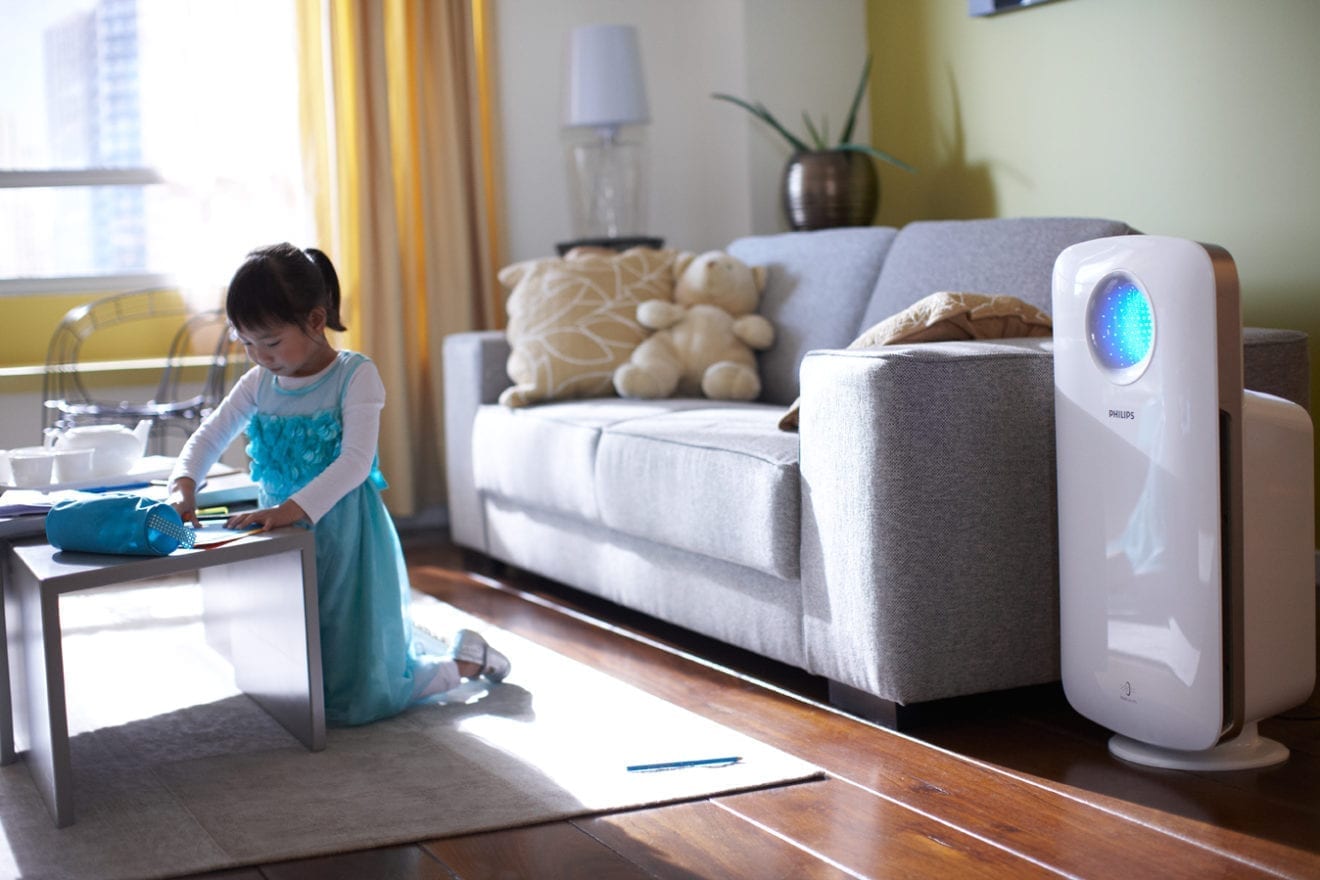
    Korea’s air purifier market has tripled since 2016 thanks to worsening fine-dust pollution levels and growing health concerns. Last year, Koreans bought 1.8 million air purifiers worth around 760 billion won ($676 million), according to market researcher GfK. In 2016, Koreans only purchased 698,000 purifiers for 220 billion won. The research company noted that, unlike previous years, consumers began buying purifiers year-round from 2018.

    The demand for purifiers was highest in March and April last year, when 260,000 and 290,000 appliances were sold. Spring is traditionally the high season for purifiers when pollution from fine dust and yellow dust – dust carried from the deserts of Mongolia and China – is at its worst.

    Throughout the rest of the year excluding August to October, over 180,000 purifiers were bought every month in 2018. In the late summer months, when air quality is usually better, around 50,000 purifiers were still purchased every month. In 2016 by contrast, purifier sales only exceeded 100,000 in April. Sales were considerably lower in other months, with August seeing only 15,000 sales.

    The average purifier price has also increased as consumers are willing to pay more for products that not only do the job, but do it well.

    Various factors like operation method, filter capacity and noise levels played a big role in purifier purchasing. The appliance’s coverage was also an important concern as consumers looked for purifiers that can clean the air in all corners of the home.

    Given the growing popularity of high-end purifiers with advanced functions and technology, the average price of a purifier came to 420,000 won last year, 30 percent higher than the 310,000 won average in 2016, according to GfK.

    The strong demand for purifiers in Korea has made the domestic market very attractive to foreign makers as well. While Korean manufacturers like Samsung and LG Electronics have traditionally been the most popular, overseas brands that offer innovative designs and advanced technology are now making gains.

    Sweden’s Electrolux and Japan’s Balmuda both chose to premier their newest purifiers in Korea last week.

    Electrolux, known for its cordless and robotic vacuum cleaners, launched the “Pure A9,” marketing the product as tested and designed to suit the needs of Korean consumers. The purifier, starting from 749,000 won, has wheels and a handle for improved mobility and is capable of removing 99.98 percent of particles one-eighth the size of ultra fine dust.

    Balmuda CEO Gen Terao introduced his company’s “The Pure” air purifier himself at a press briefing in Seoul last week, calling the Korean purifier market 10 times larger than Japan’s. The Pure, priced at 749,000 won, allows users to see how much dust is being sucked in at the mouth of the product.

  • Positive result from anti-plastic campaigns by Starbucks, 7-Eleven

    Positive result from anti-plastic campaigns by Starbucks, 7-Eleven

    Starbucks Korea and 7-Eleven Thailand have announced positive results for their respective anti-plastic campaigns. A report revealed that the local Starbucks subsidiary has seen consumption of single-use straws cut by half in the months since introducing strawless lids on drinks without whipped cream or that do not need stirring. The initiative, introduced last November, has resulted in the monthly average of 15 million straws used across its coffee chain stores drop to 7.5 million per month. The company now only provides straws to customers who request them.

    Aiming to further reduce straw usage by up to 70 per cent, Starbucks Korea is planning an online event to offer rewards to customers who upload pictures of drinks taken without using straws. It has also introduced paper straws for usage in some beverages.

    7-Eleven saves 169 million bags

    Meanwhile, in Thailand, more than 169 million plastic bags have remained unused over the past two months at 7-Eleven stores, according to a report in local news site The Thaiger, the result of a management initiative to phase out their use. The move, which has been supported by local celebrities, encourages shoppers to refuse plastic bags or bring reusable bags to the store.

    The reductions are reported to have saved the chain more than 33 million baht, which operator CP All Public Company will donate to a local hospital.

    All about perception?

    Despite these reports, there have been growing concerns among critics in the media regarding the perceived environmental benefits of similar plastics initiatives worldwide.

    The sippy cup lid adopted in Korea is identical to the design used in North American stores, which was shown in a Reason magazine report last year to use more plastic than the previous lid design and straw put together.

    Plastic shopping bag initiatives similar to the one adopted by 7-Eleven have provoked skepticism among observers who point out that of all single-use plastic packaging used throughout supermarkets and convenience stores, the shopping bag is the only item that tends to be reused in the home.

    A 2017 report in Australia’s journalism hub The Conversation called getting rid of plastic bags a windfall for supermarkets without much perceptible benefit to the environment. It reasoned that most alternatives that were recyclable ended up in landfills anyway.

  • BMW Korea fined $13M over emissions

    BMW Korea fined $13M over emissions

    A Seoul court fined BMW Korea 14.5 billion won ($12.9 million) for manipulating documents on emissions to sell some 29,000 vehicles in Korea. The Seoul Central District Court announced Thursday that the local unit of BMW is guilty of violating customs law. The automaker was found guilty of forging emissions test papers from 2011 to obtain certification from the National Institute of Environmental Research under the Environment Ministry that its cars meet local emissions standards. Roughly 29,000 cars were certified this way, according to the court.

    “The automaker has undermined government efforts to improve air quality in Korea,” the court said in a statement. “This also damaged local customers’ trust in BMW.”

    The court also added that BMW Korea took substantial profits over the years due to the manipulation, showing no effort to abide by local laws.

    “The reason for making [carmakers go through] a stringent certification process is because car emissions have substantial impact on air quality,” the court said.

    The Seoul court also found six former and current executives of the automaker involved in the case guilty. Three executives were sentenced to eight to 10 months in jail, with three others given a four to six month suspended sentence with probation.

    On Thursday’s ruling, BMW Korea said in its official statement that the company “will respond following an appropriate legal process after thoroughly reviewing the case,” adding that it cannot give a “detailed answer yet.”

    Last month, the Korean unit of rival German automaker Mercedes-Benz was also found guilty of violating the emissions certification process. The court gave Mercedes a 2.81 billion won fine and handed down an eight-month jail sentence to the executive in charge of emissions certifications. The carmaker was charged for failing to get new certifications after changing some emissions-related parts. Mercedes said it will appeal the ruling.

    In its official statement last month, Mercedes said it was an administrative mistake, adding that it was unintentional.

  • Hyundai Korea recalls diesel vehicles for emissions issue

    Hyundai Korea recalls diesel vehicles for emissions issue

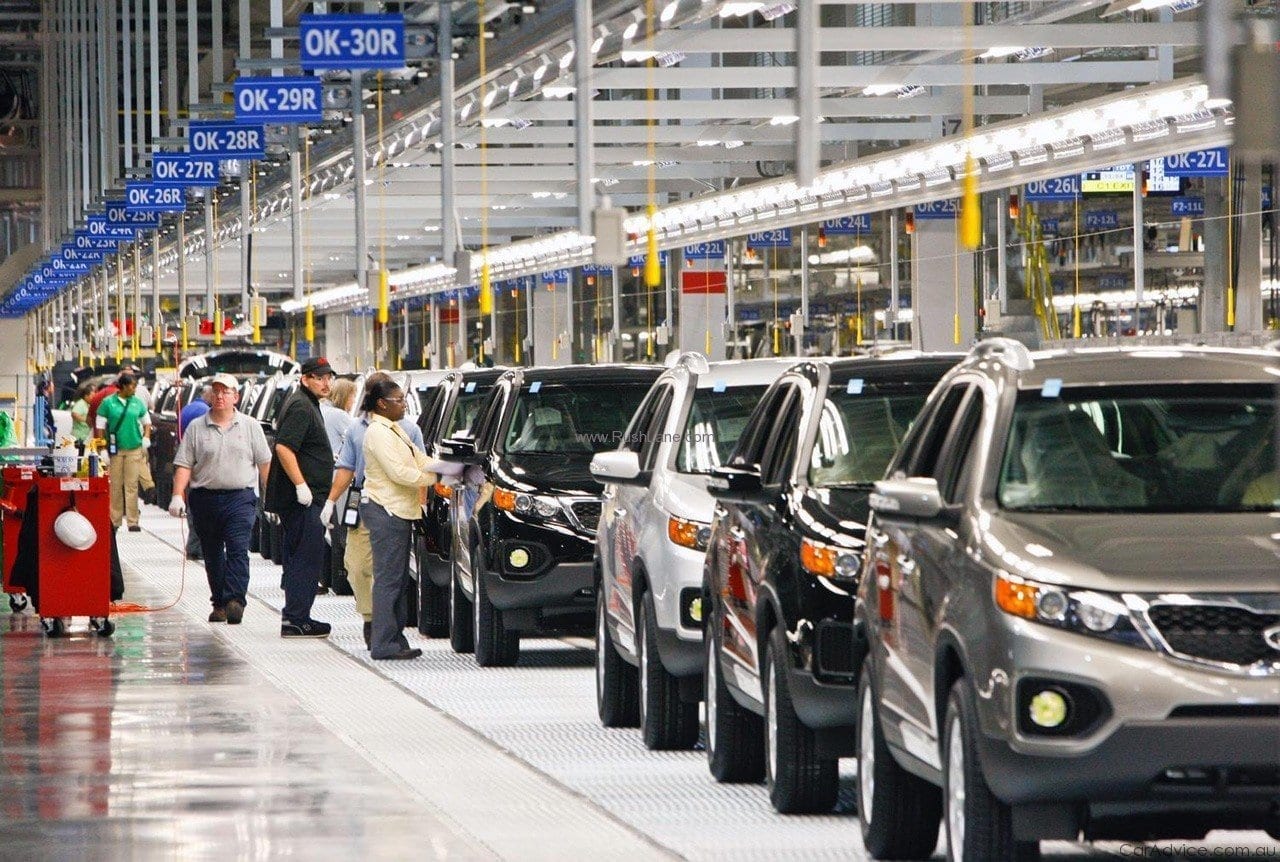
    Hyundai Motor will recall about 79,000 diesel-powered vehicles to fix faulty emission-related components, the Environment Ministry said Tuesday.Korea’s biggest carmaker by sales is expected to recall 78,721 vehicles encompassing three different models due to problematic parts that emit excessive nitrogen oxide into the air. The recall will start Wednesday and be carried out for one and a half years, an official at the Ministry of Environment said.

    The three models are the 2.2-liter diesel-powered Grandeur sedan, the Megatruck and the Mighty truck.

    “The ministry recommended Hyundai to recall 30,945 units of the Grandeur diesel sedan due to a faulty emission part,” the official said over the phone.

    “As for the two truck models, however, the carmaker has voluntarily submitted its recall plan to the ministry, with an approval due to be made this week.”

    Hyundai’s recall plan is in line with the government’s push to reduce diesel-powered vehicles on roads and fine dust, which is harmful to your health.

  • Korea to ban single-use plastic bags

    Korea to ban single-use plastic bags

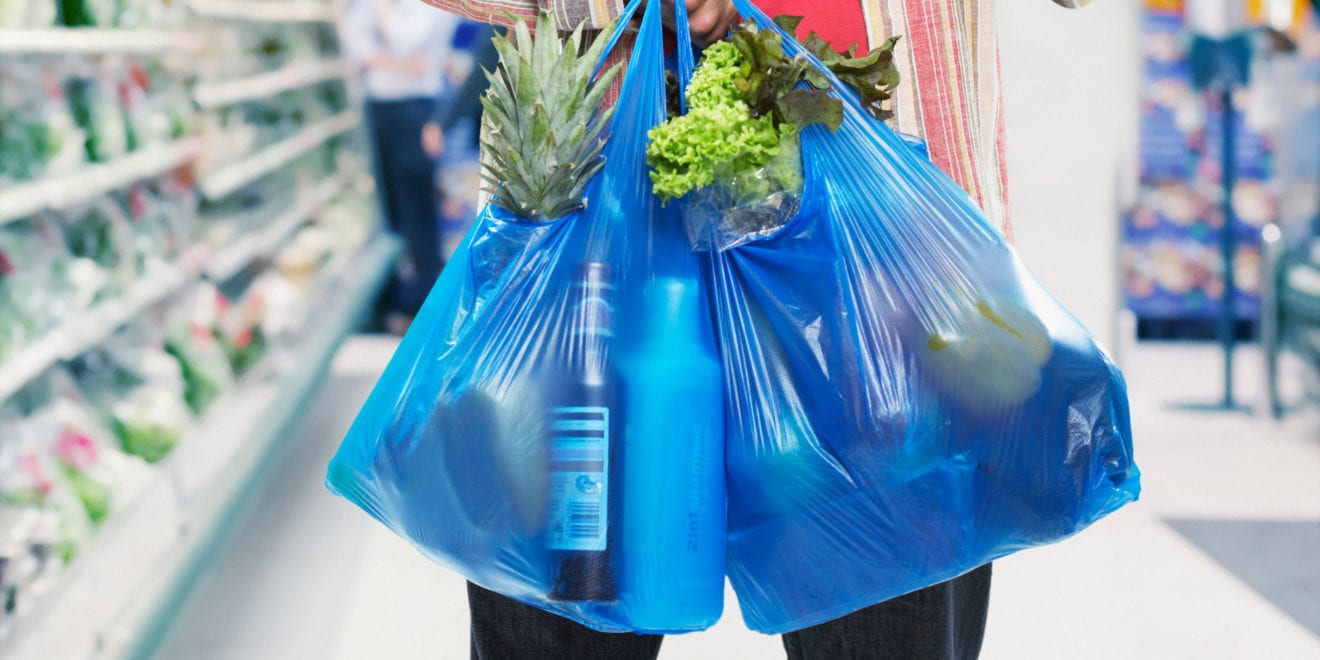
    South Korea is to ban big-time supermarkets and retailers nationwide from selling single-use plastic bags in an attempt to conserve natural resources and reduce recyclable waste. The ban will come into effect on Tuesday as part of a revised law on conserving resources and encouraging the reuse of recyclable waste. Subject to the ban are 2000 outlets of major discount chains and 11,000 supermarkets with sales floor spaces of 165sqm or more where handing out free plastic bags are currently prohibited.

    Stores that violate the ban could face fines of up to 3 million won (around US$2683). Instead, those shops are required to offer customers recyclable containers, cloth shopping bags or paper bags.

    Plastic containers for wet goods, such as meat and fish, will still be used.

    Under the revised law, 18,000 bakeries nationwide will be barred from handing out free disposable plastic bags.

    In cooperation with local governments, the Environment Ministry plans to encourage the affected stores to observe the ban from January through March.

    The ministry is also pushing ahead with a plan to reduce the use of plastic garment bags at laundry shops.

  • Korea to ban plastic bags in supermarkets

    Korea to ban plastic bags in supermarkets

    Large supermarkets are banned from giving or selling plastic shopping bags to customers. The Ministry of Environment announced Monday that it will completely prohibit grocery franchises and supermarkets over 165 square meters (1,776 square feet) from selling or giving away single-use plastic bags from New Year’s Day. While it discouraged stores from providing plastic bags before, the ministry enforced a total ban through a revision to the Act on the Promotion of Saving and Recycling of Resources in an effort to cut plastic waste.

    Some 13,000 supermarkets are affected. If they offer disposable plastic bags, they risk fines of up to 3 million won ($2,690). The only kind of one-use bags stores can sell are the disposal bags accepted by district waste collectors. Stores will be encouraged to sell or offer paper and other non-plastic grocery bags instead.

    Supermarkets can continue to offer customers small plastic bags for wrapping items like fish and meat.

    The revision to the law also prohibits some 18,000 bakeries from handing out plastic bags free of charge.

    The ministry said it will give a grace period of around three months to help stores adjust to the change and work with local government bodies to ensure that the regulations are followed.

    Earlier this year, seven of Korea’s largest grocery and bakery franchises, including E-mart and Lotte Mart, signed voluntary agreements with the ministry to reduce disposable waste.

    That initiative has produced notable results. Paris Baguette and Tous Les Jours, for example, used 74 percent fewer plastic bags in November last year compared to the same period 2017, according to the ministry.

    “It’s necessary to reduce use of disposable waste for the environment and future generations,” said a spokesman from the ministry. “We request the people’s active participation to promote a green consumer culture.”

  • All Starbucks in Korea to get paper straws from yesterday

    All Starbucks in Korea to get paper straws from yesterday

    Starbucks Korea is stocking all 1,225 of its stores nationwide with paper straws in a bid to cut down on its plastic usage. Starting last Monday, Starbucks began stocking all of its stores with white paper straws, which it found during trials to be more popular than green ones. The paper straws will also be coated with soy oil both inside and outside in response to customer complaints that its original trial straws were too flimsy.

    Starbucks trialed paper straws at 100 stores in Seoul, Busan and Jeju Island over the last two months.

    Though all stores now have paper straws, some branches will continue to offer customers plastic ones until they deplete existing stocks.

    Additionally, on Monday Starbucks began stocking all of its stores with plastic cup lids that don’t require straws. These special lids, which resemble those used with hot drinks that come in paper cups, will be provided for take-out orders of regular cold drinks. Paper straws and regular lids will be provided for specialty cold drinks like Frappuccinos and drinks topped with whipped cream that are difficult to drink without straws.

    “We developed the plastic cup lids to minimize disposable waste consumption and also offer an alternative to customers who prefer drinking without straws,” said a Starbucks spokesman.

    Starbucks will also remove the straws and stirring sticks it previously left out for customers and instead place them behind counters and only provide them on request. It will replace all plastic stirring sticks with wooden ones as well.

    Last year, Starbucks Korea used 180 million plastic straws, nearly enough to circumnavigate the earth if laid end-to-end.

    “With the adoption of paper straws we will be able to prevent consumption of at least 180 million plastic straws from next year,” said a Starbucks spokesperson.

  • Indonesia Gov’t Considers Reducing Its Levy on Palm Oil Exports

    Indonesia Gov’t Considers Reducing Its Levy on Palm Oil Exports

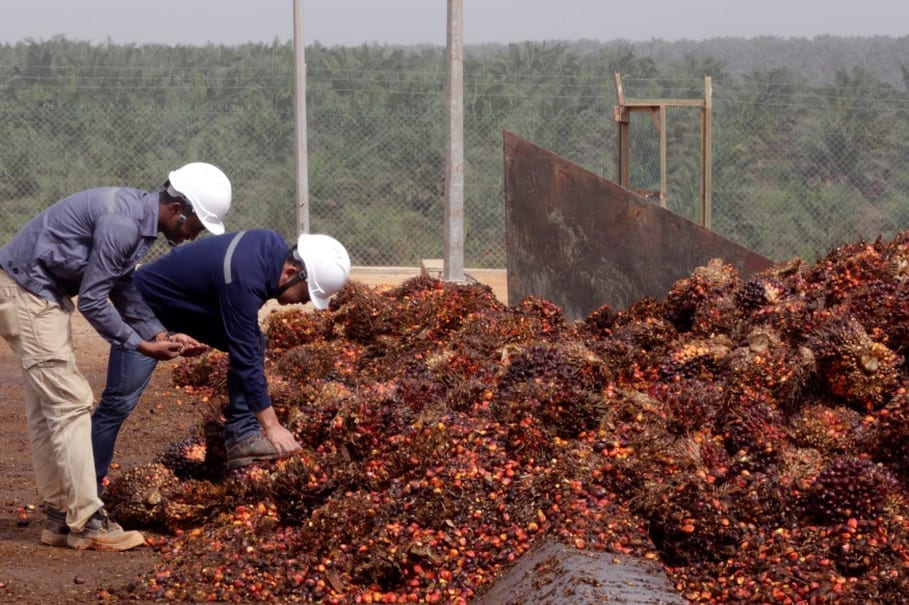
    The government is considering reducing its levy on palm oil exports, Coordinating Economic Affairs Minister Darmin Nasution said on Thursday, as the country pushes to maintain its position in international markets for the commodity.

    Speaking at an industry conference in Bali, the minister said an “adjustment” to the levy was among steps to be taken by the government, although he later said that this was still being discussed.

    “We don’t have final position yet,” Darmin said on the sidelines of the event. “We have to calculate that carefully. We don’t want lowering it only to result in lower prices.”

    Indonesia, the world’s top producer of the commodity, currently imposes a levy of up to $50 per metric ton on various palm oil products.

    The Indonesian Palm Oil Association (Gapki) said last week that it had proposed cutting the palm oil export levy by $20 per ton until prices of the vegetable oil reach $700 per ton.

    The government’s reference price for crude palm oil has stayed below $750 per ton for over a year.

    Darmin said the government would discuss the levy adjustment intensively over the next two months, hoping to reach a decision around year-end.

  • How big is Apple’s green initiative in China?

    How big is Apple’s green initiative in China?

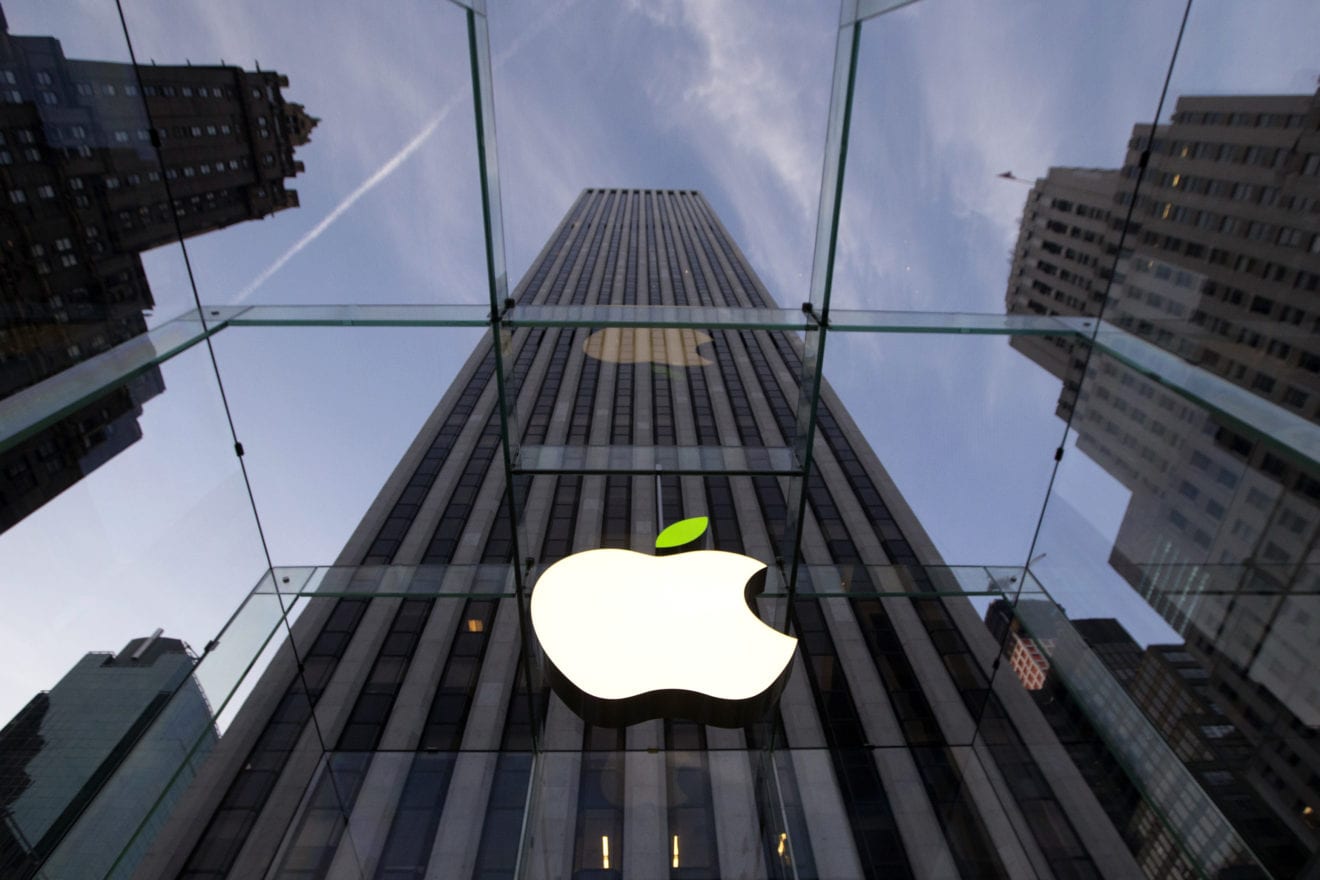
    It’s not easy to convey the scale of the two initiatives Apple announced today to reduce its carbon footprint in China—Building 200 megawatts of solar projects in the provinces on its own and partnering with its Asian suppliers to install another 2 gigawatts of new clean energy.

    Apple’s press release offered some helpful analogies.

    —The 40 megawatts of solar projects already completed in the Sichuan Province produce more than the total amount of electricity used by all of Apple’s offices and retail stores in China.

    —The 200 megawatts of solar projects planned for the northern, eastern and southern regions of China will produce enough energy to power 265,000 Chinese homes in a year

    The combined programs will avoid over 20 million metric tons of greenhouse gas pollution in China between now and 2020, the equivalent of taking nearly 4 million passenger vehicles off the road for a year.

    “Climate change is one of the great challenges of our time, and the time for action is now,” said Tim Cook, Apple’s CEO. “The transition to a new green economy requires innovation, ambition and purpose.”

    It also takes a lot of money. Apple achieved 100% carbon neutrality in its U.S. operations in part by generating its own clean energy and in part by buying credits from other clean energy providers. Now it’s doing the same in China.

    Not every company can afford that. Still, Apple is getting plaudits for leading by example.

    “We need governments and companies to transition us to renewable energy as rapidly as possible,” said Gary Cook of Greenpeace, an organization that played Apple’s scold not that many years ago. “Apple’s announcement today is a major step forward in building a renewably powered supply chain for its products.”

  • Olivia Wilde is the face of H&M’s Conscious Exclusive campaign

    Olivia Wilde is the face of H&M’s Conscious Exclusive campaign

    Known for her commitment to sustainability and her engagement for environmental causes, actress Olivia Wilde, will be the face of H&M’s Conscious Exclusive campaign, set to be unveiled in around 200 H&M stores worldwide and online on 16 April.

    “Sustainability is one of my biggest passions. I’m proud to be the face of H&M Conscious Exclusive, a collection which shows the stylishness of sustainability,” she said in a statement posted in the H&M website.

    H&M said this year’s Conscious Exclusive collection draws inspiration from African, Asian and Indian cultures in both cut and detail. Dresses are a focus, along with hand-drawn prints created especially for the collection.

    “The pieces are full of character with the most beautiful prints, all made from more sustainable materials,” said Ann-Sofie Johansson, H&M’s head of design for new development.