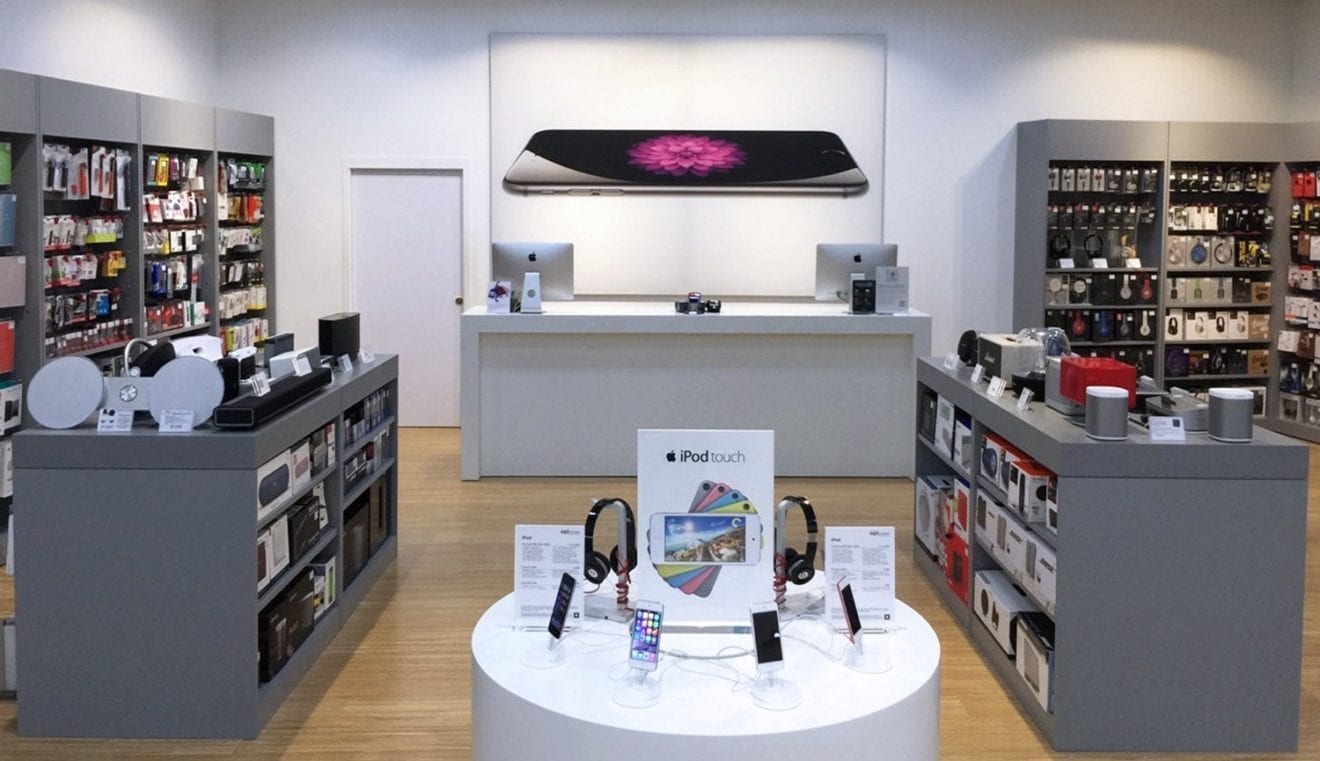
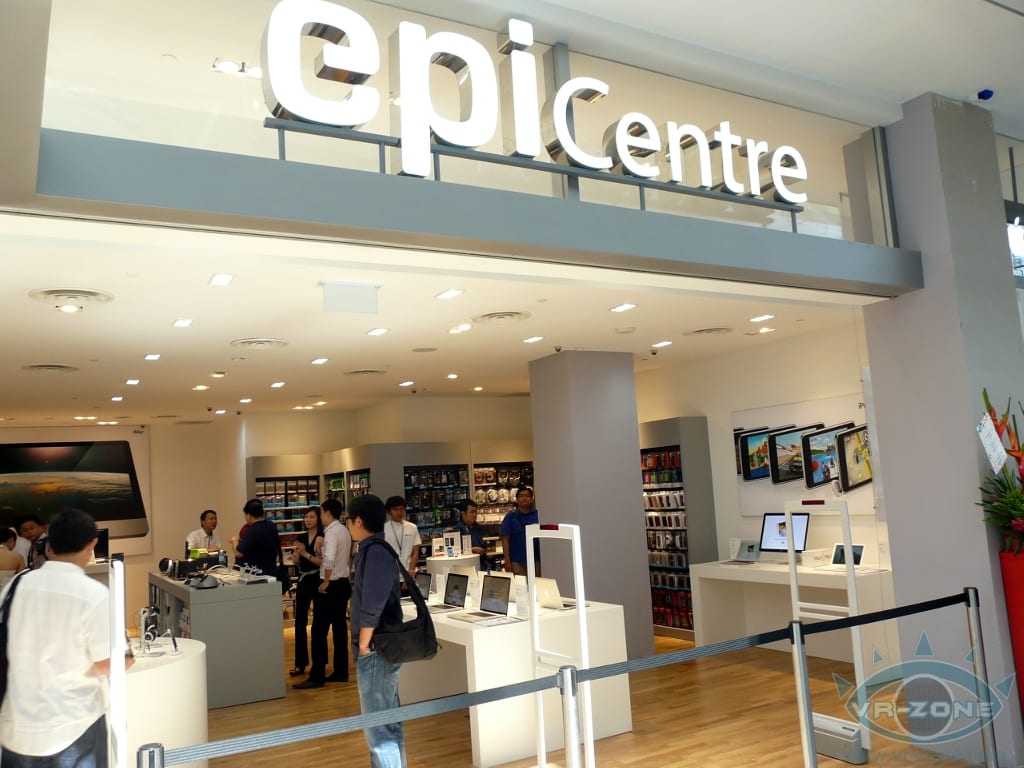
In Singapore, location-based marketing is still largely a fringe activity, adopted mostly by marketers who are tech-savvy and risk-takers. Marketing spoke to one such risk-taker: Danielle Siauw, manager (CRM, m&e-commerce, new media) at Apple Premium Reseller EpiCentre.
EpiCentre recently invested in Apple’s iBeacon technology. The iBeacon is a device that sends Bluetooth signals detectable by iOS software, allowing marketers to send location-targeted promotions and content to Apple users.
The iBeacon functions as part of EpiCentre’s membership programme, allowing members to earn points through their mobile app when they visit stores. For example, members earn 10 points every time they step in to a store. EpiCentre also uses iBeacons to deliver location-targeted discount coupons to customers near their stores, amongst other uses. Currently, all 10 EpiCentre stores are iBeacon enabled, and the brand is looking into an iBeacon payment system as well.
Marketing: Why did you choose to invest in location-based technology?
EpiCentre started out as a brick and mortar retailer. Our core strength is still in retail stores. As all of us know, the retail scene is looking bleak in Singapore with more competition from e-commerce. To counteract this problem, we started to look into omni-channel strategies for sales and marketing. We started by revamping our CRM system for brick and mortar in 2013, then integrated our e-commerce site www.epilife.com.sg with our CRM system in early 2014. In late 2014 we tied our mobile platform, epiApp, with our CRM system and e-commerce site. In this way, we have successfully delivered a seamless membership programme that extends to both the online and offline channels; however, there is still a missing puzzle, which is how to use the mobile platform to drive footfall in our stores. For this, iBeacon becomes a natural choice.
Marketing: Location-based marketing has been held up as a marketing goldmine over the past few years. Yet, still it’s not used on a mass scale. Why is this?
One of the key issue is with the Personal Data Protection act. Location-based marketing through SMS or notifications are often seen as spam. To send users information via this mode requires opt-in. The customers who opt-out would be missed opportunities.
Secondly, although the cost of doing location-based marketing is not high the expectation in terms of ROI (i.e. translating to actual sales) still does not match up.
Lastly, location-based technology such as GPS and GSM do not render accurate results when used indoors. However, there are other location-based technologies that work indoors, such as geo-fencing and iBeacons. iBeacons are, however, very much much in-app, and customers still need to download and install the app on their phone. This can be cumbersome. Also, customers need to switch on the Bluetooth on their mobile devices to experience the iBeacon.
Generally there is slow adoption by retailers for such technology in Singapore, especially among traditional retailers. One reason for this is low user adoption and education about such technologies. I think it boils down to a chicken and egg issue: Retailers need to find compelling reasons that location technology can complement their existing businesses.
Marketing: How should retailers strike the balance between annoyance and genuine consumer value?
I think whatever technology that we implement, we must always add value to our customers and stakeholders. Customers must find the technology useful; the technology has to solve a problem. We must first understand our own business and our customers, then formulate the right content and promotions to reach out to the customers. For example, offering relevant content, attractive offers and coupons, or as part of the company’s loyalty programme. We should also be mindful about the number of times the content is sent, and not be spammy. One advantage of iBeacons is that they allow for content and promotions to be tailored to individuals, based on past purchases and preferences.
Marketing: Have you seen cases where iBeacons have been deployed effectively?
Macy’s uses the iBeacon in 800 stores in the US. They can effective track customer behaviour and send out relevant promotions within the category through their mobile app. This cuts down the print materials required and allows them to update their promotions on the fly.
Another innovative and practical use of the iBeacon is at Starwood. They use the iBeacon to greet guests upon arrival, allowing guests to skip the whole check-in process, go direct to their room and use the mobile phone to enter the room. Starwood also uses the iBeacon to let housekeeping staff know if guests are still in the rooms. This creates a seamless experience for the guests through their mobile app. This shows how the iBeacon can integrate the online and offline experiences in a way that adds genuine value.