Tag: Equinix

  • Equinix Expands Its Presence in India with New IBX Data Center Launch in Chennai

    Equinix Expands Its Presence in India with New IBX Data Center Launch in Chennai

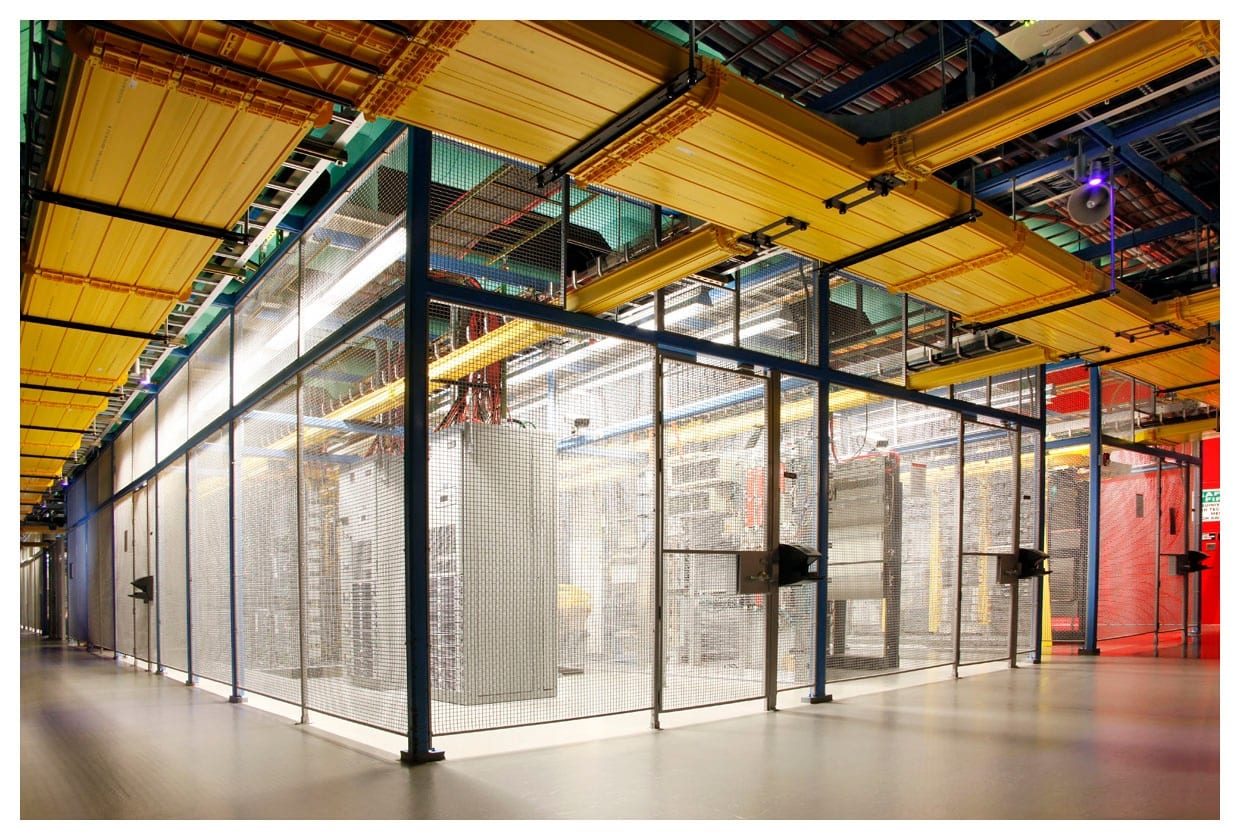
    Equinix has made a significant stride in India’s burgeoning digital landscape with the opening of its first International Business Exchange (IBX) data centre in Chennai. Here, on a nearly six-acre site in Siruseri, the newly inaugurated facility—designated as CN1—will be seamlessly interconnected with Equinix’s existing campus in Mumbai, which comprises three IBX data centres.

    Driving Digital Transformation and Resilience

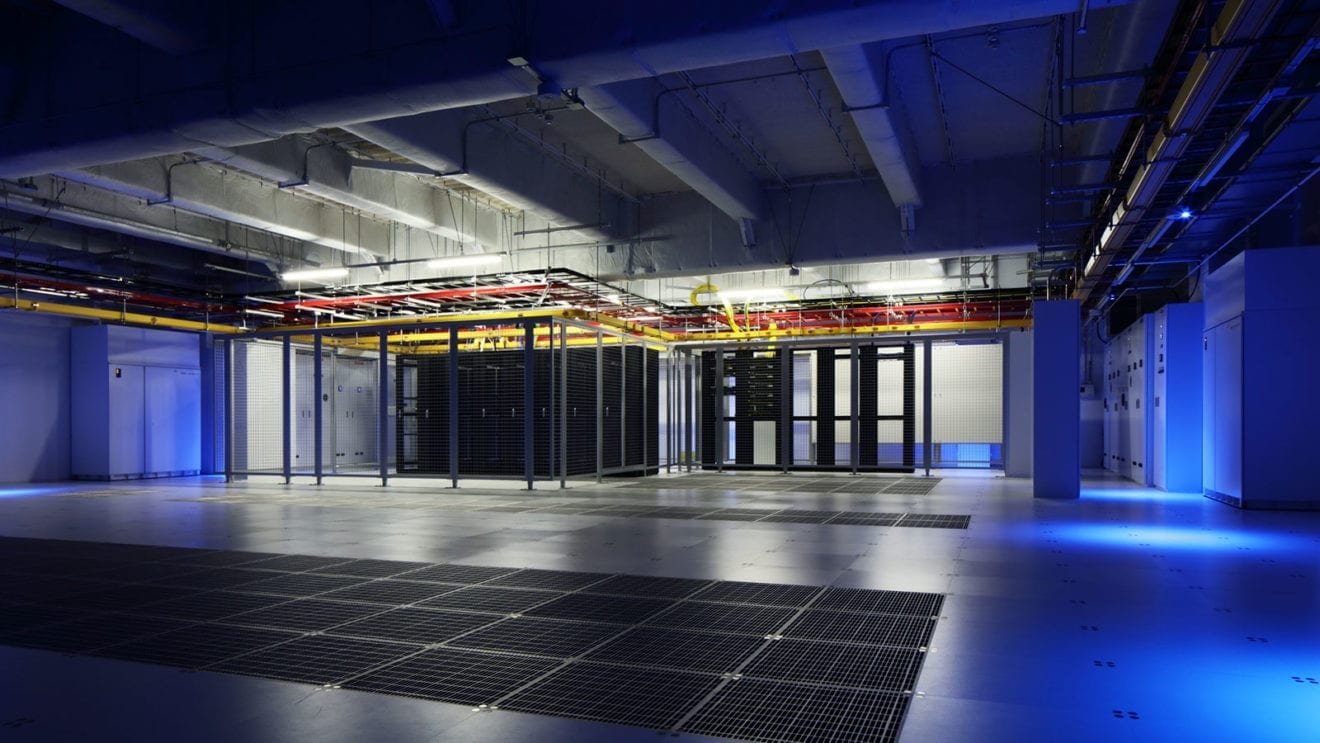
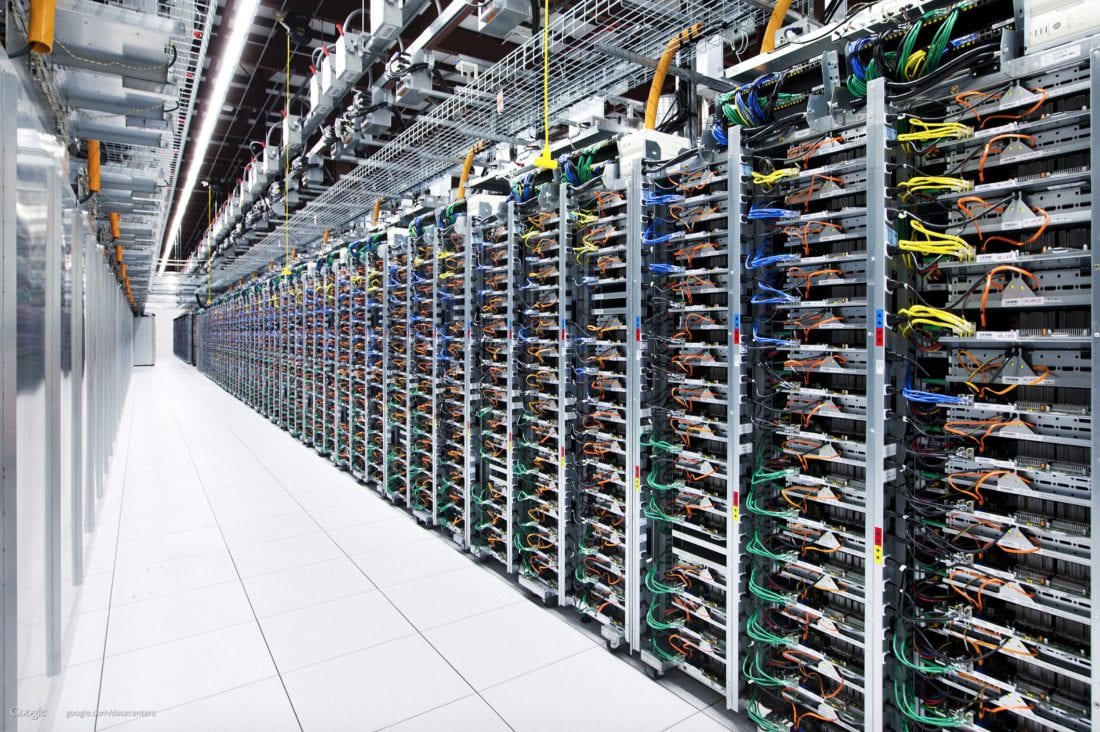
    This expansion is poised to bolster business digitisation, enhance resilience, and support artificial intelligence (AI) development across the region. With phase one of CN1 already operational, the facility will initially deliver 800 cabinets, backed by a hefty $69 million investment. Ultimately, the four-storey site is designed to accommodate 4,250 cabinets, showcasing Equinix’s commitment to meeting the demands of a high-density, compute-intensive economy.

    Engineering Excellence and Future-Ready Facilities

    Engineered with a fault-tolerant architecture that promises an astonishing 99.999 percent uptime, CN1 is also crafted to integrate liquid cooling systems, preparing it for the high demands of today’s technology. This is not just another data centre; it’s where your nearest algorithm might just feel at home.

    Connecting Businesses with Cloud Opportunities

    Equinix aims to enhance its interconnection services through offerings such as Equinix Fabric and Fabric Cloud Router. These services enable enterprises to construct robust hybrid multicloud infrastructures. Notably, customers in Chennai will enjoy low-latency access to major cloud service providers, including AWS, Google Cloud, Microsoft Azure, and Oracle Cloud, all of which are conveniently hosted at the Mumbai campus.

    Strategically Located for Future Growth

    Conveniently situated just 28 km from the Central Business District and close to anticipated submarine cable landing sites, the Chennai facility positions itself as a strategic hub for digital connectivity. With over 300 companies already hosted in India, including several network service providers and five internet exchanges, Equinix continues to solidify its leadership in the data centre sector. Globally, the company operates more than 270 data centres across 77 markets in 36 countries, boasting over 60 sites throughout the Asia-Pacific region.

    Questions & Answers

    What is the significance of Equinix’s new data centre in Chennai?
    The new IBX data centre represents a major investment in India’s digital infrastructure, aiming to enhance business digitisation, build resilience, and foster AI development in the region.

    How does equinix facilitate access to cloud services for businesses in Chennai?
    The data centre provides low-latency access to cloud service providers such as AWS, Google Cloud, and Microsoft Azure, ensuring businesses can effectively leverage hybrid multicloud infrastructures.

    What unique features does the CN1 facility offer?
    Equipped with fault-tolerant architecture and readiness for liquid cooling, CN1 promises an impressive 99.999 percent uptime, making it well-suited for the demands of high-density computing.
  • Kingsoft Cloud picks Equinix for SEA expansion

    Kingsoft Cloud picks Equinix for SEA expansion

    Chinese software and Internet service company Kingsoft Cloud Holdings has selected the Equinix International Business Exchange (IBX) data center in Singapore to expand into Southeast Asia.

    According to the Global Mobile Consumer Survey, published by Deloitte, mobile application usage such as social networking, messaging, and gaming, is increasingly popular within Southeast Asia. By strategically deploying its network into Equinix Singapore’s carrier-neutral Internet hub – Asia-Pacific’s network hub, Kingsoft Cloud is able to bring an improved connectivity infrastructure closer to Southeast Asia users for an enhanced mobile application performance experience.

    Offering cloud-based hosting, storage and database services, Kingsoft Cloud is the main cloud service provider in mainland China to Chinese smartphone maker Xiaomi. It provides a bulk of the cloud storage on Xiaomi’s operating system that has helped the company serve its rapidly growing customer base both in China and in the world.

    With the increasing mobile adoption and usage in the Southeast Asia region, Kingsoft Cloud has selected Equinix’s Singapore facilities to reduce network costs and enhance user experience by bringing its cloud infrastructure closer to users in the region and interconnecting with multiple Internet Service Providers.

    Equinix’s data center campus in Singapore is the most network-dense across the Asia-Pacific region, housing many of the international and regional networks connecting South Asia. Together with a wide portfolio of interconnection solutions, the campus offers a private, secure, and highly reliable environment for Internet servers and telecommunication equipment, essential for the continuous operations of applications and business operations.

    Kingsoft Cloud’s move to expand in Southeast Asia is in line with the forecast of the Global Interconnection Index, published by Equinix. The Index anticipates more than fourfold growth in Asia-Pacific’s Interconnection Bandwidth, reaching 1,120 Tbps by 2020, with cloud and IT services alone expected to increase at a Compound Annual Growth Rate (CAGR) of 42%.

  • Equinix links to Oracle Cloud in Sydney

    Equinix links to Oracle Cloud in Sydney

    Equinix has announced the launched dedicated, private access to Oracle Cloud in its Sydney, Australia International Business Exchange (IBX) data center.

    Available via Oracle Cloud Network Service – FastConnect and the Equinix Cloud Exchange, access will be available for Oracle Infrastructure as a Service (IaaS) as well as Platform as a Service (PaaS).

    This direct access enables enterprise customers in this growing region to migrate compute, applications and data to Oracle Cloud in a high-performance, low-latency manner for an optimal user experience.

    This builds on previous announcements between Equinix and Oracle to offer direct connection to several Oracle PaaS and IaaS services, including database, Java, integration, analytics, compute and storage – in multiple regions around the globe. The addition of Sydney brings the total number of markets that Equinix is offering private access to Oracle Cloud to five globally.

    Cloud deployments in Asia Pacific, and specifically Australia, are on the rise. According to a recent report by IDC, 67% of all Australian organizations surveyed are embracing cloud, using public or private cloud for more than one or two applications or workloads. Yet, factors such as security and privacy concerns still inhibit public cloud adoption.

    Through the Equinix Cloud Exchange integration with Oracle FastConnect, customers in Australia can establish direct connectivity between their private IT infrastructure and Oracle Cloud. This enables them to fully realize the benefits of hybrid cloud – moving application, middleware and database workloads seamlessly between private IT infrastructure and Oracle Cloud on a private, dedicated connection.

    The Equinix data centers in Sydney are the most interconnected in Australia. Enterprise customers in Sydney are able to establish direct links to both of the continent’s largest peering points, as well as key submarine cable systems, and gain direct access to multiple network and cloud providers such as Oracle via the Equinix Cloud Exchange.

    Oracle Cloud delivers nearly 1,000 SaaS applications and 50 enterprise-class PaaS and IaaS services to customers in more than 195 countries around the world, and supports 55 billion transactions each day. Oracle Cloud Infrastructure is also part of the fast growing sector of cloud computing. According to a recent Gartner report the highest cloud growth is expected to come from IaaS, with a growth of 38.4% in 2016.

    The Equinix Cloud Exchange is currently available in 21 markets globally – Amsterdam, Atlanta, Chicago, Dallas, Frankfurt, Hong Kong, London, Los Angeles, Melbourne, New York, Osaka, Paris, Sao Paulo, Seattle, Silicon Valley, Singapore, Sydney, Tokyo, Toronto, Washington DC and Zurich.

  • Equinix expands collaboration with Alibaba Cloud

    Equinix expands collaboration with Alibaba Cloud

    Equinix has expanded its partnership with Alibaba Cloud  to cover interconnection in Hong Kong, Silicon Valley, Sydney and Washington DC.

    Equinix ptovide direct, scalable access to the Alibaba Cloud via its Equinix Cloud Exchange in its international business exchange (IBX) data centers in the four markets.

    Alibaba Cloud and Equinix first entered a partnership in 2015, initially to provide already provide access to the Alibaba Cloud from the Equinix Singapore IBX.

    The Equinix Cloud Exchange offers direct and private access to multiple cloud service providers. The service launched in Hong Kong in 2014.

    The US International Trade Administration predicts that the Chinese cloud computing market will grow at a 40% CAGR though to 2020, when it will reach US$20 billion.

    “The global reach of Equinix Cloud Exchange makes it simple for Alibaba Cloud to access new markets, Alibaba Cloud deputy GM Yeming Wang said. “We are pleased to provide greater value and bring our services closer to enterprises by leveraging Equinix’s powerful, on-demand cloud connectivity, and in particular to provide greater connectivity to the Chinese market.”

    Equinix VP of global technology partners and alliances Greg Adgate added that “Alibaba Cloud represents a significant partnership for Equinix as we continue to empower businesses around the globe to build secure, private clouds, without compromising network and application performance.”

  • Equinix acquires 29 data centers from Verizon

    Equinix acquires 29 data centers from Verizon

    Equinix has completed its acquisition of 29 data centers in North and Latin America from Verizon Communications.

    The US $3.6 billion all cash deal includes over 1,000 customers, of which over 600 are net new, and approximately three million gross square feet of data center space.

    Equinix said the deal will accelerate its ability to help companies extend their IT operations to the digital edge, strengthens interconnection density on the Equinix global platform, accelerates business relationships in the government and energy sectors and supports its enterprise offering.

    Additionally, it adds three new markets (Bogotá, Culpeper and Houston) and provides additional capacity and the opportunity for expansion in markets where Equinix currently has a presence, including Atlanta, Denver, Miami, New York, São Paulo, Seattle and Silicon Valley.

    Spread across 15 cities in North and Latin America, the new assets bring Equinix’s total global footprint to over 175 International Business Exchange (IBX) data centers across 44 markets and approximately 17 million gross square feet.

    “As the technological shift to digital is transforming large sections of society and the global economy, companies are re-architecting their IT infrastructure to thrive in this new environment,”Equinix CEO Steve Smith said.

    “They are moving from traditional centralized infrastructure to a distributed model that keeps data closer to the customers, partners and employees using it. With this significant expansion of Equinix’s globally consistent footprint, our platform is even more valuable to companies that are leveraging this new model of interconnection at the digital edge.

  • Equinix expands Hong Kong footprint to meet demand

    Equinix expands Hong Kong footprint to meet demand

    Equinix is expanding its Hong Kong footprint to accommodate local interconnection needs and increasing numbers of inbound cloud service providers.

    This latest expansion of Equinix’s Hong Kong footprint adds over 1,400 new cabinets and brings the company’s total investment in the city to over $250 million.

    The expansion in Hong Kong includes 515 new cabinets in HK1 and represents an incremental investment of $16 million and adds 900 new cabinets in HK2 and represents an incremental investment of $39 million. It is the latest in a series of expansions across Asia-Pacific to meet the rising demand for interconnection services, with other recent expansions including Melbourne, Tokyo and Sydney.

    The new development will enable Equinix to support the growing needs of an increasing variety of enterprises – such as FSI and FinTech, e-payments and logistics – to interconnect with cloud and technology providers.

    Equinix’s cloud and IT ecosystem has continued to gain momentum in Hong Kong. Its cloud customer-base has grown significantly since 2014, as local and international internet security and CSPs are increasingly choosing to deploy with Equinix Hong Kong as their initial entry point or hub location for the Asia-Pacific region.

    Major cloud service providers in Equinix Hong Kong now include Alibaba Cloud, the cloud computing arm of Alibaba Group, Microsoft Azure & Office 365 and Google Cloud. According to Cisco, global cloud IP traffic will almost quadruple in over the next 5 years, this expansion will enable Equinix to meet the needs of Hong Kong customers looking to take advantage of this growth.

    One Hong Kong customer taking advantage of Equinix’s increased capability is ClusterTech Limited, which specializes in using cloud, high performance computing and big data technologies to solve challenging technical problems and improve operational efficiency for their customers. The company is in the process of adding more resources within Equinix’s IBX data centers to launch a new solution that will enable environmental engineering companies to run complex simulation applications.

    In addition to supporting the core cloud needs of customers, Equinix is now also in an excellent position to accommodate the growing trend towards multi-cloud convergence and “interconnected commerce” that Equinix experts predict will be a key feature of the IT landscape over the coming year.

    The additional capacity comes online at a time when Equinix is predicting IoT will become a concrete reality – evolving from independent, single-vendor solutions to those that talk to each other and rely on the same data.

    With the Hong Kong expansion, Equinix will relieve the growing pressure on corporate-centric networks by distributing the traffic more broadly, as well as better control the performance of the streaming IoT information for more real-time business and operational insight.

  • Equinix to raise $2.8b ahead of Verizon asset purchase

    Equinix to raise $2.8b ahead of Verizon asset purchase

    Equinix revealed plans yesterday to raise at least $2.875 billion in public offerings over the next few weeks. The data center giant is lining up the necessary funds to make their previously announced purchase of a selection of US operator Verizon’s data center footprint.

    The assets include the former Terremark business and consist of 29 data centers spanning 2.4 million square feet across 24 sites and 12 metro areas.

    The footprint is mostly North American plus Sao Paolo down in Brazil. Nine of those metro areas already have Equinix facilities, while Houston, Culpeper, and Bogota will be some new turf for them.

    Equinix will be selling $1.75 billion of common stock, with underwriters having the usual 30-day option on another 15%, or $262.5 million.

    At the same time they will be selling $1.125B in senior notes due 2027. And they’ll be using $1.053 billion from their existing term loan B borrowings to make up the remaining piece, covering the $3.6B purchase price plus other fees and such.

  • Equinix deploys Facebook-designed optical switches

    Equinix deploys Facebook-designed optical switches

    Equinix is collaborating with Facebook and the Telecom Infra Project (TIP) to deploy and test Voyager, the Facebook-designed packet optical switches, inside two of its IBX data centers.

    As part of the TIP “Open Optical Packet Transport” project group, Equinix is working closely with Facebook to field-test this next-generation packet optical networking technology.

    Voyager is the first step in Facebook and Equinix’s goal of developing the next-generation network ecosystem for hardware and software.

    Equinix said it will continue to work with Facebook and other vendors to include TIP-based hardware and software in their architectures as they deploy inside Equinix and develop the TIP ecosystem.

    By working as part of TIP, Equinix is helping to define the deployment, operational and support models for the new disaggregated and virtual networking infrastructure.

    Initial testing of the Voyager open packet-optical switch took place in Equinix’s SV3 and SV8 IBX data centers in Silicon Valley. Voyager is a combination of compute, switch, router and DWDM transport technologies. Preliminary results showed zero packet loss and significant overall cost savings due to this disaggregated hardware and software networking model.

    “This emerging world of disaggregated optical networking will need a physical aggregation point where all the hardware and software can come together,” Equinix CTO Ihab Tarazi said.

    Facebook director of engineering Hans-Juergen Schmidtkeat added that the Voyager ecosystem will serve as a first ever white box for switching, routing and DWDM in the wide area networks to exemplify a new way of open collaboration and innovation and has been contributed to the TIP community.

  • Equinix completes second phase of TY5 data center in Tokyo

    Equinix completes second phase of TY5 data center in Tokyo

    Equinix has completed the second phase expansion of its 10th International Business Exchange (IBX) data center in Tokyo, the TY5.

    Phase two adds an additional 375 cabinets to the facility, bringing the total capacity of the data center to 725 cabinets. The second phase expansion follows the opening of TY5 in March of this year and brings the total investment in the facility to $43 million.

    This announcement highlights Equinix’s continued investment in Asia-Pacific, as well as demand from local and global companies wanting to benefit from leading interconnection services in Japan, particularly across the cloud and financial sectors.

    Equinix plays a critical role in supporting the interconnected era, underpinning digital economies and enabling businesses to accelerate their performance for continued success and growth. In 2016, it has opened four new IBX data centers in Dallas, São Paulo, Sydney and Tokyo, creating more capacity for global companies to connect with their partners, customers and employees.

    The expansion of TY5 follows Equinix’s acquisition of Bit-isle, a leading Japanese data center and managed service provider, which more than doubled the company’s footprint in Japan. The move means both domestic and international enterprise customers can now benefit from Equinix’s increased presence in the country, spanning 10 data centers in Tokyo and two in Osaka.

    The completion of the phase two expansion will support growing customer demand for carrier neutral data centers with direct connectivity to Equinix’s financial ecosystem in TY3. TY5 is in close proximity to the Japan Exchange and Tokyo Commodity Exchange, providing financial services companies with reliable, low-latency connectivity to key financial institutions and business partners.

    TY5 enables domestic and multinational companies to expand into the growing Japan market, providing them with access to over 1,400 domestic and international network providers within Platform Equinix.

    Platform Equinix now includes over 146 data centers in 40 markets around the world.

    TY5 was recently awarded the LEED Green Building Rating System Gold Certification for its high building standards.

    The award recognizes best-in-class building strategies and practices across seven categories: sustainable sites, water efficiency, energy and atmosphere, materials and resources, indoor environmental quality, innovation in design and regional priority.

  • Ericsson, Equinix enter hybrid cloud alliance

    Ericsson, Equinix enter hybrid cloud alliance

    Ericsson and Equinix have developed a joint offering designed to help enterprises capture the true benefits of hybrid and multi cloud adoption.

    The offering leverages the Equinix Cloud Exchange (ECX) and the Apcera platform from Ericsson.

    The initial target enterprises will be finance and insurance companies in Southeast Asia and Oceania to help solve their challenges on data compliance and regulation and at the same time give the agility that enterprises need.

    The finance and insurance industry have strict compliance regulations on data and this limitats their ability to pursue a multi-cloud strategy. Ericsson and Equinix’s joint offering will address this challenge by enabling enterprises to deploy any application on any cloud infrastructure with high performance and secure connections that meet compliance regulations.

    “To be able to meet the market demand for hybrid cloud and multi cloud, Ericsson is delighted to partner with Equinix,” commented Ludvig Landgren, VP for network applications and  cloud infrastructure at Ericsson Southeast Asia and Oceania.

    “We will jointly support enterprises, initially addressing South East Asia and Oceania customers, moving workloads and data across multiple clouds using one port with on-demand, automated connectivity.”

    The initial deployment is scheduled for December, 2016.

  • Equinix launches data hub service

    Equinix launches data hub service

    The ways in which enterprises assemble their network infrastructure have been evolving rapidly as the industry-wide shift to the cloud accelerates. This week Equinix offered another piece of its ongoing response to that shift, unveiling a new Data Hub service that lets enterprises store their data next to the clouds they use but keep control over it.

    Equinix already has Cloud Exchange, providing connectivity to an ecosystem of cloud providers, as well as Performance Hub, which gets the enterprise WAN into the data center.

    This new offering simply bundles the space and power needed to house big data in a pre-configured package and with partners lined up to help with the particular storage technology.

    The idea is to let folks put their data as close as possible to the cloud services that use it, while at the same time not ceding control or access to it.

    That might be for compliance reasons, it might be to leverage a common data store from multiple cloud providers, it might be simply for data protection or replication, or simply to keep latency as low as possible for things like IOT.

    It’s all part of the industry shift toward caring where data actually is on the internet. From low latency trading, to sovereignty issues, to the caching of content at the edge, to small cells, to proximity to renewable energy, the recurring theme in this era of internet infrastructure has been the old real estate saying, ‘location, location, location’. It’s a quite different theme from the prior decade, in which everything was about achieving scale.

  • Equinix expands Jakarta data center

    Equinix expands Jakarta data center

    Equinix has expanded its JK1 data center in Jakarta, through its partnership with DCI Indonesia (DCI).

    Coupled with its alliance with DCI and a premium connection with the Indonesian Internet Exchange (IIX), the second phase of development at JK1 is an indicator of Equinix’s continued commitment to the region, the company said.

    JK1 phase two will add approximately 400 cabinets to the data center, doubling available capacity to a total net size of 800 cabinets. The expansion is scheduled to be completed by the end of the month.

    Through the DCI and Indonesian Internet Service Provider Association (APJII) collaboration, JK1 enables direct peering connection to the IIX. Companies can also access Equinix’s highly interconnected International Business Exchange (IBX) data centers across strategic global markets via existing major network providers.

    JK1 is located at Cibitung, approximately 30 km from the Sudirman Central Business District (SCBD), and offers a range of colocation, interconnection and support services.

    The carrier-neutral facility will be bringing more carriers into the data center to enrich network density by partnering with Indonesian Internet Service Provider Association (APJII) to provide more options for direct peering connection to the IIX.

    The expansion is in line with the steady growth of the company’s global interconnection platform, in which Equinix has invested more than $7.5 billion over the last 17 years.

  • Equinix doubles capacity of Jakarta Data Center in partnership with DCI Indonesia

    Equinix doubles capacity of Jakarta Data Center in partnership with DCI Indonesia

    Equinix a global interconnection and data center company has announced the expansion of its data center in Jakarta, known as JK1, through its partnership with DCI Indonesia (DCI).

    Coupled with its alliance with DCI and a premium connection with the Indonesian Internet Exchange (IIX), the second phase of development at JK1 is an indicator of Equinix’s continued commitment to the region, where market demand from the cloud and financial sectors for world-class data center services is flourishing.

    “Our partnership with Equinix has helped to fast track the expansion of JK1 and has bolstered our commitment to bringing in more carriers to further enrich network density. We will be collaborating with the Indonesian Internet Service Provider Association (APJII) for direct peering connection to the IIX,” said Marina Budiman, CEO, DCI Indonesia.

    “This will provide companies looking to expand or establish themselves in Indonesia with more opportunities to interconnect with other service providers to help grow their business,” added Budiman.

    JK1 phase two will add approximately 400 cabinets to the data center, doubling the available capacity to a total net size of 800 cabinets. The expansion is scheduled to be completed by the end of February 2016.

    Through the DCI and Indonesian Internet Service Provider Association (APJII) collaboration, JK1 enables direct peering connection to the IIX. Companies can also access Equinix’s highly interconnected International Business Exchange (IBX) data centers across strategic global markets via existing major network providers.

    “We are delighted to have partnered with DCI Indonesia to present direct peering to the Indonesia Internet Exchange (IIX) which is managed by APJII in the DCI data center,” said Jamalul Izza, President & Chairman – APJII.

    “This is in line with our vision and mission which is to be actively participating in building and developing the Indonesia Internet governance to enhance the potential of human resources in the field of internet technology and in one of APJII’s programs in increasing local traffic,” added Izza.

    JK1 is located at Cibitung, approximately 30 km from the Sudirman Central Business District (SCBD), offers a full range of premium colocation, interconnection and support services.

    The carrier-neutral facility will be bringing more carriers into the data center to enrich network density by partnering with Indonesian Internet Service Provider Association (APJII) to provide more options for direct peering connection to the IIX.

    The JK1 phase two will further extend Platform Equinix to cater to the increased demand for premium interconnection and data center services in Indonesia and the Asia-Pacific region.

    The expansion will give existing customers the added capacity to easily scale when required, ensuring high-performance, network reliability, redundancy, and low latency. It is in line with the steady growth of the company’s leading global interconnection platform, in which Equinix has invested more than $7.5 billion over the last 17 years.

    “The phase two expansion of JK1 does more than just cater to ongoing demand from our financial services customers. Access to IIX will provide greater connectivity for customers, especially cloud and content providers, who will benefit from interconnection to other network providers,” said Clement Goh, Managing Director – Equinix South Asia.

  • Alibaba signs Equinix deal to take on Amazon’s cloud

    Alibaba signs Equinix deal to take on Amazon’s cloud

    Equinix deal gives Alibaba a better cloud story for multi-nationals wanting to do business in the U.S. and China. It might also be worrisome to U.S. cloud powers who want that business.

    Chinese retail giant Alibaba is going bigger in cloud thanks to a new partnership with Equinix, which operates more than 105 data centers around the world.

    The stated goal is to make it easier for multi-national corporations in the U.S. to conduct business in China and vice versa. Aliyun, is Alibaba’s cloud computing arm, just as Amazon Web Services is Amazon’s the cloud computing arm. Initially, Alibaba’s cloud services will be offered via Equinix Cloud Exchange facilities in Hong Kong and Silicon Valley, with additional rollouts planned for other Equinix sites worldwide, said Chris Sharp, vice president of innovation for Equinix, Redwood Shores, Calif.

    There is plenty of headroom for expansion in this deal. Equinix has data centers in 33 countries and many other interconnection points where different providers can hook into each others’ services. Even cloud providers that run their own data centers plug into Equinix interconnection facilities so they can offer fast links to outside services. Equinix will also gain 40 more data centers across Europe via its recently announced plan to acquire Telecity for $3.6 billion.

    U.S.-based cloud giants, especially Amazon, will doubtless watch the Alibaba-Equinix news carefully. Alibaba dominates the market in China, much as Amazon does in the U.S. In March, Aliyun opened its first stateside data center stateside at an undisclosed Silicon Valley site while Amazon opened up its first data center in China in late 2013.

    Alibaba and Alyun could be viewed as mirror images of Amazon and AWS so it’ s not hard to predict growing contention between the two camps as AWS pushes more into China via its new Beijing region and Aliyun does likewise in the U.S.

    Per its IPO filing last year, Alibaba claimed more than 980,000 “direct and indirect” cloud computing customers at the end of 2013. Last November, Amazon said AWS has more than a million “active” users.

    For its fourth quarter ending March 31, 2015, Alibaba’s cloud revenue came in at $63 million, up 82% from the year-ago quarter. For the full fiscal year, cloud revenue was $205 million, up 64% from last year.

    Amazon, which has been in the cloud business for nine years, broke out cloud results for the first time in its first quarter, also ending March 31. It logged $1.57 billion in cloud revenue, up 49% from the previous year. Operating income was $265 million for the quarter, up from $245 million a year ago. Chairman and CEO Jeff Bezos claimed the cloud represented a fast-growing $5 billion-a-year annual business.

    As for whether Amazon should be worried about Alibaba/Alyun’s incursion on its home turf, Ariel Tseitlin, a former Netflix executive who worked a lot with AWS, doesn’t think so. “AWS just has so many feature and services. Right now, the biggest threats to AWS are number one Microsoft and number two Google” he noted.

    More generally, the entrance of another viable contender in cloud is a good thing for customers, said Tseitlin, who is now a partner with Scale Venture Partners, a Foster City, Calif. based VC firm.