Retail News CRM

Tag: equipment

  • Electric or Manual Pallet Jack? How to Make the Right Choice for Your Facility

    Electric or Manual Pallet Jack? How to Make the Right Choice for Your Facility

    Whether you’re managing a small storeroom or a big and busy warehouse, a pallet jack is one of those tools you just can’t do without. It helps you move stock around quickly and safely, keeping your daily operations running smoothly. But when it’s time to choose between a manual pallet jack and an electric one, things can get a little tricky.

    After all, your decision doesn’t depend solely on the price or what looks good in a brochure. You also need to consider your team’s physical abilities, how fast-paced your work is, and how your space is set up. Let’s break down the main differences between manual and electric pallet jacks and figure out which one makes the most sense for your facility.

    Start with the Basics

    Manual and electric pallet jacks do the same basic job of lifting and moving pallets, but they do it in very different ways. For one, manual pallet jacks are powered by the operator. You pump a handle to lift the load, then push or pull it to where it needs to go. They’re simple, robust, and don’t require batteries or motors.

    Electric pallet jacks, on the other hand, run on batteries. They have a motor that does the heavy lifting and the moving. Some even come with ride-on platforms, which are ideal for covering longer distances. These powered trucks reduce physical strain and help speed up the workflow, especially in busy environments.

    Consider Load Size and Frequency

    One of the biggest differences between manual and electric jacks is how much they can handle. Manual pallet jacks usually carry loads between 2,000 and 5,500 pounds (around 900 to 2,500 kilograms). That’s more than adequate for smaller businesses or shops where you’re only moving a few pallets an hour.

    However, if your team is moving heavy loads frequently, manual jacks can become an issue. After all, repeatedly pushing heavy pallets can lead to fatigue or even injury. In such cases, electric pallet jacks are a smarter choice. They manage the heavy lifting from 3,300 pounds (1500 kilograms) to upwards of 9,000 pounds (4,000 kilograms) with ease, making everything more efficient.

    Also, consider the types of goods you’re handling. Manual jacks typically come in more or less the same sizes, while ones often offer more diversity and flexibility with fork dimensions or lift heights, making them more suitable for bulkier or heavier items.

    Match the Tool to Your Team

    Your team’s physical abilities and experience are also important. Manual jacks are easy to learn how to operate and don’t require very specific training, but they do require a certain level of physical strength and stamina to operate effectively. That’s ideal if you employ part-time or seasonal staff who need to get up to speed quickly. Electric jacks, in contrast, require proper training and certification, especially in Singapore, where workplace safety regulations are strict. While that means more time and cost upfront, the long-term benefits are worth it. Once trained, your team can work more comfortably and safely, especially older staff or those performing repetitive tasks.

    Look at Your Facility’s Layout

    The size and layout of your facility should significantly influence your decision. Manual jacks are extremely manoeuvrable and perfect for confined areas such as narrow aisles, crowded storerooms, or back-of-house retail spaces. They turn easily and take up minimal space.

    Electric jacks, meanwhile, excel in larger spaces, like expansive warehouses or loading bays. They move faster and help reduce fatigue over longer distances. Some newer models are more compact and can even handle tighter corners, so they’re also suitable for mixed-use environments.

    Factor in Maintenance

    One major advantage of manual pallet jacks is their low maintenance requirements. With no motors or electronics, they’re easy to repair, and parts are inexpensive and readily available. In contrast, electric jacks require more upkeep. You’ll need to monitor the battery, service the motor, and possibly run software diagnostics, depending on the model. It’s also important to designate someone to oversee battery health and proper charging practices. After all, regular maintenance helps prevent costly breakdowns in the future.

    Budget for the Long Term

    Manual pallet jacks are certainly cheaper upfront. They’re a solid option if you’re working with a limited budget or only need them occasionally. However, if you’re thinking long-term, electric jacks may offer better value. They cost more initially but increase efficiency, reduce physical strain, and help prevent injury-related downtime. In a busy warehouse, those benefits can quickly outweigh the initial investment.

    So, What’s the Right Choice?

    It all depends on what your business needs most.

    • Go with manual pallet jacks if your space is compact, your loads are light, or you have a rotating workforce that needs quick training.
    • Choose electric pallet jacks if you handle heavier loads, cover longer distances, or require your team to operate at a consistently high pace.

    And remember, you don’t always have to pick just one. A hybrid setup could offer the best of both worlds. Use manual jacks for quick, light tasks and electric ones for heavier or longer hauls. So, before making a final decision, walk through your facility. Observe how your team moves goods, identify any pain points, and consult with your staff. After all, the right pallet jack setup won’t just boost productivity. It will also make your facility safer and easier to manage.

  • Nokia to produce 5G equipment in northern Vietnam

    Nokia to produce 5G equipment in northern Vietnam

    Finish telecom giant Nokia has selected Foxconn Bac Giang in northern Vietnam as the producer of its new 5G equipment to serve both domestic and international needs.

    Taiwanese contract manufacturer Foxconn starting next month will begin producing Nokia’s AirScale products, which were launched last year, Nokia said in a statement Tuesday.

    AirScale equipment are said to provide extended 5G coverage with high efficiency.

    Production is set to be scaled up to increase volume starting September.

    Part of the products will be sold in Vietnam, where Nokia has already partnered with local companies in developing 5G technology.

    Local manufacturing will enable Vietnamese service providers to fast-track 5G rollouts, the company said.

    Nokia Global CEO Pekka Lundmark, during his visit to Vietnam in March, said that this company supports the government’s policy on producing equipment locally.

    Many of Nokia’s network equipment products have been made in Vietnam.

    Vietnam is expected to commercialize 5G this year. Two state-owned telecom firms Viettel and VNPT have won bids for 5G frequency licenses.

    Another frequency will be auctioned in June.

    Regulations require a winning bidder to deploy 5G services within 12 months of receiving licenses and to have at least 3,000 5G stations after two years.

  • Police smash massive China counterfeiting gang

    Police smash massive China counterfeiting gang

    Police have shut down a huge China counterfeiting ring estimated to have raked in some US$15 million.

    Chinese police have arrested 32 people believed to be part of the operation, which focused on counterfeiting luxury-branded goods.

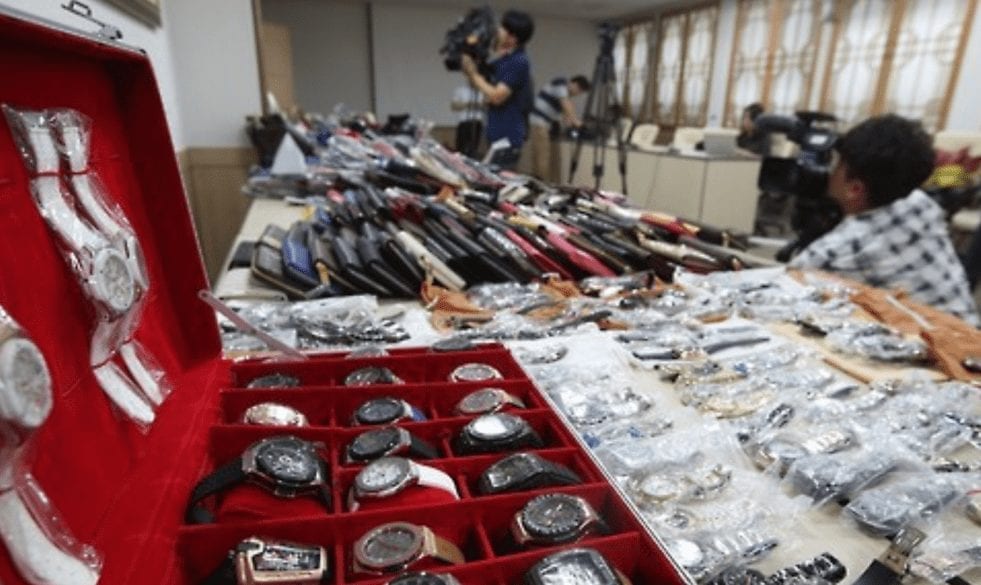
    The Shanghai raid led to the seizure of more than 4000 items of luxury apparel and accessories bearing Louis Vuitton, Kenzo and Loewe labels, among other top brands. Two assembly lines producing the counterfeit items were shut down.

    The raid was in response to a tip-off to the Shanghai Qingpu district public security bureau that fake Louis Vuitton bags were selling on Chinese social media platform, WeChat.

    Estimates held that the ring had sold more than 100,000 fake luxury items at a value of around RMB100 million (US$14.9 million). Each item would have cost around RMB200 ($30) to produce.

    The rise of online markets all over the world has been blamed for a general increase in fake products sold globally. The counterfeit industry is now worth an estimated $590 billion a year, and accounts for around 3.3 per cent of total international trade.

    According to customs officials, the most frequently seized fakes are items of footwear, clothing, leather goods and IT equipment. China is by far the world’s largest source of pirated goods.

  • Crown Equipment expands Shanghai operations

    Crown Equipment expands Shanghai operations

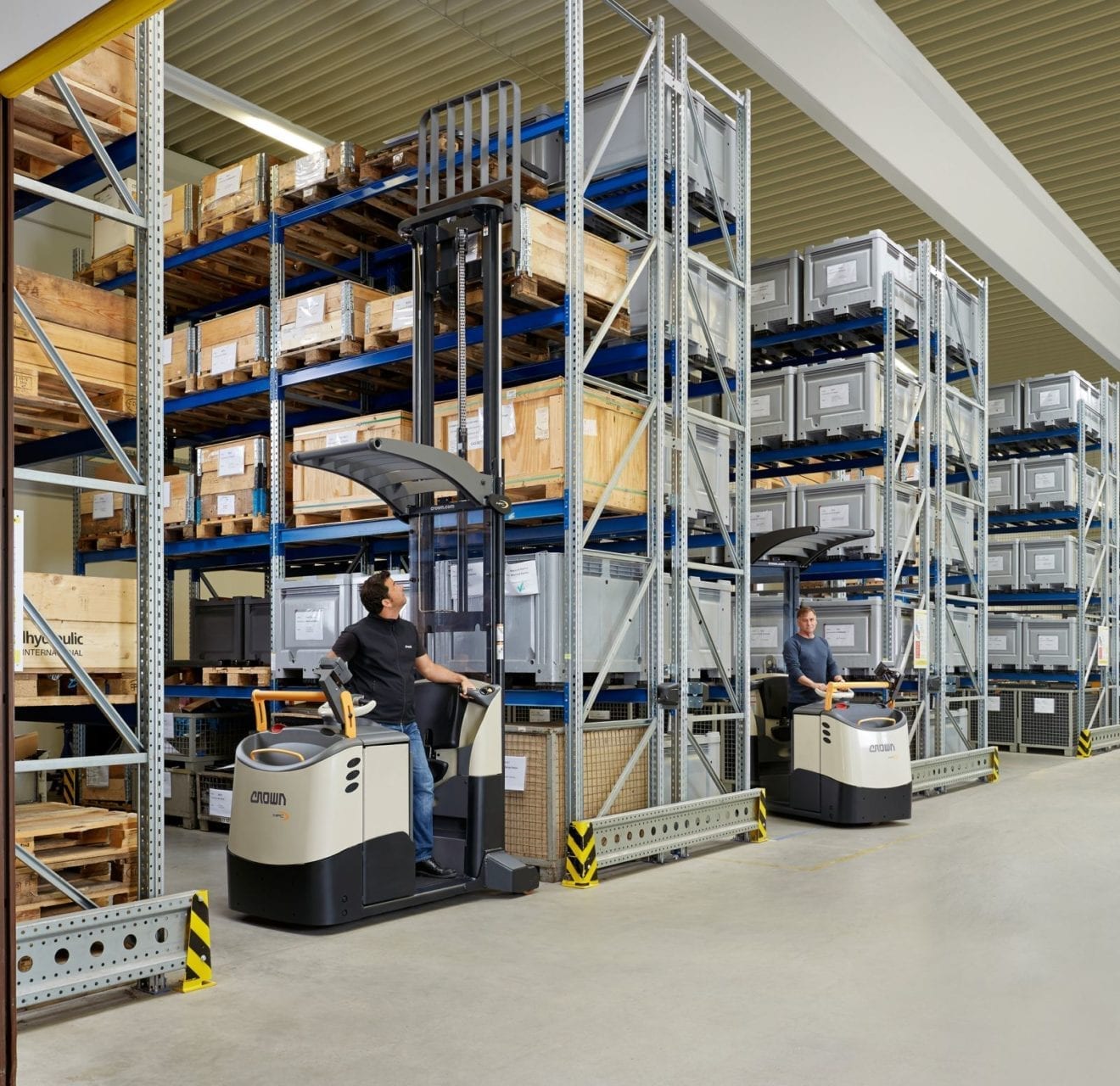
    Crown Equipment Corporation is expanding in Shanghai with a new facility to support growing customer needs in the region. The facility includes space for extensive new equipment inventory, a parts distribution centre, training facility for mainland China, technology demonstration centre as well as local sales, parts and customer service operations for the Shanghai area.

    “The new location is vital to support our customers’ evolving needs in China,” said Tom Kieffer, managing director of commercial operations, Crown Equipment. “Our goal is to become the first choice of our customers, which requires that we have outstanding parts and truck availability to provide excellent customer support. Our new facility provides the expansion needed to achieve this goal.”

    The facility’s technology demonstration centre is designed to help customers make informed purchasing decisions when it comes to advanced material handling equipment and technology needed to increase the productivity of their operations. The centre will showcase the latest forklifts and technology from Crown, including the QuickPick Remote order picking system that uses automated truck navigation technologies to reduce low-level order picking walk steps, and Crown’s InfoLink wireless operator and fleet management system.

    Along with having access to a complete selection of Crown’s award-winning forklifts and Integrity Parts and Service System, customers can take advantage of Crown’s Demonstrated Performance Training programs that offer a comprehensive range of forklift training formats for operators, supervisors, trainers, technicians and pedestrians.

  • Crown delivers XPO Logistics a competitive advantage in Thailand

    Crown delivers XPO Logistics a competitive advantage in Thailand

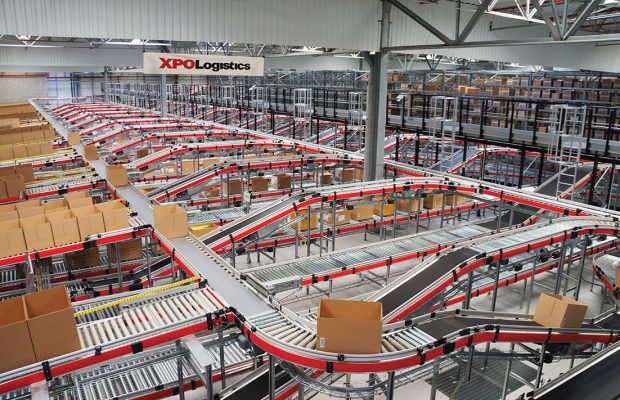
    XPO Logistics is relying on a total product solution from Crown Equipment to manage high work-flow stock movement for a number of prominent global brands at its Thailand operations.

    XPO Logistics, which includes the Bangkok and Rayong branches among its 1,440 global locations, is managing stock on behalf of major brands with the help of a full suite of Crown material handling equipment that includes reach trucks, counterbalance forklifts, power pallet trucks, Wave work assist vehicles and walkie stackers.

    Crown has been supplying XPO Logistics with equipment since 2010 and the company is running a total of 20 lift trucks at its busy Bangkok and Rayong locations.