Tag: esports

  • Brands Step up Fandom Marketing as Gaming and BookTok Spur Billions in Retail Sales

    Brands Step up Fandom Marketing as Gaming and BookTok Spur Billions in Retail Sales

    Non-endemic consumer brands now account for 60 per cent of esports partnerships worldwide as corporate marketers redirect budgets toward gaming and social media subcultures across Asia and the West. Research conducted by Amazon Ads and Twitch Ads across 12 countries, including Japan and South Korea, found that 70 per cent of fans view these communities as part of daily life.

    The shift comes as consumer spending linked to online interest groups expands beyond traditional merchandise. In the gaming sector, a 2025 global study of more than 24,000 active players across 21 markets, including China, India, Japan and South Korea, established that the average player is 41 years old. The demographic splits evenly at 51 per cent male and 48 per cent female, dismantling long-held media assumptions about youth-only audiences.

    Brands outside the technology sector are buying into this scale. McDonald’s integrated Pokemon Trading Card Game products into Happy Meals, Lacoste launched a physical and digital line with Minecraft, and Elf Cosmetics constructed an interactive world inside Roblox. McKinsey research confirms that non-gaming companies now drive six in ten competitive gaming sponsorships.

    Publishing and Travel Ride Social Momentum

    A parallel surge is lifting physical book sales and related hospitality services. Analysis from NielsenIQ BookData and Media Control recorded more than 50 million book purchases across European retail markets in 2025 linked to TikTok’s #BookTok community, generating 800 million euros in revenue. In the United States, research group Circana tracked a 20 per cent annual rise in BookTok-driven book sales during 2024 to approximately 60 million units.

    The literary trend has bled directly into tourism and apparel. Travel platform Skyscanner reported that global hotel bookings using its library filter rose 70 per cent year-on-year in 2026. In late 2025, American leathergoods label Coach partnered with Reese Witherspoon’s Sunnie Reads club to operate reading pop-ups and sell book charms co-developed with Penguin Random House.

    Authenticity Determines Campaign Returns

    For retailers across the Asia-Pacific region, commercial tie-ins to niche communities offer far higher conversion rates than general broadcast advertising. While mainstream digital ad placements suffer from rising ad-fatigue, Amazon’s data shows 61 per cent of dedicated fans actively welcome brand-sponsored content. Another 64 per cent rely on digital platforms to source and purchase interest-specific products.

    Execution remains delicate. The Amazon study revealed that 54 per cent of respondents immediately detect insincere corporate messaging within their spaces. Marketers now track whether beauty and apparel brands can scale influencer partnerships among Asian creators before community engagement metrics normalize across major video platforms later this year.
  • 4 in 5 APAC operators plan to deliver 5G for sport events

    4 in 5 APAC operators plan to deliver 5G for sport events

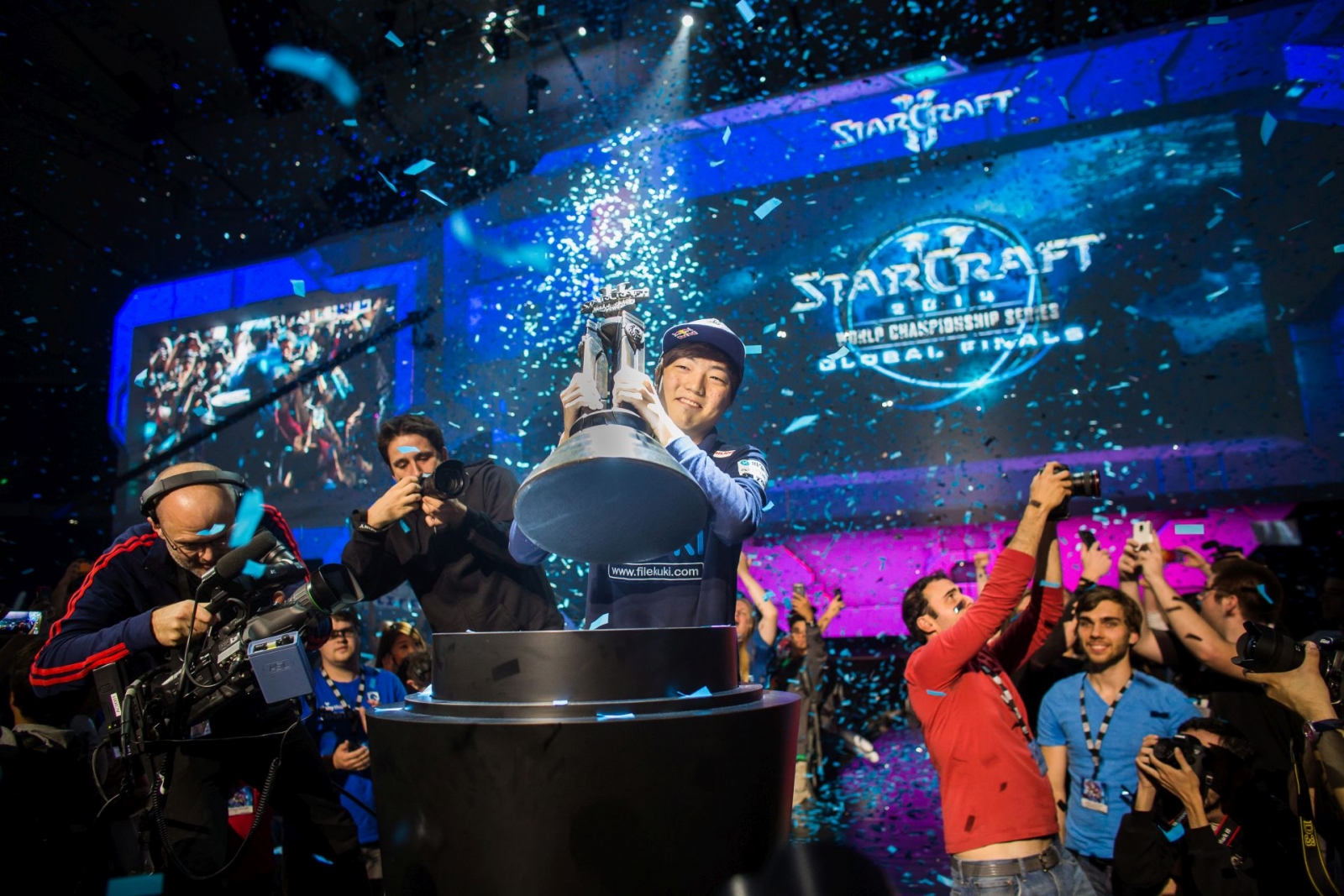
    More than four in five (81%) operators in Asia-Pacific plan to deliver 5G services to major live sports and esports event organizers, according to research conducted by Ovum for Amdocs.

    The research found that operators in the region view sports events such as the Tokyo 2020 Olympic Games as an opportunity to create new enterprise services grounded in 5G communications.

    As well as 5G, 81% of APAC operators plan on offering IoT-related technology and services to stadium owners and tournament organizers to create efficiencies in stadium management, and 56% plan to offer services that will improve fan experiences, such as introducing the ability to order food and beverages over mobile devices.

    Operators anticipate new commercial opportunities from supporting major sporting events with 5G. Around 44% of operators in the region believe 5G will drive growth in terms of ARPU and 32% believe it will boost their enterprise business.

    Meanwhile 50% of Asia-Pacific operators believe that 5G will drive growth in sports TV subscribers, and 43% believe it will drive mainstream adoption of virtual reality services.

    To capitalize on these opportunities, 81% of operators plan on creating new partnerships with broadcasters and OTT service providers.

    The same proportion are planning to create new partnerships with device manufacturers, 64% are seeking direct partnerships with sports venues, and 56% want partnerships with social media and video game companies.

    But operators are also anticipating network related challenges regarding new 5G services for sports and esports. When asked about the biggest expected challenges, 69% cited issues with delivering the required levels of capacity and connectivity to support live HD video, and 56% cited indoor coverage to stadiums.

    “Operators see both short-term benefits in supporting sports with 5G, including growth in ARPU and their media business line, as well as longer-term benefits, such as enhanced brand appeal among younger demographics,” Amdocs CMO Gary Miles said.

    “Furthermore, working with new types of partners on 5G and sports will give operators a vital role in a new digital business ecosystem. Out of a multitude of potential 5G use cases, our research shows that sports and esports is certainly among the most compelling.”

  • Globe opens its first Esports Center

    Globe opens its first Esports Center

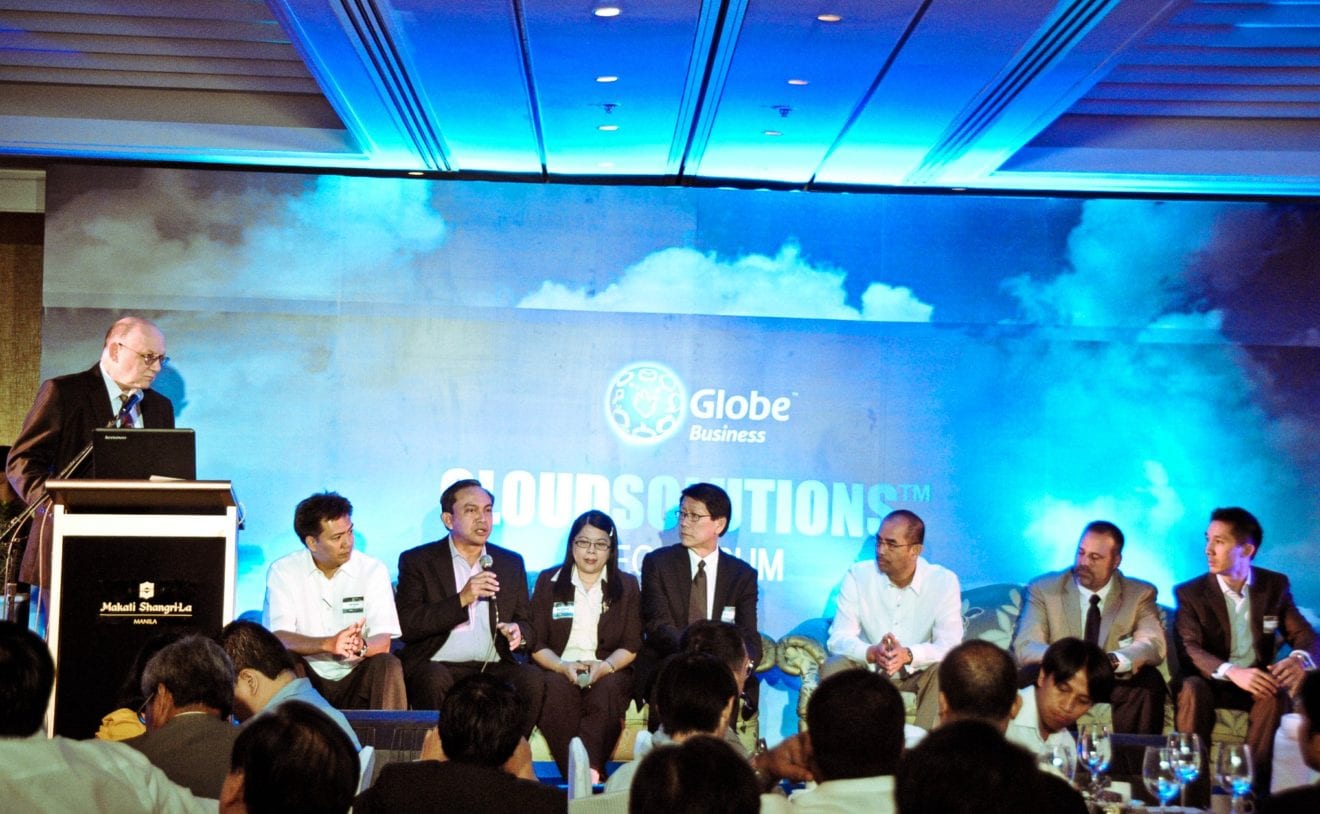
    The Philippines’ Globe Telecom has announced the launch of its first Esports Center, aimed at supporting various local esports communities.

    The Esports Center at Play Nation in the UP Town Center in Quezon City will offer various initiatives including esports competitions, as well as support helping gamers create live streaming content and interact with other members of different esports communities.

    Globe SVP and head of content business group Nikko Acosta said the facility will help Globe’s Games and Esports division achieve one of its key goals of strengthening support for esports in the Philippines in cooperation with various fan communities.

    “We want to bring together different communities of popular games like Arena of Valor, Rules of Survival, League of Legends, and Tekken – among others – in one venue to upgrade their knowledge and gauge their skill levels with others through peer learning of new strategies and techniques,” he said.

    “We are positioning esports as a real sport, to make a gamer into a real athlete harnessing both physical and mental attributes by playing it right,” Acosta added, mentioning the company’s #PlayItRight advocacy campaign, which seeks to emphasize the importance of discipline, nutrition, physical wellness, and cognitive development in esports.

  • NBA to Focus on Market Growth in Southeast and Asia-Pacific Regions

    NBA to Focus on Market Growth in Southeast and Asia-Pacific Regions

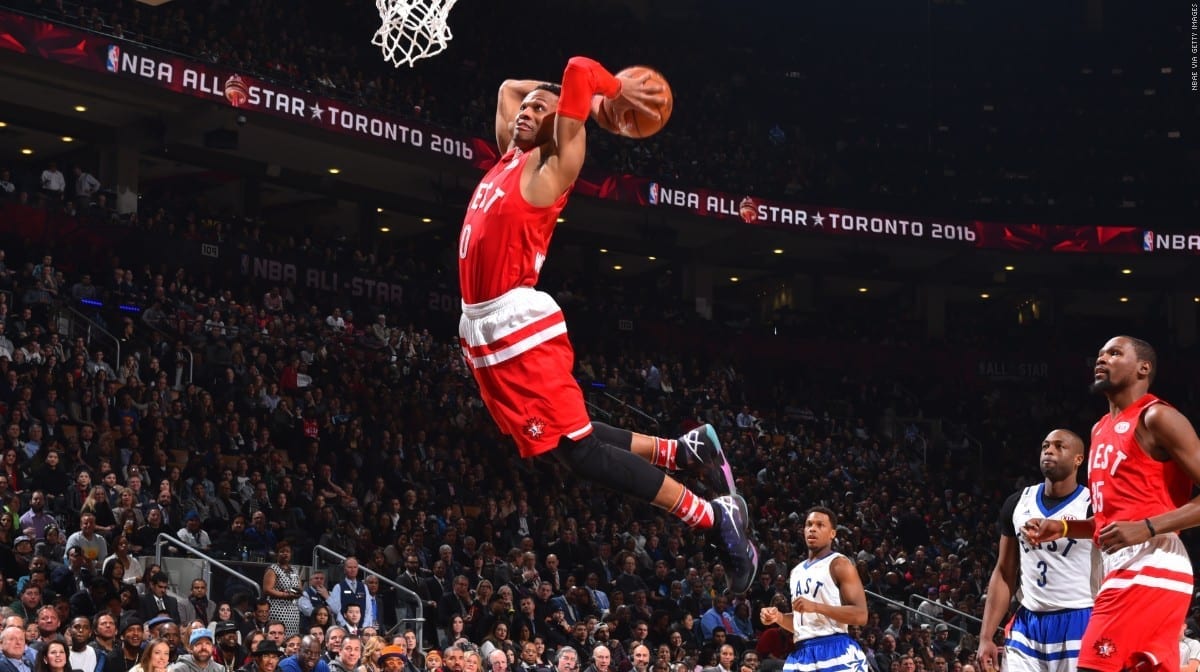
    NBA basketball is undoubtedly one of the most popular sporting leagues in the world, with fans everywhere. The league’s second-biggest market after the U.S. surprisingly isn’t Canada or even anywhere in Europe. It is, in fact, China. The NBA’s social media following in China is in the hundreds of millions, with large companies like Tencent distributing over 600 NBA games each year on its proprietary digital platforms. As of last year, the market for NBA China was worth a staggering $4 billion. Now, the average NBA team is worth triple what it was only five years ago, and this is primarily due to the league’s smart moves in international expansion over the past few years.

    Caption: Basketball’s popularity has expanded worldwide, and the NBA has made smart moves to capitalize on this interest.

    In recognizing how popular the game is and lucrative the international market can be, NBA bosses now look to expand viewership further afield, focusing their growth efforts specifically on the Southeast and Asia-Pacific regions. In an interview with CNBC, NBA Deputy Commissioner Mark Tatum pointed to the Philippines, Indonesia, Thailand and Japan as the next big markets for the NBA to penetrate. Tatum reported that currently, “we have got greater distribution in this region than we ever had before.” He also claimed that of the 1.5 billion NBA social media followers, “half of that traffic comes from outside the United States, and a large portion of that comes from Asia.” In the Philippines, for example, the game already enjoys large popularity, with a reported 75 percent of homes having watched an NBA game in this season alone. The league has also opened stores across the country with the aim of generating merchandising revenue and catering to existing interest in the game.

    In their efforts to further growth and viewership across Asia, they now have an exclusive distribution deal worth $225 million with Rakuten in Japan and have over 25 different media partners to distribute games throughout the Southeast and Asia-Pacific regions. That means everyone can watch, enjoy and debate the odds of their favorite teams winning games.

    Youth Engagement Programs


    Caption: The NBA seeks to increase youth engagement in basketball all over the world.

    A key part of this market growth is to get people playing basketball, specifically by developing international youth engagement in the sport. The NBA has developed a strong outreach program called Jr. NBA, which seeks to get kids playing basketball. In the CNBC interview, Tatum said the program had already reached over five million kids and had the ambitious goal of reaching another 15 million by the end of next year. Also, in 2016, they opened NBA academies aimed at training international youth talent. As it stands, they now have academies in China, Australia, Senegal, Mexico and Australia. Not surprisingly, China is the only one of these countries to have more than one academy, with the league introducing trials of the program and opening its first three academies in Shandon, Xinjiang and Zhejiang. These outreach programs are no doubt effective as China reportedly has over 300 million people playing basketball on a regular basis.

    Player Development

    International expansion is no doubt a lucrative business for the NBA. However, along with the Jr. NBA program, it also has the benefit of being a strong source of player development. As the game gets more popular, and more people grow up playing and developing their skills at basketball, the league ensures it will not be short of top talent and recruitment options in the future. Currently, the league enjoys its largest-ever international player-ship, with a record 62 international players competing professionally, hailing from 33 countries.

    The expansion in Asia also has a remarkable effect on the values of domestic teams, with a record 15 league teams out of the total 30 hosting pregame Chinese New Year celebrations this year. Houston, the former club of Chinese basketball legend Yao Ming, as well as the Golden State Warriors went a step further in their outreach to Chinese fans by wearing new uniforms inspired by Chinese culture and decorated with Chinese symbols.


    Caption: Chinese basketball legend Yao Ming.

    The expansive efforts taken by the NBA in international outreach programs, and increasing international viewership, are lucrative business moves for the league. However, they also have the benefit of increasing youth interest and engagement in the rigorous sporting activity, keeping our youth healthier and more active. In addition, if the expansion efforts can help talented young players follow their dreams to some-day play professionally in the biggest basketball league in the world, then it’s all good news.


  • Singtel, affiliates sign eSports alliance

    Singtel, affiliates sign eSports alliance

    Singtel and four of its regional mobile associates have entered a collaboration agreement aimed at stimulating the gaming and eSports ecosystem in Southeast Asia, Australia and India.

    Singtel and wholly-owned Australian subsidiary Optus have signed agreements with India’s Bharti Airtel, Thailand’s AIS, the Philippines’ Globe Telecom and Indonesia’s Telkomsel covering areas including scaling up eSports, content creation and distribution.

    Singtel, Optus, Airtel, AIS, Globe and Telkomsel plan to jointly develop solutions and services for gamers and fans across the region, including providing access to local, regional and global eSports competitions, original content and exclusive programming.

    The agreement was signed at the Singtel Group’s first multi-title and regional eSports league championship – the PVP Esports Championship – over the weekend.

    The Singtel Group has announced plans to leverage its telco assets and regional mobile customer base of more than 700 million to pursue opportunities to encourage eSports development.

    Singtel also used the championship event to unveil its new ultra-fast fiber broadband service  for Singapore gamers, which includes 1Gbps of dedicated gaming bandwidth and another 1Gbps for general internet usage.

    “Gaming is part of a digital world without borders, where fast network speeds, connectivity and local market knowledge are critical. It is a natural and perfect fit for Singtel and our partners,” Singtel International CEO Arthur Lang said.

    “We are committed to working as a group to better serve the gamers in our networks, and in the region. We hope to play a major regional role as an enabler of eSports, to collectively grow the gaming ecosystem, and give gamers the support and recognition they deserve.”

  • AS WATSON unveils new foodservice-focused concept store in China

    AS WATSON unveils new foodservice-focused concept store in China

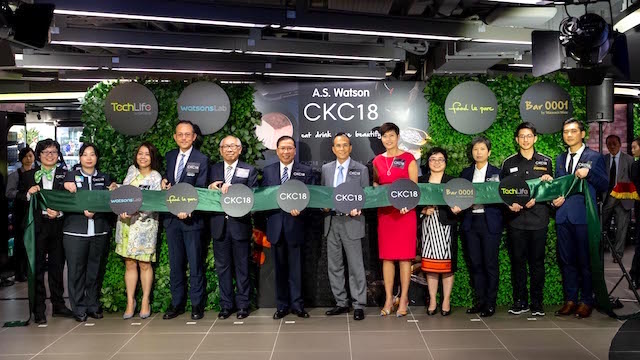
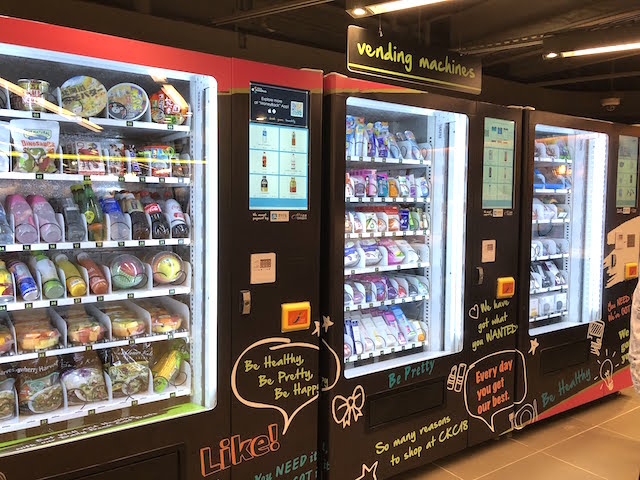
    Located on B2 of the Cheung Kong Center, the store, called CKC18, groups together four AS Watson retail brands in a way which makes each store appear independent, but connected.

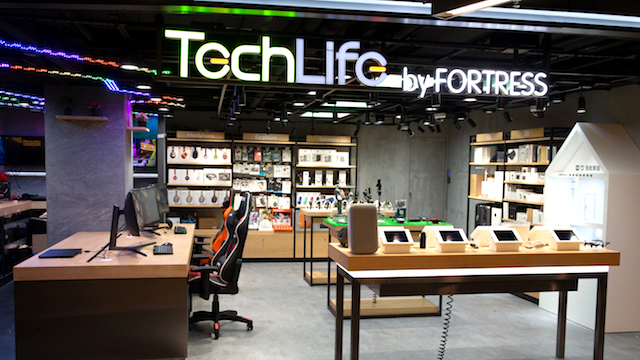
    The 26,000sqft CKC18 is home to international food emporium Food Le Parc, health and beauty outlet WatsonsLab, a TechLife by Fortress and Bar 0001 by Watson’s Wine.

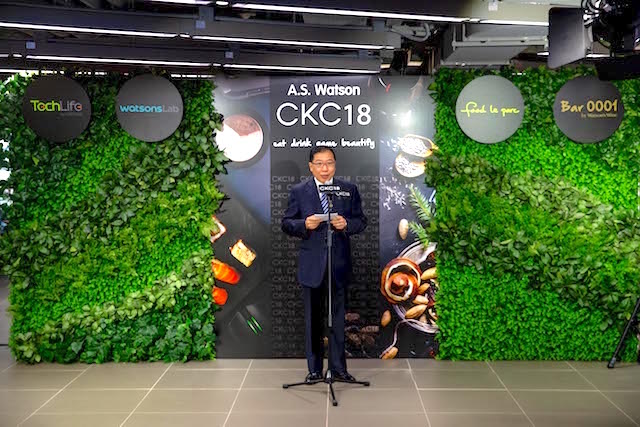
    CK Hutchison Holdings chairman and group MD Victor Li and AS Watson Group MD Dominic Lai led the management team at a grand opening event last week.

    “As one of the landmarks in Hong Kong, Cheung Kong Center is located at the heart of the business district in Central with top notch financial institutions,” said Lai. “The grand opening of CKC18 indicates that Cheung Kong Center will soon become a hotspot for dining, shopping, entertaining and self-pampering.”

    TechLife by Fortress

    The electronics store brings together what AS Watson describes as “the trendiest and most innovative lifestyle gadgets”, eSports products and exclusive products from Xiaomi. There is also a GameZ area that allows customers to try on the international renowned eSports gear.

    Food Le Parc

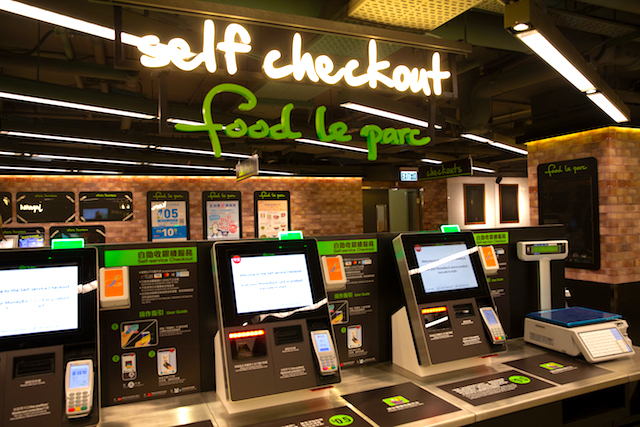
    Food Le Parc – which translates to food park in English, offers 8500 choices of food from around the world, of which 1600 products are exclusive to CKC18.

    WatsonsLab

    A specialised Watsons boutique, WatsonsLab includes a ‘beauty bar’ that carries leading global cosmetics brands. A ‘Style Me’ app available in-store leverages Augmented Reality technology to offer virtual make-up services, offering more than 100 mix-and-match looks.

    Bar 0001

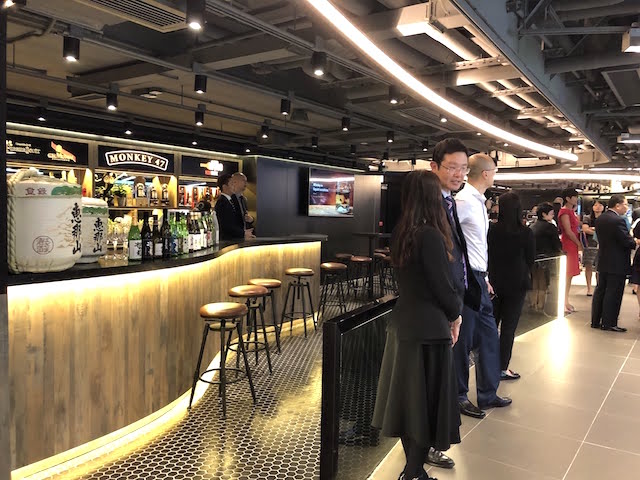
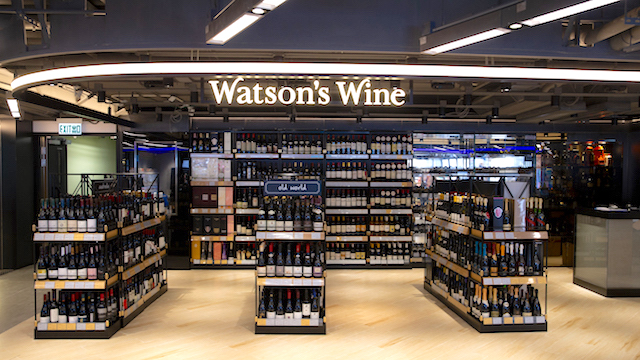
    Watson’s Wine and its in-shop Bar 0001 offers almost 100 wines, sakes and spirits sourced from around the world by the glass and more than 700 wines to take away.


    New technologies

    Lai says the team which created CKC18 wanted the store to demonstrate AS Watson’s determination to speed up digital transformation.

    The Scan & Go function in the app MoneyBack allows customers of Food Le Parc to simply take the products, scan the barcodes with their phones and pay at self-checkout counters. And at WatsonsLab, the Style Me tablet equipped with AR technology instantly and virtually shows customers how they look like when applying different makeup products.

    “We are glad to introduce the latest retail technologies to optimise shopping experience in a convenient and innovative approach. CKC18 applies technologies intensively. Besides the use of Alipay and other mobile payments, unmanned checkout counters are also available at WatsonsLab.

    Customers can simply checkout by placing their shopping baskets on checkout counters that automatically scan and tally up the total, and electronic payments are supported.

    “In addition, customers can use the TasteToGo function in MoneyBack app to reserve their meals in advance at Food Le Parc, minimising their waiting time during rush hours.”

    The store will also host events such as cooking exhibitions, gaming shows by eSports players, sake tasting and personalised make-up designs.

    AS Watson Group is the world’s largest international health and beauty retailer, currently opening a new retail store somewhere in the world on average every seven hours. That equates to 1300 this year, including more in Hong Kong.

  • AirAsia Potentially Planning Launch of Esports Team, League, and Center

    AirAsia Potentially Planning Launch of Esports Team, League, and Center

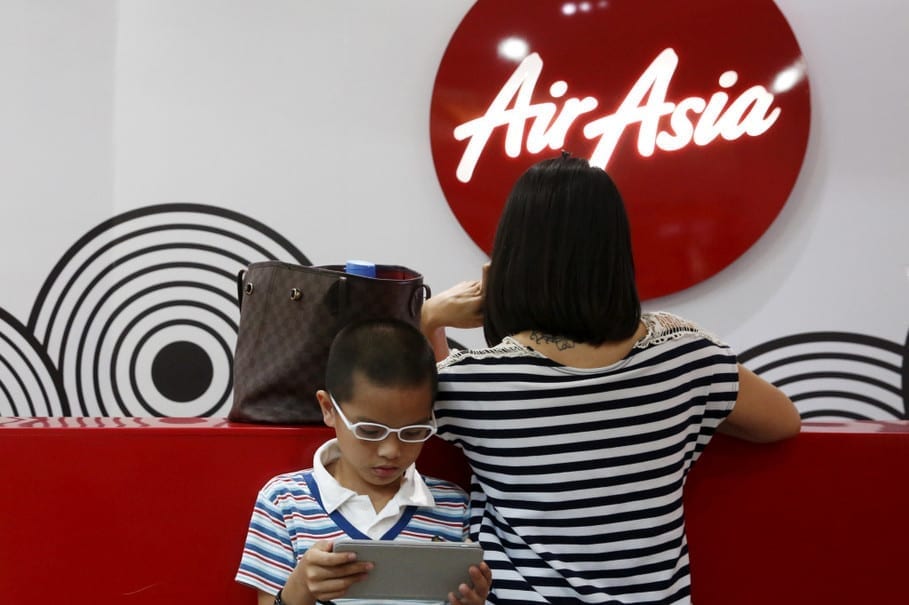
    Malaysian low-cost airline, AirAsia, is looking to take its esports activities to new heights. In an Instagram post, Kamarudin Meranun—chairman of AirAsia and CEO of its parent company, Tune Group—says the company will develop its own team, league, and esports centre.

    With no formal announcement made by the airline yet, it’s not clear whether the company is launching own competition series, or simply become a named sponsor for an existing event.

    AirAsia CEO Tony Fernandes acquired a majority stake in Mobile Legends esports organization Team Saiyan, earlier this year. The squad was subsequently rebranded, but this announcement suggests the airline could even be building its own esports team subsidiary.

    The Esports Observer reached out to AirAsia, who declined to provide more details at this point in time.

    The airline is also a sponsor of Mineski’s Dota 2  team, and runs an esports program for its employees: the AirAsia Allstars Esports Club. Tony Fernandes, who is also a majority shareholder of the Queens Park Rangers soccer club, has also previously hinted at a potential partnership with Singapore-gaming brand Razer