Tag: Estate

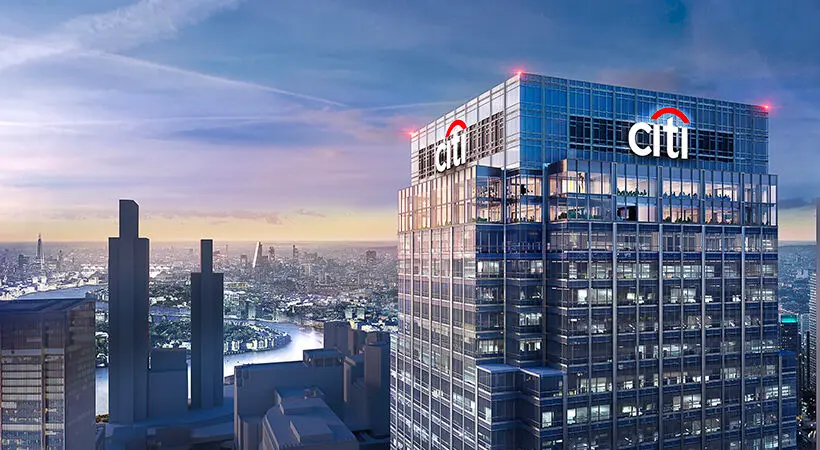
  • Citi Boosts ASEAN Real Estate Team with Ex-UBS Investment Banking Leader, Indran Thana

    Citi Boosts ASEAN Real Estate Team with Ex-UBS Investment Banking Leader, Indran Thana

    Indran Thana, an experienced investment banker, is set to join Citi as the managing director and head of real estate for the Association of Southeast Asian Nations (ASEAN) segment. The appointment, effective from June 2026, will see Thana, a former UBS employee, operating from Singapore.

    In his new role, Thana will report to Matthew Nimtz, the head of ASEAN investment banking, as well as Ben Connolly, the Asia head of real estate investment banking and co-head of capital markets and advisory for Australia and New Zealand.

    During his tenure at UBS, Thana held the position of managing director and head of real estate, lodging & leisure for Asia. His professional experience also includes stints at DBS, Maybank, and Amanah Capital.

    In an internal memo, Citi lauded Thana for his “deep client relationships, proven track record, and comprehensive expertise across traditional and emerging real estate sectors.” The corporation expressed confidence that his skills and experience will allow them to increase their market share and strengthen partnerships with critical institutional and corporate clients throughout Southeast Asia.

    Questions & Answers

    Who is Indran Thana?
    Indran Thana is an experienced investment banker who has previously worked for UBS, DBS, and Maybank, among others. In June 2026, he will join Citi as the managing director and head of their ASEAN real estate business.

    What will be Thana’s role at Citi?
    As the managing director and ASEAN head of real estate for Citi, Thana will be expected to use his extensive expertise in the real estate sector to increase Citi’s market share and strengthen existing partnerships with key clients across Southeast Asia.

    What previous positions has Thana held?
    Thana has held several high-ranking positions in financial industries. Notably, he was previously the managing director and head of real estate, lodging & leisure for Asia at UBS.

  • Ho Chi Minh City Set to Welcome 6,000 New Prime Apartments This Year

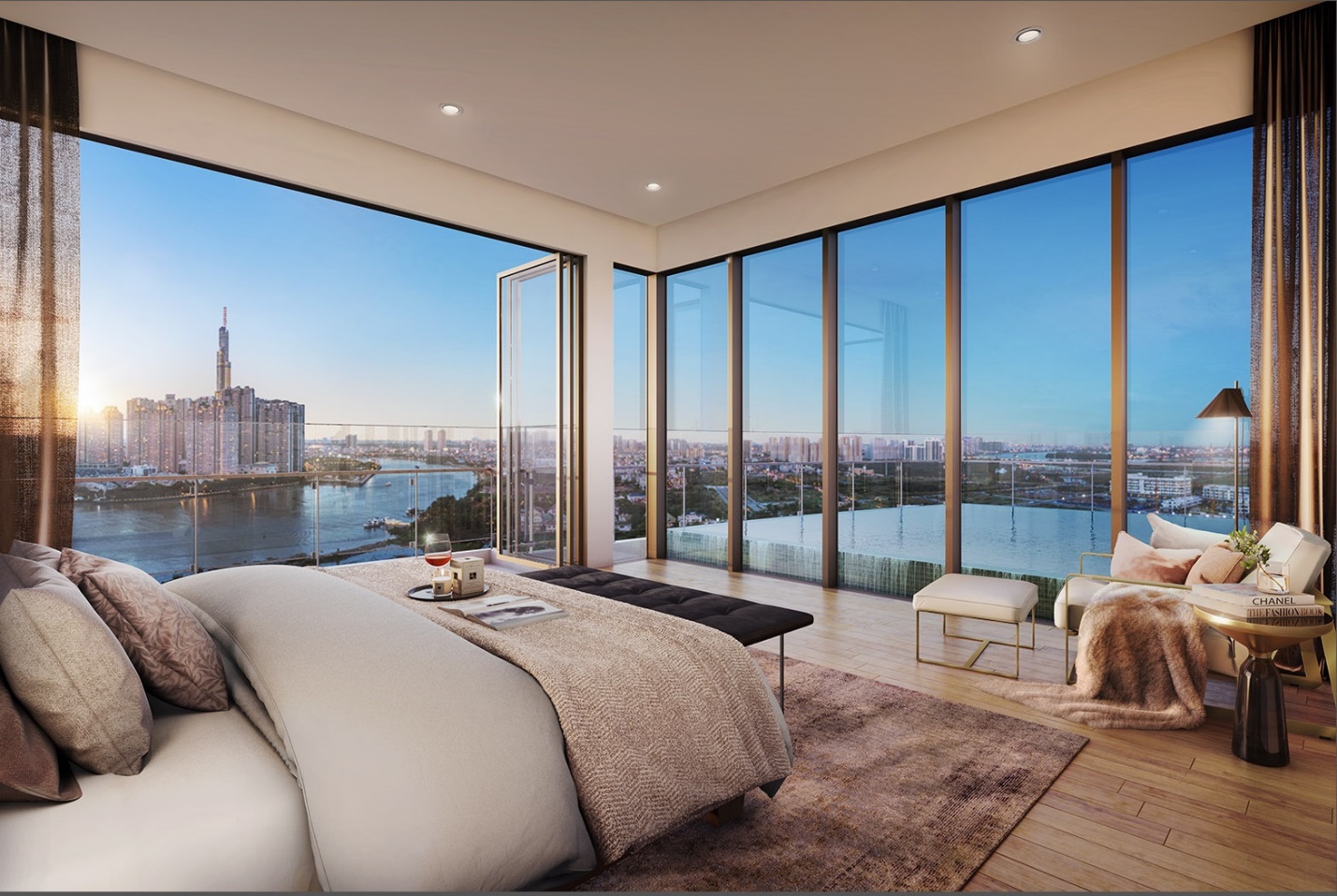
    Ho Chi Minh City Set to Welcome 6,000 New Prime Apartments This Year

    In a dynamic shift for Ho Chi Minh City’s real estate sector, JLL projects the introduction of an impressive 5,500 to 6,000 high-end apartments and around 1,300 RBL (residential building lot) units by 2025. This surge is anticipated following significant infrastructure completions and the city’s proactive measures to address legal bottlenecks affecting 22 pivotal projects.

    Breaking Ground: HCMC’s Push for Affordable Housing

    Despite being primarily characterized by high-end residential offerings, the report hints that more affordable housing projects are on the horizon, particularly in the outer districts of the city. JLL notes that attractive sales strategies are likely to propel buyer interest, a welcome development for those longing for more budget-friendly options.

    Market Insights: Trends in the High-End Segment

    During the first quarter of 2025, Ho Chi Minh City saw a mere 118 transactions in the high-end apartment market. The excitement, however, is palpable with soft launches from reputable developers such as Eaton Park and Lancaster Legacy anticipated to attract eager buyers.

    In the RBL sector, just 29 transactions were logged, yet Phase 2 of L’Arcade shone brightly with all units sold. The limited primary inventory remains a hurdle, presenting high unit values that pose access challenges for many potential buyers.

    Supply Dynamics: The Search for Balance

    The supply of high-end apartments showcased limited growth in Q1 2025, introducing only 82 new launches, including Kieu by Kita in the CBD fringe. Activity remains vibrant ahead of several large-scale project launches in Q2, with developers collaborating with distribution agents to maximize reach for upcoming ventures such as The Global City’s Sola by Masterise Homes and Keppel’s FORESTA by Khang Dien.

    Price Momentum: Reflecting Investor Confidence

    Price trends are also noteworthy, with the primary cost for high-end apartments increasing by 2.0% quarter-on-quarter to USD 5,104 per square meter. This uptick is bolstered by the handover of 630 units from the ultra-luxury Grand Marina, which saw completed-home prices jump by 5.7% quarter-on-quarter, now standing at USD 3,866 per square meter. Even in the landed property market, primary prices climbed 1.4% quarter-on-quarter and 6.6% year-on-year, illustrating sustained investor confidence.

    Questions & Answers

    What type of housing projects are expected to emerge in Ho Chi Minh City by 2025?
    JLL anticipates a mix of high-end apartments and an important influx of more affordable housing options, especially in the outer districts, to cater to diverse buyer needs.

    How did the high-end apartment market perform in Q1 2025?
    The market recorded only 118 successful transactions, though interest remains healthy with exciting upcoming launches like Eaton Park and Lancaster Legacy drawing attention.

    What factors are driving price increases in Ho Chi Minh City’s real estate market?
    The price growth is largely attributed to the completion of high-end projects like Grand Marina, driving up overall completed-home prices and reflecting strong investor confidence in both high-end and landed property segments.

  • Singapore’s Private Home Price Growth Cools in Q2: What It Means for Buyers and Sellers

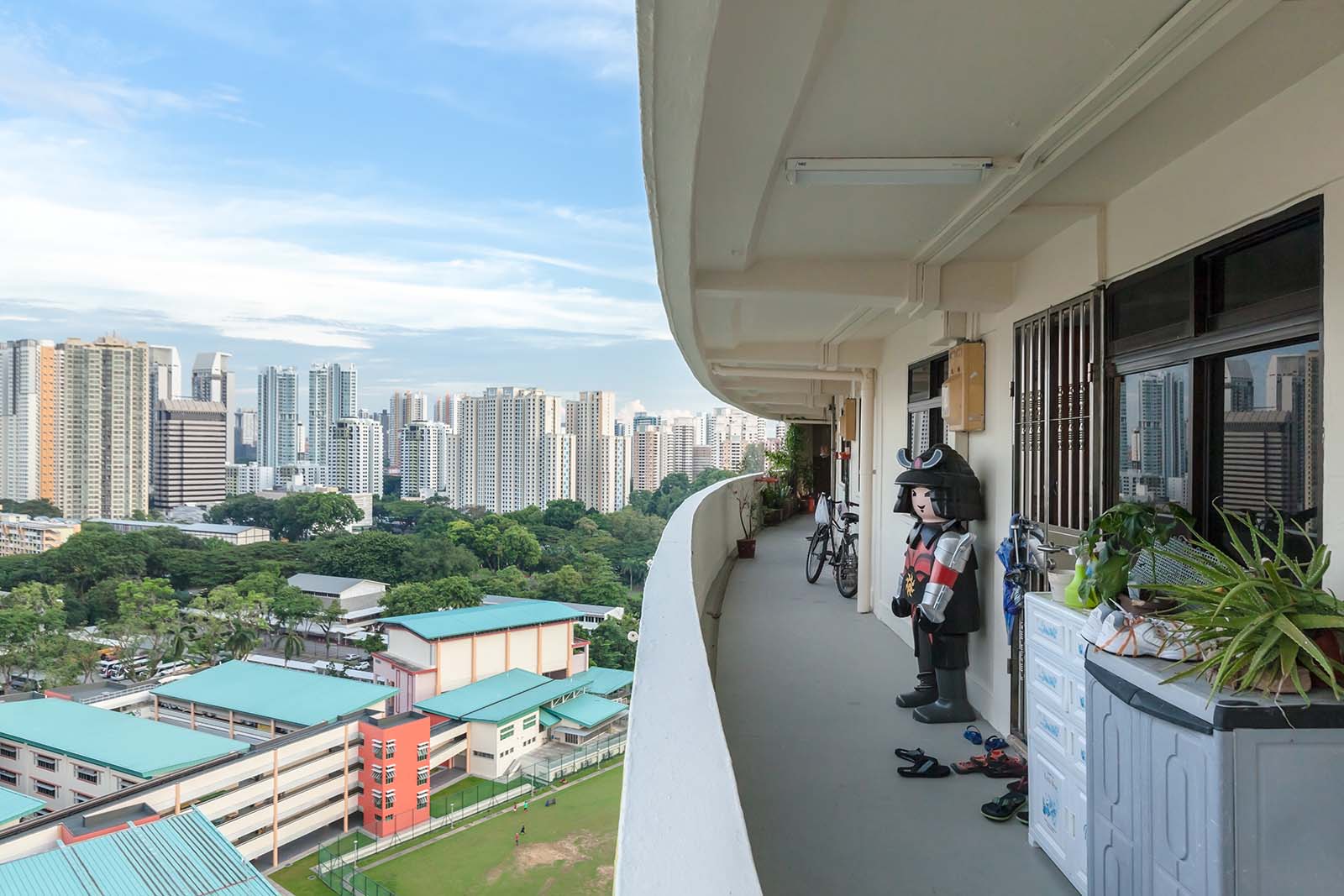
    Singapore’s Private Home Price Growth Cools in Q2: What It Means for Buyers and Sellers

    In a gradual shift, private home prices in Singapore edged up by a modest 0.5% during the second quarter of 2025, marking a slowdown from the more robust 0.8% growth seen in the previous quarter. According to the Urban Redevelopment Authority (URA) and the Housing and Development Board (HDB), this slower pace reflects a more sustainable trend in the housing market.

    Market Dynamics: Weaker Sales and Cooling Measures

    A recent report by PropNex highlights the impact of weaker sales and a limited number of new launches on private residential property prices, while also noting that the robust supply of new flats and various cooling measures have put pressure on the prices of HDB resale flats. Notably, in Q2 2025, a flat in Queenstown achieved a record-high resale price, contributing to a new quarterly peak for properties sold at over $1 million.

    Landed Homes Lead the Charge

    The growth in home prices was predominantly fueled by the landed private homes segment, where prices increased by 0.7% quarter-over-quarter. Despite this rise, transactions in this segment saw a significant dip of about 17.5%, with only 410 units sold during Q2. Interestingly, the average unit price per land area jumped by 1.2%, thanks largely to the semi-detached and terrace house markets—but who would have thought a slice of land could fetch such a premium?

    Non-Landed Homes and Regional Performance

    For non-landed private homes, prices rose by 0.5% quarter-over-quarter, showing a clear deceleration from the 1.0% growth in the first quarter. The Rest of Central Region (RCR) witnessed its first price decline in six quarters, with a notable drop of 1.1%. Meanwhile, the Core Central Region (CCR) and Outside Central Region (OCR) defied the trend, seeing respective price increases of 2.3% and 0.9% in the same period.

    New Launches: A Mixed Bag

    New launches during this quarter were predominantly centered in the RCR, with projects such as One Marina Gardens and Bloomsbury Residences hitting the market. One Marina Gardens stood out, selling 462 units at an average price of approximately $2,951 per square foot, while Bloomsbury Residences moved 151 units at about $2,477 per square foot.

    On Track for Growth

    PropNex estimates that developers sold at least 1,153 new units (excluding executive condos) in Q2 2025, bringing the total for the first half of the year to an impressive 4,528 units—a significant increase from the 1,889 transactions in the same period last year. As we look to the upcoming quarter, the expectation is clear: new private home sales are likely to gain momentum with a robust assortment of launches on the horizon. Meanwhile, the resale market reflects a strong activity level, with 2,949 transactions recorded in Q2, slightly surpassing the 1H 2024 figures.

    Questions & Answers

    What is the current trend in Singapore’s property market?
    Private home prices are experiencing a modest increase of 0.5% in Q2 2025, indicating a shift towards more sustainable growth.

    How have recent cooling measures affected resale flat prices?
    The introduction of cooling measures and an ample supply of new flats have exerted downward pressure on HDB resale flat prices.

    What impact did new launches have on private home sales this quarter?
    New launches significantly boosted private home sales, with developers recording 1,153 new units sold in Q2 2025, highlighting a compelling demand in the market.

  • Tokyo’s Average Asking Rents Experience a 0.5% Decline: What It Means for Renters and Landlords

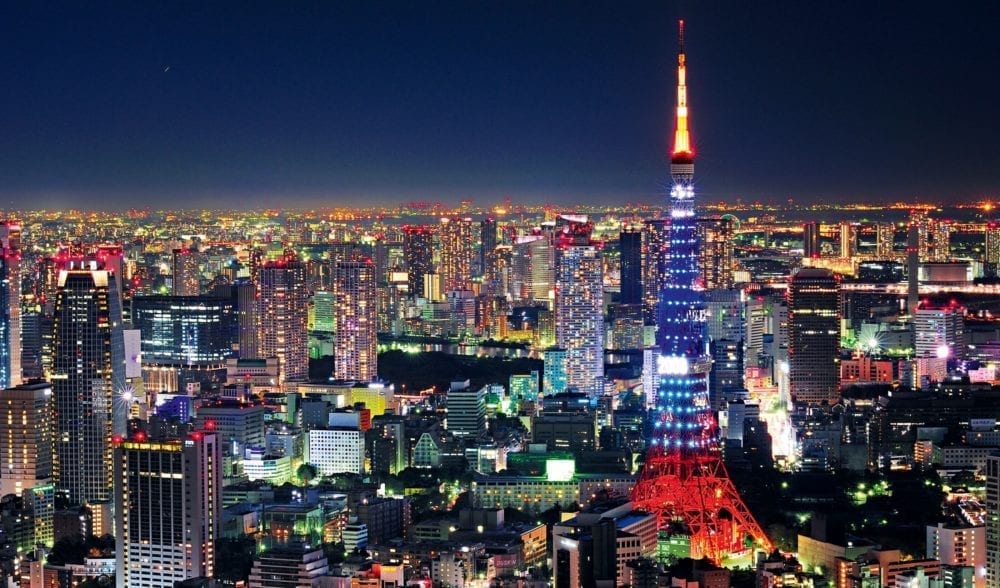
    Tokyo’s Average Asking Rents Experience a 0.5% Decline: What It Means for Renters and Landlords

    The latest findings from Savills, based on a semi-annual survey by the Japan Real Estate Institute (JREI) and BAC Urban Projects, paint a promising picture for retail in Tokyo. Average asking rents for first-floor (1F) units have increased by 3.0% quarter-on-quarter, despite a slight decline of 0.5% year-on-year. Meanwhile, non-1F units have seen a more significant rise, with rents up 4.3% on a quarterly basis and 2.8% on an annual one. This overall performance highlights the resilience of Tokyo’s prime retail markets, fueled by robust growth in inbound tourism, which has tightened the availability of sought-after retail spaces in tourist-heavy areas.

    A Surge in Sales Fueled by Tourists

    The Japan Department Stores Association recently reported staggering figures for 2024, indicating that nationwide department store sales soared to JPY5.8 trillion—an increase of 6.8% year-on-year. Duty-free sales also experienced a remarkable upswing, climbing 85.9% year-on-year to a hefty JPY648.7 billion, largely driven by tourists splurging on luxury goods. As Japan continues to solidify its status as a favored travel destination, the number of inbound visitors reached nearly 37 million in 2024, with projections suggesting this will exceed 40 million in 2025. Talk about a shopping spree!

    Tourist Spending Hits New Heights

    Expenditure per inbound tourist has been on the rise as well, reaching an impressive JPY227,000 per traveler in 2024—a staggering 43% increase compared to pre-pandemic levels in 2019. The total spending by foreign tourists hit a remarkable JPY8.1 trillion, reflecting a 53% growth over 2023, albeit still hovering around just 1.5% of Japan’s GDP, according to the Japan Tourism Agency (JTA).

    A Notable Return of Chinese Tourists

    The numbers indicate a promising trend for the industry, with inbound tourists already surpassing 10 million in the first quarter of 2025—up about 23% from the same period in 2024. The resurgence of Chinese visitors is particularly striking, with 2.4 million arrivals recorded in Q1/2025, marking a 78% increase year-on-year. This rebound can be partly attributed to the recently relaxed visa application process for Chinese nationals, opening the floodgates for eager shoppers.

    Expo 2025 to Amplify Tourist Interest

    The successful launch of the Expo 2025 in Osaka is set to draw an estimated 28 million attendees, further bolstering inbound tourism. Meanwhile, domestic spending remains robust, buoyed by ongoing strong wage growth, creating a favorable environment for retail. As shoppers eye both domestic and luxury items, the future of Japan’s retail market promises to sparkle with potential.

    Questions & Answers

    What factors are contributing to the growth of rental prices for retail spaces in Tokyo?
    The increase in rental prices is primarily driven by strong inbound tourism, which boosts demand for retail spaces in prime locations, as well as a sense of scarcity in high-traffic areas.

    How has spending by inbound tourists changed in recent years?
    Inbound tourist expenditure has skyrocketed, reaching nearly JPY227,000 per traveler in 2024, marking a 43% increase compared to 2019, with total spending reaching JPY8.1 trillion, a 53% rise from 2023.

    What impact is Expo 2025 expected to have on Japan’s retail market?
    Expo 2025 in Osaka is projected to attract 28 million attendees, further enhancing inbound tourism and, consequently, retail spending, creating a positive outlook for the market.

  • Bangkok Sees Surge in Luxury Housing Demand, With 24,790 Units Sold in April!

    Bangkok Sees Surge in Luxury Housing Demand, With 24,790 Units Sold in April!

    The luxury housing market in Bangkok and its outskirts remains a beacon for high-potential buyers, with units priced at 10 million baht and above continuing to draw interest. A recent report by Knight Frank reveals that demand has surged, reaching nearly 24,790 units sold, translating to a noteworthy sales rate of 65.6%. This vibrant market clearly reflects the appetite of affluent individuals and senior executives for spacious, fully functional homes nestled in prime locations.

    Mid-to-Upper Luxury Appeal

    The report highlights that around 75% of total sales fall within the price segment of 10 to 40 million baht. This concentration underscores a clear trend toward mid-to-upper luxury housing, designed to entice High Net Worth Individuals (HNWIs) who are actively seeking upscale residences.

    Challenges Amid Economic Uncertainty

    Despite this robust demand, the outlook for luxury housing sales has encountered a bump in the road. Between 2024 and April 2025, sales are projected to range from only 1,000 to 1,500 units, a drop from the averages seen in prior years. Buyers appear to be exercising caution, taking their time to weigh purchasing decisions in light of ongoing economic uncertainties. Power isn’t the problem—purchasing decisions are just taking a leisurely stroll.

    Geographic Demand Distribution

    Analysis of accumulated luxury housing demand indicates that Eastern Bangkok has captured the lion’s share, accounting for 28% of the market. This area has become increasingly popular due to its connectivity to major expressways, the airport, and burgeoning business hubs, particularly around the Krungthep Kreetha–Rama IX corridor.

    Following closely are Western Bangkok and the Western Suburbs, which command 21% and 16% of the demand, respectively. Factors driving this interest include spacious living environments, competitive pricing, and the expansion of the electric train network. In stark contrast, the Downtown zone has witnessed a mere 4% of demand, largely attributable to limited land availability and exorbitant prices steering buyers towards more budget-friendly suburban options.

    Price Range Trends

    A closer look into price ranges reveals that demand stays robust between 10 and 30 million baht. Notably, homes priced between 10 and 20 million baht achieved remarkable sales, comprising 38% of total transactions in the latter half of the year. This trend illustrates buyers who, despite their financial clout, emphasize value for money. Typical buyers in this range are usually executives, entrepreneurs, or young families on the hunt for exceptional residences.

    Interestingly, while luxury homes exceeding 70 million baht are scarce, they boast an impressive sales rate of 84%, particularly in the 71–99 million baht range. This segment is sought after by ultra-affluent clientele desiring properties that cater to their distinct tastes in location, privacy, and status. These buyers, often disinclined to use mortgages, make choices driven by lifestyle aspirations rather than financial constraints.

    Questions & Answers

    What drives the demand for luxury housing in Bangkok?
    The demand is largely driven by affluent individuals and executives seeking spacious and well-located homes, with a significant portion of sales concentrated in the mid-to-upper luxury segment.

    How does economic uncertainty affect buyer behavior in the luxury market?
    Buyers are currently hesitant, taking longer to make purchasing decisions amid economic uncertainty, despite having strong purchasing power.

    Which areas in Bangkok are most popular among luxury homebuyers?
    Eastern Bangkok tops the demand chart, favored for its connectivity to expressways and emerging business centers, while Western Bangkok also shows strong buyer interest.

  • Pop Star Karen Mok Expands Her Real Estate Portfolio with $10.8M Luxury Apartment in Hong Kong

    Pop Star Karen Mok Expands Her Real Estate Portfolio with $10.8M Luxury Apartment in Hong Kong

    The Mid-Levels District in Hong Kong is buzzing with real estate activity as celebrity Karen Joy Morris finalized the purchase of a luxurious 2,153 square-foot, three-bedroom unit on Old Peak Road on June 12, as reported by the South China Morning Post. Nestled within the esteemed Dynasty Court—a prestigious residential estate comprising five blocks and 409 units—Morris adds a touch of star power to this prime locale.

    At 55, Morris is no stranger to the limelight. She boasts an impressive portfolio with 18 studio albums and over 40 film appearances to her name. Notably, she’s the first Hong Kong singer to claim China’s Golden Melody Award three times and the trailblazing female solo artist to grace Beijing’s National Stadium, famously known as the Bird’s Nest.

    Hong Kong pop diva Karen Mok holds a concert in Nanjing City, east China’s Jiangsu Province, 10 May, 2025. Photo by Imagechina via AFP

    The aftermath of a dramatic 45% decline in property prices due to rising interest rates has attracted an influx of affluent buyers to Hong Kong’s high-end real estate sector. Just last month, Shirley Peng, sister of former Chief Executive Tung Chee-hwa, made headlines by acquiring a lavish apartment in the same district for a staggering HKD119 million.

    In another noteworthy transaction, Ant Group executive vice-president Shao Xiaofeng and his wife, Li Jian, secured a sprawling 3,314 sq ft, four-bedroom detached house in Tai Tam’s Villa Rosa for HKD78 million, illustrating the trend toward luxurious living amidst market fluctuations.

    Despite struggles in the broader property market, Knight Frank’s Wealth Report 2025 suggests that Hong Kong’s ultra-luxury segment is on the verge of rejuvenation. The city remains a global hotspot for super-prime real estate, clocking in 166 ultra-luxury transactions last year, according to reports from Hong Kong Business.

    The first half of this year has seen an uptick in activity within the luxury market, driven by the availability of distressed units at reduced rates that lure cash-rich buyers on the hunt for high-value properties. Knight Frank predicts a potential 5% decline in residential homes priced between HKD20 million and HKD40 million, while properties exceeding HKD40 million are expected to hold their ground.

    In related news, JLL Hong Kong noted in a December report that luxury residential prices could dip about 5% this year, primarily due to oversupply. JLL Chairman Joseph Tsang emphasized that the current downturn isn’t merely cyclical; rather, deep-seated structural changes are reshaping market dynamics and asset values.

    To stir up buyer interest, some developers are adjusting their price strategies. Recently, New World Development Co unveiled 138 homes for sale at record-low prices in Southside. The response has been overwhelming, with over 4,500 eager buyers registered to make their move. With home prices nearing an eight-year low and more than 22,000 new units available as of March, local property agency Centaline sounds the alarm over potential market risks.

    In a city where glitzy talent and pricey real estate intersect, is the high-end property market ready to bounce back? Only time will tell, but for now, the luxury sector seems to be embracing a wave of change that could reshape Hong Kong’s landscape.

    Questions & Answers

    What significant purchase did Karen Joy Morris make?
    She purchased a 2,153 square-foot three-bedroom unit on Old Peak Road in the Mid-Levels District on June 12.

    How has the high-end property market in Hong Kong been affected recently?
    Despite a slump in the broader property market, the luxury sector is poised for recovery, with affluent buyers showing renewed interest in high-value properties at lower prices.

    What are some recent trends in the luxury property market?
    Developers are lowering prices to attract buyers, while properties over HKD40 million are expected to remain stable despite forecasts of a 5% decline for homes priced between HKD20 million and HKD40 million.

  • The Starhill reveals high-end tenants ahead of reopening early next year

    The Starhill reveals high-end tenants ahead of reopening early next year

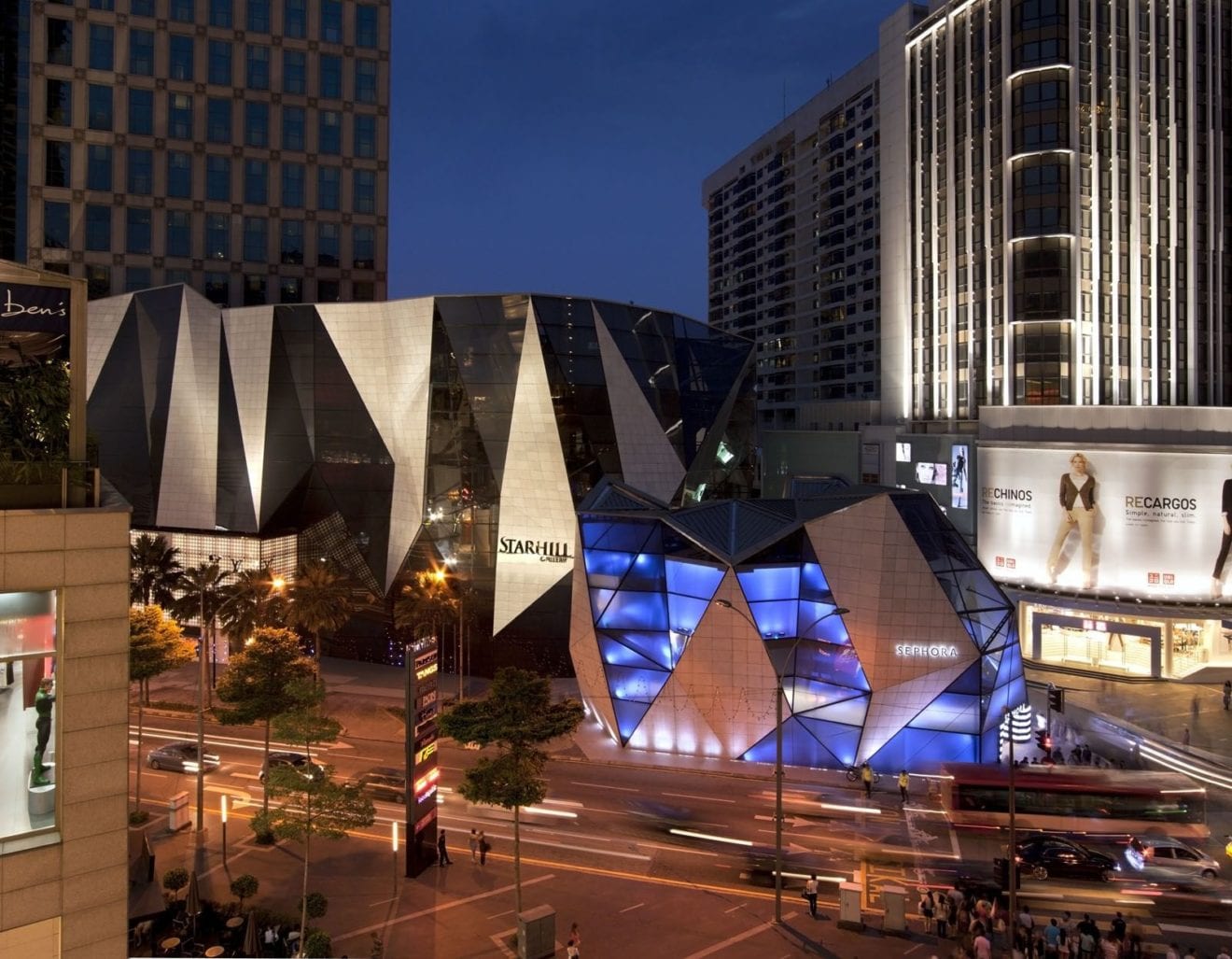
    The iconic Starhill Gallery, which is part of a portfolio of retail assets owned by Singapore-based Starhill Global Real Estate Investment Trust (SGREIT) will undergo a transformation and revealed as The Starhill – Home of the Tastemakers in 2021.

    The mall, the most luxury retail establishment in the Bukit Bintang shopping district was developed by YTL Corp Bhd more than two decades ago.

    It opened in 1996 and houses more than 100 renowned luxury timepiece and jewellery brands, as well as other contemporary luxury labels.

    The mall was renovated in 2005, with renowned American architect David Rockwell at the helm of the project, which resulted in its current glass dome-like façade.

    YTL Land & Development Bhd vice president Joseph Yeoh said the mall will be partially closed (from October this year) for renovation with some brands continuing to operate.

    Yeoh said, the completion of phase one renovation is scheduled for the second quarter of 2020 in tandem with the relaunch of Shook!, Lu Yu Tea House and Jogoya.

    The soft opening of new stores and other food and beverage outlets is scheduled in the last quarter of 2020.

    Hospitality and retail experience under one roof

    Yeoh said the mall, after undergoing the transformation will redefine Kuala Lumpur’s shopping scene in a new concept that infuses hospitality into the retail experience.

    The mall, which sits directly opposite Pavilion KL, is connected to YTL’s five-star JW Marriott Kuala Lumpur hotel by a “Time Tunnel”. The link bridge also connects to YTL’s The Ritz-Carlton Kuala Lumpur.

    Yeoh said, with Kuala Lumpur remaining among the top five most popular tourist destinations in the Asia Pacific region alongside Tokyo, Seoul, Bangkok and Singapore based on Mastercard Destination Index 2019, it is crucial for The Starhill to optimize the cross cultivation of experiences between the retail and hospitality floors to offer unique shopping offerings for hotel guests from the two luxury hotels.

    Key to the refurbishment is to improve spatial layout, circulation and overall shopping experience; all interior common areas will be fully refreshed.

    A new double-volume entrance atrium will feature a lush green wall with multiple LED screens projecting brand videos of The Starhill and tenants to welcome all visitors.

    The central atrium will also be overhauled to include a new connecting bridge plying across the sun-lit atrium and cantilevered balconies designed as pop-up space.

    The Bukit Bintang facade will be given a facelift with new LED screens and a new café terrace on level one overlooking the new piazza.

    Yeoh said, the concept of The Starhill reinforces the group’s positioning as the place to be in Bukit Bintang.

    “The Starhill bucks the city’s cookie-cutter mall trend, going boutique-sized at 300,000 square feet of retail space to cultivate a more personalised retail ambience which is warm yet discreet when others have gone mega with an anodyne take on the shopping experience. Today, discerning shoppers seek special access and discoveries but most importantly, they want meaning, authenticity and connection and this is what we set out to achieve in The

    Starhill,” he said.

    YTL has partnered with top consultants from the region.

    Yeoh said, the consortium comprising Cistri (Singapore), Husband Retail Consultant (Hong Kong), Kokai Studio (Shanghai) and Eight Partnership (Hong Kong) – expert retail, design and branding consultants have meticulously studied the fluid landscape and identified transformative, game-changing strategies for The Starhill over the last two years.

    “With fast-changing values and consumption behavior among savvy and socially-connected consumers, the transformation to become The Starhill is in line with the need for retail malls to constantly evolve and differentiate to stay at the forefront of the changing retail landscape,” said Yeoh.

    More luxury rooms after the transformation

    The JW Marriott Kuala Lumpur will add 162 rooms to its current inventory on the upper floors of The Starhill.

    The Starhill, facing Jalan Gading and Jalan Bukit Bintang, will be distinguished by four floors of experiential retail space and three more floors of hotel rooms creatively converted from former retail space in the upper levels of the mall.

    Offering new and stylish accommodation, the new extension will be seamlessly integrated with the lower retail space in one vertical seven-floor development – a first in Asia that truly breaks down the boundary between retail and hospitality.

    Combining JW Marriott Kuala Lumpur and The Ritz-Carlton, Kuala Lumpur, there will be over 1,100 rooms seamlessly connected to The Starhill in two year’s time contributing excellent footfall to the retail floors, said Yeoh.

    The Starhill, coupled with the new hotel rooms, will officially launch in 2021.

  • Luxury Real Estate in Singapore Draws Rich Chinese

    Luxury Real Estate in Singapore Draws Rich Chinese

    Rich Chinese continue to snap up luxury homes in the city-state as they seek a safe and calm offshore location to park their wealth.

    Protests in Hong Kong are driving rich Chinese property buyers away from the special administrative region to relatively calm and stable Singapore.

    The Lunar New Year period is a particularly busy period for property agents in Singapore catering to this group of buyers – three interviewed by the publication said inquiries among mainland Chinese in the lead up to this period typically jump by 15 percent, with demand intensifying in the past two years.

    Property cooling measures, which raised the additional buyer stamp duty on foreigners buying any residential property to 20 percent in July 2018, up from 15 percent, have had little effect on the demand for luxury apartments in Singapore – Chinese buyers of apartments S$5 million ($3.7 million) or more doubled in the third quarter of 2019 from the same period the year before, the report said.

    Most buyers purchase properties as an investment and prefer those near landmark locations, according to realtors interviewed by the publication. However, they noted that a growing number of buyers are also buying apartments with the sole purpose of parking their wealth here.

  • Benoy completes design work of Jewel Changi

    Benoy completes design work of Jewel Changi

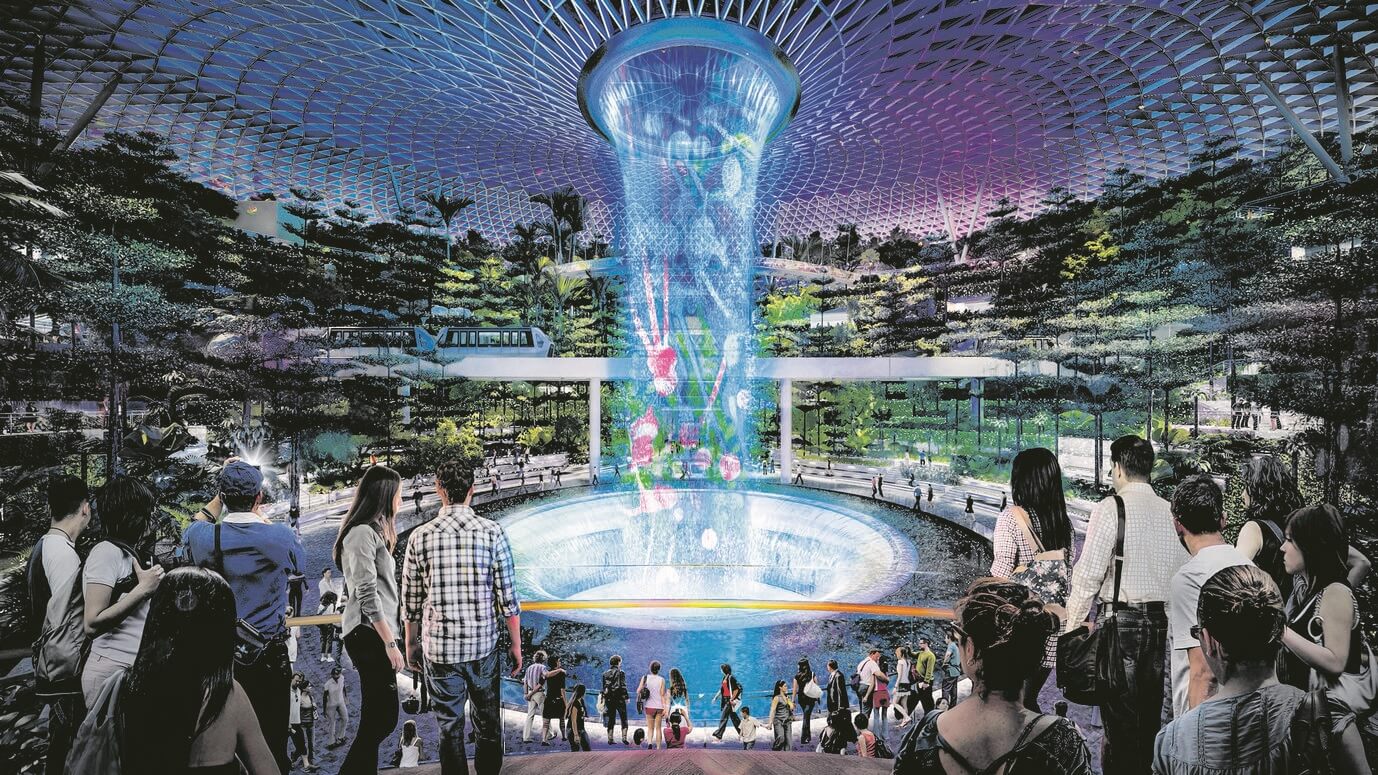
    International architecture and design firm Benoy has completed work on the interiors for Singapore’s new airport shopping centre, Jewel Changi.

    Opening its doors on April 17, the new 137,000sqm space connects three of Changi Airport’s current four terminals, making it easily accessible to the public and passengers. With more than 65 million passengers passing through Changi Airport last year, Jewel is designed to establish a new airport typology as a destination promoting community, commerce and entertainment.

    “We are incredibly proud of the work we have done for Jewel,” said Benoy director and head of Singapore studio Terence Seah. “We’ve created a dynamic environment that becomes a unique place for travellers and residents alike. This addresses the important question of place making in the aviation context.

    “In the process too, Jewel has enhanced the Changi experience. We are confident that other cities will be inspired to rethink the future of airports.”

    Benoy has drawn its capacities in retail, mixed-use, hospitality and leisure to deliver an experience-led destination for the city, offering a renewed sense of place for locals and visitors in connecting the city to the airport. The interiors navigate the many interfaces between aviation facilities and the retail centre.

    Celebrating the natural light offered by the forest valley at Jewel’s core, the retail design enables visitors to experience the vastness of the open space and the intimacy of nature throughout their elliptical journey of the building, reinterpreting the traditional sense of the commercial space.

    The expanded Terminal 1 also offers new pedestrian linkages to other terminals and the MRT via Jewel, improving connectivity and accessibility for all.

  • Hui Xian Reit sees steady growth despite slowing Chinese economy

    Hui Xian Reit sees steady growth despite slowing Chinese economy

    Hui Xian Real Estate Investment Trust, the first yuan-denominated reit listed in Hong Kong, said on Tuesday that its amount available for distribution rose 8.4 per cent last year despite the weak growth in the mainland Chinese economy and the ongoing global slowdown.

    The reit said the amount available for distribution grew to 1.48 billion yuan from 1.36 billion yuan a year ago, with 98 per cent to be distributed to unit holders. Distribution per unit for the second half of the year was about 13.4 fen.

    Together with the interim amount announced earlier, the total distribution per unit for the year rose 5.2 per cent year on year to 27 fen. Its distribution yield was 8.11 per cent, based on the closing unit price of 3.33 yuan on December 31, 2015.

    “Last year was challenging, marked by a worldwide economic slowdown and increased international volatility,” said Kam Hing-lam, chairman of Hui Xian Asset Management, the manager of the reit, which is partly owned by Cheung Kong Property Holdings.

    Nonetheless, Hui Xian Reit managed to maintain the growth momentum, Kam said, adding that the increase was mainly driven by the organic growth of its existing leasing and hotel portfolio. The reit also gained from the additional income contributed by the newly acquired Chongqing Metropolitan Oriental Plaza from March 2 last year.

    Total revenue for the period was 3.05 billion yuan, up 9.1 per cent on an annual basis, while net property income rose 9.9 per cent to 2.04 billion yuan.

    Hui Xian Reit said its core asset, the Oriental Plaza in Beijing, achieved stable growth as it had heavy visitor flows despite a gloomy retail environment in mainland China.

    The average monthly passing rent surged 9 per cent to 1,193 yuan.

    Last year was challenging, marked by a worldwide economic slowdown and increased international volatility
    KAM HING-LAM, CHAIRMAN, HUI XIAN ASSET MANAGEMENT

    The reit said its offices and serviced apartments showed stable income growth while the hotel sector showed signs of stabilising.

    The average occupancy rate at Grand Hyatt Beijing improved to 58.8 per cent from 55.9 per cent a year ago, with the average room rate per night down 7.9 per cent year on year to 1,461 yuan.

    Hui Xian said all its existing projects were in mainland China, generating revenue in yuan. The currency’s exchange rate volatility, however, did not have a significant impact on the performance of the reit’s projects.

    Though most of its borrowings are in Hong Kong dollars, its yuan exposure will become visible when the currency’s exchange gain or loss is realised upon repayment.