Retail News CRM

Tag: Euromonitor

  • How enhanced customisation pushed brands’ sales growth

    How enhanced customisation pushed brands’ sales growth

    Starbucks and Samsung used the strategy to increase sales. Enhanced customisation helped in driving sales growth of some brands in 2022, Euromonitor International said in its latest study.

    More than 49% of global digital consumers aged 15 to 29 said they are willing to share personal preferences with brands online.

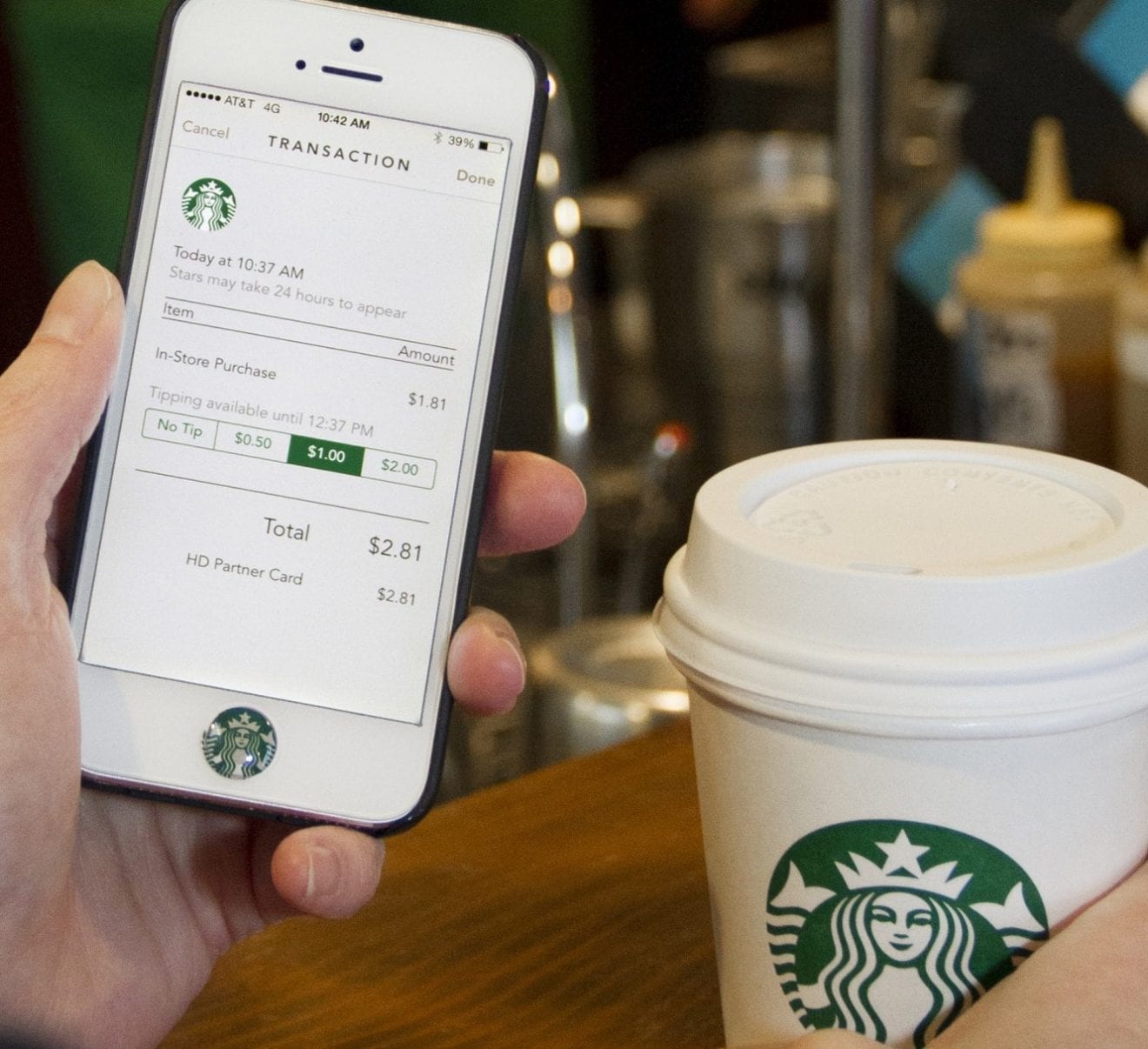
    An example of enhanced customization is Starbucks which implemented an app that allows users to choose from over 170,000 options on drink orders.

    “This has powered sales growth for the company, with app-enabled US sales expanding over 400% from 2017 to 2022,” said Euromonitor.

    Another way is Samsung’s Bespoke Design Studio which lets consumers order appliances customized to their individual specs.

    It contributed to 3% of sales growth in mobile appliances.

  • E-commerce leverage in-app games to drive consumer spending

    E-commerce leverage in-app games to drive consumer spending

    Three in 10 people visited e-commerce platforms even if they had nothing to buy.

    Digital commerce platforms like Shopee used in-app games to allow users to win coins that increase their time on the app, which will ultimately raise consumer spending, a recent Euromonitor International study said.

    The study showed that 33% of consumers liked to look in stores even if they had nothing to purchase whilst more than half of consumers said they played mobile video games weekly.

    “Gamifying commerce experiences can improve loyalty schemes and enrich long-term engagement,” said Euromonitor.

    Aside from gaming programs, Gucci is also tapping metaverse to connect with the younger audience.

  • Vietnamese consume over 1,000 tons of instant noodle daily

    Vietnamese consume over 1,000 tons of instant noodle daily

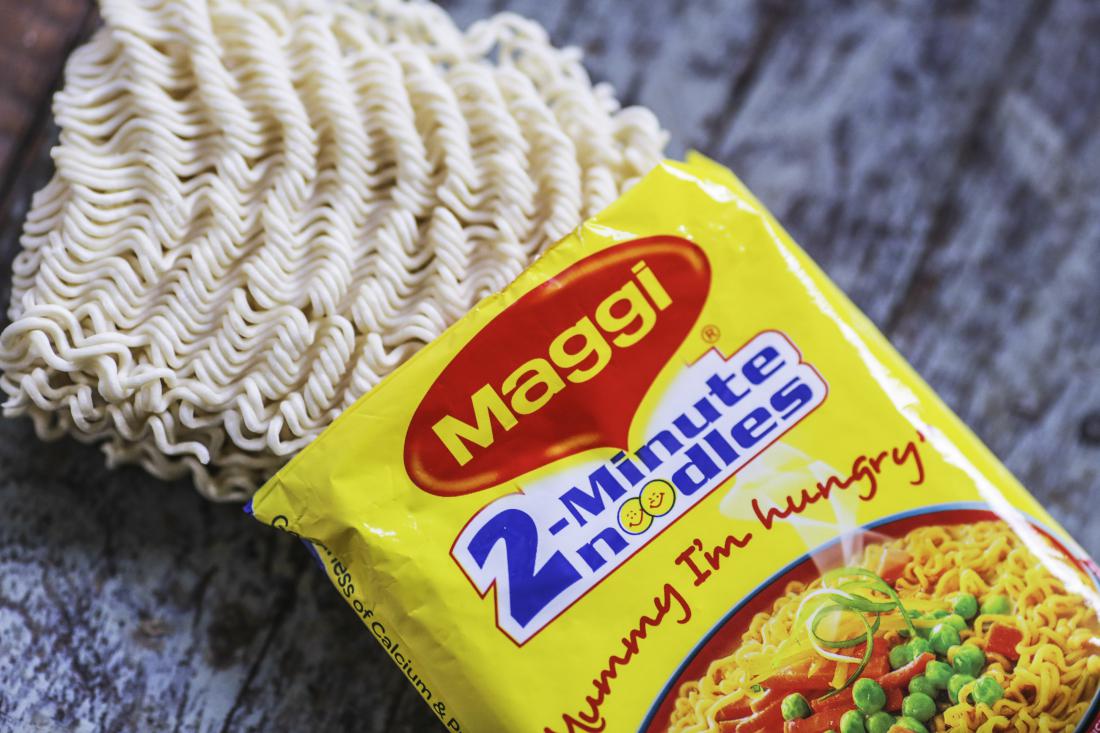
    Over 1,127 tons of instant noodles were consumed a day in Vietnam last year, surging than 20% compared to 2016, according to the UK-based market research firm Euromonitor.

    In 2021, Vietnam consumed about 411,500 tons of instant noodles, up 9% against 2020.

    Total instant noodle sales in the country surpassed VND3.8 trillion (over $153.2 million) in 2021, increasing more than 11% against 2020 and nearly 18% against 2016.

    The research for Euromonitor’s annually-published global instant noodle consumption report is carried out in 80 countries.

    Previously, data from the World Instant Noodles Association (WINA) also showed that Vietnam surpassed South Korea as the world’s highest per capita consumer of instant noodles. On average, every Vietnamese uses 87 packets a year.

    Euromonitor pointed out that Acecook from Japan and Masan from Vietnam are the Vietnamese instant noodle market’s two leading firms, holding a combined market share of 33%.

    Japanese instant noodle market share in Vietnam decreased from nearly 24% in 2017 to over 19% in 2021, while that of Viet

  • Here are Indonesia’s top 10 retailers according to Euromonitor

    Here are Indonesia’s top 10 retailers according to Euromonitor

    Indomaret convenience store chain leads the rankings of Indonesia’s top 10 retailers.

    The Indomarco Prismatama-owned convenience store chain achieved sales of US$4.89 billion last year, followed by Alfamart with $3.97 billion, according to Euromonitor.

    Speaking at a conference where Indonesia’s top 10 retailers were revealed, Euromonitor’s Dhea Sutanto said Indomaret’s success was likely attributable to the greater number of physical stores it had compared to its competitors, and its promotion strategy.

    “If it is able to reach more consumers and more outlets, automatically it will generate more revenue, especially if it provides more accessibility to consumers that are harder to reach,” she added.

    Indomaret currently operates 15,633 outlets across Indonesia while Alfamart has 13,991.

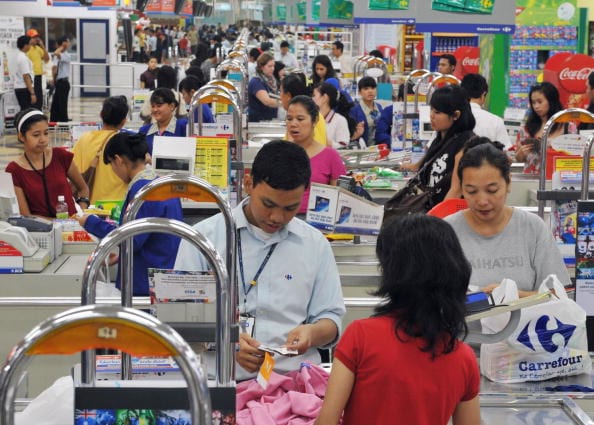
    Matahari Department Store took third spot on the list with $1.36 billion in sales, followed by Carrefour and Transmart Carrefour by Trans Retail Indonesia, which earned $1.22 billion.

    In fifth place was Dairy Farm International operation which includes Hero Supermarket Group, Guardian, Star Mart and Giant, among others, with $903 million in sales.

    High-end fashion retailer Mitra Adi Perkasa, which owns Kidz Station, Marks & Spencer and Sports Station, came in sixth with $866 million. It was followed by Matahari Putra Prima group (Hypermart, Boston Health), gadget retailer Erajaya Swasembada (Erafone) and middle-to-low-income fashion retailer Ramayana with $781 million, $688 million and $643 million in sales, respectively.

    Books and stationery stores Gramedia, Grazera and Trimedia from Gramedia Asri Media ranked 10th by earning $430 million in sales.

  • Top 10 Global Consumer Trends for 2018

    Top 10 Global Consumer Trends for 2018

    Genetic make-up and extended augmented reality are among the top 10 consumer trends for 2018, according to a new Euromonitor International report.

    People’s growing curiosity about their genetic make-up and a rising interest in personalised health and beauty are fuelling a global market expected to soar by 2022, says the Top 10 Consumer Trends for 2018 report.

    A new wave of companies aims to provide consumers with genetic findings related to their general health, fitness and nutrition, with the market growth being global and competition in the largely unregulated Chinese market particularly intense.

    “Although the consumer market still faces hurdles, such as country-specific regulations, things are improving on the regulatory front, and with the market continuing to evolve, it is likely that further innovative start-ups will invest in new technologies,” says report author Alison Angus, Euromonitor International’s head of lifestyles.

    With augmented reality (AR) having a wide range of applications in various industries, the potential in the mainstream consumer space is vast, bringing the benefits of in-store shopping into the home, says the report.

    Convenient shopping

    It forecasts that global internet retail sales will increase in value by a further 3 per cent this year.

    “Online captures consumers’ interest with the convenience of the hassle-free, anytime, anywhere shopping they crave. The ability to see and touch products before buying is a bonus.

    This is in part why the in-store shopping experience remains appealing, with 88 per cent of global sales in value terms still being made in-store last year,” says Angus.

    “This year consumer expenditure is expected to grow at its strongest rate since 2011. Overall, we will see consumers continuing to question their values, priorities and purchasing decisions; deepening their engagement in the brands and issues that matter to them.”

    The top 10 global consumer trends for this year are:

    • Clean lifers: Consumers adopting clean-living, more minimalist lifestyles, where moderation and integrity are key. Clustering around educated 20 to 29-year-olds, a new generation of “straight edge” consumers has grown up knowing deep recession, terrorism and troubled politics, and has a wider worldview than previous generations.

    • The borrowers: A new generation of community-minded sharers, renters and subscribers is reshaping the economy, making conspicuous consumption a thing of the past. Rejecting material goods in favour of experiences and a freer lifestyle, which has characterised the buying habits of millennials for the past few years, is a trend that continues to evolve and spread.

    • Call-out culture: Whether it is airing a grievance on Twitter, sharing a viral message or signing an e-petition, consumers are having their say. “Hashtag activism”, while not new, is rapidly gaining momentum as internet use explodes and more people have access to social media.

    • It’s in the DNA – I’m so special: People’s growing curiosity about their genetic make-up – what makes them so special – and a rising interest in personalised health and beauty are fuelling demand for home DNA kits. Target consumers range from the “worried well” and those curious about their origins to hardcore fitness and nutrition fanatics.

    • Adaptive entrepreneurs are increasingly seeking flexibility in their lifestyles, and are prepared to take risks. Millennials especially have an entrepreneurial nature, shifting away from the “traditional” nine-to-five career toward one that affords more freedom.

    • View in my roomers will be connecting perception and reality this year, merging digital images with physical space. Consumers will be able to visualise products before they try or buy, both in-store and online. The advent of even more sophisticated smartphones has given this demographic access to greater functionality, including AR technology.

    • Sleuthy shoppers: With further political upheaval last year, the consumer trust crisis is deepening and leading to greater emotional involvement and action. Shoppers are still sceptical of mass-produced products and the motivations of the companies that create them, and are tired of hearing empty rhetoric and soothing words of assurance.

    • Co-living: This trend has blossomed among millennials and the over-65s in the residential space. It is a form of housing where residents share living space and a set of interests and values. The trend stems from hyper-urban hubs that have embraced the sharing economy as a lifestyle choice.

    • I-designers: The lingering impact of the global financial crisis has encouraged prime, working-age older millennials and gen X-ers to re-evaluate their spending habits.

    Simultaneously, the rise of the sharing economy, with pioneers such as AirBNB and Uber, is eroding their desire to own goods (see The Borrowers trend).

    • The survivors: Ten years on from the credit crunch that heralded the start of the Great Recession, the frugal mindset of consumers remains entrenched. Despite improving economies, rising incomes and falling unemployment, the gap between rich and poor is highly visible, and those caught between low pay/meagre state benefits and high living costs are still struggling to cope with austerity.

  • Lazada loyalty program link to other ecommerces

    Lazada loyalty program link to other ecommerces

    A Lazada loyalty program for Singapore shoppers looks set to be expanded to other Asian markets.

    Alibaba-owned Lazada has teamed up with Netflix and Uber Technologies – the first time the companies have jointly created an online rewards program, according to Lazada CEO Maximilian Bittner.

    The program is aimed at consumers who primarily go online for shopping, entertainment, transportation and food delivery.

    Alibaba acquired a controlling stake in Singapore-based Lazada for US$1 billion last year. The “LiveUp” program links their online services, from Netflix and UberEats to grocer RedMart and Taobao marketplace.

    Consumers pay S$28 (US$20) a year for such benefits as six months of Netflix streaming, discounts on Uber rides and free delivery on Lazada or Taobao purchases. A mobile app will be rolled out in the second half of the year.

    “Singapore is the market on the cutting edge of validating what we think consumers might want, so we will focus on Singapore first,” says Bittner, who expects to add more partners.

    E-commerce in Singapore, which accounted for 0.9 per cent of total retail there in 2003, has grown from 2.4 per cent in 2013 to 4.8 per cent last year, according to Euromonitor data.

    Bittner and RedMart co-founder Vikram Rupani hatched the loyalty program over breakfast on Christmas Eve before approaching Netflix and Uber. “Their decision to do it was very fast because they have the same goal,” says Bittner.

    Uber, which entered Singapore four years ago, will offer members benefits including free rides and promotions. “This is just the beginning,” says Uber Singapore GM Warren Tseng.

  • Headwinds will cramp luxury retail sector

    Headwinds will cramp luxury retail sector

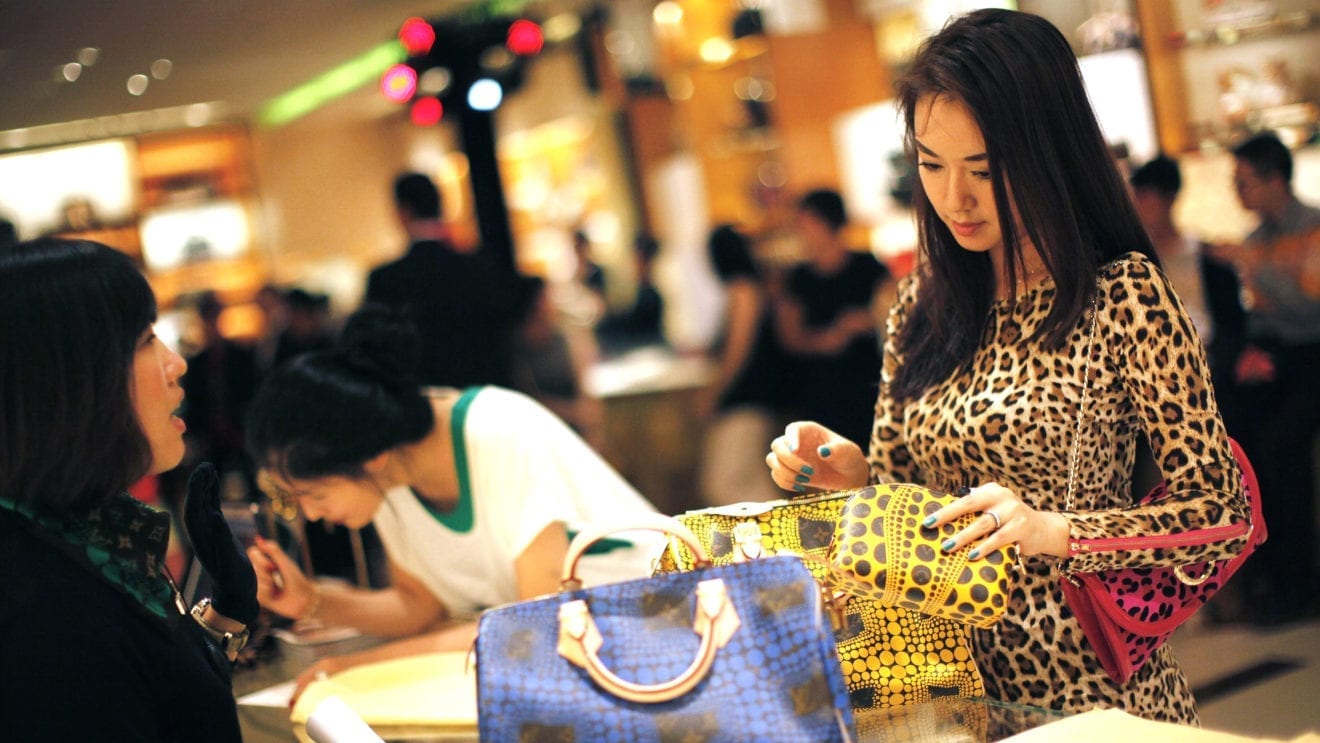
    The luxury retail sector will grow next year – but at a disappointingly slow rate, according to the latest data from Euromonitor.

    As tough global trading environments continue to prevail – social and political unrest in Asia Pacific, economic slowdown in Latin America, and conflict in Eastern Europe will conspire to restrain growth in both key emerging and developed markets, the research house says.

    “Indeed, the market continues to face headwinds from major luxury goods markets, such as France and Hong Kong, as well as other large emerging markets, such as Russia and Brazil, while instability in the Middle East continues to cloud the horizon.”

    Whilst 2017 will not be a stellar year for the global industry overall, “we will see some tailwinds, with markets such as India and Mexico in a much stronger position,” Euromonitor concluded.

    “At the same time, luxury brands and retailers continue to seek ways to harness social media and tap into the psyche of the digital consumer, as connectivity continues to drive new opportunities in digital innovation and growth in the omnichannel continues to reach new frontiers.

    Divergence remains a key theme across the luxury markets for the year ahead with strong regional disparities in Asia Pacific appearing strong with 5 per cent growth, a marked difference to 2015, with a regional growth of just 1 per cent, reflecting the significant economic slowdown in China.

    The developed regions of Western Europe and North America were significantly weaker, with both regions showing a slight downturn in 2016 with a weak Eurozone continuing to hold back regional performance and the added concerns over terrorist attacks, as well as the more recent Brexit vote, have also dampened sales. In the next five years, the US is predicted to lose its top spot in the ranking to China.

    However, the disappointing data for the developed regions should not obscure the importance of these high-value luxury goods markets. These regions remain amongst the most powerful in the world and together account for over half of all luxury goods sales in 2016.

    Watch Fflur Roberts, head of luxury goods with Euromonitor International, share more about the luxury sector.

  • Apple, Nike and Playboy among most popular US brands on Alibaba’s Singles Day

    Apple, Nike and Playboy among most popular US brands on Alibaba’s Singles Day

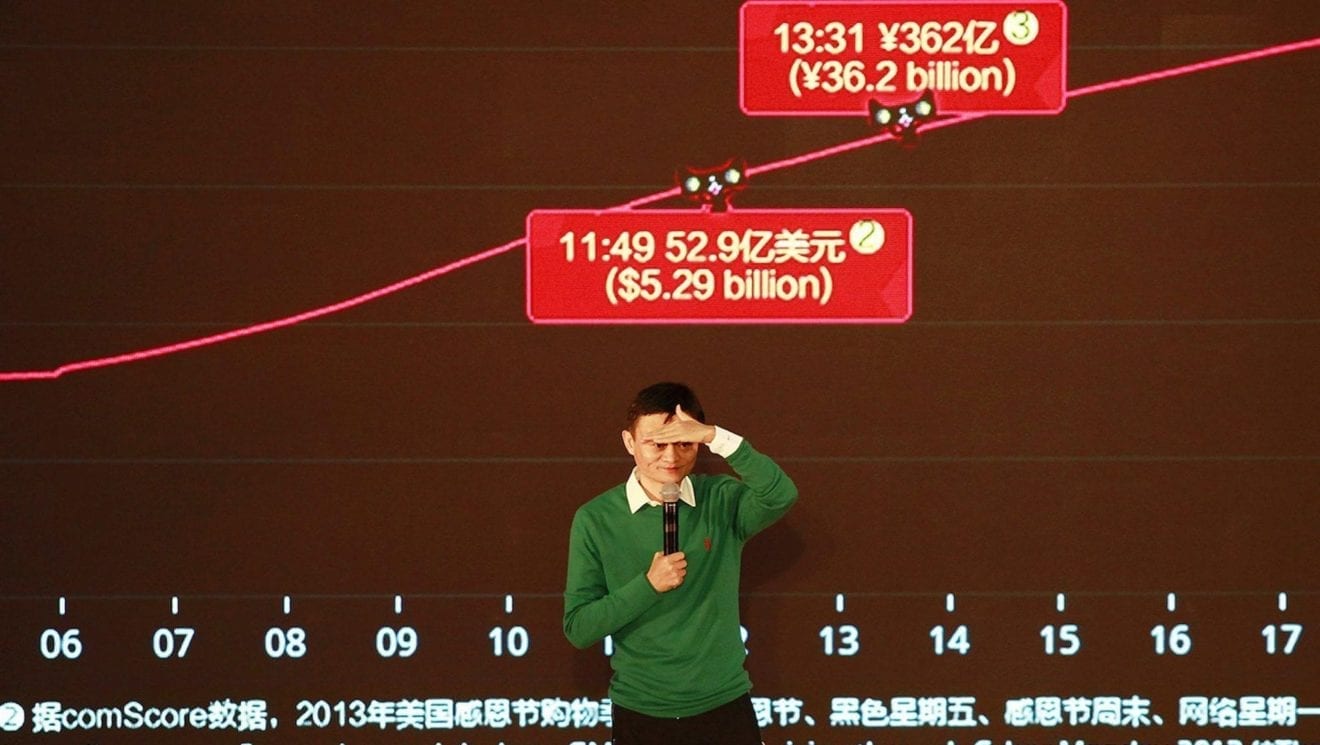
    Alibaba Group Holding Ltd. says sales from its massive Singles Day shopping event totaled $17.8 billion, up more than 24% from the record $14.3 billion sold last year.

    (This year’s total is RMB 120.7 billion, up 32% year-over-year due to fluctuations in the Chinese currency.)

    The most popular U.S. brands as of about 10:30 p.m. CST were, in order: Apple Inc. Nike Inc. New Balance, Playboy, and Skechers USA Inc.

    “Alibaba is using this year’s Singles Day to showcase the number of international brands participating, everyone from Apple, Victoria’s Secret, Burberry, Gap, [and] Nike, acting as the gateway to China for these brands and fulfilling Chinese consumers’ insatiable demand for Western products,” said Danielle Bailey, head of Asia-Pacific research for L2 Inc.

    Victoria’s Secret is in the L Brands Inc.  portfolio.

    Singles Day started strong, with sales of $1 billion recorded in the first five minutes.

    Alibaba Offers Virtual-Reality Shopping on Singles’ Day

    Alibaba is hoping to boost sales from China’s biggest annual online-shopping event–Singles’ Day–with what it claims is the world’s first virtual-reality shopping experience.

    Many U.S. brands have tried and, so far, failed to find success in the Chinese market. Recently, Netflix Inc. said it would abandon efforts to launch a full-service offering in China.

    Wal-Mart Stores Inc.  announced in June that it would partner with Alibaba rival JD.Com Inc. to grow its China business. The partners announced new initiatives in October.

    Apple and Nike are popular in China irrespective of the day, with Nike reporting 21% revenue growth in China in fiscal first-quarter 2017. The U.S. and China are Nike’s two biggest basketball markets, Trevor Edwards, Nike brand president, said on the Sept. 27 earnings call, according to a FactSet transcript.

    The Playboy brand is also popular in China, with items like jewelry and fragrances selling well.

    Starbucks Corp. seized the opportunity to get into the Singles Day festivities, offering a Cocoa Java Mocha beverage exclusively for the day at locations across China. The company also sold gift sets, exclusively-designed gift cards, and limited-edition My Starbucks Rewards Cards 11/11.

    Forty-seven million users purchased international brands, led by U.S. brands, according to L2 data, and 82% of sales were made on a mobile device.

    “With Alibaba distributing different deals across different devices, they have encouraged devoted savings seekers to keep separate shopping carts on their desktops and mobile phones,” said Tim Barrett, retail analyst at Euromonitor International. “Alibaba is grooming a generation of mobile-first shoppers, a move which will pay off greatly when the entire world is addicted to their mobile devices.”

    For Alibaba Chief Executive Daniel Zhang, this integration of sales across different platforms is critical.

    “If you look at this as an online game, people see you will have less margin in the future,” Zhang said, according to the Alibaba live blog of the Singles Day event. “But when we look at the entire landscape, only 10% of China’s total retail is online. What we believe is that at the end of this, online and offline… should be fully integrated.”

    This year, Alibaba introduced virtual reality into the 11.11 experience, as well as games, with 2.6 billion games played, according to L2.

    “Alibaba is blurring the lines between entertainment and e-commerce and extending technologies thought to be simply gimmicks in the West,” said Bailey.

    Even with the eye-popping sales numbers, popular brands and new technologies, Alibaba shares are down 1.4% in Friday trading.

    “In keeping with the de-emphasis of GMV [gross merchandise value] as a reported metric, we expect sales volume to become but one of many focuses of the event, with others being new mobile functionality, innovations and improvements in logistics, new partnerships,” said Deutsche Bank in a note published Tuesday, which calls Singles Day “a PR exercise.” Analysts there expected 35% year-over-year growth.

    Deutsche Bank rates Alibaba shares buy with a $138 price target.

    Alibaba shares are up 14.4% for the year so far while the S&P 500 is up 5.7% for the same period.

  • After Death of Thai King, Luxury Market Wavers

    After Death of Thai King, Luxury Market Wavers

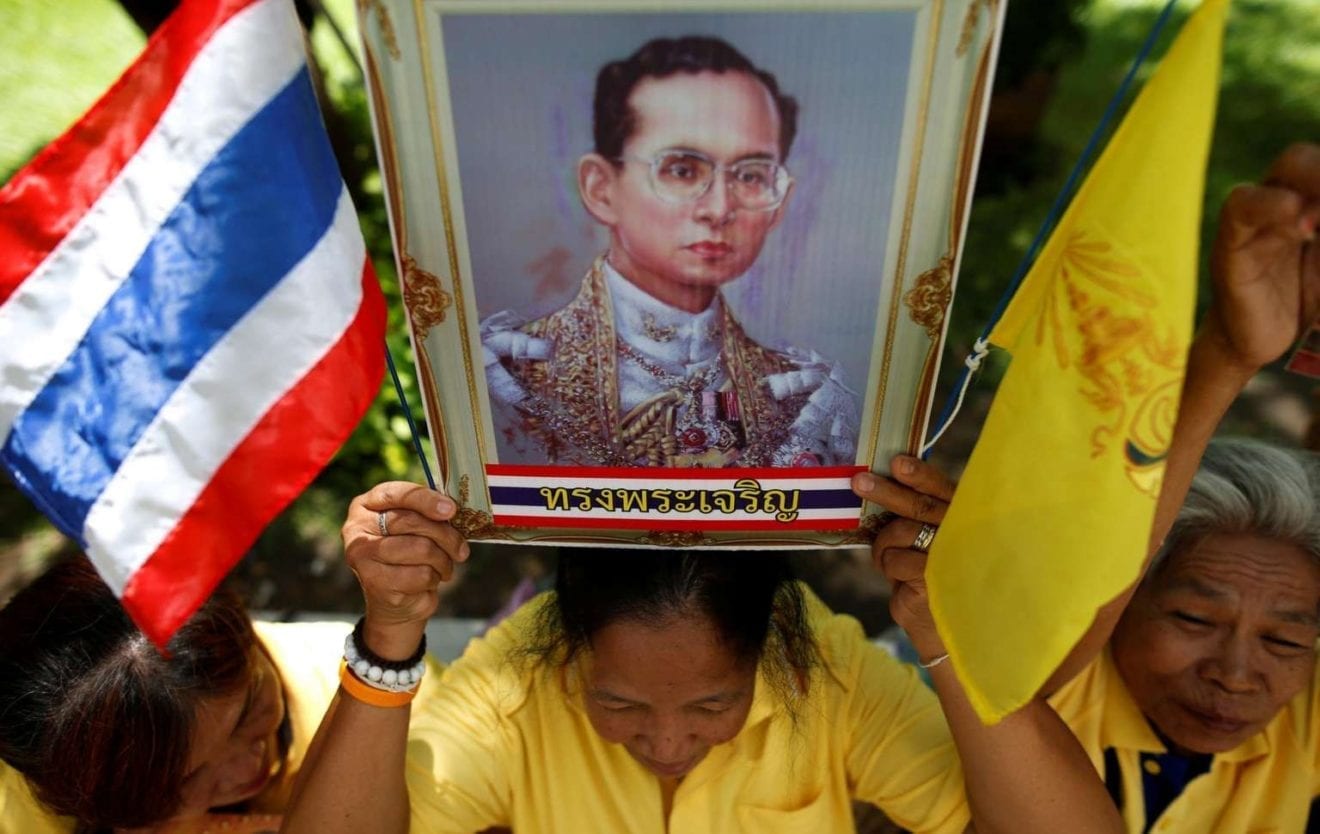
    Following a decade of declining health, 88-year-old King Bhumibol Adulyadej of Thailand, the world’s then-longest-reigning monarch, passed away in Bangkok on October 13. The king’s untimely death concluded a reign that lasted more than seven decades and initiated a year-long period of mourning, bearing substantial consequences for the nation’s luxury and fashion sectors.

    As declared by Prime Minister Prayuth Chan-ocha, leader of the junta that has ruled the country since 2014 after seizing power through a bloodless coup d’état, civil servants will be expected to wear “sombre-coloured” attire for the duration of the mourning period, while the rest of the population has been ordered to “tone down” or cancel entertainment and “joyful events” for at least the next month.

    Though the first full week of mourning has yet to pass, the consequences are already being felt. “I think [the fashion and luxury sectors] are definitely going to suffer — there will be a drastic decline in consumers of fashion brands,” predicts Kullawit ‘Ford’ Laosuksri, editor-in-chief of Vogue Thailand. “For example, I have spoken to a distributor of Kate Spade and Valentino, and they said that they had to re-estimate their Spring/Summer orders … The tourist and retail sectors are going to see a decline in sales — that is something the whole nation is afraid of.”

    Indeed, many of these fears are justified. “Retailers and hotels cancelled all promotions and activities related to sales and events during October to November,” says Anisa Ngandee, an analyst from Euromonitor. “Generally, the last quarter is usually the peak tourism period and the months where retailers [see] festive spending [during the] holiday seasons; thus, it will have a short-term impact on the retailers and hotels sales.”

    Regarding his publication, Laosuksri says, “There’s nothing we can do for the November issue, [but] for December issue, we are definitely going to decrease the print run, [while] a lot of traditional advertisements will be — if not in black and white — condolence messages.”

    From a Western perspective, the extent of mourning may seem extreme, but King Bhumibol’s reign was unique. For most Thais, life under Bhumibol is all they have ever known. “I and all the Thai people view this passing of the king as something that is quite personal as if somebody from our family has passed,” says Laosuksri. King Bhumibol’s heir, Crown Prince Maha Vajiralongkorn, has delayed his ascension to join the Thai people in grieving for his father; however, the country’s general election will go ahead as planned in late 2017.

    In recent years, the Thai luxury market has shown tremendous promise, growing 8 percent year-on-year from 2015 to 2016, reaching a total value of nearly $1.6 billion, according to Euromonitor. This can partly be attributed in part to the country’s young, wealthy upper-middle class. According to Digital Luxury Group,a business intelligence firm headquarted in Geneva, 20.5 percent of consumers who earned $150,000 or more in 2014 fell into the 30-34 age bracket, while another 18.6 percent fell into the 35-39 bracket, giving luxury brands and retailers ample space to penetrate the Thai market.

    The tourist and retail sectors are going to see a decline in sales — that is something the whole nation is afraid of.

    Nevertheless, despite this wealthy domestic consumer base, tourism still plays a significant role in sales of luxury goods. According to Bain & Company’s 2015 Global Luxury Goods Report, “Thailand [is a] top performer [in the Southeast Asia market] thanks to Chinese flows with strong potential going forward.” Just two days before the death of the king, Thailand’s biggest retailer, Central Group, announced expectations of a 21 percent rise in revenue to 320 billion baht ($9.17 billion) for fiscal 2016; sales at Central stores to foreigners rose 15 percent while transactions with domestic consumers merely increased by 5 percent.

    Given the immediate decline in the domestic demand for luxury goods, the Thai government must now tighten their dependence on the tourism sector to offset regressions, as retailers scramble to compensate losses in sales. “[The fashion industry] is very much going to depend on tourism; therefore, I think the government will be trying their best to promote it … after the one-month period,” predicts Laosuksri.

    If Laosuksri’s forecasts are correct, the Thai government will need to amplify its current efforts to engage Chinese tourists. “Thai authorities are leveraging Mandarin websites and KOL (key opinion leader) representation in China to promote the destination,” says Thibaud Andre of Daxue Consulting, a market research firm based in China. “[They] are strongly pushing their domestic practitioners to be more educated on Chinese culture and basic Mandarin, as well as [to increase activity] on Chinese platforms such as Wechat, Weibo or Taobao.”

    Despite the negative image of Chinese tourists in Thailand and controversy surrounding the recent crackdowns on “zero-dollar” budget tours targeted at lower-income tourists from China earlier this month, according to the Siam Commercial Bank, the average daily expenditure per person amongst Chinese tourists has grown to 5,748 baht ($164.1) in 2015, from 4,425 baht ($126.4) five years prior. In terms of purchasing power, foreign shoppers, especially Chinese tourists, have become a cornerstone of the Thai luxury market.

    In data provided by Thailand’s Department of Tourism, from January to August of this year, approximately 6.6 million tourists from China visited Thailand — more than from Europe, the United States, Australia, Africa and the Middle East combined – with nearly two million arriving between January and February 2016 alone, an especially high-traffic period for the Lunar New Year.

    In the near future, Thailand’s luxury retail market may face several hurdles in sustaining recent growths in sales — particularly given the country’s strict lèse-majesté laws and the increasing risk of ultra-monarchist violence in the capital deterring inbound tourists from mainland China. “In the short term … we already lowered our expectations to 10.5 million visits for 2016 due to the mourning period,” says Andre. “Chinese agencies are already refunding their clients and tour operators are cancelling trips.”

    While the short-term forecast may seem turbulent, market analysts remain positive about the future. According to Ngandee, “In the long term, with the development of infrastructure, expected number of tourists are projected to be positive; [compounded with] the expansion of Thai middle-income population, industries are generally looking forward to more optimistic performances.” Nevertheless, Euromonitor suggests that stability still remains contingent upon next year’s government election.

    However, the country has shown resilience during previous political and social upheavals, and many Thai industry insiders like Laosuksri maintain a sense of hope in this period of uncertainty.

    “Euromonitor projects that more than 12 million incoming Chinese tourists at the end of 2020, [and] Thailand is expected to remain among the top destinations and might overtake the second hit destination [for outbound Chinese travellers] at the end forecast period,” assures Ngandee.

     

  • Under Armour China recruits star power

    Under Armour China recruits star power

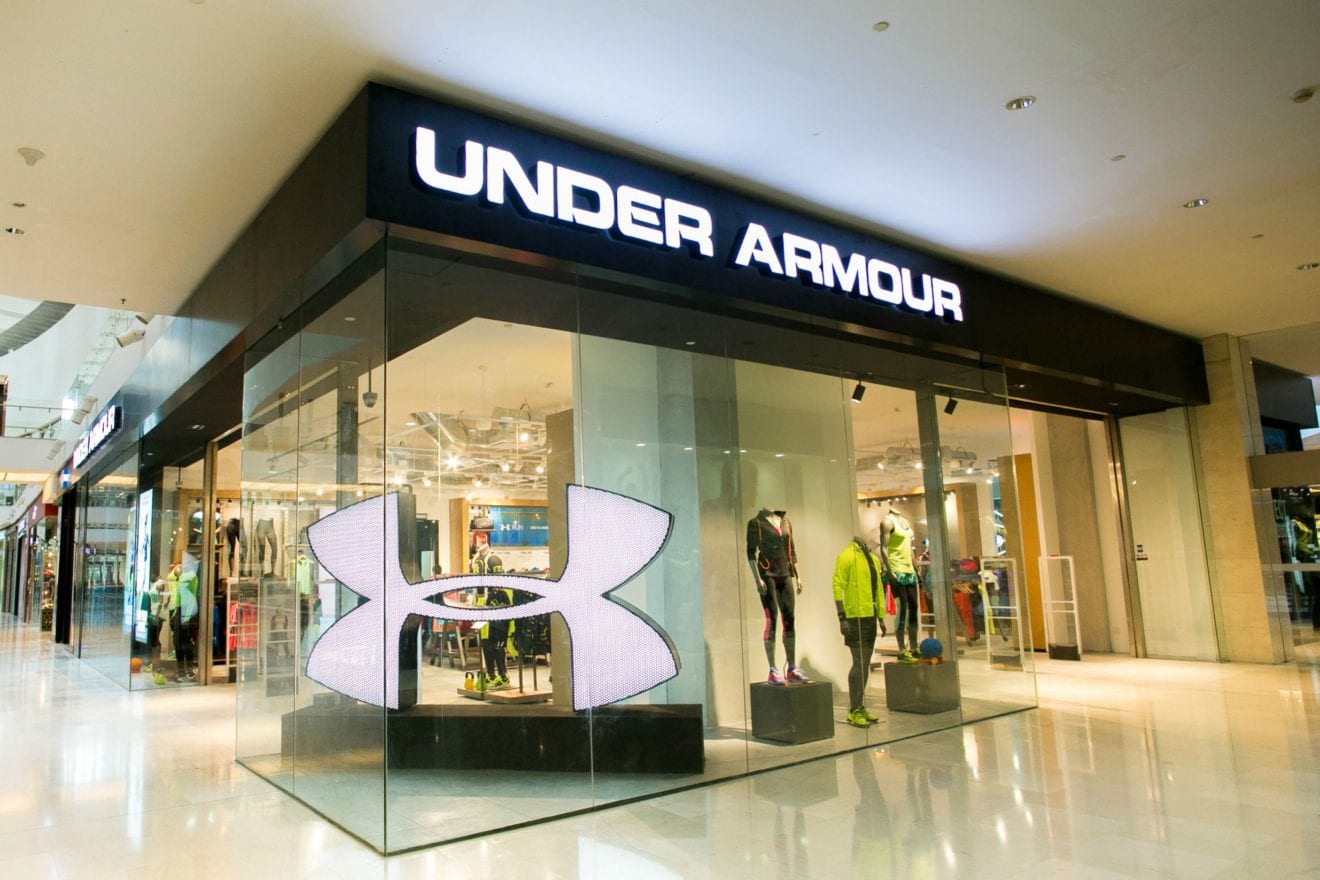
    Star power is being used to connect fast-growing athleisure brand Under Armour with Chinese consumers.

    NBA All-Star Stephen Curry heads back to China next month for another promotional tour for sportswear brand Under Armour China (UA).

    As UA seeks to take market share away from rival Nike, the basketballer will be touring the greater China region, including Taiwan, from September 2 to 6.

    Under Armour CEO Kevin Plank plans to more than double the company’s annual revenue to $10 billion by 2020, identifying three key growth areas: channels, categories and geographies.

    “Our eCommerce in China has basically exploded for us,” he says, “so this is not just a bricks-and-mortar story.” He believes China may actually end up providing the script for the balance between digital and store sales.

    So far this year, UA has reported a 157 per cent increase over the same period last year from its eCommerce initiatives in China. In just 10 years, the company has grown its overseas business exponentially, to $454 million last year from $6 million in 2006.

    Probably trying to catch this wave, low-end Chinese sneaker manufacturer Tingfei Long Sporting Goods introduced its Uncle Martian apparel line in April with a logo similar to UA’s trademark intersecting arches. UA responded by saying it will pursue “all business and legal courses of action.”

    To thrive in China, brand recognition over knockoffs is key for UA, which is why it is sending spokesman Curry into play. Following his first tour two years ago, quarterly revenue in China grew three-fold (Nike had a 23 per cent gain).

    UA plans to open 120 stores in China, more than doubling its presence, by the end of this year. Adidas and Nike have between 8000 and 9000 stores in China already. Nike’s market share grew to 14.3 per cent last year from 11.2 per cent in 2011, while Adidas grew its market share to 13.8 per cent from 8.5 per cent over the same period, according to research company Euromonitor.

  • Lawson Japan eyes US for expansion

    Lawson Japan eyes US for expansion

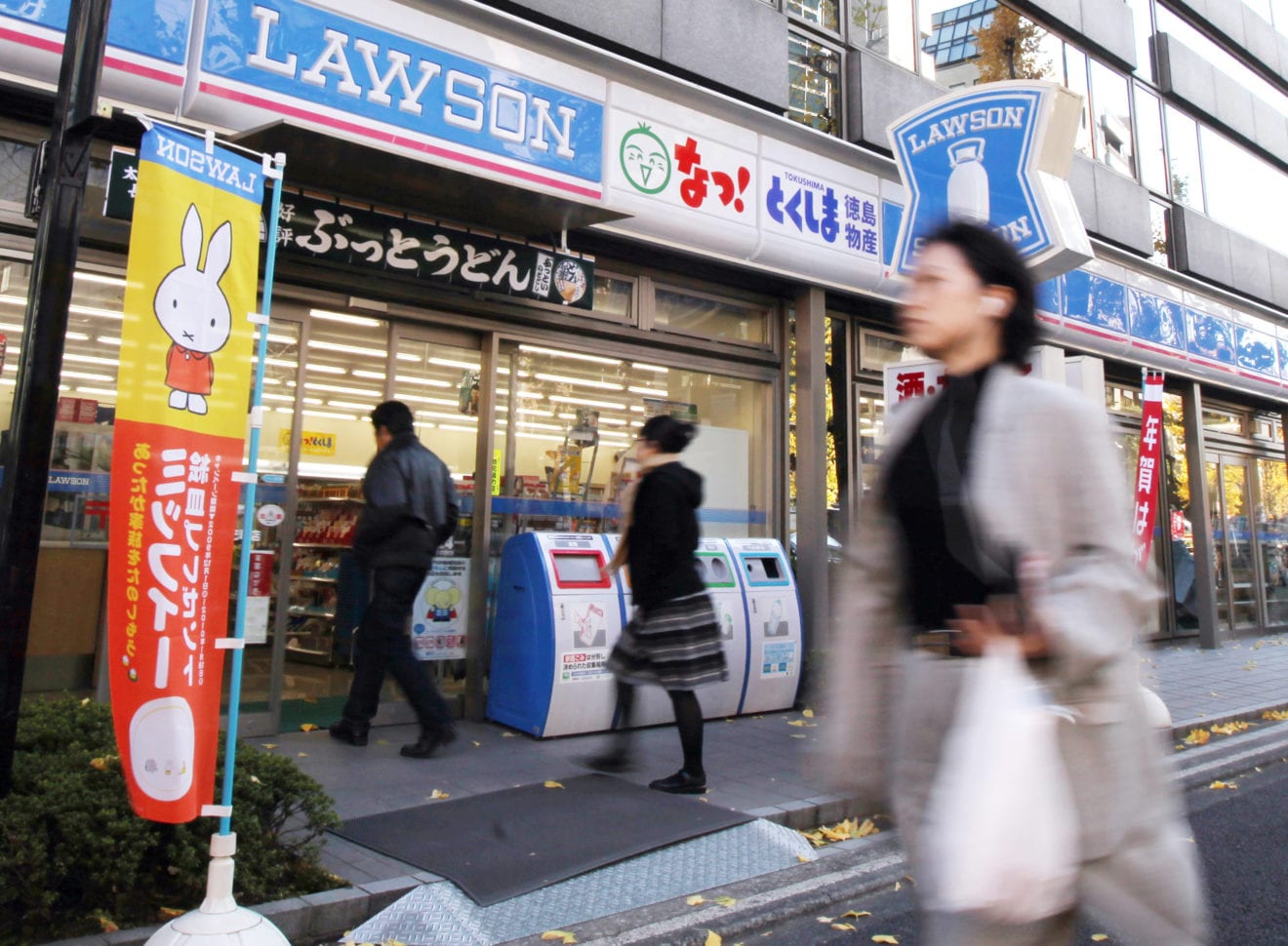
    Convenience store owner Lawson Japan is seeking to buy chains in the US with the aim of boosting its number of overseas outlets by about a quarter within a year.

    “In the US, where the market is mature, mergers and acquisitions are a simple and straightforward way for us to expand, which would also allow us to buy time to boost the number of shops,” says Sadanobu Takemasu, who became Lawson president and COO this week.

    He says the group will also focus on expanding in Southeast Asia.

    Lawson has about 12,500 stores in Japan and 793 outside the country, and is targeting a 26 per cent increase to 1000 overseas outlets by February.

    Lawson joins other chains such as Seven & I Holdings’ 7-Eleven and FamilyMart in seeking overseas expansion while competing to displace conventional grocery shops and restaurants domestically amid Japan’s economic malaise and falling population.

    Lawson has a 5.3 per cent market share of Japan’s grocery retail sales, second only to 7-Eleven’s 12.2 per cent share, according to data from Euromonitor International. The situation is the same in the fast-food market, with 7-Eleven holding a  33.8 per cent share followed by Lawson with 12.4 per cent.

    Prime Minister Shinzo Abe says he is postponing an increase in sales tax until October 2019 as the government seeks to avoid depressing private consumption.

    But Takemasu says any changes in sales tax timing would have had only a temporary impact on Lawson’s business.

    “In Japan, I want to focus resources on the existing businesses to strengthen them, so I’m not considering adding new businesses through mergers and acquisitions for now.”

    Trading conglomerate Mitsubishi Corporation, where Takemasu was an aide to the president before joining Lawson, is Lawson’s top shareholder with a 33 per cent stake.

    Lawson bought the Seijo Ishii supermarket group in 2014, and the United Cinema chain the same year.

    While Lawson has outlets in China, Indonesia and the Philippines, Seven & I has about 40,000 shops outside Japan while FamilyMart has about 6000.

  • Chinese vegan market booming

    Chinese vegan market booming

    The Chinese vegan market is expected to grow 17.2 per cent between 2015 and 2020 – the fastest growth rate in the world.

    Global market research company Euromonitor International’s new Ethical Labels database reports a growing movement toward sustainability, social responsibility and transparency on labels worldwide.

    According to the new research, halal and vegan labels are set to grow by a compound annual growth rate of more than 5 per cent annually during the period, translating into 708 million extra sales worth US$13 billion.

    Despite leading growth for the vegan sector, China lags behind the US and Japan when it comes to ethical labels.

    “Vegan product labelling is one of the key categories to watch in the future, as an increasing number of companies are expanding their consumer appeal by staying away from animal ingredients whenever possible,” says Euromonitor International head of health and wellness Ewa Hudson.

    “The rising demand and trend for vegetarian and vegan proteins indicates where the market is moving.”

    Meanwhile, the global market for ethically labelled packaged foods, soft drinks and hot drinks (excluding private label) accounted for $793.8 billion last year and is set to reach $872.7 billion by 2020.

    Worth $45.3 billion currently and set to reach $58.3 billion in 2020 are halal products, driven by ethnic and religious diversity.

    Other findings of the research: the US is the largest kosher market, 18 times the size of Israel; and the UK is the runaway leader in animal welfare labels with $ 30.1 billion last year.