Tag: european

  • Deutsche Bank Pioneers as First European Institution to Secure Renminbi Clearing License

    Deutsche Bank Pioneers as First European Institution to Secure Renminbi Clearing License

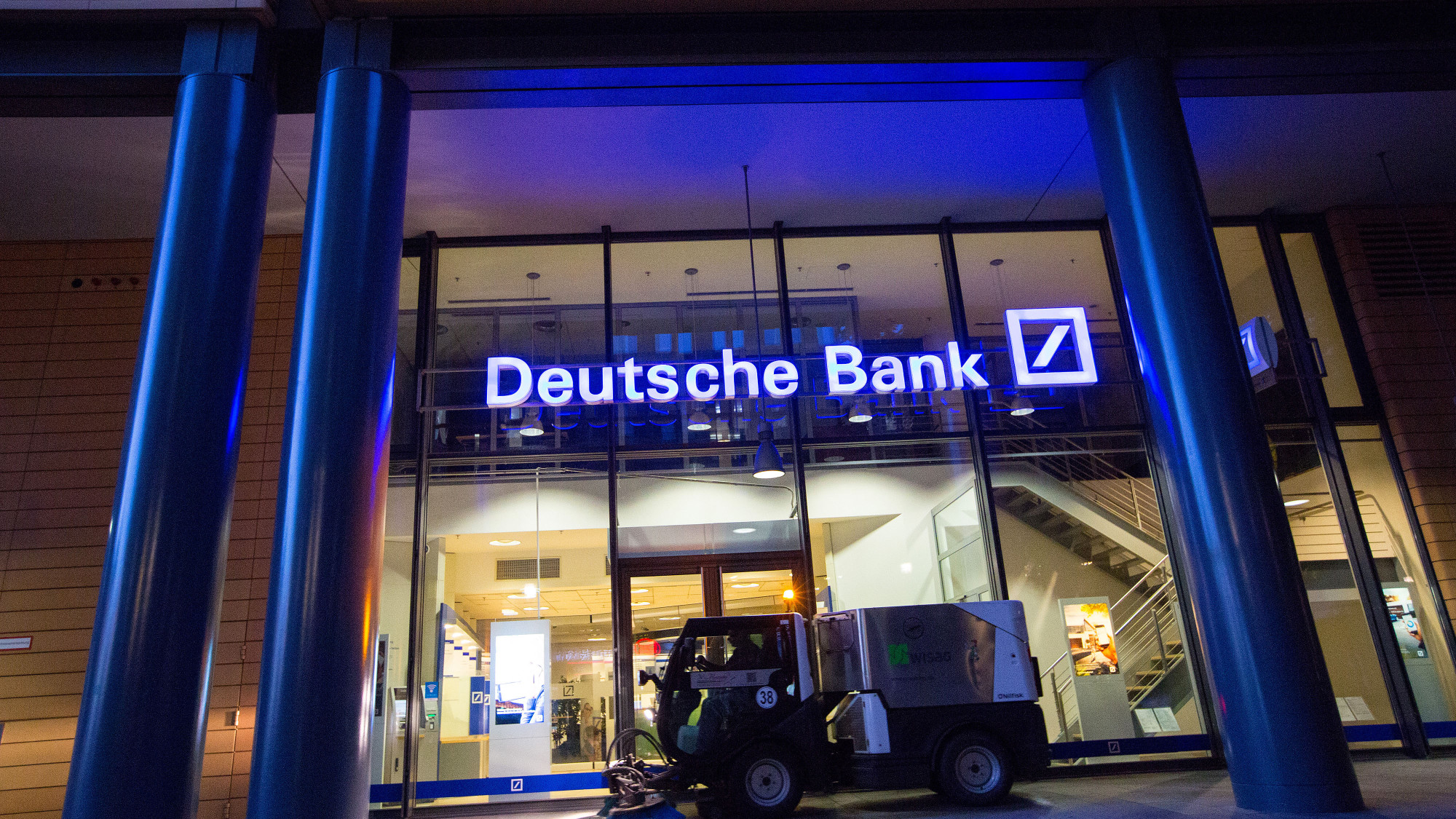
    The city of Frankfurt has just received a significant boost as a financial hub. Deutsche Bank, a prominent financial institution based in Frankfurt, has successfully become the first European bank appointed to serve as a renminbi clearing bank by the People’s Bank of China. This news was confirmed through an official statement on Monday.

    The provision of clearing services in Frankfurt will offer financial establishments and firms a direct, fast channel for processing, clearing, and settling cross-border transactions involving the renminbi. This move is anticipated to reinforce the financial ties between Europe and China.

    Deutsche Bank’s Role as a Clearing Bank

    Alexander von zur Mühlen, CEO for Asia Pacific, Europe, Middle East & Africa and Germany at Deutsche Bank, weighed in on the matter. He believes that their new role as a renminbi clearing partner in Europe deepens Deutsche Bank’s position as a globally recognized clearing bank. This commitment also reaffirms the bank’s long-standing dedication to the internationalization of the renminbi. Mühlen is optimistic that this development will bolster the financial connectivity between China and Europe. This will help Deutsche Bank to better serve its clients’ cross-border trade and investment activities.

    Even though renminbi clearing services were accessible in Europe prior to this, they were only offered through branches of Chinese banks.

    Renminbi Hub: A Shift from Competition to Normalcy

    Over a decade ago, the concept of establishing a renminbi hub in Europe was a contentious issue that incited competition among Europe’s financial centers. In Switzerland, the establishment of a renminbi hub emerged as a crucial prestige project for the nation’s banking industry.

    China Construction Bank (CCB) earned a banking license from the Swiss Financial Market Supervisory Authority in October 2015. When CCB’s Zurich branch launched in January 2016, it was attended by several notable representatives from the Swiss financial center and public authorities. Since then, CCB has been in charge of renminbi clearing in Switzerland.

    As of January 2021, CCB had processed transactions totalling nearly 600 billion francs. A total of 13 Swiss partner banks were reported to be participating in the hub. Currently, Zurich represents a key center within the offshore renminbi ecosystem.

    It remains unclear if a Swiss bank will pursue clearing status, however, UBS and Zürcher Kantonalbank could potentially be the only viable candidates.

    Questions & Answers

    What is the significance of Deutsche Bank’s new role as a renminbi clearing bank?
    This development strengthens Deutsche Bank’s position as a globally recognized clearing bank. It will enhance financial connectivity between China and Europe.

    What is the history of renminbi clearing in Europe?
    Renminbi clearing services were available in Europe previously, but only through branches of Chinese banks.

    What is the status of the renminbi hub in Switzerland?
    Currently, Zurich represents a key center within the offshore renminbi ecosystem, with China Construction Bank handling renminbi clearing in Switzerland since 2016.
  • Vietnam Soars to 2nd Place in European Poultry Imports: A Boom in Southeast Asia’s Poultry Market

    Vietnam Soars to 2nd Place in European Poultry Imports: A Boom in Southeast Asia’s Poultry Market

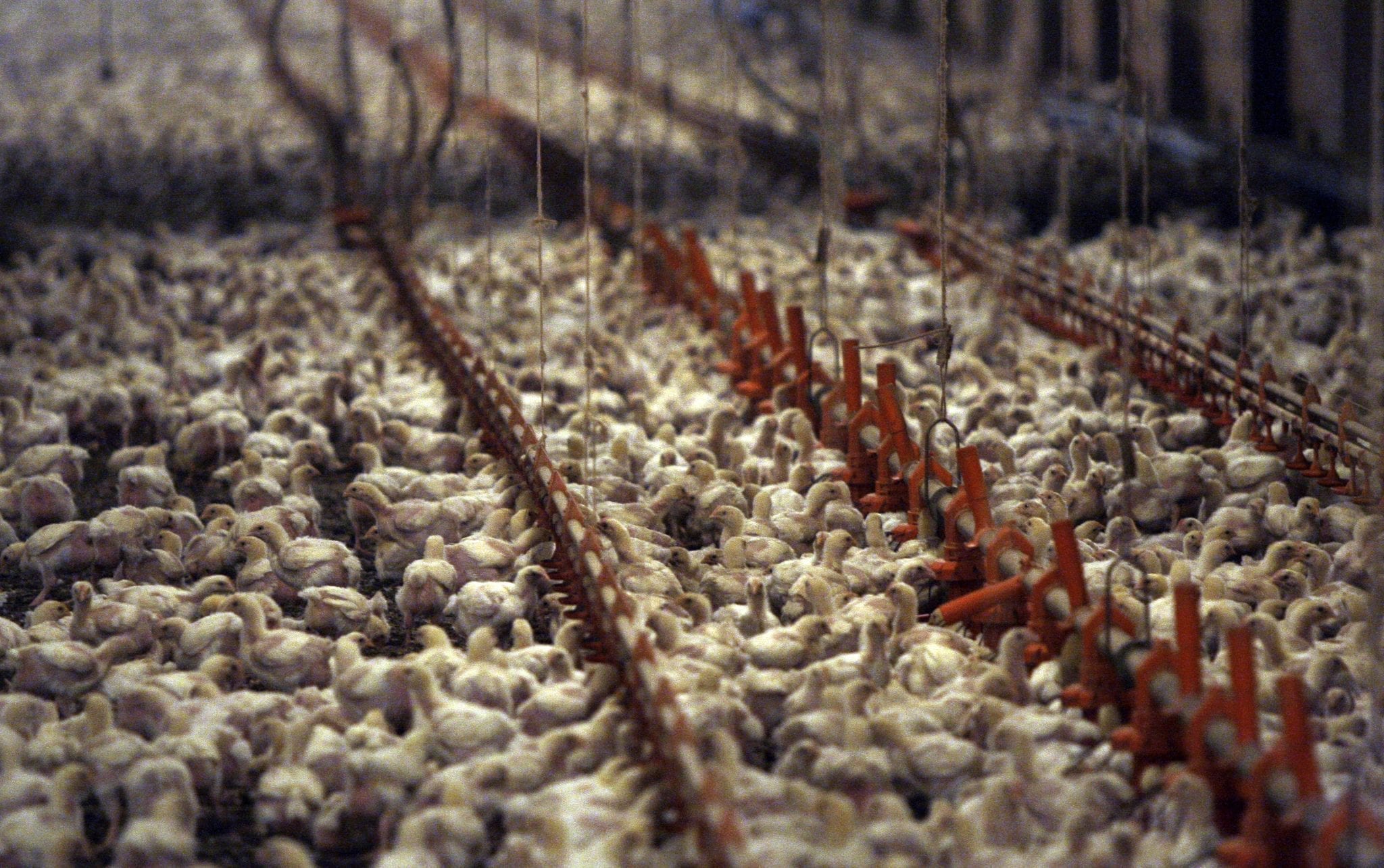
    In 2025, Vietnam witnessed an impressive import of over 56,500 tonnes of poultry from Europe, securing the country’s position as the second-largest consumer in Southeast Asia, with the Philippines leading the pack. This considerable import included various products like duck, chicken, and goose from the European Union (E.U.). These figures, released by the European Commission, show the steadily increasing demand for imported poultry products in the country. By January 2026, Vietnam had clinched the top spot as the largest importer of European poultry in the region, with purchases amounting to over 5,300 tonnes.

    Major European Suppliers

    Poland was the key European country supplying poultry to Vietnam, exporting over 37,300 tonnes in the previous year. France trailed behind with about 4,900 tonnes. Other significant contributors were Hungary, Italy, and the Netherlands, with respective exports of 4,680 tonnes, 2,750 tonnes, and 2,170 tonnes.

    According to Dariusz Goszczynski, a representative of the European poultry sector and President of the National Poultry Council under the Polish Chamber of Commerce, Vietnam is a priority market in the region for the E.U.’s poultry industry. This was highlighted during a promotional event in Ho Chi Minh City, under the campaign “European Poultry – From Farm to Fork.”

    Recovery from Pandemic-induced Disruptions

    Poultry importation in Vietnam experienced a downturn during 2021 to 2022 due to the disruptive effects of the Covid-19 pandemic, averaging around 30,000 tonnes per year. However, the volumes have bounced back almost twofold since 2023 as consumption regained momentum.

    Piotr Harasimowicz, the head of the Polish Investment and Trade Agency (PAIH) office in Vietnam, attributed the upswing in imports to the growing consumer trust in European poultry products, renowned for their strict safety and quality standards.

    Future Projections

    Industry professionals expect the demand to continue on an upward trajectory. The annual exports of Polish poultry to Vietnam alone are projected to hit an estimated 45,000 tonnes in the upcoming years.

    According to Agro Monitor, a market data provider, chicken accounted for 33% of Vietnam’s total meat consumption in 2024, a rise from 29% in 2022. This hints at a shift in dietary preferences towards poultry. The average egg consumption per person per year was about 198 eggs, still trailing behind the global average of 250–300 eggs, signifying further potential for market expansion.

    In line with income growth and urbanization, Vietnam’s evolving food consumption patterns are expected to support both domestic livestock development and the continued growth in poultry imports.

    Questions & Answers

    What is the status of Vietnam’s poultry imports from Europe?
    In 2025, Vietnam imported over 56,500 tonnes of poultry from Europe, becoming the second-largest consumer in Southeast Asia.

    Who are the major European suppliers of poultry to Vietnam?
    Poland, France, Hungary, Italy, and the Netherlands are the major European suppliers of poultry to Vietnam.

    What are the future projections for Vietnam’s poultry market?
    The demand for poultry in Vietnam is expected to continue expanding, with annual exports of Polish poultry alone projected to reach about 45,000 tonnes in the coming years. The country’s shifting food consumption patterns, due to factors such as income growth and urbanization, suggest further potential for market growth.

  • Asia’s Fashion Giant Urban Revivo Makes Strategic Inroad Into Europe With Uk Flagship Store

    Asia’s Fashion Giant Urban Revivo Makes Strategic Inroad Into Europe With Uk Flagship Store

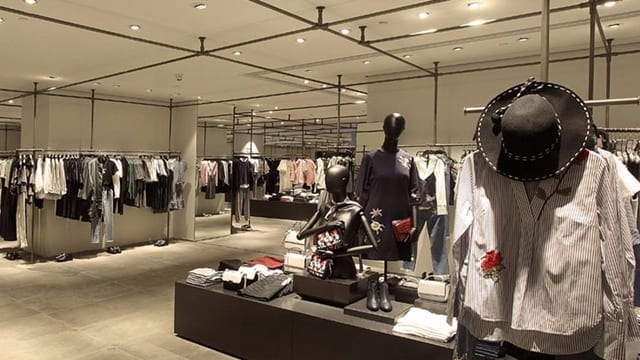
    Urban Revivo, a leading fashion brand from Asia often dubbed as “the Zara of Asia,” has recently launched its flagship store in the UK, on Neal Street in Covent Garden. The 515 square meter store is nestled among unique boutique stores and established heritage brands, marking a strategic inroad into Europe’s vibrant fashion industry and demonstrating the brand’s global ambitions.

    Establishing a Global Presence

    Urban Revivo, founded in 2006, has expanded rapidly across Asia, with over 400 stores spread across China, Southeast Asia, and recently, the United States. The company’s launch in Covent Garden follows its debut in New York’s SoHo district in February, and is set to be followed by further entries into other global fashion hubs including Hong Kong and Tokyo.

    The Covent Garden location offers an exciting opportunity for Urban Revivo to engage with London’s dynamic fashion scene. Vivian Chen, CEO of Urban Revivo International, recognizes that the introduction of new brands often face high entry barriers, necessitating time for consumers to build trust and familiarity. Approximately 60% of the Covent Garden store’s offerings are designed by the company’s London-based European Design Center. This reflects the brand’s “quiet luxury” aesthetic, which Chen describes as a blend of timeless sophistication and subtle individuality.

    Adapting to Different Markets

    Urban Revivo is quick to adapt its brand to resonate with the distinct tastes of its different markets. Chen notes that the European market values longevity in design, quiet luxury, and a clear brand identity, differing from Asian markets, particularly China, where fast-changing fashion trends and brand experimentation are more prevalent.

    Boasting design centers in Guangzhou and London, Urban Revivo is building a connecting bridge between Eastern and Western aesthetics, aiming to create a brand that resonates globally. The brand plans to replicate its successful consumer research and feedback system, which is supported by millions of members, in the UK and European markets.

    Challenges and Opportunities

    Chen recognizes that Europe, home to three major fashion capitals, presents unique challenges due to its rich tradition of art and fashion, and consumers with avant-garde perspectives on cultural trends. However, the company’s success in the UK market serves as a solid foundation for its expansion into the broader European market and other new regions.

    While Urban Revivo is characterized by its fast-fashion model, with a typical turnaround from trend to retail shelf in just 10 days, its approach is more considered. The London store, for example, carries only 800 Stock Keeping Units (SKUs).

    Future Ventures

    Urban Revivo’s global expansion plan includes new ventures into Hong Kong and Tokyo, two of Asia’s most mature and fashion-forward markets. The company plans to open a flagship store in Hong Kong’s Harbour City, a luxury shopping destination in Tsim Sha Tsui, and is preparing to debut its store in Japan’s fashion capital, Tokyo, by the end of this year.

    Questions & Answers

    What is Urban Revivo’s expansion strategy?
    Urban Revivo’s expansion strategy involves establishing a presence in global fashion capitals such as London, New York, Hong Kong, and Tokyo, and adapting its brand to resonate with the distinct tastes of its different markets.

    How does Urban Revivo’s approach differ from traditional fast-fashion brands?
    Unlike traditional fast-fashion brands that flood stores with high-volume, high-turnover SKUs, Urban Revivo’s strategy is more measured. The London store, for example, carries only 800 SKUs.

    What are Urban Revivo’s future expansion plans?
    Urban Revivo plans to expand into Hong Kong and Tokyo, two of Asia’s most mature and style-conscious markets. The company will open a flagship store in Hong Kong’s Harbour City and is preparing to debut its store in Japan’s fashion capital, Tokyo, by the end of this year.

  • Championing European Culinary Heritage in Hong Kong

    Championing European Culinary Heritage in Hong Kong

    European culinary delicacies shine this May, as the “Enjoy the Authentic Joy from Europe” campaign celebrates four premium delicatessen meats with an exclusive press luncheon. This exciting campaign, co-financed by the European Union and supported by three esteemed consortia, brings the rich, indulgent flavours of Mortadella Bologna PGI, Salamini Italiani alla Cacciatora PDO and Zampone Modena PGI and Cotechino Modena PGI to the dynamic city of Hong Kong. 

    Special Press Luncheon

    As part of the “Enjoy the Authentic Joy from Europe” campaign, an exclusive press luncheon hosted at Giando Italian Restaurant & Bar in Hong Kong today, brought together key media representatives, influencers, and food enthusiasts to indulge in a customised menu featuring the iconic products.

    The lunch also included an introduction from representatives of the three consortia behind these meats: Consorzio Italiano tutela Mortadella Bologna, Consorzio Cacciatore Italiano, and Consorzio Zampone e Cotechino Modena IGP.

    Following the press luncheon, interested parties can purchase the renowned deli meats at selected city’super, one of Hong Kong’s leading, premium grocery stores, giving customers the opportunity to explore, taste and purchase these exceptional products while learning more about their heritage.

    • Central – ifc mall: 1041-1049, Level 1, ifc mall, 8 Finance Street, Central, Hong Kong
    • Causeway Bay – Times Square: Basement 1, Times Square, 1 Matheson Street, Causeway Bay, Hong Kong
    • Tsim Sha Tsui – Harbour City: Shop 3001, Level 3, Gateway Arcade, 3-27 Canton Road, Harbour City, Tsim Sha Tsui, Hong Kong
    • Shatin – New Town Plaza: Shops 204-214, Level 2, New Town Plaza 1, Sha Tin Centre Street, Sha Tin, Hong Kong

    Supporting Heritage and Quality

    The three consortia behind these products – Consorzio Italiano tutela Mortadella Bologna, Consorzio Cacciatore Italiano, and Consorzio Zampone e Cotechino Modena IGP – are non-profit organisations dedicated to safeguarding and upholding these traditional foods.

    The consortia ensure that their deli meats meet strict production standards in compliance with the European Union’s PDO (Protected Denomination of Origin) and PGI (Protected Geographical Indication) certifications. These certifications not only protect the integrity of these products, but they ensure consumers of their authenticity, nutritional value, and quality while also supporting the producers who continue to craft them using time-honoured methods.

  • Arrivals of European tourists in Bali up 59.4%

    Arrivals of European tourists in Bali up 59.4%

    The number of European tourists arriving in Bali in this summer season increased 59.4 percent from 76,822 in June to 122,455 in July 2016.

    “The increase of European tourist arrivals is the fruit of the efforts made by the government and tourism industries in promoting Indonesia, especially Bali, in Europe and Asia,” tourism observer Dewa Nyoman Putra said here on Tuesday.

    Besides the impact of the intensive promotions and expanded security, the increase in European tourist arrivals is also triggered by the visa-free facility the Indonesian government provides for a number of countries.

    The tourism service of Bali recorded the average European tourist arrivals in Bali at some 76,000 per month.

    However, it rose to 122,455 in July, so that in the January-July 2016 period, the number of foreign tourist arrivals from Europe reached 583,463.

    Thus, European tourist arrivals in Bali account for 21.17 percent of the total foreign tourists arriving in Bali in the same period, in which 2.7 million foreign tourists visited Bali.