Tag: EV battery

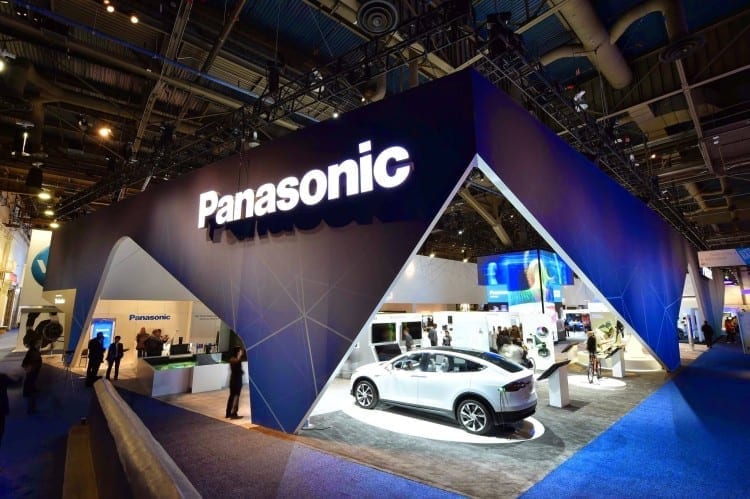
  • Panasonic To Invest $700 Million To Produce Tesla EV Battery

    Panasonic To Invest $700 Million To Produce Tesla EV Battery

    Japan’s Panasonic will begin producing its new lithium-ion battery for Tesla from as early as 2023, with plans to invest about 80 billion yen ($705 million) in production facilities in Japan, the Nikkei reported on Monday. The powerpack could help make electric vehicles (EVs) more attractive to motorists by extending cruising range by about a fifth, the Nikkei reported, without saying where it obtained the information.

    “We are studying various options for mass production, including a test production line we are establishing this business year. We don’t, however, have anything to announce at this time,” Panasonic said in a statement sent to Reuters.

    Panasonic unveiled the 4680 format (46 millimetres wide and 80 millimetres tall) battery in October. At around five times as big as batteries it currently supplies to Tesla, it is also expected to help the U.S. electric vehicle maker lower production costs.

    Panasonic will make the 4680 batteries at a plant in Wakayama prefecture in Western Japan, with output of less than 10 gigawatt hours a year, equivalent to around 150,000 vehicles, the Nikkei said.

    Panasonic is the sole maker of the more advanced Tesla battery, ensuring it remains a key supplier to the U.S. company, at least for its pricier models, even as the EV maker seeks out battery suppliers in China and elsewhere.
  • Ford Aims To Be World’s Second Largest Electric Vehicle Maker Within Two Years

    Ford Aims To Be World’s Second Largest Electric Vehicle Maker Within Two Years

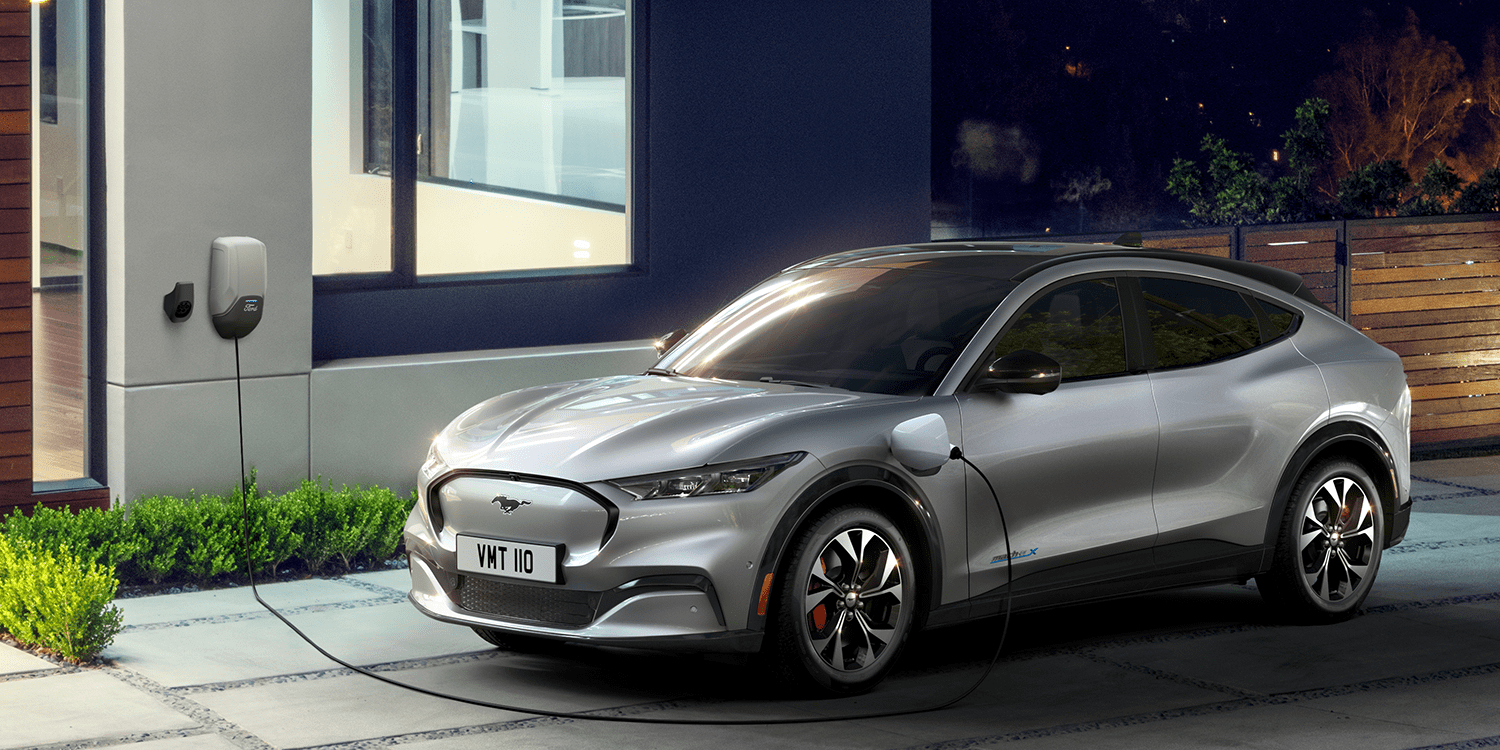
    Ford Motor expects to be the world’s second-largest electric vehicle manufacturer within two years, with an annual production capacity of nearly 600,000, a top company executive said Friday.

    The automaker’s optimism stems from the increasing demand for its next new EV, the Ford F-150 Lightning pickup, with retail reservations approaching 200,000, Lisa Drake, chief operating officer of Ford North America, said.

    Reuters reported on Wednesday that Ford likely would be vying with Stellantis for third place in the EV race by 2025, behind Tesla and the Volkswagen Group, based on production forecast data provided by AutoForecast Solutions.

    Speaking at an investor conference, Drake said Ford is working to vertically integrate more EV components, including power electronics and e-drives, at existing facilities that build parts for combustion vehicles – a modern take on founder Henry Ford’s pioneering work in building many of his own components.

    “We haven’t used ‘vertical integration in this industry in a long time,” Drake said, but “you’re going to hear it a lot more” as Ford and other automakers transition from combustion to electric vehicles.

    She said Ford working with five global battery suppliers to manufacture and help develop battery cells for its future EVs, aiming to build 240 gigawatt-hours of production capacity globally by 2030. Those suppliers include SK On, LG Energy Solution, CATL, BYD, and Panasonic.

    Ford expects to reduce EV battery cell cost to $80 per kilowatt-hour at the pack level “well before the end of the decade,” Drake said.

    The automaker is looking at different cell chemistries, including cobalt-free lithium iron phosphate, and cell-to-pack structural batteries to help reduce costs.

    Ford and BMW are working with Colorado-based startup Solid Power on developing solid-state batteries, which Drake said should be commercialized “well before the end of the decade.”

  • Porsche To Build EV Battery Cells Factory In Germany

    Porsche To Build EV Battery Cells Factory In Germany

    In a bid to speed up its e-mobility drive, the German carmaker Porsche is reportedly planning to set up a factory to produce battery cells for electric vehicles. This plan was confirmed by the company’s CEO to a local German newspaper. The European carmakers are looking to ramp up production of the electric cars to meet stringent environmental rules in the European Union. Moreover, they are also aiming to reduce their dependence on battery suppliers in Asia.

    In an interview with a local newspaper, Oliver Blume said that “Battery cells are a key technology for Germany’s automobile industry which we must also have in our own country.” He also said the carmaker wants to play a pioneering role in this step.

    He also confirmed that the battery cell factory would be built in the Swabian town of Tuebingen, Germany. Moreover, the company will purchase EV batteries from its parent company, which plans to build half a dozen battery cell plants across Europe. Volkswagen also intends to expand infrastructure for charging electric vehicles across the globe.

    Blume further said, “But there will also be a segment for high-performance battery cells. It’s a Porsche domain. Just as we developed high-performance internal combustion engines, we now want to be at the forefront of high-performance batteries.”