Tag: ev charging

  • Thailand Faces 26,000 EV Charger Deficit as Landowners Target Motorist Dwell Time

    Thailand Faces 26,000 EV Charger Deficit as Landowners Target Motorist Dwell Time

    Thailand needs roughly 26,000 additional electric vehicle charging outlets to build an adequate public network of about 41,000 points, according to data from Sharge Management Co.

    Battery EV registrations reached 169,638 units during the first nine months of 2026, up 93 percent year-on-year. That lifted total battery electric vehicles on Thai roads past 456,000 by late September.

    Network expansion is falling behind the fleet. Thailand counts more than 5,000 public charging locations hosting around 15,000 outlets, leaving a vehicle-to-charger ratio of roughly 30:1 compared to an international average of about 11:1.

    The Fast Charger Bottleneck

    Direct-current fast chargers present the sharpest deficit. The national ratio for DC fast units sits at 47:1, leaving drivers waiting during rush hours along key highway networks.

    Congestion clusters along routes out of the capital. The links connecting Chon Buri and Pattaya, sections between Saraburi and Nakhon Ratchasima into the northeast, and the Prachuap Khiri Khan-Chumphon highway heading south remain underserved by large-scale charging parks despite heavy traffic.

    Peerapatr Sirichantaropart, managing director of Sharge Management, said:

    Looking back over the past three years, EVs across personal, commercial and corporate segments have recorded average annual growth of 155%, highlighting a transition to the EV era that is happening faster than many anticipated.

    Matching Charger Speed to Dwell Time

    For strip malls, souvenir stops, roadside cafes and hotels, charging points are shifting from decorative amenities into commercial real estate drivers. Drivers need to stop, and they spend while plugged in.

    Site planning hinges on duration. Highway rest stops require high-output DC chargers to turn cars around fast. Suburban community malls and lifestyle venues fit medium-capacity DC or AC equipment, while overnight hotels deploy standard AC chargers to refill batteries while guests sleep.

    Hardware choice determines economics. Privately owned land developments turning plots into charging hubs typically see payback periods of three to seven years, depending on location, plug hardware and daily utilisation rates.

    Revenue Shifts for Retail Landlords

    Commercial landlords capture two distinct revenue streams from an installation. Drivers pay directly for power, and they spend cash inside adjacent retail stores during charging intervals.

    Long queues form consistently during public holidays at major tourist stops. Landlords operating dining outlets and convenience retail on those corridors take foot traffic from drivers who would otherwise bypass smaller community venues.

    Sharge figures show battery EV registrations hit 122,384 units in 2025, up 72.1 percent from the previous year. That compounding volume means roadside commercial centres without charging facilities risk losing regular transit customers to nearby plots with open plugs.

    Operators now look to the remaining quarter of 2026 to see whether grid connection approvals and public charger additions can begin closing the 26,000-plug shortfall before seasonal holiday holiday travel peaks.
  • Nio Power Signs Poly Property to Expand EV Battery Swap Network

    Nio Power Signs Poly Property to Expand EV Battery Swap Network

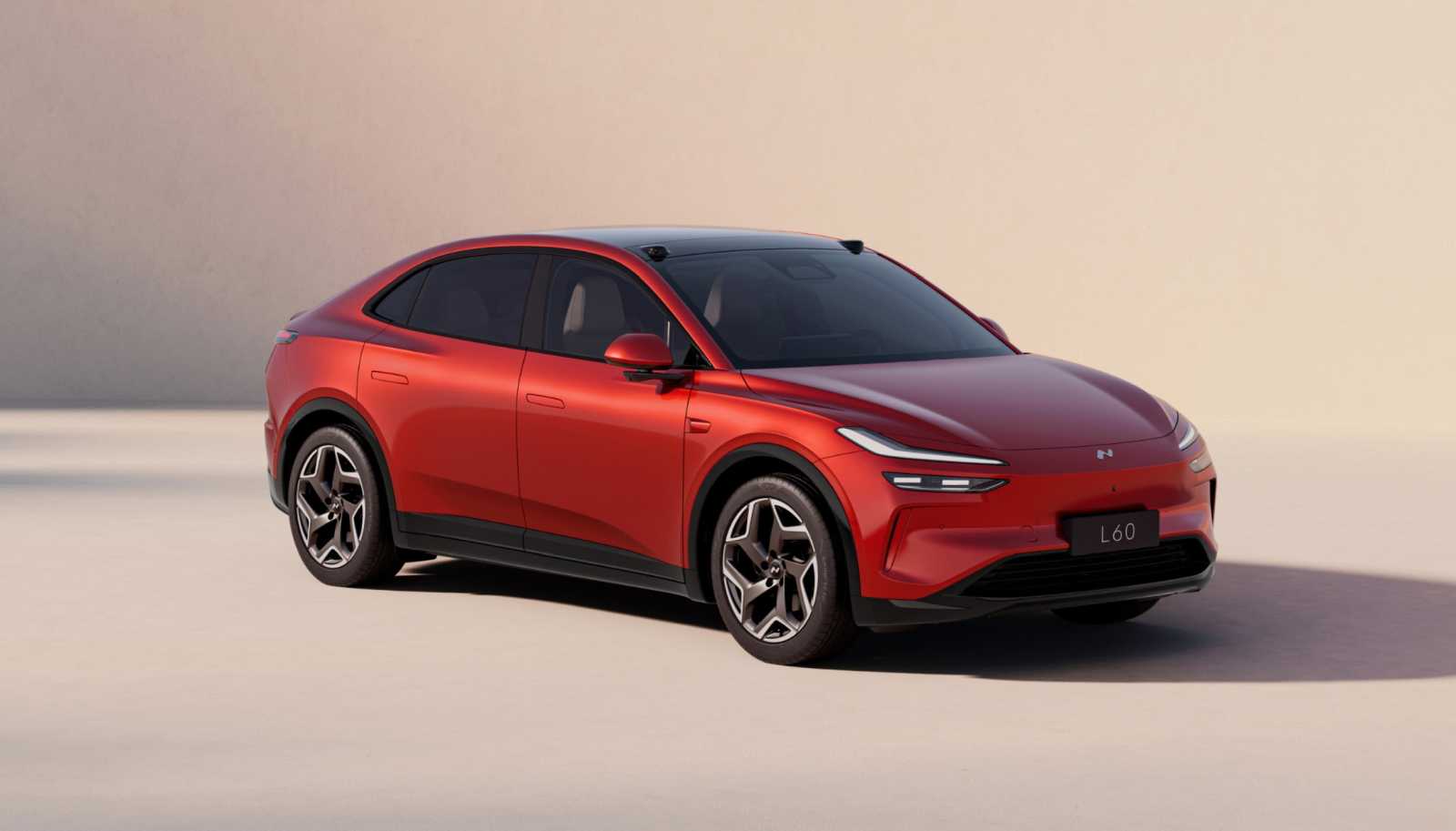
    Nio Power partnered with state-backed developer Poly Property Group on November 11 to install electric vehicle battery swap stations and charging points across commercial and residential developments in China.

    The agreement gives the carmaker access to prime real estate footprint, building on a network that already counts 4,252 swap stations and 5,584 charging stations nationwide.

    Signed in Shanghai by executives including Nio chief financial officer and Nio Power head Stanley Qu, the partnership targets existing and pipeline developments. The installations will focus on residential communities, commercial office complexes and industrial parks in major Chinese urban centres. Neither company disclosed the initial capital outlay or the exact station count.

    Inside the Property Agreement

    Beyond concrete foundations and swap bays, the contract links station operations with retail foot traffic. The two groups agreed to coordinate vehicle sales, showroom locations, user services and operational data management. Energy balancing forms the second tier of the arrangement, combining rooftop solar installations, localized battery storage and vehicle-to-grid power distribution across Poly Property communities.

    Poly Property operates as a primary real estate vehicle for China Poly Group. Its holdings span commercial plazas and high-density apartment blocks across multiple Chinese cities, offering Nio pre-cleared land access in zones where retrofitting heavy electrical infrastructure normally faces strict local property board approvals.

    Landlord Strategy and Infrastructure Costs

    For commercial landlords, bringing power swap hardware on site changes consumer dwell time, shifting footfall toward brief convenience purchases rather than long restaurant visits.

    Competitors across China continue to rely on open-access fast-charging partnerships or third-party depot operators. Nio has chosen a heavier route, shouldering the capital footprint of dedicated swap infrastructure to control the ownership experience. Securing state-owned landlord relationships reduces the real estate acquisition friction that slows down rival private charging rollouts.

    Scaling the Battery Network

    External partnerships have become the standard mechanism for Nio Power to spread execution costs. The unit has assembled ties with more than 40 regional partners, including provincial state-owned investment platforms, jointly delivering over 900 battery swap stations across 25 provinces and municipalities.

    Cumulative spending on charging and battery swapping technology and sites has passed 20 billion yuan ($2.98 billion). The system handled its 130 millionth swap on November 3, taking 88 days to run from 120 million to 130 million while processing more than 110,000 swaps each day.

    Hardware upgrades rolled out ahead of the developer pact. In August, Nio activated its first fifth-generation battery swap stations across seven cities, introducing compatibility for its mass-market Firefly brand alongside Nio and Onvo vehicles. Attention now turns to the first batch of operational Poly Property sites, where station commissioning dates will show how rapidly residential utility connections can be cleared.

  • BYD Demonstrates 1,000 kW Robotic EV Charging Arm in the UAE

    BYD Demonstrates 1,000 kW Robotic EV Charging Arm in the UAE

    BYD demonstrated an automated robotic charging arm in the United Arab Emirates capable of plugging into electric vehicles and delivering up to 1,000 kilowatts of power without driver intervention.

    Chinese media reports published on November 9 showed the installation, which pairs the high-speed arm with on-site solar generation and battery storage cabinets to buffer electricity demand and prevent heavy spikes on the local municipal grid.

    The robotic arm manages the full replenishment sequence once an electric car enters the designated stall. Sensors run visual recognition and force-feedback controls to pinpoint the vehicle charging port, unlatch the protective exterior flap, and insert the heavy cable directly into the socket.

    How the Hands-Free System Operates

    After pumping power, the arm uncouples the connector and secures the port flap. The hardware accommodates multiple local connector standards rather than relying solely on domestic Chinese charging pin configurations, an essential step for foreign market adoption.

    Chinese technical reports say the 1,000-kilowatt terminal recharges vehicles fitted with BYD’s second-generation Blade Battery to full capacity within nine minutes, while providing a partial top-up in five minutes. The demonstration data omitted baseline state-of-charge figures, testing temperatures, and the specific car model used.

    Automated Parking and Desert Climate Demands

    The carmaker also exhibited an integrated park-and-charge function. A vehicle directs itself autonomously into the bay before signaling the mechanical arm to begin charging, linking autonomous maneuvering with hands-off replenishment.

    That setup targets extreme heat environments across the Middle East. Automated coupling prevents motorists from stepping outside into summer desert heat to wrestle stiff high-voltage cables.

    Commercial real estate owners and fleet managers face steep infrastructure challenges when deploying high-power charging at scale. Megawatt-level installations threaten to overwhelm local substations unless backed by local power reservoirs. By integrating solar arrays and stationary storage into the UAE station footprint, BYD demonstrates a standalone microgrid blueprint that commercial operators can place near retail hubs without triggering costly grid upgrades.

    Competition across export markets is forcing Chinese electric vehicle manufacturers to export complete ecosystems rather than standalone passenger cars. Delivering bespoke robotic infrastructure lets vehicle brands protect premium retail pricing against rival imports while tailoring hardware to harsh Gulf operating conditions.

    Development History and Next Rollout Steps

    BYD spent several years developing automated charging systems, initially engineering robotic dollies to replenish automated guided transport vehicles inside industrial facilities. The firm later shifted that research toward public passenger vehicle hubs.

    Earlier corporate patent filings detailed secondary automated capabilities, including sensor-based reads of tire pressure and automated valve inflation along with non-invasive vehicle interfaces. Those diagnostic functions were absent from the UAE demonstration site.

    BYD has not disclosed commercial pricing, manufacturing schedules, total installation targets, or export plans for markets outside the UAE.

  • Pakistan Fuel Marketers Add 96 Retail Stations Across Country

    Pakistan Fuel Marketers Add 96 Retail Stations Across Country

    Oil marketing companies across Pakistan expanded their fuel retail forecourts during 1QFY27, commissioning dozens of new petrol pumps despite national targets aimed at electric vehicle adoption. Market leader Pakistan State Oil completed 37 new retail sites during the three-month period, lifting its nationwide network to 3,727 stations, the largest footprint in the country.

    Wafi Energy Pakistan Ltd added 54 new Shell retail sites and nine electric vehicle charging locations during the first nine months ending Sept 30. The sustained commercial buildout indicates that forecourt operators continue betting on rising petrol demand over official electrification goals.

    Under the Auto Policy 2026-31, the government aims to make 30 per cent of all new vehicles electric by 2030. Yet distributors on the ground are responding to daily road traffic anchored by petrol-powered two-wheelers and 660-1,000cc cars, which remain the primary mobility choice for consumers navigating weak public transit networks.

    Network Expansion Along Freight Corridors

    Attock Petroleum commissioned five new retail outlets during the quarter while decommissioning six underperforming locations under a network optimisation programme. Its operational network counted 816 stations on September 30, including 46 company-owned, company-operated sites.

    Private distributors are chasing traffic along newly built highways, bypasses and motorways linking northern transit points. Forty-eight licensed distributors maintain active operations across the country out of 50 permits issued by regulators. Forecourt operators focus investments on high-throughput intercity arteries where commercial vehicle flow guarantees daily volume.

    Commuters rely on personal two-wheelers because metropolitan transit systems remain patchy and overburdened. When petrol prices fluctuate following international supply shocks, consumers turn to smaller displacement engines rather than abandoning combustion models entirely. That consumer preference shields forecourt retailers from sudden drops in fuel transactions.

    Slow Build for Charging Hubs

    Electrification investments remain modest additions to existing forecourt footprints. Pakistan State Oil installed chargers in Faisalabad and Multan during the quarter, bringing its charging network to 16 locations nationwide.

    Attock Petroleum activated highway charging points at the Dandiwal Service Areas on the M-4 Motorway through a venture with Hubco Green. The distributor also installed a heavy-duty charger at a company-owned site in Islamabad with Huawei Technologies Pakistan and AE Power Energy, with plans to equip 13 more stations.

    Forecourt operators argue that gas stations represent poor locations for battery recharging. Globally, drivers of electric bikes and passenger cars recharge at homes, apartments and commercial shopping centres rather than sitting at roadside forecourts. State pressure to add chargers at petrol stations therefore runs against natural consumer refuelling habits.

    Motorcycle Volumes Sustain Forecourt Footfall

    Vehicle fleet economics heavily favour gasoline distributors. The country holds 30 million motorcycles, five million cars and 10 million rickshaws on its roads, with no statutory retirement policy requiring old combustion engines to be scrapped after decades of use.

    Between 50 and 60 per cent of two-wheelers rely on petrol. Local assembly plants turned out 442,179 motorcycles during July and August, up from 321,788 units in the prior-year period. Assembly reached 2.416 million two-wheelers in fiscal 2026, compared to 1.692 million in fiscal 2025.

    Electric alternatives gained ground from a low base, with electric two-wheeler sales rising to 240,000 units in fiscal 2026 from 60,000 units in fiscal 2025. Passenger car sales for the first quarter of fiscal 2027 reached 41,872 units, climbing from 29,318 units a year earlier, even as purchases of larger sport utility vehicles, pickups and vans dropped to 8,608 units from 12,949.

    Attock Petroleum plans to install charging hardware across 13 additional retail locations as oil marketing companies monitor whether state regulators will force further capital spending into commercial charging hubs.

  • Revolt Motors Wins Order for 1,100 Electric Motorcycles from Bihar Police

    Revolt Motors Wins Order for 1,100 Electric Motorcycles from Bihar Police

    Revolt Motors won a contract to supply 1,100 electric motorcycles to the police department of Bihar for patrol operations across the eastern Indian state.

    The agreement specifies delivery to the state capital of Patna by January 2027, though Revolt Motors plans to hand over the entire batch by the end of this month.

    Contract Terms and Bike Specifications

    Bihar Police selected the BlazeX, a commuter model priced at 134,990 rupees (€1,268) ex-showroom, sitting near the top of the manufacturer’s six-bike catalogue. The broader retail lineup spans from 99,999 rupees (€940) to 144,950 rupees (€1,362), before statutory registration charges and vehicle insurance.

    The BlazeX runs on an IP67-rated mid-mounted motor supplied by domestic auto component maker Sona Comstar, generating 4.1 kW of power and 37.4 Nm of torque. That powertrain pulls energy from an IP67-rated 3.24 kWh battery pack containing CATL NMC cells. The motorcycle clocks zero to 40 km/h in 5.1 seconds and reaches a top speed of 150 km/h.

    A full charge from zero takes 4 hours and 45 minutes from a standard wall outlet. Where dedicated charging infrastructure is absent on patrol beats, officers can unclip the battery pack and recharge it indoors, drawing on a certified Indian Driving Cycle range of 150 kilometres per cycle.

    Fleet Demand Tests Commercial Viability

    Institutional contracts give electric two-wheeler makers a predictable volume buffer against erratic retail showroom footfall. While consumer buyers often delay electric motorbike purchases over charging friction and upfront price differentials, public agency contracts lock in recurring revenue and bulk parts supply.

    The operational risk sits squarely on duty cycle endurance. Police patrol work strains drivetrains through continuous idling, stop-start urban runs, and rough road surfaces far beyond typical civilian commuter patterns, testing both the Sona Comstar mid-drive motor and CATL cell chemistry under sustained heat.

    Institutional Strategy for RattanIndia Unit

    Revolt Motors entered commercial sales in August 2019 and has put more than 60,000 electric motorcycles on Indian roads to date. Parent company RattanIndia Enterprises now relies on public fleet deployments to establish operational reliability records that private retail marketing cannot replicate.

    “Securing an order for 1,100 electric bikes from Bihar Police is a significant step for Revolt. Institutional mobility presents a different set of requirements from individual ownership, and engagements of this scale give us an opportunity to take our products into real-world operating environments. We see institutional adoption as an important avenue for expanding the role of electric bikes in India.”

    Execution turns on whether Revolt Motors clears the 1,100-unit distribution to Patna depot facilities before the end of this month, well ahead of the official January 2027 contract cutoff.

  • Li Auto Deliveries Fall to 29,025 in October

    Li Auto Deliveries Fall to 29,025 in October

    Li Auto delivered 29,025 vehicles in October, down 8.63 per cent from a year earlier as monthly volumes hit their lowest point since February. The figure slipped 8.78 per cent from the 31,817 units handed over in September, marking a second consecutive month of year-on-year contractions.

    Over the first ten months of 2026, the Chinese automaker delivered 322,461 vehicles, a 1.96 per cent drop compared to the same period last year. Total cumulative deliveries reached 1,862,676 units by October 31.

    Production Squeeze on Updated i6

    Li Auto launched the refreshed 2026 Li i6 on October 28 and started customer handovers the following day. The five-seat pure electric SUV keeps an unchanged sticker price of 249,800 yuan ($37,210), though early buyers securing allocations before November 30 receive promotional incentives lowering the cost to 239,800 yuan.

    Hardware updates include the proprietary Mach M100 driver-assist chip and a 96-kilowatt-hour Lianshan lithium iron phosphate battery pack. That combination yields a CLTC driving range of 780 kilometres on rear-wheel-drive configurations. Li Xinyang, head of the Li Auto product line, confirmed on October 30 that cumulative production of the i6 reached 200,000 units, but consumer wait times currently span seven to eight weeks.

    Flagship MPV Repositioning and In-House Tech

    Demand for the larger Mega multipurpose vehicle showed moderate recovery, topping 3,000 deliveries during October. Li Auto introduced the revised flagship electric van on September 2 with hardware revisions and a lower retail price designed to revive commercial momentum after a sluggish initial rollout.

    October also brought commercial deployments of Li Auto’s self-developed powertrain hardware, including the Lianshan drive system and dedicated traction pack warranty schemes. An over-the-air software upgrade, version 9.2, rolls out to owners in November to introduce Mach VLA 2.5 driver-assist functions alongside refreshed cockpit voice systems.

    Rivalry Shifts to Showroom Productivity

    Premium Chinese electric vehicle makers face an aggressive pricing war that penalises pauses in model renewal cycles. Rivals have expanded their sub-brands to defend entry-level volumes, while Li Auto relies on concentrated showroom throughput to protect dealer margins. The recent delivery dip demonstrates that consumer interest falters quickly when factory retooling delays customer handovers.

    Suppliers also face cash constraints as automakers bring proprietary silicon and battery assembly under direct control. Li Auto’s switch to its internal Mach processors and Lianshan battery platforms shifts margin risk straight to its balance sheet, raising the capital threshold required to compete in Tier 1 cities.

    Retail Expansion Ahead of Year-End Target

    The October setback follows a peak run in late 2024, when monthly deliveries crossed 50,000 units before market competition tightened across China. Li Auto responded by building out physical touchpoints in lower-tier regions while pruning low-traffic mall sites.

    By the end of October, the company’s retail network spanned 481 stores across 159 cities, supported by 527 service facilities in 217 cities. Its proprietary charging infrastructure expanded by 18 stations and 86 stalls in October, bringing totals to 4,206 supercharging stations and 23,163 plugs across China.

    Factory planners target monthly i6 assembly output of 20,000 units in November before pushing line rates higher in December to clear backlogs before the annual tax cut window closes.

  • Xpeng Launches L03 Electric Sedan in Europe Starting at €35,600

    Xpeng Launches L03 Electric Sedan in Europe Starting at €35,600

    Guangzhou-based electric vehicle maker Xpeng has priced its new L03 saloon from €35,600 in Europe, expanding its catalogue into a lower price tier ahead of customer deliveries scheduled for later this year.

    Measuring 4.65 metres long, the car anchors the lower end of the manufacturer’s European portfolio, sitting beneath the P7 saloon alongside the G6, G9, and X9 lines.

    Built on a 400-volt architecture, the base rear-wheel-drive L03 features a 58.2 kWh lithium iron phosphate battery accepting up to 193 kW of direct-current charging. A larger 71.1 kWh pack costs €3,000 extra, increasing peak charging power to 236 kW to take a 10 to 80 per cent charge in under 20 minutes. All-wheel drive adds another €3,000, while the range-topping Performance Ultra version costs €46,600.

    Hardware specs and vehicle packaging

    The car accelerates to 100 km/h in 4.5 seconds and reaches an electronically limited top speed of 193 km/h. Standard equipment includes an 11 kW alternating-current onboard charger and vehicle-to-load exterior power output rated at 6 kW.

    Cabin packaging balances passenger volume against a comparatively small 367-litre rear boot. To offset the shallow rear luggage floor, Xpeng fitted shopping hooks and a split-folding rear bench, alongside a front luggage compartment that offers 89 litres on rear-drive models and 44 litres on all-wheel-drive configurations.

    Standard cabin equipment includes front massaging seats with heating and ventilation, actively cooled wireless phone charging pads, and speakers in the driver’s seat that route navigation prompts and voice calls away from the main sound system. The audio package scales from nine speakers up to an 18-speaker setup on the Ultra trim.

    European sales channel pressure

    For dealer networks and independent automotive groups across Western Europe, the L03 changes showroom pricing dynamics against native battery-electric volume sellers. Delivering 236 kW fast charging and premium interior trimmings below €40,000 compresses trade margins for incumbent European distributors selling older compact platforms.

    The direct risk sits in regional brand perception and resale performance. While Guangzhou automotive groups have resolved early manufacturing fit-and-finish complaints, legacy European fleet operators still demand proven residual values before writing volume lease contracts on newer Chinese badges.

    Driver assistance and cabin software

    Xpeng built its domestic reputation in China around proprietary in-house software, and the European specification retains Level 2 driver assistance with capacitive hands-on steering wheel detection. The system executes automated lane changes via turn indicator inputs and operates up to 150 km/h on divided highways.

    Infotainment hardware runs native Google Maps alongside wireless Apple CarPlay and Android Auto integration. Head-up display projections incorporate navigation directions as well as a live rear-view camera feed during parking manoeuvres, supplementing automated parking functions.

    Portfolio expansion from Guangzhou

    Founded in Guangzhou, Xpeng initially pushed into overseas markets using larger, higher-margin exports including the P7 executive sedan, the G9 SUV, and the family-focused X9 multi-purpose vehicle. Opening order books on the L03 establishes the carmaker’s first dedicated mass-market nameplate in European showrooms.

    Factory deliveries across initial European delivery hubs begin before the end of the year, with regional market registrations testing customer uptake across Germany, France and Switzerland.

  • Xpeng to Unveil 5.12-Metre G9L Electric SUV at Paris Motor Show

    Xpeng to Unveil 5.12-Metre G9L Electric SUV at Paris Motor Show

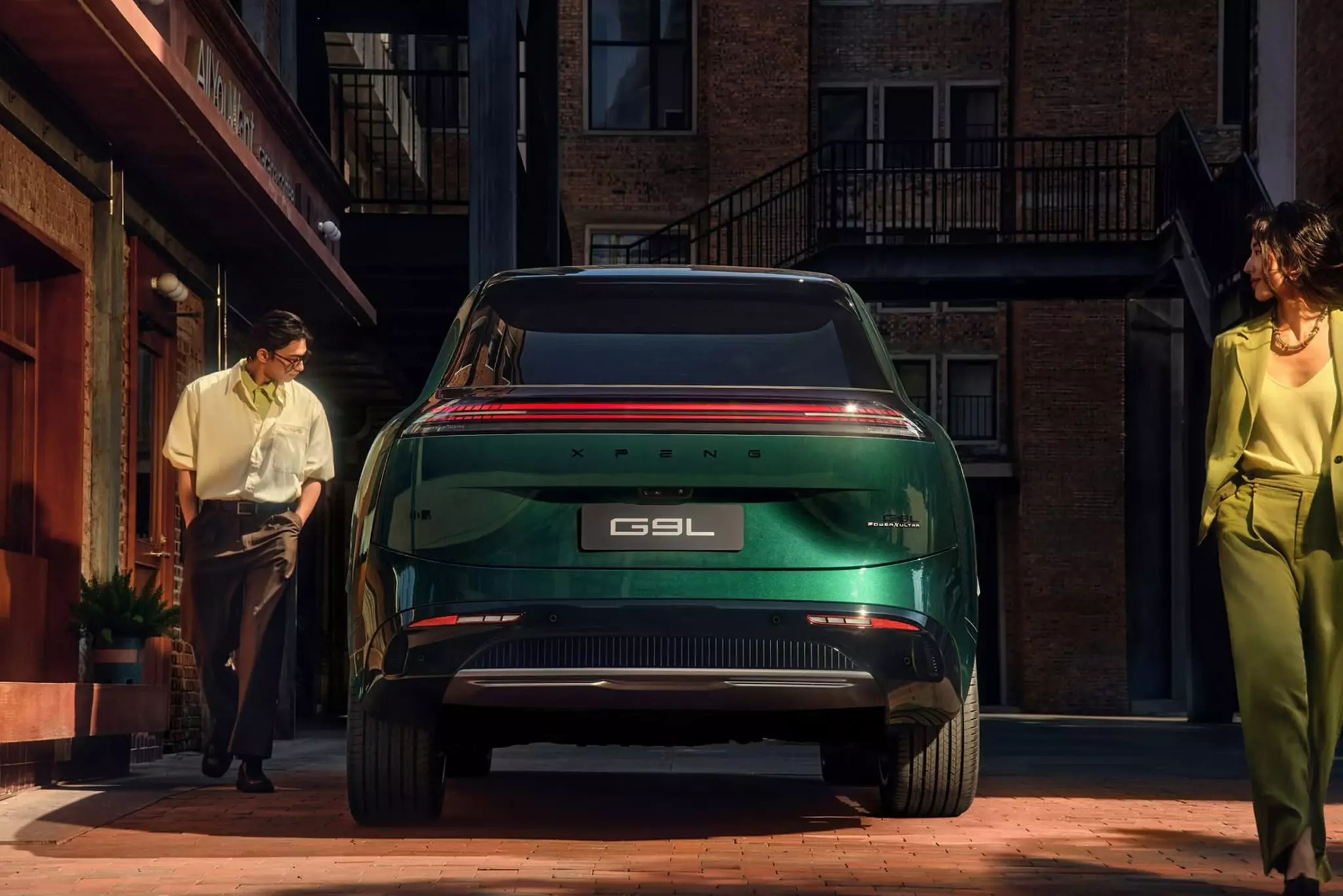
    Xpeng will unveil its new G9L electric SUV at the Paris Motor Show this year ahead of a European rollout. The flagship model is already on sale in China and features peak DC charging power of 540 kW.

    The 5.12-metre vehicle is 23 centimetres longer and 10 centimetres taller than the standard G9. It carries a 110 kWh battery that charges from 10 to 80 per cent in under 12 minutes.

    Dimensions and executive cabin layout

    Engineers stretched the wheelbase by 12 centimetres and added 10 centimetres of height compared to the standard G9. That yields a total vehicle height of 1.78 metres and a width of roughly two metres. Passengers enter via electrically deployed sliding side steps and automated remote doors. Outside, a revised closed front fascia and updated lighting clusters alter styling while keeping aerodynamic drag low.

    Inside, the cabin prioritises rear passenger amenities over raw cargo space. Second-row seating features two individual captain chairs with ventilation, heating, and massage functions. A thermoelectric storage unit sits between the rear seats, capable of freezing, cooling, or heating food and drinks. Overhead, a retractable ceiling display handles entertainment alongside powered side window blinds.

    Storage and configuration choices

    Luggage capacity stands at 367 litres with all three rows occupied, including a lower underfloor well. Folding down the third row expands cargo volume to 1,330 litres in the six-seater and 935 litres in the seven-seat configuration. A front trunk adds 65 litres. At the back, an electrically deployed tow bar provides up to two tonnes of towing capacity.

    European dealerships will stock both six-seat and seven-seat configurations. A five-seat version is designated strictly for the UK market. The six-seater comes exclusively with an all-wheel-drive powertrain, while seven-seat buyers can choose between single-motor and dual-motor specifications.

    Charging capability and drivetrain output

    The entry rear-wheel-drive variant generates 270 kilowatts and hits 100 kilometres per hour in seven seconds flat. It achieves a certified WLTP driving range of 591 kilometres. The twin-motor all-wheel-drive performance trim increases output to 430 kilowatts. That cuts the sprint to 100 kilometres per hour to roughly four seconds, while delivering 553 kilometres of WLTP range.

    A 22-kilowatt onboard AC charger comes standard across all versions for overnight wallbox replenishment. On fast-charging DC networks supporting 800-volt architectures, the vehicle draws up to 540 kilowatts at peak input.

    Market positioning against German rivals

    Chinese electric vehicle makers are targeting the upper tier of the European market. Higher transaction prices there help absorb logistics costs and regional trade duties. The G9L aims at executive fleet operators and wealthy private buyers who typically buy the BMW iX, Audi Q8 e-tron, or Mercedes-Benz EQS SUV.

    Official European pricing is not yet confirmed. However, the standard G9 starts at €59,600, while the dual-motor Performance model sells for €72,600. Offering rear-seat cinema screens, 12-minute charging, and three-row seating below legacy German price bands tests whether European corporate buyers will switch badges.

    Xpeng launched the original G9 platform nearly four years ago before rolling out a mid-cycle refresh last year. Full regional pricing schedules and delivery windows will follow the Paris debut.

  • China Highway EV Charging Surges 51% During National Day Week

    China Highway EV Charging Surges 51% During National Day Week

    China’s highway electric vehicle charging volume climbed 51.42 per cent year-on-year to 163 million kilowatt-hours during the week-long National Day holiday, official energy data showed on Thursday.

    Drivers logged 6.711 million charging sessions between October 1 and October 7 across 62,700 monitored highway charging points. That averaged 23.26 million kilowatt-hours a day.

    Demand peaked on October 1 at 28.05 million kilowatt-hours, up 60.40 per cent from the same day last year to set an all-time holiday record. Over the first three days, vehicles consumed 71.62 million kilowatt-hours across 2.968 million sessions. That worked out to 989,500 plug-in events each day.

    Peak Holiday Grid Loads

    Road trips accounted for more than 90 per cent of all passenger travel during the holiday, driven by toll-free highway access for private passenger cars. Average daily travel volume for battery-powered cars reached roughly 1.6 times normal operating levels of 9.8 million daily trips.

    During the eight-day combined National Day and Mid-Autumn holiday in 2025, charging volume totaled 123 million kilowatt-hours, an average of 15.36 million a day. The National Energy Administration tracked 48,400 operational highway points during that period. The network added 14,300 monitored points over the following twelve months.

    Grid managers prepared by deploying mobile emergency chargers and requiring pre-holiday hardware maintenance across intercity corridors. Highway authorities also routed charging traffic into dedicated lanes to clear standard rest-stop parking bays.

    Highway Infrastructure Expansion

    Fleet expansion is driving the surge. China counted 48.97 million new energy vehicles on the road at the end of June 2026, representing 13.19 per cent of total motor vehicles nationwide, up 2.92 percentage points from a year earlier. First-half registrations reached 5.195 million units, capturing 49.42 per cent of all new passenger car registrations.

    Charging hardware still struggles to keep pace during seasonal travel surges. Highway rest stops held 85,400 charging connectors by the end of June 2026, giving standard service areas near-total coverage outside high-altitude and sub-zero border zones.

    Installations accelerated this year. Highway operators added 11,000 high-power charging guns during the first eight months of 2026, matching the total volume of high-output equipment installed in all prior years combined.

    Commercial Pressure on Service Areas

    For retail concessionaires and commercial property operators at highway service plazas, concentrated charging demand creates an operational bottleneck. Dwell times keep drivers on site for 20 to 45 minutes. That lifts footfall into convenience stores, fast-food outlets and coffee kiosks, but chokes forecourt parking capacity.

    Upgrades carry heavy capital costs. Service plaza operators face steep utility spending to install ultra-fast direct-current chargers capable of delivering 250 kilowatts or more without destabilising local distribution grids. For private charging networks and automaker-backed stations, peak holiday utilization generates strong revenue over seven days, but high-voltage hardware sits underutilised throughout standard workweeks.

    Planners are pushing provinces to underwrite dedicated energy hubs to counter the imbalance. In southern China, Guangdong province established an independent plan to build 3 million total charging facilities by 2027 to service an expected provincial fleet of 8 million electric vehicles.

    Regional Targets and 2030 Capacity

    The Ministry of Transport set a target to install more than 10,000 new charging connectors across highway service areas across 2026, mandating high-power connectors to comprise at least 25 per cent of all new builds. Meeting that threshold requires substantial grid substation expansion along secondary arterial corridors connecting tier-two and tier-three cities.

    Power planners published a broader blueprint in July targeting 40 million charging stations across all categories by 2030, up from 20 million recorded at the end of 2025. That long-term target is designed to support an estimated national fleet of 110 million electric vehicles.

    Grid stability faces its next trial in late January. The multi-week Lunar New Year travel rush will test high-power charging corridors across central and northern provinces under sub-zero winter battery drain conditions.

  • Water to Add 123 EV Chargers Across 23 Highway Sites in South Korea

    Water to Add 123 EV Chargers Across 23 Highway Sites in South Korea

    South Korean renewable energy developer Brite Energy Partners will open 23 ultra-fast electric vehicle charging stations across the country’s national highway network through its charging brand, Water. The expansion installs 123 high-output chargers at highway service plazas across Gyeonggi, Chungcheong, Gangwon, and Gyeongsang provinces, with the initial site opening ahead of a scheduled October launch.

    Ultra-fast 400 kW hardware forms the backbone of the rollout, representing 62 of the planned plugs alongside 46 units rated at 200 kW and 15 units at 100 kW. The installation targets high-voltage vehicle architectures capable of drawing top-tier power rates during short rest stops.

    Hardware Mix and Connector Strategy

    Every stall across the 23 locations provides both DC Combo and North American Charging Standard (NACS) plugs. Integrating NACS connectors allows Tesla drivers to draw between 120 kW and 200 kW directly without third-party adapters. Stations with 400 kW units cater directly to 800-volt battery architectures, cutting session lengths during high-traffic travel periods.

    Operations began ahead of schedule at the Cheongju service plaza on the Seoul-bound Gyeongbu Expressway. The site operates as South Korea’s first highway rest stop equipped with 400 kW equipment, pairing two ultra-fast units with two 200 kW chargers.

    Tariffs and Rest Area Expansion

    Registered members receive a promotional electricity rate of 294 won per kilowatt-hour for 12 months following each station’s commission date. That pricing undercuts the Ministry of Climate, Energy, and Environment’s standard roaming tariff for chargers above 200 kW by roughly 100 won per kilowatt-hour.

    Competition among charging point operators in South Korea centers increasingly on access to prime highway concession locations managed by the state turnpike operator. By securing sites through the Korea Expressway Corporation, Water captures high-turnover dwell traffic that commercial urban charging hubs struggle to match.

    “Highway rest areas are essentially the only locations where charging speed directly impacts a driver’s time, which is why we chose to participate in the Korea Expressway Corporation’s infrastructure expansion project by deploying the highest-output chargers available,” said Yoo Dae-won, Head of the Electric Vehicle Charging Business Unit (Water) at Bright Energy Partners.

    Network Footprint Across South Korea

    Placing multi-standard ultra-fast plugs on key intercity routes alters route planning for long-distance fleet operators and passenger drivers alike. The dual-cable design shields the network against connector obsolescence as more international automakers adopt NACS standards alongside existing Combined Charging System protocols.

    Capital intensity remains the primary pressure point for independent charge point operators across the region. Grid connection costs and peak-demand utility charges on 400 kW hardware test profitability, requiring sustained throughput and high utilization rates to offset promotional retail tariffs.

    Highway Concessions and Long-Distance Transit

    The turnpike program expands on earlier provincial charging initiatives rolled out across South Korea’s secondary roads over recent fiscal periods. State tenders have shifted focus from ubiquitous low-power neighborhood chargers to concentrated high-capacity rest stops along major freight and commuter corridors.

    Completing the rollout brings Water’s total highway footprint to 397 chargers distributed across 73 rest areas nationwide. Commissioning schedules for the remaining 22 sites run through the coming quarters across the four targeted provinces.

  • Geely Buys 30 per Cent Stake in Nio Power for 16 Billion Yuan Valuation

    Geely Buys 30 per Cent Stake in Nio Power for 16 Billion Yuan Valuation

    Geely Holding Group will acquire a 30 per cent stake in Nio Power by injecting its commercial battery swap unit and 640 million yuan in cash. The transaction values Nio Inc’s energy arm at roughly 16 billion yuan ($2.37 billion) on a post-money basis.

    Nio China will retain management control of the subsidiary with a 63.6 per cent holding upon closing, according to a filing submitted to the Hong Kong Stock Exchange. Wuhan Guangchuang Emerging Technology Phase I Venture Capital Fund Partnership, which injected capital in May 2024, will hold the remaining 6.4 per cent.

    Terms of the capital tie-up

    Under the definitive agreement, Geely transfers the entire equity interest in its fleet battery swap operator, Yiyi Power, alongside 640 million yuan ($94.8 million) in cash to subscribe for new shares in Nio Power. The cash and operational assets consolidate Geely’s commercial mobility swap business directly into Nio’s broader infrastructure network.

    Geely’s ultimate equity percentage remains subject to post-closing adjustments tied to operational milestones. If performance falls short of agreed metrics, the holding will decrease, though contracts specify a floor of 20 per cent.

    Geely also secured an option to inject a further 640 million yuan in cash. Exercising that option would increase Geely’s stake to 34 per cent and dilute Nio China’s holding to 60 per cent, provided it is executed within two years of closing or prior to any subsequent financing round.

    Cross-investing in charging networks

    The transaction includes a reciprocal capital link on the fast-charging side. Nio China agreed to subscribe in cash for newly issued equity in Geely’s Zhejiang Haohan Energy Technology, securing a 10 per cent stake upon completion.

    Haohan Energy will allocate the proceeds to purchase selected charging assets directly from Nio. The companies did not disclose the cash consideration for the Haohan shares, which remains subject to regulatory review and closing approvals.

    Both operators plan to bridge their charging hardware and apps across mainland China to increase station utilisation. Combining these operations links two of the country’s most active proprietary charging operators behind a common access layer.

    Commercial fleet and consumer standards

    Absorbing Yiyi Power hands Nio Power immediate scale in commercial mobility fleets, a sector where high daily mileage makes rapid turnaround critical. Passenger car standardisation presents a tougher road. Geely agreed to develop consumer EV models compatible with Nio swap stations, but Nio noted in its exchange filing that passenger vehicle integration plans remain preliminary and require further negotiations.

    For hardware suppliers and energy grid operators, consolidating these two proprietary swap architectures reduces the risk of stranded assets in China’s secondary cities. Standardised battery packs and shared stations lower per-site capital expenditure, shifting competitive pressure directly onto rival automakers relying solely on ultra-fast plug-in chargers.

    Earlier agreements and buildout targets

    Cooperation between the two groups began in November 2023 with an initial battery swap pact, followed by an interoperability agreement for EV charging points signed in March 2024. Nio Power was established in Wuhan in May 2017 as a wholly owned entity before bringing in outside funds through a 1.5 billion yuan round from Wuhan Guangchuang in 2024.

    The combined business now faces aggressive infrastructure deadlines. Nio Power aims to run 10,000 battery swap stations across China by 2030, projecting annual electricity demand through its footprint will exceed 10 billion kilowatt-hours. Geely is building toward a network of more than 22,000 charging stations and 100,000 charging connectors before the end of 2027.

  • Chinese Automakers Launch Five-Minute EV Fast Charging

    Chinese Automakers Launch Five-Minute EV Fast Charging

    Chinese electric vehicle makers have introduced ultrafast charging systems this week that replenish passenger car batteries in five minutes, cutting charging times to rival standard petrol pump stops.

    The engineering milestone targets range anxiety directly as automakers deploy high-voltage platforms across new production models to secure domestic market dominance.

    High Voltage Platforms Hit Dealerships

    Domestic manufacturers showed the updated charging architecture across production models, including the Geely Galaxy E8, at the Auto China exhibition in Beijing. The vehicle architecture relies on high-voltage electrical systems that handle higher current loads without overheating battery cells.

    Accelerated charging speeds require dedicated station hardware capable of delivering high power outputs safely. Automakers are pairing vehicle releases with dedicated charging infrastructure investments across tier-one cities in China to guarantee headline charging speeds for retail buyers.

    Infrastructure Demands and Grid Integration

    Deploying five-minute charging shifts operational pressure from vehicle powertrains to urban electrical distribution networks. Fleet operators, commercial landlords, and charging networks must install industrial-grade battery energy storage systems at stations to buffer the grid against sudden spikes in electrical demand.

    For retail and property operators hosting charging points, five-minute turnaround times dramatically increase station throughput and customer turnover. Shorter dwell times change how commercial landlords monetize driver visits, shifting retail strategy from long-stay amenities to high-frequency grab-and-go formats.

    Regional Competitive Pressure

    Legacy foreign automakers face renewed margin pressure across Asian markets as Chinese brands commercialize battery breakthroughs faster. European and Japanese competitors selling into China continue to rely on longer 15-to-30-minute fast-charging cycles on mainstream consumer lines.

    The technology gap threatens foreign brand equity in Southeast Asia and Latin America, where Chinese original equipment manufacturers are expanding retail dealership footprints. Buyers in export markets increasingly treat charging speed as a primary purchasing criterion alongside upfront sticker price.

    Manufacturing Milestones

    Chinese battery suppliers spent recent development cycles optimizing cell chemistry and thermal management systems to handle continuous high-current inputs. The commercialization of five-minute charging marks the transition of advanced silicon-carbon anodes and liquid-cooling designs from laboratory test benches to high-volume assembly lines.

    Vehicle brands are integrating these platforms across entry-level and premium product lines rather than restricting ultrafast charging to low-volume halo vehicles. The broader rollout lowers component unit costs across suppliers in the domestic supply chain.

    Commercial focus now turns to highway network operators as charging infrastructure providers work to deploy compatible multi-megawatt public dispensers along national transit corridors.

  • CharIN Tests 1,000 kW Megawatt Charging Systems at 2026 Testival

    CharIN Tests 1,000 kW Megawatt Charging Systems at 2026 Testival

    Global charging alliance CharIN stepped up interoperability testing for heavy-duty electric trucks and passenger vehicles as hardware communication failures continue to disrupt high-power charging deployments in 2026.

    Live trials using Phoenix Contact systems delivering up to 720 kW revealed persistent connection handshaking delays between vehicle software and chargers, proving that standardisation on paper has outpaced field implementation.

    The tests evaluated the Megawatt Charging System, known as MCS, alongside the second-generation ISO 15118-20 communication protocol. Commercial vehicle demonstrations verified throughput capacity of up to 1,000 kW on the Mercedes-Benz eActros 600, 750 kW on the MAN eTGX, and 700 kW on the Volvo FH Aero Electric. CharIN, which has coordinated MCS specifications across 120 member companies since 2018, confirmed that physical socket standards remain governed under IEC TS 63379 specifications.

    Protocols Advance Faster Than Hardware

    Software standardisation moved forward following the release of the ISO 15118-20 Amendment 1 update in July 2026. That revision incorporated MCS services, grid-tied alternating-current distributed energy resource applications, and updated TLS 1.3 cryptographic security protocols. Yet physical trials revealed ongoing mechanical locking and inlet alignment faults across multiple hardware vendors.

    Michael Keller, chief technology officer of CharIN, stated during the trials: “Without 100% interoperability, the customer has no guarantee of a successful charging process when they arrive at an unfamiliar charging station.”

    Vehicle-to-grid capabilities showed wider compliance variations during system trials. Out of 23 direct-current test systems evaluated for bidirectional energy flow, 13 handled European grid feedback specifications, while only seven out of 11 alternating-current systems functioned under simulated grid conditions. CharIN confirmed that automated energy management and bidirectional communication channels require extensive local certification before utility networks permit commercial power exports.

    Implications for Asian Logistics Hubs

    For fleet managers and warehouse operators across Asia-Pacific logistics corridors, the lack of plug-and-play uniformity introduces direct capital risk. Port operators and long-haul logistics fleets in markets like South Korea, China, and Australia cannot afford failed charging handshakes during tight freight turnaround windows. Purchasing megawatt-rated dispensers does not guarantee scheduled power delivery if proprietary truck control units reject public charger firmware.

    RetailNews Asia notes that retail distribution centers face secondary property planning bottlenecks alongside vehicle testing. Megawatt-level charging requires dedicated onsite battery buffering, dynamic load balancing, and restructured depot layouts to accommodate non-standard charging port positions. Operators building high-voltage freight hubs must design facilities around shifting cable lengths, cooling hardware, and transformer lead times rather than vehicle specifications alone.

    Grid Constraints Dictate Rollout Timelines

    Distribution network operators also struggle to process high-capacity grid hookups at the pace demanded by fleet operators. German electrical industry body ZVEI pointed out that local substation headroom and administrative approvals form the primary constraint on fast-charging hubs. In response, regulators such as the Federal Network Agency began publishing regional utility connection timelines to expose connection bottlenecks.

    Municipal public transport operators have already hit these limits during depot conversions. Local authorities in districts like Lippe reported that while over 50 percent of municipal bus fleets are now electrified, expanding depot connections requires balancing local rooftop solar arrays against uncoordinated central energy directives.

    Regional Testing Heads to South Korea

    Standardisation efforts previously focused primarily on light passenger vehicles before shifting toward megawatt-class haulage at trials in Arnhem earlier this year. Those earlier Dutch sessions validated basic bidirectional direct-current flows but left connector durability and automated communication handshakes unresolved for mass-production trucks.

    Testing now moves to the Korea Electrotechnology Research Institute in Ansan-si on October 12, 2026. Industry participants, including GridWiz, VertexCom Technology, and GENIS Korea, will test HomePlug GreenPHY validation workflows and ISO 15118-20 interfaces against Asia-Pacific grid codes.

  • Coles Opens Its First Fully Electric Supermarket in Melbourne

    Coles Opens Its First Fully Electric Supermarket in Melbourne

    In September 2026, Coles opened its first fully electric supermarket at Orana Village in Clyde, Melbourne. The site eliminates on-site fossil fuels through a 270-kilowatt rooftop solar array and battery storage.

    Its rooftop holds 487 solar panels. These connect to a 110-kilowatt, 225-kilowatt-hour battery energy storage system that powers daily operations and backs up essential services during outages.

    How the Store Runs Without Gas

    Natural gas is gone from the site. Electric heat pumps link directly to a natural carbon dioxide refrigeration system. This setup captures waste heat from chilled cabinets and feeds it into climate control, delivering 171 kilowatts of heating capacity alongside full LED lighting fixtures.

    Drivers have access to four on-site fast-charging bays delivering up to 200 kilowatts direct current via Evie Networks. These chargers connect straight to the battery storage system. That buffer smooths power spikes when multiple electric vehicles draw high current during peak shopping hours.

    Origin Energy developed the on-site battery as an on-market backup unit. When checkouts and lighting do not require reserve power, the battery feeds capacity into Origin’s virtual power plant. That allows power trading on the wholesale electricity market.

    The Operational Read-Across for Retail Landlords

    Pressure is mounting on supermarket operators across Australia and Southeast Asia to remove direct gas connections from standalone shopping centres and strip developments. Coles expects the Clyde installation to reduce electricity drawn from the grid by up to 25 per cent. That drop eases baseline utility overheads in high-tariff energy markets.

    Property owners face distinct physical and capital hurdles if they copy this layout. Rooftop structures must support heavy panel arrays. Battery containment also demands dedicated exterior real estate and specialised fire suppression infrastructure. Landlords negotiating new leases with national grocers will need to absorb shared electrification costs during base-building stages.

    The Rollout Plan Through 2029

    Following the Clyde commissioning, Coles and Origin Energy extended their renewable energy partnership for another three years to 2029. Under the expanded agreement, Origin will install an additional 15 megawatts of rooftop solar capacity across up to 75 stores. It will also add 15 megawatt-hours of battery storage across up to 20 locations.

    Orana Village gives us a blueprint for what a lower emissions and more resilient store network could look like.

    Work on the initial phase began in 2023, delivering 16.45 megawatts of solar capacity across 73 stores and distribution centres, alongside 1.35 megawatt-hours of battery storage across five sites. Across participating locations, the combined systems cut grid electricity demand by an average of almost 20 per cent.

    Grid Exposure and Capital Allocation

    This project ties into the retailer’s plan to reach net-zero operational emissions by 2050. At the close of financial year 2026, Coles reported an 82.6 per cent reduction in combined Scope 1 and Scope 2 greenhouse gas emissions compared with its 2020 baseline. That progress rests on national power purchase contracts covering its network of more than 1,800 outlets and logistics facilities.

    Rivals Woolworths and Aldi have similarly contracted renewable power for their store fleets while introducing electric freight trucks. Attention now turns to whether savings from heat recovery and peak-demand management justify the upfront capital cost of retrofitting older, leasehold supermarkets before the 2029 rollout deadline.

  • BYD Denza Launches All-Electric N8L SUV Priced from 299,800 Yuan

    BYD Denza Launches All-Electric N8L SUV Priced from 299,800 Yuan

    BYD rolled out the battery-electric version of its Denza N8L sport utility vehicle in China on Monday, pricing the large six-seater from 299,800 yuan ($44,280).

    The launch introduces a pure electric drivetrain to a flagship family model that previously sold only as a plug-in hybrid, undercutting the hybrid edition’s starting price by 20,000 yuan.

    Battery Power and Fast Charging Hardware

    Denza sells the new all-electric SUV in two configurations. The entry Flash Charging Prestige costs 299,800 yuan, while the higher-spec Flash Charging Flagship retails for 329,800 yuan. Both variants use an 800-volt electrical architecture paired with a 130.15-kilowatt-hour second-generation Blade Battery, delivering a driving range of up to 960 kilometres under China Light-Duty Vehicle Test Cycle standards.

    Propulsion comes from a single rear-mounted electric motor rated at 370 kilowatts, or 496 horsepower. At BYD flash charging stations, the system pushes battery state from 10 per cent to 70 per cent in five minutes, and reaches 97 per cent in nine minutes.

    Body measurements match the hybrid predecessor exactly. The chassis measures 5,200 millimetres in length, 1,999 millimetres in width and 1,820 millimetres in height, riding on a 3,075-millimetre wheelbase with a three-row, six-seat interior. Storage includes a 208-litre powered front trunk equipped with a drainage plug for wet gear. Standard driving hardware incorporates rear-wheel steering that trims the turning radius to 4.58 metres, dual-chamber air suspension, continuous damping control and a roof-mounted LiDAR unit running the God’s Eye 5.0 driver assistance package.

    Shifting Family Buyers Toward Pure Electrics

    By pricing the pure electric model below the plug-in hybrid version, Denza is rewriting the traditional price ladder in China’s premium three-row segment. Automakers historically charged heavy premiums for massive 130-kWh battery packs. BYD is using its vertical cell manufacturing scale to absorb those costs and squeeze rivals such as Li Auto and Nio, forcing competitors to defend margins across the 300,000-yuan family SUV bracket.

    The commercial success of the vehicle relies directly on BYD’s ability to maintain high charging speeds away from urban showrooms. A 960-kilometre nominal range eases highway anxiety, but deploying ultra-fast power cabinets across key highway arteries is what will convince combustion-engine owners to ditch petrol backups for family transport.

    Building Out the N8L Lineage

    Denza introduced the original N8L nameplate in October 2025 as a dedicated plug-in hybrid. The brand updated that hybrid in June with a 75.26-kWh second-generation Blade pack offering 430 kilometres of electric range and flash charging capability, priced at 319,800 yuan.

    BYD operated 10,000 flash charging stations across China as of late August and expects to reach 20,000 operational stations before the end of December.